
Keeping Your Calm Machine Clean: Proper Diffuser Maintenance for Lasting Anxiety Relief

Welcome to Mind Care Guide, a sanctuary dedicated to nurturing your mental well-being.
Feeling overwhelmed? You're not alone. Many find solace in the gentle embrace of aromatherapy, but are you getting the most out of your diffuser? Discover the crucial link between aromatherapy diffuser maintenance and sustained anxiety relief in our latest article. We'll reveal simple, yet vital steps to keep your "calm machine" running smoothly, ensuring those soothing scents continue to support your journey to inner peace. Curious to learn how proper care can amplify your anxiety-relief efforts? Read on...
- Keeping Your Calm Machine Clean: Proper Aromatherapy Diffuser Maintenance for Lasting Anxiety Relief
- Step-by-Step Guide to Aromatherapy Diffuser Cleaning for Anxiety Management
- Troubleshooting Common Aromatherapy Diffuser Problems Affecting Anxiety Relief
- Choosing the Right Essential Oils for Anxiety Relief with Your Clean Diffuser
-
Frequently Asked Questions
- How does aromatherapy diffuser maintenance contribute to anxiety relief?
- What are the essential steps for cleaning an aromatherapy diffuser?
- How often should I clean my aromatherapy diffuser for optimal anxiety relief benefits?
- Can improper diffuser maintenance worsen anxiety symptoms?
- What types of essential oils are best for anxiety relief when using an aromatherapy diffuser?
- Final Reflection: The Calming Power of Consistent Care
- Rediscover Your Calm: Maintain Your Diffuser for Lasting Peace
Keeping Your Calm Machine Clean: Proper Aromatherapy Diffuser Maintenance for Lasting Anxiety Relief
The Link Between Cleanliness and Effective Aromatherapy for Anxiety
Think of your aromatherapy diffuser as a vital tool in your anxiety management kit – a "calm machine." Just like any important tool, its effectiveness hinges on proper care. When essential oils are diffused, tiny droplets are released into the air, carrying their therapeutic properties. However, residual oil, mineral deposits from water, and dust can build up inside the diffuser's reservoir and components.
This buildup can impede the diffusion process, leading to a weaker scent and potentially altering the chemical composition of the diffused oils. Studies suggest that the purity and consistency of aromatherapy delivery are key to experiencing reliable benefits for mood and stress reduction. Therefore, regular aromatherapy diffuser maintenance is not just about keeping your device running; it's about ensuring you receive the full, intended calming effect from your chosen essential oils, making it a critical part of utilizing aromatherapy for anxiety relief.
Moreover, a dirty diffuser can harbor bacteria or mold, especially in humid environments. While not directly impacting the oil's initial therapeutic properties, diffusing airborne contaminants alongside your calming essential oils defeats the purpose of creating a pure, therapeutic atmosphere. An unclean diffuser might produce an unpleasant odor that counteracts the soothing fragrance of oils like lavender or chamomile, adding to stress rather than relieving it.
Maintaining a clean diffuser ensures that the air you breathe is filled only with the beneficial compounds of the essential oils, creating a truly serene and healthful environment conducive to reducing anxiety and promoting relaxation. This underscores why diligent aromatherapy diffuser maintenance for anxiety relief is fundamentally important.
Avoiding Clogged Diffusers: Maintaining Optimal Essential Oil Diffusion for Calming Effects
Clogging is one of the most common issues faced by aromatherapy diffuser users, and it significantly impacts their ability to deliver effective anxiety relief. Ultrasonic diffusers, which use a ceramic disc to vibrate and create mist, are particularly susceptible to mineral and oil buildup on this disc. When the disc is coated, it cannot vibrate efficiently, resulting in little to no mist production and consequently, a minimal release of essential oil into the air.
This means you might be using your favorite calming blend, but receiving only a fraction of its intended aromatic potency, diminishing its potential to soothe your nervous system. Preventing this requires consistent aromatherapy diffuser maintenance.
Vaporizer or nebulizing diffusers, while different in mechanism, also face clogging risks, primarily from thicker oils or resins that can block the fine tubes or atomizers. Imagine relying on frankincense or sandalwood for their grounding effects, only for the diffuser to be blocked, preventing their diffusion. Regular cleaning dissolves these residues, ensuring that the essential oils are properly atomized and dispersed evenly throughout your space.
This optimal diffusion is crucial for achieving consistent exposure to the therapeutic compounds that help manage anxiety. Investing a few minutes each week in aromatherapy diffuser maintenance is an investment in the sustained effectiveness of your anxiety relief strategy through aromatherapy.
Step-by-Step Guide to Aromatherapy Diffuser Cleaning for Anxiety Management
Daily Aromatherapy Diffuser Care: Quick Maintenance for Consistent Anxiety Relief
Incorporating a simple daily cleaning routine for your aromatherapy diffuser is the easiest way to ensure consistent performance and reliable anxiety relief. After each use, especially if you've been diffusing for several hours or using a potent oil blend, it's beneficial to empty any remaining water from the reservoir. Allowing stagnant water to sit can encourage mineral buildup and reduce the efficiency of the unit. Most manufacturers recommend discarding leftover water rather than letting it sit until the next use.
Following the emptying, a quick wipe-down of the interior with a clean, damp cloth or paper towel is usually sufficient for daily care. Pay particular attention to the ultrasonic disc if your diffuser has one – gently wiping away any visible residue. This prevents the immediate hardening of oil remnants and mineral deposits that can accumulate rapidly, hindering the diffusion process. This minimal daily aromatherapy diffuser maintenance helps preserve the integrity of the diffuser and ensures that your next aromatherapy session for anxiety is as effective as the last.
Weekly Aromatherapy Diffuser Deep Cleaning: Ensuring Optimal Performance and Anxiety Relief
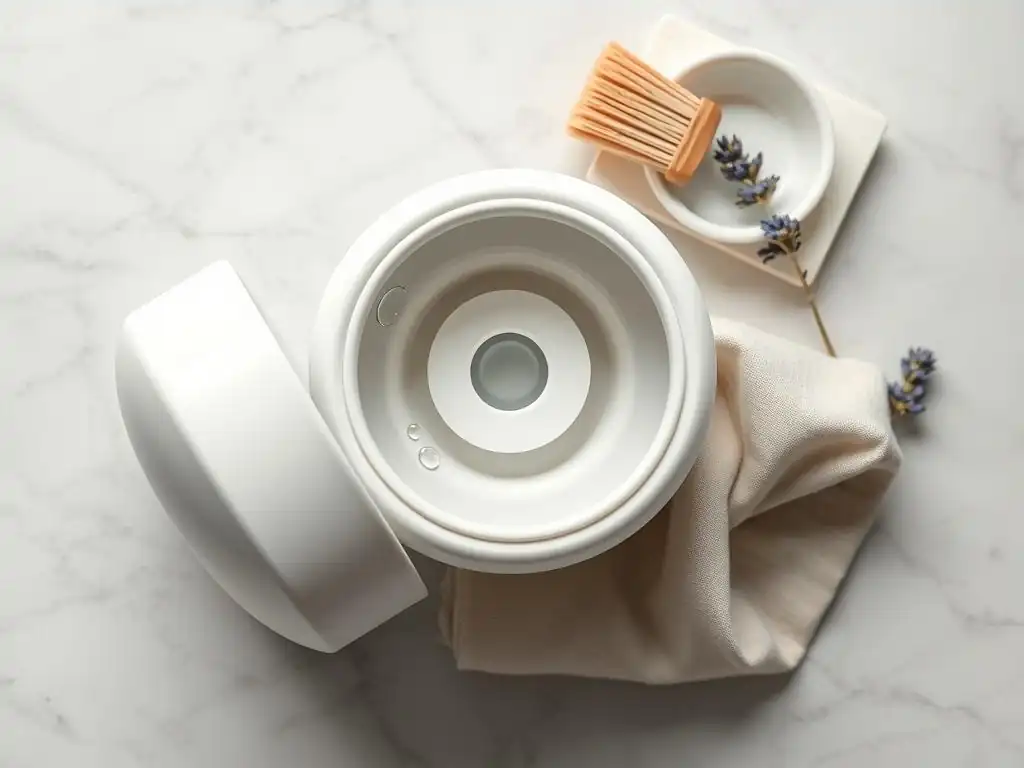
A weekly deep clean is essential for dissolving stubborn buildup that daily care might miss, guaranteeing that your diffuser operates at peak performance for consistent anxiety relief. For most ultrasonic diffusers, this involves using a small amount of rubbing alcohol or white vinegar. Start by filling the reservoir halfway with clean water, then add about 10 drops of white vinegar or a teaspoon of rubbing alcohol. Run the diffuser for 10-15 minutes in a well-ventilated area. This helps loosen mineral deposits and oil residue from the ultrasonic disc and other interior surfaces.
After running the cleaning solution, carefully empty the reservoir. Use a cotton swab dipped in white vinegar or rubbing alcohol to gently clean hard-to-reach areas and the ultrasonic disc itself. Be careful not to scratch the disc. Rinse the reservoir thoroughly with clean water multiple times to remove all traces of the cleaning solution and loosened debris. Finally, dry the diffuser completely with a clean cloth or allow it to air dry before its next use. This thorough weekly aromatherapy diffuser maintenance prevents long-term clogging and ensures your device remains a reliable source of aromatherapy for anxiety relief.
Monthly Aromatherapy Diffuser Maintenance: Preventing Long-Term Problems and Maximizing Anxiety Relief
Beyond daily and weekly care, a monthly check-up and more thorough cleaning can prevent long-term issues and maximize the longevity and effectiveness of your aromatherapy diffuser for anxiety relief. This is a good time to inspect the external parts for any wear and tear and ensure all vents (if any) are free of dust. For ultrasonic diffusers, pay extra attention to the air intake vent, which can sometimes become blocked by dust, affecting mist production. Use a soft brush or a cotton swab to gently clean these areas.
For nebulizing diffusers, monthly cleaning might involve specific solutions recommended by the manufacturer, often stronger alcohol-based cleaners designed to dissolve thicker oil residues that can solidify in the glass components. Some models might require soaking parts. Refer to your specific diffuser's manual for the recommended deep cleaning method. Regardless of the type, ensuring all components are free from significant buildup through this monthly aromatherapy diffuser maintenance routine is crucial for maintaining the device's efficiency and ensuring you continue to receive the maximum therapeutic benefits from your essential oils for managing anxiety.
Troubleshooting Common Aromatherapy Diffuser Problems Affecting Anxiety Relief
Diffuser Not Producing Mist: Identifying and Resolving Common Issues
One of the most frustrating issues is when your aromatherapy diffuser fails to produce mist, rendering it useless for anxiety relief through aromatherapy. The primary culprit is often a clogged ultrasonic disc or atomizing element caused by essential oil and mineral buildup. As discussed, regular cleaning, especially the weekly deep clean with vinegar or alcohol, is the first line of defense. If the disc is heavily coated, even after cleaning, you might need to gently scrape away buildup with a soft brush (like an old toothbrush) or a cotton swab, being careful not to damage the disc.
Another common reason for no mist is simply not adding enough water or exceeding the maximum fill line. Both scenarios can prevent the unit from operating correctly. Always ensure the water level is within the recommended range marked inside the reservoir.
Additionally, check the power source – ensure the adapter is securely plugged in and the outlet is functioning. Sometimes, a simple restart (unplugging for a minute and plugging back in) can resolve minor electronic glitches. Addressing these common problems through diligent aromatherapy diffuser maintenance and troubleshooting ensures your device is always ready to provide aromatherapy for anxiety when you need it most.
Weak Essential Oil Scent: Maximizing Aromatherapy Potency for Anxiety
A diminished scent throw means your essential oils aren't being dispersed effectively, reducing their potential for providing anxiety relief. This can happen even if the diffuser is producing mist. The most likely cause is residual oil buildup in the reservoir or on the ultrasonic disc, which can trap the lighter aromatic compounds of the essential oil. A thorough cleaning, focusing on removing all traces of previous oils, is crucial. Using a clean diffuser ensures that the current oil's fragrance is pure and potent.
The quality and freshness of your essential oils also play a significant role. Old or oxidized oils may have a weaker scent and reduced therapeutic properties. Store essential oils in dark glass bottles away from heat and light to preserve their potency.
Ensure you are using the recommended number of drops for your diffuser's capacity – too few drops in a large reservoir will result in a weak scent. Experimenting with slightly more drops (within the manufacturer's guidelines) or choosing a more potent oil blend can also help maximize the aromatherapy benefits for anxiety, provided your diffuser is clean and functioning optimally thanks to regular aromatherapy diffuser maintenance.
Diffuser Leaking: Preventing Water Damage and Ensuring Safe Operation
A leaking aromatherapy diffuser is not only messy but can also pose a safety hazard, potentially damaging surfaces or electrical components. The most frequent cause of leaks is overfilling the water reservoir beyond the maximum fill line. Always adhere strictly to the marked line inside the tank. When the water level is too high, it can interfere with the misting mechanism or overflow from vents designed for air intake.
Another reason for leaks can be physical damage to the reservoir or seal. Inspect the tank for any cracks or damage, no matter how small. Ensure the lid or top cover is properly sealed and securely in place before turning the diffuser on. If your diffuser has vents on the bottom, ensure they are not submerged if placing it on a surface where water might pool. Proper handling and careful filling during your regular aromatherapy diffuser maintenance help prevent leaks and ensure the safe and effective operation of your device for anxiety relief.
Choosing the Right Essential Oils for Anxiety Relief with Your Clean Diffuser
Top Essential Oil Blends for Calming and Relaxation
Once your aromatherapy diffuser maintenance routine is perfected and your device is sparkling clean, you're ready to maximize its potential for anxiety relief with the right essential oils. Certain oils are widely recognized for their calming and stress-reducing properties. Lavender (Lavandula angustifolia) is perhaps the most popular, known for its ability to promote relaxation and improve sleep quality. Bergamot (Citrus bergamia) is another excellent choice, often used to uplift mood while also having calming effects, particularly helpful for social anxiety.
Other beneficial oils include Roman Chamomile (Chamaemelum nobile), known for its gentle soothing properties, especially useful for easing tension and promoting tranquility. Frankincense (Boswellia carterii) offers grounding and centering effects, helpful during moments of panic or overwhelm. Ylang Ylang (Cananga odorata) can help reduce stress and lower heart rate. Often, combining these oils can create powerful synergies.
A popular blend for evening anxiety relief might be 3 drops Lavender, 2 drops Roman Chamomile, and 1 drop Bergamot. For daytime calm, try 3 drops Bergamot, 2 drops Frankincense, and 1 drop Ylang Ylang. Experimenting with small quantities in your clean diffuser allows you to find the perfect blend that resonates with you, enhancing the overall effectiveness of using aromatherapy for anxiety.
Maximizing Aromatherapy Benefits for Anxiety: Dosage and Diffusion Time
Getting the most out of your aromatherapy for anxiety relief involves more than just cleaning your diffuser and choosing the right oils; it also requires attention to dosage and diffusion time. For most standard 100-200ml ultrasonic diffusers, adding 3-5 drops of essential oil is a common starting point. Using too many drops can overwhelm the senses, potentially causing headaches or irritation rather than calm. For larger diffusers (300-500ml), you might use 5-10 drops. Always follow the manufacturer's recommendations and listen to your body – start with fewer drops and increase if needed.
Diffusion time is also important. Continuous diffusion for hours on end is often unnecessary and can lead to olfactory fatigue, where you stop noticing the scent, or potential overexposure. Many experts recommend diffusing for intervals, such as 15-30 minutes on, followed by 30-60 minutes off. Some diffusers have built-in intermittent settings. For targeted anxiety relief, diffuse during stressful moments, before bedtime, or during relaxation practices like meditation. Combining proper aromatherapy diffuser maintenance with mindful dosage and diffusion time ensures a safe, pleasant, and maximally effective experience in using aromatherapy for anxiety management.
Frequently Asked Questions
How does aromatherapy diffuser maintenance contribute to anxiety relief?
Regular maintenance prevents mold and bacteria growth, which can negatively impact air quality and exacerbate anxiety. A clean diffuser ensures the consistent and effective diffusion of calming essential oils. This leads to better anxiety management.
What are the essential steps for cleaning an aromatherapy diffuser?
Typically, this involves emptying the diffuser, wiping it with a damp cloth, and occasionally using a vinegar or citric acid solution to remove residue. Refer to your diffuser's manual for specific cleaning instructions to avoid damage. Always unplug the diffuser before beginning maintenance.
How often should I clean my aromatherapy diffuser for optimal anxiety relief benefits?
A quick wipe-down after each use is ideal. A more thorough cleaning should be performed at least once a week, or more frequently if you notice buildup or discoloration. Regular cleaning ensures the diffuser functions properly.
Can improper diffuser maintenance worsen anxiety symptoms?
Yes, a dirty diffuser can harbor mold and bacteria, leading to poor air quality and potential respiratory irritation. This can trigger or worsen anxiety symptoms. Cleanliness promotes a healthier and more calming environment.
What types of essential oils are best for anxiety relief when using an aromatherapy diffuser?
Popular choices include lavender, chamomile, frankincense, and bergamot. These oils have been shown to have calming and anxiety-reducing properties. Experiment to find what works best for you.
Final Reflection: The Calming Power of Consistent Care
The simple act of cleaning your aromatherapy diffuser is not just about maintaining its functionality; it's about maintaining your well-being. Neglecting this seemingly small task can significantly impact the effectiveness of your anxiety relief efforts, diminishing the therapeutic benefits of essential oils and potentially even exacerbating stress. Proper maintenance ensures the consistent delivery of calming aromas, a crucial element in creating a peaceful and supportive environment.
The impact of aromatherapy on our mental and emotional landscape is undeniable. The subtle shift in mood brought about by a carefully chosen blend of essential oils is a testament to the power of mindful self-care. The scent of a flower can awaken memories and emotions that words cannot express.
This quote highlights the profound connection between scent and our inner world, emphasizing the importance of keeping our tools for self-care – like our diffusers – in optimal condition. The consistent, mindful practice of diffuser maintenance becomes a microcosm of self-care itself, a small act that reflects a larger commitment to our mental health.
Now, consider your own self-care practices. Are you consistently nurturing your well-being, attending to the small details that contribute to your overall peace of mind? Just as regular cleaning enhances the performance of your diffuser, consistent self-care practices – from mindful breathing to regular exercise – will amplify your ability to manage stress and anxiety. Take a moment to reflect on your routines. What small, consistent actions can you implement to cultivate a more calming and supportive environment for yourself? The journey to lasting anxiety relief begins with a commitment to both inner and outer cleanliness.
Rediscover Your Calm: Maintain Your Diffuser for Lasting Peace
Thanks for taking the time to explore the world of aromatherapy and diffuser maintenance! We hope you gained valuable insights into keeping your calming sanctuary fresh and effective. Ready to take the next step towards consistent serenity?
- Deep Clean Your Diffuser Today: This is the single most important step to ensuring long-lasting aromatherapy benefits. A quick clean will remove build-up and keep your diffuser working at its best.
- Experiment with New Essential Oil Blends: Explore different scents and combinations to find your perfect calming recipe. Try something unexpected – you might discover a new favorite!
- Share Your Relaxation Rituals: Let’s build a community of calm! Share your favorite diffuser cleaning tips or essential oil blends in the comments below.
What's one simple change you'll make to your diffuser routine to prioritize your well-being this week?