
Making Scents of It All: The Evidence Behind Aromatherapy Diffusers and Anxiety Reduction

Welcome to Mind Care Guide, your sanctuary for nurturing mental well-being.
Feeling overwhelmed by anxiety? You're not alone. Many seek solace and support, and we're here to help you explore different paths to calm. In this article, we delve into a fascinating and increasingly popular approach: Aromatherapy for anxiety reduction. But does it really work? Join us as we unravel the science and practical application of aromatherapy, discovering if it can be a valuable tool in your self-care toolkit. Are you ready to breathe a little easier?
Making Scents of It All: The Evidence Behind Aromatherapy Diffusers and Anxiety Reduction
- Understanding Aromatherapy's Role in Anxiety Management
- Myth vs. Reality: Separating Fact from Fiction in Aromatherapy for Anxiety
- The Science Behind Scent: How Aromatherapy Affects the Brain and Nervous System
- Choosing the Right Aromatherapy Diffuser for Anxiety Relief
- Real-Life Examples: How Aromatherapy Has Helped People Manage Anxiety
- Maximizing the Benefits: Tips for Effective Aromatherapy for Anxiety
- Conclusion: Aromatherapy as a Tool for Anxiety Management – A Mind Care Guide Perspective
-
Frequently Asked Questions
- What exactly is aromatherapy, and how is it thought to work for anxiety reduction?
- Which essential oils are most commonly recommended for anxiety relief, and what makes them effective?
- How effective is aromatherapy compared to other anxiety treatments, like medication or therapy?
- What are the potential risks or side effects associated with using aromatherapy diffusers for anxiety?
- How often and for how long should someone use an aromatherapy diffuser to experience anxiety reduction benefits?
- Final Reflection: Breathing Easy: The Future of Aromatherapy and Anxiety Relief
- Breathe Easier: Take Control of Your Calm
Understanding Aromatherapy's Role in Anxiety Management
What is Aromatherapy and How Does It Claim to Reduce Anxiety?
Aromatherapy is a holistic healing treatment that uses natural plant extracts, known as essential oils, to promote health and well-being. It is often employed to improve mood, cognitive function, and overall health. When used for anxiety management, the primary method involves the inhalation of essential oils, typically dispersed into the air using a diffuser. The theory is that the aromatic compounds in these oils stimulate the olfactory system, which is directly connected to the limbic system in the brain – the area responsible for emotions, memory, and mood.
Upon inhalation, scent molecules travel from the olfactory nerves directly to the amygdala, the emotional center of the brain. This rapid connection bypasses higher cognitive processing, meaning scents can trigger emotional responses almost instantaneously. Specific essential oils contain chemical components believed to interact with neurotransmitters or influence physiological responses like heart rate, breathing, and stress hormone levels (such as cortisol), thereby potentially reducing feelings of anxiety and promoting relaxation. Aromatherapy for anxiety reduction leverages this direct brain pathway to offer a non-pharmacological approach to emotional balance.
Key Essential Oils for Anxiety Relief: A Brief Overview
Certain essential oils have gained popularity and some scientific attention for their potential anxiolytic properties. While research is ongoing, anecdotal evidence and preliminary studies suggest these oils may help calm the nervous system and ease anxious feelings.
- Lavender Oil: Known for its calming and sedative properties, often used to promote relaxation and improve sleep quality, which can be significantly impacted by anxiety. A classic choice often found in sets like the Plant Therapy Lavender Essential Oil.
- Chamomile Oil: Particularly Roman Chamomile, is recognized for its gentle, soothing effects, often used to ease tension, irritability, and nervousness. Products like Rocky Mountain Oils Roman Chamomile Oil are sought after for these properties.
- Bergamot Oil: A citrus oil with a unique floral note, often used to uplift mood, reduce stress, and balance emotions, making it potentially helpful for managing anxious thoughts and promoting a sense of well-being. Edens Garden Bergamot Essential Oil is an example of a quality option.
Myth vs. Reality: Separating Fact from Fiction in Aromatherapy for Anxiety
Myth 1: Aromatherapy is Just a Placebo Effect
It's easy to dismiss the effects of scent as purely psychological, but the reality is more complex, involving direct physiological pathways. While the power of belief certainly plays a role in any therapeutic approach, scientific evidence suggests that aromatherapy's impact extends beyond mere suggestion due to the unique way the olfactory system processes scents. The direct link between the nose and the limbic system provides a biological mechanism for emotional and physiological responses that are not solely dependent on a placebo effect.
Studies have begun to quantify these effects. For instance, research has investigated how inhaling certain essential oils can lead to measurable changes in brain wave patterns, heart rate variability, and even hormone levels associated with stress. These objective changes point towards a real physiological interaction between the aromatic compounds and the body, supporting the idea that aromatherapy for anxiety reduction has a basis in biological processes, not just perceived effects.
Reality: Scientific Studies Supporting Aromatherapy's Impact on Anxiety
Research published in journals like the Journal of Alternative and Complementary Medicine has explored the impact of lavender aromatherapy on anxiety levels. One study, for example, involving patients undergoing medical procedures, reported a significant reduction in anxiety scores among those who inhaled lavender oil compared to control groups. While individual study results vary and more large-scale research is needed, findings consistently suggest that certain essential oils can exert a calming effect, potentially through influencing the autonomic nervous system and neurochemical pathways.
The role of the olfactory system is critical here: it's the only sensory system with a direct pathway to the limbic system, including the amygdala (fear and emotion) and hippocampus (memory). When you inhale an essential oil dispersed by a product like the Stadler Form Julia Aroma Diffuser, the scent molecules bypass the thalamus (the brain's relay station for other senses) and go straight to these emotional centers.
This direct access allows for rapid influence on mood and emotional state, providing a plausible biological explanation for why aromatherapy can offer relief from anxiety symptoms, distinguishing it from purely cognitive placebo effects.
Myth 2: All Essential Oils are Created Equal and Equally Effective
A common misconception is that any bottle labeled "essential oil" will provide therapeutic benefits for aromatherapy for anxiety reduction. However, the reality is that the quality, purity, and how an essential oil is produced significantly impact its effectiveness and safety. Many products marketed as essential oils may be diluted with carrier oils, contain synthetic fragrances, or be extracted using methods that compromise the integrity and concentration of beneficial compounds.
True therapeutic-grade essential oils are derived from specific plant parts (flowers, leaves, bark, roots) through precise methods like steam distillation or cold pressing, which preserve the delicate aromatic compounds. The presence of synthetic additives or improper extraction methods can result in a product that lacks the intended therapeutic properties and may even contain harmful substances. Therefore, the source and processing of the oil are paramount when seeking genuine benefits for managing anxiety.
Reality: Quality, Purity, and Extraction Methods Matter
Ensuring the purity and potency of essential oils is crucial for effective and safe aromatherapy. One key indicator of quality is GC/MS (Gas Chromatography/Mass Spectrometry) testing. This analytical testing identifies the specific chemical components present in an oil and their relative concentrations, verifying its purity, detecting adulteration, and confirming it contains the expected therapeutic constituents. Reputable suppliers provide GC/MS reports for their oils, offering transparency about what's inside the bottle and ensuring you're getting what you pay for in terms of therapeutic potential.
In stark contrast, synthetic fragrances, often labeled as "fragrance oil" or "perfume oil," are chemically created to mimic natural scents but lack the complex composition and therapeutic properties of essential oils. These synthetic compounds can sometimes trigger headaches, allergic reactions, or respiratory irritation, making them unsuitable for aromatherapy for anxiety reduction. Opting for certified organic essential oil sets, such as the Aura Cacia Organic Aromatherapy Kit, helps ensure you are using pure, unadulterated plant extracts intended for therapeutic use.
Myth 3: Aromatherapy is a Cure-All for Anxiety Disorders
While aromatherapy can be a valuable tool for managing symptoms, it is not a standalone cure for clinical anxiety disorders. Anxiety disorders are complex medical conditions that often require professional diagnosis and treatment, which may include therapy (like Cognitive Behavioral Therapy or CBT), medication, or a combination of approaches. Relying solely on aromatherapy for severe or persistent anxiety can delay necessary professional intervention and may not provide adequate relief.
Viewing aromatherapy as a complementary therapy is a more accurate and responsible perspective. It can work alongside conventional treatments and other self-care practices to provide additional support and enhance overall well-being. For someone managing anxiety, using an aromatherapy diffuser might be one component of a larger strategy that includes regular exercise, mindfulness meditation, a balanced diet, sufficient sleep, and professional psychological support.
Reality: Aromatherapy is a Complementary Therapy, Not a Replacement for Professional Help
Integrating aromatherapy into a comprehensive anxiety treatment plan means using it strategically to support other efforts. For example, diffusing a calming blend during meditation, before a therapy session, or as part of a bedtime routine can potentially enhance the effectiveness of these practices. It serves as an accessible, non-invasive method to help create a sense of calm and promote relaxation, making it easier to engage with other coping mechanisms and treatments.
Recognizing the limits of self-care is vital. If anxiety symptoms are severe, persistent, interfering with daily life, or causing significant distress, it is imperative to seek professional help from a doctor or mental health professional. Resources like national anxiety support organizations or local therapist directories can provide access to qualified professionals who can offer diagnosis, personalized treatment plans, and evidence-based interventions. While products like the Saje "Stress Release" Diffuser Blend can offer moments of relief, they are best used as part of a broader, professionally guided strategy for managing anxiety disorders.
The Science Behind Scent: How Aromatherapy Affects the Brain and Nervous System
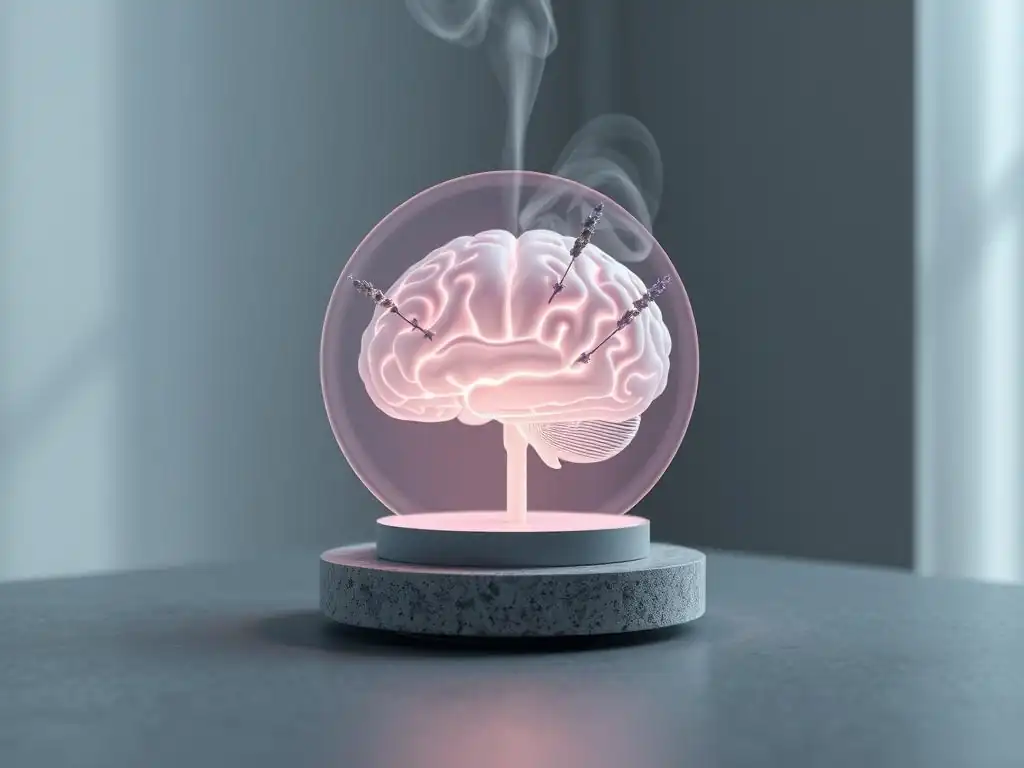
Exploring the Limbic System: The Key to Aromatherapy's Emotional Impact
The limbic system is often referred to as the emotional brain. This complex network of structures, including the amygdala, hippocampus, hypothalamus, and olfactory bulb, plays a crucial role in regulating mood, memory, behavior, and motivation. The unique architecture of the olfactory system provides a direct and rapid pathway to these areas. When we inhale aromatic compounds, specialized receptors in the nasal cavity detect the scents and send signals directly to the olfactory bulb, which is part of the limbic system.
From the olfactory bulb, signals are immediately relayed to other limbic structures, most notably the amygdala and hippocampus. The amygdala is heavily involved in processing emotions, particularly fear and anxiety, while the hippocampus is key to memory formation and retrieval. This direct connection explains why scents can trigger powerful emotional responses and vivid memories instantly, bypassing the cognitive processing that occurs with other senses. Aromatherapy for anxiety reduction capitalizes on this pathway, allowing specific scents to potentially influence the activity within these emotional centers of the brain.
The Role of Neurotransmitters: How Essential Oils Can Influence Mood
Beyond the direct limbic connection, research explores how essential oils might influence neurotransmitters, the chemical messengers in the brain that regulate mood, sleep, and stress responses. While direct, conclusive evidence of essential oils significantly altering neurotransmitter levels in humans through inhalation is still developing, in vitro studies and animal models suggest potential interactions with receptor sites or enzyme activity related to these crucial chemicals.
For example, some studies suggest that compounds found in lavender oil, such as linalool and linalyl acetate, might interact with the GABA (gamma-aminobutyric acid) neurotransmitter system. GABA is the primary inhibitory neurotransmitter in the central nervous system, playing a key role in reducing neuronal excitability and promoting relaxation and sleep.
Similarly, compounds in chamomile may also influence GABA pathways, contributing to its calming effects. While not a substitute for medications that directly target these systems, the potential for essential oils to subtly modulate these pathways offers a scientific basis for their use in promoting relaxation and reducing anxious feelings, especially when diffused using a product like the ASAKUKI Smart WiFi Essential Oil Diffuser with a sleep timer.
Choosing the Right Aromatherapy Diffuser for Anxiety Relief
Types of Diffusers: Ultrasonic, Nebulizing, and Heat Diffusers - Which is Best?
Selecting the appropriate diffuser is essential for effectively using aromatherapy for anxiety reduction. Three main types dominate the market: ultrasonic, nebulizing, and heat diffusers. Each operates differently and offers distinct advantages and disadvantages depending on your needs, the space size, and desired intensity of the aroma. Understanding these differences helps you make an informed choice for your self-care routine.
Ultrasonic diffusers are popular because they use electronic frequencies to vibrate a small ceramic disc under water, creating a fine mist that carries the essential oil into the air. They also humidify the air slightly. Nebulizing diffusers use pressurized air to atomize the oil into very fine particles without using water or heat, producing a highly concentrated aroma quickly. Heat diffusers use gentle heat to evaporate the essential oil; this method is typically slower and less intense than ultrasonic or nebulizing types and may alter the oil's chemical composition slightly.
Types of Diffusers: Ultrasonic, Nebulizing, and Heat Diffusers - Which is Best?
- Ultrasonic Diffusers: Examples like the InnoGear Essential Oil Diffuser are quiet, energy-efficient, and humidify the air. They are excellent for medium-sized rooms and offer a moderate intensity aroma, making them suitable for creating a calming ambiance over longer periods.
- Nebulizing Diffusers: Products like the Organic Aromas Nebulizing Diffuser provide the most concentrated aromatherapy experience as they use pure oil without dilution. They are ideal for larger spaces or when a strong therapeutic effect is desired quickly, though they can be noisier and use oil faster.
- Heat Diffusers: A simple Hosley Ceramic Oil Warmer uses a candle or electric element. They offer a gentle, traditional way to diffuse scent, suitable for small spaces or when a subtle aroma is preferred. However, heat can alter the oil's chemistry, potentially reducing some therapeutic properties compared to cold diffusion methods.
Features to Consider: Coverage Area, Timer Settings, and Ease of Use
When choosing a diffuser for aromatherapy for anxiety reduction, consider the size of the space where you plan to use it. Diffusers have varying coverage areas, typically measured in square feet. Using a diffuser designed for a small office in a large living room will result in a very subtle, perhaps ineffective, aroma. Conversely, a powerful nebulizer might be overwhelming in a small bedroom. Match the diffuser's capacity to your room size for optimal diffusion.
Timer settings are a valuable feature, especially if you plan to use the diffuser while sleeping or in a room you'll leave unattended. Timers allow you to set the diffuser to run for a specific duration (e.g., 1, 3, or 6 hours) and then automatically shut off. This conserves oil, prevents over-saturation of the air, and ensures safety. Additionally, consider ease of cleaning and maintenance. Diffusers, especially ultrasonic types using water, require regular cleaning to prevent mold and bacterial growth, which can impact air quality and health. Look for models with accessible water reservoirs and simple components to clean.
Safety Considerations: Proper Use and Dilution of Essential Oils
While essential oils are natural, they are highly concentrated plant compounds and should be used with care, even in diffusion. Proper ventilation is important; using diffusers in well-ventilated areas prevents the air from becoming overly saturated with essential oil particles, which can potentially irritate the respiratory system, especially for sensitive individuals, children, or pets. It's generally recommended to diffuse intermittently (e.g., 30-60 minutes on, then off for a period) rather than continuously for many hours.
Furthermore, be aware of specific essential oil contraindications. Certain oils are not recommended for use around pregnant women, infants, young children, or individuals with specific health conditions like asthma, epilepsy, or high blood pressure. Always research the safety guidelines for each essential oil you use. While dilution is primarily for topical application, understanding that these are potent substances underscores the importance of responsible use in any form, including diffusion.
Real-Life Examples: How Aromatherapy Has Helped People Manage Anxiety
Consider the experience of "Sarah," a composite example representing individuals who struggle with social anxiety. Sarah often felt intense nervousness, self-consciousness, and physical symptoms like a racing heart and sweaty palms before social gatherings or even work meetings. Seeking non-pharmacological support, she decided to try aromatherapy for anxiety reduction, specifically using a diffuser. She placed a small ultrasonic diffuser on her desk and would diffuse a blend of Bergamot and Frankincense essential oils for about 30 minutes before anticipated stressful social interactions.
Sarah reported that the uplifting and grounding aroma helped to create a sense of calm and centeredness. While it didn't eliminate her social anxiety entirely, she felt it took the edge off her nervousness, making her feel slightly more relaxed and less overwhelmed. This subtle shift in her emotional state allowed her to engage more comfortably in conversations and feel less physically tense, demonstrating how aromatherapy can serve as a supportive tool in managing specific situational anxiety.
Case Study 2: Aromatherapy and Improved Sleep Quality
"David," another approximated case, experienced significant sleep disturbances due to his anxiety. He would often lie awake with racing thoughts, making it difficult to fall asleep and stay asleep. His anxiety manifested as worry about the day past and the day ahead, creating a cycle of poor sleep and heightened anxiety. He was looking for natural ways to supplement the relaxation techniques his therapist recommended.
David incorporated an aromatherapy diffuser into his nightly routine. About an hour before bed, he would diffuse pure Lavender or a blend of Roman Chamomile and Cedarwood in his bedroom using a diffuser with a timer set for 60 minutes. He found that the calming scent helped signal his brain and body that it was time to relax and prepare for rest. Over several weeks, he reported falling asleep faster and experiencing fewer nighttime awakenings, attributing the improvement partly to the calming atmosphere created by the aromatherapy, which helped quiet his anxious mind before sleep.
The Power of Personalized Aromatherapy: Finding What Works Best for You
These examples highlight that individual responses to aromatherapy for anxiety reduction can vary. What provides relief for one person might not be as effective for another. The "best" essential oil or blend is often a matter of personal preference and how a particular aroma interacts with an individual's unique brain chemistry and olfactory memory. Some people find citrus scents uplifting and calming, while others prefer herbaceous or floral notes.
Experimentation is key to discovering what works best for your specific anxiety symptoms and preferences. Starting with popular oils like Lavender, Chamomile, or Bergamot is a good approach, but don't hesitate to explore others like Frankincense, Ylang Ylang, or Vetiver. Pay attention to how you feel emotionally and physically when inhaling different aromas. Keeping a simple journal can help track which oils or blends seem most effective in promoting relaxation and reducing your personal feelings of anxiety, allowing you to personalize your aromatherapy practice.
Maximizing the Benefits: Tips for Effective Aromatherapy for Anxiety
Creating a Calming Environment: Integrating Aromatherapy with Other Relaxation Techniques
Aromatherapy for anxiety reduction is often most effective when integrated into a broader strategy for creating a calming and supportive environment. Simply diffusing an oil in a chaotic or stressful space may not yield significant results. Instead, consider using aromatherapy as one component of a dedicated relaxation ritual or environment.
Combine diffusing essential oils with other evidence-based relaxation techniques. This could involve diffusing Lavender while practicing deep breathing exercises, using a calming blend during a guided meditation session, or creating a peaceful corner in your home where you diffuse Frankincense while engaging in gentle stretching or reading. The synergy of these practices can amplify the overall calming effect, helping to downregulate the nervous system and reduce the physiological symptoms associated with anxiety.
Combining Essential Oils: Synergistic Blends for Enhanced Anxiety Relief
Blending essential oils can create synergistic effects, where the combination of oils is more potent or provides a broader range of benefits than the individual oils used alone. Carefully crafted blends can target multiple aspects of anxiety or enhance the desired emotional state. Exploring different combinations allows for a more nuanced approach to aromatherapy for anxiety reduction.
Consider synergistic blends for enhanced anxiety relief. A combination like Lavender and Cedarwood can provide both calming and grounding effects, helping to soothe racing thoughts and promote a sense of stability. Blends of Frankincense and Orange can be both uplifting and calming, addressing anxious low mood while also promoting relaxation. While diffusing is common, pre-blended essential oil products like NOW Essential Oils Lavender Roll-On offer convenience for on-the-go anxiety relief, allowing you to inhale the blend directly from the rollerball or apply it diluted to pulse points.
Combining Essential Oils: Synergistic Blends for Enhanced Anxiety Relief
- Lavender and Cedarwood: A grounding combination often used to promote relaxation, soothe nervous tension, and encourage restful sleep, beneficial for anxiety manifesting as restlessness or insomnia.
- Frankincense and Orange: An uplifting and calming blend that can help brighten mood while simultaneously reducing feelings of stress and worry, useful for anxiety accompanied by low spirits.
- Product Spotlight: Pre-Blended Essential Oil Roll-Ons for On-the-Go Anxiety Relief - NOW Essential Oils Lavender Roll-On offers a convenient way to access the calming benefits of lavender through direct inhalation or topical application (ensure proper dilution).
Maintaining Your Diffuser: Cleaning and Care for Optimal Performance
To ensure your aromatherapy diffuser continues to function effectively and safely for aromatherapy for anxiety reduction, regular cleaning and proper maintenance are essential. Residue from essential oils and water (in ultrasonic diffusers) can build up over time, potentially affecting the diffuser's performance, altering the scent of subsequent oils, and creating a breeding ground for bacteria or mold, which can negatively impact air quality.
Cleaning frequency depends on usage and the type of oil diffused, but generally, cleaning after every few uses or when switching oils is recommended. For ultrasonic diffusers, unplug the unit, empty any remaining water and oil, and wipe the reservoir with a damp cloth and a cotton swab for hard-to-reach areas. A small amount of rubbing alcohol can help remove stubborn oil residue, followed by rinsing. Nebulizing diffusers may require running rubbing alcohol through them periodically. Proper maintenance ensures you receive the purest aroma and maximum therapeutic benefit from your essential oils.
Conclusion: Aromatherapy as a Tool for Anxiety Management – A Mind Care Guide Perspective
Emphasizing the importance of evidence-based self-care practices.
At Mind Care Guide, we advocate for evidence-based self-care practices that empower individuals to support their mental well-being. Aromatherapy, particularly when using quality essential oils with a reliable diffuser, stands as a promising complementary tool for managing symptoms of anxiety.
While not a substitute for professional medical or psychological treatment, the growing body of research exploring the link between inhalation, the olfactory system, and the limbic system provides a scientific basis for its potential benefits. By understanding how scents can influence the brain and nervous system, individuals can make informed choices about incorporating aromatherapy for anxiety reduction into their personal wellness routines.
Choosing high-quality oils, selecting the right diffuser type for your needs and space, and integrating aromatherapy with other calming practices like mindfulness or deep breathing can enhance its effectiveness. It's about creating a holistic approach to self-care, where aromatherapy serves as a supportive element to help navigate feelings of stress and anxiety. Always prioritize safety, use oils responsibly, and remember that seeking professional help for persistent or severe anxiety is a sign of strength and a crucial step towards recovery.
Final product recommendations for anxiety reduction. Plant Therapy Top 6 Essential Oil Set.
For those beginning their journey with aromatherapy for anxiety reduction, exploring a variety of well-regarded oils is a great starting point. Products like the Plant Therapy Top 6 Essential Oil Set often include popular choices known for their calming and balancing properties, such as Lavender, Chamomile, or Bergamot (check specific set contents).
Having a selection allows you to experiment and discover which aromas resonate most with you and provide the desired sense of calm. When used with a suitable diffuser and as part of a mindful self-care practice, aromatherapy can be a valuable addition to your toolkit for navigating anxiety and promoting emotional well-being.
Frequently Asked Questions
What exactly is aromatherapy, and how is it thought to work for anxiety reduction?
Aromatherapy involves using essential oils extracted from plants to promote health and well-being. It's believed to work by stimulating the olfactory system, which is linked to the brain areas that control emotions and memories, potentially impacting anxiety levels.
Which essential oils are most commonly recommended for anxiety relief, and what makes them effective?
Lavender, chamomile, and bergamot are frequently cited. They are thought to have calming and relaxing properties. These oils may influence neurotransmitters in the brain, promoting a sense of peace and tranquility.
How effective is aromatherapy compared to other anxiety treatments, like medication or therapy?
While aromatherapy can offer benefits, it's generally considered a complementary therapy. It may be less potent than medication or therapy but can be a helpful _adjunct treatment_ for some individuals with mild to moderate anxiety.
What are the potential risks or side effects associated with using aromatherapy diffusers for anxiety?
Potential risks include allergic reactions, skin irritation from direct contact with undiluted oils, and respiratory issues if the diffuser is used in a poorly ventilated area. It's essential to use high-quality oils and follow safety guidelines.
How often and for how long should someone use an aromatherapy diffuser to experience anxiety reduction benefits?
The optimal frequency and duration vary. Start with short sessions (15-30 minutes) and observe how you feel. Pay attention to your body's response and adjust accordingly. Overuse can lead to sensory overload and reduce effectiveness.
Final Reflection: Breathing Easy: The Future of Aromatherapy and Anxiety Relief
The evidence is clear: the calming power of aromatherapy diffusers is not just a trend, but a tangible tool in our fight against anxiety. This isn't simply about pleasant smells; it's about harnessing the power of scent to directly impact our nervous systems and promote a sense of well-being. The research presented highlights a promising avenue for natural anxiety management, offering a potential complement to traditional therapies.
The impact of aromatherapy on our cultural landscape is undeniable. From the rise of essential oil brands to the increasing integration of aromatherapy practices in spas and wellness centers, we are witnessing a growing acceptance of its potential. This shift reflects a broader societal desire for holistic and natural approaches to mental health. The mind is everything. What you think you become.
– Buddha. This ancient wisdom resonates deeply with the modern embrace of aromatherapy, highlighting the profound connection between our mental state and our physical environment.
Consider the potential. You, the reader, now possess a deeper understanding of how aromatherapy diffusers can contribute to a calmer, more centered you. Don't just passively absorb this information; actively integrate it. Experiment with different essential oils, find what works best for your body and mind, and create a sanctuary of calm within your own home. Embrace the power of scent to nurture your mental well-being, one mindful breath at a time.
Breathe Easier: Take Control of Your Calm
Thanks for taking the time to explore the power of aromatherapy and anxiety reduction with us! We hope you gained valuable insights into how essential oils can contribute to a more peaceful you. Now it's time to put that knowledge into practice.
- Start your aromatherapy journey: Begin by selecting a few essential oils mentioned in the article that resonate with you, considering their individual properties and your personal preferences. Don't be afraid to experiment!
- Share your experience: Tell us (and others!) about your experience using aromatherapy for anxiety relief. What oils worked best for you? What techniques did you find most effective? We'd love to hear your story in the comments below.
- Discover more calming techniques: Explore other relaxation methods that complement aromatherapy, such as deep breathing exercises or mindfulness meditation, to create a holistic approach to stress management.
Ready to create your own personal sanctuary of calm? What's the first essential oil you'll be trying?