
Unlock Calm: How Essential Oil Diffusers Combat Anxiety Through Aromatherapy

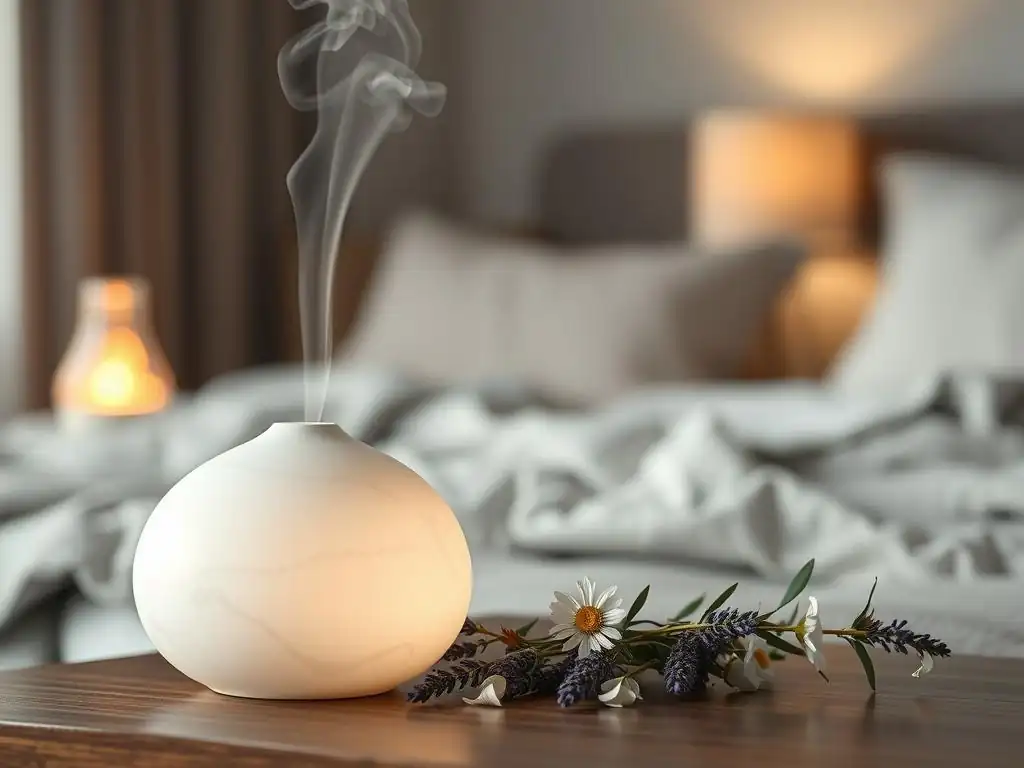
Welcome to Mind Care Guide, a safe space dedicated to nurturing your mental well-being. Feeling overwhelmed by anxiety? You're not alone. Discover how aromatherapy can naturally reduce anxiety and bring a sense of calm back into your life. Curious about the power of essential oils? Let's explore how simple scents can unlock a world of relaxation.
Find Your Calm: How Essential Oil Diffusers Can Ease Anxiety Through Aromatherapy
- Understanding Anxiety and Aromatherapy's Potential
- Selecting the Ideal Essential Oil Diffuser for Anxiety Relief
-
Top Essential Oils for Natural Anxiety Reduction: A Detailed Exploration
- Lavender Essential Oil: A Timeless Choice for Calming Anxiety
- Roman Chamomile Essential Oil: Gentle Soothing for Restless Minds
- Bergamot Essential Oil: Uplifting and Energizing Anxiety Relief
- Frankincense Essential Oil: Grounding and Centering for Inner Peace
- Ylang Ylang Essential Oil: Promoting Relaxation and Reducing Nervous Tension
- Setting Up Your Essential Oil Diffuser for Optimal Anxiety Reduction
- Maintaining Your Essential Oil Diffuser for Continued Anxiety Relief
- Real Stories: Aromatherapy Diffusers Transforming Lives
- Beyond Diffusers: Complementary Therapies for Anxiety Reduction
- Conclusion: Embracing Aromatherapy for a Calmer Life
-
Frequently Asked Questions
- How does aromatherapy, specifically using essential oil diffusers, work to reduce anxiety?
- Which essential oils are most effective for reducing anxiety when used in a diffuser?
- How often should I use an essential oil diffuser to experience anxiety relief?
- Are there any potential side effects or risks associated with using essential oil diffusers for anxiety?
- Can aromatherapy with diffusers replace traditional anxiety treatments like therapy or medication?
- Final Reflection: Breathing Easy: The Enduring Power of Aromatherapy
- Unleash Your Inner Calm: Take Control of Your Anxiety Today!
Understanding Anxiety and Aromatherapy's Potential
What is Anxiety and Its Impact on Well-being?
Anxiety is a common mental health condition characterized by feelings of worry, nervousness, or unease. While a normal human response to stress, excessive or persistent anxiety can significantly disrupt daily life. It can manifest physically through symptoms like a racing heart, sweating, and difficulty breathing, and mentally through constant worrying, difficulty concentrating, and restlessness. Millions of people worldwide experience anxiety disorders, ranging from generalized anxiety disorder to panic disorder and social anxiety. The World Health Organization (WHO) estimates that approximately 1 in 13 people globally suffer from anxiety disorders, making it one of the most prevalent mental health concerns.
The pervasive impact of anxiety extends beyond immediate discomfort. Chronic anxiety can contribute to other health issues, including sleep disturbances, digestive problems, and even weakened immune function. It can hinder performance at work or school, strain relationships, and prevent individuals from engaging in activities they once enjoyed. Effectively managing anxiety is crucial for overall well-being and reclaiming a sense of control and peace in one's life. Exploring natural approaches, such as using aromatherapy to reduce anxiety naturally, offers a complementary path to traditional methods, empowering individuals with tools for self-care.
The Science of Aromatherapy for Anxiety Alleviation
Aromatherapy is a holistic healing treatment that uses natural plant extracts to promote health and well-being. Often administered through inhalation, as with essential oil diffusers, the therapeutic benefits are believed to stem from the interaction of aromatic compounds with the brain. When you inhale an essential oil, olfactory receptors in your nose send signals directly to the limbic system, the part of the brain involved in emotions, memory, and motivation. This direct pathway allows aromatic molecules to potentially influence mood, stress levels, and physiological responses related to anxiety.
While research is ongoing, several studies support the potential of aromatherapy reduce anxiety naturally. For example, a 2017 review of studies on lavender oil concluded it has potential anxiolytic effects, meaning it can help reduce anxiety. Another study published in the Journal of Alternative and Complementary Medicine in 2012 involving ICU patients found that aromatherapy significantly reduced anxiety levels compared to a control group. These findings suggest that introducing specific scents into your environment via an essential oil diffuser can be a simple yet effective strategy for managing anxious feelings and promoting a calmer state.
Essential Oil Interactions with the Brain for Stress Reduction
The chemical compounds within essential oils are incredibly complex and diverse, and their interaction with the brain is a fascinating area of study. When inhaled, these volatile organic compounds (VOCs) travel from the olfactory bulbs to the limbic system, particularly impacting the amygdala and hippocampus.
The amygdala plays a key role in processing emotions, especially fear and anxiety, while the hippocampus is involved in memory formation and retrieval, which can be linked to stress responses. Certain essential oil components, such as linalool found in lavender, are believed to influence neurotransmitters like gamma-aminobutyric acid (GABA), which has a calming effect on the nervous system.
Beyond the limbic system, essential oil compounds can also interact with the hypothalamic-pituitary-adrenal (HPA) axis, the body's central stress response system. Chronic anxiety can lead to overactivation of the HPA axis, resulting in elevated cortisol levels. Some essential oils are thought to help modulate this axis, potentially helping to lower cortisol and restore balance.
For instance, studies have explored how certain aromas might influence heart rate variability and blood pressure, both physiological markers of stress. By influencing these neural pathways and physiological responses, using aromatherapy to reduce anxiety naturally offers a direct route to potentially mitigating the physical and emotional symptoms of stress.
Selecting the Ideal Essential Oil Diffuser for Anxiety Relief
Exploring Different Types of Essential Oil Diffusers
Choosing the right essential oil diffuser is a key step in effectively using aromatherapy reduce anxiety naturally. Different types of diffusers disperse essential oils into the air using various methods, each with its own advantages and considerations. Understanding these differences can help you select a device that best suits your needs, space, and desired level of aroma intensity for optimal anxiety relief. The primary types include ultrasonic, nebulizing, evaporative, and heat diffusers.
Each type varies in cost, coverage area, noise level, and how it affects the chemical integrity of the essential oils. For someone focused on therapeutic benefits, how the oil is dispersed is crucial. Some methods preserve the oil's properties better than others, which can impact the effectiveness of using aromatherapy to reduce anxiety naturally. Considering factors like maintenance, aesthetics, and portability will also play a role in finding the perfect diffuser for your personal well-being routine.
Ultrasonic Diffusers: Stadler Form vs. Vitruvi - Which Promotes Greater Calm?
Ultrasonic diffusers are perhaps the most popular type, utilizing electronic frequencies to create vibrations that vaporize a mixture of water and essential oil into a fine mist. They are generally quiet, humidify the air slightly, and often include features like LED lights and timers.
When comparing brands like Stadler Form and Vitruvi, the choice often comes down to design, features, and capacity, all of which can contribute to a calming atmosphere conducive to using aromatherapy reduce anxiety naturally. Stadler Form's models, like the Aroma Diffuser Jasmine, are known for sleek design and consistent performance, often covering larger rooms up to 500 sq ft.
Vitruvi diffusers, such as the Stone Diffuser, focus heavily on aesthetics, crafted from ceramic to blend seamlessly with home decor. While they typically have smaller water capacities (around 100ml compared to Stadler Form's often larger tanks) and cover slightly less area (around 500 sq ft max), their quiet operation and beautiful design contribute significantly to creating a tranquil, spa-like environment.
For someone prioritizing visual calm alongside aromatic relief, Vitruvi might feel more aligned, whereas Stadler Form might be preferred for larger spaces or longer run times. Both effectively disperse oil, making the choice largely dependent on personal preference for style and features when seeking to reduce anxiety naturally through aromatherapy.
Nebulizing Diffusers: Achieving Maximum Anxiety Reduction with Pure Essential Oils
Nebulizing diffusers work without water or heat, using an air pump to atomize pure essential oil into tiny particles that are then dispersed into the air. This method produces a very concentrated aroma and is often considered the most therapeutically effective way to diffuse oils, as it preserves their chemical composition completely. For those serious about harnessing the full power of using aromatherapy reduce anxiety naturally, a nebulizing diffuser can be an excellent investment. They typically cover large areas quickly and deliver a potent aromatic experience.
However, nebulizing diffusers can be noisier than ultrasonic models due to the air pump, and they use essential oil much faster since it's diffused neat. They also require specific cleaning due to the lack of water dilution. Despite these points, the intensity and purity of the aroma delivered by a nebulizer can provide a powerful and immediate impact on your environment, making it particularly effective for short, intense sessions aimed at quickly alleviating acute feelings of anxiety or panic. Brands like AromaTech and Organic Aromas specialize in high-quality nebulizing diffusers designed for maximum therapeutic benefit.
Evaporative Diffusers: Simple and Affordable Anxiety Management
Evaporative diffusers are the simplest type, using a fan to blow air through a pad or filter that has essential oil dropped onto it. As the oil evaporates, its scent is carried into the air. These diffusers are typically the most affordable and portable option, requiring no water or heat source beyond the fan. They are easy to use and maintain, making them a good entry point for those curious about using aromatherapy reduce anxiety naturally without significant investment.
The main limitation of evaporative diffusers is that they disperse the lighter notes of the essential oil first, leaving the heavier notes behind on the pad. This means the aroma can change over time and may not provide the full spectrum of therapeutic benefits compared to ultrasonic or nebulizing methods. However, for creating a pleasant background scent or for use in small, personal spaces like a desk at work or a car, an evaporative diffuser offers a convenient and gentle way to introduce calming aromas into your environment.
Heat Diffusers: Potential Drawbacks for Anxiety Sufferers
Heat diffusers use heat, either from a candle or electricity, to warm the essential oil, causing it to evaporate and release its aroma into the air. While simple and often aesthetically pleasing (especially candle-based models), this method can potentially alter the chemical composition of the essential oil due to the heat. High heat can degrade the therapeutic compounds, potentially reducing the effectiveness of using aromatherapy reduce anxiety naturally. Electric heat diffusers typically use lower temperatures than candle-based ones, making them a slightly better option if heat diffusion is preferred.
For individuals with anxiety, the concern about heat altering the oils is significant if the goal is therapeutic benefit rather than just a pleasant smell. Furthermore, candle-based heat diffusers pose a fire risk and require supervision, which might be counterproductive for someone seeking a relaxing, worry-free experience. While some electric heat diffusers operate at lower temperatures, ultrasonic and nebulizing methods are generally considered superior for preserving the full therapeutic properties of essential oils intended to alleviate anxiety.
Essential Features for Anxiety Relief Aromatherapy Diffusers
Beyond the type of diffusion, several features can enhance the effectiveness and convenience of using your essential oil diffuser to reduce anxiety naturally. These features contribute to a tailored, safe, and enjoyable aromatherapy experience, allowing you to integrate calming scents seamlessly into your daily routine or specific moments of need. Considering these aspects when purchasing a diffuser ensures it meets your specific requirements for promoting relaxation and managing stress.
From how long the unit can run to how much noise it makes, each feature plays a role in creating the ideal environment for using aromatherapy to reduce anxiety naturally. Prioritizing features that align with your lifestyle and anxiety management strategy will help you get the most out of your diffuser and essential oils.
Water Tank Capacity: Supporting Extended Aromatherapy Sessions
The water tank capacity of an ultrasonic diffuser dictates how long it can run continuously before needing a refill. For someone looking to use aromatherapy reduce anxiety naturally throughout the night for better sleep, or during a long workday, a larger tank capacity is beneficial. Diffusers with tanks ranging from 300ml to 500ml can often run for 8-12 hours on a low mist setting. This allows for extended periods of aromatic diffusion without interruption, maintaining a consistent calming atmosphere.
A smaller tank, perhaps 100ml to 200ml, might only run for 3-6 hours. While suitable for shorter sessions like a meditation practice or a quick de-stressing break, frequent refilling can be disruptive if you desire continuous ambient scent for prolonged anxiety relief. Consider the size of your space and the typical duration of your anxiety-inducing periods or relaxation practices when evaluating tank capacity to ensure your diffuser supports your needs for using aromatherapy reduce anxiety naturally over time.
Timer Settings: Personalizing Your Relaxation Experience
Timer settings are a crucial feature for controlling the duration and intensity of your aromatherapy sessions. Most diffusers offer options like 1-hour, 3-hour, or 6-hour timers, and sometimes intermittent mist settings (e.g., 30 seconds on, 30 seconds off). These settings allow you to customize the diffusion period to match your activity, whether it's a short meditation, a yoga session, or simply winding down before bed. Using a timer prevents the diffuser from running unnecessarily and helps conserve essential oils.
For anxiety management, having precise control over diffusion time is valuable. You might set a timer for a 20-minute power nap with calming lavender, or a 2-hour timer for background stress reduction while working. The ability to personalize the duration ensures you receive the benefits of using aromatherapy reduce anxiety naturally exactly when and for how long you need it, without having to remember to manually turn the unit off.
Automatic Shut-Off: Ensuring Safety and Peace of Mind
An automatic shut-off feature is standard on most ultrasonic and nebulizing diffusers and is particularly important for peace of mind, especially when using the diffuser overnight or when you might leave the room. For ultrasonic diffusers, the unit automatically turns off when the water level is too low, preventing damage to the machine. For nebulizing diffusers, it typically shuts off after a set period (e.g., 2 hours) to prevent excessive oil consumption or overheating.
This safety feature is invaluable for someone using aromatherapy reduce anxiety naturally, as it removes a potential source of worry. You can fall asleep or leave the house knowing the diffuser will safely turn itself off. This simple function enhances the overall sense of calm and security provided by the aromatherapy experience, ensuring that the tool intended to reduce anxiety doesn't inadvertently create new concerns.
Noise Level: Cultivating a Tranquil and Relaxing Space
The noise level of a diffuser can significantly impact the tranquility of your space, which is paramount when using aromatherapy reduce anxiety naturally. Ultrasonic diffusers are generally very quiet, producing only a faint hum or the gentle sound of bubbling water, often less than 30 decibels – comparable to a whisper. This minimal noise is usually conducive to relaxation, meditation, or sleep.
Nebulizing diffusers, while delivering potent aroma, typically use an air pump which can produce a noticeable buzzing or whirring sound. While some modern nebulizers are quieter, they are generally louder than ultrasonic models, sometimes reaching 40-50 decibels. For individuals sensitive to noise, or those seeking complete silence for anxiety relief, an ultrasonic diffuser might be preferable. Evaporative diffusers with fans also produce noise, though usually a consistent white noise hum. Consider where you plan to use the diffuser and your personal sensitivity to sound when making your selection.
Light Options: Enhancing Mood with Color Therapy
Many ultrasonic diffusers include built-in LED lights, often offering a range of colors or a color-cycling mode. While not directly related to the diffusion of essential oils, these light features can contribute to creating a relaxing ambiance and incorporate elements of color therapy. Different colors are associated with various moods and feelings; for example, blue is often considered calming, green balancing, and purple soothing.
For someone using aromatherapy reduce anxiety naturally, the option to select a soft, calming color or turn the light off entirely allows for further customization of the relaxation environment. A gentle, non-obtrusive light can enhance the sense of peace and tranquility, making the overall aromatherapy experience more effective in promoting a calm state of mind. Some diffusers also offer a "breathing" light mode, which slowly pulses, providing a visual guide for paced breathing exercises.
Top Essential Oils for Natural Anxiety Reduction: A Detailed Exploration
While many essential oils offer therapeutic benefits, certain oils have gained popularity and scientific attention specifically for their potential to ease anxiety and promote relaxation. These oils contain specific chemical compounds believed to interact with the body and brain in ways that help soothe the nervous system and reduce feelings of stress and worry. Incorporating these oils into your essential oil diffuser routine is a primary way to leverage aromatherapy reduce anxiety naturally.
Exploring the unique properties of these top oils will help you understand why they are so often recommended for anxiety relief and how you can best use them in your diffuser. Each oil offers a slightly different profile and potential benefit, allowing you to choose the one (or a blend) that resonates most with your specific needs and preferences for using aromatherapy to reduce anxiety naturally.
Lavender Essential Oil: A Timeless Choice for Calming Anxiety
Lavender (Lavandula angustifolia) essential oil is arguably the most well-known and widely used oil for relaxation and anxiety relief. Its primary active compounds, linalool and linalyl acetate, are believed to have sedative and anxiolytic effects. Research has shown that inhaling lavender can help reduce levels of the stress hormone cortisol and impact the parasympathetic nervous system, promoting a state of calm. It's often recommended for improving sleep quality, which is frequently disrupted by anxiety.
Studies on lavender's effects are numerous. A 2010 study published in the International Journal of Psychiatry in Clinical Practice found that Silexan, an oral lavender oil preparation, was effective in reducing anxiety symptoms in patients with generalized anxiety disorder. While diffusing provides a different route of administration, the aromatic inhalation of lavender is widely reported by users to create a peaceful atmosphere, making it a staple when using aromatherapy reduce anxiety naturally in the home or office.
Recommended Lavender Oil: Plant Therapy - Certified Organic and Pure
When selecting lavender essential oil for therapeutic use, quality and purity are paramount. Adulterated or low-quality oils may not provide the desired benefits and could potentially cause irritation. Plant Therapy is a reputable brand known for its commitment to quality, offering 100% pure, unadulterated essential oils. Their Certified Organic Lavender essential oil is sourced responsibly and undergoes rigorous third-party testing, including GC/MS (Gas Chromatography/Mass Spectrometry) analysis, to ensure its purity and chemical composition.
Choosing a certified organic option like Plant Therapy's ensures that the lavender was grown without synthetic pesticides or fertilizers, which aligns with a natural approach to well-being. Using a pure, high-quality oil in your diffuser maximizes the potential for its active compounds like linalool to effectively contribute to using aromatherapy reduce anxiety naturally. A few drops of this oil in an ultrasonic diffuser before bed or during a stressful moment can make a noticeable difference.
Roman Chamomile Essential Oil: Gentle Soothing for Restless Minds
Roman Chamomile (Chamaemelum nobile) essential oil possesses a sweet, apple-like aroma and is highly valued for its gentle, calming, and sedative properties. It is particularly effective for soothing nervous tension, irritability, and restlessness often associated with anxiety. Roman chamomile is often considered safe and gentle enough for use with children (properly diluted), highlighting its mild nature. Its main components include esters like isobutyl angelate and isoamyl angelate, which are thought to contribute to its relaxing effects.
This oil is frequently used to promote relaxation and ease feelings of worry, making it a valuable addition to your toolkit for using aromatherapy reduce anxiety naturally. It can be especially helpful for anxiety that manifests as physical tension or digestive upset. Diffusing Roman chamomile can create a tranquil environment conducive to relaxation and sleep, offering a gentle yet effective way to quiet a restless mind.
Combining Roman Chamomile with Jojoba Oil for Enhanced Absorption
While primarily discussed for diffusion here, it's worth noting that Roman Chamomile is also excellent for topical application (properly diluted) for localized tension relief. Combining Roman Chamomile essential oil with a carrier oil like Jojoba oil creates a soothing blend that can be massaged into the temples, neck, or shoulders. Jojoba oil is technically a liquid wax, closely resembling the skin's natural sebum, which allows it to absorb well without feeling greasy and helps carry the essential oil into the skin.
A typical dilution for adults might be 1-2% essential oil (6-12 drops per ounce of carrier oil). Applying this blend topically can offer a complementary approach to diffusion when using aromatherapy reduce anxiety naturally, providing both aromatic and physical calming effects. For example, applying a small amount to pulse points before a stressful event can provide a portable source of calming aroma.
Bergamot Essential Oil: Uplifting and Energizing Anxiety Relief
Bergamot (Citrus bergamia) essential oil, pressed from the peel of the bergamot orange fruit, has a unique citrusy, slightly floral aroma that is both uplifting and calming. While many citrus oils are primarily energizing, bergamot is known for its ability to reduce stress and improve mood, making it excellent for anxiety that is accompanied by feelings of sadness, lethargy, or low mood. Its key components include limonene, linalool, and linalyl acetate – compounds also found in lavender, contributing to its relaxing properties.
Studies have shown that inhaling bergamot oil can reduce stress responses. A 2015 study published in Complementary Therapies in Medicine found that inhaling bergamot essential oil for 15 minutes helped reduce salivary cortisol levels and improved positive feelings in female participants. This dual action of uplifting the spirit while calming the nervous system makes bergamot a versatile oil for using aromatherapy reduce anxiety naturally, particularly when anxiety feels heavy or demotivating.
Bergamot's Properties and Their Impact on Stress
The high concentration of limonene in bergamot essential oil (often 30-60%) is associated with mood elevation and stress reduction. Limonene is believed to interact with the olfactory system to send signals to the brain that promote the release of neurotransmitters like serotonin and dopamine, which are linked to feelings of happiness and well-being. The presence of linalool and linalyl acetate provides the calming, anxiolytic effects, similar to lavender.
This unique combination of properties allows bergamot to address different facets of the anxiety experience. It can help lift the heavy fog of worry and low mood while simultaneously soothing the physical and mental tension. Diffusing bergamot can create a bright, positive, yet peaceful atmosphere, making it an excellent choice for daytime use when you need to stay alert but calm, effectively using aromatherapy reduce anxiety naturally without causing drowsiness. Note: Bergamot is phototoxic; avoid sun exposure on skin where undiluted oil has been applied.
Frankincense Essential Oil: Grounding and Centering for Inner Peace
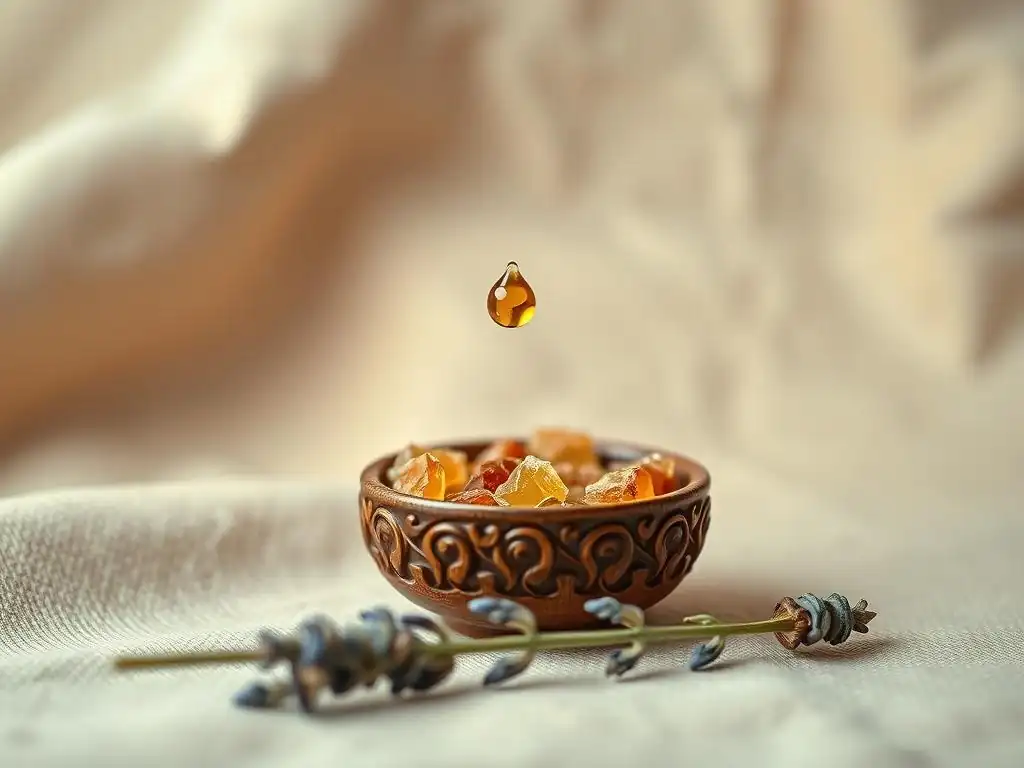
Frankincense (Boswellia carterii, Boswellia sacra, etc.) essential oil, derived from the resin of the Boswellia tree, has a rich, woody, and slightly spicy aroma. It has been used for centuries in spiritual and meditative practices due to its grounding and centering properties. For anxiety relief, frankincense is valued for its ability to deepen breathing, promote feelings of peace, and quiet the mental chatter that often accompanies anxious states. Its main components include alpha-pinene, known for its anti-inflammatory and potentially mood-lifting effects.
Frankincense is particularly helpful for anxiety that feels overwhelming or disconnected. Its aroma can help bring you back to the present moment and create a sense of stability. Diffusing frankincense is often recommended during meditation or times of quiet reflection to enhance focus and promote inner calm, providing a powerful tool for using aromatherapy reduce anxiety naturally by fostering a sense of groundedness.
Using Frankincense in a Diffuser with the Airomé diffuser for Meditation
Combining the grounding aroma of Frankincense with a diffuser designed for quiet operation, like many Airomé diffusers, can create an ideal environment for meditation or deep relaxation. Airomé diffusers often feature ceramic covers and soft lighting options, contributing to a serene aesthetic that complements the meditative quality of Frankincense. Adding 3-5 drops of Frankincense essential oil to the water tank of an ultrasonic Airomé diffuser and setting a timer for 15-30 minutes can help prepare your mind and body for meditation, or simply provide a calming backdrop for quiet contemplation.
The subtle, resonant scent of Frankincense pairs well with practices aimed at reducing mental noise and finding inner peace. The quiet operation of a quality ultrasonic diffuser ensures that the only sensory input is the calming aroma and perhaps soft light, allowing you to fully immerse yourself in the experience and maximize the benefits of using aromatherapy reduce anxiety naturally through focused relaxation.
Ylang Ylang Essential Oil: Promoting Relaxation and Reducing Nervous Tension
Ylang Ylang (Cananga odorata) essential oil, extracted from the flowers of the tropical Ylang Ylang tree, possesses a rich, sweet, and exotic floral aroma. It is well-known for its potent sedative and calming effects on the nervous system. Ylang Ylang is often used to help reduce high blood pressure and heart rate, physical symptoms commonly associated with anxiety and stress. Its key components include linalool, geranyl acetate, and caryophyllene, which contribute to its relaxing and mood-balancing properties.
This oil is particularly effective for anxiety that manifests as nervous tension, irritability, or panic. Its deeply relaxing aroma can help slow down racing thoughts and soothe frayed nerves. While some find the strong floral scent overpowering, when diffused sparingly or blended with other oils, Ylang Ylang can be a powerful ally in using aromatherapy reduce anxiety naturally, helping to restore a sense of calm and emotional balance.
Ylang Ylang's Aroma and its Impact on Anxiety
The unique, intensely floral aroma of Ylang Ylang has a direct impact on the olfactory system and subsequently the limbic system, promoting relaxation. Studies have indicated that inhaling Ylang Ylang can decrease physiological markers of stress, such as heart rate and blood pressure. For example, a 2006 study published in the Journal of Korean Academy of Nursing found that inhaling Ylang Ylang oil reduced anxiety and increased self-esteem in participants.
Its ability to reduce nervous tension makes it especially useful for anxiety that causes physical restlessness or irritability. By helping to slow down the body's stress response, Ylang Ylang contributes to a feeling of groundedness and calm. When using in a diffuser for anxiety, start with just 1-2 drops, as its potent aroma can be overwhelming in higher concentrations. Blending it with citrus oils like Bergamot or grounding oils like Frankincense can create a more balanced and broadly effective aroma for using aromatherapy reduce anxiety naturally.
Setting Up Your Essential Oil Diffuser for Optimal Anxiety Reduction
Getting the most out of your essential oil diffuser for anxiety relief involves more than just adding water and oil. Proper setup, intentional blending, and strategic placement can significantly enhance the effectiveness of using aromatherapy reduce anxiety naturally. By following a few simple steps, you can create a powerful tool for cultivating a calming atmosphere and supporting your mental well-being.
This section will guide you through the practical aspects of using your diffuser, from the initial setup to choosing the right oils and placing the unit for maximum benefit. Implementing these tips ensures you are leveraging the full potential of aromatherapy to create a sanctuary of calm in your personal space.
A Step-by-Step Guide to Effective Diffuser Use
Using an ultrasonic diffuser is straightforward, but following these steps ensures optimal performance and safety when seeking to use aromatherapy reduce anxiety naturally:
- Place the diffuser: Choose a stable surface away from direct sunlight, heat sources, and electronics. Ensure there's clear air circulation around the unit.
- Fill the water tank: Lift the cover and fill the water tank with clean, cool tap water or distilled water up to the marked fill line. Avoid overfilling.
- Add essential oil: Add the recommended number of drops of your chosen essential oil(s) directly into the water. Start with 3-5 drops for a standard 300ml tank and adjust based on room size and desired intensity.
- Replace the cover: Securely place the cover back onto the diffuser. Ensure it is properly aligned.
- Connect power and turn on: Plug the power adapter into the diffuser and then into a wall outlet. Press the power button to turn on the mist.
- Select settings: Choose your desired mist intensity (if applicable) and set a timer (e.g., 1 hour, 3 hours). Select light options if desired.
- Enjoy the aroma: Breathe deeply and allow the calming aroma to fill your space, helping you use aromatherapy reduce anxiety naturally.
Crafting the Perfect Aromatherapy Blend for Your Needs
Blending essential oils allows you to combine the therapeutic properties and aromas of different oils to create a synergistic effect tailored to your specific needs for using aromatherapy reduce anxiety naturally. When blending, consider the desired outcome (e.g., relaxation, mood lift, sleep support) and the aromatic profile of the oils. Start with simple blends of 2-3 oils and adjust ratios based on your preference. A total of 5-10 drops for a typical diffuser fill is a good starting point for most blends.
Consider the 'notes' of the oils – top notes (light, uplifting, evaporate quickly like Bergamot), middle notes (balancing, provide body to the blend like Lavender or Chamomile), and base notes (grounding, linger longest like Frankincense or Ylang Ylang). A balanced blend often includes oils from different notes. Always ensure you are using pure, high-quality essential oils for therapeutic benefits.
Blend Idea: Lavender and Chamomile for Sleep and Relaxation
This classic blend is excellent for promoting deep relaxation and preparing for restful sleep, addressing anxiety that interferes with nighttime rest. The well-known calming properties of Lavender combine beautifully with the gentle soothing effects of Roman Chamomile. This synergy creates a powerful aroma for winding down and letting go of daily worries.
To create this blend in your diffuser (assuming a 300ml tank):
- Add 4-5 drops of Lavender essential oil.
- Add 2-3 drops of Roman Chamomile essential oil.
- Fill diffuser with water and run on a timer for 1-2 hours before bedtime.
This blend is specifically formulated to help quiet the mind and relax the body, making it easier to drift off to sleep and effectively using aromatherapy reduce anxiety naturally during your most vulnerable hours.
Blend Idea: Bergamot and Frankincense for Stress Reduction and Focus
For anxiety that makes it hard to concentrate or feels heavy and demotivating, this blend offers both uplifting and grounding qualities. Bergamot helps lift the mood and reduce stress, while Frankincense provides a sense of calm focus and grounding. This blend is suitable for use during the day when you need to remain productive while managing anxious feelings.
To create this blend in your diffuser (assuming a 300ml tank):
- Add 3-4 drops of Bergamot essential oil.
- Add 3-4 drops of Frankincense essential oil.
- Fill diffuser with water and run on a timer for 1-3 hours during your workday or a stressful period.
This combination helps clear mental fog, reduces the physiological signs of stress, and promotes a centered state, making it an effective tool for using aromatherapy reduce anxiety naturally while maintaining clarity and focus.
Placement Recommendations: Maximizing Diffuser Benefits
The placement of your essential oil diffuser significantly impacts how effectively the aroma disperses and reaches you, thereby influencing its ability to help you use aromatherapy reduce anxiety naturally. Consider the size of the room and where you spend the most time in that space. Placing the diffuser in a central location or near where you sit or relax will ensure you are within the optimal range to inhale the therapeutic molecules.
Avoid placing the diffuser directly next to air vents, fans, or open windows, as this can cause the mist or aroma to disperse too quickly or be blown away. Placing it on a slightly elevated surface, such as a table or shelf, can also help the mist spread more effectively. For nighttime anxiety, placing a small diffuser on a bedside table is ideal. For general anxiety relief in a living area, a central coffee table or side table can work well. Ensure the surface is protected, as some mist or condensation may occur around the unit.
Maintaining Your Essential Oil Diffuser for Continued Anxiety Relief
Proper maintenance of your essential oil diffuser is essential for ensuring its longevity, preventing the buildup of residue that can affect performance, and maintaining hygiene. Neglecting cleaning can lead to mold or bacteria growth, which is counterproductive when using the device for health and well-being. Regular cleaning also ensures that you get the purest aroma from your oils, maximizing their effectiveness in helping you use aromatherapy reduce anxiety naturally.
Taking a few simple steps to clean and care for your diffuser and essential oils will ensure they remain effective tools in your anxiety management routine. This section covers the basics of keeping your equipment in top condition.
Cleaning Your Diffuser: Preventing Mold and Bacteria
It is recommended to clean your ultrasonic diffuser every few uses or when switching between different types of oils, and at least once a week if used regularly. Essential oil residue can build up on the ultrasonic plate and in the tank, affecting mist output and potentially harboring bacteria. Mold can also grow in standing water.
Steps for cleaning an ultrasonic diffuser:
- Unplug the diffuser and empty any remaining water.
- Add about 1/4 cup of clean water and 5-10 drops of pure white vinegar to the tank. Vinegar helps break down oil residue.
- Let the diffuser run for 5-10 minutes in a well-ventilated area.
- Empty the water/vinegar mixture.
- Use a cotton swab dipped in vinegar to gently clean the ultrasonic plate (the small disc at the bottom of the tank) and hard-to-reach areas.
- Rinse the tank thoroughly with clean water to remove any vinegar smell.
- Wipe the tank and exterior dry with a clean cloth or paper towel.
- Allow all parts to air dry completely before storing or refilling.
For nebulizing diffusers, follow the manufacturer's instructions, which often involve running rubbing alcohol through the unit to clean it. Regular cleaning is a simple yet vital step in maintaining the effectiveness and hygiene of your aromatherapy practice for using aromatherapy reduce anxiety naturally.
Proper Essential Oil Storage: Maintaining Potency
Proper storage of your essential oils is crucial for preserving their therapeutic properties and aroma. Essential oils are volatile and sensitive to heat, light, and air, which can cause them to oxidize and degrade over time, reducing their effectiveness in helping you use aromatherapy reduce anxiety naturally. Storing them correctly ensures you get the most benefit from every drop.
Always store essential oils in dark glass bottles (amber or cobalt blue are best) with airtight lids. Avoid plastic or metal containers, as oils can react with and degrade these materials. Keep oils in a cool, dark place, away from direct sunlight and heat sources like radiators or windowsills.
A cupboard or drawer is ideal. While not strictly necessary for most oils, refrigeration can extend the shelf life of some oils, particularly citrus oils. Properly stored oils can maintain their potency for several years, though citrus oils generally have a shorter shelf life (1-2 years) than others like Frankincense or Sandalwood (often 5-8 years or more).
Troubleshooting Common Diffuser Issues
Even with proper maintenance, you might occasionally encounter minor issues with your essential oil diffuser. Knowing how to troubleshoot common problems can help you quickly get back to using aromatherapy reduce anxiety naturally without frustration.
Common issues and solutions:
- No mist: Ensure the diffuser is plugged in, has enough water (above the minimum fill line), and the lid is properly secured. Clean the ultrasonic plate gently with a cotton swab and vinegar, as residue is a common culprit.
- Weak mist: This is often due to residue buildup on the ultrasonic plate. Clean the diffuser thoroughly as described above. Using distilled water can also help prevent mineral buildup, especially in areas with hard water.
- Diffuser leaks: Check that the lid is properly seated and the water level is not above the maximum fill line. Ensure the diffuser is on a stable, level surface.
- Unpleasant smell: This usually indicates the diffuser needs cleaning. Old oil residue or stagnant water can develop odors. Clean the unit thoroughly before adding fresh water and oil.
- Unit won't turn on: Check the power connection at both the unit and the wall outlet. Try a different outlet. Ensure the power adapter is the correct one for the diffuser.
Addressing these minor issues promptly ensures your diffuser remains a reliable tool for using aromatherapy reduce anxiety naturally.
Real Stories: Aromatherapy Diffusers Transforming Lives
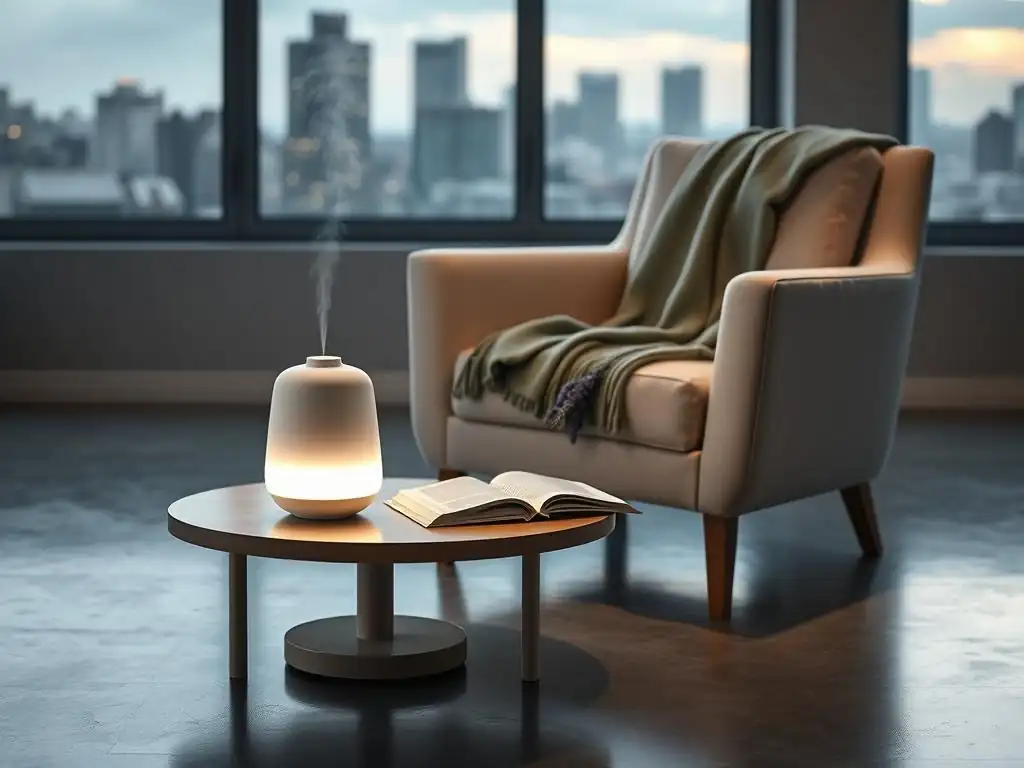
Hearing about personal experiences can provide powerful insight into the practical benefits of using aromatherapy reduce anxiety naturally. While individual results vary, these stories illustrate how incorporating essential oil diffusers into daily routines has positively impacted people struggling with anxiety, offering a tangible sense of hope and possibility.
These case studies, while illustrative examples, are based on common reports from individuals who have found significant relief from anxiety symptoms through the consistent use of essential oils and diffusers. They highlight how different oils and diffuser types can cater to specific anxiety manifestations and lifestyles.
Case Study: How the AromaTech AroMini Helped Sarah Manage Panic Attacks
Sarah, a marketing executive, struggled with unpredictable panic attacks that often struck without warning, making her fearful of public spaces and even her own office. Traditional therapies helped, but she sought a discreet, powerful tool for immediate relief during moments of intense anxiety. After researching nebulizing diffusers for their potency, she invested in an AromaTech AroMini, a sleek, waterless nebulizer designed for larger spaces but usable in her home office.
Sarah began using pure Frankincense oil in her AroMini during anticipated stressful periods or at the first sign of rising panic. She found that the intense, pure aroma delivered by the nebulizer quickly filled the space and helped ground her. The deep, woody scent of Frankincense provided a centering effect, slowing her racing thoughts and allowing her to focus on her breath.
She reported that within 5-10 minutes of turning on the diffuser, the severity and duration of her panic symptoms were significantly reduced, helping her feel more in control. This specific, powerful delivery method using a high-quality nebulizer proved to be a game-changer in her journey to use aromatherapy reduce anxiety naturally during acute episodes.
John, a university student, experienced significant social anxiety that made attending classes and social gatherings incredibly stressful. He felt constantly on edge and found it hard to relax in group settings. Looking for a natural way to manage his symptoms before heading out, he started using a small, portable nebulizing diffuser with Clary Sage essential oil. Clary Sage is known for its euphoric and balancing properties, often used to promote relaxation and reduce feelings of nervousness.
John would add 2-3 drops of pure Clary Sage oil to his nebulizer and use it for a short 10-15 minute session in his room before leaving for campus or meeting friends. He found the intense, herbaceous aroma helped to calm his nervous system and instill a sense of confidence and ease.
While it didn't "cure" his social anxiety, he reported feeling noticeably less tense and more relaxed when entering social situations after using this aromatherapy ritual. The pure, potent delivery of the Clary Sage via the nebulizer provided a strong, immediate effect that helped him feel better prepared to navigate social interactions, demonstrating how using aromatherapy reduce anxiety naturally can be integrated into pre-event coping strategies.
Beyond Diffusers: Complementary Therapies for Anxiety Reduction
While essential oil diffusers offer a wonderful tool for using aromatherapy reduce anxiety naturally, they are most effective when integrated into a broader approach to well-being. Anxiety is complex, and combining aromatherapy with other calming practices can significantly amplify its benefits and provide a more holistic strategy for managing stress and promoting inner peace.
Exploring complementary therapies alongside your aromatherapy routine can create a powerful synergy, addressing anxiety from multiple angles. This integrated approach enhances your ability to find calm and build resilience against daily stressors.
Mindfulness Meditation: Combining Aromatherapy with Present Moment Awareness
Mindfulness meditation involves focusing your attention on the present moment without judgment. It is a powerful practice for reducing anxiety by helping to quiet the overactive mind and cultivate acceptance of thoughts and feelings. Combining mindfulness meditation with aromatherapy can deepen the experience and enhance its calming effects.
Before beginning a meditation session, start your essential oil diffuser with a calming blend like Frankincense, Lavender, or a grounding blend. As you meditate, gently bring your attention to the aroma filling the space. Use the scent as an anchor for your awareness, noticing its subtle nuances as you inhale and exhale. This sensory focus can help redirect your mind away from anxious thoughts and deepen your connection to the present moment, making the meditation more effective and reinforcing the power of using aromatherapy reduce anxiety naturally in a focused practice.
Deep Breathing Exercises: Amplifying the Calming Effects of Essential Oils
Shallow, rapid breathing is a common physical symptom of anxiety, which can perpetuate the stress response. Practicing deep, slow breathing exercises helps activate the body's relaxation response, slowing heart rate and reducing muscle tension. Combining deep breathing with aromatherapy can amplify the calming effects by linking the physiological act of slowing down with the soothing properties of inhaled essential oils.
Set up your diffuser with a relaxing oil like Ylang Ylang, Roman Chamomile, or Lavender. Find a comfortable seated or lying position. Inhale deeply through your nose, allowing your belly to rise, and notice the calming aroma filling your lungs. Exhale slowly through your mouth, releasing tension. Continue for several minutes, focusing on the scent with each breath. This intentional practice of deep breathing while using aromatherapy reduce anxiety naturally can quickly lower stress levels and promote a sense of calm.
Yoga and Tai Chi: Promoting Holistic Well-being
Mind-body practices like yoga and Tai Chi combine gentle movement, breathwork, and mindfulness to promote physical and mental well-being. They are highly effective at reducing stress, improving flexibility, and cultivating a sense of inner peace. Incorporating aromatherapy into your yoga or Tai Chi practice can enhance the experience and deepen the relaxation benefits.
Before your practice, diffuse a grounding or balancing essential oil blend like Frankincense, Bergamot, or a specific yoga blend. As you move through poses or forms, focus on your breath and allow the calming aroma to support your practice. The scent can help you stay present, release tension, and connect more deeply with your body and breath. Using aromatherapy reduce anxiety naturally within the context of these holistic practices creates a multi-sensory experience that supports overall balance and resilience.
Conclusion: Embracing Aromatherapy for a Calmer Life
Anxiety is a significant challenge for many, impacting not just emotional states but also physical health and daily functioning. While various treatments exist, incorporating natural, accessible strategies like aromatherapy offers a complementary path to finding relief. Essential oil diffusers provide a simple and effective way to bring the calming properties of pure plant extracts into your personal space, creating an environment conducive to relaxation and peace.
From the well-researched effects of Lavender and Roman Chamomile to the uplifting notes of Bergamot and the grounding presence of Frankincense, specific essential oils offer targeted support for different facets of anxiety. By selecting the right diffuser and oils, maintaining your equipment, and intentionally integrating aromatherapy into your routine, you can harness the power of scent to influence your mood, soothe your nervous system, and cultivate a greater sense of calm. Using aromatherapy reduce anxiety naturally is not a cure, but a valuable, empowering tool for self-care.
The Evolving Role of Aromatherapy in Anxiety Management
The perception and use of aromatherapy for mental well-being are steadily evolving. Once considered purely anecdotal or an alternative therapy, the potential benefits of essential oils for conditions like anxiety are gaining more attention within the scientific community. Research continues to explore the mechanisms by which inhaled aromatic compounds affect the brain and body, providing a growing evidence base for what many users have experienced firsthand for centuries.
As understanding grows, aromatherapy is increasingly seen not just as a pleasant indulgence, but as a legitimate complementary therapy that can work alongside conventional treatments. The accessibility and ease of use of essential oil diffusers make them a practical tool for daily anxiety management, empowering individuals to take an active role in their well-being. Embracing aromatherapy reduce anxiety naturally represents a step towards integrating sensory experiences into mental health care, offering a gentle yet powerful way to navigate the challenges of anxious feelings and cultivate a calmer, more centered life.
Frequently Asked Questions
How does aromatherapy, specifically using essential oil diffusers, work to reduce anxiety?
Aromatherapy works by stimulating the olfactory system, which is directly linked to the brain areas controlling emotions. Essential oils in diffusers release aromatic molecules that promote relaxation and potentially reduce anxiety symptoms.
Which essential oils are most effective for reducing anxiety when used in a diffuser?
Lavender, chamomile, and bergamot are frequently cited for their calming and anxiety-reducing properties. These oils have been shown to promote relaxation and improve sleep quality, indirectly impacting anxiety levels.
How often should I use an essential oil diffuser to experience anxiety relief?
It's generally recommended to use a diffuser for 15-30 minutes at a time, several times a day. Overuse can lead to sensory overload or irritation, so moderation is key.
Are there any potential side effects or risks associated with using essential oil diffusers for anxiety?
Some individuals may experience allergic reactions or sensitivities to certain essential oils. It's important to use high-quality, pure oils and consult with a healthcare professional if you have any concerns, especially during pregnancy or with existing health conditions.
Can aromatherapy with diffusers replace traditional anxiety treatments like therapy or medication?
Aromatherapy can be a complementary approach to anxiety management, but it shouldn't replace traditional treatments. It's essential to consult with a mental health professional for comprehensive care and to determine the most effective treatment plan for your specific needs.
Final Reflection: Breathing Easy: The Enduring Power of Aromatherapy
The calming scent of essential oils isn't just a fleeting trend; it's a powerful tool in our collective quest for natural anxiety relief. In a world increasingly dominated by stress and uncertainty, the simple act of diffusing calming scents offers a tangible path towards a more peaceful existence. This accessible and affordable method provides a welcome alternative to potentially harmful pharmaceuticals, offering a gentler, more holistic approach to mental wellness.
The impact of aromatherapy on our cultural landscape is undeniable. From the rise of wellness spas incorporating essential oil treatments to the increasing availability of diffusers in homes and workplaces, we're witnessing a growing recognition of the mind-body connection. The body remembers what the mind forgets.
This quote speaks volumes about the power of aromatherapy to tap into our innate capacity for self-healing, addressing anxiety at its root rather than merely masking its symptoms. The shift towards natural remedies reflects a broader societal yearning for authentic well-being, a desire to reconnect with ourselves and the natural world.
Now, consider your own life. What small changes can you incorporate to cultivate a more calming environment? Perhaps it's the gentle diffusion of lavender before bed, the invigorating scent of peppermint during a stressful workday, or simply taking a few moments to consciously breathe in the aroma of your favorite essential oil. Embrace the power of aromatherapy; it's a journey towards a calmer, more centered you, one mindful breath at a time. Start small, experiment with different scents, and discover the unique benefits that aromatherapy can bring to your life.
Unleash Your Inner Calm: Take Control of Your Anxiety Today!
Thanks for taking the time to explore the power of aromatherapy with essential oil diffusers! We hope you gained valuable insights into how these natural tools can help manage anxiety. Now it's time to put that knowledge into action.
Here's how you can continue your journey to a calmer you:
- Try a simple diffusion blend: Experiment with lavender and chamomile essential oils – known for their calming properties – and notice the difference in your mood throughout the day. This is your first step towards a more relaxed you!
- Share your experience: Let us know which essential oil blends work best for you in the comments section below. Inspire others on their journey to tranquility.
- Explore different diffuser types: Consider researching different diffuser technologies to find the best fit for your lifestyle and preferences.
What calming essential oil blend will you experiment with first, and what impact do you hope to see it have on your daily life?