
Diffuser Safety First: Enjoying Aromatherapy for Anxiety Without the Worry

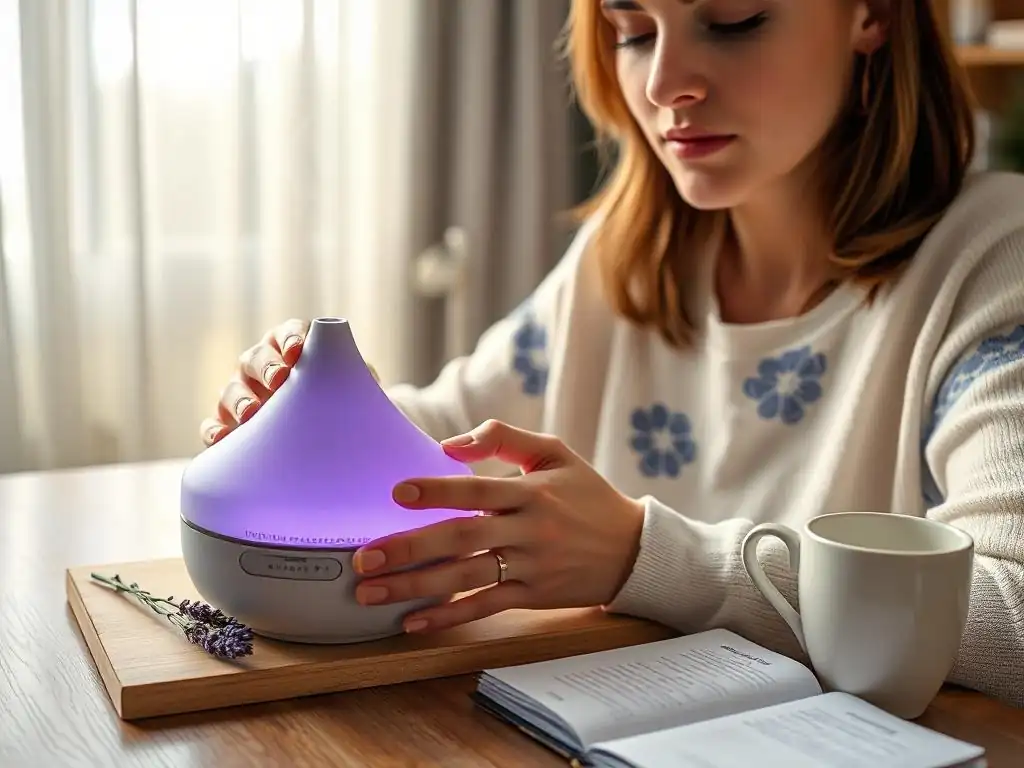
Welcome to Mind Care Guide, a safe space dedicated to nurturing your mental well-being. Feeling overwhelmed by anxiety? You're not alone. Many are discovering the soothing power of aromatherapy, but is it always safe? Dive into our guide on Aromatherapy for Anxiety Safety to unlock the secrets to using essential oils effectively and safely. Explore the potential benefits, understand the precautions, and learn how to create a calming atmosphere without the worry. Ready to breathe easier?
Diffuser Safety First: Enjoying Aromatherapy for Anxiety Without the Worry
- Introduction: Unlocking Calm Safely with Aromatherapy for Anxiety
- Step 1: Choosing the Right Diffuser for Safe Aromatherapy
- Step 2: Selecting Safe Essential Oils for Anxiety Relief
- Step 3: Safe Diffuser Placement and Usage Guidelines for Aromatherapy for Anxiety
- Step 4: Recognizing and Addressing Potential Adverse Reactions to Aromatherapy for Anxiety
- Conclusion: Enjoying Aromatherapy for Anxiety Safely and Responsibly
-
Frequently Asked Questions
- What are the main safety concerns when using aromatherapy diffusers for anxiety?
- How can I ensure I'm using aromatherapy diffusers safely around children and pets?
- Are there any essential oils that are generally considered unsafe for aromatherapy, especially for anxiety relief?
- What are the best practices for cleaning and maintaining aromatherapy diffusers to prevent health issues?
- How do I know if I'm experiencing an adverse reaction to aromatherapy, and what should I do?
- Final Reflection: Breathing Easy: The Enduring Power of Safe Aromatherapy
- Unleash the Calming Power of Aromatherapy
Introduction: Unlocking Calm Safely with Aromatherapy for Anxiety
Aromatherapy, the practice of using aromatic plant extracts (essential oils) for therapeutic benefit, has gained significant popularity as a natural approach to managing anxiety. The gentle diffusion of certain scents can create a calming atmosphere, promoting relaxation and reducing feelings of stress. Many individuals find inhaling the aroma of oils like lavender or chamomile helps quiet a racing mind and eases tension.
However, while the potential benefits of aromatherapy for anxiety are widely recognized, it's crucial to approach this practice with a strong emphasis on safety. Improper use of diffusers or essential oils can lead to adverse effects, ranging from minor irritation to more significant health concerns. Understanding the principles of diffuser safety is paramount to ensuring that your journey towards calm is not just effective, but also entirely free from worry. This guide provides a comprehensive overview of how to safely incorporate aromatherapy into your anxiety management routine.
Step 1: Choosing the Right Diffuser for Safe Aromatherapy
Understanding Diffuser Types and Their Safety Profiles
Selecting the appropriate diffuser is the first critical step in ensuring aromatherapy for anxiety safety. Different diffuser types utilize varying methods to disperse essential oils into the air, each with its own set of characteristics and safety considerations. Understanding these differences is key to making an informed choice that aligns with your needs and environment.
Ultrasonic Diffusers:
Ultrasonic diffusers are among the most popular types due to their ease of use and cost-effectiveness. They work by using electronic frequencies to create vibrations that break down water and essential oil into a fine mist. This process occurs at room temperature, preserving the therapeutic properties of the oils.
Safety Profile: Generally considered safe when used with clean water and according to manufacturer instructions. The primary safety concern involves the potential for mold or bacteria growth if not cleaned regularly, as they use water. Ensure the unit is placed on a stable surface away from electronics or surfaces sensitive to moisture.
Nebulizing Diffusers:
Nebulizing diffusers use an air pump to atomize essential oils into a micro-fine vapor, dispersing the concentrated oil directly into the air without heat or water. This method provides the most intense and therapeutic aroma experience, covering larger areas quickly.
Safety Profile: These diffusers are considered very safe in terms of oil integrity as no heat or water is used. However, because they disperse pure, concentrated oil, the intensity can be overpowering or irritating for some individuals, especially those with respiratory sensitivities or pets. Proper ventilation is essential, and shorter diffusion times are often recommended.
Heat Diffusers:
Heat diffusers use gentle heat, often from a candle or an electric element, to warm the essential oil, causing it to evaporate into the air. They range from simple candle burners to electric plates.
Safety Profile: The main safety concern with heat diffusers is the potential alteration of essential oil properties at higher temperatures, which can reduce their therapeutic benefits or even create undesirable compounds. Candle-based diffusers also pose a fire risk and should never be left unattended. Electric heat diffusers are generally safer than candle ones but still involve heat.
Evaporative Diffusers:
Evaporative diffusers use a fan to blow air through a pad or filter that has essential oil dropped onto it. The air then carries the evaporated oil molecules into the room. This is a simple and often portable method.
Safety Profile: These are generally considered safe as they don't use heat or water mist. The safety concerns are minimal, primarily related to the intensity of the aroma, which can be controlled by the amount of oil used. They are less effective in covering large areas or providing a consistent, strong aroma compared to ultrasonic or nebulizing types.
Key Safety Features to Look For in a Diffuser
Beyond the type of diffusion, certain features built into the diffuser itself can significantly enhance aromatherapy for anxiety safety. Prioritizing models with these features can provide peace of mind and prevent potential hazards during use, especially if you plan to use the diffuser for extended periods or in different settings within your home.
Automatic Shut-Off:
A crucial safety feature, particularly for ultrasonic diffusers that use water. The automatic shut-off mechanism ensures the unit turns off when the water level is too low or the timer runs out. This prevents the device from overheating or potentially causing damage if left running dry.
Benefit: This feature is invaluable for preventing fire hazards and prolonging the lifespan of the diffuser. It's especially important if you use your diffuser while sleeping or when you might forget to turn it off manually, adding a layer of protection to your aromatherapy for anxiety safety routine.
Timer Settings:
Integrated timer settings allow you to control the duration of diffusion (e.g., 1 hour, 3 hours, 6 hours, intermittent). This is vital for preventing overexposure to essential oils, which can sometimes cause headaches, nausea, or respiratory irritation in sensitive individuals.
Benefit: Using a timer helps you adhere to recommended diffusion times, ensuring you receive the therapeutic benefits without potential side effects from prolonged exposure. It's a simple yet effective way to manage the intensity and duration of your aromatherapy session for optimal safety and benefit.
Material Safety:
Consider the materials used in the diffuser's construction, especially components that come into contact with water and essential oils. Look for diffusers made from BPA-free plastics, glass, or ceramic. Essential oils can be corrosive to certain plastics over time.
Benefit: Safe materials prevent the leaching of harmful chemicals from the diffuser into the mist you inhale. This is particularly important for long-term use and contributes to the overall purity and safety of your aromatherapy for anxiety safety practice, ensuring you're only inhaling beneficial compounds.
Step 2: Selecting Safe Essential Oils for Anxiety Relief
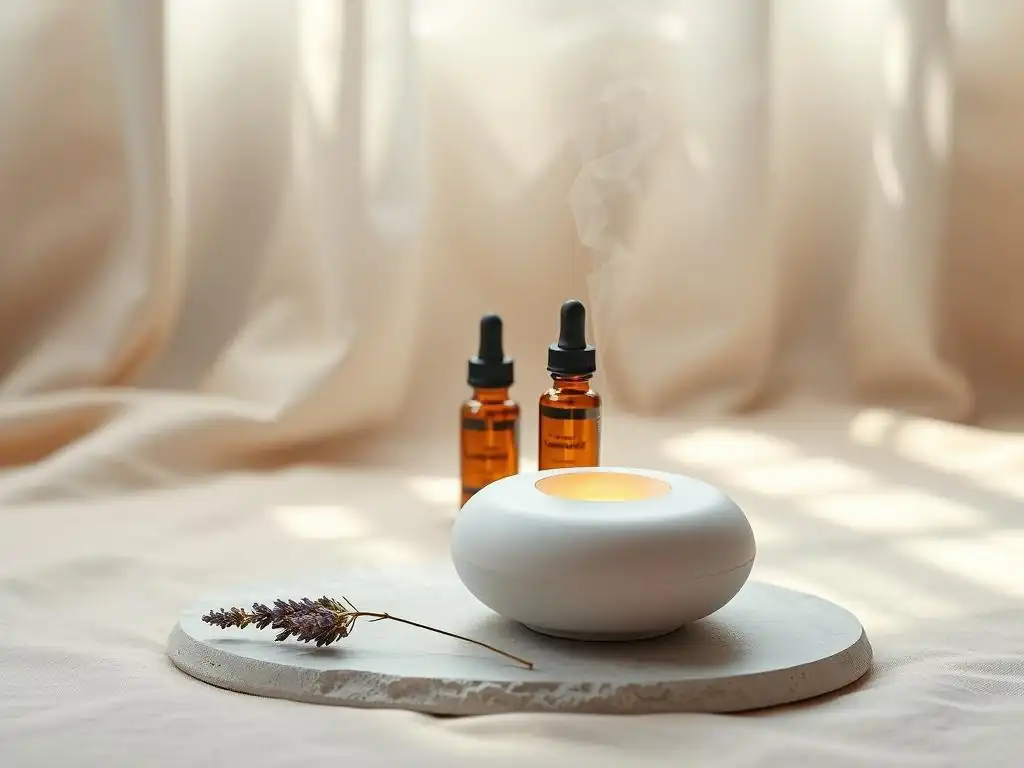
Choosing the right essential oils is just as important as selecting a safe diffuser for effective aromatherapy for anxiety safety. Not all essential oils are suitable for diffusion, and even beneficial oils require careful consideration regarding purity, concentration, and potential individual sensitivities.
Understanding Essential Oil Safety and Potential Risks
Essential oils are highly concentrated plant extracts and, despite being natural, they are potent chemical compounds. Using them safely requires understanding potential risks such as skin reactions, respiratory irritation, and interactions. Always purchase oils from reputable suppliers who provide information on sourcing, purity, and testing (like GC/MS reports).
Photosensitivity:
Certain essential oils, particularly citrus oils like bergamot (unless specifically labeled FCF - Furanocoumarin-Free), lemon, lime, and grapefruit, contain compounds called furanocoumarins. These can significantly increase the skin's sensitivity to UV light, leading to severe sunburn or skin discoloration if skin contact occurs before sun exposure.
Risk: While diffusion generally poses less risk of skin contact than topical application, airborne particles can settle on skin or surfaces. Using photosensitive oils in diffusers in spaces where skin contact might occur or before spending time outdoors requires caution. Always check oil labels for photosensitivity warnings.
Allergies and Sensitivities:
Individuals can develop allergies or sensitivities to specific essential oils, even if they are generally considered safe. Symptoms can range from headaches, nausea, or respiratory irritation when inhaled, to skin rashes or itching if contact occurs.
Risk: Pay attention to how your body reacts when diffusing a new oil. Start with very short diffusion times (e.g., 15 minutes) in a well-ventilated area. If you experience any discomfort, discontinue use immediately. Approximately 1-2% of the population may experience allergic contact dermatitis from essential oils applied topically, and while inhalation risk is lower, sensitivity is still possible.
Interactions with Medications:
Some essential oils can potentially interact with certain medications, affecting their efficacy or causing adverse reactions. For example, certain oils might have anticoagulant properties that could interfere with blood-thinning medications.
Risk: It is crucial to consult with a healthcare provider or a certified aromatherapist if you are taking prescription medications, have underlying health conditions (like asthma, high blood pressure, or epilepsy), or are pregnant or breastfeeding before using essential oils for aromatherapy for anxiety safety. They can provide guidance tailored to your specific health profile.
Top Essential Oils for Anxiety and Their Safe Usage
Several essential oils are widely recognized for their calming and anxiety-reducing properties. While generally safe for diffusion, it's important to use them correctly and be aware of specific considerations for each oil.
Lavender:
Lavender essential oil (Lavandula angustifolia) is perhaps the most well-known oil for relaxation and anxiety relief. Studies, such as one published in the Journal of Alternative and Complementary Medicine in 2012, have shown that inhaling lavender oil can reduce anxiety levels and improve mood.
Safe Usage: Lavender is typically well-tolerated for diffusion. Use 3-5 drops in an ultrasonic diffuser or follow nebulizer instructions. Avoid ingestion. While generally safe, excessive exposure might cause mild headaches in sensitive individuals.
Frankincense:
Frankincense essential oil (Boswellia carterii or serrata) is known for its grounding and calming aroma, often used in meditation. It's believed to help deepen breathing and promote feelings of peace.
Safe Usage: Frankincense is considered safe for diffusion. Use similarly to lavender. It has a low risk profile for most individuals.
Chamomile (Roman):
Roman Chamomile essential oil (Anthemis nobilis) offers a sweet, apple-like scent that is deeply soothing and can help with insomnia and anxiety. It's often used for calming children (with appropriate dilution and caution).
Safe Usage: Roman Chamomile is generally safe for diffusion. However, individuals with allergies to ragweed, marigolds, or daisies might experience cross-reactivity and should use caution or avoid it.
Bergamot (FCF - Furanocoumarin-Free):
Bergamot essential oil (Citrus bergamia) has a bright, uplifting citrus scent that can help reduce stress and improve mood. It's the FCF (Furanocoumarin-Free) version that is safe for diffusion without the photosensitivity risk associated with regular bergamot.
Safe Usage: Only use Bergamot FCF for diffusion, especially if the mist might settle on skin. Diffuse for shorter periods (e.g., 30 minutes) due to its citrus nature.
Essential Oil Blends for Anxiety: Safety and Synergy
Combining essential oils can create synergistic effects, potentially enhancing their anxiety-reducing properties. However, blending also requires careful consideration of oil ratios and the safety profiles of all oils used in the mix to ensure aromatherapy for anxiety safety.
Pre-made blends vs. DIY blends:
Pre-made blends from reputable companies offer convenience and are typically formulated by experts with safety in mind. They often list the oils included and sometimes suggest safe usage guidelines. DIY blends allow for customization but require knowledge of individual oil properties, safe dilution ratios (even for diffusion intensity), and potential interactions between oils.
Consideration: For beginners focused on aromatherapy for anxiety safety, starting with a well-vetted pre-made blend from a trusted brand is often recommended. If creating your own, research each oil thoroughly and start with small quantities.
Recommended anxiety relief blends from reputable brands:
Many essential oil companies offer proprietary blends marketed for stress or anxiety. Examples include "Stress Away" (Young Living - typically includes Copaiba, Lime, Cedarwood, Vanilla, Ocotea, Lavender), "Serenity" or "Adaptiv" (doTERRA - e.g., Lavender, Roman Chamomile, Ylang Ylang, Bergamot, Vetiver), or "Relax" (Eden's Garden - often Lavender, Bergamot, Patchouli).
Note: Always check the ingredients list of pre-made blends for any oils you know you are sensitive to or those with specific safety concerns (like photosensitive oils or oils not recommended for diffusion).
Tips for creating your own safe and effective aromatherapy blends:
- Research: Understand the properties and safety guidelines for each oil you plan to use.
- Start Simple: Begin with blends of 2-3 oils.
- Mind the Ratio: While diffusion doesn't involve topical dilution, the intensity of the aroma dispersed relates to the number of drops. A common guideline for a 100-150ml ultrasonic diffuser is 5-7 drops total.
- Prioritize Safety: If any oil in your potential blend has a specific caution (e.g., not for use around young children, potential respiratory irritant), apply that caution to the entire blend.
- Test: Diffuse a small amount of your blend for a short time to see how you react before using it for longer periods.
Step 3: Safe Diffuser Placement and Usage Guidelines for Aromatherapy for Anxiety
Where and how you use your diffuser significantly impacts both the effectiveness of the aromatherapy and overall aromatherapy for anxiety safety. Proper placement ensures the aroma disperses efficiently without causing irritation or damage, while adhering to usage guidelines prevents overexposure.
Optimal Placement for Effective and Safe Diffusion
The location of your diffuser matters. Placing it correctly maximizes the inhalation of beneficial aromatic compounds while minimizing potential risks to people, pets, and property. A few key considerations can make a big difference in your aromatherapy for anxiety safety practice.
Avoiding direct contact with furniture or fabrics:
Ultrasonic diffusers produce a fine mist that can deposit moisture and essential oil residue onto surrounding surfaces. Placing the diffuser directly on wooden furniture, upholstery, or near curtains can lead to water damage, staining, or degradation of materials over time.
Recommendation: Place the diffuser on a non-porous, water-resistant surface like a ceramic tile, glass plate, or a dedicated diffuser mat. Ensure there's adequate space around the unit (e.g., at least 12-18 inches) to allow the mist to disperse into the air rather than settling directly on surfaces.
Ensuring adequate ventilation:
While you want to enjoy the aroma, diffusing essential oils in a completely sealed room can lead to the rapid buildup of concentrated oil molecules, potentially causing headaches, respiratory irritation, or overwhelming the senses. Good ventilation allows the aroma to circulate gently.
Recommendation: Use your diffuser in a well-ventilated room. This doesn't mean needing a strong draft, but simply ensuring the air can circulate – perhaps by having a door slightly ajar or using it in a larger space. This is particularly important when using nebulizing diffusers which produce a more concentrated vapor.
Keeping diffusers out of reach of children and pets:
Essential oils, even diffused, can pose risks to vulnerable populations like young children and pets. Their smaller size, faster metabolic rates, and different physiological responses mean they can be more susceptible to adverse effects from essential oils. Certain oils are particularly dangerous for cats and dogs (e.g., tea tree, citrus, pine, peppermint).
Recommendation: Always place the diffuser on a high shelf, counter, or other location where children and pets cannot easily access it, knock it over, or inhale the mist directly for prolonged periods. Research pet-safe essential oils if you have animals in the home and use diffusers only in areas where pets can easily leave if the aroma is too strong for them.
Recommended Diffusion Time and Frequency
One of the most common mistakes in aromatherapy is diffusing oils for too long or too frequently. This can lead to olfactory fatigue (where you stop smelling the aroma but are still inhaling the compounds) or even adverse physical reactions. Adhering to recommended times is key for aromatherapy for anxiety safety.
Starting with short diffusion sessions:
If you are new to using a diffuser or a specific essential oil, begin with very short diffusion times to gauge your reaction and that of anyone else in the space.
Recommendation: Start with a diffusion time of just 15-20 minutes. Observe how you feel during and after this short period. If you experience no adverse effects, you can gradually increase the duration in subsequent sessions.
Avoiding continuous diffusion:
Running a diffuser continuously throughout the day or night is generally not recommended. This can lead to overexposure and potentially irritate the respiratory system or cause headaches.
Recommendation: Instead of continuous diffusion, use your diffuser intermittently. This allows the air to clear between sessions and reduces the risk of overexposure. Most experts recommend cycling diffusion on and off.
The "30-60 minute rule":
A widely accepted guideline for safe diffusion is to diffuse for 30-60 minutes, then take a break for at least 30-60 minutes (or longer). This allows you to reap the benefits of the aroma without prolonged, constant exposure.
Guideline: Aim for diffusion sessions lasting no more than an hour at a time. You can repeat sessions throughout the day as needed, but ensure there are breaks in between. Many diffusers come with built-in timers that support this practice.
Maintaining Your Diffuser for Optimal Safety and Performance
Regular cleaning and maintenance of your diffuser are essential not only for its longevity and performance but also for hygiene and aromatherapy for anxiety safety. A dirty diffuser can harbor bacteria or mold, and residue from old oils can affect the aroma and potentially clog the mechanism.
Regular cleaning:
Essential oil residue and mineral deposits from water can build up inside the diffuser, especially in ultrasonic models. This buildup can affect the mist output, reduce the effectiveness of the oils, and potentially become a breeding ground for microbes.
Recommendation: Clean your diffuser regularly, ideally after every few uses or whenever you switch essential oils. For ultrasonic diffusers, rinse the water tank and wipe down the ultrasonic chip and sensor with a soft cloth. Follow the manufacturer's specific cleaning instructions, which often involve using a cotton swab with rubbing alcohol on the ultrasonic plate.
Using distilled water:
For ultrasonic diffusers, using distilled or purified water is highly recommended over tap water. Tap water contains minerals that can build up inside the diffuser, leading to clogs and reducing the lifespan of the unit. Mineral deposits can also be dispersed into the air, potentially affecting air quality.
Benefit: Distilled water minimizes mineral buildup, keeping your diffuser clean and functioning optimally. This also ensures that the mist you inhale contains only water and essential oil molecules, contributing to better aromatherapy for anxiety safety.
Following the manufacturer's instructions:
Every diffuser model is slightly different. The manufacturer provides specific instructions for setup, use, cleaning, and troubleshooting that are tailored to that particular device.
Importance: Always read and follow the instructions provided with your diffuser. This ensures you are using the unit correctly, maintaining it properly, and are aware of any model-specific safety warnings or recommendations. Ignoring these instructions can lead to damage to the diffuser or compromise your aromatherapy for anxiety safety.
Step 4: Recognizing and Addressing Potential Adverse Reactions to Aromatherapy for Anxiety
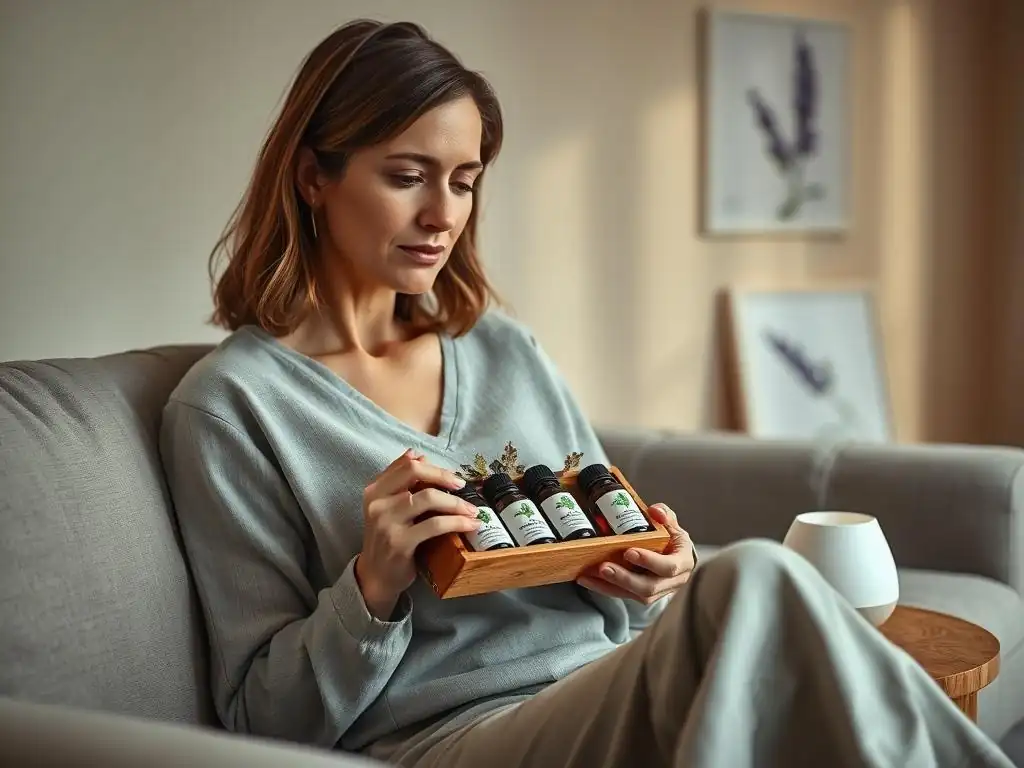
Even when following safety guidelines, it's possible to experience adverse reactions to essential oils diffused for anxiety relief. Being able to recognize these signs and knowing how to respond is a crucial part of aromatherapy for anxiety safety. Sensitivity varies greatly from person to person.
Common Side Effects and How to Manage Them
While essential oils are generally safe for diffusion when used correctly, some individuals may experience mild side effects. These are often dose-dependent and can be managed by adjusting usage.
Headaches, nausea, and skin irritation:
These are among the most frequently reported side effects of essential oil diffusion, often resulting from overexposure, diffusing oils that are too concentrated, or individual sensitivity. A strong, lingering aroma can be overwhelming for the body.
Management: If you experience these symptoms, immediately turn off the diffuser and move to a well-ventilated area or go outdoors for fresh air. Drink some water. Reduce the number of drops you use in the future and shorten the diffusion time. If skin irritation occurs after handling the diffuser or oil bottle, wash the affected area thoroughly with soap and water.
Essential oil sensitivities and allergic reactions:
While less common with diffusion than topical use, it's still possible to have a sensitivity or allergic reaction to inhaled essential oil particles. Symptoms might include coughing, wheezing, shortness of breath, nasal congestion, or headache.
Management: If you suspect a sensitivity or allergic reaction, stop using the diffuser immediately. If symptoms are mild (e.g., slight congestion), fresh air may be sufficient. If symptoms are severe, persistent, or involve difficulty breathing, seek medical attention immediately. Note which oil or blend was being diffused to help identify the culprit.
When to Seek Professional Help
While most issues with aromatherapy for anxiety are minor and manageable, certain situations warrant consultation with a healthcare professional or a qualified aromatherapist. Prioritizing professional advice ensures the highest level of aromatherapy for anxiety safety.
Persistent adverse reactions:
If you continue to experience headaches, respiratory issues, or other discomfort even after reducing diffusion time, using fewer drops, or trying different oils, it's time to consult a professional.
Reason: Persistent symptoms could indicate a stronger sensitivity, an underlying respiratory condition aggravated by the oils, or that aromatherapy is simply not the right approach for you. A healthcare provider or certified aromatherapist can help identify the cause and recommend alternatives or adjustments.
Concerns about essential oil interactions with medications:
If you are taking prescription medications for anxiety, blood pressure, asthma, or any other condition, and you are considering using aromatherapy, discussing potential interactions is vital. Some essential oils could theoretically affect how your body processes certain drugs.
Action: Before starting aromatherapy, especially if you have complex health needs or are on multiple medications, have a conversation with your doctor or pharmacist. They can advise on the safety of specific oils in conjunction with your current treatment plan, ensuring your aromatherapy for anxiety safety.
Using essential oils for anxiety in individuals with pre-existing health conditions:
Certain health conditions, such as asthma, COPD, epilepsy, or high blood pressure, can potentially be exacerbated or affected by essential oils. What might be safe for one person could be problematic for another.
Action: If you or the person using the diffuser has a pre-existing health condition, always consult with a healthcare provider before incorporating aromatherapy for anxiety. They can provide personalized guidance based on the specific condition and help you choose oils and methods that are safest.
Conclusion: Enjoying Aromatherapy for Anxiety Safely and Responsibly
Aromatherapy can be a wonderful, complementary tool in your anxiety management toolkit, offering a soothing and pleasant way to promote relaxation and a sense of calm. The gentle diffusion of carefully selected essential oils can transform your living space into a sanctuary, helping to ease the burden of daily stress and worry. Many find the ritual itself contributes to a mindful practice, enhancing their overall well-being.
However, harnessing the benefits of aromatherapy for anxiety requires a commitment to safety. By understanding the different types of diffusers and their features, selecting pure and appropriate essential oils, following safe usage guidelines regarding placement and duration, and being mindful of potential reactions, you can significantly reduce risks.
Prioritizing aromatherapy for anxiety safety ensures that this natural practice remains a source of comfort and support, allowing you to enjoy its benefits without adding new concerns to your plate. Approach aromatherapy with respect for the potency of essential oils and empower yourself with knowledge to create a truly safe and effective path to calm.
Frequently Asked Questions
What are the main safety concerns when using aromatherapy diffusers for anxiety?
The primary concerns involve essential oil toxicity if ingested, skin irritation from undiluted application, and respiratory issues due to excessive inhalation. Proper dilution and ventilation are key.
How can I ensure I'm using aromatherapy diffusers safely around children and pets?
Keep diffusers out of reach. Use child and pet-safe essential oils and lower concentrations. Always monitor for any adverse reactions.
Are there any essential oils that are generally considered unsafe for aromatherapy, especially for anxiety relief?
Yes, some oils, like pennyroyal and wintergreen, are highly toxic. Always research essential oil contraindications and avoid oils with known risks, especially during pregnancy or with pre-existing conditions.
What are the best practices for cleaning and maintaining aromatherapy diffusers to prevent health issues?
Regular cleaning prevents mold and bacteria growth. Follow the manufacturer's instructions using water and vinegar or isopropyl alcohol. Clean after each use or every few days.
How do I know if I'm experiencing an adverse reaction to aromatherapy, and what should I do?
Signs include headache, nausea, skin rash, or breathing difficulties. Stop using the diffuser immediately and ventilate the area. Seek medical attention if symptoms are severe.
Final Reflection: Breathing Easy: The Enduring Power of Safe Aromatherapy
The mindful use of aromatherapy for anxiety is not just a trend; it's a powerful tool for self-care that deserves careful consideration. The potential benefits are undeniable, offering a natural pathway to calm and well-being, but only when approached with the knowledge and precautions outlined in this article. Ignoring safety protocols can negate the positive effects and even lead to harm.
The journey into aromatherapy, for me, has been one of both discovery and responsibility. I've witnessed firsthand the transformative power of essential oils in easing anxiety, but also the potential for misuse. It's a delicate balance, and education is key. The greatest glory in living lies not in never falling, but in rising every time we fall.
This quote, while not directly about aromatherapy, perfectly encapsulates the spirit of responsible exploration and the resilience needed to navigate the world of natural remedies. We must rise above potential pitfalls and embrace informed choices.
Now, it's your turn. Consider the information presented here – the importance of dilution, patch testing, choosing high-quality oils, and understanding potential interactions. Don't let fear prevent you from exploring the potential benefits of aromatherapy, but let knowledge be your guide. Embrace a mindful approach, prioritize safety, and discover the calming power of essential oils responsibly. Your journey to a more peaceful and anxiety-free life begins with informed choices.
Unleash the Calming Power of Aromatherapy
Thanks for taking the time to explore the world of aromatherapy for anxiety relief with Mind Care Guide! We hope you gained valuable insights into safe and effective diffuser use. Now it's time to put that knowledge into practice.
- Create your perfect calming blend: Experiment with different essential oils and diffuser settings to find what truly soothes you. Don't be afraid to try unexpected combinations!
- Share your aromatherapy journey: Tell us about your favorite essential oil blends and how they help manage your anxiety in the comments below. Let's build a supportive community!
- Learn more about essential oil safety: Dive deeper into understanding proper dilution ratios and safe diffuser usage for a truly worry-free aromatherapy experience.
Ready to experience the transformative power of aromatherapy? What calming blend will you create first?