
Using Traditional Wisdom for Trauma Healing

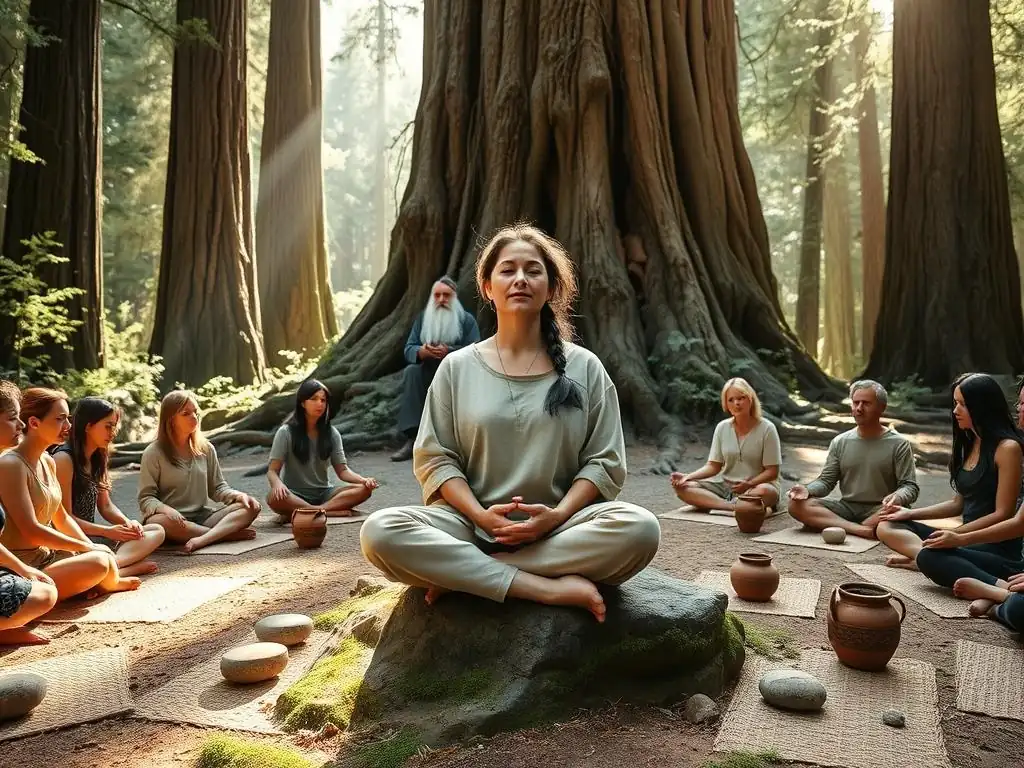
Welcome to Mind Care Guide, a space dedicated to nurturing your mental well-being.
Have you ever felt disconnected from your healing journey? We understand. In this article, we explore traditional wisdom trauma healing techniques, offering a fresh perspective on recovery. Discover how ancient practices can provide solace and strength as you navigate your path towards wholeness. Intrigued? Let's begin...
Using Traditional Wisdom for Trauma Healing: A Mind Care Guide
- Introduction: Bridging Ancient Practices and Modern Trauma Recovery
- Defining Traditional Wisdom in the Context of Trauma Healing
- Exploring Traditional Wisdom Trauma Healing Techniques Across Cultures
- Benefits of Integrating Traditional Wisdom Trauma Healing Techniques
- Potential Limitations and Considerations
- Practical Applications: How to Incorporate Traditional Wisdom into Your Healing Journey
- Conclusion: Embracing Holistic Healing Through Traditional Practices
-
Frequently Asked Questions
- What are some examples of traditional wisdom trauma healing techniques?
- How can traditional wisdom trauma healing techniques complement modern therapy?
- Are traditional wisdom trauma healing techniques appropriate for everyone?
- Where can I find resources for learning more about traditional wisdom trauma healing techniques?
- What are the potential benefits of using traditional wisdom trauma healing techniques?
- Final Reflection: Weaving Ancient Wisdom into Modern Healing
- Unlock Your Inner Resilience: Steps to Healing
Introduction: Bridging Ancient Practices and Modern Trauma Recovery
Trauma, whether from a single overwhelming event or prolonged exposure to adversity, can leave deep imprints on the mind, body, and spirit. While modern psychology offers valuable approaches like Cognitive Behavioral Therapy (CBT) and Eye Movement Desensitization and Reprocessing (EMDR), many individuals seek complementary pathways to healing, particularly those that resonate with cultural heritage or offer a more holistic perspective. This growing interest has led many to explore traditional wisdom trauma healing techniques, practices rooted in ancient cultures that have long addressed suffering and sought restoration.
This article delves into how traditional wisdom offers profound insights and practical methods for navigating the complex journey of trauma recovery. We will explore diverse global traditions, understand the principles behind their healing modalities, and examine specific traditional wisdom trauma healing techniques that are gaining recognition for their potential to support mental and emotional well-being alongside conventional treatments. The integration of these ancient approaches with modern understanding presents a powerful, comprehensive path towards healing.
Understanding Trauma Through a Cultural Lens
Trauma is a universal human experience, yet its perception, manifestation, and healing are deeply influenced by cultural context. In many Western frameworks, trauma is often viewed primarily as an individual psychological injury, focusing on internal cognitive and emotional processes. Therapeutic interventions frequently emphasize verbal processing and individual therapy sessions to address symptoms like PTSD, anxiety, and depression.
Conversely, many traditional cultures understand trauma not just as an individual affliction but often as a collective wound that impacts families, communities, and even ancestral lines. Healing practices frequently involve community participation, spiritual rituals, and a deep connection to nature or the land. For example, historical trauma experienced by Indigenous peoples due to colonization is often addressed through ceremonies and community support systems that acknowledge the collective impact and seek to restore cultural identity and connection, highlighting the importance of traditional wisdom trauma healing techniques that are culturally sensitive and communal.
The Growing Interest in Traditional Wisdom Trauma Healing Techniques
In recent years, there has been a significant surge in interest regarding traditional wisdom trauma healing techniques. This is partly driven by individuals seeking alternatives or additions to conventional Western therapies, which may not fully address the spiritual, communal, or somatic aspects of their trauma experience. Many are looking for approaches that feel more aligned with their cultural background or offer a sense of groundedness and connection often disrupted by trauma.
Furthermore, research is increasingly exploring the efficacy of practices like mindfulness, yoga, and certain traditional healing modalities in treating trauma symptoms. For instance, studies on mindfulness-based interventions have shown improvements in PTSD symptoms, and trauma-informed yoga programs have demonstrated success in helping individuals regulate their nervous systems and improve body awareness. This growing body of evidence, combined with personal testimonies, underscores the potential of integrating traditional wisdom trauma healing techniques into a comprehensive care plan, offering hope and diverse pathways for recovery.
Defining Traditional Wisdom in the Context of Trauma Healing
Traditional wisdom, in the context of trauma healing, refers to the accumulated knowledge, practices, and beliefs passed down through generations within specific cultural groups for the purpose of restoring balance, health, and harmony after experiencing distress or disruption, including trauma. It is not a monolithic concept but encompasses a vast array of approaches that are often holistic, integrating physical, emotional, spiritual, and community dimensions. These practices are typically rooted in the worldview and history of a particular people or region.
Unlike standardized modern medical protocols, traditional wisdom is often dynamic, adapting within its cultural framework, and is intrinsically linked to the social structure and environment of the community that upholds it. It often emphasizes interconnectedness – the relationship between the individual, community, ancestors, spirits, and the natural world. This framework provides a rich foundation for understanding and addressing trauma, which often involves feelings of disconnection and fragmentation.
What Constitutes "Traditional Wisdom"?
"Traditional wisdom" encompasses a diverse range of knowledge systems and practices developed within specific cultural contexts over long periods. These systems provide frameworks for understanding illness, promoting well-being, and facilitating healing, including responses to trauma. Examples from different cultures illustrate the variety and depth of these approaches.
In Indigenous Australian cultures, traditional healing often involves deep connection to Country (land), ancestral spirits, and community elders. Healing ceremonies may involve storytelling, songlines, and rituals performed on specific sites, aimed at restoring spiritual balance and connection to the land, which is seen as vital for health and well-being. The focus is often on healing the collective as well as the individual, recognizing the impact of historical trauma.
Similarly, Native American traditional healing practices often utilize ceremonies like the Sweat Lodge, a purification ritual involving heat, steam, prayers, and singing, designed to cleanse the body and spirit and foster community bonds. The use of sacred plants like sage and sweetgrass in smudging is another common practice aimed at clearing negative energy and promoting spiritual cleansing, integral components of their approach to traditional wisdom trauma healing techniques. In African cultures, traditional healing systems are incredibly varied but often involve diviners, herbalists, and spiritual healers who work to identify the root cause of distress, which may be attributed to spiritual imbalances, ancestral issues, or social conflicts.
Healing practices can include herbal medicines, spiritual rituals, drumming, dancing, and community counseling sessions aimed at restoring harmony within the individual and their social environment. These examples highlight how traditional wisdom trauma healing techniques are deeply embedded in cultural identity and community life.
Key Principles Underlying Traditional Healing Modalities
While traditional healing modalities vary widely across cultures, several core principles often underpin their approaches to trauma and suffering. A fundamental principle is holism, viewing the individual as an interconnected system of mind, body, spirit, and community, deeply connected to the natural world. Trauma is not just a psychological event but can manifest physically, spiritually, and socially.
Another key principle is restoration of balance and harmony. Many traditional systems believe that illness or distress, including trauma symptoms, result from imbalances within the individual or between the individual and their environment, community, or spiritual realm. Healing practices aim to restore this equilibrium through rituals, ceremonies, herbal remedies, and spiritual interventions.
The principle of community and social support is also paramount; healing is often a collective endeavor, emphasizing the importance of social bonds, shared narratives, and communal rituals in processing difficult experiences and fostering resilience. Finally, a strong connection to spirituality and the sacred is often central, providing a framework for understanding suffering, finding meaning, and accessing inner strength and external support from ancestral or divine sources, which are crucial elements in many traditional wisdom trauma healing techniques.
Exploring Traditional Wisdom Trauma Healing Techniques Across Cultures
Traditional wisdom offers a diverse array of practices that can be profoundly supportive for individuals navigating the aftermath of trauma. These techniques, developed over centuries, address the impact of trauma on multiple levels – physical, emotional, psychological, and spiritual. Exploring these methods from different cultural perspectives reveals common threads of healing, often centered around restoring connection, regulating the nervous system, and finding meaning.
From the contemplative traditions of the East to the earth-centered practices of Indigenous peoples, traditional wisdom trauma healing techniques provide valuable tools for processing difficult emotions, releasing somatic tension, and fostering resilience. While the specific forms may differ, the underlying intention – to guide individuals back towards a state of wholeness and peace – remains consistent. Understanding these diverse approaches can broaden our perspective on healing and offer complementary pathways alongside modern therapeutic interventions.
Eastern Traditions: Healing Trauma with Ancient Practices
Eastern philosophical and spiritual traditions, particularly those from India and China, offer a rich repository of practices focused on cultivating inner peace, self-awareness, and physical-emotional balance. Techniques such as mindfulness, meditation, yoga, and traditional medicine systems have been practiced for millennia and are increasingly recognized for their therapeutic potential in addressing trauma symptoms like anxiety, hypervigilance, and emotional dysregulation. These traditional wisdom trauma healing techniques emphasize the connection between mind and body.
These practices often involve disciplined training of attention and cultivating a non-judgmental awareness of internal and external experiences. They provide tools for individuals to observe their thoughts, emotions, and bodily sensations without being overwhelmed, a crucial skill for managing trauma responses. The emphasis on breath control and gentle movement also helps regulate the nervous system, which is often dysregulated after traumatic experiences.
Mindfulness and Meditation for Trauma Processing
Mindfulness involves paying deliberate attention to the present moment without judgment, while meditation encompasses various techniques to train attention and awareness. Practices like Vipassana (insight meditation) encourage observing physical sensations, thoughts, and feelings as they arise and pass, fostering a sense of detachment and reducing reactivity to distressing stimuli. This can be particularly helpful for individuals experiencing flashbacks or intrusive thoughts, allowing them to witness these phenomena without being consumed by them.
Transcendental Meditation (TM), another widely practiced technique, involves using a specific mantra to settle the mind into a state of deep rest and relaxation. This state has been associated with reductions in stress hormones and improved nervous system regulation, which can alleviate symptoms of anxiety and hyperarousal common in trauma survivors. Research published in the Journal of Traumatic Stress and other publications has explored the potential benefits of meditation-based interventions in reducing PTSD symptoms among various populations, including veterans, demonstrating their efficacy as traditional wisdom trauma healing techniques.
Yoga and Body-Based Therapies for Releasing Trauma
Yoga is a comprehensive system originating in ancient India that integrates physical postures (asanas), breath control (pranayama), and meditation. It is increasingly recognized for its ability to help trauma survivors reconnect with their bodies, which may have become sources of fear or dissociation. Gentle and mindful forms of yoga can help release chronic tension stored in the body as a result of trauma.
Restorative Yoga, characterized by passive stretching supported by props, promotes deep relaxation and helps calm the nervous system, counteracting the "fight, flight, or freeze" response. Trauma-Informed Yoga specifically adapts traditional yoga practices to create a safe and empowering environment for survivors, emphasizing principles like choice, predictability, and present-moment awareness. These adapted practices help individuals gently explore physical sensations, build interoceptive awareness, and process stored trauma in the body in a safe and controlled manner, making them valuable traditional wisdom trauma healing techniques. Studies have shown that yoga can lead to significant reductions in PTSD symptoms, including hyperarousal and dissociation.
Traditional Chinese Medicine (TCM) and Acupuncture for Emotional Regulation
Traditional Chinese Medicine (TCM) is a complete medical system developed over thousands of years that views health as the result of balanced energy flow (Qi) within the body. Emotional distress, including that caused by trauma, is understood as a disruption or stagnation of Qi, often affecting specific organ systems like the Liver (associated with anger and frustration) or the Heart (associated with anxiety and spirit).
Acupuncture, a key modality in TCM, involves inserting fine needles into specific points on the body to stimulate energy flow and restore balance. For trauma-related symptoms, acupuncture can be used to calm the nervous system, reduce anxiety, improve sleep, and alleviate physical pain.
Specific points are often targeted, such as Liver 3 (LR3), located on the foot, commonly used to release stagnation and reduce frustration or irritability, and Heart 7 (HT7), located on the wrist, frequently used to calm the mind and alleviate anxiety, insomnia, and palpitations. While research on acupuncture specifically for trauma is ongoing, studies on its effects on anxiety, depression, and stress provide promising evidence for its potential as a component of traditional wisdom trauma healing techniques.
Ayurvedic Practices for Balancing the Mind and Body After Trauma
Ayurveda, another ancient Indian healing system, focuses on balancing the individual's unique constitution (dosha) and promoting harmony between mind, body, and environment. Trauma can significantly disrupt this balance, particularly affecting the Vata dosha, which governs movement, the nervous system, and communication. An aggravated Vata after trauma can lead to symptoms like anxiety, fear, insomnia, restlessness, and dissociation.
Ayurvedic treatment for trauma often involves practices aimed at grounding and nourishing the nervous system. This includes dietary recommendations (warm, grounding foods), lifestyle adjustments (regular routines, adequate rest), herbal remedies (such as Ashwagandha and Brahmi, known as adaptogens to help the body cope with stress), and therapeutic bodywork (like warm oil massage or Abhyanga). The goal is to soothe the agitated Vata, restore stability, and promote a sense of safety and calm, contributing to the body's natural healing capacity through traditional wisdom trauma healing techniques.
Indigenous Healing Practices: Connection to Nature and Community
Indigenous healing practices from around the world often emphasize a deep connection to the natural world, community, and ancestral wisdom as central to well-being and recovery from suffering, including trauma. These traditions frequently view illness or distress as a disconnection – from self, community, nature, or the spiritual realm. Healing involves restoring these vital connections and reclaiming cultural identity and strength, which are often targeted by trauma and historical oppression.
Ceremonies, rituals, storytelling, and community gatherings are integral components of these healing systems. They provide structured spaces for processing difficult experiences, finding collective support, and reaffirming cultural values and resilience. These practices highlight that traditional wisdom trauma healing techniques are not just individual therapies but often involve the entire community and relationship with the land.
The Role of Ceremony and Ritual in Trauma Healing
Ceremony and ritual are powerful tools in Indigenous healing, providing sacred space and structure for individuals and communities to confront difficult experiences, mourn losses, and facilitate transformation. These practices often involve symbolic actions, prayers, songs, and the use of sacred objects or substances. They create a container for intense emotions and provide a pathway for releasing them in a safe and supported environment.
The Sweat Lodge Ceremony, practiced by many Native American tribes, is a powerful purification ritual held in a dome-shaped lodge. Participants enter the heated lodge (often with hot stones) to sweat, pray, and sing, symbolizing a return to the womb of Mother Earth for cleansing and rebirth. This ceremony facilitates physical detoxification, emotional release, and spiritual connection.
Smudging rituals, using sacred herbs like sage, cedar, or sweetgrass, are performed to cleanse individuals, spaces, or objects of negative energy or spiritual impurities, helping to create a sense of renewal and protection, crucial elements in traditional wisdom trauma healing techniques. These rituals help individuals process the spiritual and emotional residue of trauma.
Storytelling and Narrative Therapy in Indigenous Cultures
Storytelling is a fundamental aspect of many Indigenous cultures, serving as a primary means of transmitting knowledge, values, history, and resilience across generations. In the context of trauma healing, sharing stories, both personal and ancestral, can be profoundly therapeutic. Hearing stories of survival and resilience from elders or community members can provide hope, validation, and a sense of not being alone in one's suffering.
Narrative therapy, a modern therapeutic approach, shares common ground with traditional storytelling by helping individuals re-author their life stories, separating themselves from the problem (trauma) and highlighting their strengths and resilience. In Indigenous settings, this is often done within a cultural context, weaving personal narratives into the larger tapestry of community history and ancestral wisdom. Sharing trauma narratives within a supportive cultural framework allows individuals to process their experiences, find meaning, and reclaim their voice and identity, reinforcing the power of traditional wisdom trauma healing techniques that are narrative-based.
Community-Based Healing Circles and Support Systems
Trauma often leads to isolation and a breakdown of social connections. Indigenous healing practices strongly emphasize the role of community in recovery. Healing Circles are a common format where individuals gather in a safe and facilitated space to share their experiences, listen to others, and offer mutual support. These circles are often guided by elders or traditional healers and operate on principles of respect, confidentiality, and non-judgment.
These community-based support systems help restore social bonds and combat the isolation that trauma can create. Sharing within a circle format can normalize experiences, reduce shame, and foster a sense of belonging. The collective energy and support generated within these circles can be incredibly powerful, providing strength and validation for individuals on their healing journey. This communal approach is a cornerstone of many traditional wisdom trauma healing techniques, recognizing that healing is not solely an individual task but a collective responsibility.
Benefits of Integrating Traditional Wisdom Trauma Healing Techniques
Integrating traditional wisdom trauma healing techniques into a recovery plan can offer a range of benefits that complement and enhance modern therapeutic approaches. These practices often address aspects of trauma that may not be fully covered by conventional methods, providing a more holistic and culturally resonant path to healing.
The advantages span emotional, physical, psychological, and spiritual dimensions, contributing to a more comprehensive and sustainable recovery. By incorporating these ancient practices, individuals can tap into deep wells of resilience and wisdom that have supported communities through adversity for centuries.
Enhanced Emotional Regulation and Resilience
Many traditional wisdom practices, particularly those from Eastern traditions like mindfulness and meditation, are specifically designed to cultivate emotional awareness and regulation. By training the mind to observe emotions without reactivity, individuals can learn to navigate intense feelings associated with trauma, such as fear, anger, or sadness, with greater ease and less overwhelm.
Techniques like mindful breathing or focused attention can help ground individuals during moments of distress, interrupting the cycle of hyperarousal or dissociation. Over time, consistent practice builds emotional resilience, enabling individuals to bounce back from challenging emotional states more effectively. This ability to regulate emotions is a critical skill for long-term trauma recovery, directly addressed by many traditional wisdom trauma healing techniques.
Improved Body Awareness and Somatic Release
Trauma is often stored in the body, leading to chronic tension, pain, and dissociation. Practices like yoga, certain forms of meditation focusing on body sensations, and even some traditional bodywork or ceremonial movements help individuals reconnect with their physical selves in a safe and gentle way. This process improves interoceptive awareness – the ability to sense internal bodily states.
As body awareness increases, individuals can identify and release stored tension and unprocessed somatic responses associated with trauma. Trauma-informed yoga, for example, emphasizes gentle movements and the ability to make choices about what feels safe in one's body, empowering survivors to reclaim a sense of control over their physical experience. This somatic approach is a powerful aspect of traditional wisdom trauma healing techniques.
Increased Self-Awareness and Spiritual Connection
Many traditional practices encourage introspection and connection to something larger than oneself, whether that be a higher power, nature, ancestors, or the collective consciousness. Meditation, ritual, and time spent in nature can foster deeper self-awareness, helping individuals understand their patterns of thought and emotion that may be linked to trauma responses.
Furthermore, connecting with the spiritual dimensions of healing can provide a sense of meaning, purpose, and hope that may be lost in the wake of trauma. For individuals whose trauma involved spiritual abuse or a crisis of faith, culturally resonant traditional wisdom trauma healing techniques can offer a pathway to reclaiming a healthy spiritual life or finding solace in ancestral wisdom.
Fostering a Sense of Community and Belonging
Trauma often leads to feelings of isolation, shame, and disconnection from others. Many traditional healing systems are inherently communal, emphasizing the importance of social support and belonging in the healing process. Practices like healing circles, communal ceremonies, and shared storytelling provide safe spaces for individuals to connect with others who have shared similar experiences or who offer unconditional support.
Participating in community-based traditional wisdom trauma healing techniques can counteract the isolating effects of trauma, rebuild trust, and foster a sense of acceptance and validation. This renewed connection to community is not only therapeutic in itself but also builds a strong support network that can be vital for long-term recovery and resilience.
Potential Limitations and Considerations
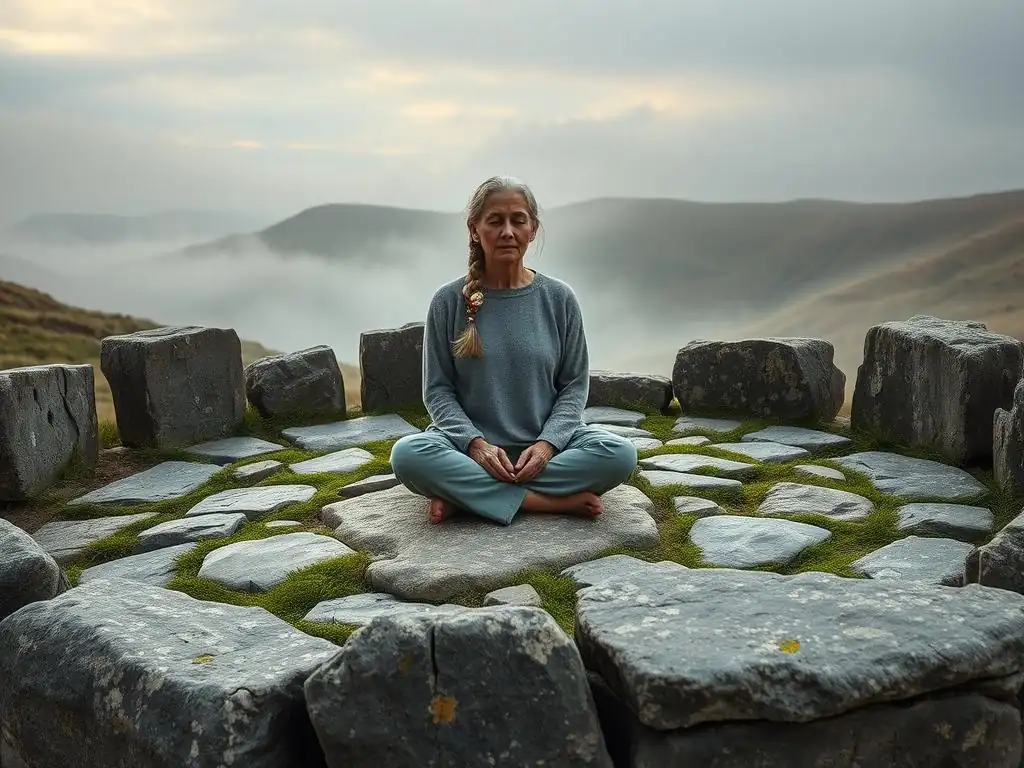
While traditional wisdom trauma healing techniques offer significant potential benefits, it is crucial to approach them with careful consideration of potential limitations and challenges. These practices are deeply embedded in specific cultural contexts, and their application requires sensitivity, respect, and an understanding of their original purpose and meaning.
Ignoring these considerations can lead to ineffective practice, cultural appropriation, or even potential harm. Therefore, it is essential to engage with traditional wisdom trauma healing techniques responsibly, prioritizing safety, cultural respect, and informed integration with other forms of care.
Cultural Sensitivity and Appropriation
One of the most critical considerations when exploring traditional wisdom trauma healing techniques is the potential for cultural insensitivity or appropriation. Many traditional practices are sacred and intrinsically linked to the history, beliefs, and identity of specific Indigenous peoples or cultural groups. Using these practices out of context, without proper understanding, respect, or permission from the originating community, can be harmful and perpetuate historical injustices.
It is vital to approach these practices with humility and deep respect, seeking guidance from authorized cultural keepers or practitioners. Avoid simply adopting techniques as a trend or commodity. Instead, focus on learning from the underlying principles and worldview, and if engaging in a specific practice, ensure it is done ethically, perhaps by supporting practitioners from the originating culture. Understanding this distinction is key to respectful engagement with traditional wisdom trauma healing techniques.
The Importance of Qualified Practitioners
Engaging in traditional wisdom trauma healing techniques, especially in the context of complex trauma, requires guidance from qualified and experienced practitioners. A qualified practitioner not only possesses deep knowledge and experience in the specific traditional practice but also understands the complexities of trauma and how it can manifest.
An unqualified or culturally insensitive practitioner could potentially re-traumatize an individual or misuse a sacred practice. Look for practitioners who are recognized within their own cultural community, have a strong ethical framework, and ideally, have some understanding of trauma-informed care principles. Their expertise ensures the practices are applied safely and effectively, maximizing the potential benefits of traditional wisdom trauma healing techniques.
Integration with Modern Mental Health Care
Traditional wisdom trauma healing techniques should generally be seen as complementary to, rather than a replacement for, evidence-based modern mental health care. For individuals with moderate to severe trauma symptoms, professional psychological or psychiatric support is often essential for safety and effective treatment.
Collaboration between traditional healers and modern mental health professionals can offer a truly holistic approach. Psychologists or psychiatrists can provide diagnosis, crisis intervention, and therapies like trauma-focused CBT or EMDR, while traditional practitioners can offer support for spiritual healing, community reintegration, and culturally specific coping strategies. This integrated model leverages the strengths of both systems for comprehensive traditional wisdom trauma healing techniques.
Addressing Potential Risks and Contraindications
Like any healing modality, traditional wisdom practices are not without potential risks or contraindications, particularly for trauma survivors. Certain practices that involve intense emotional release, altered states of consciousness (such as in some ceremonies), or intense physical exertion might be overwhelming or triggering for some individuals, potentially leading to re-traumatization.
It is crucial for practitioners to screen individuals carefully, explain the process clearly, and provide a safe environment with options for pausing or stopping the practice if needed. Physical limitations should also be considered for body-based practices like yoga or certain rituals. Open communication between the individual, the traditional practitioner, and potentially their modern therapist is vital to ensure safety and efficacy when utilizing traditional wisdom trauma healing techniques.
Practical Applications: How to Incorporate Traditional Wisdom into Your Healing Journey
Incorporating traditional wisdom trauma healing techniques into your personal recovery journey is a process that requires intention, research, and a commitment to finding practices that resonate with you while being mindful of cultural context and safety. It's not about collecting practices from different traditions but finding meaningful ways to integrate approaches that support your specific needs and values.
This section offers practical steps and considerations for individuals interested in exploring how ancient wisdom can support their path to healing and well-being.
Finding a Qualified Practitioner
This is arguably the most crucial step. Finding a practitioner who is both skilled in their traditional modality and sensitive to the complexities of trauma is essential.
- \[ ] Research practitioners within your own cultural background if possible, seeking those recognized by their community elders or leaders.
- \[ ] Look for practitioners who explicitly state experience working with trauma survivors or who have received training in trauma-informed care principles.
- \[ ] Ask about their approach, training, and how they ensure safety and consent in their practice.
- \[ ] Consider if they are willing to collaborate or communicate with your existing mental health providers if you are also receiving modern therapy.
- \[ ] Trust your intuition; it's important to feel safe and respected by the practitioner.
Their guidance is vital for ensuring that traditional wisdom trauma healing techniques are applied appropriately and safely.
Creating a Personalized Healing Plan
Your healing journey is unique, and your plan should reflect that. Integrating traditional wisdom means finding practices that feel right for you and fit into your life.
- \[ ] Start small: Don't try to adopt too many new practices at once. Begin with one or two that you feel drawn to.
- \[ ] Integrate mind, body, and spirit: Aim for a balanced approach. For example, you might integrate daily mindfulness meditation (mind), weekly trauma-informed yoga (body), and periodic participation in a community healing circle (spirit/community).
- \[ ] Be flexible: Your needs may change over time. Be willing to adjust your plan as you progress.
- \[ ] Document your experiences: Journaling about your experiences with these practices can help you understand their impact and identify what is most helpful.
- \[ ] Consult with your modern therapist: Discuss your interest in traditional wisdom trauma healing techniques with your psychologist or psychiatrist to ensure they complement your existing treatment plan.
This personalized approach ensures that traditional wisdom trauma healing techniques are integrated effectively and meaningfully.
Resources for Further Exploration
Educating yourself is an ongoing part of the journey. Many resources can provide deeper insight into traditional wisdom and its application to healing.
- Books: Look for books written by practitioners or scholars from the originating cultures, particularly those that discuss healing, resilience, and cultural practices. Examples might include texts on Indigenous healing philosophies, the therapeutic applications of yoga and meditation, or principles of TCM or Ayurveda written for a Western audience but grounded in traditional understanding.
- Websites and Organizations: Seek out websites of reputable organizations dedicated to specific traditional practices, especially those that address mental health or trauma. Look for organizations led by members of the originating culture. Examples might include organizations promoting trauma-informed yoga, mindfulness centers, or cultural centers that offer traditional healing programs.
- Cultural Centers: If appropriate and accessible, engaging with local cultural centers or Indigenous communities (with respect and permission) can offer opportunities to learn directly from cultural keepers about traditional wisdom trauma healing techniques.
Always verify the credibility and cultural authenticity of the resources you use.
Conclusion: Embracing Holistic Healing Through Traditional Practices
The journey of healing from trauma is complex and deeply personal. While modern therapeutic approaches provide invaluable tools for processing traumatic experiences and managing symptoms, traditional wisdom trauma healing techniques offer complementary pathways that can enrich and deepen the recovery process. These ancient practices, rooted in diverse cultural traditions, provide holistic methods that address the interconnectedness of mind, body, spirit, and community, often offering dimensions of healing not fully explored in conventional Western models.
By respectfully engaging with traditional wisdom, individuals can access profound sources of resilience, connection, and meaning that have sustained communities through generations of hardship. Integrating these time-honored methods requires cultural sensitivity, the guidance of qualified practitioners, and a willingness to explore healing beyond purely clinical frameworks.
The Enduring Relevance of Traditional Wisdom in Modern Trauma Care
In a world increasingly grappling with the widespread impact of trauma, the wisdom embedded in traditional healing practices holds enduring relevance. These systems offer perspectives on suffering, community, and restoration that can profoundly inform and enhance modern trauma care. Practices like mindfulness, yoga, and community-based healing circles, originating from traditional wisdom, are already being integrated into mainstream therapeutic settings, demonstrating their effectiveness.
Furthermore, for individuals from diverse cultural backgrounds, reconnecting with their ancestral healing traditions can be a powerful act of reclaiming identity and finding culturally congruent pathways to healing. The emphasis on holistic well-being, spiritual connection, and community support inherent in traditional wisdom trauma healing techniques addresses fundamental human needs that are often disrupted by trauma.
Empowering Yourself on the Path to Healing and Well-being
Ultimately, the path to healing is one of empowerment. Exploring traditional wisdom trauma healing techniques is about equipping yourself with a broader toolkit for navigating the challenges of recovery. It is an invitation to look beyond conventional methods and consider the vast reservoir of knowledge and practice that humanity has developed over millennia to respond to suffering and foster resilience.
By thoughtfully and respectfully incorporating these ancient approaches, alongside necessary modern care, you can create a more comprehensive, personalized, and meaningful healing journey. Embrace the potential of traditional wisdom to support your mind, body, and spirit as you move towards greater well-being and wholeness after trauma.
Frequently Asked Questions
What are some examples of traditional wisdom trauma healing techniques?
Traditional techniques can include mindfulness practices, community-based rituals, and storytelling to process trauma. These often focus on connecting with nature and ancestors.
How can traditional wisdom trauma healing techniques complement modern therapy?
Traditional methods can enhance modern therapy by providing a cultural context and holistic approach. They can address spiritual and communal aspects often overlooked in individual therapy.
Are traditional wisdom trauma healing techniques appropriate for everyone?
Not necessarily. It's crucial to consider cultural sensitivity and individual preferences. Some techniques may require guidance from a qualified practitioner within that tradition.
Where can I find resources for learning more about traditional wisdom trauma healing techniques?
Start by researching community centers, cultural organizations, and indigenous healers. Mind Care Guide also offers resources and links to relevant information.
What are the potential benefits of using traditional wisdom trauma healing techniques?
Potential benefits include improved emotional regulation, increased sense of belonging, and a deeper understanding of oneself within a cultural framework.
Final Reflection: Weaving Ancient Wisdom into Modern Healing
The resurgence of interest in traditional wisdom for trauma healing is not merely a trend; it's a vital recognition of the limitations of solely Western approaches and a powerful testament to the enduring resilience of the human spirit. Our exploration of diverse techniques, from indigenous ceremonies to ancient meditative practices, reveals a common thread: the inherent capacity for healing that resides within each of us, waiting to be awakened. These methods offer not just alternative treatments, but a profound shift in perspective, moving away from a purely diagnostic model towards a holistic understanding of trauma and its resolution.
The impact of trauma extends far beyond the individual, rippling outwards to affect families, communities, and even entire cultures. The enduring power of these traditional practices lies in their ability to address trauma on multiple levels – physical, emotional, spiritual, and social. They offer a sense of belonging and connection, often lost in the isolating experience of trauma. The wound is where the Light enters you,
a quote often attributed to Rumi, beautifully encapsulates the transformative potential of facing trauma with the support of ancient wisdom and community. This resonates deeply with my own understanding of the healing process, highlighting the importance of embracing vulnerability and finding strength in shared experience.
Now, consider your own life. What echoes of ancient wisdom resonate within you? Perhaps it's a familial tradition, a spiritual practice, or simply a deep connection to nature.
I invite you to explore these inner resources, to discover the healing power that lies dormant within your own history and heritage. Embrace the opportunity to integrate these time-tested techniques into your life, not as a replacement for professional help when needed, but as a powerful complement to your journey towards wholeness and lasting peace. Let the wisdom of generations past guide you towards a future where healing is not just possible, but inherent.
Unlock Your Inner Resilience: Steps to Healing
Thanks for taking the time to explore the power of traditional wisdom in healing from trauma. We hope you found practical insights and renewed hope within these pages. Now, let's take these learnings a step further!
- Begin your personal healing journey: Identify one traditional practice from the article that resonates most deeply with you, and dedicate just 15 minutes today to experiencing it. This could be deep breathing, mindful movement, or connecting with nature.
- Share your experience: Let us know (and others!) what resonates with you most in the comments below. What did you find most surprising or helpful?
- Explore further: Investigate other resources related to traditional trauma healing methods. This could be a local community group, online forum, or a book exploring a specific practice.
What small step will you take today to nurture your inner resilience?