
The Best Gifts for PTSD Recovery: Blending Comfort, Calm, and Practicality


Welcome to Mind Care Guide, a space dedicated to fostering your mental well-being. Feeling overwhelmed by the complexities of PTSD recovery? We understand. Finding the right way to show support can be challenging, and that's why we've curated a thoughtful collection of PTSD recovery gift ideas. Discover meaningful ways to offer comfort, promote calm, and contribute to a brighter path forward – let's explore how a simple gift can make a powerful difference.
The Best Gifts for PTSD Recovery: Blending Comfort, Calm, and Practicality
- Introduction: Finding the Perfect PTSD Recovery Gift
- Understanding the Needs: What Makes a Good Gift for PTSD Recovery?
-
Top PTSD Recovery Gift Ideas: Comfort, Calm, and Practicality Combined
- The Weighted Blanket: A Gift of Grounding and Security
- Aromatherapy Diffuser with Essential Oils: Creating a Calming Atmosphere
- Mindfulness Meditation App Subscription: Guidance for Inner Peace
- Noise-Canceling Headphones: Creating a Safe and Quiet Space
- Adult Coloring Books and Art Supplies: Creative Expression for Emotional Release
- Journal and Pen Set: Facilitating Self-Reflection and Processing
- Supplement Products for Relaxation
- Books on Trauma and Recovery
- Choosing the Right Gift: Tailoring to Individual Needs and Preferences
-
Frequently Asked Questions
- What types of gifts are generally not recommended for someone in PTSD recovery?
- Why is comfort and relaxation a key factor when choosing gifts for PTSD recovery?
- How can a gift be practical and supportive of someone's PTSD recovery?
- What are some examples of sensory gifts that could be beneficial for PTSD recovery?
- Where can I find more resources and support for understanding and assisting someone with PTSD?
- Final Reflection: Finding Solace and Strength: Gifts for the Journey of PTSD Recovery
- Unwind and Thrive: Your Next Steps to Supportive Self-Care
Introduction: Finding the Perfect PTSD Recovery Gift
Finding a thoughtful and supportive gift for someone navigating the path of Post-Traumatic Stress Disorder (PTSD) recovery requires sensitivity and understanding. Unlike typical gift-giving occasions, the goal here is not just to delight, but to offer comfort, promote calm, and provide practical tools that can genuinely assist in their healing journey. The best PTSD recovery gift ideas are those that acknowledge the unique challenges faced by individuals with trauma and offer tangible support in managing symptoms and fostering well-being. It's about showing you care in a way that respects their space and aids their process.
Understanding the Needs: What Makes a Good Gift for PTSD Recovery?
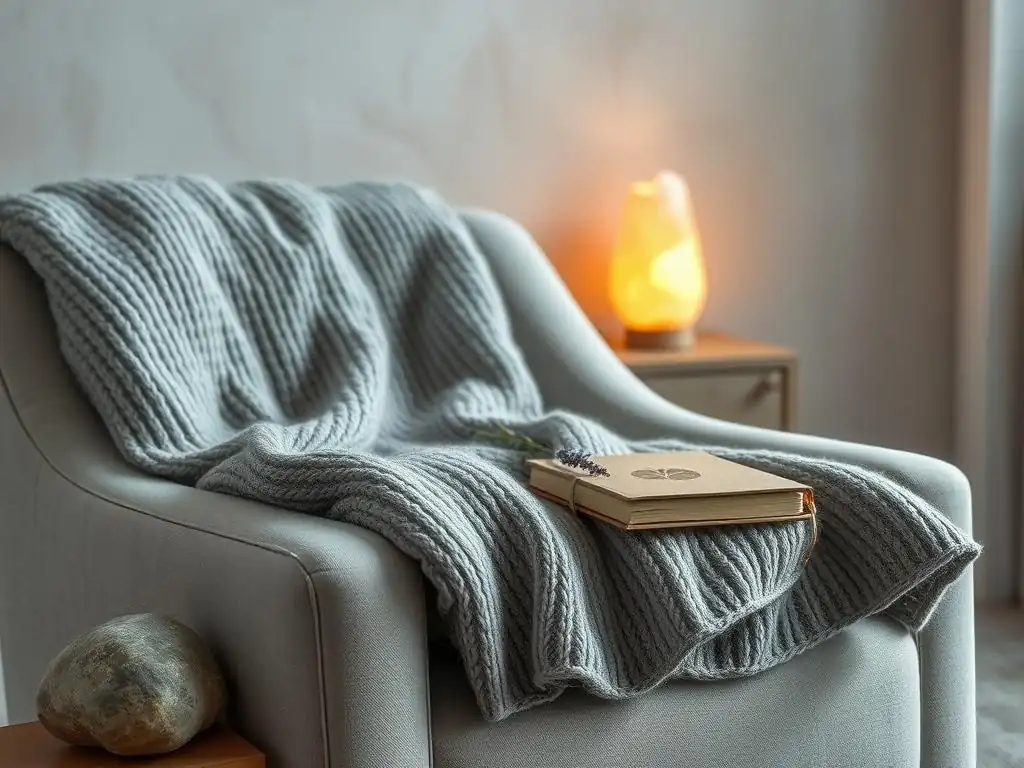
Prioritizing Calm and Comfort: Key Considerations for PTSD Sufferers
Individuals with PTSD often experience heightened states of arousal, anxiety, and difficulty relaxing. Their nervous systems can be easily triggered by sudden noises, specific scents, overwhelming environments, or even certain textures. Therefore, a good gift for PTSD recovery should prioritize creating a sense of calm and physical comfort. This might involve items that soothe the senses, reduce environmental stimulation, or provide a feeling of safety and grounding. For instance, something that offers deep pressure can be incredibly calming for some, acting like a gentle hug that helps regulate the nervous system.
Focusing on comfort also means considering sensory sensitivities. A gift that is too loud, too bright, has a strong or unfamiliar smell, or an unpleasant texture could inadvertently cause distress rather than relief. Thoughtful PTSD recovery gift ideas often lean towards items that are soft, quiet, have gentle or familiar scents, or help to filter out overwhelming sensory input. The aim is to provide tools or experiences that help the person feel more in control of their environment and internal state, fostering a sense of peace and security that is often elusive for those with trauma.
Focusing on Practical Support: Gifts that Aid in Daily Life and Therapy
Beyond comfort, practical support is a crucial element of effective PTSD recovery gift ideas. The symptoms of PTSD, such as difficulty concentrating, sleep disturbances, hypervigilance, and avoidance behaviors, can significantly impact daily functioning. Gifts that offer practical solutions to these challenges can be incredibly valuable. This could include items that help improve sleep hygiene, tools for managing anxiety in public spaces, resources for tracking emotions or triggers, or materials that support therapeutic exercises assigned by a therapist.
Practical gifts can also empower the individual by providing them with tools they can actively use in their recovery process. A journal can facilitate processing thoughts and feelings, while a subscription to a meditation app offers guided practices accessible anytime. These aren't just passive items; they are aids that integrate into daily routines and therapeutic work, supporting the development of coping mechanisms and self-awareness. When considering gifts for someone with PTSD, think about what practical challenges they might face and how a thoughtful item could ease that burden or provide a helpful resource.
Top PTSD Recovery Gift Ideas: Comfort, Calm, and Practicality Combined
The Weighted Blanket: A Gift of Grounding and Security
A weighted blanket is one of the most frequently recommended PTSD recovery gift ideas due to its profound potential for providing comfort and reducing anxiety. These blankets, typically filled with glass beads or plastic pellets, apply gentle, even pressure across the body, a technique known as Deep Pressure Stimulation (DPS). This pressure is believed to help the body switch from its sympathetic nervous system (responsible for the "fight or flight" response often overactive in PTSD) to the parasympathetic nervous system (responsible for rest and relaxation).
For someone with PTSD, a weighted blanket can offer a tangible sense of security and grounding, particularly during periods of anxiety, flashbacks, or difficulty sleeping. The pressure can help reduce racing thoughts and body tension, making it easier to relax and fall asleep. While weights vary, a common recommendation is a blanket that is about 10% of the user's body weight (e.g., a 15-pound blanket for a 150-pound person). This makes it a highly practical and comforting gift for supporting sleep and managing daily stress associated with trauma recovery.
Aromatherapy Diffuser with Essential Oils: Creating a Calming Atmosphere
Aromatherapy can be a powerful tool for creating a peaceful environment and influencing mood, making an aromatherapy diffuser and a selection of calming essential oils excellent PTSD recovery gift ideas. Scents have a direct link to the limbic system in the brain, which is involved in emotions and memory. Certain essential oils, such as lavender, chamomile, bergamot, or frankincense, are widely recognized for their calming and anxiety-reducing properties. Diffusing these oils can help transform a living space into a sanctuary of calm.
Using a diffuser provides a gentle and consistent way to introduce therapeutic scents into the air, promoting relaxation and helping to manage stress or anxiety spikes. It can be incorporated into a bedtime routine, used during relaxation exercises, or simply kept running in a living area to maintain a peaceful atmosphere. When selecting oils, opting for high-quality, pure essential oils is important, and including a variety pack allows the recipient to discover which scents resonate most with them for creating a calming environment.
Mindfulness Meditation App Subscription: Guidance for Inner Peace
Mindfulness and meditation are core components of many trauma therapies, and a subscription to a high-quality mindfulness meditation app can be a very supportive PTSD recovery gift idea. These apps offer guided meditations, breathing exercises, body scans, and sleep stories specifically designed to help calm the nervous system, increase self-awareness, and manage distressing thoughts or emotions. For someone dealing with hypervigilance or intrusive thoughts, having guided practices readily available on their phone can be incredibly empowering.
An app subscription provides access to a wide library of resources that the individual can use anytime, anywhere, helping them build a consistent practice. Many apps offer specific programs tailored for anxiety, sleep, or stress reduction, directly addressing common challenges faced in PTSD recovery. It's a practical gift that supports the development of crucial coping skills and provides a portable source of guidance for finding moments of inner peace amidst the challenges of healing.
Noise-Canceling Headphones: Creating a Safe and Quiet Space
For individuals with PTSD, sensitivity to noise, especially sudden or loud sounds, is a common symptom. These noises can be startling, trigger anxiety, or even feel threatening. Noise-canceling headphones offer a practical solution by allowing the wearer to significantly reduce or eliminate ambient noise, creating a personal bubble of quiet and safety. This makes them excellent gifts for someone with PTSD who might struggle in noisy environments like public transport, crowded stores, or even just a busy household.
These headphones can help reduce sensory overload, making it easier to navigate potentially triggering situations or simply find peace and quiet when needed. They can also be used to listen to calming music, guided meditations, or podcasts without distraction. By providing control over their auditory environment, noise-canceling headphones empower the individual to feel more secure and less overwhelmed, facilitating smoother navigation of daily life and providing a tool for finding calm when external noise becomes too much.
Adult Coloring Books and Art Supplies: Creative Expression for Emotional Release
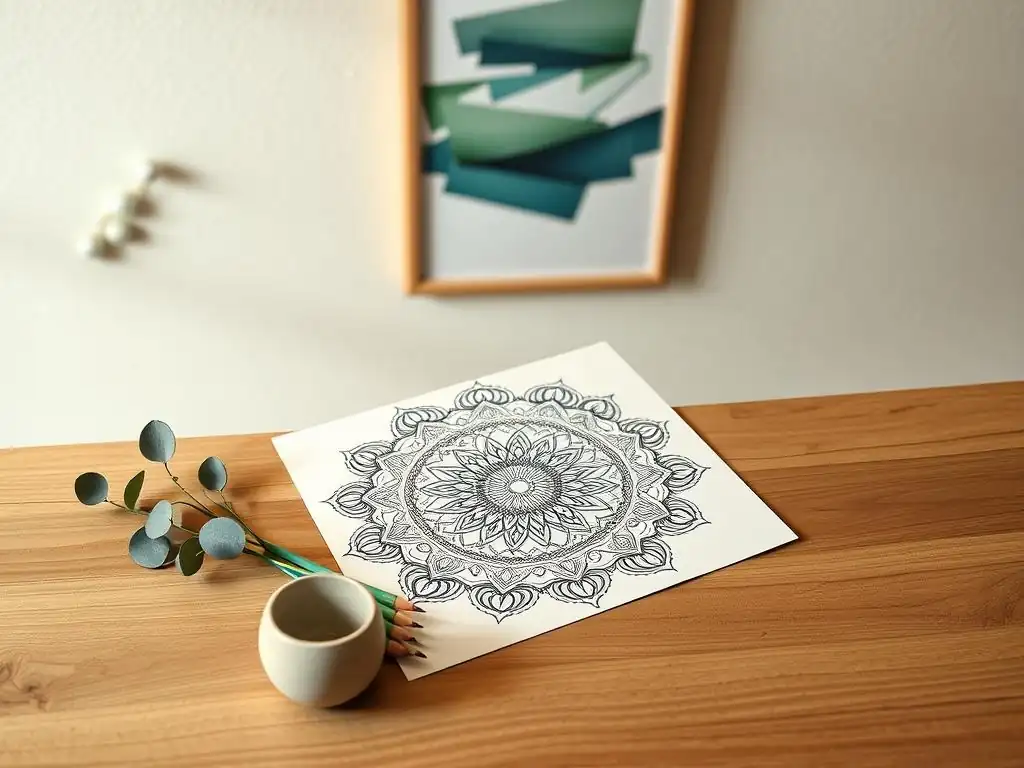
Creative activities like coloring or drawing can serve as powerful, non-verbal outlets for emotional expression and stress reduction, making adult coloring books and quality art supplies thoughtful PTSD recovery gift ideas. Engaging in focused, repetitive tasks like coloring can be deeply meditative, helping to quiet a busy mind and ground the individual in the present moment. It provides a safe and non-intimidating way to process feelings without the pressure of finding the right words.
Supplying a variety of materials, such as colored pencils, markers, or pastels, along with detailed or abstract coloring books, offers different avenues for creative exploration. This type of gift encourages mindfulness, reduces anxiety through focused attention, and provides a sense of accomplishment upon completing a piece. It's a practical tool for self-soothing and emotional regulation, offering a gentle path towards expressing and managing the complex feelings often associated with trauma recovery.
Journal and Pen Set: Facilitating Self-Reflection and Processing
Journaling is a widely recommended tool in trauma therapy for processing experiences, tracking emotions, identifying triggers, and documenting progress. A beautiful and sturdy journal paired with a comfortable pen makes a simple yet profoundly useful PTSD recovery gift idea. The act of writing can help externalize difficult thoughts and feelings, making them feel less overwhelming and providing clarity. It offers a private space for reflection and self-discovery.
A journal set encourages the recipient to engage in this therapeutic practice. They can use it for free writing about their day, listing things they are grateful for, exploring specific emotions, or completing journaling prompts related to trauma recovery. Providing a dedicated space and tools for this practice validates its importance and offers a concrete way for the individual to actively participate in their healing process, making it a practical and supportive gift for someone with PTSD.
Supplement Products for Relaxation
While not a substitute for professional medical advice or treatment, certain supplement products are commonly associated with promoting relaxation and improving sleep, and could be considered as part of a broader set of PTSD recovery gift ideas, provided they are given with sensitivity and an understanding that the recipient should consult their healthcare provider. Products containing ingredients like magnesium, L-theanine, valerian root, or chamomile are often used to help calm the nervous system and support sleep quality, which can be severely impacted by PTSD.
It is crucial to approach this type of gift with caution and empathy, emphasizing that these are intended as potential aids for relaxation and should only be used after consulting with a doctor or therapist, especially considering potential interactions with other medications or individual health conditions. Gifting a high-quality herbal tea blend known for calming properties, or a reputable brand of magnesium supplement (again, with the strong caveat to consult a professional), could be seen as offering gentle, natural support for managing symptoms like anxiety or insomnia as part of their overall recovery strategy.
Books on Trauma and Recovery
Knowledge can be a powerful tool in the healing process, making carefully selected books on trauma, PTSD, and recovery valuable PTSD recovery gift ideas. These books can range from psychoeducational texts that explain the science of trauma and its effects, to self-help workbooks offering practical exercises, to memoirs by others who have navigated similar journeys. Reading about trauma can help individuals feel less alone, understand their symptoms better, and learn new coping strategies.
When choosing a book, consider the recipient's stage of recovery and preferences. Some might benefit from a gentle, accessible introduction to trauma, while others might be ready for a more in-depth workbook or a memoir that offers hope and connection through shared experience. A book can provide validation, normalize their struggles, and offer concrete pathways forward, serving as a constant source of information and encouragement in their personal journey towards healing and well-being.
Choosing the Right Gift: Tailoring to Individual Needs and Preferences
Considering Personal Triggers and Sensitivities
Selecting the perfect PTSD recovery gift idea requires careful consideration of the individual's specific triggers and sensitivities. What might be calming for one person could be distressing for another. For example, while aromatherapy is generally helpful, a specific scent might be linked to a traumatic memory. Similarly, certain textures, colors, or sounds could inadvertently cause anxiety or flashbacks. It is vital to avoid gifts that could potentially evoke negative associations or overwhelm the recipient's senses.
Taking the time to learn about the individual's unique experiences and preferences is key. Have they mentioned specific things that bother them or help them feel calm? Are there particular sensory inputs they struggle with? Tailoring the gift to their known needs and avoiding potential triggers demonstrates profound respect and understanding, ensuring that the gift is truly supportive and does not inadvertently cause harm or discomfort. When in doubt, err on the side of caution and choose items known for their gentle, universally calming qualities.
Communicating with the Recipient: Finding Out What They Need
The most effective way to choose a truly helpful PTSD recovery gift is often through direct or indirect communication with the recipient. While you might want the gift to be a surprise, subtly asking about things that help them relax, what they might need for their self-care routine, or if there's anything that could make their daily life a little easier can provide invaluable insights. This doesn't have to be a direct question about their trauma; it can be framed around general well-being and comfort.
Sometimes, simply offering support and asking "Is there anything I can get you that would make you feel more comfortable or help you relax?" empowers the individual to voice their needs without pressure. This approach ensures that the gift is not only well-intentioned but also genuinely desired and useful, aligning with their current needs in their recovery journey. It reinforces the message that you are there to support them in ways that are helpful to them, making the gift a true extension of care and understanding.
Frequently Asked Questions
What types of gifts are generally not recommended for someone in PTSD recovery?
Avoid gifts that could be triggering or overly stimulating. This includes things like loud noises, intense experiences, or items related to the individual's traumatic event.
Why is comfort and relaxation a key factor when choosing gifts for PTSD recovery?
People recovering from PTSD often experience heightened anxiety and stress. Gifts promoting comfort and relaxation can help to regulate emotions and foster a sense of safety.
How can a gift be practical and supportive of someone's PTSD recovery?
A practical gift can be supportive by addressing specific needs related to managing PTSD symptoms, such as a weighted blanket to help with anxiety and sleep disturbances. It can also promote self-care.
What are some examples of sensory gifts that could be beneficial for PTSD recovery?
Sensory gifts like aromatherapy diffusers with calming essential oils (lavender, chamomile) or a soft, weighted stuffed animal can provide grounding and comfort. They help regulate the nervous system.
Where can I find more resources and support for understanding and assisting someone with PTSD?
Websites like the Mind Care Guide offer valuable information and practical tips. Additionally, mental health organizations and support groups can provide professional guidance and community support.
Final Reflection: Finding Solace and Strength: Gifts for the Journey of PTSD Recovery
The search for effective PTSD recovery tools often feels overwhelming, but the right support can make a world of difference. Finding comfort and fostering resilience are crucial steps in navigating this challenging journey, and the gifts discussed in this article highlight the power of thoughtful support in the healing process. These aren't just presents; they are tangible expressions of care, designed to empower individuals on their path to healing.
The impact of PTSD extends far beyond the individual, rippling through families and communities. Understanding and addressing this complex condition requires a collective effort, a shift in societal understanding that recognizes the invisible struggles faced by so many. The most basic of all human needs is the need to understand and be understood.
- Ralph Nichols. This quote underscores the importance of empathy and practical support in fostering healing and recovery. By offering thoughtful gifts, we can contribute to a culture of understanding and compassion, acknowledging the strength and resilience of those navigating PTSD.
Now, consider the impact you can have. Reflect on the individuals in your life who might benefit from the suggestions outlined in this article. Perhaps a simple act of kindness, a carefully chosen gift, can be the catalyst for a positive change. Don't underestimate the power of your empathy and the potential of a well-chosen gift to offer comfort, hope, and a pathway towards a brighter future. Let's work together to create a more supportive and understanding environment for those on the journey of PTSD recovery.
Unwind and Thrive: Your Next Steps to Supportive Self-Care
Thanks for taking the time to explore the world of supportive gifts for PTSD recovery! We hope you found insightful ideas to nurture your well-being or help someone you care about. Now, let's turn those insights into action:
- Prioritize one gift idea from the article that resonates most strongly with you or the recipient. Consider its potential impact on daily life and emotional well-being. This is your starting point for creating a more supportive environment.
- Share this article with someone who might benefit from these suggestions. A simple act of sharing can make a world of difference in spreading awareness and support.
- Explore MindCareGuide.org for additional resources on PTSD support and self-care. We're committed to providing you with practical and accessible information to improve mental health.
What small step can you take today to prioritize your emotional well-being or that of someone you care about?