
Ultrasonic vs. Nebulizing: Which Diffuser Type is Right for Your Anxiety Needs?

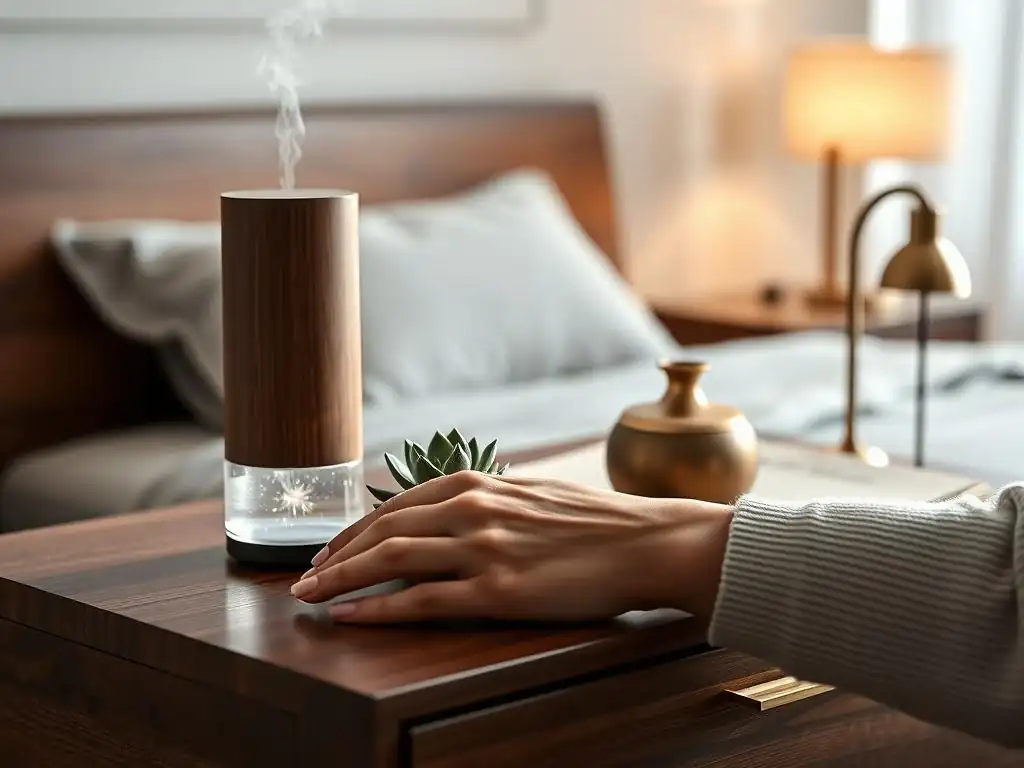
Welcome to Mind Care Guide, a sanctuary dedicated to nurturing your mental well-being. Feeling overwhelmed by anxiety? You're not alone. Discover how the subtle power of aromatherapy, specifically using an ultrasonic diffuser, can be a gentle companion on your journey towards calm. But is it the only option? Dive in to explore the world of diffusers and learn which type best suits your unique anxiety relief needs. Let's unlock the serenity within, together.
Ultrasonic vs. Nebulizing Diffusers: Finding the Best Aromatherapy for Anxiety Relief
- Understanding Anxiety and Aromatherapy: A Mind Care Guide Perspective
- Ultrasonic Diffusers for Anxiety Relief: A Deep Dive
- Nebulizing Diffusers for Anxiety: A Powerful Aromatherapy Approach
- Ultrasonic vs. Nebulizing for Anxiety: A Head-to-Head Comparison
- Choosing the Right Diffuser for Your Anxiety Needs: Factors to Consider
- Beyond Diffusers: Complementary Strategies for Anxiety Management
- Conclusion: Finding Your Perfect Aromatherapy Solution for Anxiety
-
Frequently Asked Questions
- How do ultrasonic diffusers work, and can they really help with anxiety?
- Are ultrasonic diffusers better than nebulizing diffusers for anxiety relief?
- What types of essential oils are most effective for anxiety relief when used in an ultrasonic diffuser?
- How often should I use an ultrasonic diffuser for anxiety relief, and are there any potential risks?
- Can an ultrasonic diffuser alone cure anxiety, or is it best used in conjunction with other treatments?
- Final Reflection: Finding Calm in a Noisy World
- Unlock Your Calm: Choose the Perfect Diffuser for You
Understanding Anxiety and Aromatherapy: A Mind Care Guide Perspective
Anxiety is a natural human response to stress, but for many, it can become overwhelming, impacting daily life and overall well-being. It manifests in various ways, from persistent worry and restlessness to physical symptoms like increased heart rate and difficulty concentrating. Finding effective strategies to manage anxiety is a cornerstone of self-care, and aromatherapy, utilizing the power of scent, has emerged as a popular complementary approach.
Aromatherapy involves inhaling or applying essential oils, concentrated plant extracts known for their therapeutic properties. The practice is rooted in the belief that specific aromas can influence mood, stress levels, and physiological responses. As part of a comprehensive mental wellness plan, incorporating aromatherapy through diffusers can create a calming environment, offering moments of respite and supporting a sense of peace.
The Connection Between Scent and Serenity: How Aromatherapy Impacts Anxiety
The olfactory system, responsible for our sense of smell, is uniquely linked to the limbic system in the brain, which governs emotions, memory, and motivation. When we inhale an aroma, olfactory receptors send signals directly to areas like the amygdala (involved in processing emotions, including fear and anxiety) and the hippocampus (involved in memory formation). This direct pathway bypasses conscious thought processing, allowing scents to trigger immediate emotional and physiological responses.
For individuals seeking ultrasonic diffuser anxiety relief or relief from other diffuser types, this connection is powerful. Certain essential oils contain compounds that research suggests may interact with neurotransmitters or influence brainwave activity, promoting relaxation and reducing feelings of stress. For example, studies have indicated that inhaling lavender can decrease cortisol levels, the body's primary stress hormone, and increase alpha waves in the brain, often associated with a relaxed state. This neurobiological link explains why a calming scent can feel like an instant sigh of relief for an anxious mind.
Essential Oils for Anxiety: Choosing the Right Scents for Calming Effects (Lavender, Chamomile, Bergamot)
Selecting the appropriate essential oils is crucial for maximizing the benefits of aromatherapy for anxiety. While many oils offer calming properties, some are particularly renowned for their effectiveness in reducing stress and promoting relaxation. Lavender, for instance, is perhaps the most widely used and studied essential oil for anxiety. Its primary constituents, linalool and linalyl acetate, are believed to have sedative and mood-regulating effects. Diffusing lavender in an ultrasonic diffuser for anxiety can create a peaceful atmosphere conducive to sleep or relaxation.
Beyond lavender, Roman Chamomile is another gentle yet potent oil known for its calming and anti-inflammatory properties. It's often recommended for easing tension and promoting a sense of tranquility. Bergamot, a citrus oil, is unique in its ability to be both uplifting and calming; it can help reduce agitation and improve mood, making it useful for situational anxiety or stress.
Other popular choices include frankincense, known for its grounding effect, and ylang-ylang, which can help slow a racing heart and promote a sense of calm. Experimenting with a few different oils in your chosen diffuser can help you discover the scents that resonate most deeply with your personal needs for anxiety relief.
Ultrasonic Diffusers for Anxiety Relief: A Deep Dive
Ultrasonic diffusers are one of the most popular types of diffusers available today, widely used for their ease of use and gentle diffusion method. They utilize electronic frequencies to create a fine mist, dispersing essential oils into the air. This process does not involve heat, which helps preserve the therapeutic integrity of the essential oils.
These diffusers work by filling a reservoir with water and adding a few drops of essential oil. A small ceramic disc at the bottom of the reservoir vibrates at an ultrasonic frequency, breaking down the water and oil mixture into tiny particles. These particles are then released into the air as a cool mist, carrying the aroma throughout the room. This method provides a subtle yet consistent diffusion of scent, making an ultrasonic diffuser anxiety relief strategy accessible and easy to implement in various settings.
What are Ultrasonic Diffusers and How Do They Work?
Ultrasonic diffusers operate on the principle of high-frequency sound vibrations. Inside the water tank, a ceramic or metal disc, often called a nebulizer or atomizer, vibrates at speeds typically ranging from 2.4 million times per second. This rapid vibration creates ultrasonic waves that agitate the water and essential oil mixture, causing it to break down into a micro-fine mist. A small fan then gently pushes this mist out of the diffuser's spout, dispersing the aroma into the surrounding air.
The process is entirely cool, meaning the essential oils are not heated, which can potentially degrade their chemical structure and therapeutic benefits. Because they use water, ultrasonic diffusers also add a small amount of humidity to the air, a factor that can be beneficial in dry environments. The mist output is usually visible and can sometimes create a soothing visual effect, complementing the aromatherapy experience. This cool mist diffusion is a key reason many find an ultrasonic diffuser anxiety relief approach appealing – it's gentle, effective over moderate areas, and adds a touch of moisture.
Benefits of Using Ultrasonic Diffusers for Anxiety Symptoms
Utilizing an ultrasonic diffuser for anxiety symptoms offers several distinct advantages. One primary benefit is their widespread availability and variety; you can find ultrasonic diffusers in countless styles, sizes, and price points. Their operation is generally very quiet, often just a soft hum or gurgling sound from the water, which is ideal for creating a peaceful environment necessary for anxiety reduction. The inclusion of water means the scent is typically less intense than with waterless diffusers, which some users prefer for continuous, subtle diffusion over several hours.
Furthermore, many ultrasonic models come with built-in timers, automatic shut-off features when the water runs out, and sometimes even ambient LED lighting, allowing for customization of the relaxation experience. The ability to run for extended periods, often 6-10 hours or more depending on the tank size and mist setting, means you can enjoy continuous aromatherapy throughout the night or workday without needing to refill frequently. This consistent, low-level exposure to calming scents via an ultrasonic diffuser anxiety relief strategy can be very supportive for managing persistent feelings of worry or stress.
Humidity and Hydration: The Added Bonus of Ultrasonic Diffusers
Beyond their primary function of dispersing essential oils, ultrasonic diffusers also act as mini humidifiers. The cool mist they produce adds moisture to the air, which can be particularly beneficial in dry climates or during winter months when indoor heating reduces humidity levels. Adequate humidity can help soothe dry nasal passages and skin, and some sources suggest it can even help reduce the viability of airborne viruses.
While the humidifying effect of a single ultrasonic diffuser is modest compared to a dedicated humidifier, it is still a valuable added benefit. For someone using an ultrasonic diffuser anxiety relief tool in their bedroom, the slight increase in humidity can contribute to a more comfortable sleeping environment, potentially easing congestion and promoting better rest – a critical factor in managing anxiety. This dual function makes ultrasonic diffusers a practical choice for holistic well-being.
Quiet Operation: Ideal for Sleep and Relaxation
A significant advantage of ultrasonic diffusers, especially for those using them for anxiety relief, is their near-silent operation. Unlike some other types of diffusers that might use pumps or fans that generate noticeable noise, ultrasonic models primarily rely on the quiet vibration of the ceramic disc. The only sounds are typically a very low hum or the gentle bubbling of water, both of which are often unobtrusive and can even be perceived as soothing white noise by some.
This quiet performance makes ultrasonic diffusers ideal for use during sleep, meditation, or any activity where a peaceful environment is essential. For someone experiencing anxiety, external noise can sometimes be a trigger or exacerbate feelings of restlessness. Using a quiet ultrasonic diffuser anxiety relief can provide continuous aromatherapy throughout the night or during quiet moments of relaxation without adding disruptive sound to the environment. This allows for a focus purely on the calming aroma and the practice of relaxation.
Best Ultrasonic Diffusers for Anxiety: Product Comparisons
When selecting an ultrasonic diffuser anxiety relief tool, considering different models can help you find the best fit for your needs. While specific product details and prices fluctuate, examining typical features helps in comparison.
Stadler Form Julia Aroma Diffuser: Features, Price, and User Reviews
The Stadler Form Julia Aroma Diffuser is often noted for its elegant design and effective performance. Typically, models feature a relatively small water tank, around 100-150ml, which allows for several hours of operation (often 8-10 hours in interval mode). A key feature is often a swinging mist outlet, allowing users to direct the aroma.
Prices for the Julia usually fall into a mid-range category, often between $50 and $80, positioning it as a more design-focused option. User reviews frequently praise its aesthetic appeal and quiet operation, though some mention the smaller tank size requires more frequent refilling compared to larger models if continuous, high-output diffusion is desired for extended periods. The directed mist can be a plus for targeting aroma in a specific area for focused ultrasonic diffuser anxiety relief.
URPOWER Essential Oil Diffuser: A Budget-Friendly Option for Anxiety Relief
The URPOWER Essential Oil Diffuser line includes many popular, budget-friendly options widely available online. These diffusers typically feature larger water tanks, ranging from 200ml to 500ml, offering longer run times (often 10-15 hours or more on a low setting). They usually include multiple timer options (e.g., 1 hour, 3 hours, 6 hours, continuous) and multi-color LED lights.
Prices for URPOWER diffusers are generally quite affordable, often ranging from $15 to $30. User reviews highlight their value for the price, ease of use, and long operational times, making them a popular entry point for those seeking ultrasonic diffuser anxiety relief without a significant investment. Some reviewers occasionally note inconsistent mist output or durability concerns compared to higher-end models, but overall, they are well-regarded for their accessibility.
ASAKUKI 500ml Premium Essential Oil Diffuser: Premium Ultrasonic Diffuser with Smart Features
The ASAKUKI 500ml Premium Essential Oil Diffuser represents a step up in features and capacity. With a substantial 500ml water tank, it can provide continuous aromatherapy for many hours, sometimes exceeding 16 hours on a low mist setting. These models often include smart features like compatibility with smart home assistants (e.g., Alexa, Google Home) or control via a mobile app, allowing for scheduled operation and remote control.
They typically offer multiple timer settings, mist output modes (high/low), and a range of LED light colors. Pricing for the ASAKUKI 500ml model usually ranges from $30 to $50, offering premium features at a competitive mid-range price point. User feedback often praises the large capacity, smart features, and consistent mist output, making it a strong contender for those wanting advanced control and long-lasting ultrasonic diffuser anxiety relief in larger spaces.
Potential Drawbacks of Ultrasonic Diffusers
While offering numerous benefits for anxiety relief, ultrasonic diffusers also have potential drawbacks that are important to consider. Understanding these limitations helps in making an informed choice about the best aromatherapy tool for your specific needs.
Maintenance and Cleaning Requirements
One common drawback of ultrasonic diffusers is the need for regular maintenance and cleaning. Because they use water, leaving stagnant water in the tank can lead to mold or bacterial growth, which is undesirable for health and hygiene, especially in a tool used for well-being. Manufacturers typically recommend emptying the water tank daily and cleaning the diffuser every few uses, or at least weekly. This involves rinsing the tank, wiping it dry, and sometimes using a cotton swab and rubbing alcohol or vinegar solution to clean the ultrasonic disc and hard-to-reach areas.
Neglecting cleaning can result in unpleasant odors being diffused or even impact the unit's performance. For someone managing anxiety, adding a potentially tedious cleaning chore might feel counterproductive to relaxation efforts. While cleaning is generally straightforward, it does require consistent attention to ensure the diffuser remains a clean and healthy source of ultrasonic diffuser anxiety relief.
Essential Oil Dilution: Impact on Scent Intensity
Ultrasonic diffusers require water to operate, which means the essential oils you add are diluted in the water before being dispersed as a mist. While this provides a gentler, more subtle aroma over a longer period, it also means the scent intensity is typically less potent compared to waterless nebulizing diffusers. For individuals who prefer a very strong, immediate burst of fragrance or who are using essential oils for acute situations where a powerful therapeutic effect is desired quickly, the diluted output of an ultrasonic diffuser might not be sufficient.
The amount of oil used also affects intensity; using only a few drops in a large water tank will result in a very mild scent. While you can add more drops, there's a limit before the oil might not disperse properly or could potentially damage the unit. This inherent dilution is a characteristic of the technology and means that while an ultrasonic diffuser anxiety relief provides consistent, gentle scent, it may not deliver the same impactful aroma experience as a nebulizer using pure oil.
Nebulizing Diffusers for Anxiety: A Powerful Aromatherapy Approach
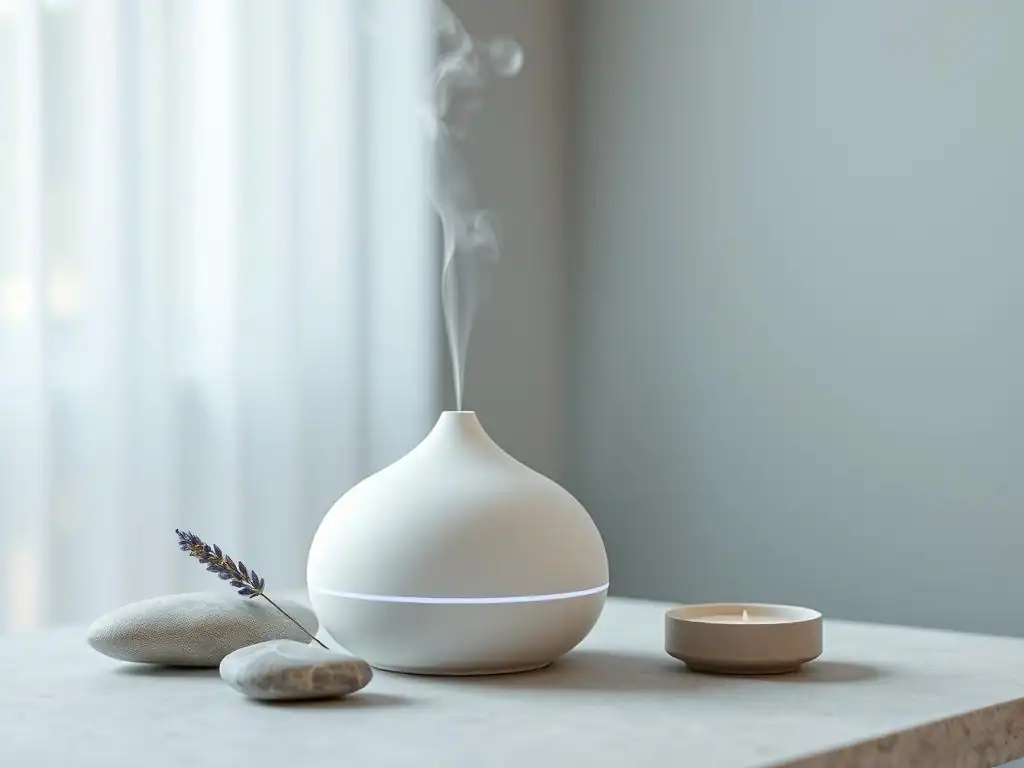
Nebulizing diffusers represent another significant type of aromatherapy diffuser, offering a different approach to dispersing essential oils. Unlike ultrasonic diffusers, nebulizers do not use water or heat. Instead, they use an air pump to create a fine mist of pure essential oil. This method results in a much more concentrated and potent aroma release.
These diffusers typically consist of a base unit housing an air pump and a glass nebulizer attachment. Essential oil is added directly into the glass reservoir. The pump then forces air through a small tube within the glass, creating a vacuum effect that draws the oil up and breaks it into tiny particles as it hits a glass nozzle. These pure oil particles are then released into the air as a fine mist. This waterless, heatless process is highly efficient at saturating the air with essential oil molecules, making nebulizers a preferred choice for therapeutic aromatherapy.
What are Nebulizing Diffusers and How Do They Work?
Nebulizing diffusers function based on the Bernoulli principle, using pressurized air to atomize essential oils. An electric air pump in the base generates a stream of compressed air. This air is directed through a narrow tube and across the opening of a glass reservoir filled with essential oil. As the air rushes past the opening, it creates a low-pressure area, drawing the liquid essential oil up the tube (similar to how an atomizer works).
When the essential oil reaches the top of the tube, it is hit by the high-velocity air stream and shattered into micro-droplets. These tiny particles are then diffused into the air through the top of the glass nebulizer. Larger droplets fall back into the reservoir to be re-nebulized, ensuring only the finest mist is released.
This process does not involve water, meaning the diffused mist is 100% essential oil. This pure diffusion method is what gives nebulizing diffusers their reputation for delivering highly concentrated aromatherapy, which can be particularly effective for targeted anxiety relief or when a strong aromatic presence is desired.
Benefits of Using Nebulizing Diffusers for Anxiety Management
Nebulizing diffusers offer several compelling benefits for managing anxiety, particularly for those seeking a more intense and direct aromatherapy experience. Their primary advantage is the diffusion of pure, undiluted essential oil. This means you are inhaling the full concentration of therapeutic compounds present in the oil, potentially leading to more pronounced effects compared to the diluted mist from ultrasonic diffusers.
Because they don't use water, there's no risk of mold or bacterial growth from a water tank, and no added humidity is released into the air. Nebulizers can quickly saturate a room with scent, making them effective for providing rapid anxiety relief in moments of acute stress. They also typically cover larger areas more effectively than many ultrasonic models. For individuals who find a strong, immediate aroma grounding or calming, the powerful output of a nebulizer can be highly beneficial.
Pure Essential Oil Diffusion: Maximizing Therapeutic Benefits
The most significant advantage of nebulizing diffusers is their ability to disperse 100% pure essential oil into the air. This means that the therapeutic compounds within the oil are released in their most concentrated form, without being diluted by water or altered by heat. When you inhale this pure mist, your body receives the full potential benefit of the essential oil.
For managing anxiety, this can be particularly important when using oils known for potent calming or grounding effects, like frankincense or valerian (though caution is needed with strong scents). The higher concentration means you might achieve the desired therapeutic effect more quickly or with shorter diffusion times compared to using a diluted mist. This focused approach to aromatherapy via a nebulizer can be a powerful tool for targeted anxiety relief, especially when needing immediate support.
No Water Required: Preserving Essential Oil Integrity
The waterless operation of nebulizing diffusers offers a distinct advantage in preserving the integrity of essential oils. Essential oils are hydrophobic, meaning they don't mix with water. When added to water, as in ultrasonic diffusers, they sit on the surface before being agitated. While ultrasonic vibrations do break them down, some argue that the presence of water and the mechanical action might slightly alter the oil compared to pure diffusion.
More importantly, the absence of a water tank eliminates the risk of mold or bacteria contamination that can occur in poorly maintained ultrasonic diffusers. This ensures that the mist you inhale is purely the essential oil, free from potential airborne microbes originating from stagnant water. This focus on purity is a key benefit for those prioritizing the unadulterated therapeutic properties of essential oils for their anxiety relief strategy.
Best Nebulizing Diffusers for Anxiety: Product Comparisons
Nebulizing diffusers are generally considered premium aromatherapy devices, and their price points often reflect this. Here's a look at typical features across different models popular for therapeutic use.
Organic Aromas Raindrop Nebulizing Diffuser: High-End Aromatherapy for Severe Anxiety
Organic Aromas is a well-known brand specializing in nebulizing diffusers, and the Raindrop model is one of their signature offerings. These diffusers are characterized by their elegant hand-blown glass reservoirs and attractive wooden bases. They operate using an air pump and typically feature intensity controls and automatic shut-off timers (e.g., cycling on for 2 minutes, off for 1 minute, for a total run time of 2 hours).
Prices for the Raindrop model are typically in the higher range for diffusers, often starting around $80-$100 and going up depending on the wood base material. User reviews consistently praise the powerful scent diffusion, beautiful design, and high-quality construction, making them a top choice for those seeking effective, high-end aromatherapy for significant anxiety relief in larger spaces. The intensity control allows for adjusting the potency of the pure oil mist.
Aromis Orbis Nox Portable Nebulizing Diffuser: Portable Nebulizing Diffuser for On-the-Go Relief
The Aromis Orbis Nox is an example of a more compact, potentially portable nebulizing diffuser design. While not truly battery-powered portable like some ultrasonic options, it's smaller than many traditional nebulizers and often uses a USB power source, making it more versatile for use in different locations like an office desk or hotel room if a power source is available. These models typically have smaller oil reservoirs and might cover slightly less area than larger nebulizers but still provide pure, potent diffusion.
Pricing is often in the mid-to-high range for nebulizers, perhaps $60-$90. User feedback often highlights its compact size and effective diffusion for personal spaces, offering potent anxiety relief away from home, although some note the glass can be fragile and oil consumption is still relatively high for its size.
Diffuser World Tranquility Nebulizing Diffuser: Nebulizing Diffuser with Adjustable Settings for Personalized Anxiety Relief
Diffuser World offers nebulizing diffusers like the Tranquility model, which often emphasizes features like adjustable diffusion intensity and timer settings. These diffusers typically include a powerful pump and durable glass nebulizer. The ability to adjust the output intensity is a key benefit, allowing users to customize the strength of the aroma from a subtle presence to a very strong concentration, tailoring the anxiety relief experience to their specific needs and sensitivity.
They usually feature various timer options, such as continuous run for a set period or intermittent cycles. Prices for models like the Tranquility are generally in the high-mid to high range, often $70-$120. Reviews tend to appreciate the robust performance and the flexibility offered by the adjustable settings, making it a versatile tool for personalized aromatherapy for anxiety.
Potential Drawbacks of Nebulizing Diffusers
While powerful and efficient, nebulizing diffusers also come with certain disadvantages that might influence your decision, especially when considering them for anxiety management.
Higher Price Point Compared to Ultrasonic Diffusers
One of the most immediate drawbacks of nebulizing diffusers is their cost. They are generally significantly more expensive than ultrasonic diffusers. Entry-level nebulizers often start at a price point similar to or higher than many mid-range or even premium ultrasonic models. The technology involved, particularly the quality of the air pump and the precision of the glass nebulizer, contributes to this higher manufacturing cost, which is passed on to the consumer.
While the investment might be justified for those prioritizing pure, intense aromatherapy, the higher price can be a barrier for individuals on a tight budget seeking an affordable anxiety relief tool. A basic ultrasonic diffuser might cost $20-$30, whereas a comparable quality nebulizer could easily cost $70-$100 or more. This cost difference is a major factor for many when comparing the two types.
Noise Level: Some Models Can Be Louder
Another potential drawback of nebulizing diffusers is the noise they produce. Because they rely on an air pump to create the mist, these pumps can generate a noticeable buzzing or humming sound during operation. The noise level varies significantly between models and manufacturers; some high-quality nebulizers are designed to be relatively quiet, while others can be quite audible.
For someone seeking a peaceful, silent environment for meditation, sleep, or simply relaxing to ease anxiety, the sound of a nebulizing diffuser's pump might be distracting or even irritating. While some users find the rhythmic sound acceptable or even soothing, it's generally not as quiet as the near-silent operation of most ultrasonic diffusers. Evaluating user reviews or listening to sound samples (if available) is recommended if noise sensitivity is a concern when considering a nebulizer for anxiety relief.
Essential Oil Consumption: Using More Oil in a Shorter Time
Nebulizing diffusers are highly efficient at dispersing essential oil, but this efficiency comes at the cost of higher essential oil consumption. Because they diffuse pure, undiluted oil directly into the air, they use oil much more quickly than ultrasonic diffusers, which dilute the oil in water. A nebulizer might use 1-2 ml of essential oil per hour of operation, depending on the intensity setting and model.
This means that your bottles of essential oil will be depleted faster when using a nebulizer. Considering that high-quality essential oils can be expensive, the ongoing cost of oil is a significant factor to consider. While the potent diffusion offers powerful anxiety relief, the economic impact of higher oil consumption means that the overall cost of using a nebulizing diffuser is higher over time compared to an ultrasonic diffuser, even if the initial unit price were similar.
Ultrasonic vs. Nebulizing for Anxiety: A Head-to-Head Comparison
Comparing ultrasonic and nebulizing diffusers directly highlights their fundamental differences and helps clarify which might be better suited for specific anxiety relief needs. They differ significantly in how they operate, the intensity of the aroma they produce, their maintenance requirements, and their cost.
Understanding these distinctions is key to selecting the most effective aromatherapy tool for your personal journey with anxiety. Neither type is inherently "better" than the other; the optimal choice depends entirely on individual preferences, budget, and the specific nature of the anxiety being addressed.
Scent Intensity: Which Diffuser Delivers the Strongest Aromatherapy?
When it comes to scent intensity and therapeutic potency delivered via airborne essential oil, nebulizing diffusers generally provide a much stronger experience than ultrasonic diffusers. Nebulizers diffuse pure, undiluted essential oil, saturating the air with a higher concentration of aromatic compounds. This results in a very noticeable and often rapid onset of aroma, capable of quickly filling larger spaces.
Ultrasonic diffusers, by contrast, diffuse essential oil diluted in water. The mist contains both water and oil particles, leading to a gentler, less concentrated aroma. While they provide a consistent scent over a longer period, the intensity is typically lower. If you require a powerful, immediate aromatic effect for acute anxiety relief or want to cover a large room effectively with a strong scent, a nebulizing diffuser is likely the better choice. If you prefer a subtle, background aroma for continuous, gentle support, an ultrasonic diffuser might be more suitable.
Ease of Use and Maintenance: Comparing the User Experience
Comparing the user experience, ultrasonic diffusers are generally considered easier to use and maintain on a daily basis, although they require more consistent cleaning. Filling an ultrasonic diffuser involves adding water and a few drops of oil to a tank, which is a simple process. Cleaning involves rinsing the tank and wiping the disc. However, this cleaning should be done frequently to prevent buildup.
Nebulizing diffusers are simpler in terms of daily setup – just add oil to the glass reservoir. However, cleaning the glass nebulizer can be more complex. It often requires soaking the glass in rubbing alcohol to dissolve residual oil and unclog the fine tubes, which can be a more involved process than cleaning an ultrasonic tank.
Furthermore, the precision glass parts of a nebulizer are more fragile than the plastic tank of an ultrasonic diffuser. For sheer daily convenience and less complex cleaning tasks (though more frequent), the ultrasonic diffuser holds an edge, while the nebulizer's cleaning is less frequent but potentially more finicky.
Cost and Value: Which Diffuser Offers the Best Bang for Your Buck?
Evaluating cost and value involves looking at both the initial purchase price and the ongoing operational costs. Ultrasonic diffusers have a significantly lower initial price point, with many effective models available for under $30. Their operational cost is also lower because they use essential oil much more slowly due to dilution. This makes ultrasonic diffusers a highly budget-friendly option for anxiety relief, offering good value for consistent, gentle aromatherapy.
Nebulizing diffusers have a higher upfront cost, often two to five times that of a comparable ultrasonic diffuser. Their operational cost is also higher due to the increased consumption of essential oil. While they deliver a more potent therapeutic experience per session, the overall expense of using a nebulizer consistently is greater. If budget is a primary concern, an ultrasonic diffuser offers better value in terms of initial investment and running costs for achieving general anxiety relief through ambient scent. If maximizing therapeutic intensity is the priority and budget allows, the nebulizer offers value through its pure diffusion method.
Choosing the Right Diffuser for Your Anxiety Needs: Factors to Consider
Deciding between an ultrasonic and a nebulizing diffuser for anxiety relief requires careful consideration of your specific circumstances, preferences, and goals. There isn't a one-size-fits-all answer, as what works best for one person's anxiety management might not be ideal for another.
Thinking through factors like the severity of your anxiety symptoms, your personal sensitivities (like to noise or strong scents), and your budget will help guide you towards the diffuser type that will most effectively support your mental well-being journey.
Severity of Anxiety: Matching the Diffuser Type to Your Needs
The intensity and nature of your anxiety can be a significant factor in choosing a diffuser. For individuals experiencing mild to moderate anxiety, everyday stress, or seeking general relaxation and mood support, an ultrasonic diffuser often provides sufficient aromatherapy. The gentle, continuous diffusion of calming scents like lavender via an ultrasonic diffuser anxiety relief approach can create a pleasant, supportive atmosphere throughout the day or night, contributing to overall stress reduction.
For those dealing with more severe anxiety, panic attacks, or situations where rapid, potent intervention is desired, the concentrated output of a nebulizing diffuser might be more beneficial. The ability to quickly saturate the air with a high concentration of therapeutic essential oils can provide a more immediate and powerful calming effect for some individuals. If you feel you need a stronger aromatic presence to ground you during intense moments, a nebulizer might be a more appropriate tool for targeted anxiety relief.
Personal Preferences: Scent Sensitivity and Noise Tolerance
Your personal preferences regarding scent intensity and noise are crucial. If you are sensitive to strong smells or prefer a subtle background aroma that doesn't overpower your space, an ultrasonic diffuser is likely the better choice. The diluted mist provides a softer fragrance that is less likely to feel overwhelming, making continuous diffusion comfortable. This is often a key consideration for finding effective ultrasonic diffuser anxiety relief that supports, rather than disrupts, your peace.
Conversely, if you prefer a powerful, immersive aromatic experience and find strong scents therapeutic, a nebulizing diffuser's potent output will be more satisfying. Similarly, consider your tolerance for noise. If absolute silence is necessary for your relaxation or sleep, the near-silent operation of most ultrasonic diffusers makes them preferable. If you are not bothered by or even find the gentle hum of an air pump acceptable, a nebulizer remains a viable option.
Budget Considerations: Finding an Affordable Anxiety Relief Solution
Budget is a practical consideration that can significantly influence your choice. As discussed, ultrasonic diffusers have a much lower initial purchase price and lower ongoing costs due to slower oil consumption. If you are seeking an affordable way to incorporate aromatherapy into your anxiety management routine, an ultrasonic diffuser offers an accessible entry point and remains cost-effective over time. It provides genuine anxiety relief benefits through aromatherapy without a large financial outlay.
Nebulizing diffusers represent a higher initial investment and higher ongoing costs due to faster oil usage. If your budget is limited, the cost of a nebulizer and the expense of replenishing essential oils more frequently might be prohibitive. However, if you have the financial flexibility and prioritize the potent, pure diffusion offered by nebulizers for its potential therapeutic advantages, the higher cost might be justified by the perceived value in addressing your specific anxiety needs.
Beyond Diffusers: Complementary Strategies for Anxiety Management
While aromatherapy diffusers, whether ultrasonic or nebulizing, can be valuable tools for anxiety relief, they are most effective when integrated into a broader self-care and mental wellness strategy. Aromatherapy can complement various other practices and, importantly, should not replace professional medical or therapeutic support when needed.
Combining the sensory experience of aromatherapy with other techniques can enhance their individual benefits, creating a more robust and holistic approach to managing anxiety symptoms and fostering overall well-being.
Mindfulness Meditation and Aromatherapy
Mindfulness meditation involves focusing your attention on the present moment without judgment, often concentrating on your breath, bodily sensations, or surrounding environment. Combining mindfulness with aromatherapy can deepen the practice. The consistent, calming aroma provided by a diffuser can serve as an anchor for your attention during meditation, helping to keep your mind from wandering.
Using an ultrasonic diffuser anxiety relief tool or a nebulizer with a calming essential oil like frankincense or sandalwood while practicing mindfulness meditation can create a powerful sensory experience that promotes relaxation and presence. The aroma can signal to your brain that it's time to transition into a calm state, making it easier to settle into the meditation practice and enhance its anxiety-reducing effects.
Combining Essential Oils with Other Anxiety Relief Techniques
Aromatherapy can be effectively combined with a variety of other techniques used for anxiety management. For example, using a diffuser during gentle yoga or stretching can enhance the calming and body-awareness benefits. Diffusing relaxing scents during a warm bath can turn a simple self-care activity into a deeply therapeutic ritual.
Incorporating aromatherapy into your bedtime routine, perhaps with an ultrasonic diffuser anxiety relief blend by your bed, can signal to your body that it's time to wind down, improving sleep quality which is often compromised by anxiety. Even simple practices like deep breathing exercises can be enhanced by inhaling a calming aroma from a diffuser, making each breath a moment of sensory comfort and stress reduction.
Seeking Professional Help: When to Consult a Therapist or Doctor
It is crucial to remember that while aromatherapy and self-care practices are valuable tools, they are complementary approaches and not substitutes for professional medical or psychological help. If your anxiety is persistent, severe, interfering significantly with your daily life, or accompanied by symptoms like panic attacks, intrusive thoughts, or difficulty functioning, it is essential to seek help from a qualified healthcare professional.
A therapist, counselor, or doctor can provide diagnosis, personalized treatment plans, and evidence-based therapies (like Cognitive Behavioral Therapy or exposure therapy) or prescribe medication if necessary. Using an ultrasonic diffuser anxiety relief strategy or a nebulizer can be a supportive aid alongside professional guidance, but it should not delay or replace seeking the expert care needed to manage significant anxiety effectively. Mind Care Guide encourages integrating self-care with professional support for comprehensive well-being.
Conclusion: Finding Your Perfect Aromatherapy Solution for Anxiety
Navigating the world of diffusers can seem daunting, but understanding the core differences between ultrasonic and nebulizing types empowers you to make a choice that aligns with your specific needs for anxiety relief. Both offer the incredible potential of aromatherapy to support your mental well-being, but they do so through distinct mechanisms, each with its own set of advantages and considerations.
Whether you prioritize gentle, long-lasting diffusion or potent, immediate aroma, there is a diffuser type that can serve as a valuable addition to your self-care toolkit. The journey to managing anxiety is personal, and finding the right tools, including aromatherapy, is a vital step in building resilience and finding moments of peace.
Recap of Ultrasonic and Nebulizing Diffuser Benefits
To recap, ultrasonic diffusers are characterized by their use of water and cool mist technology, offering quiet operation, added humidity, longer run times, and a lower price point. They provide a gentle, consistent aroma, making them excellent for creating a continuously calm environment and are a popular choice for ultrasonic diffuser anxiety relief in bedrooms or living areas.
Nebulizing diffusers, on the other hand, use pure essential oil and an air pump to create a highly concentrated mist. Their benefits include maximum therapeutic potency, no water requirement, and the ability to quickly saturate a large space with scent. They are ideal for those seeking intense, rapid aromatherapy effects, despite their higher cost and potential for more noise.
Empowering Your Mental Well-being with Mind Care Guide Resources
Choosing the right diffuser is just one step on the path to better mental well-being. At Mind Care Guide, we aim to provide comprehensive information and resources to help you navigate various mental health challenges, including anxiety. Whether you opt for an ultrasonic diffuser anxiety relief strategy or prefer the intensity of a nebulizer, integrating aromatherapy with other self-care practices and seeking professional support when needed is key.
Explore our articles on mindfulness, relaxation techniques, sleep hygiene, and when to reach out for professional help to build a holistic plan tailored to your needs. Your mental health journey is important, and we are here to support you with information and guidance every step of the way.
Frequently Asked Questions
How do ultrasonic diffusers work, and can they really help with anxiety?
Ultrasonic diffusers use water and ultrasonic vibrations to create a fine mist that carries essential oils into the air. This is believed to help with anxiety by creating a calming atmosphere through aromatherapy. While research is ongoing, many find it provides some symptomatic relief.
Are ultrasonic diffusers better than nebulizing diffusers for anxiety relief?
There's no definitive "better" option; it depends on individual needs. Nebulizing diffusers disperse essential oils directly without water, offering a more concentrated aroma. Ultrasonic diffusers, however, can add humidity to the air, which can be beneficial in dry environments and potentially calming.
What types of essential oils are most effective for anxiety relief when used in an ultrasonic diffuser?
Common essential oils for anxiety relief include lavender, chamomile, and bergamot. Experiment with different scents to find what works best for you, considering individual sensitivities and preferences. Remember to use high-quality, therapeutic-grade oils.
How often should I use an ultrasonic diffuser for anxiety relief, and are there any potential risks?
Usage frequency varies; start with short sessions (15-30 minutes) and adjust as needed. Potential risks include allergies to essential oils or respiratory irritation from excessive humidity. Always follow the manufacturer's instructions.
Can an ultrasonic diffuser alone cure anxiety, or is it best used in conjunction with other treatments?
An ultrasonic diffuser and aromatherapy are not a cure for anxiety. They are best used as a complementary therapy alongside professional treatment, such as therapy and/or medication, to manage symptoms and promote well-being.
Final Reflection: Finding Calm in a Noisy World
The quest for anxiety relief is a universal one, and the right aromatherapy diffuser can be a powerful tool in that journey. Choosing between ultrasonic and nebulizing diffusers, however, can feel overwhelming. This article explored the key differences between these two technologies, highlighting their unique strengths and weaknesses in delivering the calming benefits of essential oils. The choice, ultimately, depends on individual needs and preferences, but understanding those differences is crucial for maximizing their therapeutic potential.
The impact of aromatherapy on our mental well-being is undeniable, and its increasing popularity reflects a growing societal need for accessible and effective self-care strategies. The subtle shift towards natural remedies, away from solely pharmaceutical solutions, speaks volumes about our desire for holistic wellness. The body is your temple. Keep it pure and clean for the soul to reside in.
This sentiment, while simple, underscores the importance of mindful choices in our pursuit of inner peace, and the right diffuser can be a significant part of that process.
Now, consider your own journey towards calm. Which aspects of ultrasonic and nebulizing diffusers resonate most with your lifestyle and preferences? Perhaps you're drawn to the quiet operation of an ultrasonic diffuser, or maybe the potent delivery of a nebulizer is more appealing. Regardless of your choice, remember that the act of creating a peaceful environment, of intentionally incorporating aromatherapy into your routine, is a powerful step towards managing anxiety. Embrace the opportunity to personalize your self-care, and discover the diffuser that best supports your path to tranquility.
Unlock Your Calm: Choose the Perfect Diffuser for You
Thanks for taking the time to explore the world of aromatherapy and anxiety relief with us! We hope you gained a clearer understanding of ultrasonic and nebulizing diffusers. Now, it's time to put that knowledge into practice.
- Take our quick diffuser quiz: We've created a short quiz to help you pinpoint the ideal diffuser based on your specific needs and preferences. This will guide you to the perfect fit for your journey to a calmer you.
- Share your experience: Tell us which diffuser type resonates most with you and why! Share your thoughts in the comments below – your insights could help others on their wellness path.
- Explore essential oil blends: Now that you know which diffuser suits you best, research different essential oil blends specifically designed for relaxation and anxiety reduction. Experiment with different scents to find your personal calming sanctuary.
What calming scent will you diffuse first on your journey to tranquility?