
Beyond Stress Relief: How Qigong Radically Improves Mental Wellbeing


Welcome to Mind Care Guide, your sanctuary for navigating the complexities of mental well-being.
Feeling overwhelmed? You're not alone. We understand the challenges life throws your way, and we're here to offer guidance and support. Have you ever considered that ancient practices could hold the key to modern mental clarity? Dive into our exploration of how Qigong improves mental wellbeing significantly, and discover a path towards lasting peace and resilience. Intrigued? Let's begin your journey towards a calmer, more centered you.
Beyond Stress Relief: How Qigong Radically Improves Mental Wellbeing
- Introduction: Unveiling the Power of Qigong for Enhanced Mental Health
- Understanding Qigong: The Foundation for Mental Clarity
- Qigong's Impact on the Nervous System: Reducing Stress and Anxiety
- Qigong and Emotional Regulation: Cultivating Inner Harmony
- Qigong for Cognitive Enhancement: Sharpening Focus and Memory
- Qigong as a Tool for Managing Depression and Low Mood
- Qigong for Sleep Improvement: Achieving Restful Nights
- Integrating Qigong into Your Daily Life for Sustained Mental Wellbeing
- The Benefits of Qigong: A Summary of Mental Health Improvements
- Conclusion: Embracing Qigong for a Radically Improved Mental State
-
Frequently Asked Questions
- How does Qigong differ from other forms of exercise in its impact on mental wellbeing?
- What specific mental health conditions can Qigong potentially help manage?
- How often and for how long should someone practice Qigong to experience noticeable mental wellbeing benefits?
- What are some of the key principles of Qigong that contribute to its mental wellbeing benefits?
- Are there any potential risks or contraindications associated with practicing Qigong for mental wellbeing?
- Final Reflection: Unfolding the Profound Power of Qigong
- Unlock Your Inner Calm: Start Your Qigong Journey Today!
Introduction: Unveiling the Power of Qigong for Enhanced Mental Health
In the quest for greater mental clarity and emotional resilience, many people explore various paths. While traditional therapies and stress management techniques are widely recognized, ancient practices like Qigong are gaining increasing attention for their profound impact on the mind. Qigong, a cornerstone of traditional Chinese medicine, offers a unique blend of gentle movement, breath control, and focused intention. This holistic approach goes far beyond simple stress reduction, aiming to cultivate vital energy, known as Qi, within the body and mind.
This article delves into how Qigong improves mental wellbeing significantly, exploring its foundational principles, its tangible effects on the nervous system and emotional landscape, and its potential to enhance cognitive function and manage conditions like depression and insomnia. We will uncover the science behind this ancient practice and provide practical insights into integrating it into your daily life for sustained mental health benefits.
Qigong: A Holistic Approach to Mental Wellbeing
Qigong embodies a holistic philosophy, viewing the mind and body not as separate entities but as interconnected components of a single system. Mental wellbeing is seen not just as the absence of illness, but as a state of balance and vitality, where energy flows freely. By harmonizing the body's energy through specific movements, postures, and breathing techniques, Qigong practitioners aim to alleviate physical tension that often accompanies mental distress, such as a tight chest associated with anxiety or a slumped posture linked to low mood.
The practice cultivates a deep sense of self-awareness, encouraging individuals to observe their internal state without judgment. This mindful connection to the present moment, fostered through the gentle flow of Qigong, helps to quiet the incessant chatter of the mind and reduce rumination, a common feature of anxiety and depression. This foundational aspect of Qigong is crucial in establishing a stable base from which improved mental wellbeing can flourish.
Insights on Qigong and Mental Health
Research into the benefits of Qigong for mental health is steadily growing. Studies have shown promising results across various populations. For instance, a review published in the Journal of Alternative and Complementary Medicine analyzed multiple studies and found that Qigong practice was associated with reductions in symptoms of anxiety and depression. Another study, involving older adults with depression, reported significant improvements in mood and overall quality of life after participating in a Qigong program over several weeks.
These insights suggest that Qigong improves mental wellbeing significantly not just subjectively, but through measurable changes. The practice appears to influence physiological markers related to stress and mood. For example, some studies indicate that regular Qigong practice may help lower cortisol levels, the body's primary stress hormone, and potentially influence neurotransmitters linked to mood regulation. While more large-scale, rigorous studies are needed, the existing evidence provides a compelling case for exploring Qigong as a complementary tool for enhancing mental health.
Understanding Qigong: The Foundation for Mental Clarity
What is Qigong? Defining Energy Cultivation
Qigong, pronounced "chee-gong," translates roughly to "cultivating life energy." It is an ancient Chinese mind-body practice that involves slow, deliberate movements, meditation, and rhythmic breathing. Originating thousands of years ago, it is rooted in the principles of traditional Chinese medicine, which posits that a vital life force, or Qi, flows through channels (meridians) in the body. Blockages or imbalances in this Qi flow are believed to contribute to illness, both physical and mental.
The practice of Qigong aims to harmonize and strengthen this Qi flow, promoting health and vitality. Unlike more vigorous exercises, Qigong is gentle and accessible to people of varying fitness levels and ages. The focus is not on physical exertion but on internal awareness and the subtle cultivation of energy. This inward focus is fundamental to how Qigong improves mental wellbeing significantly, as it shifts attention away from external stressors and towards inner balance.
The Core Principles of Qigong: Breath, Movement, and Mindfulness
At its heart, Qigong is built upon three interconnected principles: breath, movement, and mindfulness. The breath is central, often deep, slow, and coordinated with the physical movements. This conscious breathing calms the nervous system and enhances oxygen flow, directly impacting mental state. Movements are typically fluid and flowing, designed to gently stretch and strengthen the body while promoting circulation and energy flow. Examples include simple arm raises, gentle twists, and weight shifts.
Mindfulness is woven throughout the practice. Practitioners are encouraged to pay attention to their body's sensations, the rhythm of their breath, and the flow of energy. This present-moment awareness helps to quiet the mind and reduce the tendency to dwell on worries about the past or future. The synergy of these three principles creates a powerful practice that fosters a state of relaxed focus, a key element in how Qigong improves mental wellbeing significantly by reducing mental clutter and enhancing clarity.
How Qigong Differs from Other Mindfulness Practices
While Qigong shares the element of mindfulness with practices like seated meditation, its integration of gentle physical movement sets it apart. Traditional meditation often involves sitting still, which can be challenging for individuals experiencing significant restlessness or anxiety. Qigong's dynamic nature allows energy to move through the body, which can be particularly helpful in releasing physical tension associated with stress.
Compared to practices like yoga, Qigong movements are generally slower and less physically demanding, focusing more on internal energy cultivation rather than achieving specific postures. The emphasis is on the flow of movement and breath, making it highly accessible. This combination of mindful presence with gentle, energy-focused movement provides a unique pathway to improved mental wellbeing, offering an alternative or complementary approach for those seeking to enhance their mental state beyond stillness-based practices.
Qigong's Impact on the Nervous System: Reducing Stress and Anxiety
The autonomic nervous system, comprising the sympathetic (fight-or-flight) and parasympathetic (rest-and-digest) branches, plays a crucial role in our stress response. Chronic stress can lead to an overactive sympathetic system, resulting in symptoms like increased heart rate, muscle tension, and anxiety. Qigong practice has a profound ability to influence this system, promoting a shift towards parasympathetic dominance. The slow, rhythmic breathing and gentle movements directly signal the body that it is safe, counteracting the stress response.
This physiological shift is a key mechanism by which Qigong improves mental wellbeing significantly. By calming the nervous system, Qigong helps to reduce the physical manifestations of stress and anxiety. People often report feeling a sense of deep relaxation and ease during and after a Qigong session. This state of physiological calm allows the mind to settle, reducing racing thoughts and fostering a sense of peace.
Qigong Exercises to Regulate the Nervous System
Several Qigong exercises are particularly effective in regulating the nervous system. Practices like "Eight Brocades" ( Ba Duan Jin) or "Five Animal Frolics" ( Wu Qin Xi) incorporate movements that are slow, flowing, and coordinated with deep abdominal breathing. For instance, the "Holding Up the Heavens" movement from Eight Brocades involves gentle upward arm stretches with inhalation and downward movements with exhalation, promoting deep breathing and releasing tension in the upper body, a common area for stress accumulation.
Another potent technique is focused breathing, such as "abdominal breathing" or "reverse breathing," which strengthens the diaphragm and encourages a slower, more regulated breath pattern. This conscious control over respiration directly impacts the vagus nerve, a major component of the parasympathetic nervous system, stimulating its calming effects. Regularly practicing these specific exercises can train the nervous system to become more resilient to stress, leading to sustained improvements in mental wellbeing.
The Science Behind Qigong: Brainwave Activity and Mental State
Scientific studies using electroencephalography (EEG) have explored how Qigong affects brainwave activity, offering insights into its impact on mental states. Research suggests that regular Qigong practice can increase alpha and theta brainwave activity. Alpha waves are associated with a relaxed, yet alert state, often experienced during meditation or light daydreaming. Theta waves are linked to deep relaxation, creativity, and access to subconscious material.
This shift in brainwave patterns indicates a move away from the high-frequency beta waves often dominant during states of stress and anxiety. By promoting alpha and theta activity, Qigong creates an internal environment conducive to calmness, focus, and introspection. This neurological effect is a tangible demonstration of how Qigong improves mental wellbeing significantly, facilitating a state where the mind is less reactive and more receptive to positive change.
Qigong and Emotional Regulation: Cultivating Inner Harmony
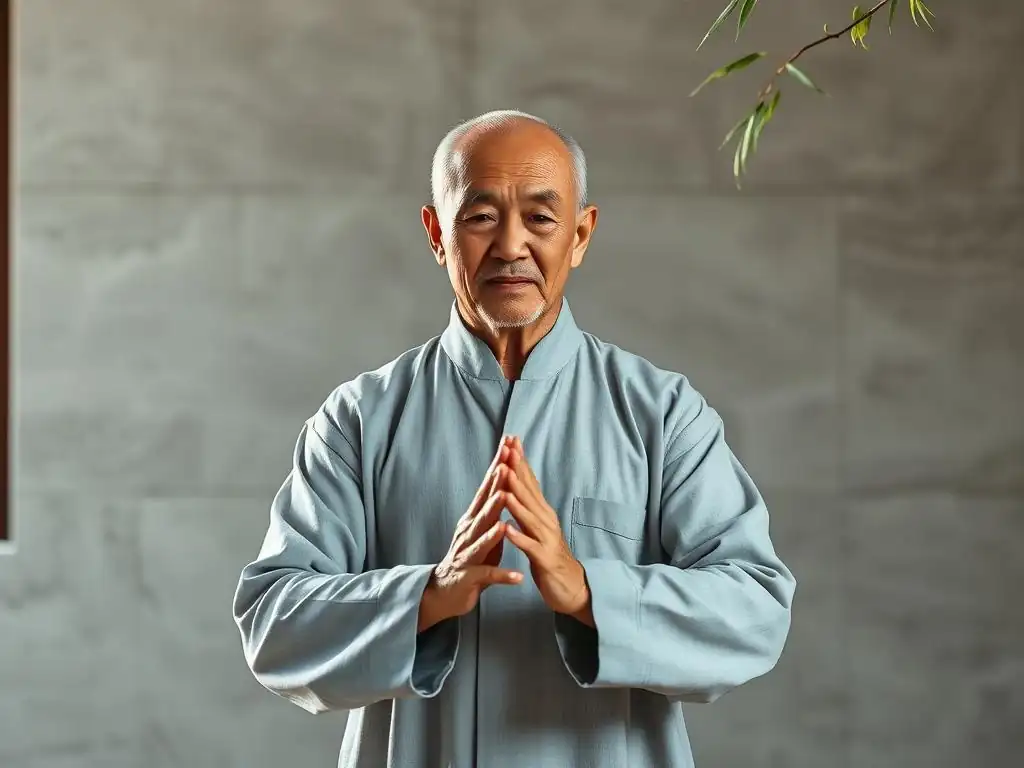
Emotional regulation is a cornerstone of mental wellbeing. Qigong offers a unique pathway to managing emotions by acknowledging their connection to physical energy and blockages. Traditional Chinese medicine views specific emotions as being associated with particular organ systems and energy channels. For example, anger is often linked to the liver meridian, and sadness to the lungs. Qigong practices aim to harmonize the energy flow within these systems, thereby facilitating the healthy processing and release of emotions.
Rather than suppressing difficult feelings, Qigong encourages gentle acknowledgment and release. The slow, mindful movements and breathwork create a safe space to experience emotions without being overwhelmed by them. This capacity for non-judgmental observation is crucial for developing emotional resilience. By improving the body's energy flow, Qigong helps prevent emotional energy from becoming stagnant or blocked, which can contribute to feelings of being stuck or overwhelmed.
Releasing Emotional Blockages Through Qigong Practices
Specific Qigong exercises are designed to target and release emotional blockages. Movements that involve twisting, stretching, and gentle shaking can help to physically loosen tension held in the body, which is often a physical manifestation of emotional distress. For instance, movements that open the chest area can help release pent-up sadness or grief, while exercises focusing on the sides of the body might address frustration or anger.
The principle here is that energy, and therefore emotion, needs to flow. Stagnation leads to discomfort and distress. Through mindful movement and breath, Qigong facilitates the unblocking of these energy pathways, allowing suppressed emotions to surface gently and dissipate. This process is not about forcing a release but creating the conditions for energy to move freely, demonstrating a key way Qigong improves mental wellbeing significantly by addressing the physical dimension of emotional experience.
Qigong Techniques for Managing Anger, Fear, and Sadness
Qigong offers specific techniques to address common challenging emotions like anger, fear, and sadness. For anger, practices often focus on movements that soothe the liver meridian, such as gentle stretching of the sides of the body or specific visualizations of smooth, flowing energy. For fear, which is often associated with the kidney meridian, exercises might involve grounding movements and deep, calming breathing to cultivate a sense of stability and security.
Sadness and grief, linked to the lung meridian, can be addressed through movements that expand the chest and promote deep, nourishing inhalation, helping to release constriction and encourage the free flow of breath and energy. An empathetic approach is taken, acknowledging the validity of these emotions while providing tools to process them constructively. These targeted techniques illustrate how Qigong improves mental wellbeing significantly by offering practical methods for navigating the complex landscape of human emotions.
The Six Healing Sounds Qigong Sequence for Emotional Balance
A specific and powerful Qigong sequence for emotional regulation is the "Six Healing Sounds" ( Liu Zi Jue). This practice involves coordinating specific sounds with particular movements and breath patterns, each designed to purify and balance the energy associated with a major organ and its corresponding emotion. The sounds are:
Xu(pronounced "shoo"): Associated with the Liver, helps to release anger and frustration.He(pronounced "her"): Associated with the Heart, helps to release impatience and agitation.Hu(pronounced "hoo"): Associated with the Spleen, helps to release worry and overthinking.Si(pronounced "sih"): Associated with the Lungs, helps to release sadness and grief.Chui(pronounced "chway"): Associated with the Kidneys, helps to release fear and anxiety.Xi(pronounced "shee"): Associated with the Triple Burner (a conceptual organ system), helps to release general tension and imbalances.
By practicing this sequence, individuals can actively engage in releasing stagnant emotional energy and cultivating a state of balance. Many practitioners report feeling lighter, calmer, and more emotionally resilient after regular practice of the Six Healing Sounds, highlighting its effectiveness in how Qigong improves mental wellbeing significantly through targeted energy work.
Qigong for Cognitive Enhancement: Sharpening Focus and Memory
Beyond its well-known effects on stress and emotions, Qigong also demonstrates potential benefits for cognitive function. The practice requires focused attention, coordinating breath, movement, and intention simultaneously. This inherent demand for concentration serves as a form of mental training, strengthening the ability to focus and sustain attention over time. The gentle, repetitive nature of many Qigong movements can also induce a state of relaxed alertness, an optimal state for learning and cognitive processing.
Furthermore, by improving circulation and oxygenation throughout the body, including the brain, Qigong may enhance brain health. Adequate blood flow is essential for delivering nutrients and oxygen to brain cells, supporting optimal function. Regular practice can contribute to better cognitive performance, including improved memory and problem-solving skills. This cognitive boost is another dimension of how Qigong improves mental wellbeing significantly, contributing to a sharper, more alert mind.
Improving Concentration and Clarity with Qigong
The mindful aspect of Qigong is particularly effective in improving concentration and mental clarity. By directing attention inwards – focusing on the breath, the movement, and the flow of Qi – practitioners train their minds to stay present and resist distractions. This is analogous to strengthening a muscle; the more you practice focused attention during Qigong, the better your ability to concentrate becomes in other areas of life.
A simple Qigong exercise like "Standing Meditation" ( Zhan Zhuang) involves holding specific postures for extended periods while maintaining deep breathing and internal awareness. This static yet deeply engaging practice challenges the mind to remain focused amidst physical stillness, significantly enhancing concentration power. Many individuals who regularly practice Qigong report a reduction in mental fog and an increased sense of clarity, illustrating a direct benefit on cognitive function.
Qigong Exercises to Stimulate Brain Function
Certain Qigong exercises are specifically thought to stimulate brain function through their impact on energy flow and physical coordination. Movements that involve crossing the midline of the body, balancing, or intricate hand-eye coordination can help to integrate left and right brain hemispheres and improve neural connections. For example, exercises that involve gentle rotations of the head and neck, coordinated with breath, can improve blood flow to the brain.
Another approach involves stimulating specific acupressure points believed to influence cognitive function. While Qigong primarily works with energy flow through movement, awareness is often directed to these points. Practices like gently tapping or massaging areas on the head or hands during Qigong can be incorporated. These combined elements contribute to a more stimulated and potentially more resilient brain, showcasing how Qigong improves mental wellbeing significantly through neurological pathways.
Qigong's Role in Preventing Cognitive Decline
Emerging research suggests that mind-body practices like Qigong may play a role in maintaining cognitive health and potentially mitigating age-related cognitive decline. The combination of physical activity, mental focus, and stress reduction inherent in Qigong addresses multiple factors associated with cognitive aging. Chronic stress and poor circulation, for example, are known contributors to cognitive issues. By addressing these, Qigong offers a preventative approach.
A study published in Alzheimer's & Dementia found that regular exercise, including practices similar to Qigong, was associated with a reduced risk of cognitive impairment. While specific long-term studies on Qigong and dementia prevention are still developing, the practice's positive effects on circulation, stress levels, and brain plasticity (the brain's ability to adapt and reorganize) provide a strong theoretical basis for its protective role. Engaging in Qigong regularly is a proactive step towards supporting long-term brain health, adding another layer to how Qigong improves mental wellbeing significantly across the lifespan.
Qigong as a Tool for Managing Depression and Low Mood
Depression and low mood are complex conditions often involving a combination of biological, psychological, and social factors. While professional medical and psychological support is essential, complementary practices like Qigong can offer valuable support. Qigong addresses several aspects related to depression, including low energy levels, feelings of stagnation, and difficulty with emotional processing. The gentle movement helps to combat the inertia often associated with depression, encouraging physical activity without being overwhelming.
The focus on energy flow is particularly relevant; in traditional Chinese medicine, depression is often associated with stagnant or deficient Qi. Qigong aims to restore healthy energy circulation, which can help lift mood and increase vitality. The practice also provides a structured, calming activity that can counteract feelings of hopelessness and provide a sense of agency. This multifaceted approach helps explain how Qigong improves mental wellbeing significantly for individuals experiencing depressive symptoms.
Research is beginning to explore the biochemical effects of Qigong practice, including its potential influence on neurotransmitters critical for mood regulation. Studies have suggested that practices like Qigong may help increase levels of serotonin and dopamine, neurotransmitters associated with feelings of happiness, pleasure, and motivation – all of which are often deficient in individuals with depression.
For example, a study involving participants with mild to moderate depression found that a regular Qigong program led to significant improvements in mood, alongside potential changes in certain biochemical markers. While more research is needed to fully understand the mechanisms, these findings suggest that Qigong's impact extends beyond psychological effects to potentially influencing the neurochemical balance that underpins mood. This physiological effect is a crucial component of how Qigong improves mental wellbeing significantly in the context of depression.
Practical Qigong Exercises for Alleviating Depressive Symptoms
Certain Qigong exercises are particularly beneficial for alleviating depressive symptoms. Movements that involve gentle stretching and expansion, especially in the chest and upper back, can help counteract the slumped posture and constricted breathing often associated with low mood. Exercises that promote upward and outward energy flow can help lift spirits and combat feelings of being weighed down.
Simple walking Qigong, where conscious breathing is coordinated with a slow, mindful walk, can be very effective. This combines gentle physical activity with mindful presence, helping to break the cycle of negative rumination often present in depression. The rhythmic nature of walking Qigong can be grounding and soothing. These practical, accessible exercises provide tools that individuals can use daily to actively work towards improved mental wellbeing.
Combining Qigong with Other Mental Health Treatments
Qigong should be viewed as a complementary practice and not a replacement for professional mental health treatment, especially for conditions like clinical depression. However, it can be a powerful adjunct to therapy, medication, or other interventions. Integrating Qigong into a comprehensive treatment plan can enhance overall outcomes by addressing the physical and energetic dimensions of mental health challenges.
Working with a therapist or counselor while practicing Qigong can provide a supportive framework for processing emotions and gaining insights that may arise during the practice. For individuals taking medication, Qigong can potentially help manage side effects and improve overall resilience. The combination of professional support and a consistent Qigong practice offers a robust strategy for how Qigong improves mental wellbeing significantly when integrated into a holistic care plan.
Qigong for Sleep Improvement: Achieving Restful Nights
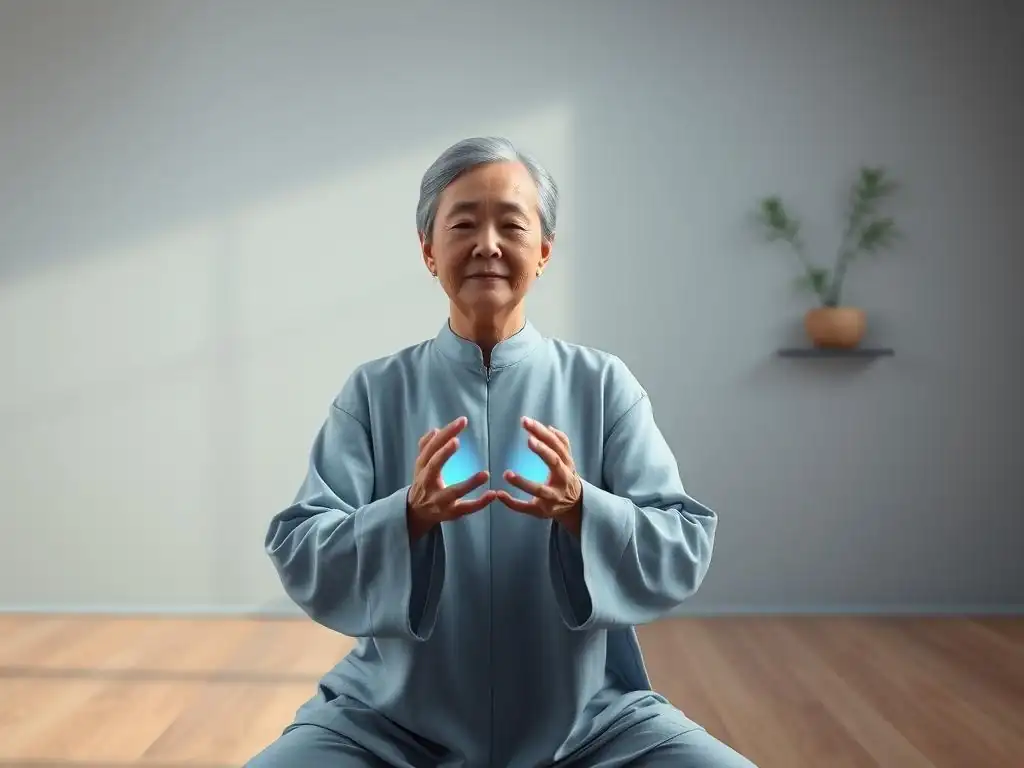
Sleep disturbances, including insomnia, are common companions to stress, anxiety, and depression. A restless mind and a tense body make it difficult to fall asleep and stay asleep. Qigong's emphasis on relaxation, nervous system regulation, and energy balance makes it a highly effective tool for improving sleep quality. By calming the sympathetic nervous system and activating the parasympathetic response, Qigong creates the physiological conditions conducive to sleep.
Furthermore, by addressing underlying mental and emotional stressors that contribute to insomnia, Qigong targets the root causes of sleep problems. The practice helps to quiet the racing thoughts that often keep people awake at night and releases physical tension that can cause discomfort. Many practitioners report falling asleep more easily and experiencing more restful, uninterrupted sleep after incorporating Qigong into their evening routine.
Qigong Techniques to Promote Relaxation and Sleep
Several Qigong techniques are specifically designed to promote relaxation and prepare the body and mind for sleep. Slow, gentle movements performed in the evening can help wind down after the day's activities, releasing accumulated tension. Focusing on deep, abdominal breathing slows the heart rate and induces a state of calm.
Practices that involve gentle rocking motions or slow, circular movements can be particularly soothing. Exercises that focus on releasing tension in the shoulders, neck, and jaw – common areas for holding stress – are also beneficial. The key is to perform these movements with intention and mindfulness, allowing the body and mind to transition into a state of rest. These deliberate relaxation techniques are a core reason why Qigong improves mental wellbeing significantly, especially for those struggling with sleep.
Addressing Insomnia with Qigong Practices
For individuals specifically struggling with insomnia, a consistent evening Qigong routine can be very impactful. Short, simple sequences performed before bed can signal to the body that it's time to rest. These practices should be gentle and calming, avoiding any vigorous movements that might be stimulating.
Focusing on breathwork is crucial for insomnia. Techniques like counting breaths, or extending the exhalation to be longer than the inhalation, can activate the parasympathetic nervous system and promote drowsiness. Visualization techniques within Qigong, such as imagining tension draining away from the body or visualizing a calm, peaceful scene, can also help quiet the mind and facilitate sleep onset. Regular, dedicated practice is essential for seeing improvements in sleep patterns.
The "Lying Down Qigong" Routine for Better Sleep
A specific and highly effective Qigong routine for promoting sleep is "Lying Down Qigong." As the name suggests, this practice is performed while lying comfortably in bed, making it ideal for winding down. It typically involves a series of gentle movements performed with minimal effort, focusing intently on breath and body awareness.
Movements might include gentle leg raises, hip rotations, or arm movements, all performed slowly and mindfully. The emphasis is on releasing tension and cultivating a state of deep relaxation. This routine is particularly helpful for individuals who find sitting or standing meditation before bed challenging. Practicing Lying Down Qigong consistently can train the body and mind to relax more readily at bedtime, demonstrating a practical way Qigong improves mental wellbeing significantly by addressing a critical factor: restful sleep.
Integrating Qigong into Your Daily Life for Sustained Mental Wellbeing
The true power of Qigong lies in its consistent practice. While a single session can provide immediate benefits like reduced stress and increased calmness, integrating Qigong into your daily routine unlocks its potential for sustained and radical improvements in mental wellbeing. Finding time, even just 10-15 minutes a day, can make a significant difference. Consistency is more important than duration.
Starting small and gradually increasing the time or complexity of your practice can make integration easier. Whether it's a few minutes of mindful breathing in the morning, a short sequence during a lunch break, or a longer session in the evening, finding pockets of time to practice is key. Making Qigong a non-negotiable part of your day reinforces its value and commitment to your mental health.
Simple Qigong Exercises to Start Your Day
Beginning your day with Qigong can set a positive tone and prepare your mind and body for the hours ahead. Simple exercises that promote energy flow and gentle awakening are ideal. Examples include:
- Awakening the Qi: Gentle bouncing on the balls of your feet to stimulate energy flow throughout the body.
- Knocking on the Door of Life: Gently tapping the lower back with loose fists to stimulate the kidney energy, associated with vitality.
- Arm Swings: Slow, relaxed arm swings forward and backward to open the chest and shoulders and improve circulation.
These simple movements, performed for just 5-10 minutes, can help clear mental cobwebs, release stiffness from sleep, and activate your energy for the day. Starting the day with these practices is a tangible way Qigong improves mental wellbeing significantly by fostering a sense of vitality and readiness.
Creating a Personalized Qigong Practice
A personalized Qigong practice is one that fits your specific needs, time constraints, and preferences. There are many different styles and forms of Qigong, each with a slightly different focus. Exploring different resources, such as books, online videos, or local classes, can help you find a style that resonates with you.
Consider what aspects of your mental wellbeing you most want to address. Are you looking to reduce anxiety, improve focus, or boost your mood? Tailor your practice to include exercises that target these areas. For example, if stress is your main concern, focus on practices that calm the nervous system. If you feel low in energy, incorporate movements that invigorate the Qi. A personalized approach ensures that your Qigong practice is both enjoyable and effective.
Tips for Staying Consistent with Your Qigong Routine
Maintaining consistency with any new habit can be challenging, but a few tips can help make your Qigong routine stick. Firstly, schedule your practice like any other important appointment. Blocking out dedicated time increases the likelihood that you will follow through. Secondly, find a designated space, even a small corner, where you can practice undisturbed. This creates a positive association with the activity.
Thirdly, be patient and kind to yourself. Some days you might only manage a few minutes, and that's okay. The goal is progress, not perfection. Fourthly, consider practicing with others, whether in a class or with a friend. Social support can provide motivation and accountability. Finally, focus on how the practice makes you feel – the increased calmness, clarity, or energy. Remembering these positive effects can be a powerful motivator to keep going. Consistency is key to unlocking how Qigong improves mental wellbeing significantly over the long term.
The Benefits of Qigong: A Summary of Mental Health Improvements
Qigong offers a comprehensive array of benefits for mental wellbeing, extending far beyond simple stress relief. Through its integration of gentle movement, conscious breathing, and mindful awareness, it addresses the intricate connection between the mind and body. The practice serves as a powerful tool for cultivating resilience, emotional balance, and cognitive vitality.
From calming an overactive nervous system to promoting restful sleep and enhancing focus, Qigong provides practical techniques for navigating the challenges of modern life. It empowers individuals to take an active role in their mental health journey, fostering a deeper connection with their inner state and developing a greater capacity for peace and presence.
Qigong Improves Mental Wellbeing Significantly: A Recap
To reiterate, Qigong improves mental wellbeing significantly through multiple interconnected pathways. It reduces stress and anxiety by regulating the nervous system and lowering stress hormones like cortisol. It enhances emotional regulation by releasing physical and energetic blockages associated with challenging feelings and providing techniques for processing emotions constructively, such as the Six Healing Sounds.
Furthermore, Qigong boosts cognitive function by improving concentration, clarity, and potentially supporting brain health against decline. It addresses sleep disturbances by promoting relaxation and creating conditions favorable for restful nights. The cumulative effect of these benefits is a profound enhancement in overall mental state, leading to greater resilience, clarity, and inner harmony.
Long-Term Mental Health Benefits of Regular Qigong Practice
Committing to regular Qigong practice yields cumulative and long-term benefits for mental health. Over time, the nervous system becomes more balanced, leading to a reduced baseline level of stress and anxiety. Emotional regulation improves, allowing individuals to navigate difficult feelings with greater ease and less reactivity. Cognitive function can sharpen, supporting sustained focus and mental agility.
Regular practice also builds resilience, enabling individuals to bounce back more effectively from setbacks and challenges. It fosters a deep sense of self-awareness and acceptance, crucial components of lasting mental wellbeing. While initial benefits may be noticeable within weeks, consistent practice over months and years can lead to a radical transformation in one's mental landscape, solidifying how Qigong improves mental wellbeing significantly for the long haul.
Conclusion: Embracing Qigong for a Radically Improved Mental State
Qigong is more than just an exercise; it is a pathway to cultivating vitality, balance, and profound mental wellbeing. Its ancient wisdom, rooted in the understanding of energy flow, offers powerful and accessible tools for navigating the complexities of the modern mind. By embracing this practice, individuals can unlock their innate capacity for resilience, clarity, and inner peace.
The journey towards improved mental health is often multifaceted, and Qigong provides a holistic approach that complements other forms of care. It empowers individuals to become active participants in their own healing, fostering a deeper connection with themselves and the present moment. The potential for Qigong to radically improve mental wellbeing is significant, offering hope and practical strategies for a more balanced and fulfilling life.
The Future of Qigong in Mental Healthcare
As research continues to validate the benefits of mind-body practices, Qigong is poised to play an increasingly prominent role in mental healthcare. Integration into clinical settings, wellness programs, and community health initiatives could make this practice more accessible to a wider population. Educating healthcare professionals and the public about the evidence-based benefits of Qigong is crucial for its wider adoption.
Future research may delve deeper into the specific neurobiological mechanisms through which Qigong exerts its effects and identify which styles or techniques are most effective for particular mental health conditions. As the demand for holistic and preventative approaches to mental health grows, Qigong stands out as a powerful, low-cost, and accessible intervention with immense potential to contribute to global mental wellbeing.
Encouraging Readers to Explore Qigong for Themselves
If you are seeking ways to enhance your mental wellbeing, manage stress, improve focus, or cultivate emotional balance, consider exploring the practice of Qigong. Start small, perhaps with a few simple exercises or a short guided routine. Pay attention to how your body and mind feel during and after the practice. Be patient and persistent.
There are many resources available to help you begin, from introductory books and online videos to local classes and workshops. Finding a qualified instructor can provide valuable guidance and support. Give yourself permission to try this ancient practice and discover firsthand how Qigong improves mental wellbeing significantly, opening the door to a more peaceful, clear, and vibrant state of mind.
Frequently Asked Questions
How does Qigong differ from other forms of exercise in its impact on mental wellbeing?
Qigong focuses on the mind-body connection through gentle movements, breathing techniques, and meditation, unlike exercises that primarily target physical fitness. This holistic approach directly impacts the nervous system and promotes mental clarity.
What specific mental health conditions can Qigong potentially help manage?
While not a replacement for professional treatment, Qigong can be a valuable complementary therapy for conditions like anxiety, depression, and stress-related disorders. Its calming effects can help regulate emotions and improve coping mechanisms.
How often and for how long should someone practice Qigong to experience noticeable mental wellbeing benefits?
Consistency is key. Even 15-20 minutes of daily practice can lead to significant improvements. Many find that the benefits increase with longer or more frequent sessions, tailoring it to their needs.
What are some of the key principles of Qigong that contribute to its mental wellbeing benefits?
Qigong emphasizes cultivating qi (vital energy) through mindful movement, breath control, and focused intention. These practices promote relaxation, reduce stress hormones, and enhance overall mental balance.
Are there any potential risks or contraindications associated with practicing Qigong for mental wellbeing?
Qigong is generally safe, but it's advisable to consult with a healthcare professional before starting, especially if you have pre-existing medical conditions or are taking medication. Modifications can be made to suit individual needs.
Final Reflection: Unfolding the Profound Power of Qigong
The ancient practice of Qigong is not merely a stress reliever; it's a pathway to significantly enhanced mental wellbeing, a truth increasingly relevant in our fast-paced, anxiety-ridden world. The research presented throughout this article demonstrates the profound impact Qigong can have on reducing symptoms of depression, anxiety, and even PTSD, offering a holistic approach to mental health that complements, and in some cases surpasses, traditional Western methods. This isn't just about feeling calmer; it's about cultivating a deeper sense of self-awareness, resilience, and inner peace.
The journey of exploring Qigong's influence on mental wellbeing has been deeply personal. Witnessing firsthand the transformative power of this practice, both in myself and in others, underscores its enduring relevance. The body is your temple. Keep it pure and clean for the soul to reside in.
This ancient wisdom resonates deeply with the principles of Qigong, which emphasize the interconnectedness of mind, body, and spirit. The practice isn't just about physical postures; it's about cultivating a mindful connection to the present moment, allowing us to navigate the challenges of life with greater grace and equanimity.
You now hold the key to unlocking a deeper, more fulfilling relationship with your mental wellbeing. Consider incorporating even a few minutes of Qigong practice into your daily routine. Start small, be patient with yourself, and allow the gentle movements and mindful breathing to guide you towards a state of greater inner peace and resilience. The journey towards enhanced mental wellbeing is a personal one, and Qigong offers a powerful tool to help you navigate this path with strength, clarity, and a renewed sense of self.
Unlock Your Inner Calm: Start Your Qigong Journey Today!
Thank you for taking the time to explore the powerful world of Qigong and its impact on mental wellbeing. We hope you found valuable insights into how this ancient practice can transform your life. Now it's time to put that knowledge into action!
- Begin your first Qigong session today: Even 10 minutes of gentle movement can make a difference. Find a quiet space, follow a beginner's video, and experience the calming effects firsthand. This is your primary step to experiencing the benefits described.
- Share your experience: Tell us (or your friends!) about your initial Qigong practice. What did you feel? What surprised you? Sharing your journey can inspire others.
- Explore different Qigong styles: Discover the various forms of Qigong and find one that resonates with you. Each style offers unique benefits and approaches to cultivating inner peace.
Ready to cultivate a deeper sense of calm and well-being? What's the first small step you'll take towards incorporating Qigong into your daily routine?