
Cultivating Unshakeable Calm: Qigong Principles for Inner Peace

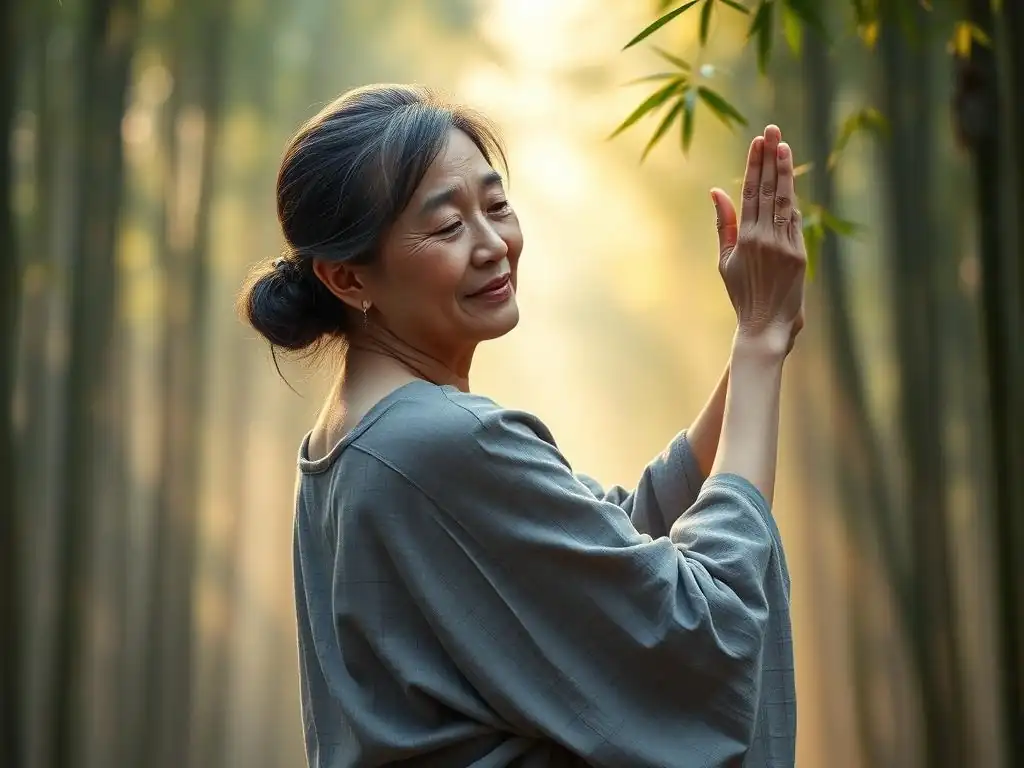
Welcome to Mind Care Guide, a sanctuary for your mental well-being. Feeling overwhelmed by anxiety? You're not alone. Discover how the ancient practice of Qigong can unlock a pathway to inner peace. Curious about harnessing this gentle art for profound relief? Let's begin your journey towards unshakeable calm...
Cultivating Unshakeable Calm: Qigong Principles for Inner Peace
- Introduction: Finding Inner Peace Through Qigong
-
Qigong Principles for Anxiety Relief: A Practical Guide
- Principle 1: Harmonizing Breath for Immediate Calm - Abdominal Breathing in Qigong
- Principle 2: Cultivating Mindfulness Through Movement - Qigong and Present Moment Awareness
- Principle 3: Channeling Energy (Qi) for Emotional Balance - Understanding Qi Flow in Qigong
- Principle 4: Grounding Yourself for Stability - Qigong Practices for Rooting and Centering
- Qigong Exercises for Anxiety Relief: Step-by-Step Instructions
- Integrating Qigong into Your Daily Routine for Lasting Calm
- Addressing Common Challenges in Qigong Practice for Anxiety
- Conclusion: Embracing Qigong for a Calmer, More Balanced Life
-
Frequently Asked Questions
- How does Qigong contribute to anxiety relief?
- What are the core principles of Qigong practice that promote inner peace?
- How often should I practice Qigong to experience anxiety relief benefits?
- Are there any specific Qigong exercises particularly effective for anxiety?
- Is Qigong a substitute for professional mental health treatment for anxiety?
- Final Reflection: Finding Stillness in a Restless World
- Unlock Your Inner Calm: Start Your Qigong Journey Today!
Introduction: Finding Inner Peace Through Qigong
Understanding Qigong's Ancient Roots and Modern Relevance for Mental Well-being
Qigong, pronounced "chee-gong," is an ancient Chinese mind-body practice that has been cultivated for thousands of years. Its name translates roughly to "cultivating vital energy," where "Qi" refers to the life force or energy that flows through all things, and "gong" means skill or cultivation. Rooted in traditional Chinese medicine, philosophy, and martial arts, Qigong involves gentle movements, focused intention, and mindful breathing to promote health, vitality, and spiritual development. Historically, it was practiced in monasteries and passed down through generations, evolving into various forms focused on healing, longevity, and martial prowess.
In today's fast-paced world, the principles and practices of Qigong offer a profound pathway to mental well-being, serving as a potent tool for Qigong for anxiety relief. Modern research is beginning to validate what practitioners have known for centuries: that regular Qigong practice can significantly impact stress levels, improve mood, and enhance emotional resilience.
For instance, a systematic review published in the American Journal of Chinese Medicine in 2010 analyzed multiple studies and found consistent evidence suggesting that Qigong practice can reduce tension, depression, anger, and fatigue, while increasing vigor. This ancient art's emphasis on slow, deliberate movement and internal focus provides a powerful antidote to the external pressures and mental clutter that often fuel modern anxiety.
The Connection Between Qigong, Anxiety Reduction, and Emotional Balance
The core connection between Qigong and anxiety reduction lies in its ability to regulate the body's stress response system. Chronic anxiety often keeps the sympathetic nervous system in overdrive, leading to physical symptoms like rapid heart rate, shallow breathing, muscle tension, and digestive issues. Qigong, through its emphasis on slow, deep abdominal breathing and gentle, flowing movements, activates the parasympathetic nervous system – often called the "rest and digest" system. This shift helps to lower cortisol levels, reduce adrenaline, and promote a state of relaxation and calm throughout the body and mind.
Furthermore, Qigong cultivates a heightened sense of body awareness and present moment focus. Anxiety often involves dwelling on past worries or future fears. By directing attention to the physical sensations of movement, the rhythm of the breath, and the flow of energy within the body, Qigong naturally pulls the mind out of anxious thought loops and grounds it in the 'now'.
This mindful engagement helps to disrupt negative rumination patterns. A study involving older adults published in the Journal of Alternative and Complementary Medicine in 2013 found that Qigong practice led to significant improvements in measures of anxiety, depression, and stress, suggesting its efficacy not just in acute relief but in fostering long-term emotional balance.
Qigong Principles for Anxiety Relief: A Practical Guide
Principle 1: Harmonizing Breath for Immediate Calm - Abdominal Breathing in Qigong
Breath is fundamental in Qigong, considered the bridge between the physical body, mind, and spirit. Abdominal breathing, also known as diaphragmatic breathing, is the cornerstone technique. Unlike shallow chest breathing, which is often associated with stress and the fight-or-flight response, abdominal breathing engages the diaphragm, allowing for deeper inhalation and a more complete exhalation.
This process maximizes oxygen intake and carbon dioxide release, directly influencing the nervous system and promoting relaxation. In Qigong, breath is not just a physiological process but a tool for guiding Qi and calming the spirit, making it a core element of Qigong for anxiety relief.
Mastering abdominal breathing involves breathing in deeply through the nose, allowing the abdomen to expand outward as the diaphragm descends, and then exhaling slowly through the mouth or nose, gently drawing the abdomen back in. This slow, rhythmic cycle massages internal organs and stimulates the vagus nerve, which plays a crucial role in regulating the parasympathetic nervous system.
Practicing this simple technique for just a few minutes can significantly reduce immediate feelings of anxiety, lower heart rate, and create a sense of groundedness. Many Qigong forms integrate specific breathing patterns with movements to enhance this calming effect, teaching the practitioner to use breath as a constant anchor for tranquility.
Techniques for Deep, Relaxing Qigong Breathing to Counter Anxiety
One common Qigong breathing technique is the "Four Gates" breathing, where you visualize breathing in vital energy through the palms of the hands and soles of the feet, as well as the nose, directing it to the lower abdomen (Dantian). Another is "Reverse Breathing," where the abdomen contracts slightly on inhalation and expands on exhalation, a more advanced technique used in some practices.
However, for Qigong for anxiety relief, the foundational practice is simply slow, deep, abdominal breathing, focusing on extending the exhale longer than the inhale. For example, inhaling for a count of four and exhaling for a count of six or eight can activate the parasympathetic response more effectively.
Beyond basic abdominal breathing, Qigong often incorporates breath retention (holding the breath briefly) and specific visualizations. Holding the breath gently after inhalation can help accumulate Qi, while holding after exhalation can aid in releasing stagnant energy or tension. Visualizations, such as breathing in clear, calm energy and breathing out cloudy, anxious energy, enhance the mental aspect of the practice.
The key is to make the breath smooth, quiet, and continuous, without strain. Regular practice, even for 5-10 minutes daily, trains the body and mind to adopt this calm breathing pattern naturally, significantly reducing the baseline level of anxiety over time.
The Science Behind Breathwork and Its Impact on the Nervous System
The scientific community has extensively studied the physiological effects of breathwork, confirming its powerful impact on the nervous system. The diaphragm muscle, when fully engaged in abdominal breathing, stimulates the vagus nerve, a major nerve connecting the brain to the heart, lungs, and digestive system. Vagal nerve stimulation is known to reduce heart rate, lower blood pressure, and decrease the production of stress hormones like cortisol. This mechanism directly counteracts the physiological symptoms of anxiety, which are largely driven by the sympathetic nervous system's 'fight or flight' response.
Research published in journals like Frontiers in Psychology (2017) highlights how conscious control of breathing patterns can modulate the autonomic nervous system, shifting it towards a parasympathetic state. This shift not only reduces physical tension but also impacts brain activity. Slow breathing increases alpha brain waves, associated with states of relaxed alertness, and can decrease beta waves, which are prominent during states of stress and anxiety. By providing a direct, conscious pathway to influence the nervous system, Qigong's emphasis on breathwork offers a scientifically validated method for immediate and sustained Qigong for anxiety relief.
Principle 2: Cultivating Mindfulness Through Movement - Qigong and Present Moment Awareness
Qigong movements are typically slow, flowing, and deliberate, performed with focused attention. This mindful approach transforms simple physical exercises into a moving meditation. The practitioner is encouraged to pay attention to the sensations in their body, the coordination of movement and breath, and the feeling of energy flowing. This intense focus on the present moment is a core principle of mindfulness and a powerful antidote to the mind's tendency to wander into anxious thoughts about the past or future. Engaging fully in the physical experience of Qigong naturally anchors awareness in the 'here and now'.
By moving slowly and intentionally, practitioners become acutely aware of physical tension, blockages, or discomfort in their bodies – often physical manifestations of emotional or mental stress. This increased body awareness is the first step toward releasing that tension. For someone experiencing anxiety, which often involves a disconnection from the physical self or a feeling of being trapped in the head, Qigong's focus on embodied presence can be profoundly grounding. The gentle, repetitive nature of many Qigong forms allows the mind to settle and quiet, replacing anxious rumination with sensory input and a sense of physical flow.
Gentle Qigong Movements to Anchor You in the Now and Reduce Worry
Many foundational Qigong movements are excellent for cultivating presence and reducing worry. Simple exercises like "Raising the Sun," where you slowly lift the arms overhead while inhaling and lower them while exhaling, or "Cloud Hands," a gentle, circular movement of the arms and torso, require focused attention on coordination and breath. These movements are not physically demanding but demand mental presence. If the mind wanders to worries, the coordination falters, providing an immediate, gentle reminder to return attention to the body and breath.
Another effective movement is "Separating Heaven and Earth," where one hand presses down while the other reaches up, stretching the body gently. This movement, performed slowly with mindful breath, helps to release tension in the torso and promotes a feeling of expansion and release.
The physical sensation of the stretch and the coordinated breath act as anchors, pulling the mind away from abstract worries and into the tangible experience of the body. Regularly practicing these simple, mindful movements trains the brain to stay present, diminishing the power of anxious thought patterns over time and contributing to Qigong for anxiety relief.
Body Scan Meditation and Qigong: Enhancing Body Awareness for Emotional Regulation
Body scan meditation, a common mindfulness technique, involves systematically bringing attention to different parts of the body to observe sensations without judgment. Qigong practice inherently incorporates elements of a moving body scan. As you perform movements, you are encouraged to feel the weight in your feet, the stretch in your limbs, the relaxation in your shoulders, and the flow of breath in your abdomen. This continuous, dynamic body awareness cultivated through Qigong enhances the ability to recognize and understand the physical manifestations of emotions.
For someone struggling with anxiety, learning to identify where they hold tension (e.g., tight shoulders, clenched jaw, knot in the stomach) is crucial for processing and releasing it. Qigong's mindful movement helps develop this sensitivity. Furthermore, by linking physical sensations with emotional states, practitioners can begin to regulate their emotions more effectively. Noticing the physical signs of rising anxiety early allows one to apply Qigong breathing or movement techniques to interrupt the stress response before it escalates. This integrated body-mind awareness is a powerful tool for emotional self-regulation.
Principle 3: Channeling Energy (Qi) for Emotional Balance - Understanding Qi Flow in Qigong
In the philosophy of Qigong and traditional Chinese medicine, health and emotional well-being depend on the smooth and balanced flow of Qi throughout the body's meridians (energy pathways). Emotional imbalances, like anxiety, are often seen as symptoms of stagnant, blocked, or deficient Qi. Qigong practices are designed to clear blockages, replenish deficient energy, and ensure Qi flows harmoniously. By promoting optimal Qi circulation, Qigong aims to restore balance to the body's energetic system, which in turn supports emotional stability and resilience.
The concept of Qi might seem abstract, but it can be understood experientially through practice. Sensations like warmth, tingling, lightness, or a buzzing feeling are often described by practitioners as signs of Qi moving. By using intention, breath, and movement, Qigong guides this vital energy. When Qi flows freely, the nervous system is calmer, muscles are relaxed, and the mind is clearer – conditions antithetical to anxiety. Conversely, stagnant Qi can manifest as physical tension, emotional constriction, and mental agitation, all common symptoms of anxiety.
Specific Qigong Exercises for Balancing Qi and Relieving Anxiety Symptoms
Several Qigong exercises are specifically recommended for balancing Qi and addressing anxiety symptoms. Movements like "Beginning Form" (often the first movement in many styles, involving gentle rising and falling of the arms) help to open the energy channels and establish a calm rhythm. "Patting the Meridians" involves gently tapping along the body's energy pathways to stimulate flow and release stagnation, which can feel physically and energetically liberating. Another beneficial exercise is "Shaking," where you gently shake the entire body to loosen tension and encourage Qi circulation, often resulting in a feeling of lightness and release.
The "Eight Brocades" (Ba Duan Jin) is a popular set of Qigong exercises known for its holistic health benefits, including emotional balance. Specific movements within this set, such as "Holding Up the Heavens" or "Drawing the Bow," are believed to harmonize internal organs and energy flow, directly impacting mood and stress levels. Regular practice of these specific forms helps to cultivate a smooth, strong flow of Qi, reducing the energetic imbalances that contribute to feelings of anxiety and promoting a sense of inner harmony.
Visualization Techniques to Enhance Qi Flow and Promote Inner Peace
Visualization is a powerful component of Qigong practice, used to direct intention and enhance the flow of Qi. While performing movements, practitioners often visualize breathing in fresh, healing energy (perhaps as light or a specific color) and breathing out stale, negative energy or tension (perhaps as dark smoke or cloudy mist). This mental imagery reinforces the physical actions and breathwork, deepening the practice's effects. For anxiety relief, visualizing breathing out worry, fear, or tightness with each exhale can be particularly effective.
Another common visualization involves imagining Qi flowing smoothly through the meridians, like water in a stream, or accumulating in the lower abdomen (Dantian), which is considered the body's energy center. Visualizing this energy center as a warm, glowing sphere can create a sense of stability and containment, counteracting the feeling of being scattered or overwhelmed that often accompanies anxiety. By actively engaging the mind's power through visualization, Qigong helps practitioners not only move energy but also reshape their internal landscape, fostering a profound sense of inner peace and promoting Qigong for anxiety relief.
Principle 4: Grounding Yourself for Stability - Qigong Practices for Rooting and Centering
Anxiety often creates a feeling of being unmoored, disconnected, or unstable, both physically and emotionally. Qigong practices place significant emphasis on "rooting" – feeling firmly connected to the earth through the feet. This principle is cultivated through specific stances and movements that promote stability and a sense of being grounded. By establishing a strong physical connection to the earth, practitioners can counter feelings of dizziness, spaciness, or instability associated with anxiety, fostering a sense of security and presence.
Centering, closely related to rooting, involves bringing awareness and energy to the body's core, particularly the lower abdomen (Dantian). This internal focus creates a sense of stability from within. When we are centered, external stressors feel less overwhelming because our inner foundation is strong. Qigong exercises that involve sinking the weight, maintaining a stable posture, and coordinating movement from the core all contribute to this sense of being firmly rooted and centered. This physical stability translates directly into emotional and mental stability, making grounding a vital principle for Qigong for anxiety relief.
Stances and Movements to Connect with the Earth and Reduce Feelings of Anxiety
Basic Qigong stances, such as the "Horse Stance" (feet wider than shoulder-width, knees bent) or the "Wu Ji Stance" (feet shoulder-width apart, knees slightly bent, relaxed posture), are foundational for rooting. In these stances, the practitioner focuses on feeling the connection between their feet and the ground, allowing their weight to sink down. Simple movements performed from a stable stance, such as gentle waist rotations or arm swings, reinforce this sense of being grounded while simultaneously promoting energy flow.
Movements like "Tree Standing" (Zhan Zhuang), a form of standing meditation, specifically cultivate rooting. In this practice, you stand still in a relaxed posture, focusing on feeling the connection to the earth through your feet, as if you have roots growing deep into the ground. Over time, this practice builds physical strength in the legs and core, while also developing a profound sense of internal stillness and stability. This physical and energetic grounding provides a steady anchor amidst the turbulence of anxious thoughts and feelings.
The Importance of Earth Element in Qigong for Emotional Stability
In traditional Chinese medicine and Qigong philosophy, the Five Elements (Wood, Fire, Earth, Metal, Water) are used to understand the body's relationship with nature and its internal functions. The Earth Element is associated with the Spleen and Stomach organs, as well as qualities like stability, nourishment, grounding, and centeredness. When the Earth element is balanced, one feels stable, secure, and well-nourished, both physically and emotionally. An imbalance in the Earth element can manifest as worry, overthinking, digestive issues, and a feeling of being ungrounded or unstable.
Qigong practices that emphasize rooting, centering, and harmonizing the digestive system (often through abdominal massage or specific movements) work to strengthen and balance the Earth element. By nourishing this fundamental element, Qigong helps to cultivate emotional stability and reduce the tendency towards excessive worry and anxiety. For example, movements that involve gentle compression and expansion of the abdomen or focus on rhythmic, grounding steps directly support the Earth element. Strengthening this aspect of one's energetic constitution provides a solid foundation for lasting Qigong for anxiety relief.
Qigong Exercises for Anxiety Relief: Step-by-Step Instructions
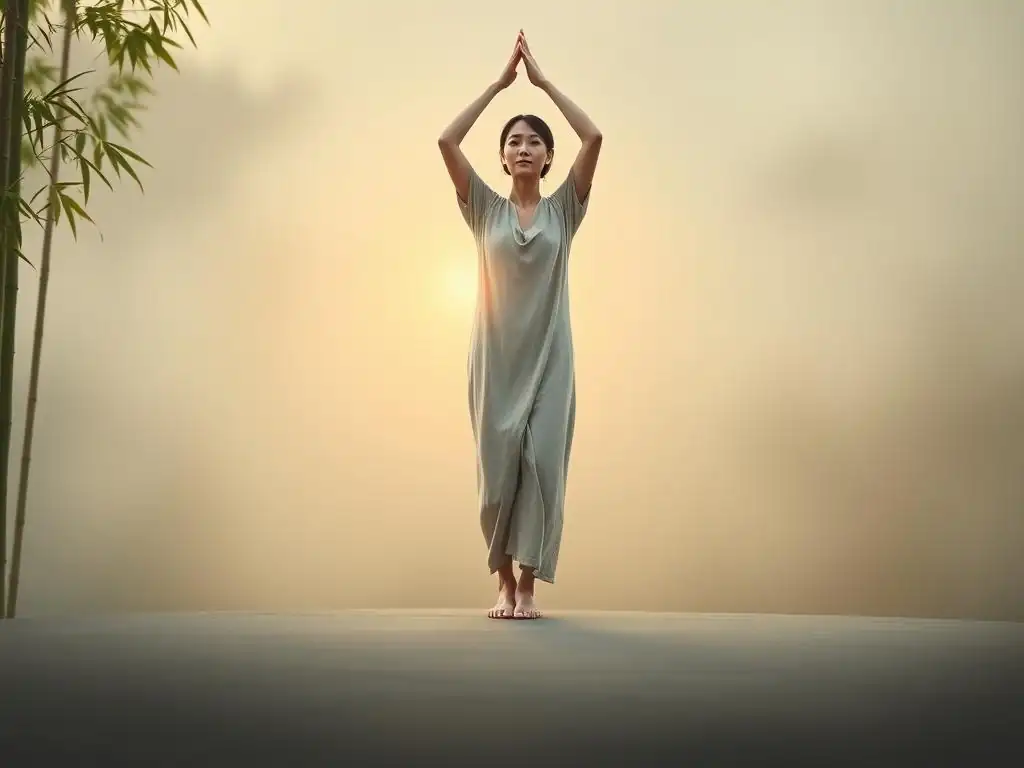
The "Six Healing Sounds" Qigong Practice for Emotional Healing
The Six Healing Sounds (Liu Zi Jue) is a set of Qigong exercises that uses specific vocalizations or sounds combined with gentle movements and visualizations to cleanse and harmonize the energy of the major internal organs. Each sound corresponds to a particular organ and is believed to help release stagnant or negative emotional energy associated with that organ, while cultivating its positive qualities. This practice is particularly effective for emotional release and balance, making it a powerful tool for Qong for anxiety relief.
For anxiety, which often involves worry (associated with the Spleen/Earth element) and sometimes fear (associated with the Kidneys/Water element), the sounds for these organs can be particularly beneficial. The practice provides a structured way to acknowledge and process emotional states, transforming them into calm and positive energy. It's a gentle yet profound method for emotional detoxification and revitalization, suitable for practitioners of various levels.
Step-by-Step Guide to Performing the Six Healing Sounds
- Preparation: Sit or stand comfortably with a relaxed posture, feet grounded, spine upright. Take a few deep abdominal breaths to center yourself.
- Liver Sound (Xu): Stand or sit. Inhale while raising arms out to the sides, palms up, to shoulder height. Exhale slowly making the sound "SHHHH" (like shushing someone), visualizing releasing frustration, anger, or irritability from the liver (under the right rib cage). Lower arms. Repeat 3-6 times.
- Heart Sound (He): Stand or sit. Inhale while raising arms in front of chest, palms facing inward, then opening them out to the sides. Exhale slowly making the sound "HAAAAAW" (like sighing with relief), visualizing releasing impatience, haste, or emotional coldness from the heart (chest area). Lower arms. Repeat 3-6 times.
- Spleen Sound (Hu): Stand or sit. Inhale while raising arms, palms up, in front of abdomen, then slightly lifting the hands towards the head. Exhale slowly making the sound "WHOOOO" (like an owl), visualizing releasing worry, overthinking, or anxiety from the spleen/stomach area (upper abdomen/left side). Lower arms. Repeat 3-6 times.
- Lung Sound (Si): Stand or sit. Inhale while raising arms in front of chest, crossing wrists, then opening them out to the sides and slightly back. Exhale slowly making the sound "SSSSS" (like a snake), visualizing releasing sadness, grief, or disappointment from the lungs (chest area). Lower arms. Repeat 3-6 times.
- Kidney Sound (Chui): Stand or sit. Inhale while bending forward slightly, hands on knees, and then straightening up while bringing hands up the legs to the lower back. Exhale slowly making the sound "CHWEEEEI" (like blowing out a candle, but with the mouth rounded), visualizing releasing fear, insecurity, or panic from the kidneys (lower back). Lower arms. Repeat 3-6 times.
- Triple Heater Sound (Xi): Stand or sit. Inhale while raising arms out to the sides, palms up, overhead. Exhale slowly making the sound "HEEEEEE" (like a soft giggle or sigh), visualizing balancing energy throughout the body's three burners (upper, middle, lower torso) and releasing general tension or stagnation. Lower arms. Repeat 3-6 times.
- Conclusion: Finish by standing or sitting quietly, resting hands on the lower abdomen, and feeling the energy settle.
Benefits of the Six Healing Sounds for Reducing Anxiety and Promoting Positive Emotions
The Six Healing Sounds practice offers multifaceted benefits for reducing anxiety. Physiologically, the vocalizations vibrate specific internal organs, which is believed to stimulate blood and Qi circulation, aiding in detoxification and relaxation. The deep exhalations associated with each sound activate the parasympathetic nervous system, promoting a state of calm. The gentle movements help to release physical tension held in the body, which is often linked to emotional stress.
Emotionally, the practice provides a conscious way to process and release specific negative emotions associated with each organ. By giving voice to the sounds and setting the intention to release worry with the Spleen sound or fear with the Kidney sound, practitioners can move stagnant emotional energy. This process doesn't mean suppressing emotions but rather acknowledging and transforming them. Regular practice of the Six Healing Sounds can lead to a greater sense of emotional resilience, clarity, and a reduction in the frequency and intensity of anxious feelings, significantly aiding Qigong for anxiety relief.
"Turtle Breathing" Qigong Exercise for Calming the Mind
"Turtle Breathing" is a simple yet powerful Qigong breathing exercise designed to promote deep relaxation and calm the nervous system. It mimics the slow, steady breathing associated with turtles, creatures often seen as symbols of longevity and tranquility. The technique focuses on making the breath extremely slow, quiet, and deep, particularly extending the exhalation. This deliberate slowing of the breath directly influences the heart rate and brain waves, inducing a state of profound calm and presence, which is highly beneficial for managing anxiety.
This exercise can be practiced anywhere, anytime, making it an accessible tool for immediate Qigong for anxiety relief. It requires no specific movements, though it is often combined with a stable, seated, or standing posture. The primary focus is on the internal experience of the breath – its length, depth, and smoothness. By concentrating solely on the slow rhythm of the breath, the mind is naturally drawn away from anxious thoughts and anchored in the present moment.
Detailed Instructions for the "Turtle Breathing" Technique
- Posture: Sit comfortably on a cushion or chair with the spine upright but relaxed, or stand in a stable, grounded posture like Wu Ji. Close your eyes or soften your gaze. Place your hands gently on your lower abdomen (below the navel).
- Initial breaths: Take a few normal, relaxed breaths, letting your abdomen rise and fall naturally. Observe the rhythm without trying to change it yet.
- Slow the inhale: Begin to slow down your inhalation. Breathe in gently through your nose, allowing your abdomen to expand slowly and fully. Imagine the breath filling your lower abdomen like a balloon. Aim for an inhale that feels smooth and unforced.
- Slow the exhale: The key to Turtle Breathing is the long, slow exhale. Gently exhale through your nose or softly through your mouth, drawing your abdomen back towards your spine. Make the exhale significantly longer than the inhale – perhaps twice as long, or even more if comfortable. For example, inhale for a count of 4, exhale for a count of 8 or 10.
- Minimize sound and movement: Try to make the breath as quiet and subtle as possible, like the slow, almost imperceptible breath of a turtle. Minimize visible movement in the chest and shoulders, focusing the expansion and contraction in the lower abdomen.
- Maintain rhythm: Continue this slow, deep, quiet breathing for several minutes. If your mind wanders, gently bring your attention back to the sensation of the breath entering and leaving your body, and the movement of your abdomen.
- Duration: Practice for 5-15 minutes, or longer if desired. Notice the calming effect on your mind and body.
How "Turtle Breathing" Can Alleviate Anxiety and Improve Sleep
The primary mechanism by which Turtle Breathing alleviates anxiety is through its profound effect on the autonomic nervous system. By drastically slowing the breathing rate, especially the exhale, you signal to your brain that you are safe and relaxed, overriding the sympathetic nervous system's 'fight or flight' response. This leads to a decrease in heart rate, lower blood pressure, and reduced muscle tension – physical symptoms often amplified by anxiety. The deliberate focus required also acts as a powerful mental distraction from anxious thought loops.
Furthermore, Turtle Breathing is an excellent practice for improving sleep quality, which is often disrupted by anxiety. Practicing this technique before bed helps to quiet the racing mind and relax the body, creating optimal conditions for falling asleep. The deep, slow breaths promote oxygenation and relaxation, helping to ease restlessness and insomnia associated with worry. Incorporating Turtle Breathing into a daily routine, particularly in the evening, can significantly reduce overall anxiety levels and foster more restful sleep.
"Spinal Cord Breathing" Qigong for Gentle Movement and Stress Reduction
"Spinal Cord Breathing," sometimes called "Wave Breathing" or "Dragon Spine," is a Qigong exercise that coordinates breath with a gentle, wave-like movement of the spine. This practice focuses on increasing flexibility and circulation along the spine, which is considered a central channel for energy (Qi) and nervous system activity. The gentle, rhythmic movement combined with deep breathing helps to release tension held in the back and neck, common areas for stress accumulation, while promoting a sense of fluidity and ease.
This exercise is particularly beneficial for stress reduction and Qigong for anxiety relief because it addresses both physical tension and energetic stagnation along a key pathway. The repetitive, mindful nature of the movement is calming and meditative, helping to quiet the mind. Unlike more vigorous exercises, Spinal Cord Breathing is gentle and accessible, making it suitable for almost anyone, even those with limited mobility. It fosters a deeper connection to the body's core and promotes a feeling of integrated relaxation.
Mastering the "Spinal Cord Breathing" Sequence for Physical and Mental Relaxation
- Posture: Stand or sit comfortably with the spine upright and relaxed. If standing, feet are shoulder-width apart, knees slightly bent. If sitting, sit on the edge of a chair or cushion with feet flat on the floor.
- Initiate Movement & Breath: As you inhale, begin a gentle wave-like movement up the spine. Start by slightly tucking the tailbone and allowing the lower back to round slightly, then gently moving the wave up through the mid-back, upper back, neck, and finally lifting the head slightly, perhaps feeling a gentle opening in the chest. Imagine the spine undulating like a wave.
- Exhale and Reverse: As you exhale, reverse the movement. Start by gently tucking the chin, rounding the upper back, then the mid-back, and finally untucking the tailbone slightly, returning to a neutral or slightly arched lower back. The movement is subtle and flowing, coordinated with the breath.
- Coordination: The key is to make the movement fluid and continuous, like a gentle wave rolling up and down the spine, perfectly synchronized with the rhythm of your inhalation and exhalation. The movement should be small and comfortable, never forced or painful.
- Focus: Focus your attention on the sensations along the spine as it moves. Notice areas of tension and visualize the breath and movement releasing them.
- Repetition: Continue this sequence for 5-10 minutes, allowing the breath and movement to become increasingly smooth and relaxed.
The Calming Effect of Repetitive Qigong Movements on Anxiety
Repetitive, gentle movements, characteristic of many Qigong forms including Spinal Cord Breathing, have a profoundly calming effect on the nervous system. Similar to the effect of rhythmic activities like rocking or swaying, these movements can soothe the brain and induce a meditative state. By providing a simple, consistent physical anchor, they help to interrupt the cycle of anxious thoughts. The body becomes engaged in a predictable, soothing rhythm, which signals safety and relaxation to the brain.
Furthermore, the focus required to coordinate the movement and breath in exercises like Spinal Cord Breathing pulls attention away from internal chatter and external worries. This mindful engagement acts as a gentle reset for the nervous system. Releasing physical tension along the spine also has a direct impact on mental state; a relaxed body makes a relaxed mind more accessible. The combination of gentle, rhythmic movement, mindful focus, and coordinated breath makes Spinal Cord Breathing a powerful practice for reducing stress, releasing tension, and cultivating inner calm as a form of Qigong for anxiety relief.
Integrating Qigong into Your Daily Routine for Lasting Calm
Integrating Qigong into your daily life is key to unlocking its full potential for lasting Qigong for anxiety relief. Consistency is more important than duration. Even short, regular sessions can yield significant benefits. Think of it not as another chore, but as a dedicated time for self-care and energetic nourishment. Finding a specific time each day, whether first thing in the morning to set a calm tone, during a midday break to recenter, or in the evening to unwind, can help establish a routine.
Starting small, perhaps with just 10-15 minutes of practice, makes it more sustainable. As you experience the benefits, you may naturally feel motivated to practice for longer. The flexibility of many Qigong exercises means they can be adapted to various environments – you can practice seated at your desk, standing in a park, or in the quiet of your home. Making Qigong a non-negotiable part of your day, like brushing your teeth, reinforces its importance for your mental well-being.
Creating a Personalized Qigong Practice for Anxiety Management
A personalized Qigong practice should cater to your specific needs and circumstances regarding Qigong for anxiety relief. Start by identifying the times of day you feel most anxious or stressed. If mornings are challenging, a short grounding sequence and some abdominal breathing might be beneficial. If anxiety peaks in the afternoon, a few minutes of mindful movement or Turtle Breathing could help. For evening anxiety that affects sleep, focusing on the Six Healing Sounds (particularly Spleen and Kidney) and Turtle Breathing can be very effective.
Consider your physical capabilities. If you have mobility limitations, focus on seated Qigong forms or exercises that can be modified. There are many resources for adaptive Qigong. Experiment with different exercises and techniques to see which ones resonate most with you and provide the greatest sense of calm and release. A personalized practice might combine a few minutes of gentle movement, followed by a period of focused breathing, and perhaps ending with a short standing meditation. Keep it simple to start, and gradually build upon it as you become more comfortable and attuned to your body's needs.
Tips for Maintaining Consistency and Maximizing the Benefits of Qigong
Maintaining consistency in any practice can be challenging, but a few strategies can help make Qigong a regular habit. First, schedule your Qigong time just like any other important appointment. Putting it in your calendar increases the likelihood you'll do it. Second, create a dedicated space, even a small corner, that feels peaceful and conducive to practice. This helps create a mental cue for shifting into a calm state. Third, practice with others if possible, either in a class or online group. Shared practice can provide motivation and a sense of community.
To maximize the benefits of Qigong for anxiety relief, practice with intention. Before you begin, take a moment to set an intention, such as "I am cultivating peace" or "I am releasing worry." During the practice, focus your attention inward – on your breath, your body sensations, and the feeling of energy moving.
Avoid rushing through the exercises; the slower and more mindful you are, the deeper the benefits. Be patient with yourself; some days practice will feel easier than others. The cumulative effect of consistent, mindful practice is where the most significant and lasting Qigong for anxiety relief is found.
Combining Qigong with Other Holistic Practices for Enhanced Mental Well-being
Qigong integrates beautifully with other holistic practices, creating a synergistic effect for enhanced mental well-being and Qigong for anxiety relief. Combining Qigong with mindfulness meditation can deepen your ability to stay present and observe thoughts without judgment. Practicing Qigong before or after meditation can help prepare the body and mind for stillness or integrate the meditative state into movement.
Gentle yoga, particularly styles that focus on breath and slow flow, shares many principles with Qigong and can complement the practice well. Incorporating elements of Traditional Chinese Medicine (TCM), such as dietary adjustments based on TCM principles or acupuncture, can further support the energetic balance cultivated by Qigong. Spending time in nature, a practice often associated with grounding and connecting with universal Qi, can also enhance the effects of Qigong. By weaving Qigong into a broader tapestry of self-care practices, you create a robust system for managing anxiety and fostering overall mental and emotional resilience.
Addressing Common Challenges in Qigong Practice for Anxiety
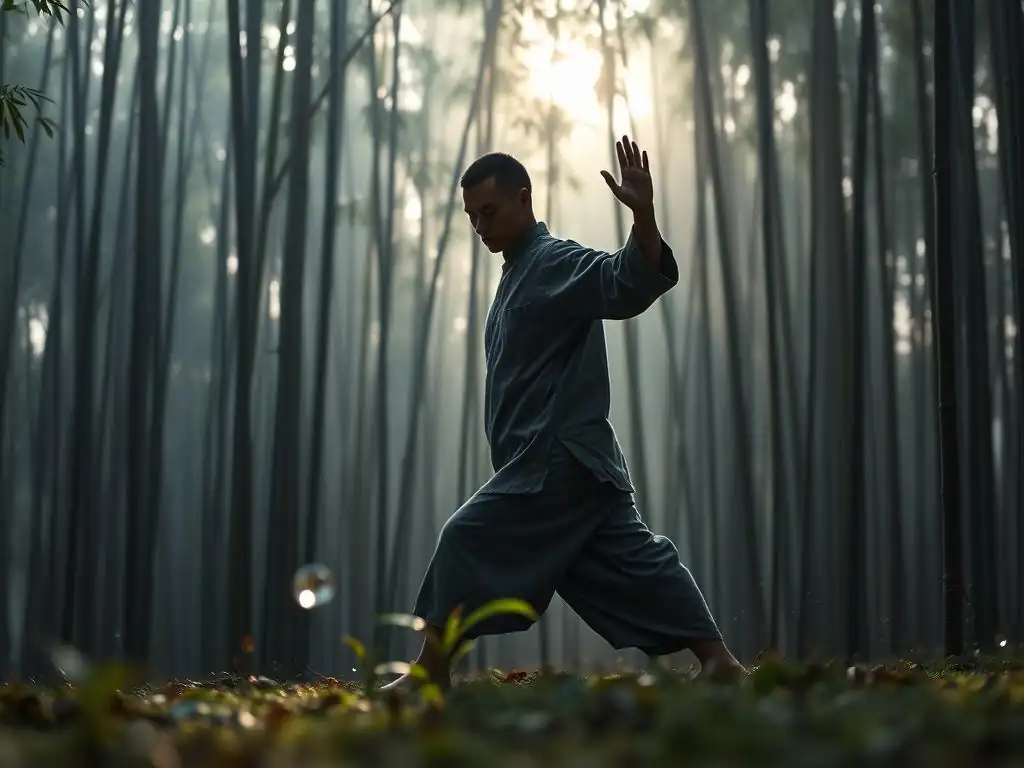
Embarking on a Qigong journey for anxiety relief is rewarding, but like any practice, it comes with potential challenges. Recognizing and addressing these obstacles can help you maintain consistency and deepen your experience. Common challenges include physical limitations, difficulty staying focused, and navigating the emotional releases that can sometimes occur during practice. Approach these challenges with patience and self-compassion, viewing them as opportunities for growth within your practice.
It's important to remember that Qigong is a process, not a quick fix. There will be days when you feel distracted, unmotivated, or when your anxiety seems heightened even after practice. This is normal. The key is to observe these moments without judgment and gently return to the principles of Qigong – breath, movement, and intention. Seeking guidance from a qualified Qigong instructor can be invaluable for navigating these challenges and refining your practice.
Overcoming Physical Limitations and Adapting Qigong Exercises
Physical limitations, whether due to age, injury, or chronic conditions, can sometimes feel like a barrier to practicing Qigong. However, most Qigong exercises are highly adaptable. The core principles of breath, intention, and energy flow can be applied even with minimal physical movement. For example, many standing forms can be performed while seated. Movements that involve bending or stretching can be modified to a smaller range of motion or replaced with visualizations.
If standing for long periods is difficult, focus on seated Qigong or lying-down practices. If certain movements are painful, skip them or perform a simplified version. The focus should always be on gentle, comfortable movement that promotes relaxation and energy flow, not on achieving perfect form or pushing through pain. Many Qigong instructors are skilled in providing modifications. Consulting with a healthcare provider or physical therapist before starting a new practice, especially with existing conditions, is also advisable to ensure safety and find appropriate adaptations.
Managing Distractions and Staying Focused During Qigong Practice
Distraction is a common challenge in any mindfulness or meditative practice, and Qigong is no exception. Anxious minds are particularly prone to wandering, pulled by worries, to-do lists, or external stimuli. When you notice your mind has drifted during Qigong practice, the key is not to judge yourself, but gently acknowledge the distraction and guide your attention back to your breath, your body, or the specific movement you are performing. This act of returning is the essence of mindfulness practice.
Creating a peaceful environment with minimal external distractions can help, but internal distractions will still arise. View thoughts not as obstacles, but as temporary visitors. You don't need to engage with them; simply observe them float by and return your focus to the physical sensations of the practice. Consistency builds focus; the more you practice bringing your attention back, the stronger your ability to concentrate will become. Even a few minutes of focused practice are more beneficial than a longer session where the mind is constantly racing.
Recognizing and Addressing Emotional Release During Qigong
As Qigong helps to release physical tension and clear energetic blockages, it's not uncommon for emotional releases to occur. You might experience sudden feelings of sadness, anger, fear, or even unexplained crying during or after practice. This is a natural and often beneficial part of the healing process, as pent-up emotions are allowed to surface and be released. While it can sometimes feel uncomfortable or intense, it is a sign that the practice is working on a deeper level to clear emotional stagnation associated with anxiety and other feelings.
If you experience emotional release, allow yourself to feel the emotions without judgment. Breathe deeply and continue with gentle movements or simply sit with the feeling. Visualize breathing in calm and breathing out the intensity of the emotion. If the emotions feel overwhelming, it's okay to pause your practice. Having a supportive friend, therapist, or Qigong instructor to talk to about these experiences can also be helpful. Over time, as you consistently practice Qigong for anxiety relief and emotional balance, these releases may become less intense, replaced by a greater sense of emotional freedom and resilience.
Conclusion: Embracing Qigong for a Calmer, More Balanced Life
Embracing Qigong as a regular practice offers a profound pathway to cultivating unshakeable calm and achieving greater inner peace. Its ancient principles, rooted in harmonizing breath, cultivating mindfulness through movement, channeling vital energy, and grounding oneself, provide a holistic framework for addressing the physical, mental, and emotional dimensions of anxiety. By engaging in gentle movements, focusing on deep, rhythmic breathing, and directing intention, practitioners can actively regulate their nervous system, quiet the racing mind, release stored tension, and promote a balanced flow of energy.
The benefits of consistent Qigong practice for anxiety reduction extend far beyond the moments spent practicing. Over time, regular engagement with Qigong can lead to a reduced baseline level of anxiety, improved sleep quality, enhanced emotional resilience, greater body awareness, and a deeper sense of connection to oneself and the present moment.
Studies, such as one published in BMC Complementary and Alternative Medicine in 2017, have demonstrated significant reductions in anxiety and improvements in mental health status among participants practicing Qigong. It is a sustainable, empowering practice that equips individuals with tangible tools to navigate the challenges of modern life with greater ease and tranquility.
The Long-Term Benefits of Qigong for Anxiety Reduction and Overall Mental Health
The long-term benefits of incorporating Qigong for anxiety relief into one's life are substantial and cumulative. Consistent practice helps to retrain the nervous system, shifting it towards a more relaxed, parasympathetic state, which reduces the frequency and intensity of the body's stress response. This physiological change contributes to lower levels of stress hormones like cortisol, improved cardiovascular health, and better digestive function, all of which can be negatively impacted by chronic anxiety.
Beyond the physical benefits, Qigong cultivates a mindful awareness that allows individuals to observe anxious thoughts and feelings without becoming overwhelmed by them. This detachment fosters a greater sense of emotional regulation and resilience. Regular practice can improve mood, increase feelings of vitality, and promote a more positive outlook on life. It empowers individuals by providing them with active strategies to manage their mental and emotional states, leading to increased self-efficacy and a greater sense of control over their well-being, ultimately contributing to robust overall mental health.
Continuing Your Qigong Journey: Resources and Further Exploration
Continuing your Qigong journey involves deepening your understanding and practice. While this article provides a foundation in Qigong for anxiety relief, working with a qualified Qigong instructor is highly recommended. An experienced teacher can provide personalized guidance, correct form, introduce more advanced techniques, and offer support in navigating the energetic and emotional aspects of the practice. Look for instructors certified by reputable Qigong or Tai Chi organizations.
Exploring different styles of Qigong may also be beneficial, as different forms emphasize various aspects (e.g., some focus more on physical health, others on emotional balance or spiritual development). Many online resources, including instructional videos and virtual classes, can make practice accessible. Reading books on Qigong philosophy and practice can also enrich your understanding. Remember that Qigong is a lifelong journey of cultivation. Be patient, be consistent, and trust in the profound wisdom of this ancient practice to guide you towards unshakeable calm and a more balanced, peaceful life.
Frequently Asked Questions
How does Qigong contribute to anxiety relief?
Qigong combines focused breathing, mindful movement, and meditation to regulate the nervous system. This helps reduce the physical symptoms of anxiety, such as a racing heart and shallow breathing, promoting a sense of calm.
What are the core principles of Qigong practice that promote inner peace?
Key principles include cultivating qi (vital energy) through specific postures, focusing on breath control, and achieving a state of mindfulness and presence. These elements work synergistically to balance energy and reduce stress.
How often should I practice Qigong to experience anxiety relief benefits?
Consistency is key. Even short, daily sessions of 15-20 minutes can significantly reduce anxiety levels. Aim for at least three times a week to start seeing noticeable improvements in your well-being.
Are there any specific Qigong exercises particularly effective for anxiety?
Yes, practices like the "Six Healing Sounds" and "Eight Brocades" are known for their calming effects. These exercises focus on specific organ systems and energy pathways, helping to release tension and promote relaxation.
Is Qigong a substitute for professional mental health treatment for anxiety?
While Qigong can be a valuable complementary practice for anxiety relief, it's not a replacement for professional help. If you're experiencing severe anxiety, it's crucial to consult with a qualified mental health professional for diagnosis and treatment.
Final Reflection: Finding Stillness in a Restless World
The pursuit of inner peace is no longer a luxury; it's a necessity in our increasingly frenetic world. The principles of Qigong, as explored throughout this article, offer a powerful antidote to the anxieties and stresses that permeate modern life. By cultivating mindful movement, breathwork, and a deeper connection with our bodies, we can unlock a reservoir of calm that transcends the chaos around us.
The impact of Qigong extends far beyond individual stress reduction; it offers a pathway to a more compassionate and resilient society. By fostering inner peace, we cultivate a greater capacity for empathy and understanding, qualities desperately needed in our interconnected world. As the ancient proverb states: Peace begins with me.
This simple yet profound statement underscores the ripple effect of inner calm, radiating outwards to touch the lives of those around us. It's a journey of self-discovery that ultimately contributes to a more harmonious collective experience.
Now, consider your own life. What small steps can you take today to integrate the principles of Qigong into your daily routine? Perhaps it's a few minutes of mindful breathing before starting your day, or a gentle Qigong flow in the evening to release tension. Start small, be consistent, and allow the transformative power of this ancient practice to unfold within you. Embrace the journey towards unshakeable calm – it's a gift you owe yourself, and a gift you'll share with the world.
Unlock Your Inner Calm: Start Your Qigong Journey Today!
Thank you for taking the time to explore the powerful world of Qigong and its benefits for inner peace. We hope you found practical insights and inspiration to cultivate a calmer, more centered you. Now, let's translate that knowledge into action!
- Begin your daily Qigong practice: Even 5 minutes a day can make a significant difference. Start with the simple exercises we outlined and gradually build from there. This is your foundational step towards unshakeable calm.
- Share your experience: Tell us – or a friend! – about your initial Qigong practice. What did you notice? What felt challenging or rewarding? Sharing your journey can deepen your understanding and inspire others.
- Explore additional resources: Dive deeper into the world of Qigong by researching other gentle movement practices or finding a local instructor. Discovering what resonates with you is key.
Ready to experience the transformative power of Qigong? What small step will you take today to cultivate more inner peace?