
Can Better Sleep Fight Anxiety? The Surprising Truth Revealed

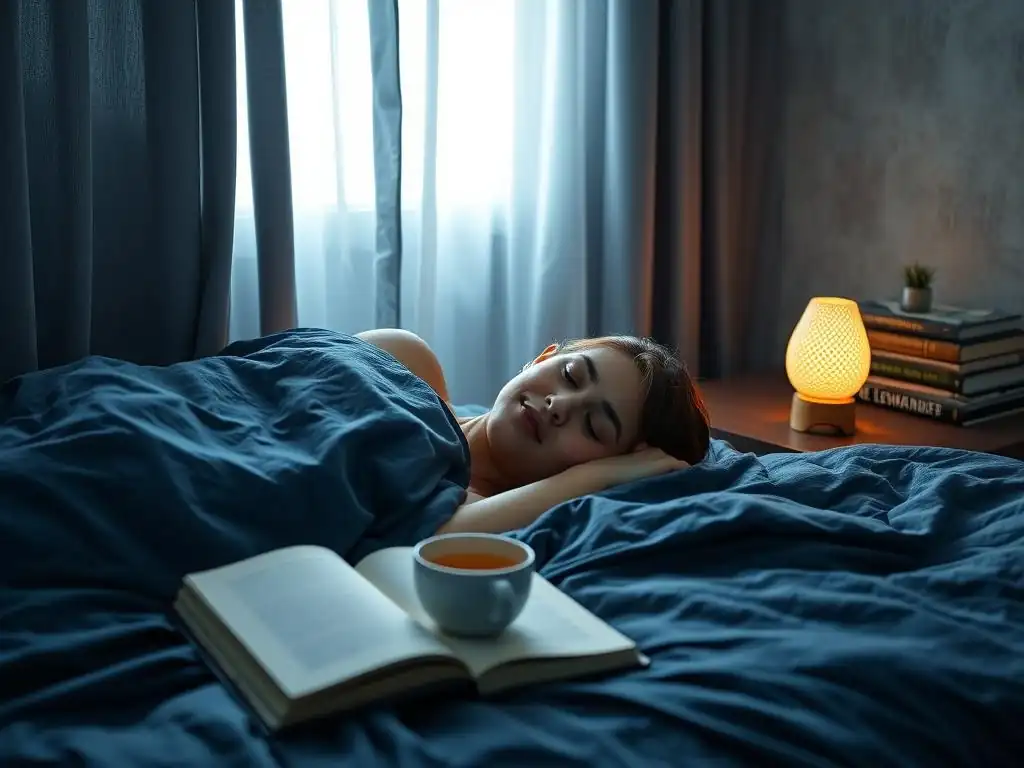
Welcome to Mind Care Guide, a supportive space dedicated to your mental well-being.
Ever feel trapped in a cycle where anxiety keeps you awake, and lack of sleep fuels your anxiety further? You're not alone. This guide dives deep into proven sleep anxiety relief strategies, offering practical solutions to break free from this challenging loop. Discover the surprising connection between sleep and anxiety, and learn how to reclaim your nights and your peace of mind. Intrigued? Let's explore the path to restful sleep and a calmer you.
- Can Better Sleep Fight Anxiety? The Surprising Truth Revealed: A Mind Care Guide
- Understanding the Sleep Anxiety Connection: An Overview
- Sleep Anxiety Relief Strategies Guide: Practical Techniques for Better Sleep
- Addressing Underlying Anxiety Disorders for Improved Sleep
- Beyond Sleep Hygiene: Advanced Sleep Anxiety Relief Techniques
- Long-Term Sleep Anxiety Management: Building Resilience
- The Future of Sleep and Anxiety Research: What's on the Horizon?
-
Frequently Asked Questions
- What is the connection between sleep and anxiety, according to the Mind Care Guide article?
- What specific strategies does the "Sleep Anxiety Relief Strategies Guide" from Mind Care Guide recommend for improving sleep?
- How does the "Sleep Anxiety Relief Strategies Guide" from Mind Care Guide define "sleep anxiety"?
- Is the "Sleep Anxiety Relief Strategies Guide" from Mind Care Guide a replacement for professional mental health treatment?
- Where can I find the full "Sleep Anxiety Relief Strategies Guide" on the Mind Care Guide website?
- Final Reflection: The Untapped Power of Sleep in Anxiety Relief
- Unlock Your Calm: Take Control of Your Sleep & Anxiety
Can Better Sleep Fight Anxiety? The Surprising Truth Revealed: A Mind Care Guide
Sleep and anxiety are deeply intertwined, forming a complex relationship that can significantly impact overall mental well-being. For many, a restless night is not just uncomfortable but a direct contributor to heightened anxiety the following day. Conversely, anxious thoughts and worries often make it difficult to fall asleep or stay asleep, creating a challenging cycle. Understanding this connection is the first step toward finding effective strategies for sleep anxiety relief. This guide explores how improving sleep quality can indeed be a powerful tool in managing anxiety.
Navigating the challenges of sleep anxiety requires a comprehensive approach that addresses both the sleep disturbances and the underlying anxious feelings. By implementing targeted sleep anxiety relief strategies, individuals can break the negative cycle and foster a more peaceful state of mind, both day and night. This involves not only adopting better sleep habits but also understanding the psychological and physiological factors at play.
Understanding the Sleep Anxiety Connection: An Overview
The link between sleep and anxiety is well-established in mental health research. It's not merely a coincidence that many people experiencing anxiety also report sleep difficulties. This section delves into the nature of sleep anxiety, how it manifests, and the intricate relationship between poor sleep and heightened anxiety levels.
Exploring this connection provides crucial context for developing effective sleep anxiety relief strategies. By understanding the root causes and mechanisms, individuals can approach their sleep and anxiety challenges with greater insight and purpose, paving the way for meaningful improvement.
What is Sleep Anxiety and How Does It Manifest?
Sleep anxiety, often referred to as somniphobia or sleep-related anxiety, is a condition characterized by excessive worry or fear surrounding sleep itself. This isn't just difficulty sleeping; it's a specific anxiety about the act of trying to sleep, the potential consequences of not sleeping enough, or even fear of what might happen while asleep (like nightmares or sleep paralysis). It manifests in various ways, often beginning hours before bedtime.
Individuals might experience racing thoughts about sleep failure, physical tension, restlessness, or a feeling of dread as bedtime approaches. This anticipatory anxiety makes it harder to relax and fall asleep, ironically bringing about the very outcome they fear. For example, someone might lie in bed replaying worries about not getting the recommended 7-9 hours of sleep, calculating how little time is left, and stressing about how tired they will feel tomorrow, all of which keeps them wide awake. This intense focus on sleep can make the process feel like a performance, adding pressure and increasing anxiety.
The Vicious Cycle: Anxiety Causing Sleep Problems, Sleep Problems Fueling Anxiety
This relationship is often described as a vicious cycle. Anxiety can activate the body's stress response, making it difficult to quiet the mind and relax enough to fall asleep. Worries about work, relationships, or finances can keep thoughts spinning, preventing the transition into sleep stages. Approximately 50% of adults with Generalized Anxiety Disorder (GAD) report significant sleep disturbances. This difficulty initiating or maintaining sleep then leads to sleep deprivation, which, in turn, exacerbates anxiety symptoms.
Lack of sleep impairs the prefrontal cortex, the part of the brain responsible for regulating emotions and executive functions, while increasing activity in the amygdala, the brain's fear center. This neurological shift makes individuals more susceptible to stress, more prone to worry, and less able to cope with daily challenges, thereby intensifying anxiety. A study published in Nature Human Behaviour in 2019 demonstrated that just one night of sleep deprivation significantly increased anxiety levels, highlighting the direct impact of poor sleep on emotional regulation. Breaking this cycle is a primary goal of effective sleep anxiety relief strategies.
The Science Behind Sleep and Anxiety: Neurotransmitters and Hormones
The intricate biological link between sleep and anxiety involves several key neurotransmitters and hormones. Neurotransmitters like Gamma-aminobutyric acid (GABA), which has a calming effect on the nervous system, are crucial for both sleep induction and anxiety regulation. Sleep deprivation has been shown to reduce GABA receptor activity, potentially contributing to increased neural excitability and anxiety. Conversely, sufficient sleep helps maintain healthy levels and function of these calming chemicals.
Hormones also play a significant role. Cortisol, often called the stress hormone, typically follows a natural circadian rhythm, being higher in the morning and lower at night. However, chronic anxiety and poor sleep can disrupt this rhythm, leading to elevated cortisol levels, particularly at night, which further interferes with sleep and perpetuates a state of physiological stress. Melatonin, the hormone that regulates the sleep-wake cycle, is also affected; stress and anxiety can inhibit its production. Understanding these biological pathways underscores why improving sleep is a fundamental component of any comprehensive approach to managing anxiety.
Sleep Anxiety Relief Strategies Guide: Practical Techniques for Better Sleep

Implementing practical strategies is essential for breaking the cycle of sleep anxiety. This section provides a comprehensive sleep anxiety relief strategies guide, offering actionable techniques designed to improve sleep quality and reduce nighttime anxiety. These strategies range from establishing calming pre-sleep routines to optimizing your physical sleep space.
By focusing on these tangible steps, individuals can regain a sense of control over their sleep and anxiety, moving towards more restful nights and calmer days. Consistency in applying these techniques is key to their effectiveness in providing lasting sleep anxiety relief.
Creating a Relaxing Bedtime Routine for Anxiety Reduction
A consistent and calming bedtime routine signals to your body and mind that it's time to wind down and prepare for sleep. This ritual helps create a clear transition between the day's activities and rest, reducing the mental arousal often associated with anxiety. Aim for a routine that lasts 30 to 60 minutes before your target bedtime.
Examples of activities include reading a physical book (not on a backlit device), listening to quiet music, taking a warm bath, or engaging in gentle stretching. The goal is to lower your heart rate and calm your thoughts. Avoid engaging in stressful activities like paying bills, working, or discussing contentious topics during this time. Making this routine a non-negotiable part of your evening can significantly contribute to effective sleep anxiety relief.
The Power of Mindfulness and Meditation Before Sleep
Incorporating mindfulness or meditation into your bedtime routine can be particularly effective for sleep anxiety relief. These practices help to anchor you in the present moment, reducing the tendency for your mind to race with anxious thoughts about the past or future. Even just 5-10 minutes of focused breathing or a guided meditation can make a difference.
Mindfulness involves paying attention to your breath or bodily sensations without judgment. Meditation techniques specifically designed for sleep often guide you through body scans or visualizations to promote relaxation. A study published in JAMA Internal Medicine found that mindfulness meditation training improved sleep quality in older adults with moderate sleep disturbances. By calming the nervous system, these practices create a more conducive state for falling asleep and are valuable sleep anxiety relief strategies.
Limiting Screen Time and Blue Light Exposure Before Bed
Electronic devices like phones, tablets, and computers emit blue light, which can interfere with the body's production of melatonin, the sleep-regulating hormone. Exposure to blue light before bed can make it harder to fall asleep and disrupt the natural sleep-wake cycle, exacerbating sleep anxiety. It is widely recommended to avoid screens for at least one hour, preferably two, before bedtime.
Instead of scrolling through social media or watching TV in bed, choose activities that promote relaxation, as mentioned in the bedtime routine section. If you must use a screen in the evening, consider using blue light filtering glasses or activating the night mode on your device, although complete avoidance is the most effective approach for optimal sleep and reduced anxiety. This simple habit change is a practical component of sleep anxiety relief strategies.
Incorporating Gentle Stretching or Yoga for Relaxation
Gentle physical activity, such as light stretching or restorative yoga poses, can help release physical tension that often accompanies anxiety, making it easier to relax before sleep. These activities should be slow and deliberate, focusing on breath and gentle movement rather than strenuous exercise, which can be stimulating.
Simple stretches like a child's pose, gentle twists, or lying on your back with knees to chest can help soothe the nervous system. The combination of mindful movement and controlled breathing inherent in these practices promotes relaxation and reduces muscle tightness, contributing to a more restful state. Integrating gentle movement is a beneficial addition to any sleep anxiety relief strategies guide.
Optimizing Your Sleep Environment for Anxiety
The environment in which you sleep plays a crucial role in the quality of your rest. A bedroom that is not conducive to sleep can heighten anxiety and make it harder to fall and stay asleep. Optimizing your sleep space is a key component of effective sleep anxiety relief strategies.
Making deliberate choices about temperature, light, noise, and comfort can create a sanctuary that promotes relaxation and reduces nighttime awakenings. Even small adjustments to your bedroom can have a significant impact on both your sleep quality and your ability to manage anxiety.
Creating a Dark, Quiet, and Cool Sleep Sanctuary
The ideal sleep environment is dark, quiet, and cool. Darkness is essential for melatonin production; even small amounts of light can disrupt it. Use blackout curtains or an eye mask to block out external light sources. Noise can be a significant disruptor for anxious minds, making every creak or distant sound seem amplified. Ensure your room is as quiet as possible, perhaps using earplugs if necessary.
Temperature is also critical. Most sleep experts recommend keeping the bedroom temperature between 60 and 67 degrees Fahrenheit (about 15-19 degrees Celsius). A slightly cooler environment helps lower your core body temperature, which is a natural part of the sleep process. Creating this optimal sleep sanctuary is a fundamental step in implementing sleep anxiety relief strategies.
The Importance of a Comfortable Mattress and Pillows
Your physical comfort is paramount for restful sleep. An uncomfortable mattress or pillows can lead to tossing and turning, physical aches, and fragmented sleep, all of which can worsen anxiety. While purchasing new bedding might be an investment, it's an investment in your health and sleep quality.
Ensure your mattress provides adequate support for your body and your pillows align your neck and spine properly. Personal preference plays a role, but addressing physical discomfort is a practical way to remove barriers to sleep and improve the effectiveness of your sleep anxiety relief strategies. Consider the age and condition of your current bedding and replace items that are no longer providing adequate support or comfort.
Using White Noise or Nature Sounds to Mask Anxiety-Provoking Thoughts
For some individuals, the silence of a dark room can amplify anxious thoughts. In such cases, using white noise, pink noise, brown noise, or nature sounds (like rain or ocean waves) can help. These consistent, low-level sounds can mask sudden noises that might startle you awake and can also provide a gentle distraction from internal rumination.
Many people find that a consistent sound helps their mind settle and prevents it from focusing on worries. There are numerous apps, machines, and online resources available that provide a variety of soothing sounds. Experiment to find what works best for you, making this a potentially effective element of your sleep anxiety relief strategies guide.
Cognitive Behavioral Therapy for Insomnia (CBT-I) and Anxiety
Cognitive Behavioral Therapy for Insomnia (CBT-I) is considered the gold standard non-pharmacological treatment for chronic insomnia and is highly effective for individuals whose sleep problems are intertwined with anxiety. CBT-I addresses the thoughts and behaviors that interfere with sleep, working to break the negative associations between bedtime and anxiety. It is a structured program, often delivered over several sessions.
Unlike simply taking sleeping pills, CBT-I provides long-lasting skills to manage sleep difficulties. Its components include identifying and challenging dysfunctional beliefs about sleep, implementing stimulus control techniques, and sometimes employing sleep restriction therapy. Research consistently shows that CBT-I is effective, with studies indicating significant improvements in sleep onset latency (time to fall asleep) and total sleep time, often surpassing the results of sleep medications in the long term. It is a powerful tool within a comprehensive approach to sleep anxiety relief strategies.
Identifying and Challenging Anxious Thoughts Related to Sleep
A core component of CBT-I is identifying and challenging the anxious thoughts that surround sleep. These might include catastrophic thinking ("If I don't sleep tonight, I won't be able to function tomorrow"), rigid rules ("I must get 8 hours of sleep"), or worry about the consequences of insomnia. Therapists help individuals recognize these thoughts as often exaggerated or unhelpful.
Once identified, the next step is to challenge their validity and replace them with more balanced and realistic perspectives. For example, instead of "I won't be able to function," a more balanced thought might be "Even if I sleep poorly, I have coped before, and I can manage tomorrow." This cognitive restructuring helps reduce the emotional intensity tied to sleep, a vital step in implementing sleep anxiety relief strategies.
Stimulus Control Techniques for Improved Sleep
Stimulus control is another key element of CBT-I. The goal is to strengthen the association between your bed and sleep, and weaken the association between your bed and wakefulness/anxiety. This involves a set of strict rules designed to limit time spent awake in bed.
Key principles include:
- Go to bed only when you are sleepy.
- Use the bed only for sleep and intimacy (no reading, watching TV, or worrying).
- If you cannot fall asleep after about 20 minutes, get out of bed and go to another room. Engage in a quiet, non-stimulating activity in dim light until you feel sleepy, then return to bed.
- If you still don't fall asleep after 20 minutes, repeat the process.
- Wake up at the same time every morning, regardless of how much sleep you got.
- Avoid napping during the day.
These rules, while challenging initially, help retrain your brain to associate the bed with sleep, significantly improving sleep efficiency and providing effective sleep anxiety relief.
Sleep Restriction Therapy: Re-establishing a Healthy Sleep Schedule
Sleep restriction therapy, another component of CBT-I, involves temporarily restricting the time spent in bed to the actual amount of time you estimate you are sleeping. For example, if you believe you only sleep about 5 hours per night, you might be instructed to spend only 5.5 hours in bed initially. This method intentionally causes mild sleep deprivation, which builds sleep drive (or "sleep pressure").
As sleep efficiency improves (spending a higher percentage of time in bed actually sleeping), the time allowed in bed is gradually increased in small increments (e.g., 15-30 minutes). This process helps consolidate sleep, reduce nighttime awakenings, and re-establish a consistent sleep schedule. Although counterintuitive and potentially challenging in the short term, sleep restriction is a powerful technique for rebuilding confidence in your ability to sleep and is a core part of the sleep anxiety relief strategies guide within CBT-I.
Lifestyle Changes for Sleep and Anxiety Management
Beyond specific sleep techniques, broader lifestyle choices significantly impact both sleep quality and anxiety levels. Integrating healthy habits into your daily routine can create a foundation that supports restful sleep and a calmer mind. These changes are complementary to targeted sleep anxiety relief strategies and enhance their effectiveness.
Adjustments to diet, exercise habits, and the management of stimulants can have a profound positive effect on the sleep-anxiety cycle. Making sustainable changes in these areas contributes to long-term well-being.
The Role of Diet and Nutrition in Promoting Sleep and Reducing Anxiety
What you eat and when you eat can influence both your sleep and anxiety. Avoiding heavy meals close to bedtime (within 2-3 hours) can prevent digestive discomfort that disrupts sleep. Certain nutrients are also linked to sleep and mood. For instance, foods rich in magnesium (like leafy greens, nuts, and seeds) or tryptophan (found in turkey, dairy, and nuts), which is a precursor to serotonin and melatonin, may support better sleep.
Maintaining stable blood sugar levels by avoiding excessive sugar intake can also prevent energy crashes and irritability that exacerbate anxiety. While diet alone isn't a magic bullet, making mindful food choices throughout the day is a supportive measure within comprehensive sleep anxiety relief strategies. Ensuring adequate hydration is also important, but limit fluids close to bedtime to reduce nighttime bathroom trips.
The Benefits of Regular Exercise for Sleep and Mental Health
Regular physical activity is a powerful tool for managing both anxiety and insomnia. Exercise helps reduce stress hormones like cortisol and increases endorphins, which have mood-boosting effects. It can also improve sleep quality by reducing the time it takes to fall asleep and increasing the amount of deep sleep.
Aim for at least 30 minutes of moderate-intensity exercise most days of the week. However, timing is important; avoid vigorous exercise within 2-3 hours of bedtime, as it can be stimulating. Morning or afternoon workouts are generally best for promoting sleep later that night. Incorporating regular physical activity is a highly recommended component of any sleep anxiety relief strategies guide.
Managing Caffeine and Alcohol Intake for Better Sleep Quality
Caffeine is a stimulant that can significantly interfere with sleep, especially when consumed in the afternoon or evening. Its effects can last for several hours. Limiting caffeine intake, particularly after midday, is a crucial step for individuals struggling with sleep anxiety. Some sensitive individuals may need to cut off caffeine even earlier in the day.
Alcohol, while it might initially make you feel sleepy, actually disrupts sleep later in the night. It fragments sleep, reduces REM sleep, and can lead to early morning awakenings. Reducing or eliminating alcohol consumption, especially in the hours before bed, is vital for improving sleep quality and is a key consideration among effective sleep anxiety relief strategies.
Addressing Underlying Anxiety Disorders for Improved Sleep
For many, sleep anxiety is not just about poor habits but is deeply connected to an underlying anxiety disorder. While implementing sleep anxiety relief strategies is beneficial, addressing the root cause of the anxiety is often necessary for significant and lasting improvement in sleep. This section explores the link between specific anxiety disorders and sleep disturbances and highlights the importance of professional help.
Recognizing that sleep problems might be a symptom of a broader issue is a critical step. Effective treatment for the underlying anxiety disorder can often lead to significant improvements in sleep quality, reinforcing the power of a holistic approach to mental well-being.
Recognizing the Signs and Symptoms of Generalized Anxiety Disorder (GAD) and its Impact on Sleep
Generalized Anxiety Disorder (GAD) is characterized by excessive worry about everyday things, often disproportionate to the actual likelihood of the event. This persistent, uncontrollable worry is a hallmark symptom and has a direct impact on sleep. People with GAD often report difficulty falling asleep because their minds are racing with worries, or they wake up repeatedly during the night, unable to quiet their thoughts.
Other symptoms of GAD include restlessness, fatigue, difficulty concentrating, irritability, muscle tension, and sleep disturbances. If excessive worry and sleep problems are persistent and interfere with daily life for six months or more, it's important to consider GAD as a potential underlying issue. Studies show that between 60-70% of individuals with GAD experience insomnia symptoms. Recognizing these signs is the first step toward seeking appropriate help and implementing targeted sleep anxiety relief strategies that address the root cause.
Exploring Treatment Options for Anxiety: Therapy and Medication
Addressing an underlying anxiety disorder typically involves evidence-based treatments such as psychotherapy and/or medication. Cognitive Behavioral Therapy (CBT) is a highly effective form of therapy for GAD and other anxiety disorders. CBT helps individuals identify and change negative thought patterns and behaviors that contribute to anxiety. It often includes techniques for managing worry and developing coping skills.
Medications, such as selective serotonin reuptake inhibitors (SSRIs) or serotonin-norepinephrine reuptake inhibitors (SNRIs), may also be prescribed to help manage anxiety symptoms. These medications work by affecting neurotransmitters in the brain that regulate mood and anxiety. A healthcare professional can determine the most appropriate treatment plan based on an individual's specific needs and the severity of their anxiety. Combining effective anxiety treatment with sleep anxiety relief strategies often yields the best results.
The Importance of Seeking Professional Help for Chronic Sleep Anxiety
If sleep anxiety is chronic, significantly impacting your quality of life, or you suspect it's linked to an underlying mental health condition, seeking professional help is crucial. A doctor or mental health professional can provide an accurate diagnosis and recommend the most effective course of action. This might involve a referral for CBT-I, therapy for an anxiety disorder, or evaluation for other potential sleep disorders.
Trying to manage chronic sleep anxiety solely through self-help strategies can be frustrating and may delay effective treatment. Professionals can offer personalized sleep anxiety relief strategies, therapeutic support, and medical interventions if necessary. Do not hesitate to reach out; expert guidance is invaluable in navigating complex sleep and anxiety issues.
Beyond Sleep Hygiene: Advanced Sleep Anxiety Relief Techniques

While establishing good sleep hygiene and utilizing CBT-I principles are foundational, some individuals may benefit from exploring more advanced techniques that specifically target the physiological and psychological aspects of anxiety before sleep. These methods often require practice and patience but can offer additional layers of sleep anxiety relief.
These techniques delve deeper into the mind-body connection, aiming to calm the nervous system and reduce the physical symptoms that often accompany pre-sleep anxiety. They complement other sleep anxiety relief strategies by providing alternative ways to induce relaxation and manage stress.
Progressive Muscle Relaxation (PMR) for Anxiety and Insomnia
Progressive Muscle Relaxation (PMR) is a technique that involves tensing and then releasing different muscle groups in the body, one by one. The goal is to become more aware of the sensation of tension and relaxation, and to release physical stress. Anxiety often manifests as muscle tension, which can make it hard to get comfortable and relax in bed.
Practicing PMR before sleep can help alleviate this physical tension, making it easier for the body to settle down. By systematically working through muscle groups from your toes to your head, you can actively reduce the physical symptoms of anxiety. With regular practice, individuals can learn to recognize and release tension more readily, making PMR a valuable tool in their sleep anxiety relief strategies.
Autogenic Training for Calming the Nervous System
Autogenic Training is a relaxation technique that uses verbal cues or phrases to evoke feelings of warmth, heaviness, and calmness in different parts of the body. Developed by German psychiatrist Johannes Heinrich Schultz, it is based on the idea that the mind can influence bodily functions. For example, you might repeat phrases like "My arms are heavy" or "My breathing is calm and regular."
This technique aims to activate the parasympathetic nervous system, which is responsible for the body's "rest and digest" state, counteracting the "fight or flight" response associated with anxiety. By focusing on these calming sensations, you can reduce physiological arousal and create a more relaxed state conducive to sleep. Autogenic Training can be a powerful addition to a person's repertoire of sleep anxiety relief strategies.
Biofeedback Therapy for Controlling Physiological Responses to Anxiety
Biofeedback therapy uses electronic sensors to monitor physiological signals such as heart rate, muscle tension, skin temperature, and brainwave activity. This information is then fed back to the individual in real-time, allowing them to see how their body responds to stress and anxiety. Through guided practice, individuals learn to consciously control these responses.
For example, someone might see their heart rate decrease on a monitor as they practice deep breathing. Over time, this training helps individuals gain greater control over their body's stress response, reducing the physical symptoms of anxiety that interfere with sleep. While often requiring specialized equipment and a trained therapist, biofeedback can be a very effective, albeit more advanced, component of sleep anxiety relief strategies for some individuals.
Long-Term Sleep Anxiety Management: Building Resilience
Effective sleep anxiety relief is not just about implementing techniques in the short term; it's about building long-term resilience against both sleep disturbances and anxiety itself. This involves cultivating sustainable habits and a mindset that supports overall mental well-being.
Focusing on ongoing self-care and developing robust coping mechanisms helps individuals maintain the gains made through specific sleep anxiety relief strategies and navigate future challenges with greater ease. Building resilience is key to breaking the chronic nature of the sleep-anxiety cycle.
Developing Coping Mechanisms for Stress and Anxiety
Learning healthy ways to cope with daily stress and anxiety is fundamental to preventing sleep problems from recurring. This involves identifying your personal stressors and developing a toolkit of strategies to manage them effectively during the day, preventing them from spilling over into bedtime worries.
Effective coping mechanisms can include journaling, talking to a trusted friend or therapist, engaging in hobbies, spending time in nature, or practicing relaxation techniques throughout the day, not just before bed. Proactive stress management reduces the overall burden of anxiety, making sleep anxiety relief strategies more effective and sustainable in the long run.
Practicing Self-Compassion and Acceptance
Struggling with sleep anxiety can be incredibly frustrating and can lead to negative self-talk ("Why can't I just sleep?"). Practicing self-compassion involves treating yourself with the same kindness and understanding you would offer a friend facing similar difficulties. Acknowledge that sleep anxiety is a genuine challenge, not a personal failing.
Acceptance doesn't mean resignation; it means acknowledging your current experience without excessive judgment or resistance. Paradoxically, sometimes the effort to force sleep can increase anxiety. Learning to accept a sleepless night without catastrophic thinking can reduce the pressure and make it easier to eventually fall asleep. Cultivating self-compassion and acceptance is a powerful mindset shift that supports all sleep anxiety relief strategies.
Maintaining a Consistent Sleep Schedule for Optimal Mental Well-being
One of the most impactful long-term strategies for both sleep and anxiety is maintaining a consistent sleep schedule, even on weekends. Going to bed and waking up around the same time helps regulate your body's internal clock (circadian rhythm). A stable circadian rhythm is crucial for consistent melatonin production and promotes more consolidated, restful sleep.
While it might be tempting to sleep in after a poor night, doing so can disrupt the rhythm and make it harder to sleep the following night. Consistency reinforces the natural sleep-wake cycle, reducing the physiological uncertainty that can feed anxiety. Adhering to a regular schedule is a cornerstone of effective, long-term sleep anxiety relief strategies and contributes significantly to overall mental well-being.
The Future of Sleep and Anxiety Research: What's on the Horizon?
The scientific understanding of the intricate relationship between sleep and anxiety continues to evolve. Researchers are constantly exploring new avenues for treatment and intervention, aiming to develop even more targeted and effective sleep anxiety relief strategies. The future holds promise for personalized approaches and innovative technologies.
Continued research is vital for refining our understanding of the underlying mechanisms and developing interventions that can truly break the complex cycle of sleep and anxiety for a wider range of individuals. This ongoing work is essential for advancing the field of sleep anxiety relief.
Emerging Therapies and Technologies for Sleep Anxiety Relief
Research is exploring various emerging therapies and technologies. For example, studies are investigating the potential of digital therapeutics, such as apps and online platforms, to deliver accessible CBT-I and other sleep anxiety relief strategies remotely. These tools could significantly increase access to effective treatment.
Furthermore, technologies like transcranial magnetic stimulation (TMS) or neurofeedback (a specific type of biofeedback focused on brainwaves) are being studied for their potential to modulate brain activity associated with both anxiety and sleep regulation. While still largely experimental for sleep anxiety, these represent potential future directions in treatment. The development of more sophisticated wearable devices to track sleep patterns and provide real-time feedback is also enabling more personalized interventions.
Personalized Approaches to Sleep and Mental Health
Recognizing that sleep and anxiety issues are highly individual, the future of treatment is moving towards more personalized approaches. Instead of a one-size-fits-all model, interventions may be tailored based on an individual's specific sleep patterns, type of anxiety, genetic predispositions, and lifestyle factors.
Genetic research is beginning to uncover specific gene variations that might influence sleep architecture or anxiety susceptibility, potentially leading to more targeted interventions. Personalized sleep anxiety relief strategies could involve customized CBT-I protocols, specific dietary recommendations based on individual needs, or exercise plans optimized for their unique physiology. This tailored approach promises to improve treatment outcomes.
The Importance of Continued Research and Education on Sleep and Anxiety
Continued investment in research is paramount to deepening our understanding of the complex biological and psychological interplay between sleep and anxiety. Further studies are needed to refine existing sleep anxiety relief strategies, identify new therapeutic targets, and understand long-term outcomes.
Equally important is ongoing public and professional education. Raising awareness about the critical link between sleep and mental health helps individuals recognize their symptoms and seek help earlier. Educating healthcare professionals on effective, evidence-based sleep anxiety relief strategies ensures that individuals receive the best possible care. The future of sleep and anxiety management relies heavily on these combined efforts.
Disclaimer: This article provides general information and is not a substitute for professional medical or psychological advice. If you are experiencing chronic sleep difficulties or anxiety, please consult with a qualified healthcare provider.
Frequently Asked Questions
What is the connection between sleep and anxiety, according to the Mind Care Guide article?
The article explores the connection, revealing that better sleep can significantly impact anxiety levels. It suggests that improved sleep patterns can be a powerful tool in managing anxiety symptoms. This is because sleep deprivation can worsen anxiety.
What specific strategies does the "Sleep Anxiety Relief Strategies Guide" from Mind Care Guide recommend for improving sleep?
While this is a guide, the article hints at strategies like establishing a consistent sleep schedule and creating a relaxing bedtime routine. It likely also covers techniques for managing thoughts that keep you awake.
How does the "Sleep Anxiety Relief Strategies Guide" from Mind Care Guide define "sleep anxiety"?
The guide probably defines sleep anxiety as the worry and fear associated with falling asleep or staying asleep. This anxiety can manifest as racing thoughts or physical symptoms like a racing heart.
Is the "Sleep Anxiety Relief Strategies Guide" from Mind Care Guide a replacement for professional mental health treatment?
No, the article and the guide likely emphasize that it is not a substitute. It's a resource to complement professional help, not replace it. Seeking therapy or medical advice is still crucial for severe anxiety.
Where can I find the full "Sleep Anxiety Relief Strategies Guide" on the Mind Care Guide website?
You'll likely find it within the mental well-being section of the website, possibly under a category specifically addressing anxiety or sleep disorders. Use the site's search function if needed.
Final Reflection: The Untapped Power of Sleep in Anxiety Relief
The fight against anxiety is a multifaceted battle, and often, the most potent weapon lies in the seemingly simple act of sleep. Ignoring the crucial role of restorative rest in mental well-being is a critical oversight, leaving countless individuals struggling unnecessarily. This article has explored the intricate connection between sleep and anxiety, revealing the surprising truth that improving sleep quality can significantly alleviate anxiety symptoms.
The impact of sleep deprivation on our mental health is profound and far-reaching. It's not just about feeling tired; it's about impacting our emotional regulation, cognitive function, and overall resilience. Sleep is that golden chain that ties health and our bodies together.
– Thomas Dekker. This quote highlights the fundamental role sleep plays in our overall well-being, a role often underestimated in the face of mental health challenges. The ongoing conversation surrounding anxiety needs to prioritize sleep hygiene and quality as a cornerstone of effective treatment and self-care.
Now, consider your own sleep habits. Are you prioritizing sufficient, quality rest? This article isn't just a collection of facts; it's a call to action. Take the time to assess your sleep patterns, identify potential disruptions, and implement the strategies discussed. By making conscious choices to improve your sleep, you're not just addressing a symptom; you're actively investing in your mental and emotional health, building a stronger foundation for a life less burdened by anxiety. Start tonight. Your mind and body will thank you.
Unlock Your Calm: Take Control of Your Sleep & Anxiety
Thanks for taking the time to explore the connection between sleep and anxiety with us! We hope you gained valuable insights into how improving your sleep can significantly impact your mental well-being. Ready to put this knowledge into action?
- Prioritize a consistent sleep schedule: Even small changes, like going to bed and waking up at the same time each day, can make a big difference. This is your primary step towards calmer days and more restful nights.
- Share this article: Spread the word! Let your friends and family know about the powerful impact of sleep on anxiety. Help them unlock their calm too.
- Try a relaxing bedtime ritual: Experiment with a warm bath, calming music, or a short meditation session to help you wind down before bed. What unexpected relaxation techniques will you discover?
Ready to embrace better sleep and experience the transformative power of a calmer you? What small change will you implement tonight?