
Boost Your Energy Levels Naturally: Qigong for Combating Fatigue and Low Mood


Welcome to Mind Care Guide, a sanctuary for your mental well-being.
Feeling drained and struggling to find your inner spark? You're not alone. Discover how Qigong boost energy levels naturally, offering a gentle yet powerful path to combat fatigue and low mood. Curious to learn how this ancient practice can revitalize your mind and body? Let's explore the invigorating world of Qigong together...
Boost Your Energy Levels Naturally: Qigong for Combating Fatigue and Low Mood
- Introduction: Discover Qigong for Natural Energy Enhancement
- What is Qigong and How Does it Work?
- Qigong to Boost Energy Levels: Specific Techniques for Fatigue
- Qigong for Mood Elevation: Alleviating Low Mood and Depression Symptoms
- Integrating Qigong into Your Daily Routine for Sustained Energy
- The Science Behind Qigong: Research and Evidence
- Precautions and Considerations for Practicing Qigong
- Conclusion: Embrace Qigong for a More Energetic and Balanced Life
-
Frequently Asked Questions
- What is Qigong and how can it help with energy levels?
- How does Qigong differ from other forms of exercise in boosting energy?
- How often should I practice Qigong to notice a difference in my energy levels and mood?
- Can Qigong be practiced by anyone, regardless of age or physical condition?
- Where can I find resources to learn Qigong and start practicing?
- Final Reflection: Unlocking Inner Energy: Qigong's Enduring Power
- Unleash Your Inner Energy: Start Your Qigong Journey Today!
Introduction: Discover Qigong for Natural Energy Enhancement
Understanding the Connection Between Energy, Mood, and Qigong
The intricate link between our physical energy levels and our emotional state is undeniable. When we feel physically drained, our mood often suffers, leading to irritability, lack of motivation, and even symptoms of low mood or depression. Conversely, persistent low mood can manifest as physical fatigue, creating a challenging cycle. Traditional Chinese medicine offers a powerful approach to breaking this cycle through practices like Qigong, which focus on cultivating and balancing the body's vital energy, known as Qi. By addressing energy blockages and promoting smooth energy flow, Qigong aims to improve both physical vitality and emotional well-being.
Qigong, an ancient mind-body practice, recognizes that energy (Qi) is fundamental to both physical health and mental clarity. When Qi is stagnant or deficient, it can contribute to feelings of tiredness, lethargy, and emotional imbalance. Practices designed to help Qigong boost energy levels work by gently moving the body, coordinating breath, and focusing the mind, thereby clearing blockages and enhancing the circulation of vital energy. This natural approach can offer a sustainable path toward reducing fatigue and lifting spirits, providing a sense of renewed vitality.
Mental Wellness Guide: Your Resource for Holistic Mental Well-being
Navigating the path to mental wellness often involves exploring various tools and techniques that support not just the mind, but the whole person. A comprehensive mental wellness guide encompasses diverse approaches, from therapeutic interventions and mindfulness practices to physical activities and energy cultivation methods like Qigong. Understanding how different elements contribute to overall health is key to building resilience against challenges like fatigue and low mood.
Our guide is designed to provide information and resources on holistic practices that complement traditional mental health support. We explore how disciplines such as Qigong can serve as valuable components of a well-rounded self-care strategy. By integrating practices that promote energy balance and emotional regulation, individuals can take proactive steps to enhance their mental and physical resilience, finding natural ways to combat common issues like persistent tiredness and emotional ups and downs.
What is Qigong and How Does it Work?
Defining Qigong: Ancient Chinese Energy Cultivation
Qigong (pronounced "chee-gong") is an ancient Chinese practice rooted in the principles of traditional Chinese medicine. Its name translates roughly to "cultivating vital energy," with "Qi" referring to the life force or energy that flows through the body, and "gong" meaning skill or cultivation. For thousands of years, Qigong has been practiced as a way to improve health, increase longevity, and harmonize the mind and body. It encompasses a wide range of exercises, including gentle movements, static postures, breathing techniques, and meditation.
Unlike more vigorous forms of exercise, Qigong is typically slow, gentle, and fluid, making it accessible to people of almost any age or physical condition. The practice is not just about physical movement; it deeply integrates mental focus and breath control. The goal is to guide and regulate the flow of Qi within the body's meridian system, promoting balance and removing blockages that can lead to illness or discomfort. Many practitioners find that regular Qigong helps them Qigong boost energy levels significantly.
The Core Principles of Qigong: Breath, Movement, and Meditation
At the heart of Qigong are three interconnected principles: regulated breathing, gentle movement, and focused intention or meditation. These elements work synergistically to cultivate and direct Qi. Breathing in Qigong is typically slow, deep, and abdominal, helping to calm the nervous system and enhance oxygen flow. This conscious breath work is fundamental to relaxing the body and mind, creating a foundation for energy flow.
The movements in Qigong are often slow, flowing, and repetitive, designed to gently stretch and strengthen the body, release tension, and stimulate the circulation of Qi and blood. Unlike strenuous exercise, the focus is on relaxation and fluidity rather than muscle exertion. Paired with movement and breath, focused intention involves directing the mind to specific parts of the body or visualizing the flow of Qi, further enhancing the practice's effectiveness. This combination of physical, mental, and energetic cultivation is what gives Qigong its unique power to promote health and vitality.
How Qigong Impacts Energy Flow (Qi) in the Body
According to traditional Chinese medicine, Qi flows through pathways in the body called meridians, similar to how blood flows through veins and arteries. When this flow is smooth and abundant, we experience health and vitality. However, stress, poor lifestyle choices, injuries, or emotional blockages can disrupt this flow, leading to stagnation or deficiency of Qi, which can manifest as fatigue, pain, or illness.
Qigong practices are specifically designed to influence this vital energy flow. The gentle movements help to loosen joints and muscles, facilitating the smooth passage of Qi through the meridians. Deep breathing oxygenates the blood and calms the mind, further supporting energy circulation.
Focused intention helps to direct Qi to areas that are weak or blocked. For example, certain movements might target the liver meridian, believed to be associated with stress and frustration, helping to release stagnant energy. By restoring harmonious Qi flow, Qigong helps the body's natural healing processes, leading to reduced fatigue and a natural Qigong boost energy levels sensation.
Qigong to Boost Energy Levels: Specific Techniques for Fatigue
Qigong Exercises for Increased Vitality and Reduced Tiredness
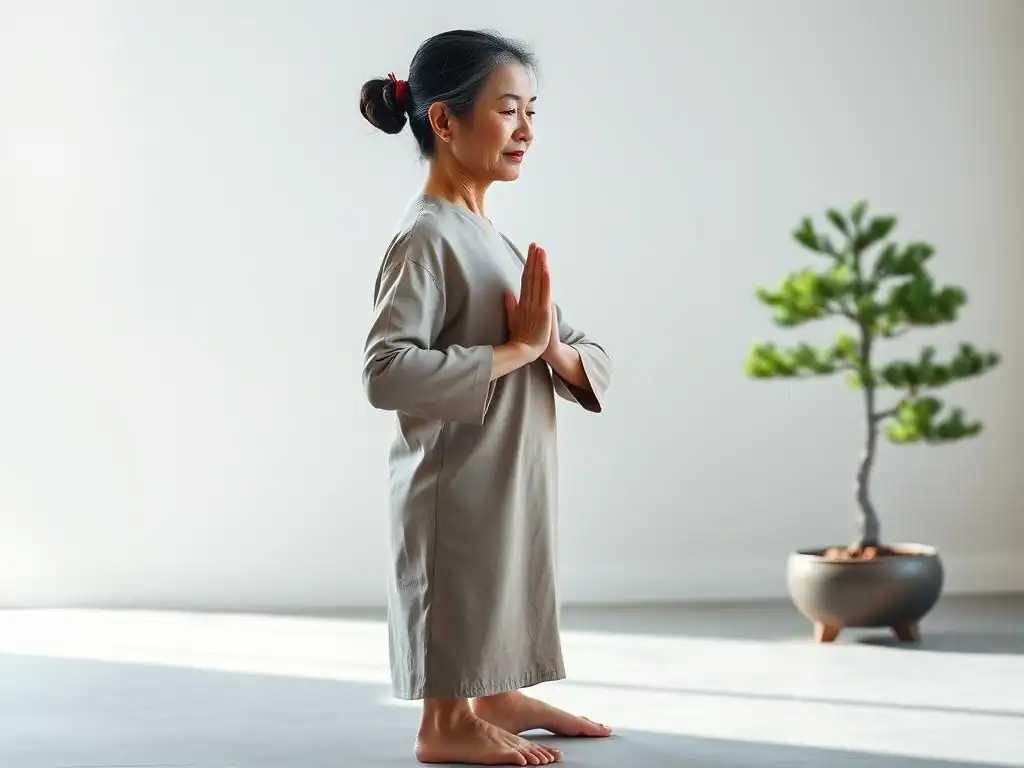
Addressing fatigue requires practices that gently awaken the body's energy reserves without causing further exhaustion. Qigong offers a variety of exercises tailored to improve circulation, calm the nervous system, and cultivate vital Qi. These movements are often simple and can be performed standing, sitting, or even lying down, making them accessible regardless of one's current energy level. The key is consistency and mindful engagement with the practice.
Specific exercises focus on opening up the chest and shoulders to facilitate deeper breathing, gently twisting the spine to stimulate energy flow along the back, and performing slow, weighted movements that build strength and stability without strain. For example, exercises like "Lifting the Sky" or "Pushing Mountains" are designed to stretch the body and promote upward energy flow, helping to clear mental fog and reduce feelings of sluggishness. Regular practice of these simple yet powerful movements can provide a significant Qigong boost energy levels effect over time.
The Eight Brocades (Ba Duan Jin): A Classic Qigong Routine for Energy
The Eight Brocades (Ba Duan Jin) is one of the most popular and widely practiced forms of medical Qigong, renowned for its effectiveness in improving overall health and increasing vitality. This set consists of eight distinct movements, each targeting specific organs or meridian systems to harmonize the body's energy. For instance, one movement, "Holding Up the Heavens," stretches the torso and arms, believed to stimulate the Triple Burner meridian and improve digestion and circulation, common areas linked to fatigue.
Another movement, "Drawing the Bow," strengthens the waist and legs while opening the chest, supporting the lungs and large intestine meridians. Regular practice of the Eight Brocades, even just 15-20 minutes daily, is often reported by practitioners to significantly reduce feelings of chronic fatigue and improve physical resilience. Studies have indicated that consistent Ba Duan Jin practice can lead to improvements in self-reported fatigue scores in various populations, including older adults and individuals recovering from illness.
Simple Qigong Movements to Combat Morning Fatigue
Waking up feeling drained can set a negative tone for the entire day. Simple Qigong movements performed shortly after waking can gently activate the body and mind, providing a natural energy boost. These movements are typically low-impact and focus on gentle stretching and opening. An example is "Spinal Cord Breathing," which involves gently arching and rounding the back while coordinating with deep breaths, helping to loosen stiffness and stimulate energy flow along the spine.
Another effective technique is "Knocking on the Door of Life," where you gently tap your lower back and abdominal area with loose fists, stimulating the Kidney Qi, which is considered the root energy of the body in TCM. Even a few minutes of these simple exercises can help clear morning sluggishness, improve circulation, and prepare the body and mind for the day ahead, providing a quick Qigong boost energy levels effect right when you need it most.
Qigong Breathing Techniques for Instant Energy Refresh
Beyond physical movements, specific Qigong breathing techniques can provide an immediate energy refresh. Shallow breathing, common in stressed or fatigued states, limits oxygen intake and contributes to feelings of lethargy. Qigong emphasizes deep, diaphragmatic breathing, which increases oxygen supply, calms the nervous system, and enhances Qi circulation. One simple technique is "Abdominal Breathing," where you focus on expanding the abdomen on the inhale and contracting it on the exhale.
Another technique is "Reverse Breathing," where the abdomen contracts on the inhale and expands on the exhale, which is considered more energizing and is used in some advanced practices. Even taking a few minutes to practice deep, mindful breathing can help clear the head, reduce tension, and provide a noticeable lift in energy levels. This can be particularly useful during midday slumps or before engaging in tasks that require focus and vitality.
Qigong and Adrenal Support: Restoring Balance
Chronic stress is a major contributor to fatigue, often impacting the adrenal glands, which play a key role in the body's stress response. When constantly activated by stress, the adrenals can become taxed, leading to what is sometimes referred to as adrenal fatigue or burnout, characterized by persistent tiredness, difficulty managing stress, and low mood. Qigong's focus on calming the nervous system and restoring balance can be particularly supportive of adrenal health.
Practices that emphasize deep relaxation, gentle movement, and mindfulness help to lower cortisol levels, the primary stress hormone. Movements that gently massage or stimulate the lower back area, where the kidneys and adrenals are located according to TCM, are also thought to be beneficial. By reducing the chronic activation of the stress response and promoting overall energy balance, Qigong helps to nourish the body's vital reserves, offering a natural way to support adrenal function and mitigate the effects of chronic stress and fatigue.
Qigong for Mood Elevation: Alleviating Low Mood and Depression Symptoms
The Mind-Body Connection in Qigong: How it Affects Mood
Qigong operates on the fundamental principle that the mind and body are inseparable. Physical tension, energy blockages, and poor circulation can directly impact our emotional state, just as emotional distress can manifest physically. Qigong addresses this connection by simultaneously working on physical alignment, energy flow, and mental state. The slow, deliberate movements, coupled with deep breathing, help to calm the sympathetic nervous system (responsible for the "fight or flight" response) and activate the parasympathetic nervous system (responsible for "rest and digest").
This shift towards a more relaxed physiological state can alleviate the physical symptoms often associated with low mood, such as muscle tension, shallow breathing, and restlessness. Furthermore, the meditative aspect of Qigong encourages present moment awareness and helps to quiet the constant mental chatter that often accompanies anxiety and depression. By fostering a sense of calm and control over one's internal state, Qigong provides a pathway to improve emotional resilience and lift spirits, making it a valuable tool for mood elevation.
Qigong Practices to Release Emotional Blockages
In traditional Chinese medicine, specific emotions are associated with particular organs and energy pathways. For example, grief is linked to the lungs, anger to the liver, and worry to the spleen. According to this perspective, unresolved or excessive emotions can create energy blockages within these systems, contributing to both physical and emotional distress, including symptoms of low mood. Qigong includes practices designed to gently release these emotional blockages and restore harmonious energy flow.
Movements that involve gentle shaking, stretching, or specific visualizations are used to target areas where emotional tension is held. For instance, liver-focused exercises, often involving gentle twisting or side-to-side movements, are believed to help release stagnant energy associated with frustration and anger, which can contribute to irritability and low mood. By facilitating the healthy expression and release of emotions through movement and breath, Qigong helps to clear emotional congestion, promoting a sense of lightness and emotional freedom that naturally supports mood elevation.
Qigong for Anxiety Relief and Improved Mental Clarity
Anxiety and low mood often coexist, with worry and racing thoughts contributing to a sense of being overwhelmed and drained. Qigong is particularly effective for anxiety relief dueates its emphasis on calming the nervous system and focusing the mind. The slow, repetitive nature of the movements and the focus on breath provide an anchor for attention, drawing the mind away from anxious rumination and into the present moment.
Practices that involve grounding movements, such as standing postures or slow walking, can help to reduce feelings of being scattered or overwhelmed. Breathing techniques, especially those emphasizing the exhale, promote relaxation and slow the heart rate.
Many individuals report that a regular Qigong practice helps quiet their anxious thoughts, improves their ability to focus, and fosters a greater sense of inner peace and mental clarity. A study involving adults with generalized anxiety disorder, for example, showed that participants practicing Qigong reported a significant reduction in anxiety symptoms compared to a control group, often describing an improvement in their ability to manage stressful situations.
Cultivating Joy and Happiness Through Qigong Meditation
Beyond simply alleviating negative states, Qigong also cultivates positive emotions, including joy and happiness. The meditative aspects of Qigong, whether performed in stillness or integrated into movement, encourage a state of peaceful awareness and connection with one's inner self and the surrounding environment. This can foster feelings of gratitude, contentment, and inner peace, which are fundamental to cultivating a sense of joy.
Some Qigong practices specifically focus on cultivating positive energy and emotional states through visualization and intention. For example, practitioners might visualize drawing in light and positive energy with each inhale and releasing tension or negativity with each exhale. The gentle, flowing movements themselves can also evoke a sense of grace and harmony, contributing to a feeling of well-being. By actively nurturing a calm and positive internal state, Qigong provides a path not just to reduce low mood, but to actively cultivate joy and enhance overall emotional vitality.
Integrating Qigong into Your Daily Routine for Sustained Energy
Creating a Personalized Qigong Practice for Energy and Mood
Integrating Qigong into your daily life doesn't require hours of practice; consistency is far more important than duration, especially when aiming to naturally Qigong boost energy levels and mood. A personalized practice should fit your schedule, energy levels, and specific needs. Begin by assessing when you feel most fatigued or experience low mood – is it in the morning, afternoon, or evening? Tailor your practice time accordingly. For morning fatigue, a short, energizing routine like the simple movements mentioned earlier can be beneficial. If low mood peaks in the afternoon, a calming, centering practice might be more effective.
Consider starting with just 10-15 minutes a day. You can focus on a specific set like a few movements from the Eight Brocades or simply practice mindful breathing and gentle stretching. Listen to your body and adjust the intensity and duration as needed. The goal is to create a sustainable habit that feels nourishing, not like another chore. As you become more comfortable, you can gradually increase the time or explore different forms of Qigong that resonate with you.
Tips for Staying Consistent with Your Qigong Routine
Building a consistent Qigong practice, like any new habit, can present challenges. Setting realistic expectations is crucial; some days you might only manage five minutes, and that's perfectly okay. What matters is returning to the practice regularly. Here are some tips to help you stay consistent:
- Schedule it: Treat your Qigong time like any other important appointment. Put it in your calendar.
- Start Small: Begin with a very short session (5-10 minutes) that feels easily achievable.
- Find a Dedicated Space: Choose a quiet, comfortable area where you won't be interrupted.
- Practice with Others: Join a local class or online group for motivation and guidance.
- Track Your Progress: Note how you feel before and after practice. Recognizing the benefits can be a strong motivator.
- Be Flexible: If you miss a session, don't dwell on it. Just pick up where you left off the next day.
[ ] Choose a regular time slot
[ ] Find a quiet space
[ ] Start with 10 minutes daily
[ ] Try one specific exercise (e.g., Lifting the Sky)
[ ] Note energy/mood before and after for a week
Morning Qigong Routine for Enhanced Energy
A morning Qigong routine can be a powerful way to awaken your body and mind, setting a positive and energetic tone for the day. This routine focuses on gentle activation and clearing any stagnation accumulated overnight.
- Begin in Wuji Stance: Stand with feet shoulder-width apart, knees slightly bent, arms relaxed at your sides. Breathe deeply and calmly for 1-2 minutes, settling into your body.
- Spinal Cord Breathing: Gently arch the back on the inhale, lifting the chest slightly. Round the back on the exhale, tucking the chin. Repeat 5-10 times.
- Lifting the Sky: Stand tall, interlace fingers, turn palms down. Inhale as you slowly lift arms forward and up overhead, palms facing the sky. Exhale as you slowly lower arms back down. Repeat 5-8 times.
- Knocking on the Door of Life: Gently tap the lower back and lower abdomen with loose fists for 30-60 seconds.
- Finishing: Stand in Wuji stance again. Place hands over the lower abdomen (Dantian). Breathe deeply and calmly for 1-2 minutes, gathering energy.
This short sequence takes about 10-15 minutes and provides a gentle yet effective Qigong boost energy levels to start your day with vitality and mental clarity.
The Science Behind Qigong: Research and Evidence
Exploring the Scientific Basis of Qigong's Benefits
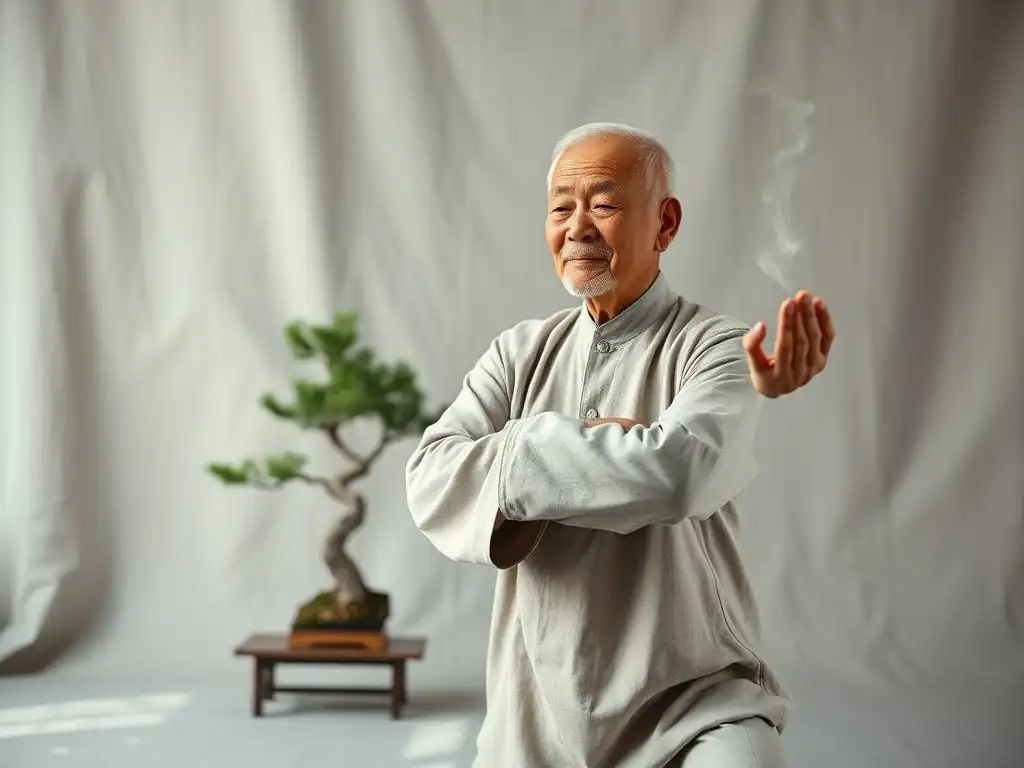
While rooted in ancient tradition, Qigong's benefits are increasingly being explored through modern scientific research. Studies across various disciplines, including exercise physiology, psychology, and neuroscience, are investigating the mechanisms by which Qigong impacts health. Research suggests that Qigong can influence several physiological systems relevant to energy and mood, including the autonomic nervous system, immune function, and endocrine system.
For instance, studies using heart rate variability (HRV) monitoring have shown that Qigong practice can increase HRV, indicating improved regulation by the autonomic nervous system and a shift towards parasympathetic dominance (the "rest and digest" state). This physiological shift is associated with reduced stress, lower anxiety, and improved emotional regulation. Furthermore, research has explored Qigong's impact on inflammatory markers and immune cell activity, suggesting potential benefits for the immune system, which is often compromised by chronic stress and fatigue.
Research on Qigong and Fatigue/Mood
A growing body of research specifically examines the effects of Qigong on fatigue and mood. Multiple systematic reviews and meta-analyses have synthesized findings from various studies, providing a clearer picture of its potential benefits. For example, a meta-analysis published in 2017 analyzing data from 15 studies involving over 1,000 participants concluded that Qigong significantly reduced self-reported fatigue levels across diverse populations, including cancer patients, individuals with chronic fatigue syndrome, and healthy adults. The effect size observed was considered moderate to large.
Regarding mood, research consistently shows that Qigong can help alleviate symptoms of low mood, anxiety, and stress. A review of studies on Qigong and depressive symptoms found that regular practice led to significant reductions in scores on standardized depression scales.
Proposed mechanisms include the reduction of stress hormones like cortisol, the increase of neurotransmitters associated with mood regulation (such as serotonin and dopamine), and the psychological benefits derived from mindful movement and body awareness. While more large-scale, randomized controlled trials are always beneficial, existing research provides compelling evidence supporting Qigong's role in helping individuals naturally Qigong boost energy levels and improve emotional well-being.
Precautions and Considerations for Practicing Qigong
Who Should Consult a Doctor Before Starting Qigong?
While Qigong is generally considered a safe and low-impact practice, it is always wise to consult with a healthcare professional before starting any new exercise regimen, especially if you have pre-existing health conditions. This is particularly important for individuals with:
- Severe cardiovascular conditions
- Uncontrolled high blood pressure
- Severe mobility issues or recent surgeries
- Acute infections or illnesses
- Certain neurological conditions
Your doctor can advise whether Qigong is appropriate for your specific situation and if any modifications are necessary. While Qigong movements are gentle, they still involve physical exertion and breath control, which could potentially impact certain medical conditions. Discussing your plans ensures that you can practice safely and effectively.
Avoiding Common Mistakes When Learning Qigong
Learning Qigong involves more than just mimicking movements; it requires cultivating inner awareness and understanding the principles. Beginners can sometimes make mistakes that hinder their progress or even lead to discomfort. One common mistake is trying too hard or using excessive force; Qigong emphasizes relaxation and fluidity, not muscle strain. Another error is holding the breath or breathing shallowly instead of focusing on deep, relaxed abdominal breathing.
Ignoring body signals is also a pitfall; Qigong should feel comfortable, not painful. If a movement causes discomfort, it should be modified or skipped. Finally, inconsistency is a major barrier to experiencing the benefits; short, regular practices are more effective than infrequent, long ones. Finding a qualified instructor can help beginners learn the correct postures, breathing techniques, and underlying principles, ensuring a safe and effective practice that truly helps them Qigong boost energy levels and vitality.
Conclusion: Embrace Qigong for a More Energetic and Balanced Life
Qigong: A Powerful Tool for Holistic Well-being
Qigong offers a profound and accessible path to enhancing both physical energy and emotional well-being. By integrating gentle movement, focused breathing, and mindful intention, this ancient practice addresses the interconnectedness of the mind and body, working to clear energy blockages, reduce stress, and cultivate vital Qi. For those struggling with fatigue, low mood, or the effects of chronic stress, Qigong provides a natural and holistic approach to restoring balance and vitality.
The evidence, both anecdotal from practitioners and increasingly supported by scientific research, highlights Qigong's effectiveness in reducing fatigue, alleviating symptoms of anxiety and depression, and promoting overall resilience. It is a practice that empowers individuals to take an active role in their health, offering tools for self-regulation and inner harmony. Embracing Qigong means choosing a path that nourishes your energy and uplifts your spirit.
Start Your Qigong Journey Today
Embarking on your Qigong journey can be a transformative step towards a more energetic and balanced life. You don't need special equipment or a lot of space; just a willingness to explore the connection between your body, breath, and mind. Start small, perhaps with a simple breathing exercise or a single movement, and gradually build your practice.
Consider seeking guidance from a qualified instructor, exploring online resources, or finding a local class to learn the fundamentals correctly. Be patient and compassionate with yourself as you learn; the benefits of Qigong unfold gradually with consistent practice. By committing to this gentle yet powerful discipline, you can discover a natural way to Qigong boost energy levels, lift your mood, and cultivate a deeper sense of peace and vitality in your daily life. The journey of cultivating your vital energy begins with a single step.
Frequently Asked Questions
What is Qigong and how can it help with energy levels?
Qigong is an ancient Chinese practice involving coordinated body posture and movement, breathing, and meditation. It can help with energy levels by improving circulation and reducing stress, leading to increased vitality.
How does Qigong differ from other forms of exercise in boosting energy?
Unlike vigorous exercise that can sometimes deplete energy, Qigong focuses on gentle, flowing movements that cultivate and circulate qi (energy). This energy cultivation can lead to sustained energy levels without causing fatigue.
How often should I practice Qigong to notice a difference in my energy levels and mood?
While individual results vary, practicing Qigong for just 15-30 minutes most days of the week can significantly improve your energy and mood. Consistency is key to experiencing the benefits.
Can Qigong be practiced by anyone, regardless of age or physical condition?
Yes, Qigong is generally considered safe and adaptable for people of all ages and fitness levels. Many variations and modifications exist, allowing individuals to tailor the practice to their specific needs and limitations.
Where can I find resources to learn Qigong and start practicing?
Mind Care Guide offers introductory articles and resources. Look for qualified Qigong instructors in your area or explore online classes to learn proper form and techniques for maximizing energy benefits.
Final Reflection: Unlocking Inner Energy: Qigong's Enduring Power
The pervasive fatigue and low mood affecting so many today are not just symptoms; they're a call for a deeper connection with our inner selves. Qigong, as explored throughout this article, offers a powerful, natural pathway to address these modern ailments, moving beyond quick fixes and towards sustainable well-being. Its ability to cultivate energy and enhance mental clarity is not a fleeting trend but a timeless practice with profound implications for our health and happiness.
The impact of Qigong extends far beyond individual well-being; it offers a holistic approach to health that challenges our increasingly fragmented relationship with our bodies and minds. It reminds us of the inherent capacity for healing and vitality that resides within each of us. As Bruce Lee eloquently stated, Knowing is not enough; we must apply. Willing is not enough; we must do.
This perfectly encapsulates the essence of Qigong – its power lies not just in understanding its principles, but in actively engaging in the practice and experiencing its transformative effects firsthand.
Now, consider your own energy levels. Are you feeling depleted? Do you long for a more vibrant, joyful existence? This article has provided you with the tools and knowledge to embark on a journey of self-discovery and energetic renewal through Qigong. Take the first step. Start with a simple Qigong exercise, even just five minutes a day. Listen to your body, nurture your spirit, and unlock the boundless energy that awaits within you. The path to vitality begins with a single breath, a single movement, a single commitment to yourself.
Unleash Your Inner Energy: Start Your Qigong Journey Today!
Thanks for taking the time to explore the power of Qigong! We hope you've discovered valuable ways to boost your energy and improve your mood naturally. Ready to put this knowledge into practice?
- Begin your first Qigong practice today: Even 5 minutes can make a difference. Find a quiet space, follow a beginner's guide (plenty are available online! ), and experience the calming effects for yourself.
- Share your experience: Tell us – and others – about your journey with Qigong. What challenges did you encounter, and what small victories did you celebrate?
- Explore different Qigong styles: Discover what resonates most with you. Experiment with different forms and find your perfect fit.
What simple step will you take this week to incorporate Qigong into your daily routine?