
Unlock Calm: Your Diet's Hidden Power Over Anxiety.


Welcome to Mind Care Guide, a safe space dedicated to nurturing your mental well-being.
Feeling overwhelmed by anxiety? You're not alone. Discover how the food you eat can be a powerful ally in your journey to calm. Our latest article, "Unlock Calm: Your Diet's Hidden Power Over Anxiety," delves into effective diet anxiety management strategies that can make a real difference. Curious to learn how simple changes to your plate can unlock a calmer, more centered you? Let's explore together...
Unlock Calm: Your Diet's Hidden Power Over Anxiety
- Understanding the Diet-Anxiety Connection: An Introduction
- Diet Anxiety Management Strategies Helpful: A Comprehensive Guide
- Foods That Fight Anxiety: Nutritional Powerhouses
- Crafting an Anxiety-Reducing Meal Plan
- The Importance of Hydration for Mental Well-being
- Beyond Food: Lifestyle Factors Complementing Dietary Changes
- Consulting a Professional: When to Seek Help
- Diet and Anxiety: Long-Term Strategies for Sustainable Calm
-
Frequently Asked Questions
- ### How does diet affect anxiety?
- ### What are some specific foods that can worsen anxiety?
- ### What are some "Diet Anxiety Management Strategies" to reduce anxiety through diet?
- ### What nutrients are particularly important for managing anxiety through diet?
- ### How long does it take to see a noticeable difference in anxiety levels after changing my diet?
- Final Reflection: Nourishing Calm: The Mind-Body Connection in Anxiety Management
- Unleash Your Inner Calm: Take Control of Anxiety Today!
Understanding the Diet-Anxiety Connection: An Introduction
Anxiety is a complex mental health challenge affecting millions worldwide, characterized by persistent worry, fear, and nervousness. While therapy and medication are cornerstone treatments, emerging research highlights a powerful, often overlooked factor: diet. What we eat significantly impacts our brain chemistry, inflammation levels, and even the delicate balance of our gut microbiome, all of which play a crucial role in managing anxiety symptoms. Exploring the intricate relationship between nutrition and mental well-being reveals that implementing specific diet anxiety management strategies can be incredibly helpful in finding relief and promoting a sense of calm.
This connection isn't just about avoiding certain triggers; it's about nourishing your body and brain with the right fuel to support optimal function and resilience against stress. Understanding how diet influences anxiety provides a foundation for making informed choices that can contribute positively to your mental health journey. By making conscious decisions about what you consume, you are taking an active step in supporting your nervous system and fostering a calmer state of mind.
Exploring the Gut-Brain Axis and Anxiety
The gut, often called the "second brain," is intricately linked to the brain via the gut-brain axis, a complex bidirectional communication network involving nerves, hormones, and the immune system. A significant part of this axis relies on the billions of microorganisms living in your gut, known as the gut microbiome. These microbes produce various neuroactive compounds, including neurotransmitters like serotonin and gamma-aminobutyric acid (GABA), which are crucial for mood regulation and anxiety reduction. An estimated 90% of the body's serotonin is produced in the gut.
Disruptions in the gut microbiome balance, often caused by poor diet, stress, or antibiotics, can negatively impact this communication pathway. An imbalanced gut can lead to increased inflammation and altered neurotransmitter production, potentially exacerbating anxiety symptoms. Nurturing a healthy gut microbiome through a diet rich in fiber and fermented foods is a key component of helpful diet strategies for anxiety management.
The Role of Inflammation in Anxiety Disorders
Chronic low-grade inflammation in the body and brain has been increasingly linked to various mental health conditions, including anxiety disorders. While inflammation is a natural protective response, prolonged activation can damage tissues and interfere with normal brain function, affecting areas responsible for mood regulation and stress response. Inflammatory molecules, such as cytokines, can cross the blood-brain barrier and influence neurotransmitter systems, potentially contributing to feelings of anxiety, fatigue, and difficulty concentrating.
Certain dietary patterns, particularly those high in processed foods, refined sugars, and unhealthy fats, are known to promote inflammation. Conversely, diets rich in antioxidants and omega-3 fatty acids can help reduce inflammation. Adopting an anti-inflammatory diet is therefore considered one of the helpful diet anxiety management strategies, aiming to calm the body's inflammatory response and support better mental health outcomes.
Diet Anxiety Management Strategies Helpful: A Comprehensive Guide
Managing anxiety through diet involves more than just adding "good" foods; it's also about identifying and reducing intake of foods that can potentially worsen symptoms. Implementing effective diet anxiety management strategies helpful for your unique needs requires paying attention to how different foods make you feel and making conscious choices based on that awareness and general nutritional principles. This section delves into specific foods and food groups known to either trigger or alleviate anxiety.
Developing helpful diet strategies for anxiety management is an ongoing process of experimentation and adjustment. What works for one person may not work for another. However, understanding common dietary culprits and beneficial foods provides a solid starting point for anyone looking to use nutrition as a tool in their anxiety management toolkit.
Identifying Anxiety-Triggering Foods
Certain foods and beverages can stimulate the nervous system, disrupt blood sugar levels, or promote inflammation, all of which can potentially heighten anxiety symptoms. While individual sensitivities vary, some common culprits include:
- Processed foods
- Refined sugars
- Excessive caffeine
- Alcohol (though often used to self-medicate, it can worsen anxiety long-term)
- High-sodium foods
- Artificial additives and sweeteners
By recognizing these potential triggers and observing their effects on your own anxiety levels, you can begin to make informed decisions about reducing or eliminating them from your diet as part of your helpful diet anxiety management strategies.
Processed Foods and Anxiety: A Deep Dive
Processed foods, including packaged snacks, sugary cereals, fast food, and ready-made meals, are often low in essential nutrients like vitamins, minerals, and fiber, while being high in unhealthy fats, refined sugars, and sodium. This nutritional imbalance contributes to inflammation and can cause rapid fluctuations in blood sugar levels. When blood sugar crashes after a spike, it can trigger symptoms like shakiness, irritability, and nervousness, which mimic or exacerbate anxiety.
Furthermore, the lack of fiber in many processed foods negatively impacts the gut microbiome, potentially disrupting the gut-brain axis. A diet heavily reliant on processed items deprives the body and brain of the building blocks needed for optimal function and resilience. Reducing your intake of these nutrient-poor, inflammatory foods is a fundamental step in developing helpful diet anxiety management strategies.
Sugar's Impact on Mood and Anxiety Levels
Refined sugar provides a quick energy boost, but this is often followed by a rapid crash in blood sugar. These fluctuations can lead to mood swings, irritability, and increased feelings of anxiety. Consuming large amounts of sugar also contributes to chronic inflammation and can disrupt the balance of gut bacteria, both of which are linked to poor mental health.
Beyond immediate blood sugar effects, high sugar intake can impair the body's ability to cope with stress over time. It can affect the production and regulation of stress hormones like cortisol. While a sweet treat might offer temporary comfort, the long-term effects on mood and anxiety can be detrimental. Limiting added sugars is a crucial part of implementing helpful diet strategies for anxiety management.
Caffeine and Anxiety: Finding the Right Balance
Caffeine is a stimulant that affects the central nervous system. While it can improve focus and energy for some, it can significantly worsen anxiety symptoms in others. Caffeine increases alertness by blocking adenosine, a neurotransmitter that makes you feel tired, and simultaneously triggers the release of adrenaline, the "fight or flight" hormone. This physiological response can manifest as nervousness, heart palpitations, restlessness, and difficulty sleeping, all common symptoms of anxiety.
Sensitivity to caffeine varies widely. For someone prone to anxiety, even small amounts can be enough to trigger symptoms. Finding the right balance involves monitoring your own reaction to caffeine and adjusting your intake accordingly. Some individuals benefit greatly from reducing or eliminating coffee, tea, energy drinks, and even chocolate as part of their diet anxiety management strategies helpful for their specific needs.
Foods That Fight Anxiety: Nutritional Powerhouses
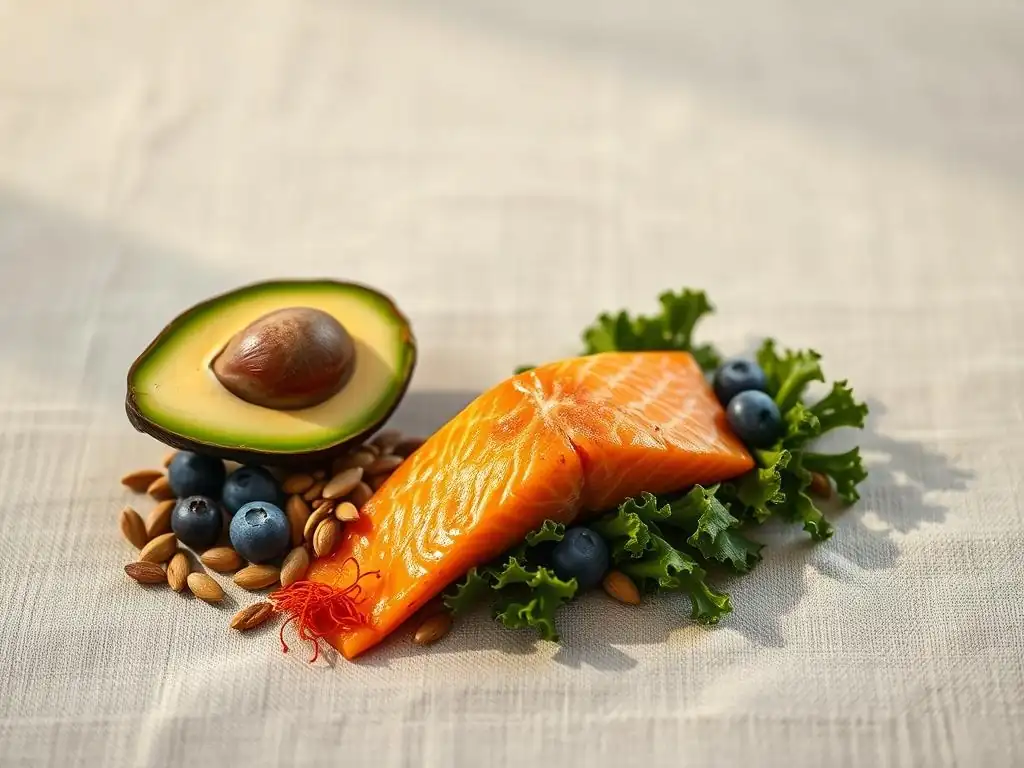
Just as some foods can trigger anxiety, many others can help soothe the nervous system, balance brain chemistry, and reduce inflammation. Incorporating these nutritional powerhouses into your daily meals is a cornerstone of effective diet anxiety management strategies helpful for promoting calm and resilience. Focus on whole, unprocessed foods rich in vitamins, minerals, healthy fats, and fiber.
These foods provide the essential nutrients required for the synthesis of neurotransmitters, the health of the gut microbiome, and the reduction of inflammation throughout the body. Making conscious choices to include more of these beneficial foods is an empowering step towards using your diet to support your mental well-being.
The Benefits of Omega-3 Fatty Acids for Anxiety Reduction
Omega-3 fatty acids, particularly EPA (eicosapentaenoic acid) and DHA (docosahexaenoic acid), are essential fats that play a critical role in brain health and function. They are integral components of brain cell membranes and have powerful anti-inflammatory properties. Chronic inflammation is linked to anxiety, so reducing it through diet can be highly beneficial.
Research suggests that omega-3s can influence neurotransmitter pathways involved in mood regulation and stress response. They may also help reduce the levels of stress hormones like cortisol. Including sufficient omega-3s in your diet is considered one of the most helpful diet anxiety management strategies for supporting neurological health and potentially alleviating anxiety symptoms.
Sources of Omega-3s: Fish, Flaxseed, and More
The richest sources of EPA and DHA are fatty fish. Aiming to consume fish like salmon, mackerel, sardines, and herring a couple of times per week can provide a significant amount of these beneficial fats. For those who don't eat fish, or wish to supplement, plant-based sources primarily provide ALA (alpha-linolenic acid), which the body can convert into EPA and DHA, though the conversion rate is relatively low.
Plant-based sources of ALA include flaxseeds, chia seeds, walnuts, and hemp seeds. While these are excellent additions to a healthy diet, individuals relying solely on plant sources might consider an algal oil supplement to ensure adequate intake of preformed EPA and DHA. Incorporating these omega-3 rich foods into your meals is a practical application of helpful diet strategies for anxiety management.
Magnesium-Rich Foods: Calming the Nervous System
Magnesium is a mineral involved in over 300 enzymatic reactions in the body, many of which are crucial for nerve function, muscle relaxation, and stress response. It plays a role in the regulation of neurotransmitters, including GABA, which has a calming effect on the nervous system. Magnesium deficiency has been linked to increased anxiety and stress sensitivity.
Ensuring adequate magnesium intake can help regulate the body's stress response system and promote a sense of calm. It helps maintain healthy nerve and muscle function, potentially reducing physical symptoms of anxiety like muscle tension and restlessness. Including magnesium-rich foods is a simple yet effective component of diet anxiety management strategies helpful for promoting relaxation.
Incorporating Magnesium into Your Daily Diet
Many common and delicious foods are good sources of magnesium. These include leafy green vegetables like spinach and kale, nuts and seeds (such as almonds, cashews, and pumpkin seeds), legumes (like black beans and lentils), whole grains (like brown rice and quinoa), and dark chocolate (in moderation).
Making conscious efforts to include a variety of these foods throughout your day can help ensure you are meeting your magnesium needs. For example, adding spinach to a smoothie, snacking on almonds, or choosing whole grains over refined ones are easy ways to boost your magnesium intake as part of your helpful diet strategies for anxiety management.
Antioxidants and Anxiety: Protecting Your Brain
Antioxidants are compounds that protect your cells from damage caused by free radicals, unstable molecules that can contribute to inflammation and cellular stress. Oxidative stress and inflammation in the brain have been implicated in the development and exacerbation of anxiety and other mood disorders. By neutralizing free radicals, antioxidants help protect brain cells and support healthy neurological function.
A diet high in antioxidants can help reduce overall inflammation and support the brain's resilience against stress. This protective effect contributes to a more stable mood and potentially reduces the severity of anxiety symptoms. Focusing on vibrant, colorful plant foods ensures a wide spectrum of beneficial antioxidants, making it a key element of helpful diet anxiety management strategies.
Berries, Leafy Greens, and Other Antioxidant Sources
Many plant-based foods are packed with antioxidants. Berries, such as blueberries, strawberries, and raspberries, are particularly high in various antioxidants. Leafy green vegetables like spinach, kale, and broccoli are also excellent sources, providing vitamins, minerals, and powerful plant compounds.
Other significant sources include nuts, seeds, whole grains, and dark chocolate. Incorporating a wide variety of these foods into your diet maximizes your intake of different types of antioxidants, offering broad protection and support for brain health. Making these antioxidant-rich foods staples in your meals is a delicious way to apply helpful diet strategies for anxiety management.
Crafting an Anxiety-Reducing Meal Plan
Implementing helpful diet strategies for anxiety management is easier when you have a plan. Building meals and snacks around nutrient-dense, anxiety-fighting foods while minimizing triggers helps create a consistent dietary pattern that supports mental well-being. A well-structured meal plan removes guesswork and makes healthy eating a sustainable habit.
Consider your personal preferences, schedule, and any specific sensitivities when crafting your plan. The goal is to create a sustainable and enjoyable way of eating that nourishes your body and helps soothe your nervous system.
Sample Meal Plans for Anxiety Relief
Here is a sample structure for a day of eating focused on anxiety relief, incorporating helpful diet strategies for anxiety management:
- Breakfast: Oatmeal with berries, walnuts, and chia seeds (Fiber, Omega-3s, Antioxidants, Magnesium)
- Mid-Morning Snack: A handful of almonds and an apple (Magnesium, Fiber, Antioxidants)
- Lunch: Salmon salad with mixed greens, cucumber, bell peppers, and an olive oil-based dressing (Omega-3s, Antioxidants, Magnesium, Healthy Fats)
- Afternoon Snack: Greek yogurt with a sprinkle of flaxseed and a few dark chocolate chips (Protein, Probiotics from yogurt if live cultures, Omega-3s, Magnesium)
- Dinner: Lentil soup with a side of quinoa and steamed broccoli (Fiber, Magnesium, Protein, Antioxidants, Whole Grains)
- Evening: Herbal tea (like chamomile) and a small piece of fruit (Hydration, Antioxidants)
This structure emphasizes whole foods, balanced macronutrients, and key anxiety-fighting nutrients. It's a template you can adapt using your favorite anxiety-friendly ingredients.
Recipe Ideas: Delicious and Nutritious Meals for a Calm Mind
Creating delicious meals using anxiety-fighting ingredients can make the dietary changes enjoyable. Here are a few simple ideas:
- Omega-3 Power Bowl: Baked salmon or sardines served over quinoa with roasted broccoli and a drizzle of tahini dressing.
- Magnesium-Boosting Smoothie: Blend spinach, banana, almond butter, chia seeds, and almond milk.
- Antioxidant Berry Salad: Mixed greens topped with grilled chicken or chickpeas, mixed berries, walnuts, and a light vinaigrette.
- Soothing Lentil Soup: A hearty soup with lentils, carrots, celery, spinach, and vegetable broth, seasoned with calming herbs like rosemary and thyme.
- Nutrient-Dense Snack Balls: Combine rolled oats, nut butter, flaxseed, chia seeds, and a touch of honey or maple syrup. Roll into balls and chill.
These recipes demonstrate how easy it can be to integrate helpful diet strategies for anxiety management into your daily cooking, proving that eating for calm can be both healthy and flavorful.
The Importance of Hydration for Mental Well-being
While often overlooked in discussions about diet, adequate hydration is a fundamental aspect of overall health, including mental well-being. The human brain is composed of approximately 75% water, and even mild dehydration can impact its function, affecting mood, concentration, and energy levels. Staying properly hydrated is a simple yet essential component of helpful diet anxiety management strategies.
Dehydration can stress the body, potentially leading to increased production of stress hormones like cortisol. This physiological stress can exacerbate feelings of anxiety and tension. Ensuring you drink enough water throughout the day supports optimal bodily functions, including those critical for maintaining a stable mood and managing stress effectively.
Dehydration and Anxiety: Recognizing the Link
Even slight dehydration, a loss of just 1-2% of body weight in fluid, can negatively affect cognitive function and mood. Symptoms can include fatigue, dizziness, headaches, difficulty concentrating, and irritability. These symptoms can easily be mistaken for or worsen existing anxiety. Dehydration can also impact electrolyte balance, which is crucial for nerve signaling and muscle function, potentially leading to physical symptoms like muscle cramps or heart palpitations that can trigger anxiety.
Furthermore, dehydration can hinder the body's ability to detoxify and transport nutrients, affecting brain health. Recognizing the subtle signs of dehydration – thirst is often a late indicator – is important. Making conscious efforts to stay hydrated is a straightforward yet impactful part of helpful diet strategies for anxiety management.
Tips for Staying Hydrated Throughout the Day
Making hydration a priority can be simple with a few practical tips:
- Start your day with a glass of water.
- Carry a reusable water bottle with you and sip from it regularly.
- Set reminders on your phone to drink water if you tend to forget.
- Incorporate water-rich foods into your diet, such as fruits (watermelon, oranges) and vegetables (cucumber, celery).
- Drink water before, during, and after exercise.
- Limit dehydrating beverages like excessive caffeine and alcohol.
- Choose water over sugary drinks.
By consistently prioritizing hydration, you support your body's ability to function optimally, which in turn helps support a calmer state of mind. This simple habit is a vital piece of the puzzle when implementing helpful diet anxiety management strategies.
Beyond Food: Lifestyle Factors Complementing Dietary Changes

While diet plays a significant role in managing anxiety, it's part of a larger picture of overall well-being. Effective diet anxiety management strategies are most helpful when combined with other positive lifestyle changes. Addressing factors like physical activity, stress levels, and sleep quality creates a holistic approach to reducing anxiety and promoting lasting calm.
Integrating these lifestyle factors amplifies the positive effects of dietary changes, providing a more robust foundation for mental resilience. Think of diet as one powerful tool in a comprehensive toolkit for managing anxiety.
The Role of Exercise in Anxiety Management
Regular physical activity is a well-documented stress reliever and mood booster. Exercise releases endorphins, natural chemicals that have mood-lifting and pain-relieving effects. It also helps reduce levels of stress hormones like cortisol and adrenaline. Furthermore, exercise can improve sleep quality and provide a healthy distraction from anxious thoughts.
Aiming for moderate physical activity most days of the week can significantly impact anxiety levels. This doesn't mean you need to run a marathon; even a brisk walk, yoga session, or dancing can be beneficial. Incorporating regular exercise alongside your diet anxiety management strategies helpful for you can create a powerful synergistic effect.
Stress Reduction Techniques: Mindfulness and Meditation
Chronic stress is a major contributor to anxiety. Learning effective stress reduction techniques is crucial for managing anxiety symptoms. Practices like mindfulness and meditation help train your mind to stay present, observe thoughts without judgment, and reduce the body's stress response.
Regular practice of mindfulness or meditation, even for just a few minutes a day, can lower heart rate, blood pressure, and stress hormone levels. These techniques empower you to better cope with stressful situations and reduce overall anxiety. Integrating these practices complements helpful diet strategies for anxiety management by addressing the psychological and physiological aspects of stress.
Sleep Hygiene: Prioritizing Rest for Mental Health
Sleep is essential for both physical and mental restoration. Lack of sleep or poor sleep quality can significantly worsen anxiety symptoms and make it harder to cope with stress. During sleep, the brain processes emotions and consolidates memories, and disruption of this process can impair mood regulation.
Prioritizing sleep hygiene – consistent sleep schedule, creating a relaxing bedtime routine, ensuring a dark, quiet, and cool sleep environment, and avoiding screens before bed – is vital for managing anxiety. Ensuring adequate, restful sleep (typically 7-9 hours per night for adults) supports brain function and resilience. Combining good sleep hygiene with diet anxiety management strategies helpful for your body creates a strong foundation for mental well-being.
Consulting a Professional: When to Seek Help
While implementing diet anxiety management strategies helpful for your well-being can make a significant difference, it's important to recognize when professional support is needed. Diet is a powerful tool, but it is often most effective when used in conjunction with other therapeutic approaches. Seeking help from healthcare professionals is a sign of strength and can provide personalized guidance and support.
Mental health challenges like anxiety are complex and may require a multi-faceted approach. Don't hesitate to reach out to qualified professionals who can provide tailored advice and treatment plans based on your individual needs and circumstances.
Working with a Registered Dietitian or Nutritionist
A registered dietitian or nutritionist specializing in mental health can provide personalized diet anxiety management strategies helpful specifically for you. They can assess your current eating habits, identify potential nutritional deficiencies or triggers, and help you develop a customized meal plan that supports your mental health goals.
Unlike general advice, a professional can consider your unique health history, dietary restrictions, and lifestyle to create a sustainable and effective nutritional approach. They can also offer guidance on supplements if necessary, ensuring you are safely and effectively addressing any nutritional gaps. Consulting a dietitian is a proactive step in optimizing your diet for anxiety relief.
The Importance of Therapy for Anxiety Treatment
Therapy, particularly cognitive behavioral therapy (CBT) or exposure therapy, is a highly effective treatment for anxiety disorders. Therapy helps you understand the root causes of your anxiety, challenge negative thought patterns, and develop coping mechanisms. While diet can influence the biological underpinnings of anxiety, therapy addresses the psychological and behavioral components.
Combining dietary changes with therapy often yields the best results. Therapy provides the tools to manage anxious thoughts and behaviors, while diet supports the brain and body in a way that can make therapy more effective. Viewing diet as a complementary strategy alongside professional therapy and potentially medication (if prescribed) is a comprehensive approach to managing anxiety.
Diet and Anxiety: Long-Term Strategies for Sustainable Calm
Achieving lasting relief from anxiety through diet is not about quick fixes but about building sustainable, healthy habits. The benefits of helpful diet anxiety management strategies compound over time, leading to improved mood, increased resilience, and a greater sense of calm. It requires consistency, patience, and a commitment to nourishing your body and mind.
Focusing on long-term lifestyle changes rather than temporary restrictions is key to maintaining the positive effects of your dietary choices. This involves integrating healthy eating into your daily routine in a way that is enjoyable and manageable.
Building Healthy Habits for Lasting Anxiety Relief
Sustainable change comes from building habits that fit into your life. Instead of drastic overhauls, focus on small, consistent steps:
- Plan Ahead: Dedicate time each week to plan meals and grocery shopping.
- Cook More at Home: This gives you control over ingredients.
- Mindful Eating: Pay attention to hunger cues and how foods make you feel.
- Hydration Routine: Make drinking water a non-negotiable part of your day.
- Regular Movement: Find physical activities you enjoy and stick to them.
- Prioritize Sleep: Establish and maintain a consistent sleep schedule.
- Practice Stress Management: Regularly engage in relaxation techniques.
These habits, when consistently practiced, form the foundation of a lifestyle that supports reduced anxiety over the long term.
Maintaining a Balanced Diet and Lifestyle
Maintaining a balanced diet means focusing on variety and moderation, not perfection. It's about consistently choosing nutrient-dense foods while occasionally allowing for flexibility. A rigid or restrictive diet can sometimes add to stress, which is counterproductive for anxiety management. The goal is a sustainable pattern of eating that supports overall health and mental well-being.
[ ] Continue prioritizing whole, unprocessed foods.
[ ] Ensure regular intake of Omega-3s, magnesium, and antioxidants.
[ ] Remain mindful of potential triggers like excessive sugar or caffeine.
[ ] Stay hydrated throughout the day.
[ ] Combine healthy eating with regular exercise, stress reduction, and good sleep hygiene.
[ ] Consult with professionals as needed for ongoing support.
Integrating helpful diet strategies for anxiety management into a balanced lifestyle is a powerful approach to finding sustainable calm and improving your overall quality of life. It empowers you to take an active role in your mental health journey.
Frequently Asked Questions
### How does diet affect anxiety?
Diet plays a significant role in anxiety management. Certain foods can trigger or worsen anxiety symptoms, while others can promote calmness and stability through their impact on brain chemistry and neurotransmitters.
### What are some specific foods that can worsen anxiety?
Highly processed foods, sugary drinks, excessive caffeine, and alcohol can exacerbate anxiety. These substances often lead to blood sugar spikes and crashes and can interfere with the nervous system's regulation.
### What are some "Diet Anxiety Management Strategies" to reduce anxiety through diet?
Focus on a balanced diet rich in whole foods, including fruits, vegetables, lean protein, and whole grains. Limit processed foods, sugars, and caffeine, and stay hydrated.
### What nutrients are particularly important for managing anxiety through diet?
Magnesium, omega-3 fatty acids, and B vitamins are crucial for supporting brain health and reducing anxiety symptoms. These can be found in foods like leafy greens, fatty fish, and nuts.
### How long does it take to see a noticeable difference in anxiety levels after changing my diet?
It can vary from person to person, but generally, it takes several weeks to a few months to experience significant improvements. Consistency and combining dietary changes with other stress-reduction techniques are key.
Final Reflection: Nourishing Calm: The Mind-Body Connection in Anxiety Management
The link between diet and anxiety is no longer a whispered secret; it's a vital piece of the puzzle in understanding and managing this pervasive condition. Ignoring the power of food to influence our mental well-being is akin to ignoring half the equation. We've explored the tangible ways nutrition impacts our brain chemistry, impacting our mood, stress response, and overall sense of calm. This isn't about restrictive dieting; it's about conscious nourishment.
The journey towards managing anxiety is deeply personal, and the impact of dietary changes resonates far beyond the individual. It ripples outwards, influencing relationships, productivity, and overall life satisfaction. As we become more aware of the food-anxiety connection, we collectively shift the narrative surrounding mental health, moving away from solely pharmaceutical solutions towards a holistic approach that embraces the power of self-care. The body is your temple. Keep it pure and clean for the soul to reside in.
This ancient wisdom holds true, especially when considering the profound influence of nutrition on our mental landscape.
Now, consider your own relationship with food. What small changes can you implement today to foster a more balanced and nurturing approach? Perhaps it's swapping sugary snacks for nutrient-rich alternatives, prioritizing sleep, or simply taking a moment to savor each mindful bite. This isn't a destination; it's a continuous journey of self-discovery and empowerment. Embrace the opportunity to unlock your inner calm through the simple, yet powerful, act of nourishing your body and mind.
Unleash Your Inner Calm: Take Control of Anxiety Today!
Thank you for taking the time to explore the powerful connection between diet and anxiety with us. We hope you gained valuable insights into how simple food choices can significantly impact your well-being. Now it's time to put that knowledge into action!
- Prioritize one calming food swap this week: Identify just one food in your current diet that might be contributing to anxiety and replace it with a healthier, more calming alternative mentioned in the article. This small change can make a big difference!
- Share your journey: Tell us (or a friend!) about your experience with this food swap. Even small steps are worth celebrating!
- Explore our other resources: Dive deeper into managing anxiety with our collection of articles on mindful eating and stress reduction techniques.
Ready to feel calmer and more in control? What's the first calming food swap you'll make?