
Finding Safety in the Creative Process: Art Therapy for Trauma


Welcome to Mind Care Guide, a safe space to explore your mental well-being.
Feeling overwhelmed by the weight of past experiences? You're not alone. This month, we delve into a powerful avenue for healing: art therapy for trauma recovery. Discover how the creative process can unlock pathways to emotional expression and provide a sense of safety and control. Ready to explore how art can help you heal?
Finding Safety in the Creative Process: Art Therapy for Trauma
- Understanding Trauma and Its Impact on Mental Well-being
- What is Art Therapy for Trauma Recovery?
- Benefits of Art Therapy for Trauma Survivors
- Art Therapy Techniques for Trauma: A Practical Guide
- Creating a Safe Space for Art Therapy in Trauma Treatment
- Who Can Benefit from Art Therapy for Trauma?
- Finding an Art Therapist for Trauma Recovery
- The Role of Art Therapy in Holistic Trauma Healing
- Conclusion: Embracing Creativity on the Path to Trauma Recovery
-
Frequently Asked Questions
- How does art therapy help in trauma recovery?
- What are some specific art techniques used in art therapy for trauma?
- Is art therapy a replacement for traditional trauma therapies like EMDR or CBT?
- Who is art therapy suitable for in trauma recovery?
- How do I find a qualified art therapist specializing in trauma recovery?
- Final Reflection: The Healing Power of Creation
- Unleash Your Inner Healer: Start Your Creative Journey Today
Understanding Trauma and Its Impact on Mental Well-being
Trauma is a deeply distressing or disturbing experience that can have profound and lasting effects on a person's mental, emotional, and physical well-being. It can result from a single event, such as an accident or assault, or from prolonged exposure to stressful situations, like abuse or neglect. The impact of trauma is highly individual; what is traumatic for one person may not be for another. The key is the subjective experience of feeling overwhelmed, threatened, or helpless. Understanding these effects is crucial for effective healing, and art therapy for trauma recovery offers a unique pathway.
The aftermath of trauma can manifest in various ways, including symptoms associated with Post-Traumatic Stress Disorder (PTSD), anxiety, depression, and difficulties in relationships. People might experience flashbacks, nightmares, avoidance behaviors, hyperarousal, and emotional numbing. The world can feel unsafe, and the ability to cope with daily life can be significantly impaired. Traditional talk therapy is often beneficial, but for some, especially those with difficulty verbalizing their experiences, alternative approaches like art therapy trauma recovery can be particularly powerful.
The Neurological Effects of Trauma: How Art Therapy Can Help
Trauma significantly alters brain function, particularly impacting areas responsible for fear processing, memory, and emotional regulation, such as the amygdala, hippocampus, and prefrontal cortex. When someone experiences trauma, the brain's alarm system (amygdala) becomes hypersensitive, leading to a state of constant vigilance or hyperarousal. Simultaneously, the hippocampus, which helps process and contextualize memories, can be impaired, causing traumatic memories to feel fragmented, stuck in the present, and lacking a clear narrative structure. This neurological dysregulation contributes directly to symptoms like flashbacks, difficulty concentrating, and intense emotional reactions.
Art therapy for trauma recovery engages these very parts of the brain differently than verbal methods. The act of creating art involves sensory input and motor skills, which can help regulate the nervous system. For instance, the rhythmic motion of drawing or painting can be grounding, activating the parasympathetic nervous system and counteracting the hyperarousal response triggered by the amygdala.
Furthermore, engaging the hands and body in a non-verbal process can bypass the language centers that might be overwhelmed or shut down by trauma, allowing for expression and processing to occur in a less threatening way. It provides a safe, non-verbal channel to access and gently work with the fragmented pieces of traumatic experience stored in the brain.
Exploring the Connection Between Trauma, Memory, and Creative Expression
Traumatic memories are often stored in a non-linear, sensory-based format – images, sounds, smells, physical sensations – rather than as coherent stories. This is partly due to the impact of stress hormones on the hippocampus during the traumatic event. Recalling these memories verbally can feel overwhelming and dysregulating, sometimes leading to re-traumatization. Creative expression, on the other hand, offers a way to externalize these internal fragments without needing to put them into words immediately. A splash of color might represent an intense feeling, or a shape might symbolize a distorted memory.
Using art in art therapy trauma recovery allows individuals to create a visual or tangible representation of their internal world and traumatic experiences. This externalization creates distance from the overwhelming emotions and sensations, making them more manageable. By working with the art piece, adding to it, changing it, or simply observing it, the individual can begin to process the memory in a controlled environment.
The creative process itself can help integrate fragmented memories, bringing them from the chaotic, sensory-based storage into a more organized, narrative form within the brain, much like putting puzzle pieces together to form a picture. This process, guided by a trained therapist, is fundamental to healing.
What is Art Therapy for Trauma Recovery?
Defining Art Therapy: A Creative Approach to Mental Health
Art therapy is a distinct mental health profession that uses the creative process of making art to improve a person’s physical, mental, and emotional well-being. Founded on the belief that the creative process involved in artistic self-expression helps people to resolve conflicts and problems, develop interpersonal skills, manage behavior, reduce stress, increase self-esteem and self-awareness, and achieve insight.
It integrates psychotherapy and the visual arts in a form of treatment provided by a trained art therapist. Unlike a recreational art class, the focus is not on the aesthetic outcome of the artwork but on the internal experience, feelings, and insights gained through the process of creation.
In the context of art therapy trauma recovery, the art-making process serves as a vehicle for communication and healing. It provides a non-threatening way for individuals who may struggle to verbalize their experiences to express complex emotions, memories, and sensations related to trauma. The therapist uses various art materials and directives tailored to the individual's needs and trauma history, facilitating exploration and processing in a safe and contained manner. This approach acknowledges that trauma often impacts areas of the brain associated with non-verbal processing, making a non-verbal modality particularly effective.
Art therapy is frequently utilized as a complementary treatment alongside other therapeutic modalities for trauma-related disorders such as PTSD, complex trauma, and dissociative disorders. It does not typically replace talk therapy like Cognitive Behavioral Therapy (CBT) or Eye Movement Desensitization and Reprocessing (EMDR), but rather enhances their effectiveness by providing an alternative or parallel pathway for processing. For individuals who find verbal processing overwhelming or triggering, art therapy offers a gentler entry point into difficult material. It can help build a foundation of safety and emotional regulation before engaging in more direct trauma processing.
For example, someone struggling with complex trauma might use art therapy to explore themes of safety, boundaries, and self-worth before delving into specific traumatic memories in talk therapy. A veteran with PTSD might use sculpture to represent the weight of their experiences, providing a tangible object to process emotions that are too difficult to articulate verbally.
Studies, such as those exploring the use of art therapy with military personnel, suggest that it can significantly reduce symptoms of PTSD and depression when used in conjunction with traditional treatments. The integration of art therapy into a comprehensive treatment plan acknowledges the multi-faceted nature of trauma and the need for varied approaches to healing.
Key Principles of Art Therapy in Trauma-Informed Care
Trauma-informed art therapy operates within the framework of trauma-informed care, prioritizing safety, trustworthiness, choice, collaboration, and empowerment. The therapist creates a safe and predictable environment where the client feels in control of their process and choices regarding materials and directives. This contrasts sharply with the experience of trauma, which often involves a loss of control and safety. The therapist acts as a supportive guide, not an interpreter of the art, empowering the client to find their own meaning in their creations.
A core principle is the focus on the process of making art, not the product. The aesthetic quality is irrelevant; the value lies in the act of creation and the insights gained during and after. Another principle is the use of art as a container for difficult emotions and memories, allowing the client to externalize them safely.
The art piece becomes a tangible object that can be worked with, altered, or even destroyed in a controlled way, providing a sense of agency. Furthermore, art therapy emphasizes the importance of grounding and self-soothing techniques integrated into the art-making process, helping clients stay regulated when difficult emotions arise. Using materials like clay can be inherently grounding, providing tactile sensory input.
Benefits of Art Therapy for Trauma Survivors
Art therapy for trauma recovery offers a multitude of benefits, addressing the complex ways trauma impacts individuals. It provides a non-verbal avenue for expression, helps regulate overwhelming emotions, and supports the processing of traumatic memories in a safe and controlled environment. Many survivors find that art allows them to communicate aspects of their experience that words simply cannot capture.
The creative process itself can be inherently therapeutic, fostering a sense of agency and control that may have been lost during the traumatic event. By choosing materials, colors, and forms, survivors reclaim a sense of authorship over their own narrative. This process can be particularly beneficial for those who experienced trauma at a young age, where verbal articulation of complex feelings might never have been developed or was suppressed.
Emotional Regulation and Self-Soothing Through Art
Trauma often disrupts the ability to regulate emotions, leading to intense swings between hyperarousal (anxiety, panic, anger) and hypoarousal (numbness, dissociation, depression). Art therapy provides practical tools and experiences that help restore emotional balance. Engaging in rhythmic, repetitive art activities like coloring, scribbling, or molding clay can activate the parasympathetic nervous system, promoting relaxation and reducing the fight-or-flight response. The tactile nature of materials like clay or sand can be deeply grounding, bringing focus to the present moment rather than being overwhelmed by traumatic memories.
Furthermore, art creation offers a safe space to contain intense emotions. Instead of being flooded by anger or fear, a survivor can express these feelings through vigorous mark-making or sculpting, externalizing the internal turmoil onto the page or into a form. This externalization allows for observation and processing from a distance, making the emotions less overwhelming. The therapist can guide the client in exploring these contained emotions within the safety of the session, helping them develop greater tolerance and capacity for managing difficult feelings outside of therapy.
Improving Communication and Expression After Trauma
Trauma can damage a person's ability to communicate effectively, especially regarding their inner experiences. They might feel silenced, misunderstood, or unable to find the words to describe what happened or how they feel. Verbal language can feel inadequate or even dangerous. Art therapy bypasses the need for precise verbal articulation, offering a visual and symbolic language for expression. A client can create an image that represents their fear, their pain, or even their resilience, allowing the therapist to understand their internal world without forcing verbal disclosure.
This non-verbal communication can be particularly important in the early stages of art therapy trauma recovery when trust is being built. It allows the client to share as much or as little as they feel safe doing, maintaining control over their narrative. The artwork itself becomes a point of dialogue between the client and therapist, providing a concrete object to discuss feelings, sensations, and memories that are otherwise elusive or overwhelming. This process can gradually help the client develop a greater capacity to verbalize their experiences as they feel safer and more regulated.
Art Therapy for Processing Traumatic Memories and Experiences
Processing traumatic memories is a crucial, yet often challenging, part of healing. Trauma can fragment memories, making them feel disorganized, intrusive, and stuck in the present. Art therapy offers methods to gently approach and process these difficult memories in a contained and safe environment. By creating images or objects related to aspects of the trauma, clients can externalize these fragments and work with them symbolically. For example, a client might create a series of images representing different moments or feelings associated with the trauma, allowing them to explore the narrative non-linearly and at their own pace.
Techniques such as creating a "trauma timeline" using visual elements or creating a "safe place" image can help ground the client and provide resources before engaging with difficult memories. The art object acts as a mediator, allowing the client to look at the memory from a distance, rather than being fully immersed in it. The therapist guides this process carefully, ensuring the client stays within their window of tolerance and can return to a regulated state. This gradual, supported engagement with traumatic material through art can help integrate fragmented memories and reduce their intrusive power.
Enhancing Self-Esteem and Empowerment in Trauma Recovery

Trauma often shatters a person's sense of self-worth and leaves them feeling helpless and powerless. The act of creating art in a therapeutic setting can be profoundly empowering. The client makes choices about materials, colors, and what they create, reclaiming a sense of agency that was taken away during the trauma. Completing an art piece, regardless of its aesthetic quality, can provide a sense of accomplishment and competence, rebuilding self-esteem.
Art therapy for trauma recovery encourages self-discovery and the exploration of identity beyond the trauma. Clients can create art that reflects their strengths, their hopes, and aspects of themselves that were not defined by the traumatic experience. This process helps survivors reconnect with parts of themselves that may have been suppressed or lost. For example, creating a "strength shield" or an image representing future aspirations can reinforce a positive self-image and foster resilience. The therapist validates the client's efforts and creations, reinforcing their inherent worth and capacity for healing.
Reducing Anxiety and Stress Through Creative Outlets
High levels of anxiety and stress are common symptoms following trauma, impacting daily functioning and quality of life. Engaging in creative activities, particularly within the structured and supportive environment of art therapy, can be a powerful stress reliever and anxiety reducer. The focus required for art-making can pull the mind away from intrusive thoughts and worries, providing a sense of flow and present-moment awareness.
Simple, repetitive art actions like coloring, doodling, or working with clay can be meditative and calming, activating the body's relaxation response. The process provides a healthy outlet for pent-up energy and tension. Studies have shown that even short periods of creative activity can lower cortisol levels, a key stress hormone. In art therapy trauma recovery, clients learn to use these creative outlets as coping mechanisms they can continue to use outside of sessions, building a personal toolkit for managing anxiety and stress in their daily lives.
Art Therapy Techniques for Trauma: A Practical Guide
Art therapists utilize a wide range of techniques tailored to the individual needs and experiences of trauma survivors. These techniques provide structure and a starting point for creative exploration, helping clients access and process difficult emotions and memories in a contained way. The choice of technique often depends on the client's comfort level, their current emotional state, and the specific goals of the therapy session.
Some techniques are designed for grounding and emotional regulation, others for exploring specific memories or feelings, and yet others for building resources and resilience. A skilled art therapist adapts these techniques, sometimes even mid-session, based on the client's response and needs. The focus is always on providing a safe and supportive container for the creative process to unfold.
Drawing and Painting Techniques for Trauma Processing
Drawing and painting are versatile mediums in art therapy trauma recovery, offering a wide range of possibilities for expression. Simple techniques like scribble drawings can be used for immediate emotional release – allowing the client to vigorously express feelings like anger or frustration through rapid mark-making. Directed drawings, where the therapist provides a specific prompt like "Draw how fear feels in your body" or "Draw your safe place," can help clients externalize internal sensations or create grounding images.
Creating narrative drawings can help process fragmented memories by visually sequencing events or feelings. For example, a client might draw a series of small panels depicting different moments or aspects of a traumatic experience, allowing them to explore the narrative in a non-linear, less threatening way. Color washes or abstract painting can be used to express moods or overwhelming emotions without needing to create recognizable forms, providing a sense of release and allowing for exploration of color symbolism. The act of choosing colors and making deliberate marks can also be very grounding.
Sculpture and Clay Modeling for Emotional Release
Sculpture and clay modeling offer unique tactile and three-dimensional ways to engage with trauma in art therapy. Working with clay can be incredibly grounding and regulating due to its sensory nature. The act of kneading, pounding, or shaping clay provides a physical outlet for tension and aggression, helping to release stored trauma energy in the body. Clients can sculpt forms that represent emotions, people, or aspects of their traumatic experience, creating tangible objects to work with.
Creating a sculpture can help externalize internal states, making them feel more manageable. For instance, a client might sculpt a figure representing their pain or a protective barrier around themselves. Working with the sculpture allows them to explore these concepts in a concrete way. Clay can also be used for symbolic destruction and reconstruction, allowing clients to safely explore feelings of anger or powerlessness by dismantling a form and then rebuilding it into something new, symbolizing transformation and resilience in art therapy trauma recovery.
Collage and Mixed Media for Reconstructing Identity
Collage involves assembling different materials like paper, fabric, photographs, and found objects onto a surface. This technique is particularly effective in art therapy trauma recovery for exploring fragmented identities and reconstructing a sense of self. Trauma can shatter a person's sense of who they are, leaving them feeling broken or disconnected. Collage allows clients to collect pieces and fragments – images, words, textures – that resonate with them and arrange them to create a new whole.
Using mixed media allows for layering and combining different textures and materials, which can reflect the complexity of the post-trauma experience. Clients might create collages representing their past, present, and future selves, or exploring different facets of their identity. This process of selecting, arranging, and adhering elements provides a sense of control and authorship over their narrative, helping to integrate disparate parts of the self and build a more coherent and resilient identity. It's a powerful way to visually represent the journey of healing and transformation.
Journaling and Writing Prompts in Art Therapy for Trauma
While art therapy is primarily a non-verbal modality, integrating journaling and writing prompts can enhance the processing of trauma. Writing can help clients articulate thoughts and feelings that emerge during or after the art-making process. A common technique is to journal about the artwork – describing what was created, the feelings that arose while creating it, and any insights gained. This bridges the gap between the non-verbal art expression and verbal processing.
Specific writing prompts can also be used before or after art creation. Examples include:
"Write down three words that describe how you felt while making this art piece.""If this artwork could speak, what would it say about your experience?""Describe the story behind the image you created.""What does this artwork help you understand about your trauma or your healing?"
These prompts encourage reflection and deeper engagement with the artwork and the underlying emotions and memories. For clients who struggle with free-form writing, structured prompts can provide a safe starting point. The combination of visual and written expression offers multiple pathways for processing and meaning-making in art therapy trauma recovery.
Using Mandalas for Grounding and Centering
Mandalas, which are circular designs often with intricate patterns, are used in art therapy for their grounding and centering qualities. The act of creating or coloring a mandala is inherently meditative and can help reduce anxiety and promote relaxation. The circular form provides a sense of containment and wholeness, which can be particularly comforting for trauma survivors who may feel fragmented or chaotic internally.
Creating a mandala involves focusing attention on detail and repetitive motions, which can help anchor the individual in the present moment and interrupt intrusive thoughts or flashbacks. Clients can create mandalas using various materials, such as drawing, painting, or even arranging natural objects. The process itself is therapeutic, promoting a sense of calm and inner peace. Mandalas can also be used symbolically to explore themes of self, integration, and the journey towards wholeness in art therapy trauma recovery. They offer a safe and predictable structure within which to explore internal experiences.
Creating a Safe Space for Art Therapy in Trauma Treatment
A fundamental aspect of effective art therapy for trauma recovery is establishing and maintaining a safe therapeutic space. Trauma survivors often have difficulty feeling safe, both physically and emotionally. The therapy environment and the relationship with the therapist must actively counteract this, providing a predictable, trustworthy, and empowering experience. This goes beyond just the physical room; it encompasses the therapist's approach, the therapeutic relationship, and the ethical considerations surrounding the work.
Creating safety involves clear boundaries, consistent structure, and a focus on the client's autonomy and choice. The therapist must be attuned to signs of distress or dysregulation and know how to help the client return to a state of calm. This safe container allows the client to explore difficult material through art without being overwhelmed or re-traumatized, making the process of art therapy trauma recovery possible.
The Importance of a Trauma-Informed Therapist
Working with a trauma-informed art therapist is paramount for survivors. A trauma-informed therapist understands the pervasive impact of trauma on a person's life, including their biology, psychology, and social functioning. They recognize that trauma symptoms are often adaptations to overwhelming experiences, not inherent flaws. This perspective shapes their approach, prioritizing safety, trustworthiness, collaboration, and empowerment in all interactions and interventions.
A trauma-informed art therapist is skilled in recognizing signs of dissociation, hyperarousal, or other trauma responses during art-making and knows how to respond in a way that promotes regulation rather than exacerbates distress. They are patient, non-judgmental, and respect the client's pace and readiness to engage with difficult material. They also understand the potential for art materials and directives to be triggering and offer choices and modifications accordingly. Their expertise in both art therapy and trauma theory is essential for guiding the client safely through the healing process.
Establishing Trust and Rapport in the Therapeutic Relationship
Trust is foundational to any therapeutic relationship, but it is especially critical in art therapy trauma recovery, as trauma often involves betrayal or a breakdown of trust in others. The therapist must consistently demonstrate trustworthiness through reliability, consistency, and ethical practice. Showing up on time, maintaining confidentiality (within legal and ethical limits), and being transparent about the therapeutic process are all vital.
Building rapport involves creating a genuine connection with the client, showing empathy, and validating their experiences. The therapist's presence should feel safe and non-threatening. This can be achieved through active listening, mirroring, and showing genuine interest in the client's art-making process and their subjective experience.
Allowing the client control over aspects of the session, such as choosing materials or deciding what to share about their art, also helps build trust and empowers the client, counteracting feelings of helplessness often associated with trauma. A strong, trusting relationship allows the client to feel safe enough to explore vulnerable material through their art.
Boundaries and Ethical Considerations in Art Therapy for Trauma
Clear boundaries are essential for creating a safe and predictable environment in art therapy trauma recovery. This includes maintaining professional boundaries regarding time, contact outside of sessions, and the scope of the therapeutic work. The therapist clearly communicates their role and the limits of confidentiality. For example, clients are informed about the circumstances under which confidentiality might need to be broken (e.g., imminent harm to self or others).
Ethical considerations are particularly important when working with trauma. The therapist must be mindful of the potential for re-traumatization and use interventions that are phased and paced according to the client's capacity. They avoid pressuring clients to disclose details they are not ready to share, focusing instead on building resources and emotional regulation skills first. The therapist also respects the client's ownership of their artwork and discusses how it will be stored and handled, ensuring the client feels in control of their creative output. Adhering to ethical guidelines ensures the client's safety and promotes a healing-centered approach.
Who Can Benefit from Art Therapy for Trauma?
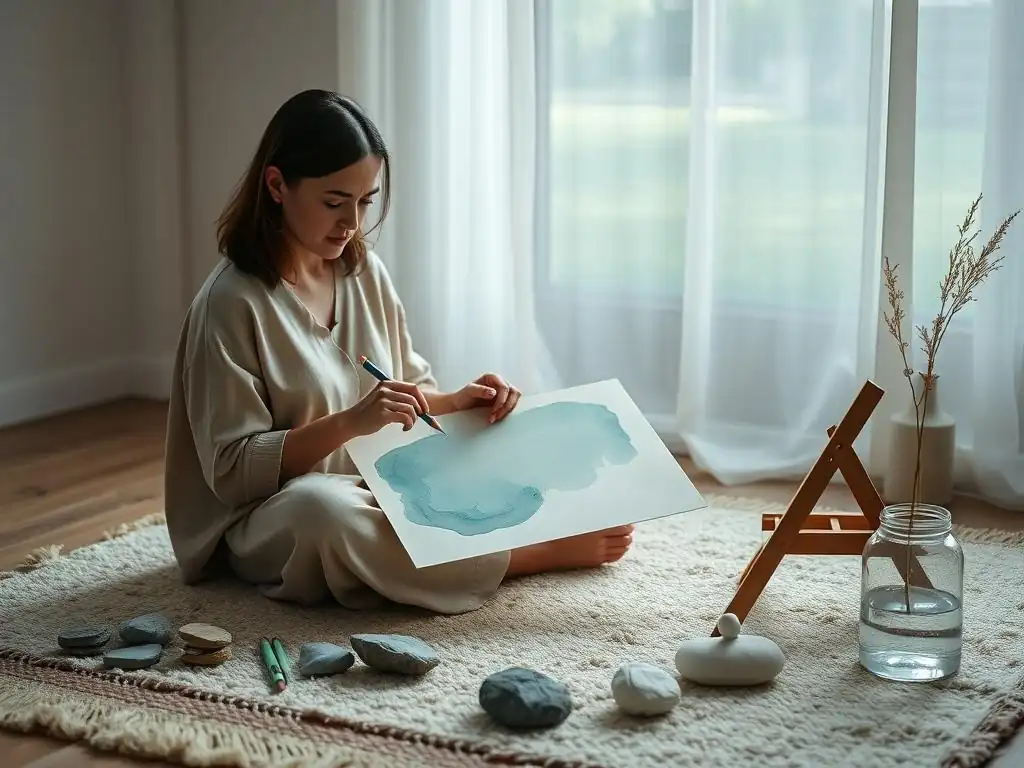
Art therapy for trauma recovery is a versatile approach that can benefit individuals of all ages and backgrounds who have experienced trauma. It is particularly helpful for those who struggle with verbal expression, have difficulty identifying or articulating their feelings, or find traditional talk therapy overwhelming. The non-verbal nature of art provides an alternative entry point into processing difficult experiences.
While often used for specific diagnoses like PTSD, art therapy can support healing from a wide range of traumatic experiences, including childhood abuse, domestic violence, combat exposure, medical trauma, natural disasters, and loss. Its adaptable techniques make it suitable for both individuals and groups, and it can be integrated into various treatment settings, from private practice to hospitals and community centers.
Art Therapy for PTSD and Complex Trauma
Individuals diagnosed with PTSD (Post-Traumatic Stress Disorder) and Complex Trauma (resulting from prolonged, repeated trauma) often benefit significantly from art therapy. PTSD symptoms like flashbacks, hyperarousal, and avoidance can make verbal processing incredibly challenging and potentially re-traumatizing. Art therapy provides a way to externalize intrusive images or sensations without needing to fully relive them. For example, a veteran with combat PTSD might create an abstract painting representing the chaos of a traumatic event, allowing them to explore the feelings associated with it from a safe distance.
Complex trauma often impacts identity, relationships, and emotional regulation more broadly than single-incident trauma. Art therapy techniques like collage, mask-making, or creating self-portraits can help survivors explore fragmented identities, build a sense of self-cohesion, and work on relational patterns symbolically. The process of art therapy trauma recovery supports the gradual integration of traumatic experiences into the life narrative, reducing symptom severity and improving overall functioning for those with both PTSD and complex trauma.
Art Therapy for Childhood Trauma and Abuse
Childhood trauma and abuse can have profound and lasting effects, often impacting development, attachment, and the ability to trust. Children and adolescents, in particular, may lack the verbal skills to articulate their experiences or may feel unsafe talking about them directly. Art therapy provides a developmentally appropriate and safe medium for expression. A child might use drawing or playdough to enact or symbolize traumatic events or feelings that they cannot name, allowing the therapist to understand their internal world.
For adults who experienced childhood trauma, art therapy can help access pre-verbal or non-verbal memories and emotions stored in the body. Techniques like creating a "body map" through art can help identify areas where trauma is held physically. Using materials symbolically, such as tearing and rebuilding paper, can represent the impact of abuse and the process of healing and rebuilding a sense of safety and self-worth. Art therapy trauma recovery provides a gentle, non-threatening way to process these deeply ingrained experiences.
Trauma resulting from violence (such as assault or domestic violence) or significant loss (like the sudden death of a loved one) can leave survivors feeling overwhelmed, unsafe, and isolated. Art therapy offers a way to process the intense emotions associated with these experiences, including fear, anger, grief, and despair. Creating art related to the traumatic event or the person lost can provide a sense of connection and allow for symbolic expression of complex feelings that are difficult to put into words.
For survivors of violence, creating images or objects that represent boundaries, safety, or strength can be empowering. For those grieving a loss, creating a memorial piece through art can be a powerful part of the grieving process, allowing for continued connection and expression of love and sorrow. The act of creation provides agency in the face of experiences that stripped away control. Art therapy trauma recovery supports the individual in navigating these intense emotions and finding pathways towards healing and integration after violence or loss.
Veterans often experience combat-related trauma, leading to conditions like PTSD, moral injury, and difficulty reintegrating into civilian life. Traditional therapy approaches may be challenging for some veterans who are hesitant to talk about their experiences or struggle with emotional numbing. Art therapy provides an alternative avenue for expression and processing that can feel less confrontational than verbal methods. Creating art can help veterans externalize intrusive memories, nightmares, and hypervigilance.
Techniques like mask-making can help veterans explore the different "faces" they present to the world versus their internal struggles. Creating symbolic representations of their experiences, such as sculpting a scene or painting a feeling associated with combat, allows for processing without explicit verbal disclosure. Art therapy can also support veterans in reconnecting with parts of themselves that were suppressed during service and finding new ways to express themselves. Many military and veteran support programs now incorporate art therapy as a key component of art therapy trauma recovery programs.
Finding an Art Therapist for Trauma Recovery
Finding the right therapist is a critical step in art therapy trauma recovery. It's important to seek out a qualified professional who is specifically trained in both art therapy and trauma-informed approaches. Not all art therapists specialize in trauma, and not all trauma therapists use art. Taking the time to find a good match can significantly impact the effectiveness and safety of the therapeutic process.
This section provides guidance on how to identify qualified art therapists, what questions to ask during an initial consultation, and where to find resources for locating therapists specializing in trauma. The goal is to empower individuals to make informed choices about their healing journey.
How to Choose a Qualified Art Therapist
Choosing a qualified art therapist involves looking for specific credentials and training. In many countries, art therapists are required to have a Master's degree in Art Therapy from an accredited program. Look for credentials such as ATR (Registered Art Therapist) or ATR-BC (Board Certified Art Therapist), which indicate that they have met national standards for education, supervised experience, and ethical practice. Some therapists may also have additional certifications or training specifically in trauma treatment, such as Certified Clinical Trauma Professional (CCTP) or training in modalities like EMDR or Somatic Experiencing, which they integrate with their art therapy practice.
It is crucial to confirm that the therapist has experience working specifically with trauma survivors. Ask about their approach to trauma-informed care and how they ensure client safety and regulation during sessions. While qualifications are important, finding a therapist with whom you feel comfortable and safe is equally vital. The therapeutic relationship is a key predictor of success in art therapy trauma recovery.
Questions to Ask Potential Therapists
When contacting potential art therapists for trauma recovery, preparing a list of questions can help you determine if they are a good fit. Consider asking questions like:
- "Are you a registered (ATR) or board-certified (ATR-BC) art therapist?"
- "What is your experience working with trauma survivors?"
- "What is your approach to trauma-informed care?"
- "How do you ensure clients feel safe and regulated during art therapy sessions?"
- "What types of art materials and techniques do you typically use with trauma clients?"
- "How do you view the role of the art product versus the art process?"
- "How do you integrate art therapy with other therapeutic approaches for trauma?"
- "What is your fee structure and do you accept insurance?"
- "What are your policies regarding confidentiality and boundaries?"
Asking these questions demonstrates your informed approach to seeking help and helps you assess the therapist's expertise and philosophy regarding art therapy trauma recovery. Pay attention not just to the answers but also to how the therapist makes you feel during the consultation.
Resources for Finding Art Therapists Specializing in Trauma
Several resources can help you find qualified art therapists specializing in trauma recovery. Professional organizations are a great starting point. The American Art Therapy Association (AATA) offers a directory of registered and board-certified art therapists that can be searched by location and specialization. Similarly, national art therapy associations in other countries often have similar online directories.
Many mental health directories, such as Psychology Today or GoodTherapy, allow you to filter therapists by specialization, including art therapy and trauma. When using these directories, look for therapists who explicitly mention experience with trauma, PTSD, or complex trauma in their profiles. You can also ask for referrals from other healthcare providers, local mental health clinics, or trauma support organizations in your community. Utilizing these resources can help you connect with a therapist who can guide you through art therapy trauma recovery.
The Role of Art Therapy in Holistic Trauma Healing
Trauma impacts the whole person – mind, body, and spirit. Therefore, holistic healing approaches are often most effective in promoting long-term recovery. Art therapy is well-suited to this holistic model as it engages multiple aspects of the self simultaneously. It addresses not only the psychological impact of trauma but also its physical manifestations (through sensory engagement and movement) and can facilitate spiritual or existential exploration through symbolic expression.
Integrating art therapy with other therapeutic modalities creates a comprehensive approach to healing. Furthermore, the skills and insights gained in art therapy can be translated into ongoing self-care practices, empowering survivors to continue their healing journey outside of formal therapy. The growing use of telehealth is also making art therapy trauma recovery more accessible to those who face barriers to in-person sessions.
Integrating Art Therapy with Other Therapeutic Modalities
Art therapy often works synergistically with other evidence-based trauma treatments. For example, it can prepare clients for therapies like EMDR or Trauma-Focused CBT by helping them build emotional regulation skills and tolerance for difficult feelings. Creating a "resource image" in art therapy (e.g., a picture of a safe place or a symbol of strength) can be used as a grounding technique during more intensive trauma processing in other modalities.
Conversely, insights gained in talk therapy can be further explored and integrated through art. Discussing a difficult memory verbally might lead a client to create an artwork that captures the essence of that memory, allowing for deeper emotional processing. Somatic therapies, which focus on the body's experience of trauma, can be enhanced by art therapy that helps clients visually map bodily sensations or express physical tension through materials like clay. This integrated approach acknowledges that healing is a multi-faceted process.
Self-Care and Continued Healing Through Creative Expression
One of the lasting benefits of art therapy trauma recovery is the development of self-care skills through creative expression. Clients learn how to use art materials and techniques as tools for managing stress, regulating emotions, and promoting well-being outside of therapy sessions. Simple practices like doodling during stressful moments, coloring to relax, or keeping an art journal can become valuable coping mechanisms.
Encouraging clients to continue engaging in creative activities fosters agency and empowers them to take an active role in their ongoing healing journey. This doesn't mean they need to continue formal art therapy indefinitely, but rather integrate creative expression into their daily lives. Whether it's painting, sculpting, writing poetry, or engaging in other creative pursuits, maintaining a connection to the creative process supports resilience and continued growth long after formal therapy concludes.
The Expanding Use of Art Therapy in Telehealth for Trauma
The advent and expansion of telehealth have made art therapy trauma recovery more accessible to individuals who may face geographical barriers, mobility issues, or prefer the comfort of their own home. While working with physical materials remotely presents unique challenges, art therapists have adapted by utilizing materials clients likely have at home or suggesting readily available items. Sessions might involve guiding clients through drawing exercises, collages using magazines, or working with simple materials like paper and pens.
Telehealth requires careful consideration of the client's environment and access to materials, but it maintains the core principles of art therapy: using the creative process for expression and healing within a safe, therapeutic relationship. For trauma survivors, the option of engaging in therapy from a familiar and safe space can sometimes reduce anxiety associated with traveling to an office. While not suitable for everyone, telehealth art therapy is expanding access to crucial art therapy trauma recovery services.
Conclusion: Embracing Creativity on the Path to Trauma Recovery
Trauma can leave individuals feeling broken, disconnected, and overwhelmed, their sense of safety shattered. The path to healing is often challenging, requiring courage, support, and a willingness to explore difficult terrain. Art therapy offers a unique and powerful pathway on this journey, providing a safe haven within the creative process itself. It acknowledges that some experiences are beyond words and offers a visual and tactile language for expressing the inexpressible.
Through drawing, painting, sculpting, collaging, and other creative techniques, survivors can externalize their internal world, process traumatic memories, regulate intense emotions, and rebuild a sense of self. Art therapy trauma recovery is not about creating masterpieces; it is about the transformative power of making, exploring, and finding meaning within a supportive therapeutic relationship. It is a testament to the innate human capacity for resilience and healing, demonstrating that even amidst profound darkness, creativity can illuminate a path towards hope and wholeness.
The Power of Art Therapy in Fostering Resilience and Hope
Art therapy is a powerful tool in fostering resilience and cultivating hope in trauma survivors. Resilience is not about avoiding pain, but about the capacity to bounce back, adapt, and grow in the face of adversity. Art therapy supports this by helping individuals develop coping mechanisms, build emotional regulation skills, and strengthen their sense of self-efficacy through the creative process. Successfully navigating the challenges of creating art, especially when processing difficult emotions, reinforces a belief in one's ability to overcome obstacles.
Creating art allows survivors to envision a future beyond the trauma, to explore possibilities, and to express their hopes and dreams. The act of bringing something new into existence, even on paper or in clay, can be a profound act of hope. It signifies that growth and transformation are possible. Art therapy trauma recovery empowers individuals to reclaim their voice, their narrative, and their future, demonstrating that creativity is not just a leisure activity, but a vital component of healing and building a life worth living after trauma.
Frequently Asked Questions
How does art therapy help in trauma recovery?
Art therapy provides a safe and non-verbal way to process traumatic experiences. It allows individuals to express feelings and memories that may be difficult to articulate through traditional talk therapy, fostering emotional regulation and healing.
What are some specific art techniques used in art therapy for trauma?
Techniques like drawing, painting, sculpting, and collage are often used. The choice of technique depends on the individual's comfort level and therapeutic goals, providing a flexible and personalized approach to healing.
Is art therapy a replacement for traditional trauma therapies like EMDR or CBT?
No, art therapy is often used as a complementary therapy, alongside treatments like EMDR or CBT. It can enhance the effectiveness of these therapies by providing a different avenue for processing trauma and building resilience.
Who is art therapy suitable for in trauma recovery?
Art therapy can be beneficial for individuals of all ages who have experienced trauma. It's particularly helpful for those who struggle with verbal expression or have difficulty accessing their traumatic memories directly.
How do I find a qualified art therapist specializing in trauma recovery?
Look for a therapist who is a registered art therapist (ATR) or has a similar credential. Ensure they have specialized training and experience in working with trauma survivors, as this ensures they have the necessary skills and knowledge.
Final Reflection: The Healing Power of Creation
The transformative potential of art therapy in trauma recovery is not merely a theoretical concept; it's a vital lifeline for countless individuals navigating the complexities of their past. Art, in its myriad forms, offers a safe and accessible pathway to process deeply ingrained emotional wounds, fostering resilience and paving the way for a more hopeful future. This is particularly crucial in our current climate, where the prevalence of trauma, both individual and collective, demands innovative and effective healing modalities.
The impact of art therapy extends far beyond the individual; it ripples outwards, influencing our collective understanding of trauma and mental health. It challenges the stigma surrounding mental health struggles, offering a tangible and empowering alternative to traditional therapeutic approaches. As Carl Jung profoundly stated, Your vision will become clear only when you can look into your own heart. Who looks outside, dreams; who looks inside, awakes.
Art therapy provides the tools and the space for this crucial inward journey, encouraging self-discovery and fostering a deeper connection with oneself and the world.
Consider the power you hold within yourself to heal and grow. This article has explored the profound benefits of art therapy in trauma recovery, but the true journey lies in your own hands. Embrace the creative process, allow yourself the space to explore your emotions through art, and discover the inherent resilience that resides within you. You are not alone, and the path to healing, though challenging, is ultimately one of profound self-discovery and empowerment.
Unleash Your Inner Healer: Start Your Creative Journey Today
Thanks for taking the time to explore the powerful connection between art and healing. We hope you gained valuable insights into how creative expression can help process trauma and foster resilience. Now it’s time to put these insights into action!
- Begin your own art journey: Even five minutes of sketching, painting, or sculpting can make a difference. Experiment with different mediums and see what resonates with you. Don't worry about perfection – focus on the process and self-expression.
- Share your experience: If you feel comfortable, share your creative journey with a trusted friend or family member. Talking about your process can be just as therapeutic as the art itself.
- Explore local art therapy resources: Search for workshops, groups, or individual therapists in your area specializing in trauma-informed art therapy. This step is key to accessing professional support for deeper healing.
What unique form of self-expression are you excited to try today to support your healing journey?