
Breathe Away the Terror: Simple Breathing Exercises for Panic Relief.

Welcome to Mind Care Guide, your sanctuary for mental well-being.
Feeling overwhelmed by anxiety? We understand. That sudden, crushing fear can be terrifying. Breathe Away the Terror with our guide to Panic Attack Breathing Exercises. Discover simple yet powerful techniques to regain control and find calm amidst the storm. Ready to take the first step towards relief? Let's begin...
Breathing Techniques for Panic Relief: A Practical Guide
- Understanding Panic and the Role of Breathing
- Effective Breathing Exercises for Panic Relief
- Enhancing the Benefits of Breathing Techniques
- Troubleshooting Breathing Exercises
- Empowering Yourself with Breathing Techniques
- Frequently Asked Questions
- Final Reflection: Finding Calm in the Storm
- Unlock Your Inner Calm: Start Breathing Your Way to Peace
Understanding Panic and the Role of Breathing
Recognizing Panic Attack Symptoms
Panic attacks are characterized by a sudden surge of intense fear or discomfort that reaches a peak within minutes. These episodes often involve a range of distressing physical and psychological symptoms. Physically, individuals may experience a racing heart (palpitations), sweating, trembling, shortness of breath, chest pain, dizziness, nausea, chills, or hot flashes. Psychologically, symptoms include feelings of derealization (feeling detached from reality) or depersonalization (feeling detached from oneself), fear of losing control, fear of going crazy, or a terrifying fear of dying.
While some people experience panic attacks in specific situations, others have them unexpectedly. The unpredictable nature of these attacks can lead to significant anxiety about future episodes, a core feature of panic disorder. It is estimated that roughly 11% of adults in the United States will experience a panic attack at some point in their lives, with panic disorder affecting about 2-3% annually. These statistics highlight how common and impactful panic attacks can be, often severely disrupting daily life and leading people to seek effective strategies like panic attack breathing exercises.
The Impact of Panic on Breathing
When panic strikes, the body's innate fight-or-flight response is activated. This primitive survival mechanism prepares you to either confront or flee from perceived danger. One of the most immediate and noticeable physiological changes during this response is to your breathing. Your respiration becomes rapid and shallow, a pattern known as hyperventilation.
This altered breathing pattern can lead to a decrease in carbon dioxide levels in your blood, which can exacerbate physical symptoms. Feelings of lightheadedness, tingling in the extremities, and that terrifying sensation of not being able to catch your breath or suffocating are often direct results of hyperventilation triggered by panic. This creates a vicious cycle: the physical symptoms of hyperventilation mimic those of a panic attack, which in turn intensifies the fear and further disrupts breathing. Learning proper panic attack breathing exercises is crucial for breaking this cycle.
How Breathing Exercises Calm the Nervous System
Consciously controlling your breath can directly counteract the physiological cascade triggered by panic. By slowing down and regulating your breathing, you send a signal to your brain that the perceived danger is not real, or at least manageable. This helps to deactivate the sympathetic nervous system (responsible for fight-or-flight) and activate the parasympathetic nervous system (responsible for rest-and-digest).
This shift in nervous system activity leads to a decrease in heart rate, relaxation of tense muscles, and a more balanced exchange of oxygen and carbon dioxide. The vagus nerve, a major nerve connecting the brain to many parts of the body including the heart and lungs, plays a key role here; slow, deep breathing stimulates the vagus nerve, promoting a state of calm. Practicing panic attack breathing exercises provides a tangible tool to regain control when your body feels out of control, helping to anchor you in the present moment and reduce the intensity of the fear.
Effective Breathing Exercises for Panic Relief
Diaphragmatic Breathing: Engaging Your Core for Calm
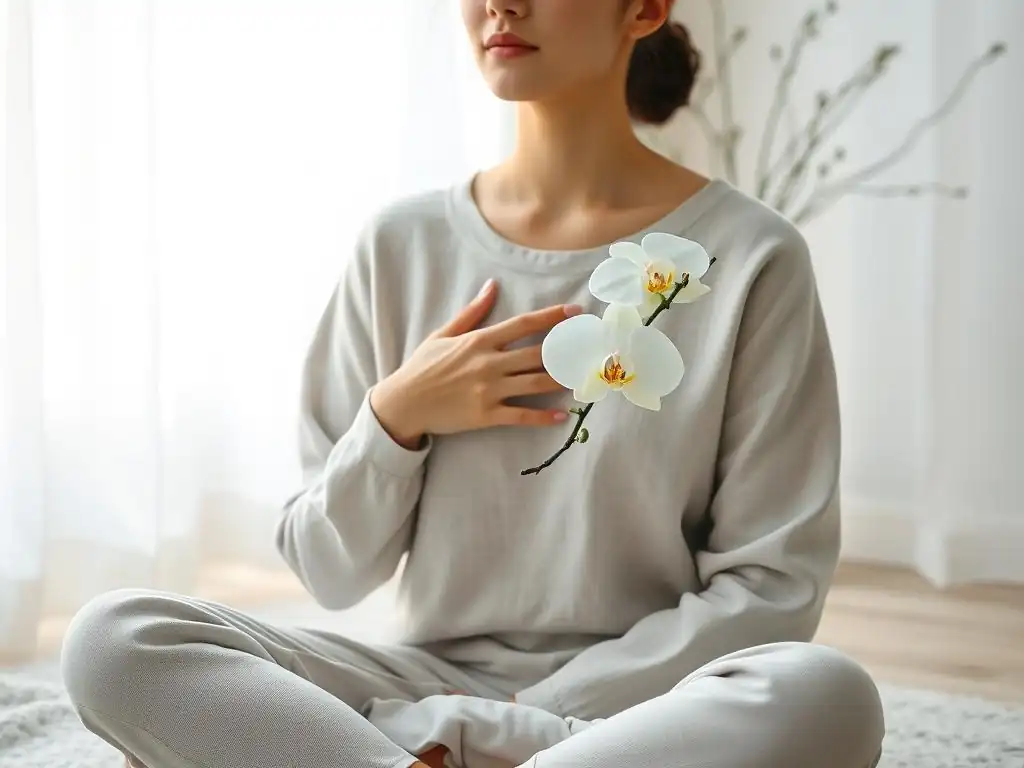
Diaphragmatic breathing, often called "belly breathing," is a fundamental technique that focuses on engaging the diaphragm, a large muscle located below the lungs, rather than relying on shallow chest breaths. When you breathe diaphragmatically, your abdomen should rise and fall with each breath, indicating that you are filling your lungs more fully from the bottom up. This method is widely taught in stress reduction programs and is a cornerstone of effective panic attack breathing exercises.
This technique is particularly effective during panic because it promotes deeper, slower inhalations and exhalations, helping to regulate the oxygen and carbon dioxide balance that gets disrupted during hyperventilation. Regular practice builds familiarity with the feeling of calm breathing, making it easier to access this state during moments of panic. For example, simply placing a hand on your belly while practicing can provide tactile feedback, helping you focus and confirm you are breathing correctly.
Performing Diaphragmatic Breathing
- Find a comfortable position, either sitting or lying down.
- Place one hand on your upper chest and the other just below your rib cage, allowing you to feel the movement of your diaphragm.
- Inhale slowly and deeply through your nose, allowing your abdomen to expand fully. The hand on your belly should rise, while the hand on your chest should remain relatively still.
- Exhale slowly through pursed lips, gently tightening your abdominal muscles to push the air out. The hand on your belly should fall.
- Repeat this process for several minutes, focusing on the sensation of your belly rising and falling.
Benefits for Panic Situations
Diaphragmatic breathing directly counteracts the shallow, rapid breathing typical of panic attacks. By slowing your breath and increasing the efficiency of oxygen exchange, it helps to lower your heart rate and blood pressure, reducing the physical symptoms that fuel panic. It provides a concrete, physical action to focus on, diverting attention away from fearful thoughts and sensations. This shift helps activate the parasympathetic nervous system, moving you out of the fight-or-flight state and towards a sense of calm and control.
Box Breathing: A Structured Approach to Calm
Box breathing, also known as square breathing, is a simple yet powerful technique where you visualize drawing a box with your breath. The method involves inhaling, holding your breath, exhaling, and holding your breath again, each for the same count, typically four seconds. This structured approach provides a clear rhythm and focus, making it particularly useful during stressful or overwhelming situations, which is why it's a recommended panic attack breathing exercise.
The structure of box breathing provides a mental anchor during the disorienting experience of a panic attack. Counting the seconds for each phase requires concentration, which helps to distract the mind from racing, fearful thoughts. This technique is widely used in high-pressure environments, such as by Navy SEALs and first responders, precisely because of its effectiveness in promoting calm and focus under duress.
Practicing Box Breathing
- Exhale completely to empty your lungs.
- Inhale slowly through your nose for a count of four.
- Hold your breath at the top of the inhale for a count of four.
- Exhale slowly through your mouth for a count of four.
- Hold your breath at the bottom of the exhale for a count of four.
- Repeat the cycle for several minutes, focusing on the counts and the rhythm of your breath. You can adjust the count (e.g., to 3 or 5) if four seconds feels too long or short.
Effectiveness During Panic Attacks
During a panic attack, the structured counting and holding phases of box breathing provide a strong focal point that interrupts the spiral of fear. It imposes a deliberate, controlled rhythm on your breathing, which helps to slow your heart rate and regulate your nervous system response. Because it can be practiced anywhere, discreetly, it's an accessible tool to use the moment panic begins to build. The simple, repeatable pattern offers a sense of order and control in a moment that feels chaotic, empowering you to manage the attack.
Pursed-Lip Breathing: Extending Exhalation for Relaxation
Pursed-lip breathing is a technique where you inhale through your nose and exhale slowly and deliberately through pursed lips, as if blowing out a candle very gently. While often taught for managing respiratory conditions, its emphasis on a long, controlled exhalation makes it highly effective for calming the nervous system and is a valuable addition to your repertoire of panic attack breathing exercises.
The physiological benefit of the extended exhale in pursed-lip breathing is significant. Exhaling longer than you inhale helps to slow your breathing rate and ensures that you are fully expelling stale air, which can improve oxygen exchange. The slight resistance created by pursed lips helps to keep your airways open longer during exhalation. This simple action can quickly induce a sense of calm, making it an immediate and accessible tool during moments of rising panic.
Practicing Pursed-Lip Breathing
- Relax your neck and shoulder muscles.
- Inhale slowly through your nose for a count of two.
- Pucker your lips as if you are about to whistle or gently blow out a candle.
- Exhale slowly and deliberately through your pursed lips for a count of four or more – making the exhale at least twice as long as the inhale.
- Repeat until your breathing feels calmer.
The Science Behind Its Relief
Pursed-lip breathing works by increasing pressure in your airways, which helps to keep them open during exhalation. This prevents air trapping and promotes a more efficient exchange of gases in your lungs. By slowing down your breathing rate and ensuring a longer exhale, you stimulate the parasympathetic nervous system, which helps to reduce heart rate, lower blood pressure, and induce a state of relaxation. This technique provides a quick way to gain control over rapid, shallow breathing during panic.
Alternate Nostril Breathing: Balancing the Nervous System
Alternate nostril breathing, or Nadi Shodhana in Sanskrit, is a yogic breathing technique that involves closing one nostril while inhaling through the other, then switching to exhale through the first and inhale through the second, alternating back and forth. This practice is believed to balance the flow of "prana" or life force in the body and is known for its ability to calm the mind and reduce stress and anxiety, making it a useful technique to practice regularly, even outside of acute panic, to build resilience.
Regular practice of alternate nostril breathing can help regulate the autonomic nervous system, promoting balance between the sympathetic and parasympathetic branches. While it might be too complex to perform during the peak of a severe panic attack, practicing it regularly can lower baseline anxiety levels and improve your overall capacity for calm. It provides a focused, rhythmic activity that requires concentration, drawing your mind away from anxious thoughts.
Performing Alternate Nostril Breathing
- Sit comfortably with a straight spine.
- Bring your right hand to your face. Close your right nostril with your right thumb.
- Exhale completely through your left nostril.
- Inhale slowly through your left nostril.
- Close your left nostril with your ring finger. Release your thumb from your right nostril.
- Exhale completely through your right nostril.
- Inhale slowly through your right nostril.
- Close your right nostril with your thumb. Release your ring finger from your left nostril.
- Exhale completely through your left nostril.
- This completes one cycle. Continue alternating for several rounds.
Benefits for Anxiety Reduction
Consistent practice of alternate nostril breathing has been shown to reduce heart rate, lower blood pressure, and decrease levels of stress hormones. It promotes mental clarity and focus while inducing a state of deep relaxation. While perhaps not the first technique to reach for during an intense panic attack due to its coordination requirement, incorporating it into a daily routine can significantly reduce overall anxiety levels, making you less susceptible to panic episodes and enhancing the effectiveness of other panic attack breathing exercises when they are needed.
Enhancing the Benefits of Breathing Techniques
Establishing a Breathing Routine for Prevention
While breathing techniques are invaluable tools during a panic attack, their effectiveness is significantly amplified when practiced regularly as a preventative measure. Dedicating even just 5-10 minutes each day to practicing diaphragmatic breathing or box breathing can train your nervous system to be less reactive to stress. Consistent practice builds muscle memory for relaxation, making it easier to access a calm state when faced with a trigger or the onset of panic symptoms. Think of it like building a muscle – the more you work it, the stronger it becomes.
Establishing a daily routine, perhaps in the morning or before bed, helps to lower your baseline anxiety levels over time. Studies have shown that regular mindfulness practices, including focused breathing, can lead to measurable reductions in stress hormones like cortisol within weeks. For instance, practicing 10 minutes of diaphragmatic breathing daily might not prevent every single anxious thought, but it can significantly reduce the frequency and intensity of panic attacks by keeping your nervous system in a more regulated state.
Combining Breathing with Other Coping Mechanisms: Grounding Techniques
Breathing exercises are most powerful when integrated into a broader coping strategy. One highly effective pairing is combining breathing with grounding techniques. Grounding exercises help to pull your attention away from overwhelming thoughts and sensations and anchor you in the present moment by focusing on sensory details in your immediate environment. This dual approach addresses both the physiological symptoms (with breathing) and the mental distress (with grounding) of a panic attack.
A simple way to combine them is to use breathing to first regulate your physical response, then immediately follow with a grounding exercise like the 5-4-3-2-1 method (naming 5 things you see, 4 things you feel, 3 things you hear, 2 things you smell, and 1 thing you taste). For example, you might start with a few cycles of pursed-lip breathing to slow down your heart rate, then open your eyes and deliberately identify five objects around you. This layered approach provides multiple avenues for regaining control and reducing the intensity of panic.
Identifying Triggers and Preparing Strategies
Understanding what triggers your panic attacks is a critical step in managing them effectively. Triggers can be specific situations (like crowded places or public speaking), physical sensations (like a rapid heartbeat from exercise), or even certain thoughts or memories. Keeping a journal to track when and where your panic attacks occur, along with any preceding thoughts or events, can help you identify patterns. Knowing your triggers allows you to prepare proactively.
Once you've identified potential triggers, you can develop specific strategies for navigating them. This might involve practicing your preferred panic attack breathing exercises before entering a triggering situation, or having a plan for where you can go to practice breathing techniques if you feel panic starting. For instance, if public transport is a trigger, practice box breathing on a bench before boarding, and have a specific breathing exercise in mind to use once you are on board. Preparing helps reduce the element of surprise and provides a sense of agency.
Seeking Professional Help for Panic Disorder
While breathing techniques are powerful tools, they are often just one component of a comprehensive treatment plan for panic disorder. If your panic attacks are frequent, severe, or significantly impacting your daily life, seeking professional help is essential. Panic disorder is a highly treatable condition, and a mental health professional can provide tailored support and strategies.
Therapies such as Cognitive Behavioral Therapy (CBT) are particularly effective for panic disorder. CBT helps you identify and challenge the fearful thoughts and beliefs that contribute to panic and teaches you coping skills, including more advanced methods and exposure techniques. Medication may also be an option to manage symptoms, prescribed by a doctor. Professional guidance ensures you receive the most effective combination of treatments for your specific needs, addressing underlying issues and providing a pathway to lasting relief beyond just managing acute attacks with panic attack breathing exercises.
Troubleshooting Breathing Exercises
Common Mistakes to Avoid
When learning and using panic attack breathing exercises, it's easy to fall into common pitfalls that can reduce their effectiveness. One frequent mistake is trying to breathe too deeply or too quickly, which can actually worsen hyperventilation symptoms like dizziness. Another error is focusing intensely on the absence of panic symptoms rather than simply focusing on the process of breathing itself; the goal is regulation, not immediate symptom eradication. Giving up too soon if a technique doesn't instantly resolve panic is also common – these methods require practice and patience.
To overcome these mistakes, approach breathing with a sense of gentle curiosity rather than forceful control. Focus purely on the mechanics: the inhale, the exhale, the counts, the sensation of air moving. If dizziness occurs, slow down your breathing further, especially the exhale. Be patient with yourself; it takes time to train your body and mind to respond differently to panic. Remember that even a slight reduction in intensity is progress, and consistent practice outside of panic makes the techniques more accessible during an attack.
Adjusting Techniques for Effectiveness
Not every breathing technique will resonate with everyone, and what works in one situation might not work in another. It's important to experiment with different panic attack breathing exercises to find the ones that feel most comfortable and effective for you. Some people find the structure of box breathing very grounding, while others prefer the simplicity of pursed-lip breathing or the deep calm of diaphragmatic breathing.
You may also need to adjust the techniques slightly. For instance, in box breathing, you might start with a count of three instead of four if holding your breath for four seconds feels too difficult during anxiety. Practice in different positions – sitting upright, lying down, or even standing – to see what feels most effective. The key is to listen to your body's response and tailor the techniques to suit your personal needs and the specific circumstances of the moment. Flexibility and adaptation are key to making these tools work for you.
Managing Hyperventilation During a Panic Attack
Hyperventilation is a core component of many panic attacks, leading to distressing symptoms like air hunger, chest tightness, and lightheadedness, which can intensify the fear. Directly addressing hyperventilation is crucial. The most effective approach is to focus specifically on slowing down and controlling your exhalation.
Pursed-lip breathing is particularly well-suited for managing hyperventilation because it forces a slow, controlled release of air, which helps to regulate carbon dioxide levels. Focus on making your exhale significantly longer than your inhale (e.g., inhale for a count of 2, exhale for a count of 4 or more). This simple adjustment can help correct the oxygen-carbon dioxide imbalance that fuels hyperventilation symptoms, thereby reducing some of the most frightening physical sensations associated with panic attacks.
Empowering Yourself with Breathing Techniques
Long-Term Benefits of Consistent Practice
Beyond providing immediate relief during a panic attack, consistent practice of breathing techniques offers significant long-term benefits for overall well-being and anxiety management. Regular deep, controlled breathing lowers your body's baseline stress response. Over time, this can lead to reduced overall anxiety levels, improved sleep quality, and even benefits like lower blood pressure.
The cumulative effect of daily breathing practice builds resilience. You are training your nervous system to spend more time in a calm, regulated state. Someone who practices diaphragmatic breathing or box breathing for 10-15 minutes daily over several months might notice that while stressors still exist, their automatic physiological reaction is less intense, and if panic symptoms do arise, they are less severe and shorter in duration. This consistent effort creates a foundation of calm that helps buffer against the impact of stress and potential panic triggers.
Building Confidence in Managing Panic
Perhaps one of the most empowering aspects of mastering panic attack breathing exercises is the sense of control they provide. Panic attacks can leave individuals feeling helpless and at the mercy of their own bodies. Successfully using a breathing technique to navigate or even lessen the intensity of an attack shifts this feeling from helplessness to capability.
Each time you successfully employ a breathing technique during a moment of anxiety or panic, you reinforce your belief in your ability to cope. This builds self-efficacy and reduces the debilitating "fear of fear" – the anxiety about having another panic attack. Knowing you have a tool you can deploy anywhere, anytime, instills confidence and reduces the power that the anticipation of panic holds over your life. This positive feedback loop is crucial for breaking free from the cycle of panic disorder.
Resources for Further Learning and Support
Embarking on the journey of using breathing techniques for panic relief is a significant step towards managing anxiety, but it's often best undertaken with support and continued learning. Numerous resources are available to deepen your practice and provide additional layers of help. Exploring guided breathing exercises through mental wellness apps or websites can be very beneficial, providing structure and guidance as you practice. Many books and workshops on mindfulness, meditation, and stress reduction also feature detailed instruction on various breathing methods.
Remember that breathing techniques are part of a larger toolkit. If panic attacks are a persistent challenge, seeking professional help from a doctor, therapist, or counselor specializing in anxiety disorders is highly recommended. They can provide a diagnosis, discuss treatment options like therapy or medication, and help you integrate breathing exercises into a comprehensive plan. Connecting with support groups can also offer valuable shared experiences and encouragement from others navigating similar challenges.
Frequently Asked Questions
How do panic attack breathing exercises work?
Breathing exercises help regulate your nervous system and reduce the physical symptoms associated with panic attacks, such as hyperventilation. This promotes a sense of calm.
When should I use panic attack breathing exercises?
Use these exercises as soon as you feel the initial signs of a panic attack or even proactively as a preventative measure during times of high stress.
Which panic attack breathing exercise is most effective?
The best exercise varies per individual. Diaphragmatic breathing and box breathing are frequently recommended and effective for many people. Experiment to find what works best for you.
How long should I practice panic attack breathing exercises?
Practice consistently, even when not experiencing a panic attack, for at least 5-10 minutes daily to build resilience and make them more effective during an actual episode.
Can panic attack breathing exercises completely eliminate panic attacks?
While they can significantly reduce the intensity and frequency of panic attacks, breathing exercises are often part of a broader treatment plan. Consult with a mental health professional for comprehensive care.
Final Reflection: Finding Calm in the Storm
The pervasive anxiety of modern life makes the ability to manage panic attacks more crucial than ever before. Learning simple breathing techniques isn't just a helpful tool; it's a vital skill for navigating the pressures of daily life and building resilience against overwhelming emotions. These techniques offer a tangible pathway to regaining control in moments of intense fear and distress.
The impact of accessible, effective panic relief strategies extends far beyond the individual. They empower individuals to take ownership of their mental health, fostering a sense of agency and self-efficacy that ripples outwards. This shift in perspective, from helplessness to empowerment, is profoundly significant. The breath is the bridge between the body and the mind.
This simple statement encapsulates the power of conscious breathing to connect us to our inner resources and calm the frantic chatter of a panicked mind. The normalization of these techniques can help destigmatize mental health struggles and encourage open conversations about anxiety.
You now hold the key to unlocking a calmer, more resilient you. Don't just read these exercises; practice them. Make them a part of your daily routine, a quiet refuge you can turn to in moments of stress. Experiment with different techniques, find what works best for you, and remember that the journey to mastering your breath is a journey to mastering your mind. Start today, breathe deeply, and discover the transformative power of calm within.
Unlock Your Inner Calm: Start Breathing Your Way to Peace
Thanks for taking the time to explore simple breathing techniques for panic relief! We hope you gained valuable insights into managing anxiety. Now, it's time to put your new knowledge into practice.
Here's how you can continue your journey to inner peace:
- Prioritize your breath: Start incorporating one of the breathing exercises from the article into your daily routine. Aim for just 5 minutes, twice a day – you'll be surprised at the difference.
- Share the calm: Tell a friend or family member about a breathing technique that resonated with you. Sharing your newfound knowledge can be incredibly rewarding.
- Explore further: Consider trying a guided meditation app; many offer free introductory sessions focused on breathwork.
What simple change will you make today to prioritize your mental well-being?