
How Your Screen Time Might Be Fuelling Your Anxiety


Welcome to Mind Care Guide, a sanctuary for your mental well-being.
Are you feeling increasingly anxious, even when you're not actively stressed? You're not alone. We often overlook the subtle ways our digital lives impact our minds. Explore with us, in " How Your Screen Time Might Be Fuelling Your Anxiety", how excess screen time could be contributing to your unease and, more importantly, discover practical strategies for anxiety relief. Let's embark on this journey towards a calmer, more balanced you.
How Screen Time Can Fuel Your Anxiety
- Understanding the Link Between Screen Time and Anxiety
- The Science Behind Screen Time and Anxiety
- Specific Ways Screen Time Can Trigger Anxiety
- Practical Strategies for Managing Screen Time Anxiety
- Long-Term Benefits of Reducing Screen Time for Anxiety Management
-
Frequently Asked Questions
- How does excessive screen time contribute to anxiety?
- What are some specific types of screen use that are most likely to trigger anxiety?
- Can reducing screen time really provide excess screen time anxiety relief?
- What are some practical tips for managing screen time to reduce anxiety?
- Where can I find additional resources for managing anxiety related to screen time and mental well-being?
- Final Reflection: Reclaiming Your Peace from the Digital Tide
- Unleash Your Tech-Free Potential!
Understanding the Link Between Screen Time and Anxiety
The Rise of Digital Anxiety in the Modern World
In recent years, as digital technology has become increasingly integrated into daily life, a phenomenon known as "digital anxiety" has emerged. This isn't a clinical diagnosis in itself, but rather a term describing the feelings of stress, worry, and unease that can arise from our interactions with screens and digital platforms. It encompasses everything from the pressure to maintain a perfect online persona to the constant influx of information and the fear of missing out on what others are doing online.
Experts estimate that the average adult now spends several hours a day looking at screens – perhaps 4-6 hours or even more, depending on work and leisure habits. This significant time investment creates fertile ground for anxiety to take root, as our brains are constantly stimulated and rarely given a chance to fully disconnect and rest.
The pervasive nature of screens means that digital anxiety can affect people of all ages and backgrounds. For instance, a teenager might experience anxiety related to social comparison on platforms like Instagram, feeling inadequate compared to curated images. An adult might feel overwhelmed by the constant stream of work emails outside of office hours or the pressure to respond instantly.
The sheer volume of notifications, updates, and social interactions available at our fingertips can lead to a state of perpetual alertness, making it difficult for the nervous system to relax and contributing to feelings of being constantly "on call." Understanding this widespread impact is the first step towards finding effective excess screen time anxiety relief.
Defining Excess Screen Time: What's Too Much?
Defining "excess screen time" isn't about setting a universal number of hours, but rather understanding when screen use becomes detrimental to your well-being. What might be manageable for one person could be excessive for another. Generally, screen time becomes excessive when it negatively impacts other essential areas of life, such as sleep, physical activity, social interactions, work or school performance, and mental health. For example, if late-night scrolling consistently cuts into your sleep, causing fatigue and irritability that fuel anxiety the next day, that screen time is likely excessive for you.
Consider a scenario where someone spends three hours every evening on social media and streaming services. While this might seem moderate to some, if it prevents them from engaging in stress-reducing activities like exercise, spending time with family, or pursuing hobbies, and instead leaves them feeling isolated or inadequate, then it constitutes excess screen time for their specific situation. The key indicator isn't the clock, but the consequence: is your screen use causing distress, interfering with healthy habits, or exacerbating anxious feelings? Recognizing this personal threshold is crucial for developing strategies aimed at excess screen time anxiety relief.
Recognizing Screen Time's Contribution to Your Anxiety
Identifying that your screen habits might be contributing to your anxiety involves self-awareness and observation. Pay attention to how you feel during and after significant periods of screen use. Do you feel more restless, irritable, or worried after scrolling through social media? Does checking the news constantly leave you feeling overwhelmed and fearful? Do you find yourself comparing your life negatively to others you see online, leading to feelings of inadequacy? These are all potential signs that screen time is fueling your anxiety.
Another way to recognize the link is by observing changes in your behavior and daily routines. Are you sacrificing sleep to stay online? Are you neglecting real-life relationships or activities in favor of digital ones? Do you feel a compulsion to check your phone constantly, experiencing withdrawal-like symptoms if you can't? If you nod along to these points, it's a strong indication that your screen time is likely playing a role in your anxiety levels. Acknowledging this connection is a powerful step towards implementing changes for effective excess screen time anxiety relief.
The Science Behind Screen Time and Anxiety
How Blue Light Exposure Affects Sleep and Anxiety Levels
The screens of our smartphones, tablets, and computers emit blue light, a type of light with short wavelengths that is known to affect our body's internal clock, or circadian rhythm. Exposure to blue light, especially in the evening hours, suppresses the production of melatonin, the hormone that signals to our body that it's time to sleep. This disruption makes it harder to fall asleep and can reduce the quality of sleep we get. Chronic sleep deprivation is strongly linked to increased anxiety levels, creating a vicious cycle where screen use disrupts sleep, and poor sleep exacerbates anxiety.
Studies have shown that individuals who report more screen time before bed also report poorer sleep quality and higher levels of stress and anxiety. For instance, research might indicate that people using electronic devices within an hour of bedtime take longer to fall asleep, spend less time in deep sleep, and report feeling more anxious the following day compared to those who avoid screens. This physiological impact of blue light on sleep is a significant factor in how screen time contributes to anxiety, making sleep hygiene a critical component of achieving excess screen time anxiety relief.
Digital platforms, particularly social media, are designed to be engaging and even addictive. They leverage the brain's reward system by providing intermittent positive reinforcement. Every like, comment, share, or notification triggers a small release of dopamine, a neurotransmitter associated with pleasure and reward. This creates a feedback loop: we check our phones, we get a potential reward (a notification), we feel a brief hit of pleasure, and we're encouraged to check again.
While dopamine is a natural part of brain function, the constant, unpredictable nature of digital rewards can lead to a craving for this stimulation. When we don't receive the expected likes or interactions, it can lead to feelings of disappointment or inadequacy, fueling anxiety.
The constant pursuit of these dopamine hits can also make it difficult to focus on less immediately rewarding tasks and contribute to feelings of restlessness and irritability when not engaged with screens. Understanding this neurological loop helps explain the compulsive nature of some screen habits and highlights why managing this interaction is key to excess screen time anxiety relief.
The Impact of Constant Notifications on Stress and Worry
Our devices are constantly vying for our attention through notifications – sounds, vibrations, and visual alerts that signal new information, messages, or updates. Each notification, whether it's an email, a news alert, or a social media update, is a small interruption that pulls our focus away from what we were doing. This constant switching of attention prevents us from entering a state of deep focus and can keep our minds in a state of perpetual readiness or low-level stress, anticipating the next alert.
Research suggests that the mere presence of a smartphone, even if it's turned off, can impair cognitive performance due to the mental energy spent suppressing the urge to check it. When notifications are on, the interruption is explicit, leading to increased stress hormones like cortisol. This chronic state of low-grade stress can contribute significantly to overall anxiety levels.
The feeling that you must be constantly available or risk missing something important (related to FOMO) is directly fueled by notifications. Learning to manage or disable notifications is a practical step towards reducing this source of stress and achieving excess screen time anxiety relief.
Specific Ways Screen Time Can Trigger Anxiety

Social media platforms, by their very nature, are breeding grounds for social comparison. Users often present idealized versions of their lives, highlighting achievements, positive experiences, and attractive appearances while omitting struggles, mundane moments, and imperfections. This curated reality is then consumed by others, who may compare their own unfiltered lives to these polished presentations. This constant upward comparison can lead to feelings of inadequacy, envy, and low self-esteem, all of which are closely linked to anxiety.
For example, someone scrolling through Instagram might see photos of friends on exotic vacations, landing dream jobs, or appearing effortlessly happy and successful. Comparing this highlight reel to their own daily life, which inevitably includes challenges and less glamorous moments, can trigger thoughts like "My life isn't as good," "I'm not doing enough," or "Everyone else is happier than me." These internal comparisons fuel anxiety, particularly social anxiety and generalized worry about one's place in the world. Recognizing the artificial nature of online personas is vital for mitigating this effect and finding excess screen time anxiety relief.
The Illusion of Perfection: How Social Media Feeds Anxiety
The content shared on social media often presents an "illusion of perfection." People carefully select photos, use filters, and craft captions to portray themselves and their lives in the best possible light. This isn't inherently malicious, but the cumulative effect of seeing only the highlights from dozens or hundreds of individuals creates a distorted view of reality. It gives the impression that everyone else is living extraordinary, flawless lives while your own seems ordinary or problematic by comparison.
This constant exposure to seemingly perfect lives can set unrealistic standards for oneself. It can lead to anxiety about not measuring up, not being successful enough, attractive enough, or popular enough. The pressure to conform to these perceived norms, or to present a similarly polished version of oneself, can also be a source of stress and anxiety. Understanding that what you see online is often a carefully constructed performance, not a full or accurate representation of reality, is essential for reducing the anxiety fueled by this illusion and working towards excess screen time anxiety relief.
FOMO (Fear of Missing Out) and Its Connection to Screen Time
FOMO, or the Fear of Missing Out, is a psychological phenomenon strongly exacerbated by screen time, particularly social media. It is the uneasy and sometimes anxious feeling that exciting or interesting events are happening elsewhere, often perpetuated by posts seen online, while you are not present. Social media acts as a constant stream of information about what others are doing, showcasing parties, trips, gatherings, and experiences that you might not be a part of.
This constant exposure to others' activities can trigger feelings of exclusion, inadequacy, and restlessness. It can lead to an urge to be constantly checking screens to see what's happening, driven by the fear of missing a social event, an important update, or a trending topic. This compulsive checking itself can be a source of anxiety, creating a cycle where screen time fuels FOMO, and FOMO drives more screen time. Addressing FOMO is a key part of finding excess screen time anxiety relief, often requiring a conscious effort to disconnect and appreciate one's current reality.
The News Cycle and Anxiety: Staying Informed vs. Being Overwhelmed
In an age of instant information, staying informed about current events is easier than ever, but it also means we are constantly exposed to news, much of which is negative, alarming, or distressing. The 24/7 news cycle, delivered directly to our screens through news apps, social media feeds, and push notifications, can create a sense of perpetual crisis. While it's important to be aware, constant exposure to reports of disasters, crime, political turmoil, and other negative events can lead to feelings of helplessness, fear, and heightened anxiety about the state of the world.
Consuming news via screens often involves rapid-fire updates and sensationalized headlines designed to grab attention. This format can make it difficult to process information thoughtfully and can amplify feelings of worry and unease. For someone already prone to anxiety, this constant influx of negative information can be particularly overwhelming, making it hard to distinguish between real, immediate threats and distant or unlikely ones. Developing mindful news consumption habits on screens is crucial for balancing the need to stay informed with the need to protect one's mental well-being and achieve excess screen time anxiety relief.
Gaming and Anxiety: Balancing Entertainment and Mental Well-being
For many, gaming is a source of entertainment, community, and stress relief. However, like other forms of screen time, it can also contribute to anxiety, particularly when not managed mindfully. This is especially true for certain types of gaming, such as highly competitive online multiplayer games. While gaming can offer benefits like problem-solving skills and social connection, excessive or specific types of gaming can lead to increased stress, frustration, and even social anxiety related to in-game interactions or performance.
Consider the pressure in competitive online games where performance is constantly judged by teammates and opponents, often anonymously and sometimes harshly. This can lead to performance anxiety, fear of failure, and stress related to ranking or winning.
For some individuals, the immersive nature of games can also lead to neglecting real-life responsibilities, sleep, and social interactions, creating a situation similar to other forms of excessive screen time where essential life needs are sacrificed, contributing to overall anxiety and distress. Balancing gaming with other activities and being aware of its emotional impact is key to ensuring it remains a positive pastime and doesn't hinder the pursuit of excess screen time anxiety relief.
Competitive Online Gaming and Its Potential for Increased Stress
Competitive online gaming environments are designed to be intense and engaging, often involving high stakes (in-game or perceived social status), rapid decision-making, and direct competition with other players. This can create a high-pressure atmosphere that, while exciting for some, can be a significant source of stress and anxiety for others. The focus on winning, ranking, and performance metrics can lead to feelings of inadequacy if players don't meet their own or others' expectations.
Furthermore, interactions within competitive gaming communities can sometimes be toxic, involving verbal abuse, harassment, and intense criticism. Exposure to such negativity regularly can significantly impact a player's emotional well-being and contribute to social anxiety, irritability, and stress even when they are not actively playing. For individuals susceptible to anxiety, the combination of performance pressure and potential negative social interactions in competitive gaming can be particularly detrimental, highlighting the need for mindful engagement and strategies for excess screen time anxiety relief in this context.
Practical Strategies for Managing Screen Time Anxiety
Setting Healthy Screen Time Limits: A Step-by-Step Guide
Setting healthy boundaries for screen time is a fundamental step towards managing anxiety fueled by digital overload. Start by tracking your current screen usage for a few days without judgment. Most smartphones have built-in tools for this (e.g., Screen Time on iOS, Digital Wellbeing on Android). This gives you a realistic baseline.
Next, identify areas where screen time negatively impacts you – is it sleep, focus, social interaction, or general anxiety levels? Based on this, set realistic goals. Instead of aiming for zero screen time, try reducing it by a specific amount, perhaps 30 minutes less per day, or designate certain times as screen-free zones.
Implement these limits using practical tools. Use your phone's built-in screen time features to set app limits or schedule downtime. Consider using third-party apps designed for blocking distracting websites or apps during specific hours. Communicate your intentions to family or housemates to build accountability. Remember, consistency is key. It might feel challenging at first, but gradually reducing reliance on screens frees up time and mental energy, paving the way for significant excess screen time anxiety relief.
- Step 1: Track current screen time usage.
- Step 2: Identify negative impacts of screen time on your well-being.
- Step 3: Set realistic and specific screen time goals (e.g., no phone after 9 PM, limit social media to 30 min/day).
- Step 4: Use device settings or apps to enforce limits.
- Step 5: Create screen-free zones or times (e.g., during meals, before bed).
- Step 6: Review and adjust your limits as needed.
Mindful Technology Use: Being Present in the Digital World
Mindful technology use involves engaging with screens intentionally and consciously, rather than passively or compulsively. It's about paying attention to why you are picking up your device, what you are doing with it, and how it makes you feel. Before opening an app or website, pause and ask yourself: "Why am I doing this? Is it out of habit, boredom, or is there a specific purpose?" This simple pause can interrupt automatic behaviors and give you a moment to choose your actions rather than react mindlessly.
When you are using a screen, try to stay present. Instead of endlessly scrolling, focus on the content you are consuming. Are you reading an article? Engage with it. Are you talking to a friend? Focus on the conversation.
Notice the urge to switch apps or get distracted, and gently bring your attention back. Pay attention to your physical sensations and emotions while using screens. Do you feel tense, rushed, or anxious? Recognizing these feelings in the moment allows you to make conscious decisions about continuing or disengaging. Practicing mindfulness with technology helps you regain control and is a powerful technique for achieving excess screen time anxiety relief.
Digital Detox: Disconnecting to Reconnect with Yourself
A digital detox involves taking a break from screens and digital devices for a set period – it could be a few hours, a day, a weekend, or even longer. The purpose is to disconnect from the constant demands and stimuli of the digital world to reconnect with yourself, your surroundings, and the people in your life. It's an opportunity to experience life without the filter of screens, reduce the constant influx of information and comparison, and allow your nervous system to settle.
Even a short digital detox can provide significant benefits, including reduced anxiety, improved focus, better sleep, and a greater appreciation for real-world interactions and activities. It allows you to break habitual screen-checking behaviors and discover alternative ways to spend your time that are potentially more fulfilling and less anxiety-provoking. Planning and executing a digital detox is a proactive strategy for resetting your relationship with technology and experiencing profound excess screen time anxiety relief.
Planning Your Digital Detox: Tips and Tricks
Planning is crucial for a successful digital detox. First, decide on the duration and scope of your detox. Will you give up all screens (phone, computer, TV) or just specific ones (e.g., social media)? Will it be for a few hours, a day, or a weekend? Choose a time when it's feasible – perhaps a weekend without major work commitments. Inform people who might need to reach you that you will be offline and provide an alternative contact method for emergencies if necessary.
Prepare for potential boredom or restlessness by planning alternative activities beforehand. What will you do instead of looking at a screen? Gather books, plan outdoor activities, prepare materials for a hobby, or arrange to spend time with friends or family without screens.
Delete tempting apps from your phone temporarily or move them to a hard-to-access folder. Charge your phone and then put it away in a drawer or another room where it's not easily accessible. The more you plan and prepare your environment, the easier it will be to stick to your detox and reap the benefits of excess screen time anxiety relief.
Activities to Replace Screen Time: Reclaiming Your Time and Reducing Anxiety
Replacing screen time with fulfilling, real-world activities is essential for a successful digital detox and for long-term excess screen time anxiety relief. Think about activities that engage your body, mind, and senses in ways that screens often don't. Physical activity is a great replacement – go for a walk, hike, bike ride, or do some exercise. Nature is particularly calming, so spending time outdoors is highly beneficial.
Engage in creative pursuits like drawing, painting, writing, playing a musical instrument, or crafting. These activities can be deeply absorbing and provide a sense of accomplishment. Spend quality time with friends and family face-to-face, engaging in conversation or shared activities without the distraction of phones.
Read a physical book, cook a meal from scratch, work on a puzzle, or engage in a hobby you've been neglecting. These activities not only fill the time previously spent on screens but also actively contribute to well-being, reduce stress, and build a life less reliant on digital validation, significantly aiding in achieving excess screen time anxiety relief.
Optimizing Your Devices for Mental Wellness
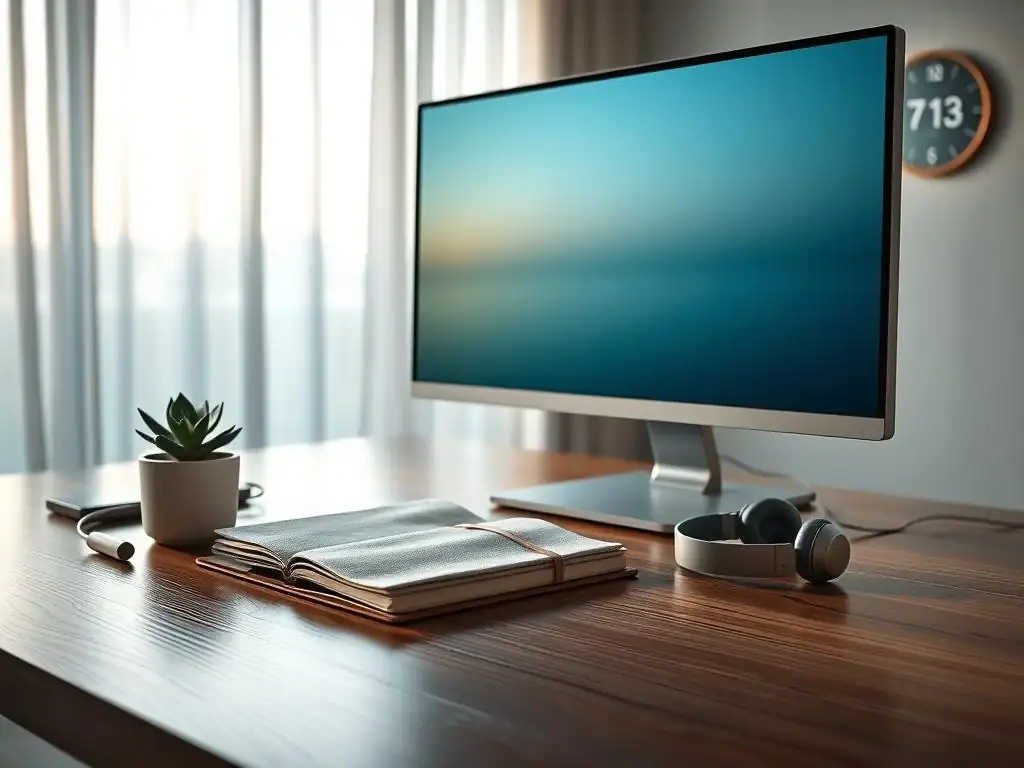
Beyond just setting limits, you can configure your devices themselves to reduce their anxiety-inducing potential. This involves making intentional choices about how your phone or computer interacts with you. The goal is to make your devices serve you, rather than constantly demand your attention.
One of the most impactful changes you can make is to manage notifications, as discussed earlier. Another is to adjust display settings that can affect sleep and eye strain. These small technical adjustments can make a significant difference in reducing the constant digital noise and visual stress that contribute to anxiety, forming a practical part of your strategy for excess screen time anxiety relief.
Turning Off Notifications: Reducing Digital Distractions
Notifications are arguably one of the biggest drivers of screen time anxiety. They constantly interrupt your focus, pull you back into the digital world, and create a sense of urgency or obligation to respond. Taking control of your notifications is a powerful way to reclaim your attention and reduce stress. Start by going through your device's notification settings. Turn off notifications for apps that are not essential – do you really need an alert every time someone likes your photo or a game is ready for the next turn?
For apps where you do need notifications (like messaging apps for important contacts), consider using quieter options like banners instead of sounds or vibrations. Utilize "Do Not Disturb" modes during focused work periods, meals, social time, and especially overnight. Schedule these modes to turn on automatically. The less you are interrupted by your device, the easier it is to stay present, focus on the task at hand, and reduce the background hum of digital stress that contributes to anxiety. This simple act is a direct path toward excess screen time anxiety relief.
Utilizing Blue Light Filters and Night Mode
As mentioned earlier, blue light exposure in the evening can disrupt sleep, which in turn exacerbates anxiety. Most modern smartphones, tablets, and computers have built-in features to reduce blue light emission, often called "Night Shift" (iOS), "Night Light" (Android/Windows), or similar names. These features shift the display colors towards the warmer end of the spectrum, reducing the amount of blue light emitted, particularly during evening hours.
Schedule these features to turn on automatically in the late afternoon or early evening. While they don't eliminate blue light entirely, they can significantly reduce your exposure during the critical hours leading up to bedtime. This helps support your body's natural melatonin production, making it easier to fall asleep and improving sleep quality. Better sleep directly contributes to reduced anxiety levels the following day, making the use of blue light filters a helpful tool in the pursuit of excess screen time anxiety relief.
While self-help strategies are effective for many, sometimes the anxiety fueled by screen time is severe, persistent, or linked to underlying mental health conditions. In such cases, seeking professional help from a therapist or counselor is a crucial step. Mental health professionals are equipped to help you understand the root causes of your anxiety, develop coping mechanisms, and address any co-occurring issues.
Don't hesitate to reach out if your screen time habits feel compulsive and uncontrollable, if your anxiety is significantly impacting your daily life, relationships, or work, or if you suspect you might have an underlying anxiety disorder that is being aggravated by technology use. A therapist can provide personalized support and strategies that go beyond general tips, offering a structured path toward healing and sustainable excess screen time anxiety relief.
When to Consider Therapy or Counseling
It's time to consider therapy or counseling for technology-related anxiety if:
- Your attempts to reduce screen time or manage your digital habits on your own have been unsuccessful.
- Your anxiety related to screen use (like FOMO, social comparison, or digital stress) is interfering with your work, school, social life, or relationships.
- You experience panic attacks or severe physical symptoms of anxiety (like rapid heartbeat, difficulty breathing) related to screen use or the inability to access screens.
- You use screens as a primary coping mechanism to avoid difficult emotions or situations, creating a cycle of avoidance and increased anxiety.
- You suspect your screen-related anxiety is part of a broader anxiety disorder or depression.
- You feel overwhelmed and unable to cope with the stress and worry stemming from your digital life.
Seeking help is a sign of strength and a proactive step towards improving your mental well-being. A therapist can offer a safe space to explore these issues and develop effective strategies for managing your anxiety and your relationship with technology, leading to meaningful excess screen time anxiety relief.
Cognitive Behavioral Therapy (CBT) and Its Application to Digital Anxiety
Cognitive Behavioral Therapy (CBT) is a widely used and effective form of therapy for anxiety disorders, and its principles are highly applicable to addressing anxiety fueled by screen time. CBT helps individuals identify and challenge negative thought patterns and behaviors that contribute to their distress. In the context of digital anxiety, a CBT therapist might help you identify thoughts like "Everyone else is having more fun than me" (related to FOMO) or "If I don't respond immediately, people will think I'm rude" (related to notification stress).
The therapist would then work with you to evaluate the evidence for and against these thoughts and develop more balanced and realistic perspectives. CBT also focuses on behavioral changes. This could involve setting and sticking to screen time limits, practicing mindful technology use, gradually reducing compulsive checking behaviors, or engaging in real-world activities that challenge avoidance patterns. By addressing both the cognitive (thinking) and behavioral aspects of screen time anxiety, CBT provides practical tools for managing symptoms and achieving lasting excess screen time anxiety relief.
Long-Term Benefits of Reducing Screen Time for Anxiety Management
Improved Sleep Quality and Its Effect on Anxiety
One of the most immediate and significant benefits of reducing screen time, especially in the evening, is improved sleep quality. By limiting exposure to blue light before bed and reducing the mental stimulation from scrolling or engaging with stressful content, you make it easier for your body to wind down and prepare for rest. Getting consistent, restful sleep is foundational for managing anxiety.
Chronic sleep deprivation disrupts the body's stress response system, making you more reactive to stressors and increasing feelings of worry and unease. Conversely, sufficient sleep helps regulate mood, improve emotional resilience, and reduce physiological symptoms of anxiety. Studies consistently show a strong correlation between adequate sleep and lower anxiety levels. Prioritizing sleep by reducing screen time is a powerful, long-term strategy for achieving sustained excess screen time anxiety relief.
Enhanced Focus and Concentration
Constant digital interruptions and the habit of rapidly switching between tasks on screens can significantly impair your ability to focus and maintain concentration. When you reduce screen time, particularly time spent multitasking or mindlessly scrolling, you give your brain a chance to reset its attention span. This leads to improved focus on single tasks, whether it's work, studying, reading, or engaging in conversations.
Enhanced concentration reduces the feeling of being scattered or overwhelmed, which often accompanies anxiety. Being able to focus deeply on one thing allows you to be more productive, feel a greater sense of accomplishment, and experience a calmer mental state. This improved cognitive function is a valuable long-term benefit of managing screen time, contributing directly to reduced stress and a greater sense of control, which are essential components of excess screen time anxiety relief.
Excessive screen time can sometimes displace real-life social interactions, leading to feelings of isolation, even while feeling constantly connected online. By intentionally reducing time spent on screens, you create opportunities to invest more time and energy into face-to-face interactions with friends, family, and community members. Spending time with loved ones provides genuine connection, emotional support, and a sense of belonging, which are powerful buffers against anxiety.
Real-life social support networks offer comfort, perspective, and practical help during stressful times in ways that online interactions often cannot. Engaging in shared activities, having meaningful conversations, and experiencing physical presence strengthens bonds and reduces feelings of loneliness and isolation that can exacerbate anxiety. Prioritizing real-world connections made possible by reducing screen time is a vital strategy for building resilience and achieving long-term excess screen time anxiety relief.
Spending less time exposed to the curated, idealized versions of reality on social media can significantly boost self-esteem and reduce social comparison anxiety. When you are not constantly comparing your life to the highlight reels of others, you are better able to appreciate your own strengths, accomplishments, and unique journey. This shift in focus from external validation (likes, comments) to internal validation and self-acceptance is crucial for building healthy self-esteem.
Reducing social comparison also frees up mental energy that was previously spent on feeling inadequate or envious. This allows you to focus on personal growth, pursue your own goals, and find joy in your own experiences, rather than chasing an often-unrealistic standard set by others online. Over time, this leads to a more stable sense of self-worth and a significant reduction in anxiety related to feeling "not good enough," representing a profound aspect of excess screen time anxiety relief.
Frequently Asked Questions
How does excessive screen time contribute to anxiety?
Excessive screen time can lead to anxiety by disrupting sleep patterns, increasing exposure to stressful content, and reducing opportunities for real-life social interaction, all crucial for mental well-being.
What are some specific types of screen use that are most likely to trigger anxiety?
Activities like doomscrolling through negative news, constantly comparing oneself on social media, and playing violent video games for extended periods are particularly anxiety-inducing.
Can reducing screen time really provide excess screen time anxiety relief?
Yes, reducing screen time can significantly contribute to excess screen time anxiety relief by allowing your brain to rest and reset, and creating space for more positive and grounding activities.
What are some practical tips for managing screen time to reduce anxiety?
Implement strategies such as setting time limits on apps, creating screen-free zones in your home, and scheduling regular digital detox periods to promote excess screen time anxiety relief.
Mind Care Guide offers a comprehensive range of articles, support resources, and professional guidance to assist with managing anxiety and promoting overall mental well-being, offering strategies for excess screen time anxiety relief.
Final Reflection: Reclaiming Your Peace from the Digital Tide
The relentless scroll, the constant notifications, the ever-present glow – our digital lives are inextricably intertwined with our mental well-being. This article has explored the insidious link between excessive screen time and anxiety, a connection that's more critical than ever in our hyper-connected world. The sheer volume of information, the pressure to constantly engage, and the curated perfection presented online contribute to a pervasive sense of inadequacy and overwhelm, fueling a cycle of anxiety that's difficult to break.
The impact of this digital deluge on our collective mental health is profound and far-reaching. We've become accustomed to a constant state of stimulation, leaving us ill-equipped to handle the quiet moments of reflection and introspection that are crucial for mental clarity. The greatest enemy of knowledge is not ignorance, it is the illusion of knowledge.
– Stephen Hawking. This quote rings true in our digital age; the sheer volume of readily available information can often mask a lack of genuine understanding and self-awareness, leading to increased anxiety and uncertainty.
Now, consider your own relationship with your devices. What steps can you take to reclaim your peace and prioritize your mental health? Start small: set boundaries for screen time, cultivate mindful digital practices, and actively seek out moments of disconnection to reconnect with yourself and the world around you. Remember, you have the power to curate your digital experience and, in doing so, cultivate a more peaceful and fulfilling life. Take control of your screen time, and watch your anxiety begin to recede.
Unleash Your Tech-Free Potential!
Thanks for taking the time to explore how screen time might be impacting your anxiety. We hope you gained valuable insights into managing your digital well-being! Now, it's time to put that knowledge into action. Here's how:
- Prioritize a Digital Detox: Start small! Choose one day this week to significantly reduce your screen time. Notice how you feel – both physically and mentally.
- Share Your Experience: Let's build a supportive community! Share your digital detox experiences (or challenges!) in the comments below. What strategies worked best for you?
- Explore Mindful Alternatives: Consider replacing some screen time with activities that bring you joy and peace – perhaps a walk in nature, a creative project, or spending quality time with loved ones.
What small step will you take today to reclaim your time and reduce your anxiety?