
Building Resilience: Fortifying the Athlete's Mind Against Anxiety


Welcome to Mind Care Guide, a sanctuary for your mental well-being.
Are you an athlete battling the invisible opponent of anxiety? You're not alone. This guide delves into crucial athlete's anxiety resilience strategies, offering a beacon of hope and actionable techniques to reclaim your mental game. Discover how to fortify your mind, conquer performance pressures, and unlock your full potential – both on and off the field. Let's explore how to build lasting resilience, starting now...
Building Resilience: Fortifying the Athlete's Mind Against Anxiety
Anxiety is a natural human response, but for athletes, it can become a significant hurdle, impacting not just performance but overall well-being. This guide explores athlete’s anxiety resilience strategies, offering insights and practical techniques to help athletes build mental fortitude and thrive under pressure. Understanding the unique pressures athletes face is the first step toward developing effective coping mechanisms and fostering a resilient mindset.
- Understanding Athlete's Anxiety and Its Impact on Performance
- Key Strategies for Building Athlete’s Anxiety Resilience
- Practical Techniques for Managing Anxiety in High-Pressure Situations
- The Role of Support Systems in Building Athlete Resilience
- Long-Term Strategies for Maintaining Mental Well-being and Preventing Anxiety Relapse
- Conclusion: Empowering Athletes to Thrive Under Pressure Through Resilience
-
Frequently Asked Questions
- What are some common sources of anxiety for athletes?
- How can mindfulness techniques help athletes build resilience?
- What role does social support play in an athlete's resilience?
- What are some practical strategies athletes can use to manage performance anxiety during competitions?
- Why is it important for coaches to understand athlete's anxiety?
- Final Reflection: Cultivating Inner Strength for Peak Performance
- Ignite Your Inner Champion: Build Unbreakable Mental Strength
Understanding Athlete's Anxiety and Its Impact on Performance
Athlete's anxiety is a specific form of performance anxiety experienced by individuals engaged in sports. While some level of arousal can be beneficial, excessive anxiety can be debilitating, manifesting physically and mentally. Recognizing the signs and understanding its origins are crucial components of any athlete’s anxiety resilience strategies guide.
Defining Athlete's Anxiety: Beyond the Pre-Game Jitters
Athlete's anxiety is more than just the typical pre-competition nerves that many performers experience. While a degree of physiological arousal is common and can even enhance focus (often referred to as 'optimal arousal'), athlete's anxiety refers to a state where this arousal becomes excessive, leading to distress, impaired concentration, and physical symptoms that hinder performance. It can be trait anxiety (a general predisposition to anxiety) or state anxiety (anxiety related to a specific situation, like a competition).
For example, a study involving collegiate athletes found that nearly 20% reported experiencing significant levels of anxiety that negatively affected their athletic participation. This isn't just feeling butterflies; it's experiencing symptoms like a racing heart, shortness of breath, trembling, and intrusive negative thoughts that interfere with executing skills.
This form of anxiety can manifest in various ways, often categorized as somatic (physical symptoms like sweating, muscle tension, nausea) or cognitive (mental symptoms like worry, negative self-talk, difficulty concentrating). It's a complex interplay of physiological responses and psychological interpretations of pressure. Unlike simple 'jitters' which often subside once competition begins, athlete's anxiety can persist or even worsen during performance, creating a vicious cycle of fear and performance decrement. Understanding this distinction is fundamental when considering athlete’s anxiety resilience strategies guide approaches.
The Detrimental Effects of Anxiety on Athletic Performance and Well-being
Excessive anxiety directly undermines athletic performance through several mechanisms. Physically, it can lead to increased muscle tension, which impairs coordination and fine motor skills, crucial in sports requiring precision like gymnastics or shooting. It also affects timing and decision-making, vital in dynamic sports like basketball or soccer.
Mentally, anxiety narrows focus, leading to missed cues and poor strategic choices. A study published in the Journal of Applied Sport Psychology highlighted that high anxiety levels correlated with a significant decrease in performance accuracy among athletes in pressure situations. For instance, a golfer experiencing high anxiety might see their putting accuracy drop by 30-40% under tournament pressure compared to practice.
Beyond performance, chronic athlete's anxiety significantly impacts overall well-being. It can contribute to sleep disturbances, digestive issues, and increased susceptibility to injury due to persistent muscle tension and fatigue. Furthermore, the psychological toll includes decreased enjoyment of the sport, feelings of burnout, social withdrawal, and in severe cases, depression. Research indicates that athletes reporting high anxiety levels are also more likely to experience symptoms of depression, sometimes affecting up to 25% of athlete populations in certain studies. Addressing this impact is a core goal of any comprehensive athlete’s anxiety resilience strategies guide.
Identifying the Root Causes of Anxiety in Athletes: Pressure and Expectations
The roots of athlete's anxiety are multifaceted, but pressure and expectations are primary drivers. External pressures come from coaches, parents, teammates, media, and even fans, often centered around winning, achieving specific statistics, or securing scholarships/contracts. For example, a high school athlete aiming for a college scholarship might feel immense pressure tied to every game's performance, creating anxiety about failure.
Internal pressures stem from the athlete's own high standards, perfectionism, fear of failure, and identity being solely tied to athletic success. An athlete who defines their self-worth purely by their win-loss record or scoring average is highly vulnerable to anxiety when performance falters.
Specific situations also trigger anxiety, such as playing against a tough opponent, competing in front of a large crowd, returning from injury, or facing uncertain futures (like draft eligibility or team selection). The perceived importance of an event dramatically escalates the pressure. Consider an Olympic athlete who has trained for years; the single opportunity every four years creates an unparalleled pressure cooker. Studies show that athletes often report anxiety spikes before major competitions or evaluative events. Understanding these specific triggers and underlying causes is vital for tailoring effective athlete’s anxiety resilience strategies guide techniques.
Key Strategies for Building Athlete’s Anxiety Resilience
Building resilience is an active process involving learning and implementing various mental and behavioral techniques. It's about equipping athletes with the tools to navigate stressful situations and bounce back from setbacks. Developing effective athlete’s anxiety resilience strategies guide components requires a multi-faceted approach.
Developing Cognitive Coping Mechanisms for Athletes
Cognitive strategies focus on changing how athletes think about pressure, challenges, and themselves. By altering thought patterns, athletes can reduce the intensity of anxiety and improve their mental state before and during performance.
Cognitive Restructuring: Challenging Negative Thoughts and Beliefs
Cognitive restructuring is a core technique in athlete’s anxiety resilience strategies guide, involving identifying and challenging irrational or negative thought patterns that fuel anxiety. Athletes often engage in catastrophic thinking ("If I miss this shot, we'll lose, and everyone will hate me") or perfectionism ("I have to be flawless"). Restructuring involves learning to recognize these thoughts, question their validity and helpfulness, and replace them with more balanced and realistic alternatives.
For instance, replacing "I'm going to fail" with "I am prepared and will do my best, regardless of the outcome." This process requires practice, often using thought diaries or working with a sport psychologist.
The impact of cognitive restructuring can be significant. Studies have shown that athletes who effectively use this technique report lower levels of cognitive anxiety (worrying thoughts) and improved self-confidence. For example, a swimmer constantly worried about not beating their personal best might learn to reframe their goal as focusing on effort and execution rather than solely the outcome. This shift in perspective can reduce debilitating pressure and allow for better performance. It's not about eliminating negative thoughts entirely, but about reducing their frequency and impact.
Mindfulness and Meditation Techniques for Anxiety Management in Athletes
Mindfulness involves paying attention to the present moment without judgment, while meditation is a practice used to train attention and awareness. For athletes, these techniques can help detach from anxious thoughts about the future or past mistakes and focus on the 'here and now' of the competition. Simple practices, like focusing on the breath for a few minutes before a race or during breaks in play, can interrupt the anxiety cycle. Regular meditation practice, even just 10-15 minutes daily, has been shown to reduce overall stress and anxiety levels.
Research supports the use of mindfulness in sports psychology. A study published in the Journal of Clinical Sport Psychology found that a mindfulness-based intervention significantly reduced anxiety and improved flow states (being completely absorbed and focused) in collegiate athletes. An example application is a basketball player using a brief mindfulness exercise at the free-throw line, focusing solely on the feel of the ball and their breathing, rather than the crowd noise or the score. These practices build mental discipline and emotional regulation, key components of athlete’s anxiety resilience strategies guide plans.
Visualization and Mental Imagery for Performance Enhancement and Anxiety Reduction
Visualization, or mental imagery, involves creating vivid mental pictures of successful performance. Athletes can mentally rehearse skills, strategies, and even how they will cope with challenging situations. This technique prepares the mind and body for competition, building confidence and reducing anxiety associated with uncertainty. By visualizing a flawless execution of a play or a calm, focused response to pressure, athletes can reduce the novelty and fear associated with these scenarios.
Beyond just visualizing success, imagery can also be used to practice coping with potential stressors. An athlete might visualize themselves feeling nervous but then successfully using a breathing technique to regain composure. Studies indicate that systematic mental imagery practice can improve motor skills and reduce pre-competition anxiety. For instance, a diver might visualize each step of their dive, from the approach to entry, including the feeling of the movements and the desired outcome, multiple times before stepping onto the board. This mental rehearsal is a powerful tool within athlete’s anxiety resilience strategies guide frameworks.
Implementing Behavioral Strategies to Enhance Resilience
Behavioral strategies involve taking specific actions or practicing techniques that directly influence physiological and psychological responses to stress and anxiety.
Exposure Therapy for Overcoming Fear of Failure in Sports
Fear of failure is a significant contributor to athlete's anxiety. Exposure therapy, adapted for a sports context, involves gradually exposing athletes to situations that trigger their fear in a controlled and safe environment. This could range from practicing skills in front of a small audience, simulating game pressure during training, or participating in low-stakes competitions to build confidence. The goal is to habituate the athlete to the anxiety-provoking situation, reducing the intensity of their fear response over time.
This approach is based on the principle that avoiding feared situations only reinforces the fear. By confronting the fear in a structured way, athletes learn that they can cope with the feelings of anxiety and that the feared outcome (failure) is often not as catastrophic as imagined, or that they can recover from it.
For example, a baseball player with a fear of striking out might practice hitting in simulated game conditions with consequences for striking out (e.g., extra conditioning), gradually increasing the pressure and learning to manage their anxiety. While formal exposure therapy is typically guided by a therapist, the principles can be applied in training as part of athlete’s anxiety resilience strategies guide.
Relaxation Techniques: Progressive Muscle Relaxation and Deep Breathing Exercises
Physiological symptoms are a hallmark of anxiety. Relaxation techniques directly target these physical manifestations. Progressive Muscle Relaxation (PMR) involves tensing and then releasing different muscle groups in the body, helping athletes become aware of tension and learn how to release it. Deep breathing exercises, such as diaphragmatic breathing, slow the heart rate and calm the nervous system. Practicing these techniques regularly can lower baseline anxiety levels and provide immediate tools for managing anxiety spikes during competition.
The effectiveness of these techniques is well-documented. Research shows that athletes who regularly practice deep breathing report reduced somatic anxiety symptoms like rapid heart rate and muscle tension before performance. For instance, a track athlete might use deep breathing at the starting line to calm their nerves and focus. PMR can be used in the evenings to promote better sleep, a critical factor in recovery and mental well-being. These simple yet powerful tools are essential components of any athlete’s anxiety resilience strategies guide.
Time Management and Prioritization Skills for Reducing Stress
The demands on athletes, especially those balancing academics, training, social life, and potentially work, can be overwhelming. Poor time management and feeling constantly overwhelmed contribute significantly to stress and anxiety. Developing effective time management and prioritization skills helps athletes gain a sense of control over their schedule and responsibilities. This involves planning training sessions, recovery time, study periods, social activities, and ensuring adequate sleep.
Learning to prioritize tasks based on importance and urgency reduces the feeling of being pulled in too many directions. For example, an athlete might use a planner or app to schedule their week, blocking out specific times for training, classes, homework, and rest. This structure can reduce anxiety about missing deadlines or feeling unprepared. Studies on student-athletes often highlight stress related to balancing multiple demands; improved time management is consistently identified as a key coping strategy. Integrating these practical skills is crucial for a holistic athlete’s anxiety resilience strategies guide.
Fostering Emotional Regulation and Self-Awareness
Emotional regulation is the ability to understand and manage one's emotions effectively. Self-awareness is the ability to recognize one's own emotions, thoughts, and values and how they influence behavior. These skills are fundamental to building resilience.
Identifying and Labeling Emotions: Building Emotional Intelligence
Developing emotional intelligence begins with the ability to identify and label one's emotions accurately. Athletes experience a wide range of emotions – excitement, fear, frustration, anger, disappointment, joy. Being able to recognize these feelings as they arise, without judgment, is the first step towards managing them. Instead of just feeling "bad" or "stressed," an athlete might learn to identify specific emotions like "I'm feeling anxious about this upcoming game" or "I'm frustrated with that mistake."
This self-awareness allows athletes to understand the triggers for their emotions and choose appropriate coping responses. For example, recognizing that frustration is setting in after a missed play allows an athlete to consciously choose a calming technique rather than letting the frustration escalate into anger or giving up. Practicing mindfulness can enhance this ability to notice emotions without getting swept away by them. This foundational skill is critical for any athlete’s anxiety resilience strategies guide.
Developing Self-Compassion: Treating Yourself with Kindness and Understanding
Athletes are often their own harshest critics, especially when performance doesn't meet expectations. Self-compassion involves treating oneself with the same kindness, understanding, and acceptance that one would offer a friend facing similar challenges. It means recognizing that mistakes are part of the learning process and that setbacks are opportunities for growth, rather than reasons for harsh self-criticism.
Research shows that athletes who practice self-compassion experience lower levels of anxiety and depression and higher levels of motivation and resilience. Instead of dwelling on a missed opportunity with harsh self-criticism ("I'm such a failure"), a self-compassionate athlete might acknowledge the disappointment but reframe it ("That was tough, but everyone makes mistakes. What can I learn from this?"). This shift in internal dialogue reduces the emotional sting of setbacks and allows the athlete to recover faster and maintain motivation, a vital element in athlete’s anxiety resilience strategies guide.
Seeking Support: The Importance of Communication and Connection
Feeling isolated can exacerbate anxiety. Building and utilizing a strong support system is crucial for resilience. This includes communicating openly with coaches, teammates, family, and friends about feelings of pressure, stress, or anxiety. Sharing these experiences can reduce feelings of isolation and provide perspective and emotional support.
Coaches and teammates who foster an environment of open communication and psychological safety can significantly impact an athlete's ability to cope. Knowing that it's okay to struggle and ask for help is powerful. Studies indicate that athletes with strong perceived social support report lower anxiety levels and greater ability to cope with stress. For instance, a team where players feel comfortable talking about mental struggles with each other and the coaching staff is better equipped to collectively navigate pressure situations. This collective aspect of resilience is a key, often overlooked, part of athlete’s anxiety resilience strategies guide.
Practical Techniques for Managing Anxiety in High-Pressure Situations
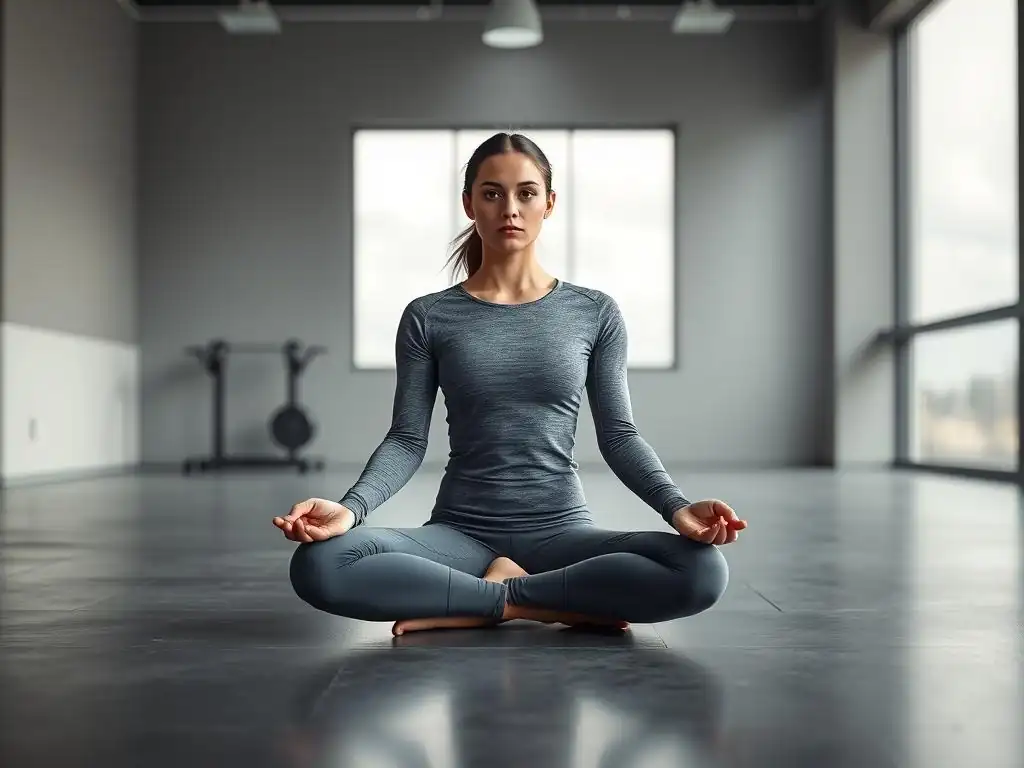
Beyond long-term resilience building, athletes need immediate, practical tools to manage anxiety in the moment, especially during competition or critical training sessions.
Pre-Competition Rituals and Routines for Calming Nerves
Establishing consistent pre-competition rituals and routines provides a sense of control and predictability in the often chaotic environment leading up to an event. These routines can include specific warm-up sequences, listening to certain music, visualization exercises, reviewing strategy, or performing specific relaxation techniques. The key is consistency; performing the same actions before each competition helps signal to the brain that it's time to focus and perform, reducing anxiety related to uncertainty.
A well-practiced routine can automate the transition into a performance mindset, minimizing the mental space available for anxious thoughts. For example, a tennis player might have a precise sequence: arrive at the court 90 minutes early, 30 minutes of physical warm-up, 15 minutes of dynamic stretching, 10 minutes of visualization, 5 minutes of deep breathing, then hit-up. This structure reduces decision fatigue and provides comfort through familiarity. Research shows that athletes who adhere to pre-performance routines demonstrate greater consistency and lower anxiety levels. These rituals are fundamental athlete’s anxiety resilience strategies guide components.
In-Game Strategies for Managing Anxiety and Maintaining Focus
Anxiety can strike during competition, often after a mistake or during a critical moment. Athletes need immediate strategies to regain composure and focus. These include using cue words ("Calm," "Focus," "Next Play"), implementing quick breathing exercises (e.g., box breathing for 30 seconds), refocusing attention on the immediate task (e.g., "watch the ball," "focus on the process"), or using positive self-talk ("You've got this," "Stay strong").
Taking a brief moment to pause and reset is crucial. In sports like basketball or tennis, using the time between points or during timeouts effectively for mental recalibration is key. A golfer might use their walk between shots to mentally rehearse the next shot and clear their mind of the previous one. These micro-strategies, practiced repeatedly in training, become automatic responses to anxiety triggers during competition. They are vital, in-the-moment athlete’s anxiety resilience strategies guide tactics.
Post-Competition Reflection and Analysis: Learning from Experiences
The period after competition is critical for learning and resilience. Instead of dwelling on mistakes or outcomes with harsh self-criticism, a structured reflection process helps athletes learn from their experiences, both successes and failures. This involves objectively analyzing performance (what went well, what could be improved), reflecting on emotional responses (how did I feel, and how did I cope? ), and identifying lessons learned for future training and competition.
This process can involve journaling, discussing with a coach, or using a structured debriefing template. The focus should be on process and effort, not just outcome. For example, an athlete who lost might analyze their strategy, execution of specific skills, and mental approach, rather than just lamenting the loss. This transforms setbacks into learning opportunities, reducing the fear of future failure and building long-term resilience. Consistent post-competition analysis is a powerful, often underestimated, part of athlete’s anxiety resilience strategies guide.
The Role of Support Systems in Building Athlete Resilience
Resilience is not built in isolation. The people surrounding an athlete play a crucial role in providing support, understanding, and guidance.
Coaches as Mental Health Advocates: Creating a Supportive Environment
Coaches are often the most influential figures in an athlete's life. Their approach to pressure, mistakes, and emotional expression sets the tone for the team environment. Coaches who recognize the signs of anxiety, normalize discussions about mental health, and create a culture of psychological safety empower athletes to seek help and build resilience. This involves emphasizing effort and learning over solely focusing on outcomes, providing constructive feedback, and showing empathy.
A coach who understands that anxiety is a legitimate challenge, not a sign of weakness, can significantly reduce the stigma associated with it. They can integrate mental skills training into regular practice, recommend resources, and provide a listening ear. For example, a coach might explicitly state that it's okay to feel nervous and teach the team simple breathing exercises they can use together. Studies have shown that a positive coach-athlete relationship is a significant protective factor against athlete burnout and anxiety. Empowering coaches is central to implementing effective athlete’s anxiety resilience strategies guide programs.
Parents and Family: Providing Unconditional Support and Understanding
Parents and family provide the foundational support system for many athletes. Their role in fostering resilience involves offering unconditional support (loving the athlete regardless of performance outcomes), providing a stable and calm home environment, listening without judgment, and avoiding placing excessive pressure or living vicariously through the athlete's achievements.
Encouraging open communication about challenges and celebrating effort and personal growth are more helpful than focusing solely on wins and losses. For example, a parent asking "How did you feel out there?" and "What did you learn today?" is more supportive than "Did you win?" or criticizing mistakes. Research highlights that parental pressure is a significant source of anxiety for young athletes; conversely, supportive family environments enhance coping skills and resilience. Educating parents on their crucial role is key in any athlete’s anxiety resilience strategies guide.
Sports Psychologists and Mental Health Professionals: Seeking Expert Guidance
For athletes experiencing significant or persistent anxiety, seeking help from qualified sports psychologists or mental health professionals is essential. These experts are trained to assess the unique challenges athletes face and provide tailored interventions, including cognitive-behavioral therapy (CBT), mindfulness training, and other evidence-based approaches. They can help athletes develop personalized athlete’s anxiety resilience strategies guide plans.
Working with a professional offers a confidential space to explore the root causes of anxiety, develop advanced coping mechanisms, and address any co-occurring mental health issues. Many professional sports organizations and universities now provide access to these services, recognizing their importance.
For example, a college athlete struggling with crippling performance anxiety might work with a sports psychologist weekly to develop specific pre-game routines and cognitive restructuring techniques, leading to a significant reduction in symptoms and improved performance over a season. Seeking this expert guidance is a sign of strength, not weakness, and is a critical step in building robust resilience.
Long-Term Strategies for Maintaining Mental Well-being and Preventing Anxiety Relapse

Building resilience is an ongoing process, not a one-time fix. Maintaining mental well-being requires consistent effort and a holistic approach to life.
Developing a Holistic Approach to Wellness: Sleep, Nutrition, and Exercise
Physical health is intrinsically linked to mental health. Ensuring adequate sleep (typically 7-9 hours for athletes), maintaining a balanced and nutritious diet, and engaging in appropriate exercise (beyond sport-specific training, focusing on recovery and general fitness) are fundamental to managing stress and anxiety. Poor sleep exacerbates anxiety symptoms, and inadequate nutrition can affect mood and energy levels.
Prioritizing recovery through sleep and proper fueling provides the body and mind with the resources needed to cope with stress. For example, an athlete who consistently gets only 5-6 hours of sleep might find their anxiety levels are significantly higher than when they are well-rested. Integrating these wellness pillars into daily life is not just about physical performance; it's a cornerstone of mental resilience and preventing anxiety relapse. A comprehensive athlete’s anxiety resilience strategies guide must emphasize this holistic foundation.
Cultivating a Growth Mindset: Embracing Challenges and Learning from Setbacks
A growth mindset, the belief that abilities can be developed through dedication and hard work, is a powerful antidote to the fear of failure that fuels anxiety. Athletes with a growth mindset view challenges as opportunities to learn and improve, rather than as tests of innate ability. They see setbacks not as proof of inadequacy, but as valuable feedback.
This perspective shift reduces the pressure to be perfect and increases motivation to persist in the face of difficulty. For example, an athlete who doesn't make the starting lineup with a growth mindset will focus on identifying areas for improvement and working harder in practice, rather than concluding they aren't good enough. Research indicates that fostering a growth mindset is associated with greater resilience and lower levels of anxiety in performance settings. Cultivating this mindset is a long-term strategy for building athlete’s anxiety resilience strategies guide principles into daily life.
The Importance of Self-Care and Maintaining a Healthy Work-Life Balance
Athletics can be all-consuming, but maintaining interests and relationships outside of sport is vital for preventing burnout and maintaining perspective. Engaging in hobbies, spending time with non-athlete friends, and scheduling time for relaxation and fun are forms of self-care that replenish mental and emotional energy.
A healthy work-life balance (or in this case, sport-life balance) ensures that an athlete's identity isn't solely tied to their performance. This reduces the anxiety associated with potential athletic failure, as there are other areas of life that provide fulfillment and self-worth. Blocking out time for non-sport activities in a schedule, just like training, is a conscious act of self-care. For instance, an athlete might commit to one evening a week completely free from training or sports talk, dedicated to spending time with family or pursuing a hobby. Prioritizing self-care is an essential, long-term athlete’s anxiety resilience strategies guide.
Conclusion: Empowering Athletes to Thrive Under Pressure Through Resilience
Building resilience is an ongoing journey for athletes, but it is a journey that can lead to not only improved performance but also greater enjoyment of their sport and enhanced overall well-being. By understanding the nature of athlete's anxiety and implementing proven strategies, athletes can fortify their minds against the pressures they face.
Summary of Athlete’s Anxiety Resilience Strategies
The path to resilience involves a combination of cognitive, behavioral, and emotional strategies, supported by strong social systems and a commitment to holistic well-being. Key athlete’s anxiety resilience strategies guide components include:
- Challenging negative thoughts through cognitive restructuring.
- Utilizing mindfulness and meditation for present-moment focus.
- Employing visualization and mental imagery for preparation.
- Gradually confronting fears through exposure principles.
- Practicing relaxation techniques like deep breathing and PMR.
- Developing effective time management and prioritization.
- Building emotional intelligence by identifying and labeling feelings.
- Cultivating self-compassion and reducing self-criticism.
- Leaning on support systems: coaches, family, and peers.
- Seeking expert help from sports psychologists when needed.
- Prioritizing sleep, nutrition, and general physical health.
- Fostering a growth mindset towards challenges and setbacks.
- Maintaining a healthy sport-life balance and engaging in self-care.
The Future of Mental Health Support in Athletics
The conversation around mental health in sports is growing, with increasing recognition of the pressures athletes face. The future promises greater integration of mental skills training into standard athletic development programs, increased access to sports psychologists and mental health resources at all levels of sport, and a continued reduction in the stigma associated with seeking help.
As understanding grows, the implementation of comprehensive athlete’s anxiety resilience strategies guide programs will become standard practice, empowering more athletes to not just cope with anxiety, but to truly thrive under pressure. Continued research and advocacy will further refine these strategies, ensuring athletes have the best possible tools to build enduring resilience.
Frequently Asked Questions
What are some common sources of anxiety for athletes?
Athletes often experience anxiety stemming from performance pressure, fear of failure, and intense competition. These factors can significantly impact their mental well-being.
How can mindfulness techniques help athletes build resilience?
Mindfulness practices, like meditation and deep breathing, help athletes become more aware of their thoughts and emotions. This increased self-awareness allows them to manage anxiety more effectively.
A strong support network, including coaches, teammates, and family, is crucial for athletes. They provide emotional support and encouragement, which helps buffer against the negative effects of anxiety.
What are some practical strategies athletes can use to manage performance anxiety during competitions?
Athletes can use strategies like visualization, positive self-talk, and pre-performance routines to manage anxiety. These techniques help them focus on the present moment and maintain composure.
Why is it important for coaches to understand athlete's anxiety?
Coaches who understand athlete's anxiety can create a supportive and understanding environment. This helps athletes feel safe to seek help and develop coping mechanisms for managing their mental health.
Final Reflection: Cultivating Inner Strength for Peak Performance
The mental fortitude of an athlete is no longer a secondary concern; it's the cornerstone of success. Ignoring the pervasive impact of anxiety on athletic performance is a disservice to athletes striving for excellence. This article has explored practical strategies to build resilience, emphasizing the crucial link between mental well-being and physical achievement. The strategies outlined—from mindfulness practices to cognitive restructuring—are not mere add-ons, but essential tools for optimizing performance and navigating the inevitable pressures of competition.
The journey towards mental resilience is a continuous process, one that demands self-awareness, consistent effort, and a willingness to embrace vulnerability. The stigma surrounding mental health in sports is slowly eroding, but the conversation needs to continue. We must create a culture where seeking support is seen as a strength, not a weakness. As renowned sports psychologist Dr. Jim Taylor states, The most successful athletes are not those who are naturally gifted, but those who have developed the mental skills to overcome adversity and perform under pressure.
This underscores the importance of the strategies discussed throughout this guide.
You, the athlete, hold the power to shape your mental landscape. By actively implementing the techniques presented—mindfulness meditation, cognitive behavioral therapy techniques, and establishing a strong support system—you are not just building resilience against anxiety; you are cultivating a deeper understanding of yourself, your capabilities, and your potential. Take the time to reflect on your own mental well-being. Identify your stressors, develop coping mechanisms, and remember that seeking professional help is a sign of strength, not weakness. Your journey to peak performance begins within.
Ignite Your Inner Champion: Build Unbreakable Mental Strength
Thanks for taking the time to explore the power of mental resilience in athletic performance! We hope you now have the tools to conquer anxiety and unlock your full potential.
Ready to put these strategies into action? Here's how:
- Prioritize one mindfulness practice this week: Even five minutes a day of deep breathing or meditation can make a world of difference. This is your primary focus this week.
- Share this article with a teammate or fellow athlete: Building a supportive network strengthens mental resilience for everyone.
- Experiment with a new visualization technique: Try visualizing success before your next competition—it might surprise you how much it helps!
What small step will you take today to bolster your mental toughness and achieve peak performance?