
SleepPromoting SelfCare Gifts for Caregivers Battling Chronic Fatigue and Stress

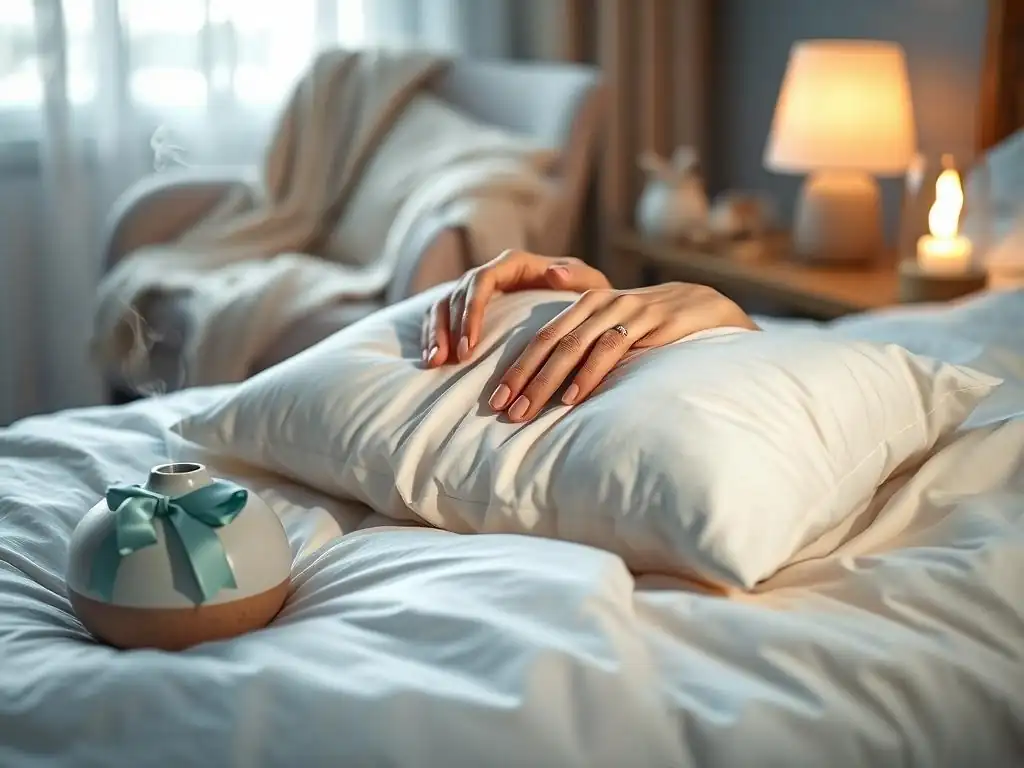
Welcome to Mind Care Guide, a safe space dedicated to nurturing your mental well-being. Are you a caregiver struggling to find a moment of peace, let alone a full night's sleep? You're not alone. This article delves into Caregiver Sleep Selfcare Gifts, offering tangible ways to reclaim restorative sleep and combat the chronic fatigue and stress that often accompany this demanding role. Intrigued? Let's explore how these thoughtful gifts can help you prioritize your own well-being and rediscover the power of a good night's rest.
Sleep-Promoting Self-Care Gifts for Caregivers Battling Chronic Fatigue and Stress | Mind Care Guide
- Understanding Sleep Deprivation in Caregiving
- Buying Guide: Choosing Sleep-Promoting Self-Care Gifts
- Top Sleep-Enhancing Self-Care Gift Categories
- Real-Life Examples: How These Gifts Have Helped
- Conclusion: Giving the Gift of Rest
-
Frequently Asked Questions
- How can sleep-promoting gifts specifically help caregivers?
- What are some examples of effective self-care gifts that address sleep issues?
- Why is sleep so crucial for caregivers' mental well-being?
- How does "Mind Care Guide" support caregivers in their self-care journey?
- Where can I find more information about sleep self-care beyond gift ideas?
- Final Reflection: Restoring the Wellspring: Self-Care Gifts and the Caregiver's Journey
- Unlock Your Restful Potential: Gift Yourself (and Your Loved Ones!) Some Self-Care
Understanding Sleep Deprivation in Caregiving
Challenges Caregivers Face Regarding Sleep and Stress
Caregiving is a demanding role, often requiring round-the-clock attention and emotional resilience. This relentless pressure frequently leads to significant sleep deprivation and chronic stress among caregivers. Studies consistently show that caregivers, particularly those assisting individuals with complex needs like dementia or chronic illness, report poorer sleep quality and shorter sleep duration compared to non-caregivers.
For instance, research indicates that up to 70% of family caregivers experience clinically significant symptoms of depression or anxiety, often directly linked to the exhaustion stemming from disrupted sleep patterns and the constant vigilance required. The unpredictable nature of caregiving tasks, such as nighttime awakenings to assist a loved one, directly fragments sleep, preventing caregivers from reaching the deep, restorative stages crucial for physical and mental recovery.
Furthermore, the mental burden of responsibility and worry creates a state of hyperarousal that makes falling asleep difficult even when a moment of rest is available. This constant state of being "on call" elevates cortisol levels, the body's primary stress hormone, which further interferes with the natural sleep-wake cycle. The cumulative effect of insufficient and poor-quality sleep exacerbates fatigue, diminishes cognitive function, impairs judgment, and weakens the immune system.
It creates a vicious cycle where stress disrupts sleep, and lack of sleep increases stress and reduces coping ability. Finding effective ways to promote rest through thoughtful caregiver sleep selfcare gifts becomes not just a luxury, but a necessity for their overall well-being.
Prioritizing Caregiver Sleep for Mental Well-being
Adequate sleep is a foundational pillar of mental health and overall well-being, especially for individuals under chronic stress like caregivers. Prioritizing sleep is not a selfish act but a critical component of sustainable caregiving. When caregivers are well-rested, they are better equipped to handle the emotional and physical demands of their role, exhibit greater patience, make clearer decisions, and maintain their own health.
Research highlights that improving caregiver sleep can lead to a significant reduction in stress levels and depressive symptoms. For example, interventions focused on sleep hygiene and support have shown measurable improvements in caregiver mood and resilience within weeks.
Investing in caregiver sleep selfcare gifts is a tangible way to show support and encourage this essential self-care practice. These gifts can provide practical tools and create a more conducive environment for rest, signaling to caregivers that their well-being is valued. By helping them achieve more consistent and restorative sleep, these gifts contribute directly to mitigating burnout and preserving their mental and emotional reserves. Ultimately, a well-rested caregiver is better able to provide compassionate and effective care, benefiting both themselves and the person they care for.
Thoughtful Sleep Self-Care Gifts for Supporting Caregivers
Selecting thoughtful caregiver sleep selfcare gifts requires understanding the unique pressures they face. These aren't just generic relaxation items; they are tools designed to actively counter the effects of stress and sleep deprivation. A gift that acknowledges their specific struggle with rest can be incredibly validating and useful. Think beyond the standard bath bomb and consider items specifically engineered or known for their sleep-promoting properties.
These gifts serve multiple purposes: they provide practical help in achieving better sleep, they offer moments of relaxation and escape, and they send a clear message of recognition and support. Whether it's a high-tech gadget designed to optimize sleep cycles or a simple, comforting item that creates a peaceful bedtime routine, the intention behind the gift is to foster better rest. The following sections explore various categories of gifts that can genuinely make a difference in a caregiver's ability to find restorative sleep.
Buying Guide: Choosing Sleep-Promoting Self-Care Gifts

Key Considerations When Selecting Gifts Focused on Sleep
When choosing caregiver sleep selfcare gifts, a personalized approach is essential. Consider the individual caregiver's specific situation, preferences, and challenges. A gift that works wonders for one might be impractical or unwanted by another.
- Identifying Specific Sleep Issues: Is the caregiver struggling to fall asleep, stay asleep, or both? Do they experience physical discomfort that disrupts sleep? Understanding the root cause can guide your choice. For someone with racing thoughts, a guided meditation audiobook might be more helpful than a weighted blanket. For someone experiencing physical tension, an ergonomic pillow or luxury bath products could be more effective.
- Understanding Preferences: Does the caregiver appreciate technology, or would they prefer something low-tech and comforting? Are they sensitive to smells? Do they have limited space? Tailoring the gift to their personal taste increases its likelihood of being used and appreciated. For instance, some people love the scent of lavender, while others find it irritating. Knowing these details is crucial.
- Budget Considerations: Sleep-promoting gifts range from inexpensive items like eye masks or herbal teas to significant investments like high-quality bedding or advanced sleep tech. Set a budget, but remember that the most expensive gift isn't always the most helpful. A thoughtfully chosen, affordable item that addresses a specific need can be far more valuable than a generic luxury item.
Providing truly effective caregiver sleep selfcare gifts means doing a little homework to ensure the item aligns with their actual needs and lifestyle.
What to Avoid When Choosing Sleep Gifts
While the intention behind giving caregiver sleep selfcare gifts is always positive, certain items might be less helpful or even counterproductive. Avoid gifts that add complexity or require significant effort to use, as caregivers often have limited time and energy. For example, a complicated gadget with a steep learning curve might sit unused.
Also, be cautious about gifts that are overly generic or cliché, unless they are of exceptionally high quality or specifically requested. A standard scented candle might be pleasant, but it doesn't necessarily target sleep issues or feel like a thoughtful acknowledgment of their unique struggle. Avoid items that rely heavily on caffeine or alcohol, as these substances disrupt sleep patterns, counteracting the gift's intended purpose. The goal is to provide tools for rest, not temporary distractions that could worsen sleep in the long run.
Top Sleep-Enhancing Self-Care Gift Categories
1. Aromatherapy & Relaxation Gifts
Aromatherapy uses the power of scent to promote relaxation and prepare the body for sleep. Many essential oils, such as lavender, chamomile, and bergamot, are known for their calming properties.
- Essential Oil Diffusers: These devices disperse essential oils into the air, creating a serene atmosphere conducive to sleep. A good quality diffuser with an auto-shutoff feature and perhaps a gentle light can transform a bedroom into a tranquil sanctuary. Pairing it with a selection of high-quality, sleep-specific essential oils can provide a versatile tool for nightly relaxation routines. Studies have shown that inhaling lavender oil can reduce anxiety and improve sleep quality, making a diffuser a practical and effective caregiver sleep selfcare gift.
- Lavender-Infused Sleep Masks: Blocking out light is crucial for regulating the body's internal clock. A soft, comfortable sleep mask infused with the calming scent of lavender can enhance the sleep experience. The gentle pressure of the mask combined with the soothing aroma helps signal to the body that it's time to rest. These are often portable and can be used for short naps during the day, which are sometimes the only rest opportunities a caregiver gets.
- Weighted Blankets with Aromatherapy: Weighted blankets are known for providing a sense of calm and security through deep pressure stimulation. Some innovative designs now incorporate pockets or materials that can be infused with soothing scents like lavender or chamomile. This combination offers both the grounding effect of weight and the relaxing benefits of aromatherapy, creating a powerful tool for reducing anxiety and promoting deeper sleep. Many users report feeling more relaxed and falling asleep faster when using a weighted blanket.
2. Sleep Technology & Gadgets
Technology can play a supportive role in optimizing the sleep environment and tracking progress. These gifts appeal to caregivers who appreciate data-driven insights or require specific environmental controls.
- White Noise Machines: Consistent ambient sound can help block out disruptive noises and create a calming auditory environment. White noise, pink noise, or nature sounds can mask sudden sounds like doors closing or movement in another room, which might otherwise wake a light-sleeping caregiver. Many machines offer a variety of sounds and timers, allowing the user to customize their experience. This can be particularly helpful for caregivers whose sleep space is near the person they care for.
- Sleep Tracking Devices: Wearable devices or bedside sensors can monitor sleep patterns, including duration, quality, and disturbances. While the data shouldn't become another source of stress, understanding sleep metrics can help caregivers identify patterns and make informed adjustments to their routine or environment. Some devices also offer personalized insights and recommendations for improving sleep hygiene. For a data-oriented caregiver, this can be a fascinating and empowering caregiver sleep selfcare gift.
- Smart Lamps with Sunset Simulation: Light significantly impacts the circadian rhythm. Smart lamps that simulate the gradual dimming of a sunset in the evening can signal to the body that it's time to wind down. In the morning, some can simulate a sunrise, providing a gentle wake-up call. This naturalistic approach to light exposure can help regulate the sleep-wake cycle more effectively than abrupt changes in lighting. Many models can be controlled via smartphone apps, adding convenience.
3. Comfort & Relaxation Gifts
Sometimes, the most effective sleep aids are those that simply increase physical comfort and promote relaxation rituals before bed. These tactile and sensory gifts can make the bedtime routine something to look forward to.
- High-Quality Bedding Sets: Scratchy sheets or lumpy pillows can significantly detract from sleep quality. Investing in luxurious, breathable bedding – such as soft cotton, bamboo, or linen sheets – can create a more inviting sleep environment. The feeling of comfort against the skin can help the body relax and prepare for rest. While a significant purchase, a really good set of sheets can be a transformative caregiver sleep selfcare gift.
- Ergonomic Pillows: Proper head and neck support are vital for comfortable, pain-free sleep. An ergonomic pillow designed for specific sleeping positions (side, back, or stomach) can alleviate tension and prevent discomfort that might otherwise disrupt sleep. Memory foam, latex, or specialized contour pillows are popular choices. Helping a caregiver find a pillow that truly supports their body can make a remarkable difference in their ability to fall and stay asleep.
- Luxury Bath Products: A warm bath or shower before bed is a classic relaxation technique. Gifting high-quality bath salts infused with calming minerals like magnesium, soothing bath oils, or gentle body washes can turn a simple hygiene routine into a calming self-care ritual. Magnesium, in particular, is known for its muscle-relaxing properties, which can aid in sleep. These items encourage the caregiver to take a few moments for themselves to unwind before attempting to sleep.
4. Books and Resources for Sleep & Stress Management
Knowledge and guided practices can empower caregivers to understand their sleep challenges and develop healthier habits. These gifts offer mental and emotional support alongside practical strategies.
- Guided Meditation for Sleep Audiobooks: Meditation and mindfulness are proven techniques for calming a racing mind and reducing anxiety, two major barriers to sleep for caregivers. Audiobooks or subscriptions to meditation apps focused specifically on sleep can provide guided exercises that help users relax their bodies and quiet their thoughts, easing the transition into sleep. Many sessions are designed to be listened to while lying in bed.
- Self-Care Journals: Journaling can be a powerful tool for processing stress, organizing thoughts, and winding down before bed. A beautifully bound journal or a guided journal specifically designed for self-reflection or tracking gratitude can encourage a caregiver to dedicate a few minutes each evening to offload worries and focus on positive aspects before sleep. This can help prevent intrusive thoughts from disrupting the process of falling asleep.
- Books on Managing Burnout and Sleep Deprivation: Providing educational resources can empower caregivers with strategies and insights. Books written by experts on caregiver burnout, stress management, or improving sleep hygiene offer practical advice and validation. Learning about the physiological effects of stress and sleep deprivation can help caregivers understand the importance of self-care and implement effective coping mechanisms. A well-chosen book can be a valuable, long-term caregiver sleep selfcare gift.
Real-Life Examples: How These Gifts Have Helped

Relief with a Weighted Blanket
Consider Sarah, a full-time caregiver for her mother with advanced Alzheimer's. Sarah struggled for years with insomnia, her mind racing with worries about her mother's safety and needs, even when she had a rare moment to rest. A friend gifted her a weighted blanket as a caregiver sleep selfcare gift. Sarah was skeptical at first, but after using it for a week, she noticed a significant change.
The blanket's weight provided a comforting pressure that felt like a gentle hug, helping to quiet her anxious thoughts and ground her body. She reported falling asleep about 20 minutes faster and experiencing fewer wake-ups during the night. While her sleep wasn't perfect, the weighted blanket offered noticeable relief from the constant mental chatter that had been preventing her from getting restorative rest.
Improving Sleep with an Essential Oil Diffuser
Mark was caring for his partner recovering from a serious illness. The stress of managing medical appointments, medications, and household tasks left him feeling constantly on edge, making it hard to relax at night. His sister gave him an essential oil diffuser with a small set of calming oils, including lavender and chamomile, as a caregiver sleep selfcare gift.
Mark began diffusing lavender oil in his bedroom about an hour before he planned to go to sleep. He found the gentle aroma created a peaceful atmosphere that helped him transition from his busy day to a state of rest.
He started incorporating the diffusion into a simple bedtime routine – turning on the diffuser, dimming the lights, and reading for a few minutes. This ritual, anchored by the calming scent, helped train his body to associate his bedroom with relaxation, leading to improved sleep onset and a feeling of greater calm before bed.
Tracking and Improving Sleep with Technology
Maria cared for her father and felt perpetually exhausted, but wasn't sure why her sleep felt so poor. She knew she was stressed, but couldn't pinpoint specific issues with her sleep itself. Her adult children pooled together to buy her a sleep tracking device as a caregiver sleep selfcare gift.
Using the device, Maria discovered she was waking up briefly multiple times throughout the night, often correlating with noises from her father's room. The data also showed her time in deep sleep was very low.
Armed with this information, she made adjustments: she started using earplugs and a white noise app on her phone to mask sounds and consciously focused on winding down more effectively in the hour before bed based on the device's suggestions for improving deep sleep. Over a couple of months, the tracking data showed a measurable increase in her deep sleep duration and fewer documented awakenings, helping her feel more rested during the day.
Conclusion: Giving the Gift of Rest
Recommended Sleep Self-Care Gifts
Supporting caregivers battling chronic fatigue and stress requires thoughtful consideration. The best caregiver sleep selfcare gifts are those that directly address the challenges they face in achieving restorative rest. From the calming influence of aromatherapy diffusers and weighted blankets to the practical help of white noise machines and ergonomic pillows, a wide range of options exists. Resources like guided meditation audiobooks and journals offer mental tools for winding down, while high-quality bedding provides essential physical comfort. The key is to choose a gift that feels personal, practical, and genuinely supportive of their need for sleep.
Encouraging Continued Self-Care
A single gift, while appreciated, is just one step. Encouraging a caregiver to prioritize sleep and self-care is an ongoing process. The act of giving a caregiver sleep selfcare gift opens the door for conversations about their well-being and reinforces the message that their health matters. Follow up with them, ask if the gift was helpful, and continue to offer support in ways that allow them moments for rest and recovery. This could involve offering to step in for a few hours so they can nap, or simply checking in to remind them to take a break.
Supporting Caregivers' Mental Health Through Sleep
Ultimately, caregiver sleep selfcare gifts are an investment in a caregiver's mental health and overall capacity to continue providing care without completely depleting themselves. Chronic sleep deprivation is a significant risk factor for burnout, depression, and anxiety in this population. By providing tools and encouragement for better sleep, we help mitigate these risks.
Supporting a caregiver's ability to get adequate rest is one of the most impactful ways to support their long-term well-being and resilience in their demanding role. It's a gift that benefits not only the caregiver but also the person receiving care, fostering a healthier and more sustainable caregiving journey for everyone involved.
Frequently Asked Questions
How can sleep-promoting gifts specifically help caregivers?
These gifts can provide essential tools for relaxation and improved sleep hygiene, helping caregivers combat the chronic fatigue and stress often associated with their demanding role.
What are some examples of effective self-care gifts that address sleep issues?
Examples include weighted blankets for deep pressure stimulation, aromatherapy diffusers with calming essential oils, and blackout curtains to create a darker sleep environment.
Why is sleep so crucial for caregivers' mental well-being?
Adequate sleep is fundamental for cognitive function, emotional regulation, and overall resilience. Lack of sleep exacerbates stress and increases the risk of burnout in caregivers.
How does "Mind Care Guide" support caregivers in their self-care journey?
"Mind Care Guide" offers information, support, and resources specifically tailored to address the unique challenges caregivers face, including articles on sleep hygiene and stress management.
Where can I find more information about sleep self-care beyond gift ideas?
Explore "Mind Care Guide" for a comprehensive understanding of various mental health topics, including practical tips for improving sleep and managing stress effectively.
Final Reflection: Restoring the Wellspring: Self-Care Gifts and the Caregiver's Journey
The relentless demands of caregiving often leave individuals depleted, their well-being sacrificed at the altar of duty. This chronic fatigue and stress are not merely inconveniences; they are significant threats to both physical and mental health. Ignoring the caregiver's needs only exacerbates the problem, creating a vicious cycle of exhaustion and diminished capacity to provide care. This article highlighted the crucial role of self-care, specifically focusing on sleep, and explored practical gift ideas to support caregivers in their journey toward rejuvenation.
The impact of chronic stress and sleep deprivation on caregivers is profound and far-reaching, affecting not only their personal lives but also the quality of care they provide. The ripple effect is undeniable, influencing family dynamics, professional productivity, and overall societal well-being. As the saying goes, You can't pour from an empty cup.
This simple truth underscores the urgent need to prioritize caregiver well-being, recognizing that their health is intrinsically linked to the health of those they care for. We must shift from a culture of silent suffering to one of proactive support and self-compassion.
Consider the gifts discussed within this article – not merely as material objects, but as symbols of care, understanding, and a commitment to prioritizing your well-being. You deserve rest. You deserve rejuvenation. You deserve to replenish your own wellspring before you can continue to pour out your love and energy for others. Take a moment to reflect on your own self-care practices. What small steps can you take today to prioritize your sleep and overall well-being? Invest in yourself; your health, happiness, and the quality of your caregiving depend on it.
Unlock Your Restful Potential: Gift Yourself (and Your Loved Ones!) Some Self-Care
Thank you for taking the time to explore practical ways to combat caregiver fatigue and stress. We hope you found valuable insights to improve your sleep and overall well-being! Now it's time to put that knowledge into action.
Here's what you can do next:
- Prioritize one self-care gift from the article: Choose the sleep-promoting item that resonates most with you and make a plan to purchase or create it this week. This is your first step towards prioritizing rest.
- Explore additional resources: Delve deeper into the specific self-care strategies discussed, experimenting to find what works best for your unique needs.
- Share your discoveries: Let your fellow caregivers know which self-care practice worked wonders for you! Discuss your experience in the comments below.
What simple self-care act are you most excited to try this week to improve your sleep?