
SelfCare Gifts Tailored for Spouses Caring for Partners with Chronic Illness


Welcome to Mind Care Guide, a supportive space dedicated to nurturing your mental well-being. Are you navigating the unique challenges of caring for a loved one with a chronic illness? It's a journey that demands immense strength and empathy. Today, we're diving into a crucial aspect often overlooked: chronic illness spouse self care. Discover thoughtful gift ideas designed to replenish your energy and remind you that you matter too. Keep reading to explore ways to prioritize your well-being while providing unwavering support.
Self-Care Gifts Tailored for Spouses Caring for Partners with Chronic Illness
- Understanding the Unique Needs of Chronic Illness Spouses: Prioritizing Self-Care
- The Ultimate Buying Guide: Self-Care Gifts for Chronic Illness Spouses
- Top Self-Care Gift Ideas for Chronic Illness Spouses: Promoting Mental Wellbeing
- Real-Life Examples: How These Gifts Can Support Chronic Illness Spouses
- Choosing the Right Gift: Tailoring to Individual Needs and Preferences
- Where to Buy These Self-Care Gifts: Maximizing Convenience and Value
- Conclusion: Empowering Chronic Illness Spouses Through Self-Care Gifts
-
Frequently Asked Questions
- How can self-care gifts benefit a spouse caring for a partner with a chronic illness?
- What types of self-care gifts are most effective for spouses dealing with chronic illness caregiving?
- Why is self-care so important for spouses of individuals with chronic illnesses?
- How can I encourage a spouse caring for a chronically ill partner to use the self-care gifts I give them?
- Where can I find more resources and support for spouses caring for partners with chronic illnesses?
- Final Reflection: Nurturing the Caregiver: A Journey of Self-Discovery
- Unwrap the Joy: Nurture Yourself & Your Relationship
Understanding the Unique Needs of Chronic Illness Spouses: Prioritizing Self-Care
The Emotional and Physical Toll of Caregiving for Chronic Illness
Caring for a spouse with a chronic illness is a demanding role that often extends beyond physical tasks, imposing significant emotional and physical burdens. Spouses frequently navigate complex medical routines, manage medications, attend appointments, and provide constant support, leading to chronic stress and fatigue. This relentless responsibility can erode their own health, contributing to issues like sleep deprivation, anxiety, depression, and even physical ailments such as back pain or weakened immune systems. Studies consistently show that caregivers of chronically ill loved ones report higher rates of mental and physical health problems compared to non-caregivers.
Furthermore, the emotional landscape is fraught with worry, grief, and isolation. Spouses may experience feelings of guilt, resentment, or helplessness as they watch their partner's health decline. The social isolation can be profound, as caregiving duties limit opportunities for leisure, social gatherings, and maintaining personal relationships. This constant state of high alert and emotional strain underscores the critical need for intervention and support mechanisms specifically designed for their unique situation, emphasizing the importance of chronic illness spouse self care.
Why Self-Care is Essential for Spouses Supporting Loved Ones
Self-care for a chronic illness spouse is not a luxury; it is a fundamental necessity for maintaining their own well-being and, consequently, their ability to provide care effectively. When a caregiver is depleted emotionally, physically, and mentally, their capacity to cope with challenges diminishes, potentially impacting the quality of care they can offer. Prioritizing self-care helps mitigate the negative effects of chronic stress, preventing burnout and preserving their own health over the long term. It allows them moments of respite, replenishment, and reconnection with their own identity outside of the caregiving role.
Engaging in self-care activities, whether small daily rituals or planned breaks, can improve mood, reduce anxiety, enhance resilience, and boost energy levels. It sends a vital message that their well-being matters, which is often overlooked in the demanding context of chronic care. Supporting chronic illness spouse self care is an investment in the health of the entire family unit, ensuring that the caregiver has the strength and emotional fortitude needed to navigate the ongoing journey alongside their partner.
Identifying the Right Self-Care Gifts: Focusing on Relaxation and Rejuvenation
Selecting appropriate self-care gifts for a chronic illness spouse requires thoughtful consideration of their unique challenges and preferences. The most impactful gifts are those that genuinely offer opportunities for relaxation, stress reduction, and rejuvenation, providing a temporary escape from the pressures of caregiving. Generic gifts may fall flat; instead, focus on items or experiences that directly address the physical tension, mental fatigue, and emotional strain they likely experience daily.
The goal is to provide something that encourages them to pause, breathe, and focus on their own needs, even if only for a short time. Gifts that promote chronic illness spouse self care should ideally be easy to incorporate into a busy schedule, require minimal effort to use, and offer tangible benefits like reduced anxiety, improved sleep, or a sense of calm. Tailoring the gift to their known interests or expressing genuine understanding of their situation makes it even more meaningful and effective in supporting their mental and physical well-being.
The Ultimate Buying Guide: Self-Care Gifts for Chronic Illness Spouses
Criteria for Selecting the Best Self-Care Gifts: Functionality, Relaxation, and Mental Wellness
When choosing a self-care gift for a chronic illness spouse, several criteria should guide your selection to ensure the gift is truly beneficial and appreciated. First and foremost is functionality; the gift should be practical and easy for a busy caregiver to use or access. Complex or time-consuming gifts might add to their burden rather than relieve it. Look for things that fit seamlessly into short breaks or provide long-term value without demanding significant effort.
Secondly, the gift must genuinely promote relaxation and contribute to mental wellness. Consider items or experiences known for their calming properties, ability to reduce stress, or potential to improve mood and focus. This could range from sensory experiences like soothing scents to tools that facilitate mindfulness or creative expression. The most effective gifts for chronic illness spouse self care are those that offer a clear pathway to de-stressing and regaining a sense of peace amidst chaos.
Budget Considerations: Finding Affordable and Meaningful Gifts
Supporting chronic illness spouse self care doesn't necessarily require a large budget. Many incredibly thoughtful and effective self-care gifts are quite affordable, focusing on the gesture and the benefit rather than the price tag. Consider DIY options, small but luxurious items, or services purchased in limited increments. A carefully chosen book, a high-quality tea set, or a small plant can be deeply meaningful.
Alternatively, pooling resources with family or friends can make more significant gifts, like a few hours of professional cleaning or a massage, more accessible. The key is to prioritize the recipient's needs and find something that offers genuine respite and encourages them to prioritize their own well-being, regardless of cost. A heartfelt card accompanying a simple gift expressing understanding and support can amplify its impact tremendously.
Top Self-Care Gift Ideas for Chronic Illness Spouses: Promoting Mental Wellbeing
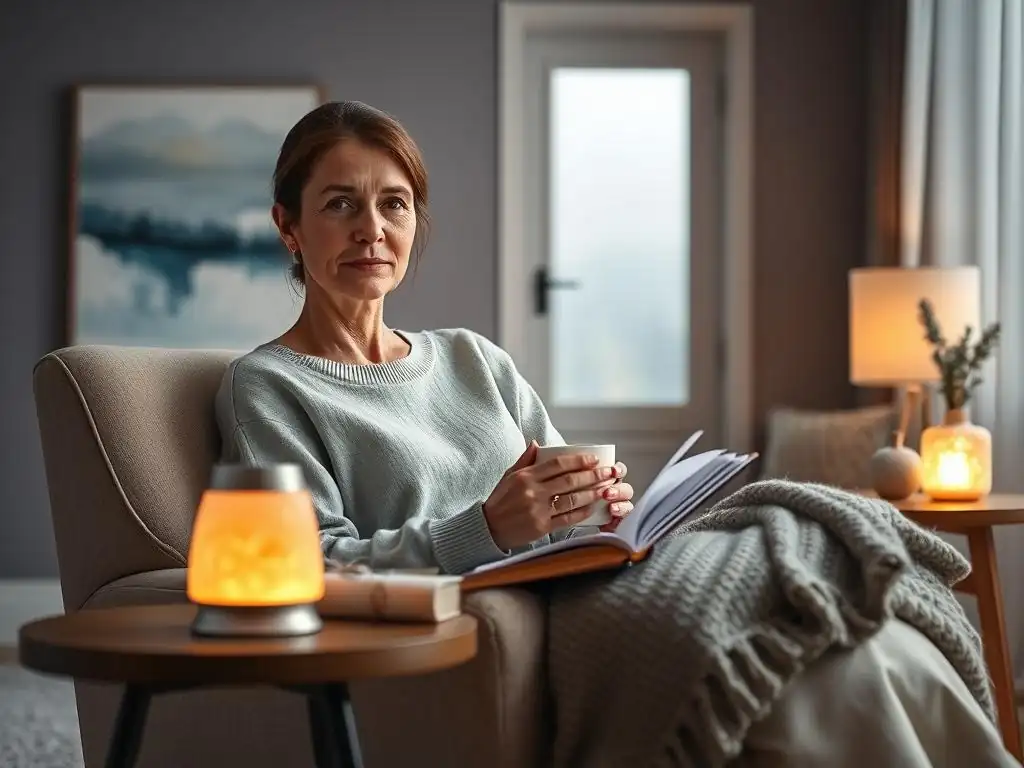
Relaxation & Stress Relief Gifts for Caregivers
Massage Therapy Gift Certificate (e.g., Soothe): Easing Physical Tension & Promoting Relaxation
Benefits of Massage for Caregiver Stress Relief
The physical demands of caregiving, such as lifting, assisting with mobility, or simply being constantly on alert, can lead to significant muscle tension, aches, and pains. Massage therapy is a powerful tool for alleviating these physical symptoms. It helps to release knots, improve circulation, and reduce muscle stiffness, providing much-needed physical relief. Beyond the physical, massage also has profound psychological benefits, reducing stress hormones like cortisol and increasing feel-good chemicals like endorphins, promoting a deep sense of relaxation and calm essential for chronic illness spouse self care.
Regular massage can contribute to improved sleep quality, reduced anxiety levels, and an overall sense of well-being. For a caregiver whose body and mind are constantly under strain, an hour dedicated solely to physical and mental unwinding through massage can be incredibly restorative. It offers a rare opportunity to be nurtured and cared for themselves, shifting the focus away from their responsibilities, even temporarily.
Why a Gift Certificate Offers Flexibility and Choice
A gift certificate for massage therapy provides the caregiver with crucial flexibility. They can schedule the massage at a time that works best with their caregiving responsibilities and personal energy levels. This is particularly important for chronic illness spouses whose schedules can be unpredictable. A certificate allows them to choose the location, type of massage, and therapist that best suits their needs and preferences, ensuring the experience is as beneficial and comfortable as possible.
Unlike booking a specific appointment for them, a gift certificate respects their autonomy and allows them to integrate this self-care activity into their life when they feel ready and able. This flexibility ensures the gift is not another source of stress but a true opportunity for relaxation and rejuvenation on their own terms, making it a practical and thoughtful gift for chronic illness spouse self care.
Aromatherapy Diffuser with Essential Oils (e.g., Stadler Form Julia Aroma Diffuser): Creating a Calming Atmosphere
The Power of Scent for Reducing Anxiety and Improving Mood
Our sense of smell is directly linked to the limbic system, the part of the brain that controls emotions, memory, and mood. This connection explains why certain scents can profoundly impact our psychological state. Aromatherapy, the use of essential oils derived from plants, leverages this connection to promote well-being. For a stressed chronic illness spouse, diffusing calming scents can create a peaceful sanctuary within their home, offering a subtle yet effective way to manage daily stress and anxiety.
Inhaling specific aromas can trigger relaxation responses, reduce feelings of tension, and improve overall mood. It provides a passive form of self-care that can be enjoyed while attending to other tasks or during brief moments of respite. The consistent presence of a soothing fragrance in their living space can serve as a continuous reminder to breathe and find moments of calm throughout the day, supporting chronic illness spouse self care effortlessly.
Recommended Essential Oils for Stress Relief: Lavender, Chamomile, and Frankincense
Several essential oils are widely recognized for their stress-reducing and calming properties, making them ideal for chronic illness spouse self care. Lavender is perhaps the most well-known, praised for its ability to promote relaxation, reduce anxiety, and improve sleep quality – all critical needs for caregivers. Chamomile essential oil is also highly regarded for its soothing and calming effects, often used to ease tension and promote a sense of peace.
Frankincense, with its grounding and meditative aroma, can help quiet a racing mind and promote feelings of tranquility and spiritual connection. Including a selection of these oils with a diffuser allows the caregiver to experiment and find the scents that resonate most deeply with them, creating a personalized aromatherapy experience tailored to their specific needs for stress relief and mental well-being.
Weighted Blanket (e.g., YnM Weighted Blanket): Providing Comfort and Security for Anxious Spouses
The Science Behind Weighted Blanket Therapy
Weighted blankets utilize deep pressure stimulation, a therapeutic technique that applies gentle, even pressure across the body. This pressure mimics the feeling of a hug or being swaddled, which can activate the parasympathetic nervous system. Activating this system helps to lower heart rate, reduce breathing speed, and promote a sense of calm and security. For chronic illness spouses who may experience heightened anxiety, restlessness, or difficulty sleeping due to stress, a weighted blanket can provide significant comfort and aid in relaxation.
Research suggests that deep pressure stimulation can increase the production of serotonin and melatonin, hormones that regulate mood and sleep, while decreasing cortisol, the stress hormone. This physiological response makes weighted blankets a valuable tool for managing anxiety, improving sleep quality, and providing a feeling of grounding during overwhelming moments, directly supporting chronic illness spouse self care.
Choosing the Right Weight and Material
Selecting the appropriate weighted blanket is crucial for maximizing its benefits. The general guideline is to choose a blanket that is approximately 10% of the user's body weight. For example, a person weighing 150 pounds might benefit from a 15-pound blanket. Using a blanket that is too heavy can be uncomfortable or even restrictive, while one that is too light may not provide enough pressure for the therapeutic effect.
Material is another important consideration. Options range from cotton for breathability to minky or fleece for added softness and warmth. Some blankets use glass beads, plastic pellets, or sand for weight. Glass beads are often preferred as they are smaller, quieter, and distribute weight more evenly. Choosing a material that is comfortable and aligns with the recipient's sensory preferences enhances the overall positive impact of the gift on their chronic illness spouse self care.
Mindfulness & Mental Health Gifts for Stressed Spouses
Subscription to a Meditation App (e.g., Insight Timer): Cultivating Inner Peace and Reducing Anxiety
Benefits of Guided Meditation for Caregivers
Caregiving for a chronically ill spouse often leaves little time for structured relaxation, and the mind can feel constantly busy and overwhelmed. Guided meditation apps offer an accessible way to practice mindfulness and reduce anxiety in short, manageable sessions. Even just 5-10 minutes of daily meditation can help a caregiver quiet their racing thoughts, improve focus, and cultivate a sense of inner peace. Guided sessions provide instruction and support, making meditation approachable even for beginners.
Regular meditation practice has been shown to lower blood pressure, reduce symptoms of stress and depression, and increase emotional regulation. For a chronic illness spouse navigating daily challenges, the ability to intentionally step back, breathe, and observe their thoughts without judgment can be incredibly empowering and restorative, making a meditation app subscription a practical gift for chronic illness spouse self care.
Features to Look for in a Meditation App
When choosing a meditation app subscription as a gift, look for one that offers a variety of content and features to cater to different needs and preferences. A good app should include guided meditations of varying lengths, suitable for different times of day or situations (e.g., meditations for sleep, stress, anxiety, or short breathing exercises). Look for options that offer different voices and styles of guidance.
Additional features like calming music, nature sounds, tracking progress, and perhaps even talks or courses on mindfulness and well-being can add significant value. Apps with offline access are also beneficial, allowing the caregiver to meditate even without an internet connection. The goal is to provide a tool that is flexible, easy to use, and offers diverse resources to support their chronic illness spouse self care journey.
Journaling Supplies (e.g., Moleskine Classic Notebook with Pilot Precise V5 Pens): Processing Emotions and Practicing Gratitude
The Therapeutic Benefits of Journaling
Journaling provides a private and non-judgmental space for chronic illness spouses to process the complex emotions they experience daily. Writing down thoughts and feelings can help to externalize worries, gain perspective, and identify patterns of stress or negative thinking. It serves as a healthy outlet for frustration, sadness, or anxiety that might otherwise be suppressed. The act of writing itself can be calming and grounding.
Beyond processing difficult emotions, journaling can also be used to practice gratitude. Regularly noting things they are thankful for, no matter how small, can shift focus from challenges to positive aspects of life, improving overall mood and resilience. Journaling is a simple yet profound tool for self-reflection and emotional regulation, making quality journaling supplies a thoughtful gift for chronic illness spouse self care.
Prompts to Encourage Self-Reflection and Gratitude
To make the gift of journaling supplies even more supportive, consider including a few suggested prompts to get them started. Prompts can help overcome the initial hurdle of a blank page and guide their reflections. Examples of self-reflection prompts include: "What emotions did I experience today, and why? ", "What was one challenging moment today, and how did I cope? ", or "What do I need for myself right now? ".
For gratitude practice, prompts like: "List three things that brought me a moment of peace today," "What am I grateful for about my partner? ", or "What small victory did I have today?" can be helpful. Providing these suggestions demonstrates an understanding of their situation and encourages them to use the journal as a tool for deliberate self-care and positive reframing, enhancing its value for chronic illness spouse self care.
Adult Coloring Books & Colored Pencils (e.g., Creative Haven Creative Kittens Coloring Book): Engaging in Mindful Creativity
The Calming Effect of Coloring
Adult coloring books have gained popularity as a therapeutic activity for stress relief. The act of focusing on selecting colors and staying within the lines requires concentration, which can help distract the mind from worries and anxious thoughts. It engages the creative part of the brain in a low-stakes, repetitive task that can be deeply calming and meditative. The process of coloring allows for a sense of flow, where time seems to disappear, providing a much-needed mental break for a chronic illness spouse.
Completing a section or a page offers a sense of accomplishment, which can be uplifting when daily life feels overwhelming and progress is hard to measure. It's a simple, accessible activity that can be picked up and put down easily, fitting into short pockets of free time. This mindful engagement with color and pattern provides a soothing escape and supports mental well-being, making it a gentle gift for chronic illness spouse self care.
Choosing a Coloring Book That Resonates
To make this gift truly effective, choose a coloring book with themes or designs that the recipient is likely to enjoy. Options range from intricate mandalas and detailed nature scenes to whimsical animals or abstract patterns. Consider their interests and personality; someone who loves gardening might appreciate floral designs, while someone with a sense of humor might prefer humorous illustrations.
Pair the coloring book with a good set of colored pencils or fine-tip markers. High-quality art supplies enhance the experience and make the activity more enjoyable. Ensuring the tools are pleasant to use encourages them to engage with the gift regularly, providing a consistent source of mindful relaxation and supporting their chronic illness spouse self care efforts.
Practical & Time-Saving Gifts for Caregivers
Meal Delivery Service Subscription (e.g., Factor): Reducing Meal Prep Stress
Benefits of Pre-Portioned Meal Kits
One of the significant burdens for a chronic illness spouse is the daily task of meal preparation, especially when managing their partner's dietary needs alongside their own. A subscription to a meal delivery service that provides pre-portioned ingredients or even fully prepared meals can drastically reduce this stress. These services eliminate the need for meal planning, grocery shopping, and much of the chopping and prepping.
Having healthy, ready-to-cook or ready-to-eat meals delivered to the door frees up valuable time and mental energy. It ensures that both the caregiver and their partner have access to nutritious food without the associated hassle. This practical gift directly addresses a major time sink and source of stress, providing essential support for chronic illness spouse self care by simplifying daily logistics.
Customizing Meals to Dietary Needs
Many modern meal delivery services offer customization options that are particularly beneficial for families dealing with chronic illness. They often cater to various dietary restrictions or preferences, such as low-sodium, low-carb, diabetic-friendly, gluten-free, or specific allergy considerations. This flexibility allows the caregiver to choose meals that meet the specific health requirements of their partner while also ensuring they have appealing options for themselves.
Look for services that clearly list ingredients and nutritional information and offer easy ways to select meals based on dietary filters. Providing a gift that simplifies meal times while accommodating necessary dietary adjustments is an incredibly thoughtful and practical way to support a chronic illness spouse's well-being and chronic illness spouse self care.
House Cleaning Service Gift Certificate (e.g., TaskRabbit Cleaning Services): Freeing Up Time and Energy
The Importance of a Clean and Organized Home Environment
Maintaining a clean and organized home can be incredibly challenging for a chronic illness spouse, yet a tidy environment can significantly impact mental well-being. Clutter and dirt can contribute to feelings of overwhelm and stress, while a clean space can feel calming and more manageable. However, the physical and time constraints of caregiving often make regular, thorough cleaning nearly impossible.
A gift certificate for a house cleaning service provides the invaluable gift of time and energy. It relieves the caregiver of a physically demanding and time-consuming chore, allowing them to rest, focus on their partner, or engage in other forms of self-care. Knowing that the burden of deep cleaning is lifted can reduce a significant source of background stress and contribute to a more peaceful home environment, directly supporting chronic illness spouse self care.
Choosing a Reputable Cleaning Service
When purchasing a gift certificate for a cleaning service, it's important to choose a reputable company or platform. Look for services with positive reviews, clear policies, and background-checked staff. Consider whether the service allows for customization of cleaning tasks to focus on the areas the caregiver finds most challenging.
Platforms like TaskRabbit or local cleaning agencies often allow the recipient to schedule the cleaning when it's most convenient for them and specify their needs. Ensuring the service is reliable and trustworthy adds to the value of the gift, providing peace of mind and a truly stress-free experience for the chronic illness spouse.
Smart Speaker (e.g., Google Nest Hub): Simplifying Daily Tasks and Providing Hands-Free Assistance
Integrating smart home devices to improve the life quality of the patient and caregiver.
Smart speakers and displays can serve as incredibly useful tools in a home managing chronic illness, benefiting both the patient and the caregiver. For the caregiver, voice-activated commands can simplify numerous daily tasks. They can control lights, adjust thermostats, play calming music or podcasts, get weather updates, or access information hands-free, which is particularly helpful when their hands are full or they are assisting their partner.
For the patient, a smart speaker can provide easy access to entertainment, communication (like making calls), or information without needing to physically interact with devices. Integrating these devices streamlines household management and provides convenient assistance, reducing small points of friction throughout the day for the chronic illness spouse and improving overall home efficiency.
Voice-controlled reminders and assistance.
One of the most practical applications of a smart speaker for a chronic illness spouse is setting voice-controlled reminders. They can easily set reminders for medication times, appointments, hydration goals, or even prompts for their own self-care breaks simply by speaking the command. This eliminates the need to constantly check lists or calendars, reducing the mental load associated with managing complex schedules.
Furthermore, they can get instant answers to questions, listen to audiobooks or news while attending to tasks, or use the device for simple entertainment or relaxation. The hands-free assistance provided by a smart speaker offers convenience and efficiency, freeing up mental bandwidth and physical capacity, contributing subtly but effectively to chronic illness spouse self care by simplifying aspects of their demanding routine.
Real-Life Examples: How These Gifts Can Support Chronic Illness Spouses
Sarah's Story: Finding Calm Through Aromatherapy and Meditation
Sarah cares for her husband, Mark, who has advanced multiple sclerosis. The constant unpredictability of his condition and the physical demands of assisting him leave Sarah feeling perpetually anxious and exhausted. She rarely has more than 15-20 minutes to herself at a time. For her birthday, her sister gave her an aromatherapy diffuser with a set of essential oils and a three-month subscription to a meditation app.
Sarah started by diffusing lavender oil in the evenings while she read for a few minutes before bed. She found the calming scent helped quiet her mind and improved her sleep quality, even on nights she was frequently interrupted. She then began using the meditation app for short, guided sessions during Mark's rest periods.
She discovered a 10-minute "stress relief" meditation that she could easily fit in. Over a few weeks, she noticed a significant reduction in her baseline anxiety levels and felt better equipped to handle unexpected challenges, demonstrating how targeted gifts can profoundly impact chronic illness spouse self care.
David's Story: Journaling and Meal Prep Services Provide Respite
David is the primary caregiver for his wife, Emily, who lives with severe rheumatoid arthritis. The physical pain Emily experiences and the emotional toll it takes on both of them weigh heavily on David. He often feels overwhelmed by the responsibility and struggles to find time for himself, even to process his own feelings. His children gifted him a high-quality journal and pens, along with a month's subscription to a meal delivery service specializing in healthy, easy-to-prepare meals.
David initially felt hesitant about journaling, viewing it as another task. However, he started writing for just five minutes each night, focusing on documenting his day and acknowledging his emotions. He found it helped him release tension and gain clarity.
The meal delivery service was a game-changer; it eliminated his evening stress about cooking dinner after a long day of caregiving, freeing up nearly an hour each night. This extra time, combined with the emotional outlet of journaling, provided him with much-needed respite and improved his overall sense of well-being, highlighting the practical and therapeutic benefits of gifts supporting chronic illness spouse self care.
Choosing the Right Gift: Tailoring to Individual Needs and Preferences

Considering the Spouse's Interests and Hobbies
The most impactful self-care gifts are those that resonate personally with the recipient. When selecting a gift for a chronic illness spouse, take the time to consider their individual interests and hobbies outside of their caregiving role. Do they love reading, gardening, listening to music, or creating art? A gift related to their passions can provide a much-needed connection to their identity before caregiving became all-consuming and offer a familiar source of joy and relaxation.
For example, a book lover might appreciate a subscription to an audiobook service or a comfortable reading pillow. Someone who enjoys crafting might value a kit for a simple project they can do in short bursts. Tailoring the gift to their unique personality ensures it will be genuinely used and appreciated as a tool for self-care, demonstrating that you see and value them as an individual beyond their caregiving responsibilities and supporting their chronic illness spouse self care journey in a personal way.
Communicating and Asking for Input
If you're unsure what type of self-care gift would be most helpful, consider gently communicating with the chronic illness spouse or a close family member. They might have specific needs or preferences that aren't immediately obvious. Perhaps they've mentioned wishing they had more time for a certain activity, or they've expressed a need for help with a particular chore.
Asking for input shows that you genuinely care about their well-being and want to provide something that will make a real difference. You could ask open-ended questions like, "Is there anything that would help you feel more relaxed or less stressed right now?" or "What's one small thing you wish you had more time or energy for?" This approach ensures the gift is not only thoughtful but also practical and desired, maximizing its potential to support chronic illness spouse self care effectively.
Where to Buy These Self-Care Gifts: Maximizing Convenience and Value
Online Retailers (e.g., Amazon, Etsy)
Online retailers offer unparalleled convenience and a vast selection of self-care gifts suitable for chronic illness spouses. Large platforms like Amazon provide access to everything from weighted blankets and essential oil diffusers to books, journals, and smart speakers, often with fast delivery options. This is particularly helpful if you need to send a gift from a distance or have limited time for shopping.
Specialty online marketplaces like Etsy can be excellent sources for unique, handmade, or personalized self-care items, such as artisanal soaps, custom journals, or handcrafted aromatherapy blends. Shopping online allows for easy price comparison and reading customer reviews to gauge product quality and suitability, making it a convenient way to find diverse gifts supporting chronic illness spouse self care.
Local Businesses and Specialty Shops
Supporting local businesses can add a personal touch to your gift and contribute to your community. Local bookstores, bath and body shops, or boutiques often carry high-quality self-care items like luxurious bath bombs, calming teas, beautiful journals, or unique aromatherapy products. Purchasing gift certificates from local massage therapists, cleaning services, or meal prep businesses directly supports these local providers.
Shopping locally allows you to see and feel the products before purchasing and can provide a more personalized shopping experience. A gift from a local shop, especially one the caregiver might enjoy visiting themselves if they had more time, can feel particularly thoughtful and connected, enhancing its value as a gift for chronic illness spouse self care.
Conclusion: Empowering Chronic Illness Spouses Through Self-Care Gifts
Reiterating the Importance of Self-Care for Caregivers
The role of a spouse caring for a partner with chronic illness is incredibly demanding, taxing their physical, emotional, and mental reserves daily. Self-care is not a selfish act but a vital component of sustainable caregiving. By prioritizing their own well-being, chronic illness spouses can maintain their health, reduce stress, prevent burnout, and continue to provide loving support to their partners effectively. Gifts that facilitate self-care are tangible expressions of recognition and support for their invaluable efforts.
These gifts, whether they promote relaxation, encourage mindfulness, or offer practical time-saving solutions, acknowledge the unique challenges faced by chronic illness spouses. They provide permission and opportunity for caregivers to step back, recharge, and nurture themselves, reinforcing the message that their well-being is just as important as the person they are caring for. Supporting chronic illness spouse self care is an act of profound kindness and understanding.
Encouraging Readers to Prioritize the Well-being of Their Spouses.
If you are supporting a chronic illness spouse, whether as a friend, family member, or community member, consider how you can actively contribute to their self-care. A thoughtful gift is one way to show you care and understand their situation. Beyond gifts, offer practical help, emotional support, or simply listen without judgment. Encourage them to accept help and remind them that taking care of themselves is essential.
Prioritizing the well-being of chronic illness spouses is crucial for their health and the stability of the family unit. By providing resources, opportunities, and encouragement for self-care, we can help these dedicated individuals navigate their challenging journey with greater resilience, peace, and strength. Let's commit to supporting chronic illness spouse self care in meaningful and impactful ways.
Frequently Asked Questions
How can self-care gifts benefit a spouse caring for a partner with a chronic illness?
Self-care gifts offer intentional moments of respite for the caregiver. They provide opportunities for relaxation and rejuvenation, which are crucial for preventing burnout and maintaining their own well-being. This ultimately helps them provide better care.
What types of self-care gifts are most effective for spouses dealing with chronic illness caregiving?
The best gifts focus on stress reduction and relaxation. Think about items that promote mindfulness, comfort, or enjoyment, such as aromatherapy diffusers, weighted blankets, or subscriptions to streaming services.
Why is self-care so important for spouses of individuals with chronic illnesses?
Caregiving for someone with a chronic illness is incredibly demanding. Neglecting self-care can lead to caregiver burnout, impacting both their physical and mental health, and ultimately affecting their ability to provide adequate care.
How can I encourage a spouse caring for a chronically ill partner to use the self-care gifts I give them?
Frame the gift as an investment in their well-being and the well-being of their partner. Encourage them to schedule time for themselves and use the gift as a dedicated self-care tool.
Where can I find more resources and support for spouses caring for partners with chronic illnesses?
Websites like Mind Care Guide offer valuable information and support. Consider also exploring local support groups and online communities dedicated to caregivers, as these can provide a sense of connection and shared experience.
Final Reflection: Nurturing the Caregiver: A Journey of Self-Discovery
The relentless demands of caring for a spouse with a chronic illness often overshadow the caregiver's own well-being. This reality, unfortunately, is far too common, leaving countless individuals feeling depleted and overwhelmed. Understanding the crucial need for self-care in this context isn't just about pampering; it's about survival and the preservation of a healthy, sustainable relationship.
The impact of chronic illness extends far beyond the individual diagnosed; it ripples outwards, profoundly affecting the lives of spouses and family members. The emotional toll, the constant adjustments, and the sacrifices made often go unseen and unacknowledged. This article aimed to shine a light on this often-overlooked aspect of caregiving, offering practical suggestions and emphasizing the importance of prioritizing self-care. Self-care is not selfish. You cannot serve from an empty vessel.
This quote perfectly encapsulates the core message: caring for oneself is not a luxury, but a necessity for effective caregiving.
Now, I invite you to reflect on your own life, or the life of someone you know navigating the complexities of chronic illness caregiving. Consider the small acts of self-compassion, the moments of respite, and the ways you can actively nurture your own well-being. Remember, you deserve care too. By prioritizing your own needs, you are not only strengthening your own resilience but also enriching the relationship you cherish. Take the time to explore the suggestions offered in this article, and discover the gifts of self-care that can help you thrive, even amidst the challenges.
Unwrap the Joy: Nurture Yourself & Your Relationship
Thanks for taking the time to explore self-care strategies for caregivers! We hope you found practical insights to help you navigate this journey with more ease and grace. Now, let's turn those insights into action.
- Prioritize one self-care activity this week: Whether it's a relaxing bath, a walk in nature, or simply 15 minutes of quiet reflection, make it a non-negotiable part of your routine.
- Share this article with another caregiver – a simple act of connection can make a world of difference. Let's build a supportive community together!
- Consider journaling about your self-care experience. Reflecting on what worked and what didn't can help you fine-tune your approach.
What small step will you take today to prioritize your well-being and strengthen your relationship?