
Beating Stress with the Power of Prayer

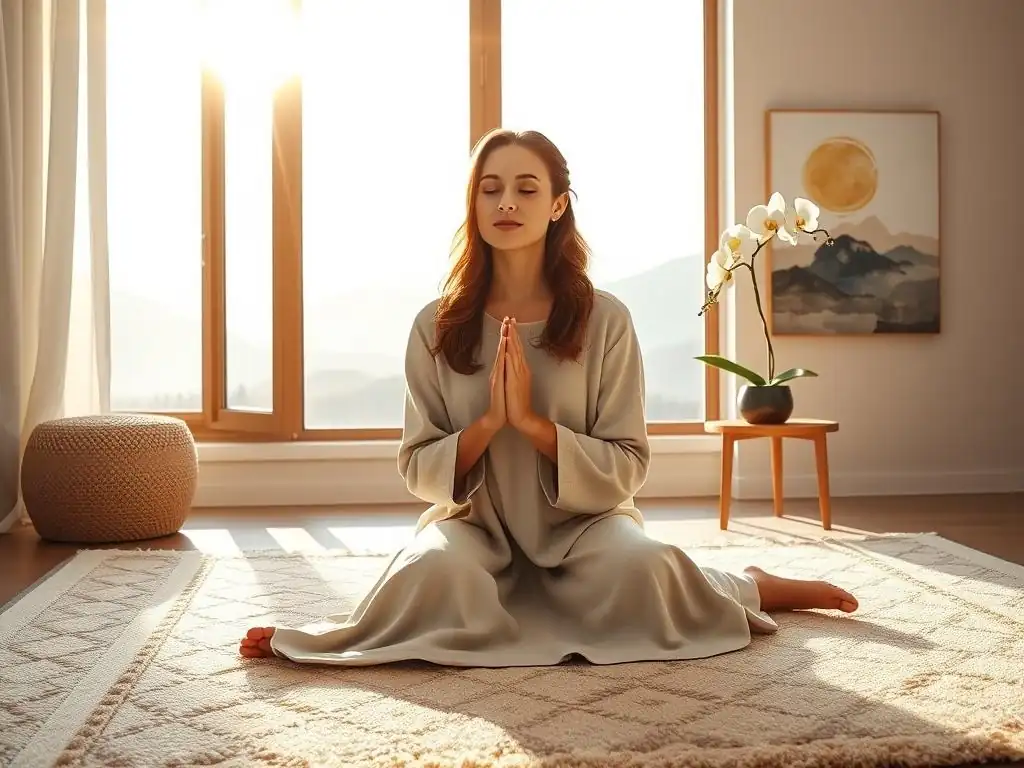
Welcome to Mind Care Guide, your haven for navigating the complexities of mental well-being. Feeling overwhelmed? You're not alone. Many seek solace and strength in connection, and we understand the vital role spirituality can play. Explore with us how prayer can reduce stress and anxiety, offering a pathway to inner peace and resilience. Curious to discover this profound connection? Let's begin.
- Introduction: Understanding Stress and the Power of Mindfulness
- The Science of Stress and the Benefits of Mindfulness
- Practical Mindfulness Techniques for Stress Management
- Integrating Mindfulness into Daily Life
- Overcoming Challenges in Your Mindfulness Practice
- The Role of Meditation in Stress Reduction
- Creating a Personal Mindfulness Plan
- Resources for Further Exploration of Mindfulness and Meditation
- Conclusion: Embracing Mindfulness for a Calmer, More Balanced Life
-
Frequently Asked Questions
- How can prayer specifically help reduce stress and anxiety?
- Is prayer a replacement for professional mental health treatment?
- What types of prayer are most effective for managing stress and anxiety?
- How often should I pray to experience stress and anxiety relief?
- What if I don't consider myself a religious person? Can prayer still help?
- Final Reflection: Finding Peace in the Storm
- Unleash Your Inner Peace: Take Control of Stress Today!
Introduction: Understanding Stress and the Power of Mindfulness
Stress is an unavoidable part of modern life, manifesting as physical tension, emotional overwhelm, and mental fatigue. Chronic stress, in particular, can have detrimental effects on our overall well-being, contributing to conditions like anxiety, depression, heart disease, and impaired immune function. Recognizing the pervasive impact of stress is the first step toward finding effective coping mechanisms.
Mindfulness, the practice of bringing one's attention to the present moment without judgment, offers a powerful antidote to the relentless pressures of stress. By cultivating a non-reactive awareness of our thoughts, feelings, and bodily sensations, we can learn to observe stress triggers and responses without being swept away by them. This allows for a more measured and intentional response, rather than an automatic, stress-fueled reaction.
The Science of Stress and the Benefits of Mindfulness
The Impact of Stress on the Body and Mind
When we experience stress, our body activates the "fight or flight" response, releasing hormones like cortisol and adrenaline. While helpful in acute situations, prolonged exposure to these hormones due to chronic stress can lead to serious health issues. Physically, this includes increased heart rate and blood pressure, muscle tension, digestive problems, and a weakened immune system.
Mentally and emotionally, chronic stress can manifest as irritability, difficulty concentrating, sleep disturbances, and heightened feelings of anxiety and worry. Studies have shown that persistent high levels of cortisol can even impact brain structure and function, particularly in areas related to memory and emotional regulation, such as the hippocampus and prefrontal cortex. For example, research indicates that individuals experiencing chronic stress may exhibit reduced gray matter volume in these critical brain regions.
How Mindfulness Meditation Alters Brain Activity
Mindfulness meditation has been shown to induce tangible changes in brain structure and activity over time, a phenomenon known as neuroplasticity. Regular practice can lead to increased gray matter density in areas associated with learning, memory, emotion regulation, and self-referential processing, such as the hippocampus, prefrontal cortex, and temporoparietal junction. Conversely, it can lead to decreased gray matter in the amygdala, the brain's fear center, which is often hyperactive in stressed and anxious individuals.
Functional brain imaging studies, such as fMRI, have revealed that mindfulness meditation increases activity in the prefrontal cortex, the area responsible for executive functions like planning, decision-making, and attention control. This enhanced activity helps individuals better regulate their emotional responses and shift focus away from distressing thoughts. For instance, a study published in Psychiatry Research: Neuroimaging in 2011 found that just eight weeks of mindfulness-based stress reduction (MBSR) training led to measurable changes in brain regions involved in memory, sense of self, empathy, and stress.
Research-Backed Benefits of Mindfulness for Stress Reduction
Numerous scientific studies have validated the effectiveness of mindfulness in reducing stress and improving mental well-being. Meta-analyses of randomized controlled trials have consistently demonstrated that mindfulness-based interventions significantly reduce symptoms of stress, anxiety, and depression. For example, a comprehensive review of over 200 studies published in JAMA Internal Medicine in 2014 concluded that mindfulness meditation programs had moderate evidence of improving anxiety, depression, and pain.
Beyond symptom reduction, mindfulness practice has been linked to improved sleep quality, enhanced emotional regulation, increased self-awareness, and greater resilience to life's challenges. A study involving healthcare professionals, a group notoriously susceptible to high stress levels, found that a brief mindfulness intervention led to significant reductions in perceived stress and burnout symptoms within weeks. These findings underscore the practical applicability and powerful impact of mindfulness in mitigating the effects of stress in diverse populations.
Practical Mindfulness Techniques for Stress Management
Breath Awareness Meditation: A Beginner's Guide
Breath awareness meditation is one of the most fundamental mindfulness practices, accessible to anyone, anywhere. It involves simply bringing your attention to the sensation of breathing – the rise and fall of your chest or abdomen, the feeling of air entering and leaving your nostrils. The goal isn't to control the breath, but merely to observe it as it is.
To practice, find a comfortable seated position. Close your eyes gently or soften your gaze. Bring your awareness to your breath. Notice the inhale and the exhale. Thoughts will inevitably arise; when they do, simply acknowledge them without judgment and gently guide your attention back to the breath. Start with just 5-10 minutes a day and gradually increase the duration as you feel more comfortable. Consistency is key; even short, regular sessions are beneficial.
Body Scan Meditation: Releasing Tension and Promoting Relaxation
The body scan meditation is a practice designed to bring mindful awareness to different parts of the body, systematically noticing sensations and releasing physical tension. This technique helps ground you in the present moment and can be particularly useful for recognizing how stress manifests physically.
Begin by lying down comfortably on your back, or sitting upright if preferred. Close your eyes. Bring your awareness to your toes. Notice any sensations there – warmth, coolness, tingling, pressure.
Without trying to change anything, simply observe. Then, slowly move your attention up through your body – ankles, lower legs, knees, thighs, hips, and so on, section by section, all the way to the crown of your head. As you focus on each area, consciously invite relaxation and release any tension you might be holding. A full body scan can take 20-45 minutes and is often practiced before sleep.
Mindful Walking: Cultivating Presence in Everyday Activities
Mindfulness doesn't have to be confined to a seated meditation practice; it can be integrated into everyday activities like walking. Mindful walking involves paying deliberate attention to the physical sensations of walking – the lifting and placing of your feet, the swing of your arms, the movement of your legs, and the contact your feet make with the ground.
As you walk, bring your awareness to the process itself. Notice the rhythm of your steps, the feeling of your muscles engaging, the subtle shifts in balance. You can also expand your awareness to include the sensations of air on your skin or the sounds around you, bringing a non-judgmental curiosity to your sensory experience. If your mind wanders to planning or worrying, gently guide your attention back to the physical sensations of walking. Even a short 10-minute mindful walk can help clear your mind and reduce stress.
Integrating Mindfulness into Daily Life
Mindful Eating: Savoring Each Moment
Mindful eating involves paying full attention to the experience of eating, engaging all your senses without distraction. In our fast-paced lives, meals are often rushed or eaten while multitasking, leading to poor digestion and a disconnected relationship with food. Practicing mindful eating can transform a simple meal into a grounding, stress-reducing experience.
Before you begin eating, take a moment to observe your food – its colors, textures, and aromas. As you eat, chew slowly and deliberately, noticing the flavors and textures in your mouth. Pay attention to the physical sensations of hunger and fullness, learning to recognize your body's signals. Eating mindfully not only enhances your enjoyment of food but also helps you develop a healthier relationship with eating, reducing stress related to food choices or body image.
Mindful Communication: Listening with Intention
Mindful communication is about being fully present when interacting with others, listening deeply and speaking with intention. In conversations, our minds often race ahead, formulating responses or getting caught up in judgments, preventing us from truly hearing the other person. This can lead to misunderstandings and increased interpersonal stress.
To practice mindful communication, make a conscious effort to set aside distractions and give your full attention to the person speaking. Listen not just to the words, but also to the tone of voice and body language. Before responding, take a moment to pause and consider your words, aiming for clarity, honesty, and kindness. This practice fosters deeper connections, reduces conflict, and creates a more peaceful and understanding environment in your relationships.
Mindful Work: Reducing Stress and Enhancing Focus
Bringing mindfulness into the workplace can significantly reduce stress, improve focus, and enhance productivity. This doesn't require lengthy meditation sessions at your desk, but rather integrating moments of conscious awareness throughout your workday.
Start by dedicating your full attention to one task at a time, minimizing multitasking. Take short, mindful breaks every hour or two – stand up, stretch, take a few deep breaths, or simply observe your surroundings for a minute. When faced with a challenging task or a stressful situation, pause and notice your physical and emotional reactions before responding. This allows you to approach difficulties with greater clarity and less reactivity, reducing the cumulative stress of a busy work environment.
Overcoming Challenges in Your Mindfulness Practice
Dealing with Distractions and Restlessness
One of the most common challenges in mindfulness practice is dealing with a wandering mind and physical restlessness. It's perfectly normal for thoughts to arise and for your body to feel fidgety, especially when you are new to sitting still. The key is not to eliminate distractions, but to change your relationship with them.
When your mind wanders, simply notice the thought without judgment and gently redirect your attention back to your chosen anchor, whether it's the breath, bodily sensations, or sounds. Think of it as training a puppy – it will wander off, and you patiently guide it back. Similarly, if you feel restless, acknowledge the sensation and see if you can breathe into it, or make a small, conscious adjustment if necessary, then return to your practice. Patience and persistence are far more important than achieving a completely "empty" mind.
Cultivating Patience and Self-Compassion
Developing a mindfulness practice requires patience and, perhaps most importantly, self-compassion. It's easy to get discouraged if you feel you're not "doing it right" or if progress seems slow. Remember that mindfulness is a practice, not a destination, and there will be days when it feels easier and days when it feels harder.
Treat yourself with the same kindness and understanding you would offer a friend who is learning a new skill. Avoid self-criticism if your mind is particularly busy or if you miss a planned practice session. Acknowledge the difficulty, gently let go of the judgment, and simply return to the present moment or commit to trying again later. Cultivating a compassionate attitude towards yourself is fundamental to sustaining a long-term mindfulness journey.
Addressing Negative Thoughts and Emotions
Mindfulness practice can sometimes bring awareness to difficult thoughts and emotions that we typically try to avoid. This can be challenging, but it is also an opportunity for healing and growth. The goal is not to suppress or get rid of negative feelings, but to learn to observe them with non-judgmental awareness.
When a difficult emotion or thought arises, acknowledge its presence. You might mentally label it, such as "thinking," "sadness," or "anger." Notice where you feel it in your body. Allow it to be there without trying to push it away or analyze it excessively. Remember that thoughts and emotions are temporary and constantly changing. By observing them mindfully, you create space between yourself and the reaction, diminishing their power over you and fostering emotional resilience.
The Role of Meditation in Stress Reduction
Guided Meditation for Relaxation and Stress Relief
Guided meditation is an excellent tool for beginners and experienced practitioners alike, offering a structured way to relax and reduce stress. In a guided session, an instructor or recording leads you through the meditation, providing prompts for focusing attention, body relaxation, or visualization.
These guided sessions can help quiet a busy mind and make it easier to settle into a state of calm. Many guided meditations specifically focus on stress relief, incorporating techniques like progressive muscle relaxation or visualization of peaceful scenes. Apps like Calm or Headspace offer a wide variety of guided meditations, with some studies showing that consistent use of such apps can lead to significant reductions in self-reported stress levels within weeks. For instance, one study involving university students found that using a meditation app for 10 minutes daily over two weeks led to decreased stress and improved mood.
Different Types of Meditation and Their Benefits
While mindfulness meditation is widely practiced for stress reduction, various other forms of meditation offer unique benefits. Loving-kindness meditation (Metta) cultivates feelings of warmth, compassion, and friendliness towards oneself and others, which can counteract feelings of anger and isolation often associated with stress. Transcendental Meditation (TM) involves silently repeating a mantra and is known for its deep relaxation effects, with research suggesting it can lower blood pressure and reduce cortisol levels.
Walking meditation, as discussed earlier, integrates mindfulness into movement. Zen meditation (Zazen) often involves focused attention on posture and breath. Each type offers a different path to cultivating present moment awareness and inner calm, and exploring different styles can help you find the practice that resonates most with you and best supports your stress reduction goals.
Creating a Meditation Routine for Daily Practice
Consistency is crucial for reaping the full stress-reducing benefits of meditation. Even just 5-10 minutes of daily practice can make a significant difference over time. The key is to make it a regular part of your routine, much like brushing your teeth.
Identify a time of day that works best for you – perhaps first thing in the morning to set a calm tone for the day, during a lunch break to reset, or in the evening to wind down. Choose a quiet, comfortable space where you are unlikely to be interrupted. Start small and gradually increase the duration as your comfort level grows. Don't strive for perfection; simply showing up on your cushion or chair each day is the practice itself. Over time, this consistent effort will build resilience and enhance your ability to manage stress.
Creating a Personal Mindfulness Plan
Identifying Your Stress Triggers
Understanding what triggers your stress is a fundamental step in managing it effectively. Stress triggers are specific situations, people, or thoughts that predictably elicit a stress response in you. They can be external, like a demanding deadline or a difficult conversation, or internal, like perfectionistic tendencies or negative self-talk.
Start by keeping a stress journal for a week or two. Note down when you feel stressed, what happened immediately before, how you felt physically and emotionally, and how you reacted. Look for patterns. Are certain times of day or types of interactions consistently stressful? Identifying these triggers allows you to anticipate challenging situations and apply your mindfulness skills proactively, rather than being caught off guard by stress.
Setting Realistic Goals for Mindfulness Practice
Setting clear, achievable goals for your mindfulness practice helps maintain motivation and track progress. Avoid aiming for unrealistic outcomes like "never feeling stressed again." Instead, focus on process-oriented goals related to consistency and technique.
Examples of realistic goals include: "Practice breath awareness for 5 minutes every morning," "Do a 10-minute mindful walk during my lunch break three times this week," or "Use a body scan meditation whenever I feel physical tension building." As you consistently meet these smaller goals, you can gradually increase the duration or frequency of your practice. Celebrate your successes, no matter how small, as they reinforce positive habits and build confidence.
Tracking Your Progress and Celebrating Successes
Monitoring your progress, even informally, can provide valuable insights and motivation. Pay attention to how you feel before and after practicing mindfulness or meditation. Do you notice a subtle shift in your mood or energy level? Are you handling stressful situations slightly differently?
You can track your practice using a simple journal, a calendar, or a meditation app that logs your sessions. Note down not just the duration, but also any observations about the practice itself or how it impacted your day. Acknowledging improvements, such as feeling calmer during a challenging meeting or reacting less impulsively to a frustrating event, reinforces the value of your practice. Celebrating these small victories, like consistently meditating for a week or successfully using a mindfulness technique in a stressful moment, helps solidify your commitment to long-term stress reduction.
Resources for Further Exploration of Mindfulness and Meditation
Recommended Books on Mindfulness and Meditation
For those wishing to deepen their understanding and practice of mindfulness and meditation, a wealth of insightful literature is available. Classic texts like "Full Catastrophe Living" by Jon Kabat-Zinn, the founder of MBSR, provide a comprehensive overview of mindfulness principles and practices, often used as the foundational text for MBSR courses. Thich Nhat Hanh's "The Miracle of Mindfulness" offers gentle, accessible guidance on integrating mindfulness into everyday life.
More recent books, such as "10% Happier" by Dan Harris, provide a relatable and sometimes skeptical perspective on the benefits of meditation, particularly for those who might be resistant to the idea. "Wherever You Go, There You Are," also by Jon Kabat-Zinn, offers short, insightful reflections and practices suitable for daily reading. Exploring these resources can provide context, inspiration, and practical instructions to support your journey.
Online Mindfulness Courses and Apps
The digital age offers numerous convenient ways to access mindfulness training. Many reputable organizations and universities offer online mindfulness courses, ranging from introductory programs to full MBSR or MBCT (Mindfulness-Based Cognitive Therapy) courses. These often include guided meditations, video lectures, and exercises.
Meditation apps have become incredibly popular tools for daily practice. Apps like Calm, Headspace, Insight Timer, and Ten Percent Happier provide extensive libraries of guided meditations for various purposes, including stress reduction, sleep, and focus. They often include features like progress tracking, calming music, and mindful movement exercises. While not a substitute for in-person instruction for complex issues, these online resources offer flexible and accessible ways to build and maintain a consistent practice.
Local Meditation Centers and Retreats
Connecting with a local meditation center or attending a retreat can provide invaluable support and deepen your practice through community and intensive experience. Many cities have meditation centers associated with various traditions (e.g., Zen, Vipassana, secular mindfulness) that offer drop-in sessions, classes, and workshops. Practicing in a group setting can be highly motivating and provide access to experienced teachers.
Attending a mindfulness or meditation retreat, which can range from a single day to several weeks, offers an immersive experience away from daily distractions. Retreats provide extended periods for practice, often in silence, allowing for deeper introspection and a more profound understanding of mindfulness principles. While requiring a greater time commitment, retreats can significantly accelerate learning and solidify the foundation of your practice for long-term stress reduction.
Conclusion: Embracing Mindfulness for a Calmer, More Balanced Life
Embracing mindfulness and meditation is a powerful step towards cultivating inner peace and effectively managing the stress inherent in modern life. By training your attention to stay present and observing your experiences without judgment, you build resilience against daily pressures. Scientific research consistently supports the tangible benefits of these practices, demonstrating their positive impact on brain health, emotional regulation, and overall well-being.
The journey of incorporating mindfulness into your life is a continuous one, requiring patience, persistence, and self-compassion. Whether through formal meditation sessions, mindful moments integrated into daily activities, or seeking guidance from resources and communities, every step taken contributes to a calmer, more balanced existence. As you consistently practice, you empower yourself to navigate challenges with greater ease, fostering a more peaceful relationship with yourself and the world around you.
Frequently Asked Questions
How can prayer specifically help reduce stress and anxiety?
Prayer can offer a sense of connection and comfort, allowing individuals to release worries and find inner peace. It can also promote mindfulness and relaxation, shifting focus away from stressful thoughts.
Is prayer a replacement for professional mental health treatment?
No, prayer should not be considered a replacement. While it can be a valuable coping mechanism, it's crucial to seek professional help for diagnosed mental health conditions. Prayer can complement treatment, not replace it.
What types of prayer are most effective for managing stress and anxiety?
There's no single "best" type; it's personal. Many find gratitude prayers or meditative prayer particularly helpful. Focus on prayers that foster hope and acceptance and resonate with you personally.
How often should I pray to experience stress and anxiety relief?
Consistency is key, but even short, regular prayers can be beneficial. Aim for daily prayer, even if it's just for a few minutes. Listen to your needs and adjust as necessary.
What if I don't consider myself a religious person? Can prayer still help?
While rooted in religion for many, prayer can be viewed more broadly as a form of meditation and self-reflection. Focusing on positive affirmations or expressing gratitude can offer similar benefits, even without religious connotations.
Final Reflection: Finding Peace in the Storm
The pervasive nature of stress and anxiety in modern life demands effective coping mechanisms, and the power of prayer offers a surprisingly potent antidote. This article explored the multifaceted ways prayer can reduce stress and anxiety, from its physiological effects on the body to its profound impact on mental well-being. We examined scientific studies alongside personal testimonials, revealing a compelling case for the efficacy of prayer as a stress-management tool.
The integration of prayer into daily life, as a source of comfort and strength, is not merely a personal choice; it's a cultural and spiritual practice with deep historical roots and ongoing relevance. Prayer's influence transcends religious boundaries, offering a framework for connection, hope, and resilience in the face of adversity. As Mahatma Gandhi wisely stated, Prayer is not asking. It is a longing of the soul.
This longing, this deep connection with something greater than ourselves, is precisely what allows prayer to serve as a powerful buffer against the overwhelming pressures of modern existence.
Consider, for a moment, the weight you carry. The anxieties that plague your thoughts, the stresses that constrict your body. This article isn't just about information; it's an invitation. It's an invitation to explore the potential of prayer as a tool for self-care, a pathway to inner peace, and a source of strength to navigate life's inevitable challenges. Take a moment today to find a quiet space, breathe deeply, and connect with whatever higher power resonates with you. Let the power of prayer begin to work its transformative magic in your life.
Unleash Your Inner Peace: Take Control of Stress Today!
We hope this article helped you discover the powerful connection between prayer and stress relief. You've learned valuable techniques to cultivate inner calm and resilience. Now, it's time to put these insights into action!
- Prioritize a daily prayer practice: Even 5 minutes of focused prayer can make a significant difference in your stress levels. Experiment with different approaches to find what resonates best with you.
- Share your experiences: Connect with others in your community and discuss how prayer impacts your stress management. Consider starting a small prayer group or sharing your insights online.
- Explore guided meditation apps with prayer elements: Integrate prayerful reflection into your daily routine with guided meditations. This can add another dimension to your practice.
Ready to experience a deeper sense of peace and well-being? What small step will you take today to incorporate prayer into your stress management routine?