
The Genetics of Motivation: How Your DNA Influences Dopamine

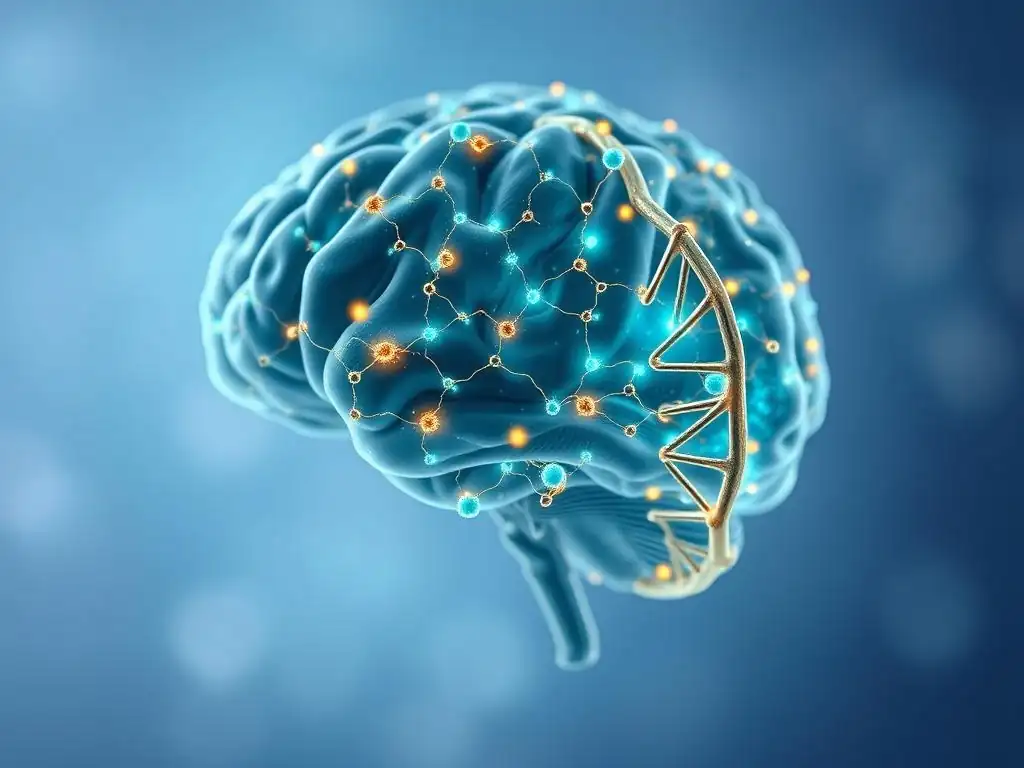
Welcome to Mind Care Guide, your compassionate companion on the journey to mental well-being. Ever wondered why some days motivation feels effortless, while others are a struggle? You're not alone. Dive into our exploration of the neuroscience of mental health and discover how genetics influence dopamine motivation levels. This intriguing intersection of DNA and drive might just unlock a deeper understanding of your own inner workings. Ready to unravel the secrets?
Genetics of Motivation: Understanding Dopamine Influence
- Introduction: Genetic Link to Dopamine and Motivation
- Genetic Influence on Dopamine Motivation: Decoding DNA
- Neuroscience of Motivation: Genetic Pathways and Dopamine Release
- Genetic Testing for Dopamine-Related Traits: Considerations
- Strategies to Optimize Dopamine Levels: Beyond Genetics
- Future of Motivation Research: Genetics and Personalized Approaches
- Conclusion: Leveraging Understanding of Dopamine Genetics for Enhanced Motivation
-
Frequently Asked Questions
- How do genetics influence dopamine motivation levels?
- Does having a specific gene variation guarantee a certain level of motivation?
- What are some specific genes that are linked to dopamine and motivation?
- Can I change my dopamine levels if my genetics predispose me to lower motivation?
- Where can I find more information about genetic testing for motivation levels?
- Final Reflection: Unlocking the Secrets of Motivation
- Unlock Your Inner Drive: Harness Your Genetic Potential
Introduction: Genetic Link to Dopamine and Motivation
Dopamine's Role in Motivation and Reward
Dopamine is a critical neurotransmitter often described as the "reward chemical," but its function is far more complex, particularly in the realm of motivation. It plays a pivotal role in the brain's reward pathway, influencing our drive to seek out and achieve goals. When we anticipate or experience something rewarding, dopamine is released in areas of the brain like the nucleus accumbens and prefrontal cortex, reinforcing the associated behaviors and increasing the likelihood we will repeat them. This neurochemical process is fundamental to learning and decision-making, guiding us towards actions that have led to positive outcomes in the past.
Beyond simple reward, dopamine is also deeply involved in the motivational drive itself – the wanting rather than just the liking. It contributes to our persistence, effort allocation, and the ability to overcome obstacles to reach a desired state or object. Low dopamine levels or impaired dopamine signaling can manifest as reduced motivation, apathy, and difficulty initiating tasks, symptoms sometimes seen in conditions like depression or Parkinson's disease.
Conversely, dysregulation of dopamine pathways can contribute to addictive behaviors, where the intense pursuit of a substance or activity hijacks the natural reward system, illustrating the powerful link between this neurotransmitter and our behavioral drives. Understanding how genetics influence dopamine motivation levels is key to grasping individual differences in drive and persistence.
Genetics and Dopamine: An Overview
Our genetic makeup provides the blueprint for the proteins that build and operate our nervous system, including the intricate machinery involved in dopamine production, transport, and reception. Variations in specific genes can affect how efficiently dopamine is synthesized, how quickly it is cleared from the synaptic space, and how strongly it binds to its receptors on neurons. These genetic differences contribute significantly to the baseline levels and dynamic regulation of dopamine activity in various brain regions.
While genetics influence dopamine motivation levels, it's crucial to understand that this influence is rarely deterministic. Instead, genes confer predispositions or tendencies. For example, variations in genes related to dopamine signaling might make one person more sensitive to rewards or more prone to novelty-seeking than another. This genetic background then interacts with environmental factors, life experiences, and personal choices to shape an individual's actual motivational profile. Research in behavioral genetics has increasingly focused on identifying specific genes within the dopamine pathway that are associated with differences in motivation, personality traits, and susceptibility to conditions affecting drive and reward processing.
Genetic Influence on Dopamine Motivation: Decoding DNA
Dopamine Receptor Genes: DRD2, DRD4
Dopamine exerts its effects by binding to specific proteins on the surface of neurons called dopamine receptors. Among the most studied are the DRD2 and DRD4 genes, which code for dopamine receptor subtypes D2 and D4, respectively. These receptors are found in brain areas critical for reward, motivation, and cognitive function, including the striatum and prefrontal cortex. Genetic variations, or polymorphisms, within these genes can alter the structure, density, or function of the resulting receptors, influencing how neurons respond to dopamine signals and thereby impacting traits related to motivation and behavior.
The DRD2 gene, for instance, has a common variant known as the TaqIA polymorphism (sometimes referred to as ANKK1 but located near DRD2 and affecting receptor availability). Individuals with the less common A1 allele of this polymorphism tend to have fewer D2 receptors in the striatum compared to those with the A2 allele. This difference in receptor density is associated with variations in reward sensitivity and has been linked, in some studies, to traits like novelty-seeking, impulsivity, and even susceptibility to addictive behaviors, all of which tie into how genetics influence dopamine motivation levels.
Variations in DRD2 and DRD4 and Impact on Motivation
The DRD4 gene is particularly famous for a variable number tandem repeat (VNTR) polymorphism in its third exon, which can have anywhere from 2 to 11 repeats. The most studied variant is the 7-repeat allele (7R). Compared to the more common 4-repeat allele (4R), the 7R variant is associated with a blunted response of the D4 receptor to dopamine binding. This reduced sensitivity is hypothesized to lead individuals with the 7R allele to seek higher levels of novelty and stimulation to achieve the same level of reward or satisfaction as those with the 4R allele.
Studies have found associations between the DRD4 7R allele and traits such as novelty-seeking, extraversion, and even conditions like Attention-Deficit/Hyperactivity Disorder (ADHD), which often involves difficulties with sustained attention and motivation in the absence of immediate rewards. Approximately 20% to 30% of the population in some ethnic groups carry at least one copy of the 7R allele, suggesting it's a relatively common genetic influence on dopamine motivation levels and related behavioral tendencies. While not everyone with the 7R allele exhibits pronounced novelty-seeking, the association highlights a specific pathway through which genetic variations in dopamine receptors can shape individual motivational styles.
Dopamine Transporter Gene (SLC6A3): Regulating Dopamine Levels
Once dopamine is released into the synapse (the space between neurons), its signal needs to be terminated to allow for precise communication. This is primarily achieved by the Dopamine Transporter (DAT), a protein embedded in the presynaptic neuron's membrane that pumps dopamine back into the neuron for recycling or degradation. The gene responsible for producing this transporter is SLC6A3, also known as DAT1. The efficiency and quantity of DAT proteins are major determinants of how long dopamine remains active in the synapse, directly impacting the strength and duration of dopamine signals.
Genetic variations within the SLC6A3 gene can affect the expression level or function of the dopamine transporter. A widely studied polymorphism is a VNTR in the 3' untranslated region (3'-UTR), most commonly found with 9 or 10 repeats (the 10-repeat allele is often referred to as 10R, and the 9-repeat as 9R). These variations are thought to influence the amount of DAT protein produced, with the 10R allele generally associated with higher levels of transporter expression compared to the 9R allele. Higher DAT levels mean faster dopamine reuptake, potentially leading to lower synaptic dopamine concentrations and shorter signal duration.
Genetic Variations in SLC6A3 and Effects on Dopamine Reuptake
The 10R allele of the SLC6A3 VNTR has been associated with increased dopamine transporter density in the striatum. This increased density suggests a more efficient clearance of dopamine from the synapse. In practical terms, this could mean that dopamine signals are weaker or shorter-lived for individuals carrying the 10R allele compared to those with the 9R allele, who may have slightly higher or longer-lasting synaptic dopamine levels. This difference in dopamine dynamics can influence various cognitive and behavioral functions that rely on dopamine signaling, including motivation.
Research has explored the link between SLC6A3 variations and conditions like ADHD, where dysregulation of dopamine transport is implicated. The 10R allele has been associated with an increased risk of ADHD in some populations, which aligns with the hypothesis that faster dopamine reuptake could contribute to difficulties in maintaining focus and motivation on tasks that are not immediately rewarding. This provides another clear example of how genetics influence dopamine motivation levels by affecting the machinery responsible for managing dopamine's presence in the brain.
Enzymes Involved in Dopamine Synthesis and Breakdown: Genetic Influences
Beyond receptors and transporters, the enzymes that synthesize and break down dopamine also play a crucial role in regulating its levels. Genetic variations in the genes encoding these enzymes can alter their activity, thereby influencing the overall availability of dopamine in the brain. Two key enzymes involved in dopamine metabolism are Catechol-O-Methyltransferase (COMT) and Monoamine Oxidase A (MAOA).
COMT is primarily responsible for breaking down dopamine (and other catecholamines like norepinephrine and epinephrine) in the prefrontal cortex and other brain regions. The gene encoding COMT has a well-known single nucleotide polymorphism (SNP) called Val158Met (rs4680), which results in either a valine (Val) or a methionine (Met) amino acid at a specific position in the enzyme. This single change significantly impacts the enzyme's activity, with the Met variant being approximately 30-40% less active than the Val variant.
COMT Gene: Breaking Down Dopamine and Genetic Variations
The Val158Met polymorphism in the COMT gene directly affects the speed at which dopamine is metabolized, particularly in the prefrontal cortex, where dopamine is critical for executive functions, working memory, and planning – all processes essential for complex, goal-directed motivation. Individuals homozygous for the Val allele (Val/Val) have the highest COMT activity, leading to faster dopamine breakdown and potentially lower prefrontal dopamine levels. Conversely, individuals homozygous for the Met allele (Met/Met) have the lowest COMT activity, resulting in slower dopamine breakdown and potentially higher prefrontal dopamine levels. Heterozygotes (Val/Met) have intermediate enzyme activity.
These differences in dopamine metabolism rates, driven by COMT genotype, are thought to influence various cognitive traits and emotional regulation, which in turn impact motivation. For instance, the Met allele is often associated with better performance on tasks requiring prefrontal function and working memory, but also potentially increased sensitivity to stress. The Val allele is sometimes linked to better stress resilience but potentially less efficient cognitive processing under certain conditions. This subtle balance in prefrontal dopamine levels, influenced by COMT genetics, provides a fascinating insight into how genetics influence dopamine motivation levels by shaping the cognitive landscape upon which motivation operates.
MAOA Gene: Key Enzyme Influenced by Genetics
Monoamine Oxidase A (MAOA) is another crucial enzyme involved in the breakdown of neurotransmitters, including dopamine, serotonin, and norepinephrine. It plays a significant role in regulating the levels of these monoamines in the brain. The gene encoding MAOA is located on the X chromosome, meaning males have one copy while females have two. Like DRD4 and SLC6A3, the MAOA gene contains a VNTR polymorphism in its promoter region, which affects the gene's transcriptional activity and thus the amount of MAOA enzyme produced.
The most common MAOA VNTR variants are the 3-repeat and 4-repeat alleles. The 3-repeat allele is generally associated with lower transcriptional activity, leading to less MAOA enzyme and potentially higher levels of its substrate neurotransmitters, including dopamine, in certain brain regions. The 4-repeat allele is associated with higher transcriptional activity, resulting in more MAOA enzyme and potentially lower monoamine levels. This polymorphism has been extensively studied in relation to aggression and impulsivity, behaviors that can be linked to dysregulated dopamine and other monoamine systems, further illustrating how genetics influence dopamine motivation levels, particularly in the context of behavioral control and reward seeking.
Neuroscience of Motivation: Genetic Pathways and Dopamine Release
Genetic Predisposition to Motivation: Exploring the Brain's Reward System
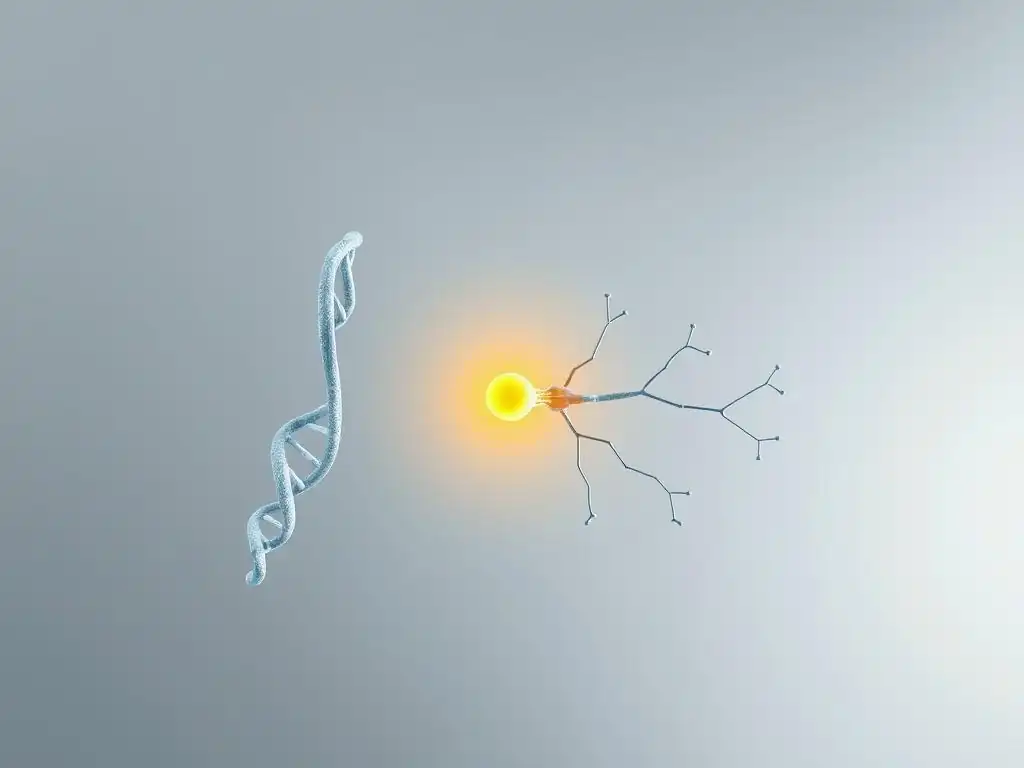
Motivation is not a single process but a complex interplay of brain circuits, primarily orchestrated by the mesolimbic and mesocortical dopamine pathways. The mesolimbic pathway, originating in the Ventral Tegmental Area (VTA) and projecting to the nucleus accumbens and amygdala, is central to processing reward and driving motivated behaviors. The mesocortical pathway, also originating in the VTA but projecting to the prefrontal cortex, is involved in executive functions, planning, and goal-directed behavior. Genetic predispositions influence the structure, function, and connectivity of these pathways, setting the stage for individual differences in motivational drive, susceptibility to reward, and resilience to challenges.
Genetic factors can affect the number and activity of dopamine-producing neurons in the VTA, the density and sensitivity of dopamine receptors in target areas like the nucleus accumbens, and the efficiency of dopamine reuptake and metabolism throughout these circuits. For example, variations in genes like TH (Tyrosine Hydroxylase), which is involved in dopamine synthesis, or DBH (Dopamine Beta-Hydroxylase), involved in converting dopamine to norepinephrine, can subtly alter the supply of dopamine itself. These foundational genetic influences on the dopamine system provide a biological basis for understanding why some individuals may exhibit naturally higher levels of persistence or enthusiasm for goal pursuit than others, impacting how genetics influence dopamine motivation levels from the ground up.
Ventral Tegmental Area (VTA): Key Player in Dopamine-Driven Motivation
The Ventral Tegmental Area (VTA), located in the midbrain, is the primary source of dopamine neurons that project to the forebrain areas crucial for motivation and reward. These VTA neurons fire in response to novel stimuli, rewarding experiences, and cues that predict reward. This burst of dopamine signals to target regions, reinforcing behaviors associated with the reward and driving the desire to repeat them. The excitability and firing patterns of VTA neurons are themselves subject to genetic control, influencing the overall vigor of the mesolimbic dopamine signal.
Genetic variations affecting ion channels, neurotransmitter receptors (beyond dopamine), and signaling molecules within VTA neurons can influence how readily these cells are activated and how much dopamine they release. For instance, genes involved in regulating potassium channels or NMDA receptors in the VTA can impact neuronal excitability. Furthermore, the development and maintenance of VTA circuitry during critical periods of brain development are guided by genetic instructions. Thus, the very bedrock of the brain's primary motivational engine, the VTA, is shaped by our genetic blueprint, underscoring the profound way genetics influence dopamine motivation levels by calibrating this core system.
Gene-Environment Interactions: Nature vs. Nurture in Motivation
While genetics provide a significant influence on the dopamine system and motivational tendencies, they do not operate in a vacuum. The interplay between genetic predispositions and environmental factors is paramount in shaping an individual's actual motivational profile. This concept of gene-environment interaction highlights that the effect of a specific gene variant on motivation might be contingent upon or modified by particular experiences or environments, and vice versa. Early life stress, socioeconomic status, educational opportunities, social support, and exposure to rewarding or challenging experiences can all interact with an individual's genetic background.
Consider the COMT Val158Met polymorphism again. While the Met allele is often associated with better cognitive function under low-stress conditions, some research suggests that individuals with the Met/Met genotype might be more vulnerable to the detrimental effects of chronic stress on prefrontal dopamine function and motivation compared to those with the Val/Val genotype. In this scenario, the genetic vulnerability (Met allele) is revealed or amplified by a specific environmental factor (chronic stress). Conversely, a supportive and enriching environment might buffer the effects of genetic predispositions that might otherwise lead to reduced motivation or increased impulsivity.
Environmental Factors Can Modulate Genetic Effects on Dopamine
Environmental factors can influence the dopamine system through various mechanisms, including epigenetic modifications. Epigenetics refers to changes in gene expression that do not involve alterations to the underlying DNA sequence but can be inherited or induced by environmental exposures. For example, studies in both animals and humans have shown that early life experiences, such as maternal care or exposure to adversity, can lead to epigenetic changes in genes within the dopamine pathway, including DRD2 and SLC6A3. These epigenetic marks can affect how much protein is produced from these genes, thereby altering dopamine signaling and potentially influencing motivation later in life.
Furthermore, learning and experience themselves modify brain circuits, including dopamine pathways. Acquiring a new skill, setting and achieving goals, or experiencing success can strengthen the connections within the reward system. These experiences, shaped by our environment and choices, interact with our genetic predispositions to refine and mold our motivational responses. Thus, while genetics influence dopamine motivation levels by providing a foundational biological framework, environmental factors and personal experiences are continuously interacting with this framework, demonstrating the complex and dynamic nature of motivation.
Genetic testing is becoming more accessible, and some tests provide information about variants in genes related to dopamine function, such as DRD2, DRD4, SLC6A3, and COMT. These reports typically identify which alleles (variants) an individual possesses for specific polymorphisms. For example, a report might state whether you have the Val or Met allele for COMT Val158Met, or how many repeats you have for the DRD4 or SLC6A3 VNTRs. Interpreting these reports requires careful consideration and an understanding that these are associations and predispositions, not diagnoses or certainties.
A genetic report indicating a certain allele associated with, say, novelty-seeking or a tendency towards lower prefrontal dopamine doesn't mean you definitively have those traits or will experience specific motivational issues. It means you carry a genetic variant that has been linked to these tendencies in population studies. The effect of a single gene variant is usually small, and complex traits like motivation are influenced by many genes (polygenic), as well as significant environmental factors.
Therefore, these reports offer potential insights into biological predispositions but should not be taken as definitive predictors of behavior or motivational capacity. Professional genetic counseling can be invaluable in interpreting these results accurately and contextually.
Limitations of Genetic Testing: Incomplete Picture
It is crucial to recognize the significant limitations of current genetic testing for complex traits like motivation. Firstly, the tests typically available analyze only a small number of known genetic variants. The human genome contains millions of variations, and many more genes beyond the commonly tested ones likely contribute to dopamine function and motivation. The current snapshot provided by commercial tests is far from a complete picture of an individual's genetic architecture related to these traits.
Secondly, as discussed, motivation is strongly influenced by the complex interaction between multiple genes and environmental factors. A genetic test report provides information about one side of this equation (a few genetic data points) but tells you nothing about the environmental influences or how those genes are interacting with other genes or experiences. Furthermore, epigenetic modifications, which are not typically assessed by standard genetic tests, can significantly alter gene expression and function.
Therefore, while genetic testing can offer intriguing clues about potential biological tendencies, it provides an incomplete picture and should not be the sole basis for understanding or attempting to modify one's motivational landscape. Over-reliance on these tests without considering the full biological and environmental context can be misleading.
Strategies to Optimize Dopamine Levels: Beyond Genetics

Lifestyle Interventions: Diet, Exercise, and Sleep
While genetics influence dopamine motivation levels by setting a baseline and influencing sensitivity, various lifestyle factors can significantly impact dopamine function and overall motivational state. Adopting healthy habits can help optimize dopamine levels and signaling pathways regardless of genetic predispositions. Regular physical exercise, for example, is well-documented to increase dopamine synthesis and release, particularly in the striatum, contributing to improved mood, focus, and motivation. Aiming for approximately 150 minutes of moderate-intensity aerobic exercise per week, as recommended by health guidelines, can be beneficial.
Nutrition also plays a vital role. Dopamine is synthesized from the amino acid tyrosine, which is found in protein-rich foods like lean meats, poultry, fish, eggs, dairy, and legumes. Ensuring adequate intake of these precursors is important.
Furthermore, deficiencies in certain vitamins and minerals, such as B vitamins, magnesium, and omega-3 fatty acids, which are crucial for overall brain health and neurotransmitter function, can impair dopamine signaling. A balanced diet rich in whole foods supports the complex biochemical processes required for healthy dopamine production and function. Prioritizing consistent, quality sleep (typically 7-9 hours per night for adults) is also essential, as sleep deprivation negatively impacts dopamine receptor sensitivity and overall reward processing, diminishing motivation.
Nutraceuticals: Potential Dopamine Support [Consult Healthcare Professional]
Certain nutraceuticals and supplements are sometimes discussed in the context of supporting dopamine levels, though it is crucial to approach this topic with caution and always consult a healthcare professional before considering any supplementation. Some supplements contain L-tyrosine, the precursor amino acid for dopamine, or L-DOPA (Mucuna pruriens extract), which is a direct precursor to dopamine. While these can technically increase dopamine substrate availability, their effectiveness and safety for boosting motivation in individuals without diagnosed deficiencies or conditions are not definitively established and can carry risks.
Other supplements target cofactors needed for dopamine synthesis, such as B vitamins (especially B6), magnesium, and iron. Ensuring adequate intake of these nutrients through diet or targeted supplementation (if a deficiency is confirmed) is important for general brain health and neurotransmitter production. Probiotics and prebiotics are also being explored for their potential impact on the gut-brain axis, which can indirectly influence neurotransmitter levels, including dopamine. However, the research on specific nutraceuticals for directly enhancing motivation by manipulating dopamine levels is still evolving, and their use should be guided by professional medical advice, especially considering potential interactions or adverse effects.
Future of Motivation Research: Genetics and Personalized Approaches
Personalized Approaches: Tailoring Motivation Strategies Based on Genetics
The growing understanding of how genetics influence dopamine motivation levels opens the door for potentially personalized approaches to enhancing motivation. In the future, genetic information might be used alongside behavioral assessments and environmental factors to create more tailored strategies for individuals struggling with low motivation or seeking to optimize their drive. For instance, someone with a genetic profile suggesting lower baseline dopamine activity in certain pathways might benefit more from strategies that are known to boost dopamine release, such as specific types of exercise or behavioral activation techniques that emphasize rewarding experiences.
Conversely, someone with a profile suggesting faster dopamine metabolism or differences in receptor sensitivity might benefit from strategies focused on maintaining consistent dopamine signaling or increasing sensitivity to smaller rewards. This could involve optimizing sleep patterns, managing stress more effectively (given the gene-environment interactions), or focusing on breaking down large goals into smaller, more manageable steps with frequent positive reinforcement. While still largely theoretical and not yet a standard clinical practice, the idea of using genetic insights to inform personalized motivational coaching or therapeutic interventions represents a promising avenue for future research, potentially revolutionizing how we address motivational challenges.
Ethical Considerations: Genetic Testing and Motivation Enhancement
As genetic testing becomes more widespread and the links between genetics influence dopamine motivation levels become clearer, significant ethical considerations arise. One concern is the potential for genetic determinism – the idea that our genes dictate our destiny – which can lead to stigma, discrimination, or a reduction in perceived personal agency. It's vital to emphasize that genetic predispositions are influences, not absolutes, and that environment, choice, and interventions play crucial roles. Misinterpreting genetic information could lead individuals to feel unchangeably "wired" for low motivation or other traits, potentially hindering efforts to implement positive changes.
Another ethical challenge lies in the use of genetic information for "enhancement" purposes, such as selecting for specific traits in reproductive technologies or developing pharmaceuticals or interventions solely aimed at boosting motivation based on genetic profiles, without addressing underlying mental health or environmental factors. Ensuring privacy and security of genetic data, preventing genetic discrimination in areas like employment or insurance, and establishing clear guidelines for the responsible use of genetic information in the context of behavioral traits like motivation are critical steps that need to be addressed as this field advances.
The focus should remain on using genetic insights to support well-being and address challenges, not for creating a system based on genetic merit.
Conclusion: Leveraging Understanding of Dopamine Genetics for Enhanced Motivation
Key Takeaways: Genetics, Dopamine, and Motivation
Understanding how genetics influence dopamine motivation levels reveals a fascinating layer of complexity in human behavior.
- Dopamine is central to the brain's reward system and motivational drive.
- Variations in genes regulating dopamine's synthesis (
TH,DBH), transport (SLC6A3), breakdown (COMT,MAOA), and reception (DRD2,DRD4) contribute to individual differences in dopamine signaling. - These genetic differences can predispose individuals to variations in reward sensitivity, novelty-seeking, persistence, and vulnerability to motivational challenges.
- The Ventral Tegmental Area (VTA) is a key brain region whose function is influenced by genetics, impacting the overall strength of dopamine-driven motivation.
- Gene-environment interactions are crucial; environmental factors and life experiences significantly modulate the effects of genetic predispositions on the dopamine system and motivation.
- Genetic testing offers insights into potential predispositions but provides an incomplete picture and must be interpreted cautiously, considering its limitations and the polygenic and environmental nature of motivation.
- Lifestyle interventions like diet, exercise, and sleep can positively impact dopamine function and motivation, offering avenues for optimization beyond genetic influences.
- Future research may lead to personalized motivational strategies based on genetic profiles, but this raises important ethical considerations regarding determinism and enhancement.
Ultimately, while our genes provide a foundation that influences our dopamine system and motivational tendencies, they do not define our potential. Leveraging our understanding of these genetic influences, combined with insights into environmental factors and the power of lifestyle choices, empowers us to pursue strategies that can support healthy dopamine function and foster greater motivation and well-being.
Further Resources: Exploring Neuroscience of Mental Health and Dopamine
For those interested in delving deeper into the intricate relationship between genetics, dopamine, and motivation, exploring resources within the neuroscience of mental health is highly recommended. Academic journals publishing research in behavioral genetics, neurochemistry, and cognitive neuroscience offer the latest findings on how biological factors, including genetic variations in dopamine-related genes, impact behavior and mental well-being.
University neuroscience departments and research centers often have public-facing websites or educational materials explaining the basics of neurotransmitter systems, reward pathways, and the genetic underpinnings of behavior. Organizations dedicated to mental health research and advocacy also provide valuable information on the biological factors contributing to conditions affecting motivation, such as depression, ADHD, and addiction, often touching upon the role of dopamine and genetics. Engaging with these resources can provide a more comprehensive understanding of the complex interplay between our biology and our drive to pursue goals.
Frequently Asked Questions
How do genetics influence dopamine motivation levels?
Our DNA contains instructions that affect the production and function of dopamine-related genes, impacting how we experience reward and motivation. Certain gene variations can lead to differences in dopamine receptor sensitivity or neurotransmitter release.
Does having a specific gene variation guarantee a certain level of motivation?
No, having a specific gene variation doesn't guarantee a certain motivation level. Genetics are just one piece of the puzzle; environmental factors and personal experiences also play significant roles.
What are some specific genes that are linked to dopamine and motivation?
Genes like DRD2 (dopamine receptor D2) and DAT1 (dopamine transporter 1) have been studied extensively. These genes influence how dopamine is received and cleared in the brain, affecting motivation and reward seeking behavior.
Can I change my dopamine levels if my genetics predispose me to lower motivation?
While you cannot change your genes, you can influence your dopamine levels through lifestyle changes. Activities like exercise, a healthy diet, and engaging in rewarding activities can boost dopamine production and sensitivity, improving motivation.
Where can I find more information about genetic testing for motivation levels?
While some genetic testing services may offer insights into dopamine-related genes, it's important to consult with a healthcare professional or genetic counselor. They can provide accurate interpretation and guidance based on your specific situation and medical history.
Final Reflection: Unlocking the Secrets of Motivation
Understanding the genetic underpinnings of motivation is no longer a niche scientific pursuit; it's a crucial key to unlocking personalized strategies for well-being and achievement. The intricate dance between our genes and dopamine levels profoundly impacts our drive, ambition, and overall life satisfaction. This knowledge empowers us to move beyond simplistic notions of willpower and embrace a more nuanced understanding of individual differences in motivation.
The exploration of how our DNA shapes our dopamine response has far-reaching implications, influencing not only our personal journeys but also the broader societal understanding of success and failure. We are beginning to see a shift away from solely blaming individuals for lacking motivation, recognizing instead the complex interplay of biological factors. This understanding fosters empathy and opens doors for tailored interventions. The greatest discovery of all time is that a person can change his future by merely changing his attitude.
– Oprah Winfrey. This quote resonates deeply with the implications of this research; by understanding our genetic predispositions, we can consciously adjust our attitudes and behaviors to better manage our motivation.
Consider the implications of this research on your own life. Are you struggling with motivation? Instead of self-criticism, explore the potential role of your genetics. Seek out resources to understand your individual predispositions and discover strategies tailored to your unique biological makeup. Remember, knowledge is power. By understanding the genetic influence on your dopamine system, you can take proactive steps to nurture your motivation, achieve your goals, and live a more fulfilling life. Embrace this new understanding, and unlock your full potential.
Unlock Your Inner Drive: Harness Your Genetic Potential
Thanks for diving deep into the fascinating world of motivation and genetics! You've now gained valuable insights into how your DNA influences your dopamine levels and, ultimately, your drive. Ready to put this knowledge into action?
- Craft your personalized motivation plan: Based on what you've learned about your genetic predispositions, design a strategy to boost your dopamine naturally. Consider incorporating activities that align with your individual strengths and tendencies.
- Share your thoughts and experiences: Join the conversation in the comments below! Let's explore together how we can optimize our motivation based on our unique genetic makeup. What strategies have you found most effective?
- Explore further resources: Delve deeper into the science of motivation and personal development by researching specific genetic markers related to dopamine regulation. This can help you gain an even more precise understanding of your individual needs.
What small change can you make today to align your actions with your genetic potential for motivation?