
Release Tension Now: A StepbyStep Guide to Progressive Muscle Relaxation


Welcome to Mind Care Guide, a sanctuary for your mental well-being. Feeling overwhelmed by anxiety? You're not alone. We understand the grip tension can have on your mind and body. Dive into our comprehensive guide to progressive muscle relaxation anxiety relief – a powerful, proven technique that can help you reclaim calm and control. Discover how to release tension, step-by-step, and embark on a journey towards a more peaceful you. What if you could feel significantly lighter and more at ease in just a few minutes? Let's explore.
Release Tension Now: A Step-by-Step Guide to Progressive Muscle Relaxation
- Introduction to Progressive Muscle Relaxation for Anxiety Relief
- Preparing for Your PMR Session: Setting the Stage for Relaxation
-
Step-by-Step Guide to Progressive Muscle Relaxation for Anxiety Reduction
- Step 1: Getting Comfortable and Centered
- Step 2: Focus and Deep Breathing Techniques
- Step 3: Tensing and Releasing Muscle Groups: A Detailed Walkthrough
- Step 4: Holding the Tension (5-10 seconds)
- Step 5: Releasing the Tension (20-30 seconds)
- Step 6: Focusing on the Difference: Awareness of Relaxation
- Step 7: Repeating the Process (1-2 times per muscle group)
- Step 8: Scanning Your Body for Residual Tension
- Step 9: Enjoying Deep Relaxation and Calmness
- Tips for Effective Progressive Muscle Relaxation Practice
- Integrating Progressive Muscle Relaxation into Your Daily Routine
- Conclusion: Embracing Progressive Muscle Relaxation for Enhanced Mental Health
-
Frequently Asked Questions
- How does Progressive Muscle Relaxation (PMR) help with anxiety relief?
- Is Progressive Muscle Relaxation difficult to learn and practice?
- How often should I practice Progressive Muscle Relaxation for anxiety relief?
- Are there any side effects associated with Progressive Muscle Relaxation?
- Can I use Progressive Muscle Relaxation in combination with other anxiety treatments?
- Final Reflection: Unwinding Anxiety, Embracing Calm
- Unwind and Recharge: Your Next Steps to Relaxation
Introduction to Progressive Muscle Relaxation for Anxiety Relief
Understanding the Link Between Muscle Tension and Anxiety
Anxiety is more than just a feeling in the mind; it often manifests physically as increased muscle tension. When we experience stress or anxiety, our body activates the "fight or flight" response, preparing us for perceived danger. This primal reaction includes the tensing of major muscle groups, a biological preparation for physical action. Chronic anxiety can lead to persistent, subtle or even pronounced muscle tension throughout the body, contributing to discomfort, pain, and exacerbating the feeling of being on edge. Recognizing this connection is the first step towards finding effective relief.
This constant state of physical readiness, fueled by muscle tension, creates a feedback loop that reinforces anxiety. For instance, tense shoulders can lead to headaches, which in turn can make a person feel more stressed and anxious. Similarly, a tight chest might be interpreted as a sign of panic, triggering further anxious thoughts. Learning to consciously release this physical tension through techniques like progressive muscle relaxation can directly interrupt this cycle, providing tangible progressive muscle relaxation anxiety relief. It teaches the body and mind a different response to stress – one of calm and relaxation, rather than perpetual readiness.
The Benefits of Progressive Muscle Relaxation (PMR) for Mental Wellbeing
Progressive Muscle Relaxation offers a range of significant benefits for mental health, particularly for managing anxiety and stress. Regular practice can lead to a noticeable reduction in overall anxiety levels, improved sleep quality, and a greater sense of calm and control. By systematically tensing and releasing muscle groups, individuals become more attuned to their body's physical state, learning to identify and alleviate tension as it arises throughout their day. This increased body awareness is crucial for proactive stress management.
Beyond direct anxiety reduction, PMR has been shown to help alleviate symptoms often associated with chronic stress, such as tension headaches, stomach distress, and general fatigue. It provides a practical, accessible tool that anyone can use to induce a state of deep relaxation. Many people report feeling more grounded and less reactive to stressors after incorporating PMR into their routine. It's not just about temporary relief; consistent practice builds resilience, helping individuals navigate life's challenges with greater ease and a calmer disposition, making it a powerful technique for progressive muscle relaxation anxiety relief.
How Progressive Muscle Relaxation Works: A Simple Explanation
Progressive Muscle Relaxation operates on the principle that physical relaxation can induce mental relaxation. The technique involves systematically focusing on different muscle groups in the body, deliberately tensing them for a short period, and then consciously releasing that tension completely. The act of tensing helps you become aware of what tension feels like in that specific area. The subsequent release allows you to experience the contrasting feeling of relaxation, often a profound letting go of tightness and strain.
By moving through the body in a sequence – typically starting from the hands or feet and working upwards or downwards – you progressively relax each major muscle group. This process teaches your body to differentiate between the sensations of tension and relaxation.
Over time and with practice, you become more adept at recognizing the early signs of muscle tension associated with stress or anxiety and can use the release phase of PMR, or even just the learned ability to 'let go,' to quickly counteract it. This conscious effort to relax the physical body sends signals to the brain, promoting a state of calm and reducing the physiological arousal linked to anxiety, thereby facilitating progressive muscle relaxation anxiety relief.
Preparing for Your PMR Session: Setting the Stage for Relaxation
Finding a Quiet and Comfortable Space for Practice
Choosing the right environment is crucial for maximizing the effectiveness of your Progressive Muscle Relaxation session. Ideally, find a space where you won't be interrupted and where you feel safe and at ease. This could be a quiet bedroom, a calm corner of your living room, or even a private office space if you're practicing during the day. The key is to minimize external distractions as much as possible. Ensure the temperature is comfortable – not too hot or too cold – and that any bright or jarring lights are dimmed or turned off.
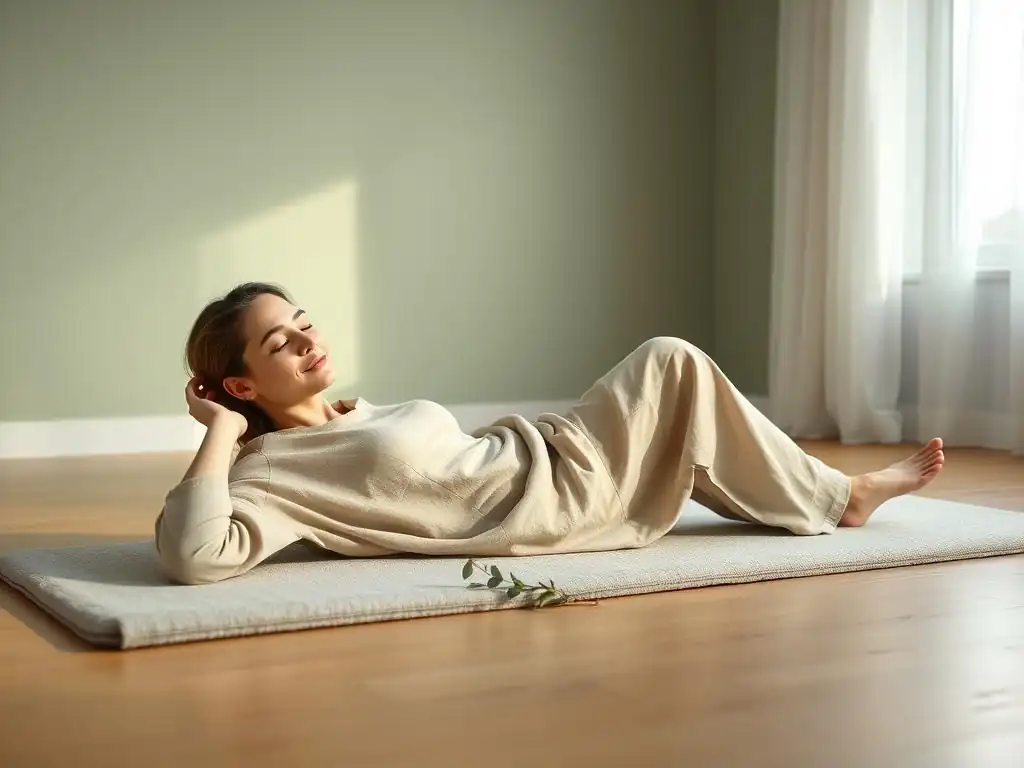
Your comfort within this space is paramount. You'll likely be sitting or lying down for the duration of the practice, which can range from 15 to 30 minutes. Choose a comfortable chair that supports your back or a soft surface like a yoga mat or bed. Wear loose, comfortable clothing that doesn't restrict your breathing or movement. Taking a moment to prepare your physical space helps signal to your mind that it's time to transition into a state of relaxation, creating an optimal environment for progressive muscle relaxation anxiety relief.
Choosing the Right Time and Minimizing Distractions
Selecting an appropriate time for your PMR session is just as important as choosing the right space. Consider when you are least likely to be interrupted by phone calls, notifications, or other people. Many people find that practicing in the evening before bed helps improve sleep quality, while others prefer a session in the morning to start their day calmly. Experiment to find what works best for your schedule and personal needs. Consistency in timing can also help establish PMR as a regular part of your routine.
Before you begin, take a few minutes to actively minimize potential distractions. Turn off or silence your phone and put it out of reach. Let family members or housemates know you need some uninterrupted time. If possible, close doors or windows to reduce noise. The goal is to create a focused period where your attention can be directed inward, allowing you to fully engage with the process of tensing and releasing your muscles without being pulled away by external stimuli. This dedicated time enhances the potential for deep progressive muscle relaxation anxiety relief.
Using Guided Progressive Muscle Relaxation Audio Resources
For beginners, or those who find it challenging to guide themselves through the process, using guided Progressive Muscle Relaxation audio resources can be incredibly helpful. These recordings typically walk you through tensing and releasing each muscle group at the appropriate pace, often incorporating calming background music or nature sounds. They provide structure and support, allowing you to focus solely on the physical sensations rather than remembering the sequence of muscle groups. Many free and paid options are available online or through mental wellness apps.
Guided sessions can simplify the learning process and make it easier to integrate PMR into your routine. They ensure that you allocate the correct amount of time for both tensing (usually 5-10 seconds) and releasing (usually 20-30 seconds) each muscle group, which is essential for experiencing the full benefits. As you become more familiar with the technique, you might find you can practice without a guide, but starting with one can build confidence and proficiency. Utilizing these resources is a practical step towards mastering progressive muscle relaxation anxiety relief.
Step-by-Step Guide to Progressive Muscle Relaxation for Anxiety Reduction
Step 1: Getting Comfortable and Centered
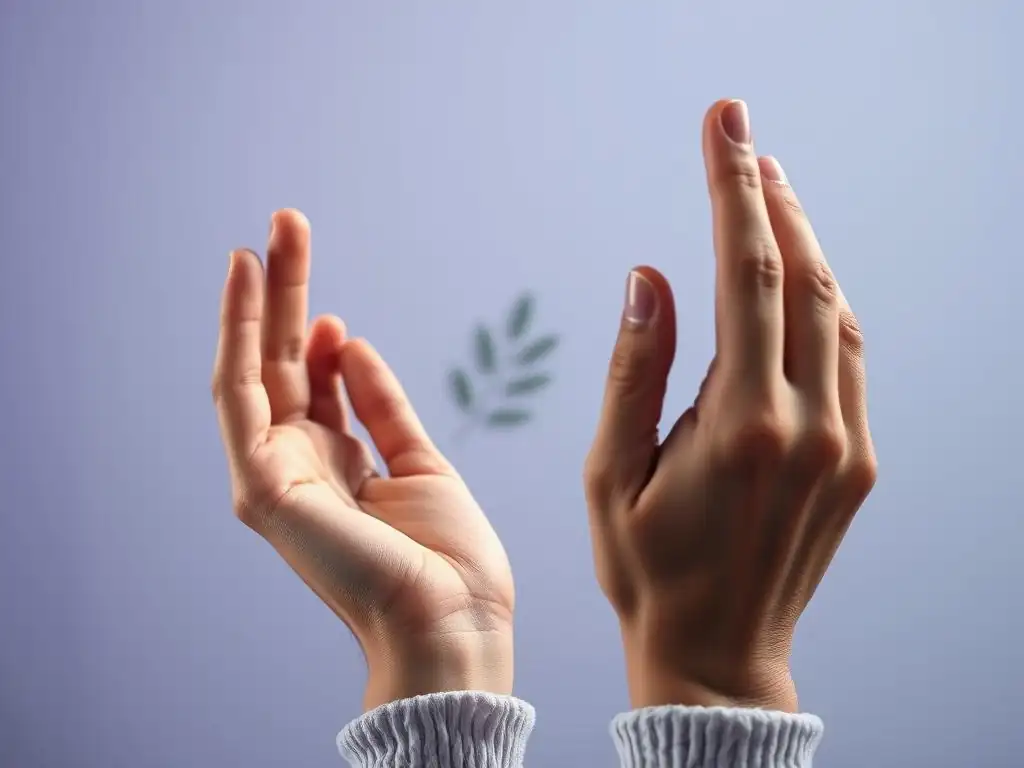
Begin by finding your comfortable position, either sitting or lying down, as prepared in the previous section. Allow your body to settle into the surface beneath you. If you are sitting, ensure your feet are flat on the floor and your hands rest comfortably on your lap or the arms of the chair. If you are lying down, let your arms rest by your sides, palms facing up or down, whichever feels more natural. Close your eyes gently or soften your gaze, looking downwards without focusing on anything specific.
Take a moment to simply arrive in the present moment. Notice the contact points between your body and the chair or floor. Bring your awareness to your breath without trying to change it. Just observe the natural rhythm of your inhales and exhales. This centering phase helps transition your mind from external concerns to your internal physical experience, setting the foundation for the relaxation practice and preparing you for effective progressive muscle relaxation anxiety relief.
Step 2: Focus and Deep Breathing Techniques
Once you feel settled, gently bring your attention to your breath. Begin to deepen your breathing slightly, inhaling slowly through your nose and exhaling slowly through your mouth. Focus on the sensation of the air entering and leaving your body. As you inhale, imagine filling your belly and chest with calm, peaceful energy. As you exhale, imagine releasing any tension, stress, or worry you might be holding onto.
Continue this slow, deep breathing for several cycles, perhaps five to ten breaths. With each exhale, feel your body softening a little more. This focused breathing helps to activate your body's relaxation response, slowing your heart rate and calming your nervous system. It serves as an anchor throughout the PMR process, allowing you to return to a state of calm focus between tensing and releasing each muscle group, enhancing the potential for progressive muscle relaxation anxiety relief.
Step 3: Tensing and Releasing Muscle Groups: A Detailed Walkthrough
The core of Progressive Muscle Relaxation involves systematically moving through various muscle groups, intentionally tensing each one and then releasing the tension. This process highlights the difference between the sensation of tightness and the sensation of relaxation. The sequence typically moves from one end of the body to the other, although the exact order can vary. Below is a common sequence, starting with the face and moving downwards, detailing how to engage each area.
As you move through each muscle group, remember to isolate the tension to that specific area as much as possible. Avoid tensing other parts of your body unnecessarily. Pay close attention to the feeling of the muscles tightening and then the feeling of them releasing and softening. This mindful observation is key to developing awareness of where you hold tension and how to let it go, contributing directly to progressive muscle relaxation anxiety relief.
Forehead: Tensing and Releasing Tension
To begin with the forehead, raise your eyebrows as high as you can, as if you are surprised. Feel the tension across your forehead and scalp. Hold this tension firmly but without straining excessively. Notice the tightness and perhaps a slight pulling sensation.
Now, completely release the tension in your forehead. Let your eyebrows drop back to their natural position. Feel the muscles soften and smooth out. Notice the contrast between the feeling of tension and the feeling of relaxation in this area. Allow the relaxation to deepen with each exhale.
Eyes and Nose: Relieving Facial Tension
Next, move to the eyes and nose area. Squeeze your eyes shut tightly, scrunching up your nose as if you smell something unpleasant. Feel the tension around your eyes, across the bridge of your nose, and possibly in your cheeks. Hold this tension.
Release the tension in your eyes and nose. Let your eyelids relax gently. Unscrunch your nose and allow your facial muscles to soften. Notice the feeling of ease and smoothness returning to this part of your face. Breathe into the sense of relaxation.
Jaw: Relaxation Techniques for Jaw Clenching
Many people hold significant tension in their jaw, often unconsciously clenching their teeth, especially when stressed or anxious. To address this, clench your jaw tightly, pressing your teeth together. Feel the muscles in your jaw and temples tighten. Hold this tension.
Now, release the tension in your jaw. Let your teeth part slightly and allow your jaw to hang loose. You might even open your mouth slightly if that feels comfortable. Feel the muscles around your jaw relax and soften. Let go of any tightness in this area, which is a common source of progressive muscle relaxation anxiety relief.
Neck and Shoulders: Easing Upper Body Stress
The neck and shoulders are notorious areas for holding stress and tension. To tense these muscles, raise your shoulders up towards your ears, as if you are trying to touch your shoulders to your lobes. Feel the tightness and strain in your neck and upper back. Hold this tension.
Gently lower your shoulders back down to a relaxed position. Allow them to drop away from your ears. Feel the tension draining out of your neck and shoulders. Notice how much lighter and looser this area feels as the muscles release. This release is particularly effective for progressive muscle relaxation anxiety relief.
Arms and Hands: Reducing Tension in Limbs
Move down to your arms and hands. Make tight fists with both hands, squeezing them as hard as you comfortably can. Simultaneously, tense the muscles in your forearms and upper arms. Feel the tension radiating through your hands, wrists, and arms. Hold this tension.
Open your hands and let your fingers unfurl. Allow your arms to relax completely, letting them feel heavy and loose. Notice the tingling sensation you might feel as blood flow returns to the area. Feel the muscles in your hands and arms soften and release all tightness.
Chest and Stomach: Releasing Core Muscle Tension
Focus now on your chest and stomach. Take a deep breath and hold it, simultaneously tightening your chest muscles and your abdominal muscles, as if bracing yourself for a gentle impact. Feel the tightness and pressure in your core. Hold this tension.
Exhale slowly and completely. Release the tension in your chest and stomach. Allow your abdominal muscles to soften and relax. Feel your chest relax and your breathing return to its natural, easy rhythm. Let your core feel soft and unsupported, allowing for deep progressive muscle relaxation anxiety relief.
Legs and Feet: Grounding and Relaxation
Finally, move to your lower body. Starting with your legs, extend your legs and point your toes towards your shins, flexing your feet. Tighten the muscles in your thighs, calves, and feet. Feel the tension throughout your legs and feet. Hold this tension.
Release the tension in your legs and feet. Let your feet fall naturally and allow all the muscles in your legs to soften and relax. Feel your legs and feet sinking down, feeling heavy and grounded. Notice the difference between the tension you just held and the current state of relaxation.
Step 4: Holding the Tension (5-10 seconds)
As you systematically move through each muscle group, the practice involves holding the tension for a specific duration. The typical recommendation is to hold the tension firmly, but without causing pain or cramping, for about 5 to 10 seconds. This duration is sufficient to build a clear awareness of the physical sensation of tightness in that particular muscle group.
While you hold the tension, continue to breathe if possible, or hold your breath gently if necessary for that specific muscle group (like the chest). Focus your attention solely on the feeling of the muscles contracting and tightening. Mentally note where you feel the tension most intensely. This short period of focused tension is crucial for the subsequent step of experiencing deep release and is a fundamental component of progressive muscle relaxation anxiety relief.
Step 5: Releasing the Tension (20-30 seconds)
Immediately after holding the tension, the most important phase is the release. This involves letting go of the tension in the targeted muscle group completely and abruptly. Do not gradually ease out of the tension; instead, consciously and deliberately relax the muscles entirely. Allow the muscles to become limp and heavy.
Spend a longer period, typically 20 to 30 seconds, focusing on the sensation of relaxation in that muscle group. Notice the feeling of warmth, looseness, or heaviness that replaces the tension. Continue to breathe slowly and deeply during this release phase, allowing the relaxation to deepen with each exhale. This extended focus on the release is what teaches your body and mind to differentiate between tension and calm, directly facilitating progressive muscle relaxation anxiety relief.
Step 6: Focusing on the Difference: Awareness of Relaxation
Between tensing and releasing each muscle group, and especially during the release phase, make a conscious effort to notice the contrast in sensations. Pay close attention to how the muscle feels when it is tense versus how it feels when it is completely relaxed. This comparison is a key element of PMR.
By actively observing this difference, you train yourself to recognize the subtle cues of tension building in your body throughout your daily life. This heightened body awareness is invaluable for proactive anxiety management. The more you practice noticing the contrast, the better you become at identifying tension early and applying relaxation techniques, moving closer to consistent progressive muscle relaxation anxiety relief.
Step 7: Repeating the Process (1-2 times per muscle group)
For each muscle group, you can repeat the tensing and releasing cycle one or two times. Repeating the cycle can deepen the relaxation and reinforce the learned distinction between tension and release. After completing the cycle for a muscle group, you would then move on to the next one in the sequence.
Some people find that repeating the process is particularly helpful for areas where they tend to hold a lot of chronic tension, such as the shoulders or jaw. Listen to your body and decide if a second cycle feels beneficial for a particular area. This iterative process ensures thorough engagement with the technique across the entire body, enhancing the overall progressive muscle relaxation anxiety relief.
Step 8: Scanning Your Body for Residual Tension
After working through all the major muscle groups in the sequence, take a few moments to scan your entire body from head to toe. Gently bring your awareness to each area you just focused on, checking if any residual tension remains. Without trying to tense and release again, simply notice if you feel any tightness or stiffness anywhere.
If you discover an area that still feels tense, you can either gently direct your breath to that area, imagining the tension softening with each exhale, or you can briefly repeat the tensing and releasing process just for that specific spot. This final scan helps ensure that you achieve a state of full-body relaxation, maximizing the benefits for progressive muscle relaxation anxiety relief.
Step 9: Enjoying Deep Relaxation and Calmness
Once you have scanned your body and released any remaining tension, allow yourself to simply rest in the state of deep relaxation you have cultivated. There is nothing else you need to do. Just breathe gently and enjoy the feeling of calm and peace throughout your body and mind.
Remain in this relaxed state for several minutes, or for as long as you feel comfortable. Notice the stillness, the quietness within you, and the absence of the physical manifestations of anxiety. This period of enjoying the relaxation solidifies the experience and reinforces the positive association between the practice and feeling calm, contributing significantly to progressive muscle relaxation anxiety relief. When you are ready to finish, slowly bring your awareness back to the room, gently move your fingers and toes, and slowly sit up or stand.
Tips for Effective Progressive Muscle Relaxation Practice
Breathing Exercises to Enhance Relaxation
Integrating focused breathing techniques can significantly enhance the effectiveness of your Progressive Muscle Relaxation practice. As mentioned earlier, deep, slow abdominal breathing helps to calm the nervous system and can deepen the release of tension. Coordinating your breath with the PMR steps is key.
For example, as you tense a muscle group, inhale deeply. As you release the tension, exhale slowly and completely, imagining the tension flowing out with your breath. During the longer release phase, continue slow, rhythmic breathing, perhaps using a technique like box breathing (inhale for 4, hold for 4, exhale for 4, hold for 4) or 4-7-8 breathing (inhale for 4, hold for 7, exhale for 8) if you find them helpful, to further promote a state of calm. Consciously linking breath to the physical process amplifies the progressive muscle relaxation anxiety relief.
Maintaining Consistent Practice for Optimal Results
Like any skill, the benefits of Progressive Muscle Relaxation are cumulative and are most profound with consistent practice. Aim to practice PMR regularly, perhaps daily or several times a week, especially when you are first learning the technique or experiencing heightened anxiety. Short, frequent sessions (even 5-10 minutes focusing on a few key areas) can be very beneficial.
Regular practice helps you become more proficient at identifying tension quickly and releasing it effectively. Over time, you may find that you can induce a state of relaxation more rapidly, even without going through the full sequence. Consistency builds a strong mind-body connection and reinforces the positive effects of PMR on your nervous system, making progressive muscle relaxation anxiety relief more accessible whenever you need it.
Adapting PMR Techniques to Your Needs and Preferences
Progressive Muscle Relaxation is a flexible technique that can be adapted to suit individual needs and preferences. While the full-body sequence is a common starting point, you don't always have to do every muscle group. If you notice you consistently hold tension in specific areas, like your shoulders or jaw, you can focus your practice on just those few groups when time is limited.
You can also adjust the duration of the tensing and releasing phases to see what feels most effective for you, staying within the general guidelines. Some people prefer to tense more gently, while others benefit from a firmer contraction. Experiment with different approaches and sequences to find what resonates best with your body and helps you achieve the deepest state of progressive muscle relaxation anxiety relief.
Troubleshooting Common Challenges in PMR
While PMR is generally accessible, you might encounter some challenges. One common issue is difficulty isolating tension in specific muscle groups without tensing others. This improves with practice and increased body awareness. Another challenge can be feeling more anxious initially when focusing on bodily sensations; if this happens, try shorter sessions or focus solely on the release phase without the tensing.
If you experience pain when tensing, reduce the intensity or skip that muscle group. Some individuals with certain medical conditions (like high blood pressure or muscle injuries) should consult a healthcare provider before practicing PMR. Be patient with yourself; mastering deep relaxation takes time and consistent effort. Persistence through minor difficulties is key to unlocking significant progressive muscle relaxation anxiety relief.
Integrating Progressive Muscle Relaxation into Your Daily Routine
Using PMR for Stress Management in Everyday Life
Progressive Muscle Relaxation isn't just for dedicated practice sessions; the principles and skills learned can be applied throughout your day for on-the-spot stress management. Once you become adept at recognizing tension in your body, you can use mini-PMR techniques in moments of stress. For example, if you notice your shoulders tensing up during a difficult meeting, you can discreetly tense and release just your shoulder muscles.
Similarly, if you feel your jaw clenching while stuck in traffic, you can focus on releasing the tension in that specific area. These brief, targeted releases can prevent tension from accumulating and escalating into physical discomfort or heightened anxiety. Integrating these micro-practices throughout your day makes progressive muscle relaxation anxiety relief a constant, accessible tool for managing daily stressors.
Combining PMR with Other Self-Care Strategies
Progressive Muscle Relaxation works synergistically with many other self-care techniques to enhance overall mental well-being. Combining PMR with mindfulness meditation, for instance, can deepen both practices by increasing body awareness and promoting present-moment focus. Practicing PMR before or after gentle yoga or stretching can further release physical tension and improve flexibility.
Incorporating PMR into a broader self-care routine that includes regular exercise, a balanced diet, adequate sleep, and connecting with others creates a robust foundation for managing anxiety. Think of PMR as one valuable tool in your self-care toolkit, amplifying the positive effects of other healthy habits and providing a powerful method for progressive muscle relaxation anxiety relief.
Progressive Muscle Relaxation for Sleep Improvement
One of the most frequently reported benefits of practicing Progressive Muscle Relaxation is improved sleep quality. Anxiety and stress often interfere with sleep by keeping the mind racing and the body physically tense, making it difficult to fall asleep or stay asleep. Practicing PMR before bed can effectively counter this by inducing a state of deep physical and mental relaxation.
By systematically releasing tension throughout the body, PMR signals to your nervous system that it's safe to rest. The focus on bodily sensations can also help quiet a busy mind, preventing ruminating thoughts from keeping you awake. Many people find that a 15-20 minute PMR session as part of their bedtime routine helps them fall asleep faster, experience fewer awakenings, and feel more rested upon waking, providing significant progressive muscle relaxation anxiety relief specifically related to sleep.
Conclusion: Embracing Progressive Muscle Relaxation for Enhanced Mental Health
Progressive Muscle Relaxation: A Powerful Tool for Anxiety Management
Progressive Muscle Relaxation stands out as a simple yet profoundly effective technique for managing anxiety and stress. By addressing the physical manifestation of anxiety – muscle tension – PMR offers a direct pathway to calming both the body and the mind. It empowers individuals with a practical skill they can use anytime, anywhere, to interrupt the stress response cycle and induce a state of relaxation.
The systematic process of tensing and releasing muscle groups not only alleviates immediate tension but also builds crucial body awareness, enabling you to recognize and address stress signals earlier. Regular practice has been shown to reduce overall anxiety levels, improve physical comfort, and enhance sleep. Embracing PMR is a proactive step towards gaining more control over your anxiety symptoms and cultivating a greater sense of peace and well-being, making it a cornerstone for progressive muscle relaxation anxiety relief.
The Journey to Relaxation: Continued Practice and Self-Discovery
Learning Progressive Muscle Relaxation is a journey of self-discovery. With each practice session, you deepen your understanding of how your body responds to stress and how effectively you can influence that response through conscious effort. Be patient with yourself as you learn; some days may feel more effective than others, and that is perfectly normal.
Consistency is more important than perfection. Make PMR a regular part of your self-care routine, adapting it as needed to fit your lifestyle and specific challenges. As you continue to practice, you will likely find that the ability to relax becomes more accessible, and the benefits of progressive muscle relaxation anxiety relief become more pronounced in your daily life. Trust the process and allow yourself to explore the profound sense of calm that lies within your reach.
Frequently Asked Questions
How does Progressive Muscle Relaxation (PMR) help with anxiety relief?
PMR reduces anxiety by systematically tensing and relaxing different muscle groups. This process helps you become more aware of muscle tension and provides a physiological response that counteracts the effects of stress and anxiety. It promotes deep relaxation.
Is Progressive Muscle Relaxation difficult to learn and practice?
No, PMR is relatively simple to learn. The guide provides a step-by-step approach, making it easy to follow. Regular practice is key to becoming more proficient and experiencing optimal anxiety relief.
How often should I practice Progressive Muscle Relaxation for anxiety relief?
For significant anxiety relief, aim to practice PMR daily, ideally for 10-20 minutes. Consistency is crucial; even short, regular sessions can yield noticeable improvements in your stress levels.
Are there any side effects associated with Progressive Muscle Relaxation?
PMR is generally safe. However, individuals with certain physical limitations or injuries should consult their doctor before starting. Some people may experience mild muscle soreness initially, but this typically subsides quickly.
Can I use Progressive Muscle Relaxation in combination with other anxiety treatments?
Yes, PMR can be a valuable addition to other anxiety treatments. It can be used alongside therapy, medication, and other relaxation techniques to create a comprehensive approach to managing anxiety and improving overall mental well-being.
Final Reflection: Unwinding Anxiety, Embracing Calm
The pervasive nature of anxiety in modern life demands readily accessible tools for self-care, and progressive muscle relaxation offers a powerful, evidence-based technique to reclaim inner peace. This simple yet profound method provides a direct pathway to managing stress and fostering a sense of calm, empowering individuals to navigate the challenges of daily life with greater resilience.
The impact of chronic stress on our physical and mental well-being is undeniable, and the ongoing search for effective coping mechanisms underscores the importance of techniques like progressive muscle relaxation. This practice isn't merely a fleeting trend; it's a timeless approach to self-regulation that continues to resonate with individuals seeking relief from anxiety. Tension is who you think you should be. Relaxation is who you are.
This quote perfectly encapsulates the core principle of releasing the unnecessary burdens we place upon ourselves, allowing our true selves to emerge.
Now, consider how you can integrate progressive muscle relaxation into your daily routine. Perhaps dedicate just five minutes each morning or evening to this practice. Start small, be consistent, and observe the subtle yet significant shifts in your body and mind. Remember, the journey to inner peace is a personal one, and this technique is a valuable tool to guide you on your path towards a calmer, more centered you. Embrace the power of relaxation; your well-being deserves it.
Unwind and Recharge: Your Next Steps to Relaxation
Thanks for taking the time to explore progressive muscle relaxation! We hope you found valuable tools to manage stress and tension. Now it's time to put your newfound knowledge into practice.
- Prioritize your relaxation: Schedule 10-15 minutes today to practice a full progressive muscle relaxation session. Even a short practice will make a difference.
- Share your experience: Tell us (or a friend!) about your experience with this technique. What worked best for you? What adjustments did you make?
- Experiment with variations: Try incorporating calming music or aromatherapy during your practice. See what enhances your relaxation journey.
Ready to experience the transformative power of consistent relaxation? What small step will you take today to prioritize your well-being?