
Understanding the 'Warrior Ethos': Its Role in Mental Health Stigma

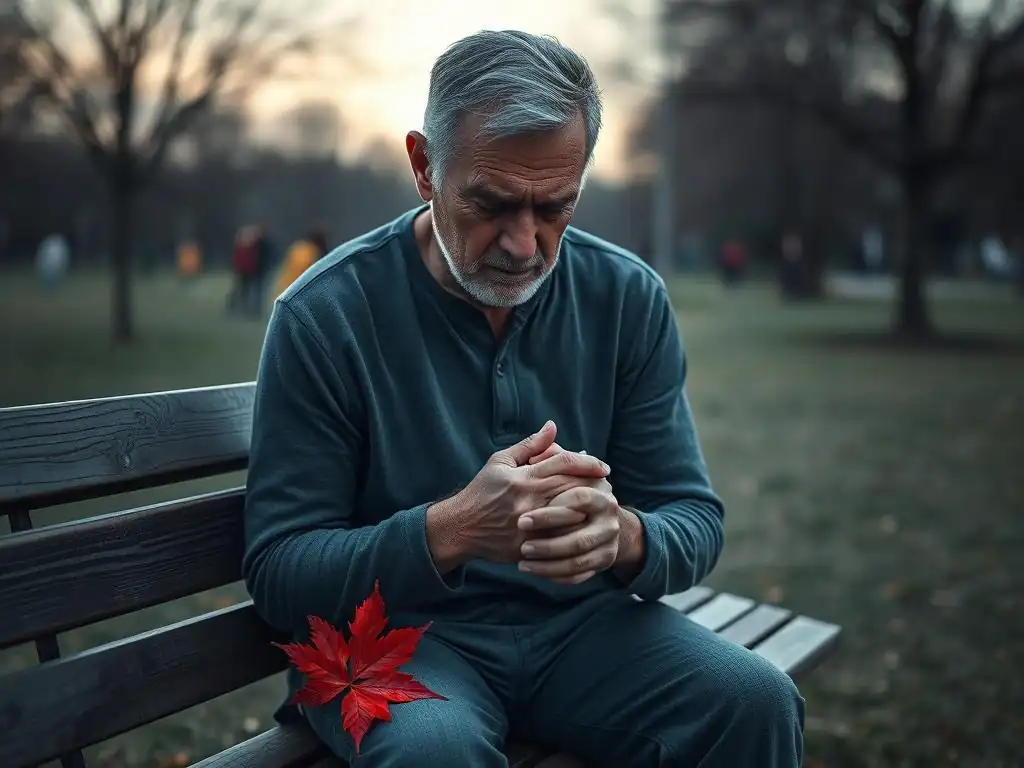
Welcome to Mind Care Guide, a place where we understand the complexities of mental well-being. Are you grappling with the challenges brought on by the 'Warrior Ethos', and how it might be contributing to mental health stigma? We delve into this crucial topic in our main article, exploring the unique pressures faced by individuals, particularly within the context of Trauma & Stress-Related Disorders. Discover insights and resources to break down these barriers and prioritize your mental health. Ready to understand more?
Understanding the 'Warrior Ethos': Its Role in Mental Health Stigma Among Military Personnel
- Introduction: Exploring the Warrior Ethos and Mental Health in Military Personnel
- What is the 'Warrior Ethos'? Defining Core Values
- The Connection Between Warrior Ethos and Mental Health Stigma
- The Impact of Mental Health Stigma on Military Personnel
- Breaking Down the Stigma: Strategies for Change
- Challenging Traditional Notions of Strength: Redefining the Warrior Image
- Resources and Support for Military Personnel Facing Mental Health Challenges
- Conclusion: Moving Towards a More Supportive Future for Military Personnel
-
Frequently Asked Questions
- How does the 'warrior ethos' contribute to mental health stigma?
- What are the key components of the 'warrior ethos' that impact mental well-being?
- Who is most affected by the 'warrior ethos' and its link to mental health stigma?
- What can be done to combat the mental health stigma associated with the 'warrior ethos'?
- Where can individuals find resources to address mental health challenges related to the 'warrior ethos'?
- Final Reflection: The Unseen Scars of the Warrior Ethos
- Unleash Your Inner Resilience: Take Charge of Your Mental Wellbeing
Introduction: Exploring the Warrior Ethos and Mental Health in Military Personnel
The military environment is unique, demanding immense physical and mental fortitude from its service members. Central to this culture is often the 'Warrior Ethos', a set of values and beliefs emphasizing strength, resilience, and unwavering commitment. While crucial for mission success and cohesion, this ethos can inadvertently contribute to a significant challenge: mental health stigma. Understanding how the deeply ingrained principles of the warrior ethos intersect with perceptions of mental health is vital to addressing the barriers military personnel face in seeking necessary support.
This article delves into the core tenets of the warrior ethos and explores its complex relationship with mental health within military communities. We will examine how this powerful cultural force can create an environment where admitting vulnerability is perceived as a weakness, thereby fueling the warrior ethos mental health stigma. By understanding this dynamic, we can better identify strategies to dismantle stigma and foster a culture where seeking mental health support is seen not as a failure, but as an essential component of overall readiness and strength.
The Importance of Addressing Mental Health Stigma in Military Communities
Addressing mental health stigma is paramount for the well-being of military personnel and the operational effectiveness of the armed forces. Studies consistently show that stigma is a primary reason service members delay or avoid seeking help for conditions like PTSD, depression, and anxiety. This delay can lead to worsening symptoms, increased risk of self-harm or suicide, and difficulties in both military performance and transition to civilian life. The presence of warrior ethos mental health stigma means that individuals who most need help might feel the most pressure to hide their struggles.
Furthermore, unresolved mental health issues can erode unit cohesion and trust. When service members feel they cannot confide in their peers or leaders about their internal struggles for fear of judgment or negative consequences, it creates isolation. This lack of open communication about mental well-being directly impacts the bonds essential for effective teamwork in high-stress environments. Therefore, actively working to reduce the warrior ethos mental health stigma is not just a matter of individual care, but a critical component of maintaining a strong and healthy force.
What is the 'Warrior Ethos'? Defining Core Values
The 'Warrior Ethos' is a foundational set of principles and behaviors ingrained in military personnel from the earliest stages of training. It encapsulates the ideals of the professional soldier, sailor, airman, or marine. While the specific phrasing may vary slightly across branches, the core themes revolve around duty, honor, courage, commitment, and selflessness. It is designed to prepare individuals for the rigors of combat and the demands of military service, fostering a mindset focused on mission accomplishment and the welfare of fellow service members.
This ethos emphasizes mental and physical toughness, the ability to persevere through adversity, and an unwavering dedication to the mission and unit. It cultivates a sense of identity rooted in strength, resilience, and the capacity to overcome challenges independently or relying only on the immediate team. While these qualities are essential for military success and survival in hostile situations, they can also create a cultural environment where acknowledging personal struggle or vulnerability, particularly concerning mental health, is seen as conflicting with these core values.
Duty, Honor, Country: Key Pillars of the Warrior Ethos
"Duty, Honor, Country" is a phrase often associated with the U.S. military, particularly through institutions like West Point, and it encapsulates core tenets of the warrior ethos. Duty emphasizes the obligation to serve the nation and fulfill one's responsibilities, often above personal needs. Honor pertains to upholding integrity, ethical conduct, and the reputation of oneself and the service. Country signifies loyalty and commitment to the nation's defense and interests. These values instill a powerful sense of purpose and collective identity.
The emphasis on fulfilling duty and upholding honor can inadvertently contribute to the warrior ethos mental health stigma. A service member struggling with depression or anxiety might perceive their condition as interfering with their ability to perform their duty effectively, leading to feelings of guilt or inadequacy. The pressure to maintain a facade of strength and capability to uphold their "honor" and avoid appearing weak can prevent them from admitting their struggles and seeking help, reinforcing the negative perceptions associated with mental health challenges within this cultural framework.
The Warrior Ethos Beyond Combat: Implications for Transition to Civilian Life
While forged in the context of combat and operational readiness, the principles of the warrior ethos extend beyond the battlefield and continue to influence service members during their transition back to civilian life. The values of self-reliance, toughness, and minimizing personal needs for the sake of the mission remain deeply ingrained. Veterans often carry this mindset with them, which can complicate the adjustment to a different environment where vulnerability, interdependence, and emotional expression are often more accepted or even necessary for building relationships and accessing support systems.
This enduring influence of the warrior ethos can exacerbate the warrior ethos mental health stigma in post-military life. Veterans conditioned to internalize stress and solve problems independently may find it difficult to ask for help, whether from family, friends, or professional services like the VA. The skills and mindset that made them effective in the military might become barriers in a civilian context, making it harder for them to navigate mental health challenges or connect with resources designed to support them, perpetuating a cycle of untreated issues.
The Connection Between Warrior Ethos and Mental Health Stigma

The connection between the warrior ethos and mental health stigma is complex and deeply rooted in military culture. The ethos promotes a strong, self-sufficient, and resilient image that is essential for facing extreme challenges. However, this emphasis on unwavering strength can create an environment where admitting to emotional or psychological distress is perceived as a failure to embody these ideals. This perception is a significant driver of the warrior ethos mental health stigma, making service members hesitant to reveal struggles they fear will be seen as signs of weakness.
This cultural pressure can manifest in various ways, from service members masking symptoms to avoiding conversations about mental well-being entirely. The fear of being judged by peers or leaders, seen as "less than," or potentially jeopardizing their career prospects outweighs the perceived benefit of seeking help. Understanding this direct link between the values instilled by the warrior ethos and the pervasive mental health stigma is crucial for developing effective interventions and support systems that acknowledge and navigate this unique cultural landscape.
How the Warrior Ethos Can Inhibit Help-Seeking Behavior for Mental Health Issues
The core tenets of the warrior ethos, such as self-reliance and emotional control, can significantly inhibit help-seeking behavior among military personnel. The mindset that one must be strong and handle challenges independently runs counter to the idea of needing external psychological support. Seeking help might be interpreted as an admission that one is not tough enough, not resilient enough, or unable to cope on their own – qualities directly antithetical to the idealized warrior image. This internal conflict is a major component of the warrior ethos mental health stigma.
Furthermore, the emphasis on maintaining composure and avoiding overt displays of distress can lead service members to suppress their emotions and internalize their struggles. This suppression not only prevents them from seeking help but can also exacerbate their symptoms over time. The cultural norm is often to "suck it up" or rely solely on internal coping mechanisms, reinforcing the belief that professional help is only for those who are truly broken, a label service members desperately wish to avoid due to the pervasive warrior ethos mental health stigma.
Perceived Weakness: The Fear of Appearing Vulnerable and Impacting Unit Readiness
A significant factor contributing to the warrior ethos mental health stigma is the deeply ingrained fear among service members that acknowledging mental health struggles will be perceived as a sign of weakness. In a profession where physical and mental readiness are paramount, showing vulnerability is often seen as potentially compromising one's ability to perform their duties or, worse, impacting the readiness and safety of the entire unit. This fear is not unfounded; historically, admitting mental health issues could lead to removal from duty, impact security clearances, or halt career progression.
This perception creates immense pressure to maintain a facade of strength, even when struggling internally. Service members worry that revealing their struggles will lead to being benched, losing the trust of their peers, or being seen as unreliable in critical situations. The idea that one's personal mental health challenge could negatively affect the team's ability to execute the mission is a powerful deterrent to seeking help, illustrating how the demands of military life intersect with the warrior ethos to fuel mental health stigma.
Self-Reliance and Independence: Barriers to Seeking Support and Maintaining Operational Status
The strong emphasis on self-reliance and independence within the warrior ethos, while essential for individual survival and small-unit operations, can act as a significant barrier when it comes to seeking mental health support. Military training instills a mindset of overcoming obstacles through internal strength and the immediate resources available within one's unit. This can translate into a reluctance to look outside the immediate military structure for help, viewing it as a sign of personal failure rather than a proactive step towards health.
This cultural norm is reinforced by the practical concern of maintaining operational status. Service members may fear that seeking mental health treatment will lead to medical profiles, limitations on duty, or even non-deployable status. For those who identify strongly with their role and the mission, this potential consequence is a powerful disincentive. The belief that they must handle their issues independently to remain "fit to fight" directly contributes to the warrior ethos mental health stigma, trapping individuals in a cycle where the perceived cost of seeking help outweighs the burden of their symptoms.
The Impact of Mental Health Stigma on Military Personnel
The impact of mental health stigma, amplified by the warrior ethos, on military personnel is profound and far-reaching. It creates a silent epidemic of untreated or undertreated conditions, leading to significant personal suffering and operational challenges. The pressure to conform to a stoic ideal means many suffer in silence, often leading to a crisis point before any help is sought, if at all. This pervasive warrior ethos mental health stigma directly contributes to negative outcomes that affect individuals, units, and the military as a whole.
Beyond the personal toll, the stigma also undermines the very readiness it seeks to protect. A force struggling with untreated mental health issues is not a fully ready force. Performance can be impaired, decision-making affected, and overall morale lowered. Addressing the warrior ethos mental health stigma is therefore not just a clinical or social issue, but a strategic imperative for maintaining a healthy, effective, and resilient military force capable of meeting the demands placed upon it.
Increased Risk of Untreated Mental Health Conditions and Suicidality
Perhaps the most critical consequence of mental health stigma within the military, heavily influenced by the warrior ethos, is the increased risk of untreated mental health conditions and, tragically, suicidality. When service members fear the repercussions of admitting they are struggling, they are far less likely to seek professional help or even confide in friends and family. This can lead to conditions like PTSD, depression, and anxiety going undiagnosed or unmanaged for extended periods.
Untreated mental health issues are strongly correlated with increased risk of suicidal ideation and attempts. While the causes of suicide are complex, the inability or unwillingness to seek help due to pervasive warrior ethos mental health stigma is a significant contributing factor among military personnel and veterans. Data consistently shows concerning rates of suicide within this population, highlighting the urgent need to break down the cultural barriers that prevent individuals from accessing life-saving support and treatment.
The pressure to hide mental health struggles due to the warrior ethos mental health stigma can lead to significant social isolation among service members. Feeling unable to be open about their experiences, individuals may withdraw from peers and social activities. This isolation can exacerbate symptoms of depression and anxiety and remove crucial informal support networks that could otherwise help someone cope or encourage them to seek professional help.
Furthermore, this lack of openness about mental health can subtly erode unit cohesion. While the warrior ethos emphasizes mutual support in combat, the stigma around internal struggles can create a barrier to true emotional connection and trust outside of operational tasks. If service members feel they must constantly maintain a strong facade and cannot show vulnerability, it limits the depth of their relationships within the unit, potentially impacting morale and the collective ability to support one another through both physical and psychological challenges.
Negative Effects on Career Advancement and Personal Relationships
The fear of negative career repercussions is a major driver of the warrior ethos mental health stigma. Service members worry that seeking mental health treatment, being diagnosed with a condition, or even having it noted in their medical record could lead to being flagged, denied promotions, losing security clearances, or being deemed non-deployable, ultimately hindering their advancement or even ending their military career prematurely. While policies exist to protect service members, the perception of potential negative impact remains a powerful deterrent.
Beyond the professional sphere, the struggle to uphold the self-reliant image dictated by the warrior ethos and the associated stigma can also severely strain personal relationships. Service members who internalize their struggles and avoid discussing them with spouses, partners, or family members may become withdrawn, irritable, or emotionally distant. This lack of communication and inability to share their burden can lead to misunderstandings, conflict, and ultimately, damage to the very relationships that could provide essential support outside the military context.
Breaking Down the Stigma: Strategies for Change
Breaking down the warrior ethos mental health stigma requires a multi-faceted approach that addresses cultural norms, promotes education, and fosters supportive environments from the highest levels of leadership down to the individual unit. It involves challenging traditional notions of strength and redefining what it means to be a resilient warrior in the 21st century. This effort is not about dismantling the positive aspects of the warrior ethos but about adapting it to include mental and emotional well-being as integral components of overall readiness and strength.
Strategies must be designed to create a climate where seeking help is not only accepted but encouraged. This involves proactive efforts to educate personnel at all ranks about mental health, the signs of common conditions, and available resources. Crucially, it requires visible leadership engagement to demonstrate that seeking help is a sign of responsibility and strength, not weakness, thereby directly counteracting the negative perceptions fueled by the warrior ethos mental health stigma.
Education and Awareness: Promoting Understanding of Mental Health and Normalizing Help-Seeking
Education and awareness campaigns are fundamental to combating the warrior ethos mental health stigma. These initiatives aim to demystify mental health conditions, explaining that they are legitimate health issues, not character flaws or signs of weakness. By providing accurate information about conditions like PTSD, depression, and anxiety, and highlighting that they are treatable, these programs help to reduce fear and misconceptions.
Effective education should be integrated throughout military training and professional development, normalizing conversations about mental well-being. It should emphasize that seeking help is a proactive step in maintaining health and readiness, similar to seeking care for a physical injury. By promoting understanding and openly discussing mental health challenges and their treatability, these programs work to chip away at the cultural barriers created by the warrior ethos and make help-seeking a more accepted and less stigmatized behavior.
Leadership Role Modeling: Encouraging Openness and Vulnerability at All Ranks
Leadership role modeling is arguably one of the most powerful tools for dismantling the warrior ethos mental health stigma. When senior officers and non-commissioned officers openly discuss the importance of mental health, share their own experiences (where appropriate), or visibly support service members who seek help, it sends a clear message that seeking support is not detrimental to one's career or standing. Leaders demonstrating that it is okay to not be okay and that seeking help is a sign of strength validates the struggles of those under their command.
Conversely, leaders who perpetuate stigma through dismissive attitudes or negative comments about mental health treatment reinforce the existing barriers. Therefore, training military leaders at all levels on how to recognize signs of distress, discuss mental health empathetically, and actively promote resources is essential. Their words and actions have a disproportionate impact on shaping the unit culture and either reinforcing or breaking down the warrior ethos mental health stigma.
Creating Supportive Environments: Fostering a Culture of Acceptance and Peer Support within Units
Creating supportive environments within military units is crucial for counteracting the warrior ethos mental health stigma. This involves fostering a culture where service members feel safe discussing their challenges without fear of judgment or negative repercussions from their peers or leadership. Peer support programs, where service members can connect with and support one another, can be particularly effective, as they leverage the strong bonds already present within the military structure.
Building a culture of acceptance requires consistent effort. It involves encouraging open communication, promoting empathy, and actively challenging stigmatizing language or attitudes when they arise. When service members see their peers and leaders treating mental health issues with the same seriousness and compassion as physical injuries, it reinforces the message that seeking help is acceptable and even expected. This unit-level support is vital in providing an immediate buffer against the broader warrior ethos mental health stigma and encouraging individuals to take the first step towards recovery.
Challenging Traditional Notions of Strength: Redefining the Warrior Image

Effectively addressing the warrior ethos mental health stigma requires a fundamental shift in how strength is defined within the military. Traditionally, strength has often been equated with physical toughness, emotional stoicism, and unwavering self-reliance. While these qualities are valuable, a more comprehensive definition of strength must emerge – one that includes mental and emotional resilience, the capacity to adapt to psychological stress, and the wisdom to seek support when needed. Redefining the warrior image to include mental fitness as a core component is essential.
This redefinition acknowledges that true strength lies not in suppressing vulnerability but in acknowledging it and taking proactive steps to maintain overall well-being. It positions seeking mental health support not as a sign of weakness, but as a strategic move by a responsible service member to ensure they remain capable and resilient in the face of ongoing challenges. This cultural evolution is key to dismantling the ingrained beliefs that fuel the warrior ethos mental health stigma and building a healthier force.
Promoting Resilience and Mental Toughness Through Comprehensive Soldier Fitness
Programs like the Army's Comprehensive Soldier Fitness (CSF), now integrated into the Holistic Health and Fitness (H2F) system, represent efforts to promote resilience and mental toughness among service members. These initiatives aim to equip individuals with psychological skills to cope with stress, build emotional strength, and enhance overall well-being. The focus is on proactive mental fitness, much like physical fitness, framing it as essential for performance and readiness.
However, the implementation and perception of these programs must carefully navigate the existing warrior ethos mental health stigma. While promoting mental toughness is valuable, it must not inadvertently reinforce the idea that struggling is a failure of toughness. The message needs to be clear: resilience involves knowing when to seek help, not just how to endure silently. Balancing the promotion of self-efficacy with the normalization of seeking external support is critical for these programs to effectively contribute to reducing stigma.
Recognizing the Importance of Mental and Emotional Well-being as Essential for Mission Success
A crucial step in combating the warrior ethos mental health stigma is the explicit recognition at all levels of leadership that mental and emotional well-being are not secondary concerns but are absolutely essential for mission success and overall military effectiveness. A service member struggling with untreated trauma, debilitating anxiety, or severe depression cannot perform at their best, potentially jeopardizing themselves, their unit, and the mission. Framing mental health as a readiness issue elevates its importance within the military culture.
This requires integrating mental health considerations into operational planning, training, and post-deployment support. It means providing accessible, confidential, and effective mental healthcare as a standard component of military service, not a last resort for those in crisis. By prioritizing mental and emotional well-being as fundamental to strength and readiness, the military can actively challenge the traditional narratives that fuel the warrior ethos mental health stigma and create an environment where seeking help is understood as a professional responsibility.
Resources and Support for Military Personnel Facing Mental Health Challenges
Despite the challenges posed by the warrior ethos mental health stigma, numerous resources and support systems are available for military personnel and veterans struggling with mental health issues. These resources are designed to provide confidential help, professional treatment, and support navigating the unique challenges faced by the military community. Awareness of and access to these resources are critical steps in overcoming the barriers created by stigma.
It is important for service members and their families to know where to turn when they need help and to understand that utilizing these resources is a sign of strength and self-care, not weakness. While the warrior ethos mental health stigma may make taking the first step difficult, reaching out to these organizations can connect individuals with the support necessary for recovery and long-term well-being.
Department of Veterans Affairs (VA) and Department of Defense (DoD) Mental Health Resources
The Department of Veterans Affairs (VA) and the Department of Defense (DoD) offer a wide range of mental health resources specifically tailored for service members, veterans, and their families. The DoD provides care for active-duty personnel, including access to on-base mental health clinics, behavioral health officers integrated into units, and various counseling services. The VA takes over care for veterans after their service, offering extensive mental health services, including therapy, medication management, and specialized programs for conditions like PTSD and substance use disorders.
These systems are designed to understand the unique experiences of military life, which can be crucial for effective treatment. While navigating these large systems can sometimes present challenges, they represent the primary avenues for accessing professional mental healthcare within the military and veteran community. Utilizing these official resources is a direct way to address mental health issues and counteract the negative impacts of the warrior ethos mental health stigma.
Military OneSource and TRICARE Mental Health Benefits
Military OneSource is a confidential, 24/7 resource provided by the DoD for service members, their families, and survivors. It offers free, non-medical counseling services, available face-to-face, by phone, or online, for a range of issues including stress, relationships, and adjusting to military life. These counseling services are distinct from clinical treatment and are designed to be easily accessible and confidential, offering a lower-stigma entry point for those hesitant to seek formal medical help due to the warrior ethos mental health stigma.
TRICARE is the healthcare program for active-duty and retired U.S. military personnel and their families. It provides comprehensive mental healthcare benefits, covering various treatments including outpatient therapy, inpatient hospitalization, and substance use disorder treatment. Understanding TRICARE benefits and how to access covered mental health services, both within military facilities and through civilian providers in the network, is essential for service members and families seeking care and navigating the healthcare system despite the presence of warrior ethos mental health stigma.
Conclusion: Moving Towards a More Supportive Future for Military Personnel
Addressing the warrior ethos mental health stigma is a critical undertaking for the well-being of military personnel and the strength of the armed forces. While the warrior ethos instills valuable qualities like resilience and commitment, its traditional interpretation can inadvertently create significant barriers to seeking help for mental health challenges. Moving forward requires a conscious effort to evolve military culture, acknowledging that true strength encompasses both physical and mental fortitude, and that seeking support is a sign of responsibility and courage.
A future where mental health stigma is significantly reduced within the military community is one where service members feel empowered to seek help without fear of judgment or career repercussions. This requires continued education, visible leadership support for mental well-being, and the fostering of supportive unit environments. By prioritizing mental health as integral to readiness and openly discussing these issues, the military can create a culture that honors the warrior spirit while ensuring the health and resilience of its most valuable asset: its people, ultimately enhancing readiness and working towards reducing the tragic rates of suicide.
Emphasizing the Importance of Removing Mental Health Stigma within the Military Community
The removal of mental health stigma is not merely a clinical or social goal; it is a strategic imperative for the U.S. military. The pervasive nature of warrior ethos mental health stigma directly impacts the health and availability of the force. When service members delay or avoid care due to fear of negative consequences or cultural beliefs, it leads to untreated conditions that can impair performance, increase risk-taking behavior, and contribute to attrition.
Highlighting the direct link between reducing stigma and improving readiness is essential for gaining buy-in at all levels. Leaders and policymakers must understand that investing in mental healthcare access and actively working to dismantle the warrior ethos mental health stigma are investments in the future capability and sustainability of the force. This emphasis reframes mental health support from a welfare issue to a critical component of operational effectiveness and national security.
Promoting a Culture of Openness and Support for Mental Well-being to Enhance Readiness and Reduce Suicide Rates
Promoting a culture of openness and support for mental well-being is the ultimate goal in overcoming the warrior ethos mental health stigma. This involves encouraging service members to talk about their experiences, fostering empathy among peers and leaders, and ensuring that seeking help is a seamless and positive experience. When mental health is discussed openly and supportively, it reduces the power of the stigma and encourages individuals to come forward before reaching a crisis point.
This cultural shift is directly linked to enhancing military readiness and reducing suicide rates. A force where mental health is prioritized is a more resilient, cohesive, and effective force. Service members who receive timely and appropriate care are better equipped to handle the stresses of military life and transition. By actively challenging the traditional norms that fuel the warrior ethos mental health stigma and building a truly supportive environment, the military can save lives and build a stronger, healthier force for the future.
Frequently Asked Questions
How does the 'warrior ethos' contribute to mental health stigma?
The 'warrior ethos,' emphasizing strength and self-reliance, can discourage individuals from seeking help, fearing it signals weakness or failure. This perpetuates the stigma surrounding mental health within certain groups.
What are the key components of the 'warrior ethos' that impact mental well-being?
Self-sacrifice, emotional suppression, and a strong emphasis on mission accomplishment above personal needs are key. These components can lead to burnout, trauma, and difficulty acknowledging mental health struggles.
Who is most affected by the 'warrior ethos' and its link to mental health stigma?
While often associated with military personnel and first responders, the 'warrior ethos' can affect anyone in high-pressure, demanding environments, such as athletes or even certain professions.
What can be done to combat the mental health stigma associated with the 'warrior ethos'?
Promoting open communication about mental health, normalizing help-seeking behavior, and challenging the notion that vulnerability equates to weakness are crucial steps.
Mind Care Guide and similar platforms offer information, support groups, and access to mental health professionals experienced in working with individuals affected by this ethos.
Final Reflection: The Unseen Scars of the Warrior Ethos
The enduring strength of the warrior ethos, while historically vital, continues to cast a long shadow over mental health, hindering help-seeking and perpetuating a culture of silence. This silence, born from a deeply ingrained belief in stoicism and self-reliance, actively prevents individuals from accessing the support they need and deserve. The consequences are devastating, impacting not only veterans but also anyone who internalizes this rigid ideal of strength.
The impact of the warrior ethos on mental health is a complex and multifaceted issue, one that continues to shape societal perceptions and individual behaviors. It fosters a culture where vulnerability is seen as weakness, where seeking help is equated with failure. This pervasive narrative prevents open conversations and creates a significant barrier to treatment. The price of silence is far greater than the price of speaking up.
This quote rings true when considering the long-term consequences of untreated mental health struggles within communities that value stoicism above all else. The ongoing struggle to dismantle this harmful narrative requires a collective effort towards empathy and understanding.
You, the reader, now hold the knowledge to challenge the harmful aspects of the warrior ethos. Consider how this ideology might be impacting your own life, or the lives of those around you. Actively choose to dismantle the stigma surrounding mental health by fostering open conversations, promoting empathy, and seeking help when needed. Let us collectively build a future where strength is defined not by the absence of vulnerability, but by the courage to seek support and embrace well-being.
Unleash Your Inner Resilience: Take Charge of Your Mental Wellbeing
Thanks for taking the time to explore the powerful connection between the warrior ethos and overcoming mental health stigma. You've gained valuable insights into building inner strength and resilience. Now, let's put that knowledge into action!
- Craft your personal resilience plan: Identify your strengths, set realistic goals for managing challenges, and create actionable steps to build your mental fortitude. This is your chance to proactively shape your wellbeing.
- Share this article with someone who might benefit: Let's break down the stigma together and build a supportive community around mental health. A simple share can make a world of difference.
- Consider exploring mindfulness techniques to enhance self-awareness and emotional regulation—a powerful complement to building resilience.
So, what concrete step will you take today to cultivate your inner warrior and foster a more supportive environment for mental wellbeing?