
Trauma and Autoimmunity: Exploring the MindBody Link


Welcome to Mind Care Guide.
Perhaps you've noticed a connection, a nagging feeling that past trauma might be subtly influencing your physical health. You're not alone. This is a space dedicated to understanding the intricate link between mind and body, and how unresolved trauma can manifest in unexpected ways. Feeling lost in a maze of confusing symptoms? This week, we delve into trauma-induced autoimmune disease symptoms, exploring the potential connections and offering pathways toward understanding and healing. Let's begin to unravel the complexities together…
Trauma and Autoimmunity: Exploring the Mind-Body Link | Mind Care Guide
- Understanding the Connection Between Trauma and Autoimmune Diseases
- Trauma-Induced Autoimmune Disease Symptoms: Identifying the Signs
- The Science Behind Trauma and Autoimmunity: Unraveling the Mechanisms
- Risk Factors: Who is More Susceptible to Trauma-Related Autoimmune Issues?
- Diagnosis and Assessment: Determining the Link Between Trauma and Autoimmunity
- Treatment and Management: Healing the Mind and Body
- Coping Strategies: Empowering Individuals with Trauma-Induced Autoimmunity
- Preventing Trauma-Related Autoimmune Diseases: Promoting Resilience and Healing
- Resources for Trauma Survivors and Individuals with Autoimmune Diseases
-
Frequently Asked Questions
- What is the potential link between trauma and autoimmune diseases?
- What are some common trauma-induced autoimmune disease symptoms?
- How does trauma potentially trigger autoimmune responses?
- What kind of mental health support is available for individuals with trauma-induced autoimmune diseases?
- Can lifestyle changes help manage trauma-induced autoimmune disease symptoms?
- Final Reflection: Unraveling the Mind-Body Connection in Autoimmune Disease
- Unlock Your Body's Healing Potential
Understanding the Connection Between Trauma and Autoimmune Diseases
The intricate relationship between our psychological state and physical health is a topic of growing interest, particularly in the context of chronic illness. Emerging research highlights a compelling connection between experiencing trauma, especially early in life, and the development of autoimmune diseases. This mind-body link suggests that profound psychological stress can have tangible, long-lasting effects on the immune system, potentially leading to conditions where the body mistakenly attacks its own tissues.
Understanding this connection is vital for both individuals navigating autoimmune challenges and healthcare professionals seeking a more holistic approach to diagnosis and treatment. Recognizing the potential impact of trauma on immune function can pave the way for integrated care strategies that address both the psychological roots and the physical manifestations of these complex conditions.
Defining Trauma: A Foundation for Understanding Its Impact
Trauma can be defined as a deeply distressing or disturbing event that overwhelms an individual's ability to cope, causes feelings of helplessness, diminishes their sense of self and their ability to feel a full range of emotions and sensations. It's not just the event itself, but the experience of the event and its lasting effects on the person's mental, emotional, and physical well-being. Trauma can stem from a single incident, such as a serious accident or assault, or from prolonged exposure to adverse conditions, like chronic neglect, abuse, or living in a high-conflict environment.
The impact of trauma is highly subjective and depends on numerous factors, including the individual's age, resilience, support systems, and the nature and duration of the traumatic exposure. Events that occur during critical developmental periods, such as childhood, can have particularly profound and enduring effects on the brain and body, including the immune system's development and function, potentially influencing the likelihood of developing trauma-induced autoimmune disease symptoms later in life.
What are Autoimmune Diseases? An Overview
Autoimmune diseases are a class of chronic conditions in which the immune system, which is normally responsible for protecting the body from foreign invaders like bacteria and viruses, mistakenly attacks healthy cells and tissues. Instead of recognizing these cells as "self," the immune system identifies them as "non-self" and launches an inflammatory response that can damage various parts of the body, including joints, skin, nerves, and organs. There are over 80 known autoimmune diseases, affecting millions of people worldwide.
These conditions vary widely in their symptoms, severity, and the specific tissues they target. Examples include rheumatoid arthritis, lupus, multiple sclerosis, type 1 diabetes, and Hashimoto's thyroiditis. While the exact causes of autoimmune diseases are not fully understood, they are believed to result from a complex interplay of genetic predisposition, environmental factors, and potentially, psychological stress and trauma, contributing to the onset and severity of trauma-induced autoimmune disease symptoms.
The Mind-Body Connection: How Psychological Stress Affects Physical Health
The concept of the mind-body connection is central to understanding how psychological experiences, particularly trauma and chronic stress, can influence physical health outcomes like autoimmune diseases. Our brain and immune system are not separate entities but are constantly communicating through complex pathways involving hormones, neurotransmitters, and inflammatory molecules. When we experience stress or trauma, the brain activates a cascade of physiological responses designed for survival, such as the release of cortisol and adrenaline.
While acute stress responses are adaptive, chronic or overwhelming stress, like that resulting from unresolved trauma, can disrupt this delicate balance. Prolonged exposure to stress hormones and inflammatory signals can dysregulate the immune system, making it more prone to errors, such as attacking healthy tissues. This persistent state of physiological arousal and immune imbalance is a key mechanism through which trauma may increase susceptibility to, or exacerbate, autoimmune conditions, leading to the manifestation of trauma-induced autoimmune disease symptoms.
Trauma-Induced Autoimmune Disease Symptoms: Identifying the Signs
Recognizing the signs that an autoimmune condition might be linked to a history of trauma involves looking for common autoimmune symptoms and considering the individual's psychological history. While trauma doesn't cause unique symptoms within autoimmune diseases, it may contribute to their onset, severity, or the way they manifest. Identifying potential trauma-induced autoimmune disease symptoms requires a holistic view of a person's health, considering both their physical complaints and their life experiences.
Individuals with a history of trauma may experience autoimmune symptoms that are particularly challenging to manage or that seem to flare up during periods of stress. The chronic nature of both trauma's effects and autoimmune diseases means that individuals may face a long and complex health journey, where understanding the interplay between mind and body is crucial for effective management and improved quality of life.
Recognizing the Symptoms of Autoimmune Diseases Triggered by Trauma
Trauma-induced autoimmune disease symptoms are essentially the symptoms of various autoimmune conditions, but potentially occurring in individuals with a significant trauma history, suggesting trauma as a contributing factor. Common symptoms across many autoimmune diseases include fatigue, joint pain and swelling, skin rashes, fever, abdominal pain or digestive issues, and swelling of glands. However, the specific symptoms depend entirely on the condition. For example, in Multiple Sclerosis, symptoms might include numbness, weakness, or vision problems, while in Rheumatoid Arthritis, it's primarily joint inflammation.
It's important to note that these symptoms are not unique to trauma-related cases. What might suggest a link to trauma is the timing of symptom onset relative to traumatic events or periods of chronic stress, the severity and persistence of symptoms, or the co-occurrence of physical symptoms with psychological distress such as anxiety, depression, or PTSD. Patients might report symptom flares following stressful events, which could potentially be linked back to unresolved trauma responses impacting their immune system.
Common Autoimmune Conditions Associated with Trauma Exposure
Research has identified associations between trauma, particularly adverse childhood experiences (ACEs), and an increased risk for several autoimmune diseases. While the link is complex and not fully understood, several conditions appear more frequently in populations with significant trauma histories. Understanding these associations is crucial for recognizing potential trauma-induced autoimmune disease symptoms in clinical settings.
Studies have shown that individuals with higher ACE scores (a measure of exposure to childhood trauma) have a significantly increased risk of developing autoimmune conditions later in life. This suggests a dose-response relationship, where more exposure to trauma correlates with a higher likelihood of developing these conditions.
Rheumatoid Arthritis and Trauma: A Closer Look
Rheumatoid Arthritis (RA) is a chronic inflammatory disorder that primarily affects joints, causing pain, swelling, stiffness, and loss of function. Numerous studies have explored the link between psychological stress, including trauma, and RA. Research indicates that individuals with a history of trauma, such as childhood abuse or neglect, have a higher prevalence of RA compared to the general population.
One significant study involving nearly 17,000 adults found that individuals with four or more categories of ACEs had a 70% increased risk of developing an autoimmune disease, including RA, compared to those with no ACEs. This association highlights how early life stress may program the immune system in ways that increase susceptibility to inflammatory conditions like RA, potentially manifesting as trauma-induced autoimmune disease symptoms earlier or more severely.
Lupus and Adverse Childhood Experiences
Systemic Lupus Erythematosus (SLE), commonly known as lupus, is a chronic autoimmune disease that can affect various parts of the body, including the skin, joints, kidneys, brain, and other organs. Lupus is characterized by periods of illness, called flares, and periods of remission. The relationship between stress, trauma, and lupus has also been a subject of investigation.
Studies have suggested that stressful life events and trauma may act as triggers for lupus flares or contribute to the onset of the disease in genetically predisposed individuals. Research looking at ACEs and lupus risk has found a correlation, with higher ACE scores associated with an increased likelihood of developing lupus. While the exact mechanisms are still being researched, it is hypothesized that the chronic stress response induced by trauma could contribute to the immune dysregulation characteristic of lupus, influencing the presentation of trauma-induced autoimmune disease symptoms.
Multiple Sclerosis and the Role of Stress
Multiple Sclerosis (MS) is a chronic disease affecting the central nervous system (brain and spinal cord). In MS, the immune system attacks the protective sheath (myelin) that covers nerve fibers, causing communication problems between the brain and the rest of the body. Stress has long been considered a potential factor in MS, both in triggering relapses and potentially influencing disease onset.
While the link is still being clarified, some studies suggest an association between significant stressful life events or trauma and an increased risk of developing MS. For instance, research has explored the connection between early life stress and MS susceptibility. The chronic activation of the stress response system (hypothalamic-pituitary-adrenal or HPA axis) induced by trauma could potentially contribute to the neuroinflammation seen in MS, impacting the severity and pattern of trauma-induced autoimmune disease symptoms in this condition.
Differentiating trauma-related autoimmune symptoms from those caused by other factors or simply part of the autoimmune disease itself is challenging because the symptoms themselves are not unique. The link is often inferential, based on the individual's history and the timing or context of symptom presentation. Autoimmune symptoms can mimic those of many other conditions, including infections, hormonal imbalances, or other chronic illnesses, requiring careful medical evaluation to rule out alternative diagnoses.
The primary way a link to trauma is considered is through a comprehensive assessment that includes a detailed medical history and a psychological history. A healthcare provider might consider trauma as a potential contributing factor if a patient reports a significant trauma history (especially ACEs), if symptoms began or worsened significantly after a traumatic event, or if they experience co-occurring psychological symptoms like PTSD, anxiety, or depression alongside their physical symptoms. This requires open communication between patient and doctor and often involves a multidisciplinary approach.
The Science Behind Trauma and Autoimmunity: Unraveling the Mechanisms
The scientific community is actively investigating the biological pathways that link trauma and autoimmune diseases. While complex, research points to several key mechanisms involving the immune system, stress response systems, and even the gut microbiome. Understanding these mechanisms provides insight into how psychological trauma can translate into physical illness and contribute to trauma-induced autoimmune disease symptoms.
These pathways illustrate the profound and lasting impact that overwhelming stress can have on the body's fundamental regulatory systems. It's not simply "stress causing illness" in a vague sense, but rather specific biological changes that can occur as a result of chronic activation of stress responses, particularly when trauma is involved.
The Role of the Immune System in Trauma Response
The immune system is not merely a defense mechanism against pathogens; it also plays a role in interacting with the nervous system and responding to stress. When the body perceives a threat, whether physical or psychological, the stress response is activated, leading to the release of hormones like cortisol and adrenaline. These hormones have significant effects on immune cell function.
Initially, acute stress can sometimes enhance certain immune responses, preparing the body for potential injury. However, chronic or severe stress, like that resulting from trauma, can lead to a sustained release of stress hormones and inflammatory cytokines. This prolonged exposure can disrupt the normal balance of immune function, potentially leading to chronic low-grade inflammation or the development of immune dysregulation where the system becomes hyper-reactive or misdirected, laying the groundwork for autoimmune attacks and the emergence of trauma-induced autoimmune disease symptoms.
Chronic Stress and Immune System Dysregulation
Chronic stress, a common consequence of unresolved trauma, is a significant factor implicated in immune system dysregulation. The persistent activation of the HPA axis and the sympathetic nervous system leads to sustained elevated levels of cortisol and other stress mediators. While cortisol initially suppresses some inflammatory responses, chronic exposure can lead to cortisol resistance in immune cells, rendering them less responsive to its regulatory effects.
This cortisol resistance can result in a state of chronic inflammation, where pro-inflammatory cytokines remain elevated. Furthermore, chronic stress can alter the balance of different types of immune cells, such as T helper cells (specifically shifting towards a Th1 or Th17 profile which can be pro-inflammatory and involved in autoimmunity) and regulatory T cells (which help keep the immune response in check). This imbalance can promote an environment where the immune system is more likely to attack self-tissues, contributing to the development or exacerbation of autoimmune diseases and their associated trauma-induced autoimmune disease symptoms.
The Impact of Early Childhood Trauma on Immune Development
Early childhood is a critical period for the development of the immune system. Exposure to trauma during these formative years can have a particularly profound and lasting impact. The developing immune system is highly sensitive to environmental influences, including the physiological environment shaped by chronic stress and adversity.
Research suggests that ACEs can "program" the immune system, leading to long-term changes in inflammatory responses and immune cell function. Children exposed to significant trauma may show altered cytokine profiles and increased markers of inflammation that persist into adulthood. This early programming may make individuals more vulnerable to developing chronic inflammatory conditions, including autoimmune diseases, decades later. The epigenetic changes induced by early trauma – alterations in gene expression without changes to the DNA sequence – may also play a role in these long-lasting immune system changes, influencing future susceptibility to trauma-induced autoimmune disease symptoms.
Exploring the Gut-Brain Axis in Trauma and Autoimmunity
The gut-brain axis, the bidirectional communication system between the central nervous system and the enteric nervous system within the gut, is increasingly recognized as a key player in the link between trauma and autoimmunity. The gut microbiome, the vast community of microorganisms living in our digestive tract, plays a crucial role in immune system development and regulation.
Stress and trauma can significantly alter the composition and function of the gut microbiome (dysbiosis). These changes can impair the gut barrier function, leading to increased intestinal permeability ("leaky gut"), which allows bacteria, toxins, and undigested food particles to enter the bloodstream.
The immune system can react to these substances, triggering systemic inflammation and potentially contributing to the breakdown of self-tolerance, a critical factor in the development of autoimmune diseases. Furthermore, the gut microbiome influences neurotransmitter production and immune cell education, creating multiple pathways through which trauma-induced dysbiosis could impact both mental health and autoimmune risk, influencing trauma-induced autoimmune disease symptoms.
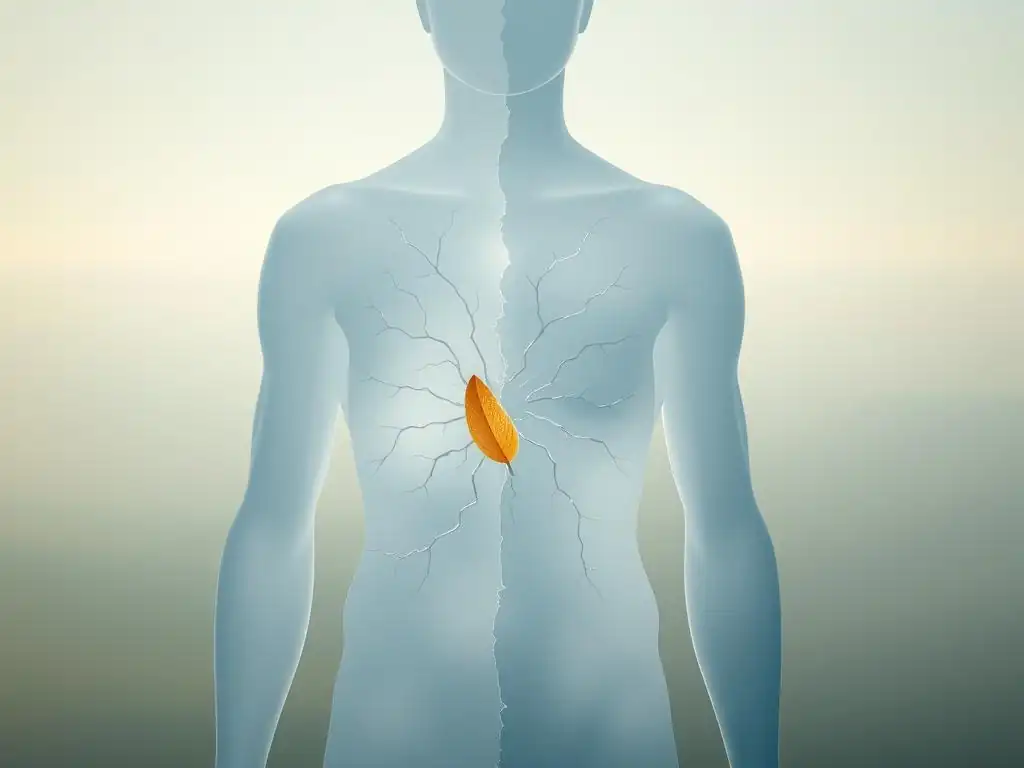
While the link between trauma and autoimmunity is being established, not everyone who experiences trauma will develop an autoimmune disease. Several factors can influence an individual's susceptibility, acting in combination with trauma exposure to increase the risk. Understanding these risk factors can help identify individuals who may benefit from early intervention and preventative strategies aimed at mitigating the impact of trauma on physical health, including the potential for trauma-induced autoimmune disease symptoms.
These factors highlight the complex interplay of genetics, environment, and personal history in determining health outcomes. It's rarely a single cause but rather a confluence of vulnerabilities that increases risk.
Genetic Predisposition and Trauma Vulnerability
Genetics plays a significant role in determining an individual's susceptibility to autoimmune diseases. Specific gene variations are known to increase the risk of developing conditions like RA, lupus, or MS. However, genetics alone are often not sufficient to cause the disease; environmental triggers are usually required. Trauma and chronic stress can act as such triggers in genetically predisposed individuals.
Research suggests that certain genetic profiles might also influence how an individual responds to stress and trauma, affecting the resilience of their stress response and immune systems. Therefore, a person with a genetic predisposition for an autoimmune condition and a history of significant trauma may be at a higher risk than someone with only one of these factors. The genetic background can modulate the biological impact of trauma, potentially influencing the likelihood and presentation of trauma-induced autoimmune disease symptoms.
The Impact of Adverse Childhood Experiences (ACEs)
As previously mentioned, Adverse Childhood Experiences (ACEs) are among the most significant risk factors for a wide range of negative health outcomes in adulthood, including autoimmune diseases. ACEs include various forms of abuse (physical, emotional, sexual), neglect (physical, emotional), household dysfunction (e.g., parental mental illness, substance abuse, divorce, incarcerated relative, mother treated violently).
The original ACE study, conducted by the CDC and Kaiser Permanente, demonstrated a strong dose-response relationship between the number of ACEs and various health problems. Subsequent research has consistently shown that individuals with higher ACE scores have a significantly increased risk of developing autoimmune diseases, sometimes doubling or tripling the risk compared to those with no ACEs. This underscores the profound and lasting biological impact of early life trauma on the immune system and overall health trajectory, significantly increasing the likelihood of encountering trauma-induced autoimmune disease symptoms later in life.
Pre-Existing Mental Health Conditions and Autoimmune Risk
There is a known bidirectional relationship between mental health conditions and autoimmune diseases. Individuals with autoimmune diseases have a higher prevalence of conditions like depression, anxiety, and PTSD, and vice versa. Given that trauma is a significant risk factor for many mental health conditions, the presence of pre-existing psychological issues may act as an additional risk factor for developing autoimmune problems following trauma.
Chronic psychological distress associated with conditions like PTSD or severe depression can further exacerbate immune dysregulation and chronic inflammation. This creates a vicious cycle where trauma contributes to mental health issues, which in turn contribute to physical health issues like autoimmunity. Addressing co-occurring mental health conditions is therefore an important aspect of managing the risk and impact of trauma-induced autoimmune disease symptoms.
The Role of Environmental Toxins
While less directly linked to trauma itself, environmental factors, including exposure to certain toxins, can also play a role in triggering autoimmune diseases. Some research suggests that environmental exposures, such as certain chemicals, heavy metals, or infections, can interact with genetic and lifestyle factors to increase autoimmune risk.
It's possible that the immune dysregulation caused by trauma could make an individual more susceptible to the effects of environmental triggers. For example, a compromised gut barrier due to trauma-induced stress could potentially increase exposure to environmental toxins or microbial products that can stimulate the immune system inappropriately. While the direct link between trauma, environmental toxins, and autoimmunity requires further research, it highlights the complex multifactorial nature of these diseases, where trauma is one piece of a larger puzzle that can contribute to the emergence of trauma-induced autoimmune disease symptoms.
Diagnosis and Assessment: Determining the Link Between Trauma and Autoimmunity
Diagnosing an autoimmune disease linked to trauma requires a comprehensive approach that considers both physical symptoms and psychological history. There is no single test to definitively prove that trauma caused an autoimmune condition, but clinicians can assess the likelihood based on the individual's history, symptom presentation, and the results of medical and psychological evaluations. This integrative assessment is key to identifying potential trauma-induced autoimmune disease symptoms and developing an appropriate treatment plan.
Effective diagnosis relies on open communication, trust, and a willingness from both the patient and healthcare providers to explore the potential connections between mind and body.
Comprehensive Medical Evaluation for Autoimmune Diseases
The first step in diagnosing any autoimmune disease is a thorough medical evaluation. This typically involves a detailed review of the patient's symptoms, medical history, and family history of autoimmune conditions. A physical examination is conducted to assess for signs of inflammation, joint involvement, skin changes, or other physical manifestations.
Laboratory tests are crucial and may include blood tests to check for specific autoantibodies (proteins produced by the immune system that target self-tissues), markers of inflammation (like C-reactive protein or erythrocyte sedimentation rate), and other tests to assess organ function. Imaging studies, such as X-rays, MRIs, or ultrasounds, may also be used to evaluate affected tissues or organs. These evaluations are standard for diagnosing autoimmune conditions, regardless of suspected cause, but are necessary to identify the presence and nature of any trauma-induced autoimmune disease symptoms.
Psychological Assessment for Trauma History
Simultaneously or subsequently, a psychological assessment is vital, particularly when considering the potential link between trauma and autoimmune symptoms. This assessment involves exploring the individual's history of trauma, including ACEs, other significant stressful life events, and the presence of trauma-related psychological conditions like PTSD, anxiety, or depression.
Standardized questionnaires or interviews designed to screen for trauma exposure and trauma-related symptoms can be used. It's important for this assessment to be conducted by a mental health professional trained in trauma-informed care, creating a safe environment for the individual to share potentially difficult experiences. Understanding the timing and nature of trauma exposure relative to the onset or worsening of physical symptoms can provide valuable clues about a potential mind-body link, helping to contextualize trauma-induced autoimmune disease symptoms.
Integrative Approach: Combining Medical and Psychological Perspectives
The most effective approach to determining the link between trauma and autoimmunity, and to managing trauma-induced autoimmune disease symptoms, is an integrative one that combines medical and psychological perspectives. This often involves collaboration between rheumatologists, neurologists, gastroenterologists (depending on the affected system), and mental health professionals.
By reviewing both the medical findings (laboratory results, imaging, physical exam) and the psychological assessment (trauma history, mental health status), clinicians can gain a more complete picture of the individual's health. While a direct causal link is hard to prove, identifying a strong correlation between trauma history and the onset or severity of autoimmune symptoms allows for a more informed and holistic treatment plan that addresses both the physical illness and the underlying psychological factors, improving the overall approach to trauma-induced autoimmune disease symptoms.
Treatment and Management: Healing the Mind and Body
Managing trauma-induced autoimmune disease symptoms requires a dual approach that targets both the physical manifestations of the autoimmune condition and the psychological impact of trauma. Effective treatment involves medical management of the autoimmune disease alongside trauma-informed therapy and supportive care. This integrated strategy aims to reduce inflammation, alleviate symptoms, improve immune function, and process the trauma, leading to better overall health outcomes.
Healing from trauma and managing a chronic autoimmune condition is a journey that often requires patience, perseverance, and a strong support system. The goal is not just symptom suppression but also enhancing resilience and promoting long-term well-being.
Trauma-Informed Therapy: Addressing the Root Causes
Trauma-informed therapy is a cornerstone of treatment when trauma is suspected to be a contributing factor to autoimmune disease. These therapies are designed to help individuals process traumatic experiences in a safe and supportive environment, reducing the physiological and psychological burden of unresolved trauma. By addressing the root causes of chronic stress and dysregulation, these therapies can potentially positively impact immune function and alleviate trauma-induced autoimmune disease symptoms.
Therapy can help individuals develop coping skills, regulate their emotional responses, and challenge negative beliefs that may have developed as a result of trauma. It's essential to work with a therapist who is specifically trained in trauma resolution techniques.
Eye Movement Desensitization and Reprocessing (EMDR) Therapy
EMDR is a psychotherapy technique that has been shown to be effective in treating trauma and PTSD. It involves recalling distressing images while receiving bilateral stimulation, such as side-to-side eye movements. The goal is to help the brain reprocess traumatic memories, reducing their emotional intensity and physiological impact.
By helping individuals process and integrate traumatic experiences, EMDR can potentially reduce the chronic activation of the stress response system and its downstream effects on the immune system. Anecdotal evidence and some preliminary research suggest that resolving trauma through therapies like EMDR may lead to improvements in physical symptoms associated with trauma-induced autoimmune disease symptoms, although more rigorous research is needed.
Cognitive Behavioral Therapy (CBT) for Trauma
Trauma-focused Cognitive Behavioral Therapy (TF-CBT) is another evidence-based therapy for trauma. It helps individuals identify and challenge negative thought patterns and behaviors related to the trauma. TF-CBT often includes components like psychoeducation about trauma, stress management techniques, and gradual exposure to trauma-related memories or situations in a controlled way.
CBT can help individuals develop healthier coping mechanisms for stress, reduce anxiety and depression, and improve their overall emotional regulation. While not directly targeting the immune system, reducing psychological distress through CBT can indirectly benefit physical health by lowering chronic stress levels and promoting a more balanced physiological state, which can be helpful in managing trauma-induced autoimmune disease symptoms.
Medical Management of Autoimmune Diseases
Medical management of the autoimmune disease itself is crucial regardless of whether trauma is a contributing factor. Treatment plans are highly individualized based on the specific condition, its severity, and the organs affected. The primary goals of medical treatment are to reduce inflammation, suppress the overactive immune response, manage symptoms, prevent flares, and minimize long-term tissue damage.
Medical treatment plans are typically developed and managed by specialists such as rheumatologists, neurologists, or endocrinologists. Adherence to the prescribed medical regimen is essential for controlling the disease activity and improving quality of life, working in parallel with trauma-focused interventions to address trauma-induced autoimmune disease symptoms.
Medications for Symptom Relief and Disease Modification
Various medications are used to treat autoimmune diseases. These can range from nonsteroidal anti-inflammatory drugs (NSAIDs) and corticosteroids to reduce inflammation and pain, to disease-modifying antirheumatic drugs (DMARDs) and biologic therapies that target specific parts of the immune system to slow disease progression.
The choice of medication depends on the specific autoimmune condition. For example, methotrexate is a common DMARD used for RA, while immunosuppressants like cyclophosphamide might be used for severe lupus affecting organs. Biologic therapies, such as TNF inhibitors or B-cell depleting agents, represent targeted treatments that have revolutionized the management of many autoimmune diseases. These medications are essential for controlling the physical manifestations of trauma-induced autoimmune disease symptoms.
Lifestyle Modifications: Diet, Exercise, and Stress Reduction
Lifestyle modifications play a vital supportive role in managing autoimmune diseases and mitigating the impact of trauma. A nutrient-dense, anti-inflammatory diet, such as the Mediterranean diet, can help reduce inflammation throughout the body. Regular, gentle exercise can improve joint flexibility, reduce fatigue, and boost mood, while also helping to regulate the stress response.
Stress reduction techniques, such as mindfulness meditation, deep breathing exercises, yoga, or spending time in nature, are particularly important for individuals with trauma histories and autoimmune conditions. These practices can help calm the nervous system, reduce cortisol levels, and promote a sense of well-being, complementing medical and psychological treatments in addressing trauma-induced autoimmune disease symptoms.
The Importance of Self-Care and Support Systems
Self-care is not a luxury but a necessity for individuals managing chronic conditions like autoimmune diseases, especially when compounded by trauma. Prioritizing rest, getting adequate sleep (often challenging with pain and stress), and engaging in enjoyable activities are crucial for both physical and mental health.
Building and maintaining a strong support system is also invaluable. Connecting with understanding friends, family, or support groups provides emotional validation, reduces feelings of isolation, and offers practical assistance. Sharing experiences with others who understand the challenges of both trauma and chronic illness can be incredibly empowering and provide a sense of community for those experiencing trauma-induced autoimmune disease symptoms.
Coping Strategies: Empowering Individuals with Trauma-Induced Autoimmunity

Developing effective coping strategies is essential for individuals living with the dual challenges of trauma and autoimmune disease. These strategies empower individuals to manage their symptoms, navigate difficult emotions, and build resilience in the face of chronic illness and past adversity. Learning to cope effectively can significantly improve quality of life and a sense of control over one's health journey, particularly when dealing with complex trauma-induced autoimmune disease symptoms.
Coping is an ongoing process that involves experimentation to find what works best for each individual. It's about building a toolkit of techniques to draw upon during difficult times.
Building Resilience Through Mindfulness and Meditation
Mindfulness and meditation practices teach individuals how to stay present, observe their thoughts and feelings without judgment, and cultivate a greater sense of calm. Regular practice can help reduce stress, anxiety, and the physiological hyperarousal often associated with trauma and chronic pain.
Research suggests that mindfulness can influence immune function and reduce inflammatory markers. By helping individuals regulate their stress response and improve emotional regulation, mindfulness can potentially mitigate the impact of psychological stress on autoimmune activity, offering a valuable tool for managing trauma-induced autoimmune disease symptoms. Even short daily practices can yield benefits over time.
Isolation can worsen both trauma symptoms and the experience of chronic illness. Actively creating and nurturing a supportive social network is a vital coping strategy. This can involve connecting with understanding friends and family, joining support groups for trauma survivors or specific autoimmune conditions, or participating in community activities.
Sharing experiences, receiving emotional support, and feeling understood can significantly reduce stress and improve emotional well-being. A strong social network can also provide practical support during flares or difficult periods, making the challenges of trauma-induced autoimmune disease symptoms more manageable.
Developing Healthy Coping Mechanisms for Stress
Individuals with a history of trauma may have developed unhelpful or even harmful coping mechanisms to deal with overwhelming emotions or situations. Learning and practicing healthy ways to manage stress is crucial. This includes strategies like deep breathing exercises, progressive muscle relaxation, journaling, engaging in creative activities, spending time in nature, or listening to music.
Identifying triggers for stress and having a repertoire of healthy coping responses allows individuals to proactively manage their reactions and prevent the escalation of stress that could potentially impact their autoimmune condition. This proactive approach is key in navigating the complexities of trauma-induced autoimmune disease symptoms.
Finding a Trauma-Informed Healthcare Provider
Working with healthcare providers who understand the impact of trauma on health is invaluable. A trauma-informed provider recognizes the high prevalence of trauma, understands how it can affect a person's health and behavior, and provides care in a way that avoids re-traumatization.
Finding a primary care physician, specialist, or therapist who practices trauma-informed care ensures that the individual's history is considered respectfully and integrated into the treatment plan. This fosters a sense of safety and trust, which is essential for effective healing and management of trauma-induced autoimmune disease symptoms.
Preventing trauma-related autoimmune diseases involves addressing trauma at its source and promoting resilience in individuals who have experienced adversity. While we cannot change past events, we can implement strategies to mitigate the long-term health consequences of trauma, particularly in vulnerable populations like children. Focusing on prevention and early intervention is key to reducing the future burden of trauma-induced autoimmune disease symptoms.
These preventative measures often involve societal and systemic changes, as well as individual-level interventions aimed at healing and building coping skills.
Early Intervention Programs for Children Exposed to Trauma
Given the profound impact of early childhood trauma (ACEs) on long-term health, including immune development and autoimmune risk, early intervention programs are critical. These programs aim to provide support and therapeutic interventions to children who have experienced or are at risk of experiencing trauma.
Examples include child-parent psychotherapy, trauma-focused CBT for children, and programs that support caregivers in creating stable and nurturing environments. By helping children process traumatic experiences, develop healthy coping skills, and grow up in supportive settings, these programs can buffer the physiological effects of stress and potentially reduce the likelihood of developing trauma-term health issues like autoimmune diseases and their associated trauma-induced autoimmune disease symptoms.
Promoting Mental Health Awareness and Reducing Stigma
Increasing awareness about the prevalence and impact of trauma and mental health conditions is essential. Reducing the stigma associated with seeking help for mental health issues encourages individuals to come forward and access necessary support and treatment. Many individuals suffer in silence due to fear of judgment or lack of understanding.
Promoting open conversations about trauma and its effects on both mental and physical health helps create a more supportive environment. This awareness can lead to earlier identification of trauma exposure and its potential health consequences, including the risk of trauma-induced autoimmune disease symptoms, allowing for timely intervention.
Creating Safe and Supportive Environments
Creating safe and supportive environments in homes, schools, workplaces, and communities is a fundamental aspect of trauma prevention and resilience building. Safe environments reduce the likelihood of trauma occurring and provide a context for healing and recovery when it does.
This involves addressing systemic issues that contribute to trauma, such as poverty, violence, and discrimination. It also includes fostering supportive relationships, promoting emotional well-being, and ensuring access to resources for those who need them. By prioritizing safety and support, societies can reduce the burden of trauma and its associated health consequences, potentially lowering the incidence of trauma-induced autoimmune disease symptoms in the long run.
Resources for Trauma Survivors and Individuals with Autoimmune Diseases
Navigating the challenges of trauma and autoimmune disease can feel overwhelming. Fortunately, numerous resources are available to provide information, support, and guidance. Connecting with these resources can empower individuals with knowledge, coping strategies, and a sense of community.
Seeking support is a sign of strength and a crucial step in the healing process for those dealing with trauma-induced autoimmune disease symptoms and their underlying causes.
Organizations Providing Support and Information
Many national and international organizations are dedicated to supporting individuals affected by trauma and specific autoimmune diseases.
- Organizations focused on trauma and PTSD often offer resources, helplines, and information on finding trauma-informed therapists.
- Disease-specific foundations and associations (e.g., Arthritis Foundation, Lupus Foundation of America, National MS Society) provide detailed information about specific conditions, treatment options, and connect patients with resources.
- Mental health organizations offer broader support for anxiety, depression, and overall well-being, which are often co-occurring issues.
These organizations are valuable sources of reliable information and support for managing both the psychological and physical aspects of trauma-induced autoimmune disease symptoms.
Online Communities and Forums
Online support groups and forums offer a platform for individuals to connect with others who share similar experiences. These communities can provide emotional support, practical tips for managing symptoms, and a sense of belonging.
Finding a community of individuals who understand the unique challenges of living with trauma and autoimmune disease can be incredibly validating and reduce feelings of isolation. Sharing experiences and learning from others' coping strategies can be a powerful source of support when dealing with trauma-induced autoimmune disease symptoms.
Recommended Reading on Trauma and Autoimmunity
Numerous books and articles delve into the topics of trauma, the mind-body connection, and specific autoimmune diseases. Reading personal narratives or educational books authored by experts can provide deeper insights and understanding.
Look for books on trauma recovery, the impact of stress on the body, and comprehensive guides to specific autoimmune conditions. Informed reading can empower individuals with knowledge about their conditions and the potential pathways linking their experiences to their physical health, aiding in the understanding and management of trauma-induced autoimmune disease symptoms.
Frequently Asked Questions
What is the potential link between trauma and autoimmune diseases?
There is growing evidence suggesting a connection between experiencing trauma and the development of autoimmune conditions. This link involves the complex interplay of the mind and body.
What are some common trauma-induced autoimmune disease symptoms?
Symptoms can vary widely, but common ones include chronic fatigue, joint pain, digestive issues, and skin rashes. These symptoms often manifest after a significant traumatic event.
How does trauma potentially trigger autoimmune responses?
Trauma can lead to chronic stress and dysregulation of the immune system. This dysregulation can cause the immune system to attack healthy tissues, resulting in autoimmune diseases.
What kind of mental health support is available for individuals with trauma-induced autoimmune diseases?
Therapy, such as trauma-informed cognitive behavioral therapy (CBT) and Eye Movement Desensitization and Reprocessing (EMDR), can be beneficial. Also, support groups provide valuable peer support.
Can lifestyle changes help manage trauma-induced autoimmune disease symptoms?
Yes, lifestyle modifications like stress management techniques, regular exercise, and a healthy diet can play a significant role. These changes can help regulate the immune system and improve overall well-being.
Final Reflection: Unraveling the Mind-Body Connection in Autoimmune Disease
The intricate relationship between trauma and autoimmune disease is no longer a fringe theory; it's a crucial area of research demanding immediate attention. The evidence presented throughout this article strongly suggests a significant correlation, highlighting the urgent need for a more holistic approach to diagnosis and treatment that acknowledges the profound impact of past experiences on physical health. Ignoring this connection means neglecting a vital piece of the puzzle in understanding and effectively managing autoimmune conditions.
The pervasive influence of trauma on our physical well-being is undeniable, shaping not only our mental landscape but also the very functioning of our immune systems. This understanding has profoundly shifted my own perspective on health and illness, prompting a deeper appreciation for the interconnectedness of mind and body. The body keeps the score,
as Bessel van der Kolk so eloquently puts it, and understanding this score is paramount to healing. This isn't just about treating symptoms; it's about addressing the root causes of suffering, acknowledging the validity of lived experiences, and fostering pathways towards genuine well-being.
Consider the implications of this knowledge. How might recognizing the role of trauma in your own life, or the lives of those you care for, lead to more effective coping strategies and treatment plans? I urge you to explore the resources mentioned in this article and to engage in self-reflection, seeking support when needed.
By acknowledging the mind-body connection, we empower ourselves and others to embark on a journey towards healing and a more complete understanding of health and wellness. Let us move forward with compassion, understanding, and a commitment to fostering a more holistic approach to autoimmune disease care.
Unlock Your Body's Healing Potential
Thanks for taking the time to explore the fascinating connection between trauma and autoimmunity with us! We hope you gained valuable insights into how your mind and body are deeply interconnected. Now it's time to put that knowledge into action.
- Prioritize self-compassion: Begin incorporating mindfulness practices, like deep breathing or gentle yoga, into your daily routine. Even 5 minutes a day can make a difference. This is your primary action step towards healing.
- Share your journey: Connect with others who understand. Sharing your experiences can be incredibly powerful and supportive. Consider joining a support group or simply talking to a trusted friend or family member.
- Explore additional resources: Delve deeper into this topic by researching trauma-informed therapies and body-awareness practices. Discover what resonates most with you and your healing journey.
Ready to embark on this path toward greater self-understanding and well-being? What small step will you take today to nurture your mind and body?