
Sculpting Your Way Through Trauma: The Healing Power of 3D Art


Welcome to Mind Care Guide.
Feeling lost in the labyrinth of trauma? It's a journey no one should navigate alone. We understand the complexities of healing, and we're here to offer guidance and support. Dive into our latest article, "Sculpting Your Way Through Trauma: The Healing Power of 3D Art," and discover how 3D art trauma healing can be a powerful tool in reclaiming your well-being. Could this be the missing piece in your journey toward healing? Explore further and unlock the potential within.
Sculpting Resilience: 3D Art Therapy for Trauma Recovery
- Understanding Trauma and its Impact
- Art Therapy in Trauma Recovery
- 3D Art Therapy: A Therapeutic Tool
- 3D Art Techniques for Trauma Healing
- Benefits of 3D Art Therapy
- Case Studies: 3D Art in Practice
- Starting with 3D Art
- Considerations and Precautions
- Resources for Art Therapy and Trauma Support
- Conclusion: Transforming Trauma Through 3D Art
-
Frequently Asked Questions
- How can 3D art specifically help with trauma healing?
- What types of 3D art are most effective for trauma survivors?
- Does someone need prior art experience to benefit from 3D art trauma healing?
- How does 3D art trauma healing differ from traditional talk therapy?
- Where can I find resources or a therapist specializing in 3D art trauma healing?
- Final Reflection: The Enduring Sculptures of Healing
- Unleash Your Inner Artist: Sculpt Your Path to Healing
Understanding Trauma and its Impact
The Neuroscience of Trauma: Brain Function and Stress Response
Trauma profoundly alters the brain's structure and function, particularly impacting areas like the amygdala, hippocampus, and prefrontal cortex. The amygdala, responsible for detecting threats, becomes hyperactive, leading to heightened fear and anxiety responses even in safe environments. Simultaneously, the hippocampus, crucial for memory processing and context, can shrink, making it difficult to distinguish between past traumatic experiences and present reality. This dysregulation keeps the body in a state of chronic stress, flooding the system with hormones like cortisol, which can have long-term negative effects on physical and mental health.
Furthermore, trauma disrupts the communication pathways between the prefrontal cortex, involved in executive functions, decision-making, and emotional regulation, and the limbic system (including the amygdala and hippocampus). This impaired connectivity makes it challenging for individuals to manage intense emotions, think clearly, or feel safe. The brain becomes wired for survival, often at the expense of higher-level cognitive processes and emotional well-being. Understanding these neurological changes is crucial for appreciating how therapeutic interventions, including creative approaches like 3D art therapy for trauma healing, can help re-regulate the nervous system and promote recovery.
Trauma's Impact: Emotional, Physical, and Cognitive Symptoms
The effects of trauma manifest across multiple domains, creating a complex web of symptoms. Emotionally, individuals may experience intense fear, anxiety, depression, anger, shame, and difficulty feeling positive emotions. Emotional numbing or detachment is also common, where the person feels disconnected from their feelings and others. These emotional shifts can be unpredictable and overwhelming, making daily life challenging.
Physically, trauma can lead to chronic pain, fatigue, digestive issues, and heightened sensitivity to stimuli. The persistent activation of the stress response taxes the body, contributing to various physical ailments. Cognitively, trauma can impair memory, concentration, and decision-making abilities. Intrusive thoughts, flashbacks, and nightmares are hallmark symptoms, forcing the person to relive the traumatic event. These symptoms collectively highlight the pervasive nature of trauma's impact and underscore the need for comprehensive healing approaches like 3D art therapy for trauma recovery, which can address these multifaceted challenges.
Art Therapy in Trauma Recovery
Non-Verbal Processing: Art Therapy's Approach to Trauma
Traumatic memories are often stored in a non-verbal, sensory-based format within the brain, making it difficult to articulate the experience using language alone. Art therapy provides a vital non-verbal avenue for processing these challenging memories and emotions. By engaging with art materials, individuals can bypass the limitations of language and express feelings, sensations, and images that are too overwhelming or complex to put into words. This allows for a safer, more contained exploration of the trauma narrative.
The act of creating art externalizes internal experiences, providing a tangible representation of intangible pain or fear. This externalization can create a sense of distance and control, allowing the individual to observe their feelings or memories from a new perspective. It facilitates a dialogue between the conscious and unconscious mind, bringing buried emotions or fragmented memories to the surface in a manageable way. This non-verbal processing is a cornerstone of using creative modalities like 3D art therapy for trauma healing, offering a pathway when words fail.
Creative Expression: Benefits for Trauma Healing
Creative expression offers a multitude of benefits for individuals navigating trauma recovery. It provides a safe outlet for intense emotions, allowing for release and validation without judgment. The creative process itself can be grounding and mindful, shifting focus from intrusive thoughts to the present moment and the materials being used. This can help regulate the nervous system and reduce hyperarousal.
Engaging in creative activities fosters a sense of agency and control, aspects often lost during traumatic experiences. The ability to make choices about materials, colors, and forms empowers the individual. It also aids in building resilience by encouraging problem-solving and adaptation within the creative process. Furthermore, creative expression can facilitate the integration of fragmented traumatic memories, helping to create a more cohesive narrative. These benefits are magnified in approaches like 3D art trauma healing, where the tactile and spatial elements add unique dimensions to the therapeutic process.
3D Art Therapy: A Therapeutic Tool
Exploring 3D Art Therapy: Mediums and Techniques
3D art therapy encompasses a diverse range of mediums and techniques that allow individuals to work with form and space. Common materials include clay, plaster, wood, wire, found objects, cardboard, and mixed media. Techniques vary widely, from sculpting, carving, and modeling to constructing, assembling, and creating dioramas or installations. Each medium offers unique tactile and sensory experiences that can be therapeutically beneficial.
For instance, working with clay provides a malleable substance that responds directly to touch and pressure, allowing for immediate expression of emotions or sensations. Assemblage art, using found objects, can be a powerful metaphor for piecing together fragmented aspects of the self or the trauma narrative. The choice of medium and technique is often guided by the individual's needs, preferences, and the therapeutic goals, making 3D art trauma healing a highly adaptable approach.
Embodied Experience: Tactile Engagement and Trauma Processing
One of the most significant aspects of 3D art therapy is its emphasis on tactile and embodied engagement. Trauma is often stored in the body as physical sensations and muscle memory. Working with three-dimensional materials directly involves the hands and body, providing a somatic pathway for processing trauma. The physical act of molding clay, carving wood, or assembling objects can help release tension, ground the individual in the present moment, and access bodily sensations related to the trauma in a controlled environment.
This tactile engagement can facilitate the "bottom-up" processing of trauma, starting with bodily sensations and moving towards cognitive understanding, rather than solely relying on "top-down" verbal processing, which can be challenging for trauma survivors. The physical interaction with materials allows for a different kind of expression and release, making 3D art therapy a powerful tool for trauma healing by directly engaging the body in the therapeutic process.
3D Art Techniques for Trauma Healing
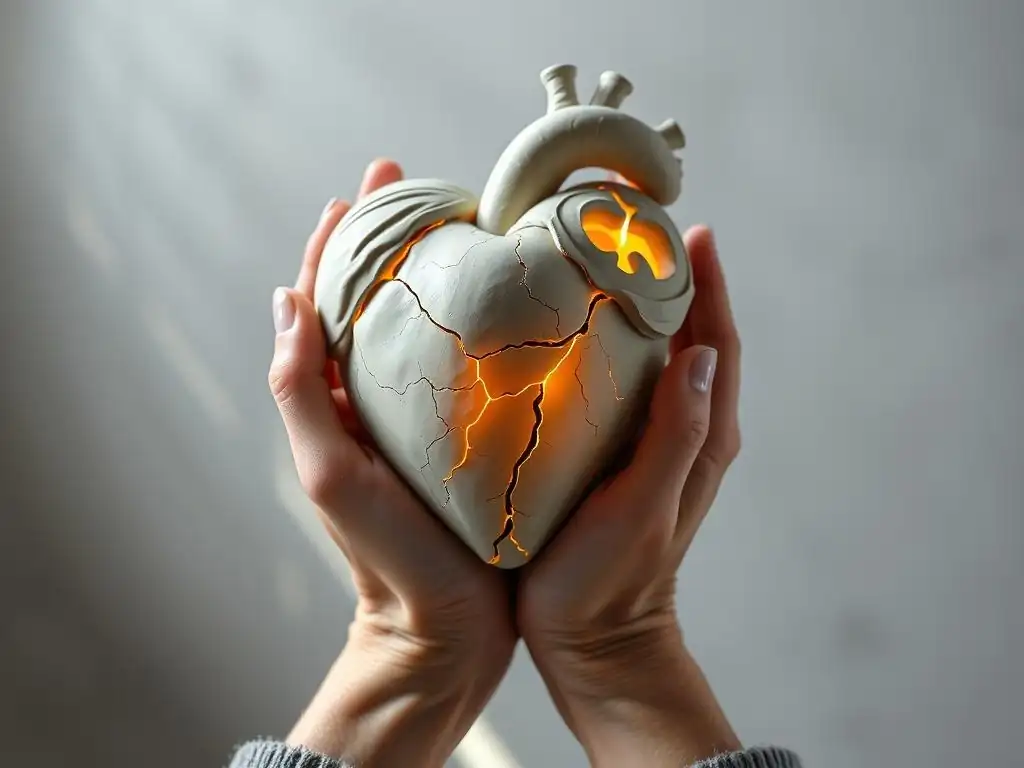
Clay Sculpting: Grounding, Emotional Release, and Tactile Exploration
Clay is a particularly effective medium in 3D art trauma healing due to its inherent properties. Its malleability allows for immediate expression; anger might be expressed by pounding or tearing the clay, while sadness or vulnerability might be explored through soft molding or containment. The physical act of working with clay is inherently grounding, connecting the individual to the earth-based material and the present moment, which can be crucial for those experiencing dissociation or flashbacks.
The tactile exploration offered by clay provides rich sensory input that can help regulate the nervous system. The cool, damp feel, the texture, and the resistance of the material offer a different kind of language for expressing internal states. Individuals can sculpt abstract forms representing feelings, create symbolic objects related to their experience, or even attempt figurative representations. This direct, physical interaction facilitates emotional release and provides a safe container for difficult feelings.
Assemblage Art: Reconstructing Identity Through Found Objects
Assemblage art, the process of creating a three-dimensional work by combining various found objects, offers a powerful metaphor for trauma recovery: piecing together fragmented parts of the self or a shattered world. Individuals can collect objects that hold personal meaning, represent aspects of their experience, or symbolize their journey. The act of selecting, arranging, and joining these disparate items into a cohesive whole can be deeply symbolic of reconstructing identity or finding meaning after trauma.
This technique allows for a narrative approach without relying on linear storytelling. Each object can represent a piece of the story, a feeling, or a memory. The process of assembling them requires decision-making and problem-solving, fostering a sense of agency. It provides a tangible representation of the internal work of integration, making assemblage a unique and potent method within 3D art trauma healing for addressing complex trauma narratives.
Diorama Creation: Building Safe Spaces for Processing Memories
Creating a diorama, a three-dimensional model representing a scene, can be a contained and controlled way to process traumatic memories or build symbolic safe spaces. Individuals can construct miniature worlds using various materials like cardboard, paper, clay, and small objects. A diorama can depict a memory from a safe distance, allowing the individual to gain perspective and control over the narrative.
Alternatively, creating a di diorama representing an ideal safe space can be incredibly grounding and empowering. This allows the individual to visualize and build a sanctuary, reinforcing feelings of safety and control. The contained nature of the diorama provides a boundary around potentially overwhelming content, making it a manageable way to engage with difficult material or cultivate resources for resilience within the framework of 3D art trauma healing.
Wood Carving: Focus, Patience, and Mindful Healing
Wood carving is a technique that requires focus, patience, and sustained effort, offering a different kind of therapeutic benefit in 3D art trauma healing. The physical act of carving, the resistance of the wood, and the rhythmic motion can be meditative and grounding. It demands concentration, which can help pull individuals out of intrusive thoughts or hypervigilance and anchor them in the present moment.
Working with wood also teaches patience and the acceptance of imperfection, as the material dictates certain possibilities and limitations. The process is often slow and deliberate, mirroring the gradual nature of trauma healing. The final form emerges through careful, intentional effort, symbolizing the sculpting of a new self or future. This technique fosters resilience, mindfulness, and a sense of accomplishment through dedicated work.
Benefits of 3D Art Therapy
Emotional Regulation and Self-Expression
3D art therapy provides powerful avenues for emotional regulation and self-expression, key components of trauma healing. The tactile engagement with materials like clay or wood can be incredibly soothing and grounding, helping to calm an activated nervous system. The physical act of creating allows for the release of pent-up energy and tension, which are often held in the body as a result of trauma.
Furthermore, 3D art offers a non-verbal language for expressing complex and often overwhelming emotions that are difficult to articulate verbally. Shaping a form can represent the shape of a feeling, a texture can convey intensity, and the spatial arrangement can illustrate internal relationships or conflicts. This externalization provides a safe distance from intense emotions, making them more manageable and fostering a greater capacity for emotional regulation. The process empowers individuals to give form to their internal world, enhancing self-awareness and expressive capacity within the context of 3D art trauma healing.
Cognitive Processing and Memory Integration
Trauma can disrupt cognitive processing, leading to fragmented memories and difficulty making sense of the traumatic experience. 3D art therapy can facilitate cognitive processing and memory integration by providing a concrete, tangible medium through which to explore and organize these fragmented pieces. Creating a sculpture, assemblage, or diorama related to the trauma narrative can help externalize the internal chaos.
Working with three-dimensional form allows individuals to spatially arrange elements of their experience, potentially revealing connections or patterns that were previously unclear. For example, placing objects in a diorama can represent the relationships or events surrounding the trauma. This process of externalization and spatial organization can help individuals create a more coherent narrative, integrate fragmented memories, and gain a greater understanding of their experience, contributing significantly to cognitive healing through 3D art trauma healing.
Self-Esteem and Empowerment
Trauma often erodes self-esteem and leaves individuals feeling powerless. Engaging in 3D art therapy can significantly contribute to rebuilding self-esteem and fostering a sense of empowerment. The act of creating something tangible, bringing a form into existence from raw materials, provides a powerful sense of accomplishment. Successfully completing a project, no matter how small, can counteract feelings of helplessness and failure.
The process of making choices about materials, techniques, and the final form reinforces a sense of agency and control – elements often stripped away during trauma. Seeing the physical manifestation of their creativity and inner world can validate their experiences and feelings. This sense of mastery and control over the creative process translates into increased confidence and belief in one's ability to shape their life and future, making 3D art therapy a potent tool for empowerment in trauma recovery.
Anxiety and Stress Reduction
The chronic activation of the stress response system is a hallmark of trauma. 3D art therapy offers practical ways to reduce anxiety and stress. The tactile and sensory engagement involved in working with materials like clay can have a calming effect on the nervous system. The rhythmic and repetitive motions often involved in sculpting or carving can induce a state similar to meditation, lowering heart rate and reducing the production of stress hormones like cortisol.
Focusing on the creative task at hand provides a healthy distraction from anxious thoughts and worries, anchoring the individual in the present moment. The process of externalizing anxiety or stress through symbolic forms in 3D art can also make these feelings feel more manageable and less overwhelming.
Studies on art therapy in general suggest a reduction in cortisol levels following creative engagement, indicating a physiological impact on stress reduction. While specific large-scale studies solely on 3D art for trauma are emerging, the principles of tactile engagement and creative expression strongly support its role in anxiety and stress reduction within 3D art trauma healing.
Case Studies: 3D Art in Practice
PTSD and Clay: A Veteran's Journey to Healing
Consider the case of a veteran diagnosed with PTSD, struggling with hypervigilance and difficulty expressing emotions verbally. Traditional talk therapy felt too confronting. Introduced to 3D art therapy, he initially resisted, feeling he wasn't "artistic." His therapist encouraged him to simply work with clay, focusing on the physical sensations. He began by pounding and shaping the clay aggressively, a safe outlet for his intense anger and frustration. Over several sessions, his relationship with the clay evolved. He started sculpting abstract forms that represented his anxieties and traumatic memories – jagged edges for fear, heavy masses for guilt.
Through this process, he found he could tolerate sitting with difficult feelings longer. The act of giving form to his internal state made it feel less overwhelming. He eventually sculpted a series of figures representing different aspects of his military experience and his journey home, using the clay to explore themes of burden, isolation, and eventually, connection. This tactile engagement provided a non-verbal language for his trauma, helping him to process experiences that words couldn't capture and significantly aiding his 3D art trauma healing journey.
Dioramas and Healing: A Child's Recovery from Trauma
Another example involves a young child who experienced a traumatic event and was struggling with nightmares and difficulty sleeping. The child was withdrawn and unable to talk about what happened directly. In 3D art therapy sessions, the therapist introduced diorama creation. The child began by building a diorama of their bedroom, carefully placing furniture and toys. This initial step focused on creating a sense of safety and control over a familiar space.
Gradually, the child started introducing symbolic elements into the diorama related to the trauma, using small objects and figures to represent aspects of the event in a metaphorical way. The contained space of the diorama provided a safe distance from the overwhelming memory.
The child could manipulate the elements within the scene, gaining a sense of control over the narrative that they lacked during the actual event. This process allowed the child to process the trauma in a non-threatening way, leading to a significant reduction in nightmares and an improvement in overall well-being through the unique approach of 3D art trauma healing.
Starting with 3D Art
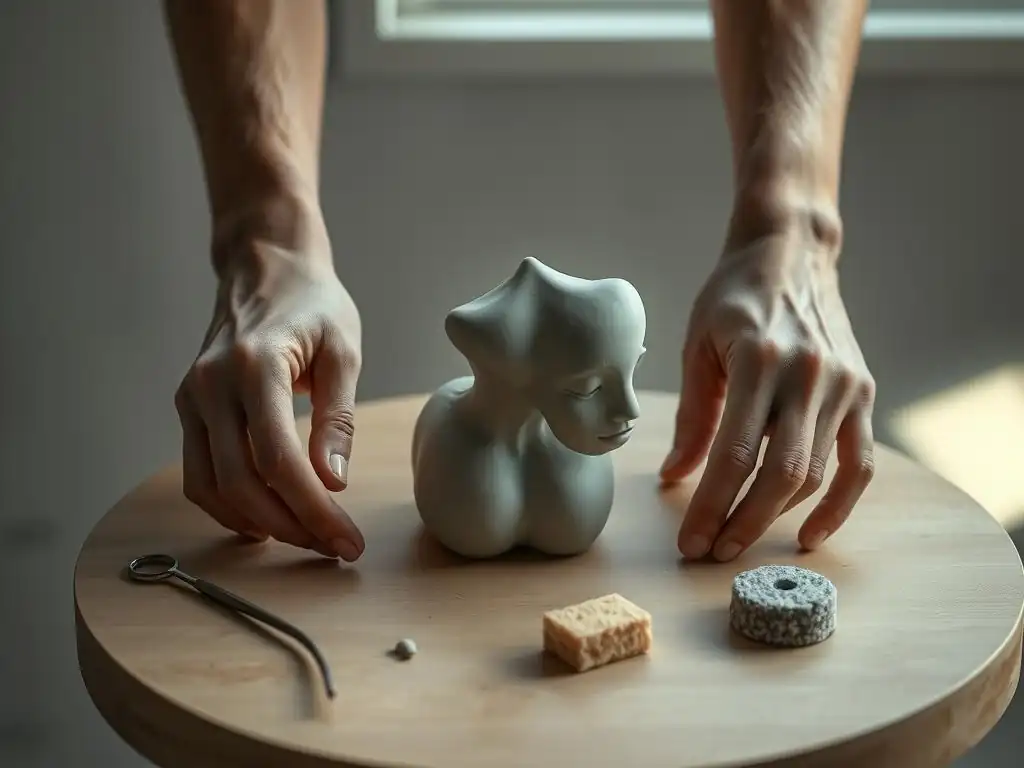
Finding a Qualified Art Therapist
Embarking on 3D art trauma healing is best done under the guidance of a qualified and experienced art therapist. Look for credentials such as ATR (Registered Art Therapist) or ATR-BC (Board Certified Art Therapist), ensuring they have specific training and experience working with trauma survivors. Professional organizations can be excellent resources for finding certified therapists in your area.
It's important to find a therapist with whom you feel a good connection and who understands your specific needs and trauma history. Don't hesitate to ask about their approach to trauma-informed care and their experience using 3D art modalities. A qualified therapist can provide a safe and supportive environment, select appropriate materials and techniques, and help you navigate the potentially challenging emotions that may arise during the creative process.
Creating a Safe Art-Making Environment
Whether working with a therapist or exploring 3D art for self-exploration, creating a safe and comfortable art-making environment is crucial for 3D art trauma healing. This space should feel private and free from interruptions. Ensure you have adequate space to work, good lighting, and access to necessary materials.
Consider practical aspects like ventilation if using materials like plaster or certain glues. Most importantly, the space should feel emotionally safe. This means setting boundaries around your art-making time, allowing yourself to fully engage without judgment, and having a plan for self-care after potentially intense sessions. Having a designated, safe space for creative expression can significantly enhance the therapeutic benefits.
Introductory 3D Art Exercises for Self-Exploration
For those interested in gentle self-exploration with 3D art outside of formal therapy, several introductory exercises can be beneficial. One simple exercise is "Sculpting a Feeling": choose an emotion you're experiencing (e.g., anxiety, peace) and use clay to sculpt a form that represents how that feeling feels in your body or mind. Focus on the texture, weight, and shape.
Another exercise is "Building a Safe Object": use clay, wire, or found objects to create a small object that symbolizes safety, strength, or comfort. Hold it, feel its texture, and imbue it with positive feelings. "Creating a Small World" using a box and various materials to represent a desired peaceful place can also be grounding. Remember, the focus is on the process and expression, not the artistic outcome. These exercises offer a gentle entry point into the world of 3D art trauma healing.
Considerations and Precautions
Trigger Awareness and Management
Engaging in any form of trauma therapy, including 3D art trauma healing, carries the potential for encountering triggers. Certain materials, textures, smells, or even the themes explored in the art might evoke difficult memories or intense emotions. It is vital to approach 3D art creation with trigger awareness.
Working with a trauma-informed therapist is paramount, as they can help identify potential triggers and develop strategies for managing them within the session. For self-exploration, it's crucial to have coping mechanisms in place – grounding techniques, mindfulness exercises, or a safe person to contact. Always prioritize your emotional safety and be prepared to pause or stop if the process becomes overwhelming.
The Therapeutic Relationship
When undertaking 3D art trauma healing with a therapist, the therapeutic relationship is a cornerstone of healing. A strong, trusting relationship with a qualified art therapist provides the necessary safety and containment for exploring potentially overwhelming material. The therapist acts as a guide and witness, helping you navigate the creative process and the emotions that arise.
They can interpret the symbolic language of the art, offer insights, and provide support during moments of distress. The therapeutic alliance allows for the processing of trauma within a secure interpersonal context, which is itself healing. The art becomes a third entity in the room, facilitating communication and connection between the client and therapist.
Integrating 3D Art into a Treatment Plan
3D art therapy is often most effective when integrated into a comprehensive trauma treatment plan that may include other therapeutic modalities such as talk therapy (e.g., Trauma-Focused CBT, EMDR), mindfulness practices, or somatic therapies. 3D art can complement these approaches by providing a unique pathway for non-verbal processing and emotional expression.
Discuss with your therapist how 3D art can fit into your overall healing journey. It can be used to explore specific themes, process difficult memories, build coping resources, or enhance self-awareness alongside other therapeutic work. Integrating 3D art ensures a holistic approach to trauma healing, addressing the cognitive, emotional, and somatic impacts of trauma.
Resources for Art Therapy and Trauma Support
Art Therapy Organizations and Support Groups
For those seeking professional guidance in 3D art trauma healing, several organizations offer resources and directories to find qualified art therapists. The American Art Therapy Association (AATA) provides a searchable directory of registered and board-certified art therapists in the United States. Similarly, national art therapy associations exist in many other countries (e.g., British Association of Art Therapists, Canadian Art Therapy Association).
These organizations often provide information about art therapy as a profession, ethical standards, and continuing education, ensuring practitioners are up-to-date on trauma-informed practices. While specific 3D art therapy support groups might be less common, general trauma support groups can offer peer support and connection, complementing individual art therapy work.
Recommended Resources on Art and Trauma
Several books and articles delve deeper into the intersection of art, trauma, and healing. Cathy Malchiodi's works, such as "Understanding Children's Drawings" and "The Art Therapy Sourcebook," often touch upon trauma and the therapeutic use of various art forms. Lisa D. Hinz's "Drawing from Within" explores art therapy techniques applicable to various issues, including trauma.
Academic journals like "Art Therapy: Journal of the American Art Therapy Association" and "International Journal of Art Therapy" publish research and case studies on art therapy with trauma survivors, including explorations of different modalities. While finding resources exclusively on 3D art trauma healing might require searching specific articles, broader art therapy resources for trauma provide foundational knowledge and techniques applicable to three-dimensional work.
Conclusion: Transforming Trauma Through 3D Art
Reclaiming Your Narrative Through Creative Expression
Trauma can shatter an individual's sense of self and narrative, leaving them feeling fragmented and powerless. 3D art therapy offers a powerful pathway to reclaim this narrative and rebuild a sense of wholeness. By engaging with materials in three dimensions, individuals can give tangible form to their internal experiences, externalizing the trauma and creating a space to examine it safely.
The act of sculpting, assembling, or building allows for a different kind of storytelling – one that uses form, texture, and space rather than words alone. This creative process empowers individuals to shape their experience, not just recount it. It provides a means to integrate fragmented memories, express unspoken emotions, and ultimately, to sculpt a new narrative of resilience, strength, and healing. Engaging in 3D art trauma healing is not just about making art; it's about making meaning and reclaiming your story.
Frequently Asked Questions
How can 3D art specifically help with trauma healing?
3D art allows for a tangible expression of emotions that are difficult to verbalize. It provides a safe space to process trauma through creation and manipulation of materials, fostering a sense of control and agency.
What types of 3D art are most effective for trauma survivors?
There's no single "best" type, but clay sculpting, digital sculpting, and assemblage are often helpful. The key is to choose a medium that feels comfortable and accessible to the individual and encourages self-expression.
Does someone need prior art experience to benefit from 3D art trauma healing?
No, prior art experience is not necessary. The focus is on the process of creation and self-expression, not on producing a perfect artwork. A qualified art therapist can guide the process.
How does 3D art trauma healing differ from traditional talk therapy?
While talk therapy focuses on verbal processing, 3D art allows for non-verbal expression and exploration of feelings. It engages different parts of the brain and can access deeper emotions that may be difficult to reach through words alone. It can be a complementary therapy.
Where can I find resources or a therapist specializing in 3D art trauma healing?
Start by searching online for art therapists or creative arts therapists in your area. Look for those who specifically mention experience with trauma and 3D art. Websites like the American Art Therapy Association (AATA) can also be helpful resources.
Final Reflection: The Enduring Sculptures of Healing
The transformative power of 3D art in navigating trauma is not merely a theoretical concept; it's a vital tool readily available to those seeking solace and self-discovery. The ability to externalize internal pain, to give tangible form to abstract emotions, offers a pathway to healing that traditional therapies sometimes struggle to reach. This process of creation becomes a powerful act of reclaiming agency and control in the face of overwhelming experiences.
Witnessing the profound impact 3D art has on individuals grappling with trauma has been deeply moving. The act of shaping clay, manipulating digital models, or assembling intricate structures allows for a unique form of emotional processing, a silent dialogue between the artist and their inner world. Art washes away from the soul the dust of everyday life.
- Pablo Picasso. This quote resonates deeply, as the creation of 3D art provides a cleansing, cathartic experience, allowing for the release of pent-up emotions and the gradual rebuilding of a sense of self.
Consider the potential within your own hands. Perhaps you've experienced trauma, or know someone who has. This article isn't just about the technical aspects of 3D modeling; it's about the potential for healing, for growth, and for the creation of something beautiful from the depths of pain. Explore the possibilities. Pick up the tools, digital or physical, and begin sculpting your own path toward healing. The journey may be challenging, but the rewards – a stronger sense of self, a renewed sense of hope, and the tangible manifestation of your resilience – are immeasurable.
Unleash Your Inner Artist: Sculpt Your Path to Healing
Thanks for taking the time to explore the powerful connection between 3D art and trauma recovery! We hope you gained valuable insights into this creative healing process. Now, it's time to put those insights into action.
- Begin your healing journey by picking up some clay (or digital sculpting software!). Even a small project can unlock surprising emotional release. This is your primary step towards harnessing the therapeutic power discussed in the article.
- Share your experience! Tell us about your initial thoughts and feelings while working with the medium. We'd love to hear your creative process in the comments.
- Explore further! Research local art therapy groups or online resources to connect with a supportive community.
Ready to sculpt your way towards a brighter future? What will be your first step in expressing yourself through 3D art?