
Beyond Sadness: Recognizing Irritability and Other Symptoms in Young Depressed Kids

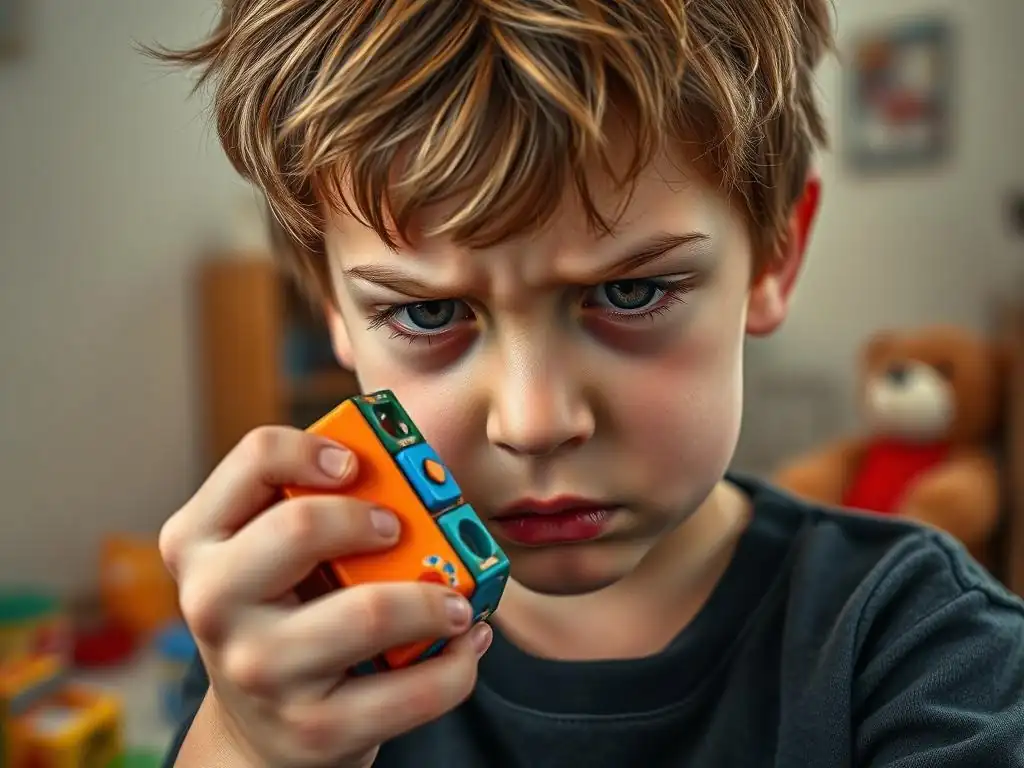
Welcome to Mind Care Guide, a safe space where we understand the complexities of mental well-being.
It’s heartbreaking to see a child struggle. Are you concerned about shifts in your child's mood, especially increased irritability? This can be a sign of something deeper. Our guide, "Beyond Sadness: Recognizing Irritability and Other Symptoms in Young Depressed Kids," delves into the often-overlooked irritable kids depression symptoms. Discover how to identify and address these crucial signs, and learn about the support available to help your child rediscover joy. Let's explore together – your journey to understanding begins here.
Beyond Sadness: Recognizing Irritability and Other Symptoms in Young Depressed Kids - Mind Care Guide
- Understanding Childhood Depression: More Than Just Sadness
- Irritable Kids: Exploring Depression Symptoms Beyond Sadness
- Recognizing Irritable Kids Depression Symptoms: A Practical Guide for Parents and Caregivers
- The Connection Between Irritability and Depression in Children: A Deeper Dive
- Supporting Irritable Kids with Depression: Treatment and Management Strategies
- Distinguishing Irritable Mood from Other Childhood Disorders
- Long-Term Outlook for Irritable Kids with Depression: Hope and Resilience
- Helping Your Child Thrive: Taking Action Against Childhood Depression
-
Frequently Asked Questions
- What are some Irritable Kids Depression Symptoms that go beyond just sadness?
- How is depression in irritable children diagnosed?
- What are some effective treatments for irritable kids depression symptoms?
- What resources are available to support parents of children experiencing Irritable Kids Depression Symptoms?
- Why is it important to recognize Irritable Kids Depression Symptoms early?
- Final Reflection: Unmasking the Hidden Faces of Childhood Depression
- Unlock Your Child's Potential: Next Steps Towards Understanding Depression
Understanding Childhood Depression: More Than Just Sadness
Depression in children is a serious mental health condition that extends far beyond temporary sadness or moodiness. Unlike the stereotypical image of depression in adults, which often centers on persistent sadness, children can manifest depressive symptoms in varied and sometimes unexpected ways. It's a complex disorder that can significantly impact a child's emotional regulation, behavior, physical health, and overall development. Recognizing the signs early is critical for effective intervention and support, offering these young individuals a path towards recovery and well-being.
While diagnostic criteria provide a framework, understanding the nuances of how depression presents in the pediatric population is vital. Factors such as developmental stage, personality, and environmental influences can shape the specific symptoms a child exhibits. What might look like defiance or hyperactivity could, in some cases, be an underlying manifestation of depression. This underscores the importance of looking beyond the surface and considering the possibility of depression when a child displays significant changes in mood or behavior over a sustained period.
The Evolving Understanding of Depression in Children
Historically, childhood depression was often underdiagnosed or misattributed to other issues, partly because the understanding of how mental health conditions manifest in developing brains was less sophisticated. Early psychiatric models sometimes viewed depression as an adult-onset disorder, overlooking the possibility of its presence in younger populations. However, decades of research and clinical observation have fundamentally shifted this perspective, revealing that depression can indeed affect children, sometimes starting at surprisingly young ages. Studies indicate that even preschool-aged children can meet diagnostic criteria for depression, although the symptoms may differ considerably from those seen in adolescents or adults.
This evolving understanding highlights the need for increased awareness among parents, educators, and healthcare providers. It's now recognized that childhood depression is not merely a phase but a distinct clinical entity requiring specific diagnostic approaches and treatment strategies. The Diagnostic and Statistical Manual of Mental Disorders (DSM), the standard classification of mental disorders, has refined its criteria over successive editions to better capture the presentation of depression across the lifespan, including childhood. This ongoing refinement reflects a growing body of evidence demonstrating the impact and prevalence of depressive disorders in youth.
Why Irritability is a Key Indicator in Young Children
For many young children experiencing depression, irritability can be a far more prominent symptom than overt sadness. While adults might express feeling "down" or "blue," children, especially those who haven't yet developed complex emotional vocabulary, may express their internal distress through anger, frustration, and low tolerance for everyday stressors. This can manifest as increased tantrums, defiance, arguing, or a generally grumpy and irritable mood that persists for most of the day, nearly every day, for at least two weeks. It's a crucial symptom to recognize when evaluating irritable kids depression symptoms.
This focus on irritability is particularly important for identifying early onset depression. Research suggests that in prepubescent children, irritability is frequently reported as a primary symptom, sometimes even more so than persistent sadness. A meta-analysis examining symptom profiles in depressed children found that irritability was a core feature across studies. Therefore, dismissing a child's constant grumpiness or explosive outbursts as simply a "difficult phase" could lead to a missed diagnosis of depression, delaying necessary support. Understanding that irritability can be a cry for help is fundamental when considering irritable kids depression symptoms.
Differentiating Typical Moodiness from Depressive Irritability
Distinguishing between typical childhood mood swings and depressive irritability requires careful observation of the frequency, intensity, duration, and impact of the behavior. All children experience frustration or have bad days, leading to temporary irritability. However, depressive irritability is characterized by its persistence and pervasiveness. It's not just occasional outbursts; it's a chronic state of being easily annoyed, angered, or frustrated by minor issues, coupled with difficulty recovering from these states.
Consider a common scenario: A child is told they can't have a cookie before dinner. Typical response might be a brief pout or complaint. A child with depressive irritability might erupt into a prolonged, intense tantrum, scream, throw objects, or become withdrawn and sullen for the rest of the evening, disproportionately reacting to the situation.
Furthermore, this persistent irritability often occurs alongside other depressive symptoms like loss of interest, changes in sleep, or fatigue. Observing whether the irritability significantly impairs the child's functioning at school, home, or with peers is a key differentiator. It's this pattern of persistent, impactful irritability, often combined with other signs, that points towards potential irritable kids depression symptoms.
Irritable Kids: Exploring Depression Symptoms Beyond Sadness
Identifying depression in young children requires looking beyond the classic adult presentation. While sadness can certainly be present, it's often masked or accompanied by other behaviors. For parents and caregivers concerned about irritable kids depression symptoms, understanding the full spectrum of potential signs is paramount. This involves recognizing not just mood changes but also shifts in energy levels, sleep, appetite, interest in activities, and physical complaints. A comprehensive approach to symptom recognition is key to early detection.
The term "irritable kids" often brings to mind behavioral challenges, but it's crucial to consider the underlying emotional state. Is the child genuinely angry, or is irritability a manifestation of deep-seated sadness, hopelessness, or emotional dysregulation associated with depression? Exploring the full range of symptoms provides a more complete picture, allowing for a more accurate assessment. Focusing solely on one symptom, even irritability, can be misleading without considering the broader clinical presentation.
Identifying Core Depression Symptoms in Children
While irritability is a prominent feature in young children, core depressive symptoms recognized in adults also apply, though they might look different. These include persistent sad, irritable, or empty mood; loss of interest or pleasure in activities (anhedonia); significant weight loss or gain, or decrease/increase in appetite; insomnia or hypersomnia; psychomotor agitation or retardation; fatigue or loss of energy; feelings of worthlessness or excessive guilt; diminished ability to think or concentrate; and recurrent thoughts of death or suicide. For children, suicidal thoughts or behaviors require immediate professional attention.
It's important to remember that the duration and severity of these symptoms are critical for diagnosis. Symptoms must be present for at least two weeks and represent a change from the child's previous functioning. Furthermore, these symptoms must cause clinically significant distress or impairment in social, academic, or other important areas of functioning. A child who has one bad day with fatigue and irritability likely isn't depressed, but one who consistently displays irritability, fatigue, and loss of interest over several weeks warrants evaluation for irritable kids depression symptoms.
The Prominence of Irritability in Early Onset Depression
As previously noted, irritability is a hallmark symptom of depression in young children, often more noticeable than overt sadness. This can be confusing for parents who expect a depressed child to look visibly sad or withdrawn. Instead, they might see a child who is constantly argumentative, easily frustrated, prone to meltdowns over minor issues, or simply perpetually grumpy and negative. This persistent difficult mood can strain family relationships and impact the child's interactions with peers.
Research supports the high prevalence of irritability in depressed youth. Studies have shown that a significant percentage of children diagnosed with major depressive disorder present with irritability as a primary or prominent symptom. For example, some clinical observations suggest that irritability is present in as many as 80% of depressed preschoolers. This makes recognizing persistent, pervasive irritability a critical first step for parents and caregivers considering the possibility of irritable kids depression symptoms. It's a signal that shouldn't be ignored.
Other Common Symptoms of Childhood Depression: A Comprehensive Overview
Beyond irritability and potential sadness, several other symptoms commonly appear in depressed children. These can affect various aspects of a child's life, from their physical state to their social interactions and cognitive function.
Changes in Sleep Patterns
Sleep disturbances are common in childhood depression. This can manifest as difficulty falling asleep (insomnia), waking up frequently during the night, or waking up too early in the morning. Conversely, some children may experience hypersomnia, sleeping excessively during the night or needing frequent naps during the day. These changes are often noticeable to parents and can significantly impact the child's energy levels and mood throughout the day.
Altered Eating Habits
Depression can affect appetite and weight in children. Some children may lose their appetite and experience weight loss, while others might overeat or crave specific foods, leading to weight gain. A noticeable change in eating patterns, such as a sudden disinterest in favorite foods or significant weight fluctuation not tied to illness or growth spurts, can be a sign.
Loss of Interest in Activities
Anhedonia, or the loss of interest or pleasure in activities that were once enjoyable, is a core symptom. A child who previously loved playing soccer, drawing, or spending time with friends might suddenly show no enthusiasm for these activities. They might appear bored, listless, or simply refuse to participate, even when encouraged.
Difficulty Concentrating
Depression can impair a child's ability to focus and concentrate, impacting their performance at school. They might seem easily distracted, have trouble completing tasks, or appear forgetful. Teachers may report that the child is "zoning out" or not paying attention, which can sometimes be mistaken for ADHD.
Increased Fatigue and Low Energy
Persistent fatigue and low energy levels are common. A child might complain of being tired all the time, even after adequate sleep. They might seem lethargic, move slowly, or lack the typical energy of children their age. This isn't just occasional tiredness but a constant state of feeling drained.
Physical Complaints (Headaches, Stomachaches)
Children experiencing depression may complain of physical ailments like headaches, stomachaches, or other body aches without a clear medical cause. These somatic complaints can be a way for children to express emotional distress when they lack the words to describe their feelings. It's important to rule out medical issues, but persistent, unexplained physical symptoms can be linked to depression.
Social Withdrawal
Depressed children may withdraw from social interactions with peers and family. They might spend more time alone in their room, avoid playing with friends, or seem less engaged during family activities. This withdrawal can exacerbate feelings of isolation and loneliness.
Recognizing Irritable Kids Depression Symptoms: A Practical Guide for Parents and Caregivers
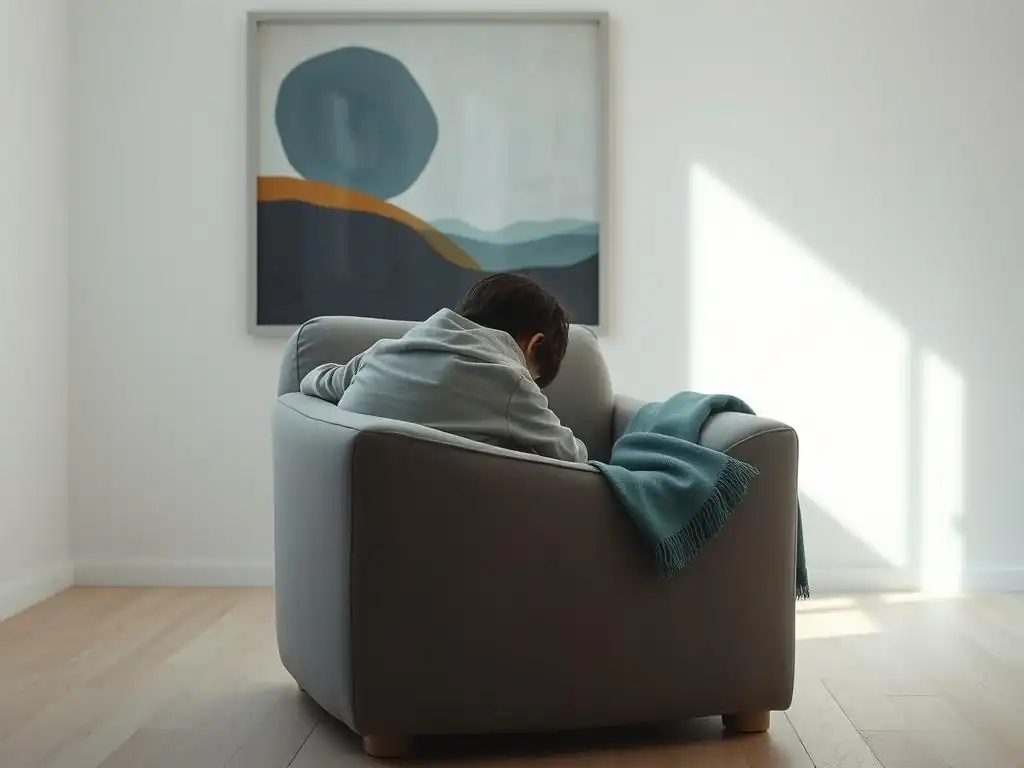
Recognizing irritable kids depression symptoms requires vigilant observation and open communication. Parents and caregivers are often the first to notice changes in a child's behavior and mood, making their role crucial in identifying potential issues. It's not about diagnosing the child yourself, but about recognizing signs that warrant professional evaluation. Being informed about the common presentations of childhood depression, particularly the prominence of irritability, empowers you to seek help when needed.
This practical guide aims to provide actionable steps for parents navigating concerns about their child's emotional well-being. It emphasizes the importance of detailed observation, empathetic communication, and knowing when and how to seek professional support. Remember, early identification and intervention significantly improve outcomes for children with depression.
Observing Behavioral Changes: What to Look For
Keep a journal or log of your child's behavior and mood changes over a period of several weeks. Note the frequency, intensity, and duration of irritability, sadness, or other concerning behaviors. Pay attention to patterns: Does the irritability occur at specific times of day? Does it seem triggered by certain situations? Are there changes in how they interact with siblings or friends?
- Persistent irritability or anger that lasts for most of the day.
- Frequent tantrums or meltdowns that are disproportionate to the situation.
- Withdrawal from activities they once enjoyed.
- Changes in sleep or eating habits (e.g., waking early, loss of appetite).
- Complaints of physical ailments without a clear cause.
- Lack of energy or constant fatigue.
- Difficulty concentrating or making decisions.
- Expressing feelings of worthlessness or excessive guilt.
- Talking about death or wanting to disappear.
A checklist might be helpful:
- [ ] Has my child been noticeably more irritable for most of the day, nearly every day, for over two weeks?
- [ ] Have they lost interest in favorite toys, games, or friends?
- [ ] Are their sleep patterns significantly different (more or less sleep)?
- [ ] Have their eating habits or weight changed noticeably?
- [ ] Do they seem constantly tired or lack their usual energy?
- [ ] Do they complain of frequent headaches or stomachaches without a medical reason?
- [ ] Have they withdrawn from social interactions?
- [ ] Do they seem to have trouble concentrating?
- [ ] Have they expressed feelings of sadness, worthlessness, or hopelessness?
Talking to Your Child About Their Feelings: Opening the Lines of Communication
Create a safe and supportive environment for your child to express their feelings, even if they struggle to put them into words. Use open-ended questions and listen patiently without judgment. For younger children, using feeling charts or drawing can help them communicate. Validate their emotions, letting them know it's okay to feel sad, angry, or frustrated.
Instead of asking "Are you sad? ", try "You seem a bit quiet today. Can you tell me what's on your mind?" or "I've noticed you seem frustrated a lot lately. What's that feeling like for you?". Sometimes, just acknowledging their behavior ("I see you're feeling really grumpy right now") can open the door for them to share. Reassure them that you are there to help them feel better and that whatever they are feeling is important. This empathetic approach is crucial when addressing potential irritable kids depression symptoms.
Seeking Professional Help: When to Consult a Mental Health Expert
If you observe several of the aforementioned symptoms persisting for two weeks or longer, or if any symptom is causing significant distress or impairment in your child's life, it's time to consult a mental health professional. This could be a pediatrician who can rule out physical causes and provide a referral, or a child psychologist, psychiatrist, or licensed clinical social worker specializing in pediatric mental health. Don't wait hoping it will just pass, especially if you are seeing what you suspect are irritable kids depression symptoms.
A professional evaluation is essential for an accurate diagnosis and to develop an appropriate treatment plan. Mental health professionals use age-appropriate assessment tools and interviews with both the child and parents to understand the full picture. Seeking help is a sign of strength and the best way to support your child's well-being. Early intervention can make a significant difference in a child's recovery trajectory.
The Connection Between Irritability and Depression in Children: A Deeper Dive
Understanding why irritability is so prominent in depressed children involves looking at the complex interplay of neurobiology, environmental factors, and the developmental stage of the child. It's not just a random symptom; it's often rooted in the underlying mechanisms of the disorder in young brains. Exploring these connections provides valuable insight into the nature of irritable kids depression symptoms.
This section delves into the potential biological and external factors that contribute to irritability in depressed youth. It also touches upon how irritability might overlap with or be part of other mental health conditions sometimes seen alongside depression in children.
The Neurobiological Basis of Irritability in Depressed Children
Research suggests that imbalances in certain neurotransmitters, such as serotonin, norepinephrine, and dopamine, which play a role in mood regulation, energy levels, and stress response, may contribute to both depression and irritability. Additionally, studies using fMRI and other brain imaging techniques have observed differences in brain structure and function in depressed children, particularly in areas related to emotional processing and regulation, such as the amygdala and prefrontal cortex.
For example, some studies indicate that depressed children may have heightened reactivity in the amygdala (the brain's fear and emotion center) and reduced activity or connectivity in the prefrontal cortex (responsible for executive functions like regulating emotions and impulses). This could explain why they might have an exaggerated emotional response (like intense irritability) to stressors and struggle to calm themselves down. While research is ongoing, these neurobiological differences offer potential explanations for the prominence of irritability as part of irritable kids depression symptoms in young populations.
The Impact of Environmental Factors on Mood and Behavior
Environmental stressors and experiences play a significant role in the onset and presentation of childhood depression, including the manifestation of irritability. Adverse childhood experiences (ACEs) such as trauma, neglect, abuse, or chronic stress within the family environment are known risk factors for depression. Exposure to such stressors can impact a child's developing brain and stress response system, making them more vulnerable to mood dysregulation and irritability.
Furthermore, factors like family conflict, parental mental health issues, peer problems, or academic difficulties can exacerbate depressive symptoms. A child who is constantly exposed to tension at home or struggling to fit in at school may express their distress through increased irritability and behavioral problems. While environmental factors don't solely cause depression, they can interact with genetic predispositions and neurobiological vulnerabilities to shape how irritable kids depression symptoms present.
Comorbidity: Irritability and Other Mental Health Conditions in Children
Irritability in children can sometimes be a symptom of conditions other than depression, or it can co-occur with depression. It's a common symptom across several childhood disorders, including Attention-Deficit/Hyperactivity Disorder (ADHD), Anxiety Disorders, Oppositional Defiant Disorder (ODD), and Bipolar Disorder. This overlap can make diagnosis challenging and underscores the need for a comprehensive professional evaluation.
For instance, a child with ADHD might display irritability due to frustration with tasks or difficulty regulating emotions, but this is typically linked to impulsivity and inattention, not necessarily a pervasive low mood or loss of interest. In Bipolar Disorder, irritability can be part of a manic or hypomanic episode, often accompanied by elevated energy, decreased need for sleep, and racing thoughts. Understanding these potential overlaps is crucial for differentiating irritable kids depression symptoms from other conditions or recognizing when multiple conditions are present.
Supporting Irritable Kids with Depression: Treatment and Management Strategies
Once depression, potentially presenting with significant irritability, has been diagnosed in a child, a multi-faceted approach to treatment is typically recommended. This often involves a combination of therapeutic interventions, and in some cases, medication, alongside creating a supportive home and school environment. The goal is not only to alleviate symptoms like irritability and sadness but also to help the child develop coping skills, improve their emotional regulation, and regain their interest in life.
Effective treatment plans are individualized based on the child's specific symptoms, age, severity of the depression, and any co-occurring conditions. Collaboration between parents, the child (as appropriate for their age), and mental health professionals is key to successful management of irritable kids depression symptoms and overall recovery.
Therapeutic Interventions: Cognitive Behavioral Therapy (CBT) and Play Therapy
Psychotherapy is a cornerstone of treatment for childhood depression. Cognitive Behavioral Therapy (CBT) is particularly well-supported by research for treating depression in children and adolescents. CBT helps children identify negative thought patterns and behaviors that contribute to their depression and teaches them healthier ways of thinking and coping. For instance, a child who thinks "I'm a bad kid" because they are irritable might learn to challenge that thought and recognize that their irritability is a symptom they can manage.
For younger children, Play Therapy is often used. Play is a child's natural language, and a skilled therapist can use toys and activities to help the child express feelings they cannot verbalize, process difficult experiences, and develop problem-solving skills. For instance, a child might use dolls to act out frustrating situations, allowing the therapist to observe and gently guide them towards healthier emotional responses. Both CBT and Play Therapy provide children with tools to manage their irritable kids depression symptoms and build resilience.
Medication Options: Understanding the Role of Antidepressants
In moderate to severe cases of childhood depression, or when psychotherapy alone is not sufficiently effective, medication may be considered. Selective Serotonin Reuptake Inhibitors (SSRIs) are the most commonly prescribed type of antidepressant for children and adolescents. Medications like fluoxetine (Prozac) have been approved by regulatory bodies (like the FDA in the United States) for use in children as young as 8 years old for major depressive disorder, while others like escitalopram are approved for adolescents.
The decision to use medication is made on a case-by-case basis, weighing the potential benefits against risks, and is always done under the close supervision of a child psychiatrist or other qualified medical professional. Parents should have thorough discussions with the prescribing physician about the rationale for medication, potential side effects, and monitoring plans. Medication can help regulate brain chemistry, potentially reducing the intensity of symptoms like persistent sadness and irritability, making it easier for the child to engage in therapy.
Creating a Supportive Home Environment: Fostering Emotional Well-being
The home environment plays a critical role in a child's mental health recovery. Creating a stable, predictable, and emotionally supportive atmosphere can significantly help a child manage their irritable kids depression symptoms. This involves fostering open communication, providing emotional validation, and setting appropriate expectations.
The Importance of Routine and Structure
Children, especially those struggling with depression, benefit greatly from predictable routines. Consistent schedules for waking up, meals, homework, playtime, and bedtime can provide a sense of security and reduce anxiety. Structure helps organize their day and can minimize opportunities for aimlessness and negative rumination.
Encouraging Healthy Habits: Diet and Exercise
Promoting a balanced diet and regular physical activity is essential for overall well-being and can positively impact mood. Encourage nutritious meals and snacks and ensure the child gets enough opportunities for active play or structured exercise. Even moderate physical activity has been shown to have antidepressant effects.
Limiting Screen Time and Promoting Outdoor Activities
Excessive screen time can sometimes contribute to social isolation and sleep problems, potentially worsening depressive symptoms. Encourage engaging in activities away from screens, especially outdoor play, which offers physical activity, exposure to sunlight (beneficial for mood regulation), and opportunities for social interaction. Finding enjoyable activities that the child can still engage in, even if their interest is diminished, can be a step towards recovery.
Distinguishing Irritable Mood from Other Childhood Disorders
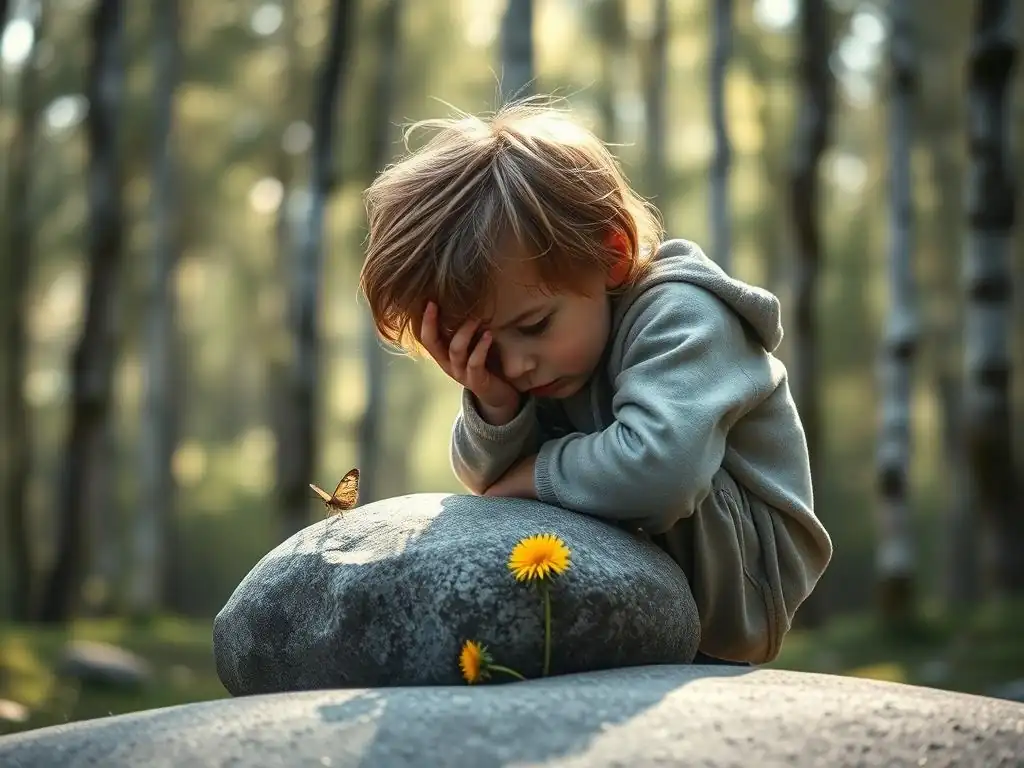
Because irritability is a symptom present in multiple childhood mental health conditions, accurately differentiating between them is crucial for correct diagnosis and treatment. While a child may present with irritable kids depression symptoms, it's important to consider other possibilities or co-occurring conditions. This section provides a brief overview of how irritability might look different when associated with other common childhood disorders compared to depression.
It's vital to remember that this is a complex process that requires professional expertise. Parents and caregivers should use this information to understand the nuances and communicate their observations clearly to a mental health professional, rather than attempting to self-diagnose.
Differentiating Depression from ADHD
Children with ADHD often exhibit irritability, but it's usually linked to frustration stemming from their core symptoms of inattention, hyperactivity, or impulsivity. They might become irritable when they struggle to focus on a task, are unable to sit still, or face consequences for impulsive behavior. This irritability is often situational and may not be accompanied by the pervasive low mood, loss of interest, fatigue, or feelings of worthlessness typically seen in depression.
While a child can certainly have both ADHD and depression, the primary driver of the irritability differs. In ADHD, it's often a reaction to executive function challenges; in depression, it's more likely a manifestation of the underlying depressive state itself, part of the broader picture of irritable kids depression symptoms.
Understanding the Overlap Between Irritability and Anxiety
Anxiety disorders are also common in children and can sometimes involve irritability, particularly in younger children who may express anxiety through behavioral outbursts rather than verbalizing worries. An anxious child might become irritable when faced with a feared situation (e.g., school, social events, separation from parents) or when their routine is disrupted.
However, the focus of the distress differs. In anxiety, the core issue is excessive worry or fear; in depression, it's a pervasive low mood, loss of pleasure, and other vegetative symptoms. While irritability can be a symptom in both, understanding the context and the presence of other defining symptoms of either disorder is key to differentiation. Anxiety and depression frequently co-occur, meaning a child could experience irritability as a symptom of both conditions simultaneously.
Recognizing Bipolar Disorder in Children
Bipolar disorder in children, particularly before adolescence, can be challenging to diagnose, and irritability is a prominent symptom, especially during manic or hypomanic episodes. However, the irritability in bipolar disorder is typically part of a distinct mood state characterized by elevated energy, decreased need for sleep, racing thoughts, talkativeness, and sometimes grandiosity or risk-taking behavior. These episodes are periods of significantly altered mood and energy that represent a clear change from the child's usual state.
In contrast, the irritability in childhood depression is usually part of a persistently low mood or a pervasive state of anhedonia and low energy, without the distinct periods of elevated mood and activity seen in bipolar disorder. While there has been debate about the diagnosis of Bipolar Disorder in very young children, persistent, severe irritability that is chronic rather than episodic has sometimes been considered a feature of disruptive mood dysregulation disorder (DMDD), a condition in the depressive disorders category, specifically to differentiate it from pediatric bipolar disorder.
This highlights the complexity and the need for expert evaluation when irritable kids depression symptoms are present alongside significant mood swings.
Long-Term Outlook for Irritable Kids with Depression: Hope and Resilience
A diagnosis of depression in a child, especially when it involves challenging symptoms like irritability, can be concerning for parents. However, it's crucial to understand that childhood depression is treatable, and with appropriate support, children can recover and go on to lead healthy, fulfilling lives. The long-term outlook is significantly influenced by how early the depression is identified and how consistently the child receives effective treatment and ongoing support.
This section focuses on the positive aspects of treatment and the potential for resilience in children. It emphasizes the importance of sustained effort and highlights resources available to families.
The Importance of Early Intervention and Ongoing Support
Early identification and intervention are perhaps the most critical factors in improving the long-term outlook for children with depression. Studies show that children who receive timely and appropriate treatment are more likely to experience remission of symptoms, prevent recurrence, and avoid some of the long-term negative impacts of untreated depression, such as academic difficulties, social problems, and increased risk of mental health issues in adulthood.
Ongoing support, even after symptoms improve, is also vital. Mental health is not a destination but a journey. Regular check-ins with therapists or psychiatrists, continued use of coping strategies learned in therapy, and a supportive family and school environment help maintain well-being and address challenges as they arise. For irritable kids depression symptoms, learning effective emotional regulation techniques early can have lasting positive effects.
Building Coping Mechanisms and Resilience
Treatment for childhood depression, particularly psychotherapy, focuses heavily on building coping mechanisms and fostering resilience. Children learn to identify their emotions, understand triggers for their symptoms (including irritability), challenge negative thoughts, and develop healthy ways to manage stress and difficult feelings.
Resilience is the ability to bounce back from adversity. By learning effective coping strategies and receiving support, children with depression can develop greater emotional strength. They learn that they can navigate difficult periods, manage their symptoms, and feel better. This process of overcoming challenges, with support, builds confidence and a sense of agency, contributing to long-term mental well-being. For children struggling with irritable kids depression symptoms, learning how to manage frustration and express anger constructively is a key part of building this resilience.
Resources and Support for Families Dealing with Childhood Depression
Families are not alone in navigating the challenges of childhood depression. Numerous resources are available to provide information, support, and guidance. These include national and local mental health organizations, support groups for parents, online communities, and educational materials.
Connecting with other families who have similar experiences can provide invaluable emotional support and practical advice. Organizations focused on child mental health often offer helplines, educational webinars, and directories of qualified mental health professionals. Utilizing these resources can empower families, reduce feelings of isolation, and provide the knowledge needed to advocate for their child's needs.
Helping Your Child Thrive: Taking Action Against Childhood Depression
Recognizing and addressing childhood depression, especially when it presents with prominent irritability, is a critical step towards ensuring a child's healthy development and future well-being. It requires vigilance, empathy, and a willingness to seek professional help. Remember that irritability in young children can be a significant indicator of underlying depression, part of the complex array of irritable kids depression symptoms.
Taking action means being observant, opening lines of communication with your child, consulting mental health professionals when concerns arise, and actively participating in their treatment plan. It means creating a nurturing environment where your child feels safe, understood, and supported. With the right support, children experiencing depression can learn to manage their symptoms, build resilience, and not just recover, but thrive. If you suspect your child is exhibiting irritable kids depression symptoms, reaching out for help is the most important action you can take.
Frequently Asked Questions
What are some Irritable Kids Depression Symptoms that go beyond just sadness?
Depression in children can manifest differently than in adults. Look for increased irritability, anger outbursts, and loss of interest in activities they usually enjoy.
How is depression in irritable children diagnosed?
A mental health professional will conduct a thorough evaluation. They'll look at the child's behavior, mood, and thoughts over a period of time to determine if they meet the criteria for childhood depression and rule out other conditions.
What are some effective treatments for irritable kids depression symptoms?
Treatment typically involves a combination of therapy, such as Cognitive Behavioral Therapy (CBT), and sometimes medication. Family therapy can also be beneficial.
What resources are available to support parents of children experiencing Irritable Kids Depression Symptoms?
Websites like the Mind Care Guide, support groups, and therapists specializing in child mental health can offer guidance and resources. Don't hesitate to seek professional help for your child.
Why is it important to recognize Irritable Kids Depression Symptoms early?
Early recognition and intervention are crucial. Untreated depression can lead to significant long-term consequences affecting academic performance, social relationships, and overall well-being.
The irritability often dismissed as "just a phase" in young children can be a critical, often overlooked, symptom of depression. This isn't simply about tantrums; it's about a pervasive, underlying sadness manifesting in ways that are easily misinterpreted, leading to delayed diagnosis and treatment. Understanding these subtle signs is crucial for ensuring children receive the support they need to thrive.
The impact of recognizing and addressing childhood depression extends far beyond the individual child. It ripples outwards, affecting families, schools, and communities. Early intervention can prevent the long-term consequences of untreated depression, fostering healthier emotional development and brighter futures. The best time to plant a tree was 20 years ago. The second best time is today.
This holds true for addressing childhood mental health; the sooner we act, the better the outcome.
Now, consider your own interactions with children. Have you witnessed irritability that might have been dismissed? Take a moment to reflect on the importance of attentive observation and empathetic understanding. If you suspect a child in your life might be struggling with depression, reach out to a professional. Don't hesitate to seek help; early intervention can make all the difference in a child's life, offering them a path towards healing and happiness.
Unlock Your Child's Potential: Next Steps Towards Understanding Depression
Thanks for taking the time to learn about the often-overlooked symptoms of depression in young children. Understanding irritability and other subtle signs is a crucial first step towards supporting their well-being. Now, let's move forward with positive action:
- Prioritize a conversation: Schedule a time to talk with your child's pediatrician or a mental health professional. This is the most vital step towards getting the right support and guidance.
- Explore additional resources: Seek out age-appropriate books and online materials focusing on children's emotional health – knowledge empowers us all.
- Share this article: Help other parents and caregivers understand these subtle signs by sharing this article with your network. Let’s build a community of support!
What small step can you take today to nurture your child's emotional well-being?