
Silence the Noise: Best Sleep Apps for Overactive Minds


Welcome to Mind Care Guide, your trusted companion on the journey to mental well-being. Here, we understand the struggles that come with an overactive mind, especially when it’s time to unwind. That’s why we’re excited to introduce our latest exploration into “Sleep apps for anxiety relief.” Discover how these innovative tools can help you silence the noise and embrace restful nights. Are you ready to take the first step towards a more peaceful mind? Dive deeper with us and unlock the potential of technology to enhance your mental wellness!
Silence the Noise: Best Sleep Apps for Overactive Minds
- Finding Calm: The Best Sleep Apps for Anxiety Relief and Restful Nights
-
Top Sleep Apps for Anxiety Relief: Our Expert Picks for 2024
- 1. Calm: Guided Meditations and Sleep Stories for Anxiety Reduction
- 2. Headspace: Mindfulness and Meditation for Better Sleep Quality
- 3. Sleep Cycle: Track Your Sleep and Wake Up Refreshed, Even with Anxiety
- 4. Pzizz: Clinically Validated Sleepscapes for Deep Relaxation
- 5. Slumber: Sleep Stories and Relaxing Sounds to Ease Anxiety
- Comparing the Best Sleep Apps for Anxiety: Features, Pricing, and Effectiveness
- Maximizing the Benefits of Sleep Apps for Anxiety Relief
- Conclusion: Reclaim Your Sleep and Manage Anxiety with the Right Sleep App
-
Frequently Asked Questions
- What are sleep apps and how can they help with anxiety?
- How do "sleep apps for anxiety relief" work to reduce anxiety symptoms?
- Are sleep apps a replacement for professional mental health treatment?
- What features should I look for in a sleep app specifically designed for anxiety?
- Are there any potential downsides to using sleep apps for anxiety?
- Final Reflection: Finding Peace in the Digital Age
- Unlock Your Best Sleep Yet!
Finding Calm: The Best Sleep Apps for Anxiety Relief and Restful Nights
Understanding the Link Between Anxiety and Sleep Problems
Anxiety is a pervasive challenge that affects millions, and its impact on sleep is profound and often debilitating. When the mind is overactive, filled with worries, racing thoughts, and a constant state of alert, transitioning into a restful state becomes incredibly difficult. This mental noise prevents the body from winding down, making it hard to fall asleep, stay asleep, or achieve deep, restorative sleep.
Studies consistently show that anxiety is a major contributor to insomnia, with a significant percentage of individuals reporting that worry keeps them awake at night. The cycle is often vicious: poor sleep exacerbates anxiety, which in turn worsens sleep quality, creating a loop that can be challenging to break without intervention.
The physiological response to anxiety, including increased heart rate, muscle tension, and elevated stress hormones like cortisol, is fundamentally counterproductive to sleep. Our bodies are wired to be alert when threatened, and anxiety triggers this response even when no immediate danger is present. This persistent state of arousal makes relaxation seem impossible. Furthermore, the fear of not sleeping can itself become a source of anxiety, adding another layer of stress as bedtime approaches. This is where tools designed to calm the nervous system and quiet the mind become invaluable in the quest for restful nights.
Why Use a Sleep App for Anxiety? Benefits and Considerations
Sleep apps designed for anxiety relief offer a structured and accessible way to introduce calming practices into your nightly routine. These applications provide a variety of tools, such as guided meditations, soothing soundscapes, bedtime stories for adults, and mindfulness exercises, all aimed at reducing the mental clutter and physical tension associated with anxiety before sleep.
They act as personal sleep coaches, offering techniques that can help quiet racing thoughts, manage worry, and create a more peaceful state conducive to falling asleep. Many users find that having a guided voice or a calming sound provides a focal point, redirecting attention away from anxious thoughts and towards relaxation.
Beyond simply providing calming content, many sleep apps offer features like sleep tracking, gentle wake-up alarms, and personalized insights. While tracking isn't for everyone, for some, understanding their sleep patterns can reduce anxiety about the unknown. The convenience of having these tools readily available on a smartphone makes them easy to integrate into a busy life.
However, it's important to remember that while sleep apps for anxiety relief can be powerful aids, they are not substitutes for professional medical advice or treatment for severe anxiety or chronic insomnia. They are best used as part of a broader strategy for managing mental well-being and improving sleep hygiene.
Top Sleep Apps for Anxiety Relief: Our Expert Picks for 2024
1. Calm: Guided Meditations and Sleep Stories for Anxiety Reduction
Calm is widely recognized as a leading app for meditation, mindfulness, and sleep, making it a popular choice for those seeking sleep apps for anxiety relief. Its extensive library is specifically designed to quiet the overactive mind. The app features hundreds of guided meditations covering topics like stress reduction, anxiety management, and improving sleep quality.
These meditations range in length, allowing users to find a practice that fits their available time before bed. The core appeal for anxious sleepers lies in its ability to provide a gentle yet effective distraction from worrisome thoughts, guiding the user towards a state of calm relaxation.
One of Calm's most celebrated features, particularly effective for anxiety-induced insomnia, is its collection of "Sleep Stories." These are soothing bedtime tales, often narrated by well-known voices, designed to be just engaging enough to distract the mind from anxiety but not so stimulating that they keep you awake. Many users report that focusing on the narrative allows their minds to stop replaying worries or anticipating future problems, helping them drift off naturally. The app also includes calming music, nature sounds, and breathing exercises, providing a comprehensive toolkit for winding down and preparing the mind and body for rest.
Features of Calm for Anxiety-Induced Insomnia:
Calm offers a suite of features tailored to combat the specific challenges of sleeping with anxiety. The guided meditation library includes sessions focused explicitly on calming anxiety, releasing tension, and preparing for sleep. These meditations often employ techniques like body scans and mindful breathing, which are known to activate the parasympathetic nervous system, promoting relaxation.
- Sleep Stories: Over 200 stories, ranging from fictional tales to nature documentaries, narrated in a soothing tone designed to help users fall asleep.
- Calm Music: A vast collection of instrumental music and soundscapes designed for sleep, focus, and relaxation.
- Meditations: Guided sessions on various topics, including specific programs for sleep, anxiety, and stress.
- Breathing Programs: Simple exercises to regulate breathing and calm the nervous system.
- Masterclasses: Audio programs offering deeper dives into topics like mindful leadership and breaking bad habits.
Calm Pricing and Subscription Options: Is It Worth It?
Calm operates on a freemium model, offering a limited selection of content for free, including a few meditations and a daily guided session. However, to access the full library of Sleep Stories, premium meditations, music, and masterclasses essential for comprehensive anxiety and sleep support, a paid subscription is required.
A monthly subscription typically costs around $15 USD. An annual subscription offers significant savings, often priced around $70 USD, making it a more economical choice for long-term use. Calm also occasionally offers a lifetime subscription option, though this is a larger upfront investment. While the cost might seem high compared to free alternatives, the breadth and depth of content specifically curated for relaxation and sleep, particularly the unique Sleep Stories, are considered valuable by many users struggling with anxiety keeping them awake. The investment can be weighed against the potential benefits of improved sleep quality and reduced anxiety symptoms.
Using Calm to Combat Racing Thoughts Before Sleep: A Real-World Example
Consider Sarah, a marketing manager whose mind races with work deadlines and personal worries as soon as her head hits the pillow. This nightly mental loop makes falling asleep a two-hour ordeal. Sarah decided to try Calm, specifically focusing on its Sleep Stories. Instead of lying in bed trying to force her mind to stop thinking, she puts on a Sleep Story about the Redwood National Park.
As the narrator's calm voice describes the towering trees and serene forest environment, Sarah finds her attention naturally drawn away from her anxious thoughts. She's not actively trying to not think about work; she's simply focusing on the story. Within 20-30 minutes, she finds herself drifting off, her mind quieted by the gentle narrative. This isn't a cure for her underlying anxiety, but it provides an effective, non-pharmacological tool to break the cycle of racing thoughts that previously prevented her from falling asleep.
2. Headspace: Mindfulness and Meditation for Better Sleep Quality
Headspace is another prominent meditation and mindfulness app that has significantly expanded its focus to include sleep. It's a strong contender among sleep apps for anxiety relief due to its foundational approach: teaching users how to observe thoughts and feelings without judgment, a core skill in managing anxiety and reducing its impact on sleep. The app's interface is friendly and approachable, making meditation accessible even for complete beginners.
Headspace offers a variety of sleep-specific content, including guided meditations for sleep, "Sleepcasts" (immersive, audio-visual journeys designed to create the right conditions for sleep), and "Sleep Music" and "Sleep Sounds." The app emphasizes building mindfulness skills that can be applied throughout the day, not just at bedtime, helping to reduce overall anxiety levels which, in turn, benefits sleep. Their approach often involves simple, repeatable techniques that empower users to take control of their mental state.
How Headspace Helps Manage Anxiety and Improve Sleep
Headspace's effectiveness for managing anxiety and improving sleep stems from its emphasis on mindfulness and cognitive techniques. The app teaches users to become more aware of their thoughts and feelings without getting carried away by them. For someone with anxiety, this means learning to notice racing thoughts without engaging with them or letting them spiral into worry.
The sleep-specific content, particularly the Sleepcasts, uses a combination of narration, ambient sounds, and visualizations to guide the mind towards a relaxed state. Unlike traditional stories, Sleepcasts often describe mundane, calming scenarios (like a walk through a quiet park or a slow train journey) in exquisite detail, providing a gentle anchor for the mind. This subtle distraction technique, combined with embedded mindfulness principles, helps to reduce the physiological arousal associated with anxiety, making it easier to fall asleep and potentially improve sleep quality over time.
Headspace Subscription Plans and Free Trial Details
Headspace offers a free trial period, typically 7 or 14 days, allowing users to explore a significant portion of the premium content before committing to a subscription. After the trial, access to the full library of sleep content, guided meditations, and other features requires a paid subscription.
Headspace offers several subscription options. A monthly plan usually costs around $13 USD. An annual plan is more cost-effective, often priced around $70 USD per year. Headspace also offers student and family plans at discounted rates in some regions. While the free trial provides a good sample, the real value for someone seeking sleep apps for anxiety relief lies in the depth of the premium library and the ability to consistently use the various tools available nightly and throughout the day to build resilience against anxiety.
Headspace and Cognitive Behavioral Therapy (CBT) Techniques: A Synergistic Approach
Headspace, while not a direct replacement for Cognitive Behavioral Therapy (CBT) or CBT-I (Cognitive Behavioral Therapy for Insomnia), incorporates many principles aligned with these therapeutic approaches. CBT often involves identifying and challenging negative thought patterns and developing healthier coping mechanisms. Headspace's mindfulness techniques, such as observing thoughts without judgment and returning focus to the present moment, are foundational to changing one's relationship with anxious thoughts.
For instance, a core CBT technique for anxiety is cognitive restructuring, where you challenge the validity of anxious thoughts. Headspace meditations teach you to notice the thought ("I'm worried about tomorrow") without believing it or getting caught up in it. This subtle shift in perspective, practiced consistently, can weaken the power of anxious thoughts to trigger physiological responses that impede sleep.
Similarly, CBT-I often includes relaxation techniques and establishing consistent sleep hygiene. Headspace provides structured guided relaxations and encourages consistent use as part of a bedtime routine, directly supporting CBT-I principles. Using Headspace can therefore be a synergistic complement to therapeutic interventions or a valuable tool for implementing CBT-like strategies independently.
3. Sleep Cycle: Track Your Sleep and Wake Up Refreshed, Even with Anxiety
Sleep Cycle takes a different approach compared to meditation-focused apps. While it includes some guided content, its primary function is intelligent sleep tracking and analysis. For individuals whose anxiety manifests as worry about the quality of their sleep or the fear of being groggy, Sleep Cycle can offer valuable insights and a sense of control. It uses your phone's microphone or accelerometer to monitor your sleep patterns, including sleep phases (light sleep, deep sleep, REM sleep), wake-up times, and overall sleep quality.
The app's signature feature is its smart alarm clock, which wakes you up during your lightest sleep phase within a customizable wake-up window. This is designed to help you feel more refreshed and less groggy compared to being jolted awake from deep sleep. While it doesn't directly address the causes of anxiety, understanding your sleep patterns and waking up gently can reduce the anxiety associated with sleep performance and morning fatigue. For some, the data provided can be empowering, identifying potential factors impacting sleep.
Sleep Cycle's Unique Sleep Tracking Technology: How It Works
Sleep Cycle utilizes proprietary sound analysis technology or, optionally, the phone's accelerometer to track sleep. When placed near your bed (on the nightstand or even under the pillow, though nightstand is generally recommended), the microphone listens for sounds you make during sleep, such as breathing patterns, movements, or even snoring. The app's algorithm analyzes these sounds to determine which sleep phase you are likely in.
Alternatively, if using the accelerometer, it detects your movements in bed. Less movement typically indicates deeper sleep, while more movement suggests lighter sleep. By continuously monitoring these signals throughout the night, Sleep Cycle builds a picture of your sleep architecture. This data is then used to time the smart alarm and generate detailed graphs and statistics about your sleep quality, time in bed, and consistency over time. The technology is designed to be non-intrusive, working automatically once activated before you go to sleep.
Sleep Cycle Premium Features: Personalized Insights and Soundscapes
While Sleep Cycle offers basic sleep tracking and the smart alarm for free, the premium subscription unlocks a wealth of features particularly useful for those interested in detailed analysis and additional sleep aids. Premium includes access to long-term tracking trends and graphs, allowing users to see how factors like anxiety levels, exercise, or caffeine intake might correlate with sleep quality over weeks or months.
Premium features also include personalized sleep statistics, notes (where you can log activities like eating late or feeling anxious), and a sleep aid library. This library contains guided meditations, sleep stories, and relaxing soundscapes designed to help you fall asleep. While not as extensive as apps solely focused on guided content, these additions provide options for winding down. The combination of objective data and relaxation tools can be a powerful approach for individuals using sleep apps for anxiety relief who also want to understand their sleep patterns better.
Optimizing Your Sleep Environment with Sleep Cycle's Data
One significant benefit of using Sleep Cycle, especially for someone whose anxiety is heightened by poor sleep, is the ability to use the data to identify environmental factors impacting rest. The app allows users to log various factors each night, such as whether they exercised, drank coffee, ate late, or felt stressed/anxious. Over time, Sleep Cycle's analysis can correlate these logged activities with sleep quality scores.
For example, if the data consistently shows lower sleep quality on nights when anxiety levels were logged as high, it reinforces the need to prioritize anxiety-reducing strategies before bed. If the data shows disrupted sleep after late-night screen use, it provides concrete evidence to adjust that habit. By providing objective data on how different factors influence sleep, Sleep Cycle empowers users to make informed decisions about optimizing their sleep environment and habits, reducing some of the guesswork and anxiety around why sleep isn't coming easily.
4. Pzizz: Clinically Validated Sleepscapes for Deep Relaxation
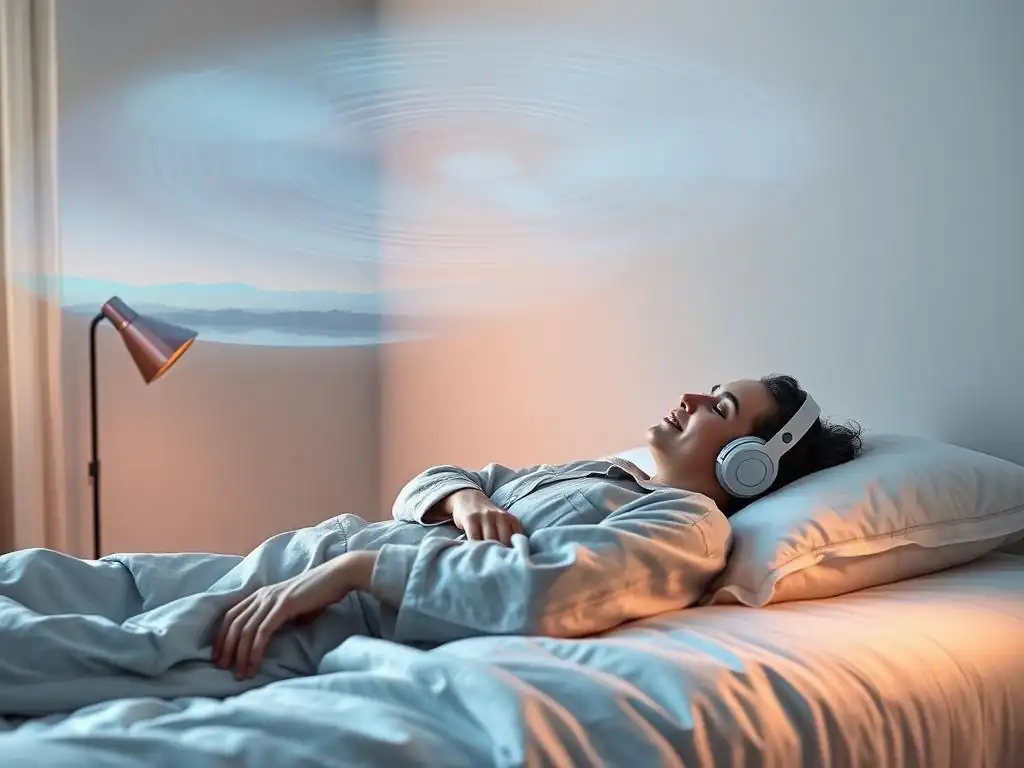
Pzizz stands out among sleep apps for anxiety relief with its unique approach: using algorithmically generated, psychoacoustic soundscapes designed to induce sleep and deep relaxation. Unlike static sounds or pre-recorded stories, Pzizz creates dynamic audio sessions that never repeat, preventing the brain from habituating to the sounds. The app's core technology is based on clinical research into how specific sound patterns, rhythms, and voice cues affect the mind and body's ability to fall asleep and stay asleep.
Each Pzizz session is a blend of music, voiceovers, and sound effects that are combined in real-time based on parameters you set (like session length). The voiceovers use techniques like pacing and guided imagery to gently lead your mind towards sleep, while the music and sound effects are designed to quiet the mental chatter often associated with anxiety. The goal is to provide a deeply immersive and constantly evolving audio experience that effectively blocks out distracting thoughts and promotes a relaxed state.
Pzizz's Adaptive Audio Engine: Tailored Sleep Experiences
The heart of Pzizz is its patented algorithm, which generates unique audio sequences for each session. When you start a sleep session, you can choose the duration (from 10 minutes up to several hours). The algorithm then creates a sequence incorporating three key elements:
- Dreamscapes: Complex, non-repeating musical compositions specifically designed for sleep.
- Voiceovers: Optional guided narration using principles of neurolinguistic programming (NLP) and hypnotherapy to gently guide you towards sleep. You can adjust the volume of the voice or turn it off entirely.
- Sound Effects: Binaural beats and other sound effects embedded within the mix to enhance the relaxation and sleep induction process.
Because the combinations are virtually infinite, your brain doesn't get used to the sound, which can happen with repetitive white noise or music. This adaptive engine ensures that the audio remains effective over time, constantly providing a fresh, yet familiar, calming backdrop that helps to quiet the anxious mind and facilitate the transition to sleep.
Pzizz vs. White Noise: Which is Better for Anxiety-Related Sleep Issues?
While white noise, pink noise, or brown noise can be effective for blocking out external disturbances, Pzizz offers a potentially more active approach to managing anxiety-related sleep issues. White noise provides a constant, uniform frequency that can mask sudden sounds, which is helpful if your anxiety makes you hyper-aware of noises.
However, Pzizz's psychoacoustic soundscapes are designed not just to mask noise but to actively guide your brain into a state conducive to sleep. The dynamic nature, combined with voiceovers and specific tonal frequencies, aims to reduce internal mental activity – the racing thoughts and worries that white noise alone doesn't address. For someone whose primary sleep problem is an overactive, anxious mind rather than external noise, Pzizz's tailored, evolving audio is often considered more effective at promoting relaxation and mental quietude than a static sound.
Pzizz for Shift Workers: Managing Sleep Schedules with Anxiety
Shift work often disrupts the body's natural circadian rhythm, making it difficult to fall asleep at irregular hours. This disruption can be a significant source of anxiety, compounding the difficulty of sleeping during the day or at unusual times. Pzizz can be a particularly valuable tool for shift workers struggling with anxiety about their unconventional sleep schedules.
The app allows users to generate sleep sessions of variable lengths, making it suitable for both full night's sleep attempts and shorter naps needed between shifts. The immersive nature of the soundscapes helps to create a consistent sleep environment regardless of the time of day, blocking out ambient daytime noise and light. By providing a reliable audio cue for sleep and a consistent method for winding down, Pzizz can help reduce the anxiety associated with trying to force sleep at off-hours, making the process feel less like a struggle and more like a supported transition.
5. Slumber: Sleep Stories and Relaxing Sounds to Ease Anxiety
Slumber focuses primarily on providing a rich library of sleep-inducing audio content, making it a straightforward and effective option among sleep apps for anxiety relief. Its strength lies in its extensive collection of sleep stories, guided meditations, and relaxing soundscapes specifically designed to help users relax, quiet their minds, and fall asleep. The app's interface is simple and intuitive, prioritizing ease of use when you're feeling tired or anxious.
The content is curated to be soothing and non-stimulating, offering a gentle escape from daily worries and racing thoughts. Slumber's library includes a variety of story types, from fictional narratives to calming descriptions of nature or abstract concepts, ensuring there's something to suit different preferences. It also offers a wide range of ambient sounds, including nature sounds, white noise, and unique sound mixes, which can be combined or used individually to create a personalized sleep environment.
Slumber's Extensive Library of Sleep Stories and Meditations
Slumber boasts a large and ever-growing collection of audio content aimed at promoting sleep and relaxation. The core offering includes:
- Sleep Stories: A diverse range of narrative styles designed to be calming and help listeners drift off. These stories often have a gentle pace and focus on soothing imagery.
- Guided Meditations: Sessions specifically focused on relaxing the body, calming the mind, and preparing for sleep, often incorporating breathing exercises and body scans.
- Ambient Sounds: A wide selection of individual sounds (rain, ocean, forest, fan, white noise, etc.) that can be played alone or mixed together to create a personalized background noise.
- Sound Mixes: Pre-designed combinations of ambient sounds for convenience.
The sheer volume and variety of content mean that users are likely to find multiple options that resonate with them, preventing boredom and ensuring the app remains a fresh tool in their anxiety management and sleep routine.
Slumber Plus: Ad-Free Experience and Exclusive Content
While Slumber offers a limited selection of free content, the full library and an uninterrupted experience are available through its premium subscription, called Slumber Plus. Accessing Slumber Plus removes all advertisements, which can be crucial for maintaining a state of relaxation without jarring interruptions.
Beyond the ad-free experience, Slumber Plus subscribers gain access to the entire catalog of sleep stories, meditations, and ambient sounds, including new content released regularly. This expanded library is essential for users who rely on the app nightly and want a wide variety of options to choose from. The cost of Slumber Plus is competitive within the market for sleep apps for anxiety relief, typically offering monthly and annual subscription options.
Slumber for Children with Anxiety: Bedtime Routine Support
Slumber's focus on stories and gentle sounds makes it a potentially valuable resource not just for adults but also for children struggling with anxiety at bedtime. Many of the sleep stories are suitable for younger listeners, featuring calming narratives and soothing voices that can help ease bedtime fears and worries.
Establishing a consistent and calming bedtime routine is crucial for children with anxiety, and incorporating a Slumber story or gentle soundscape can become a positive and anticipated part of that routine. It provides a predictable transition from the day's activities to sleep, offering a sense of security and distraction from anxious thoughts about monsters under the bed or worries about the next day. While parental guidance is necessary to select appropriate content, Slumber offers a simple, accessible tool to help children quiet their minds and feel more secure as they fall asleep.
Comparing the Best Sleep Apps for Anxiety: Features, Pricing, and Effectiveness
Side-by-Side Comparison: Calm vs. Headspace vs. Sleep Cycle vs. Pzizz vs. Slumber
| Feature / App | Calm | Headspace | Sleep Cycle | Pzizz | Slumber |
|---|---|---|---|---|---|
| Primary Focus | Meditation, Stories, Music | Mindfulness, Meditation, Sleepcasts | Sleep Tracking, Smart Alarm | Psychoacoustic Soundscapes | Sleep Stories, Sounds, Meditations |
| Anxiety Relief Method | Guided Meditation, Sleep Stories, Sounds | Mindfulness, Sleepcasts, Meditation | Data Analysis, Gentle Wake-up, (some audio) | Dynamic Soundscapes, Voiceovers | Sleep Stories, Meditation, Ambient Sounds |
| Unique Offering | Extensive Sleep Story Library | Sleepcasts, Focus on Mindfulness Skills | Intelligent Sleep Tracking & Analysis | Algorithmic, Non-Repeating Audio | Large Story & Sound Library, Simple UI |
| Free Content | Limited meditations, Daily Calm | Limited meditations, Basics | Basic Sleep Tracking, Smart Alarm | Limited sessions | Limited stories/sounds |
| Premium Cost (Est.) | ~$15/month, ~$70/year | ~$13/month, ~$70/year | ~$30/year | ~$10/month, ~$50/year | ~$8/month, ~$50/year |
| Target User | Loves Stories/Music, Wants Variety | Wants Mindfulness Skills, Unique Sleepcasts | Data-driven, Anxious about Sleep Quality | Responsive to Sound, Wants Novelty | Simple, Story/Sound Focused, All Ages |
| Effectiveness for Anxiety | High (distraction, relaxation) | High (mindfulness, cognitive shift) | Indirect (reduces performance anxiety) | High (immersive distraction, relaxation) | High (distraction, relaxation) |
This table provides a snapshot comparison of these leading sleep apps for anxiety relief. Calm and Slumber excel in providing a wide variety of guided content like stories and meditations, acting as effective distractions and relaxation aids. Headspace focuses heavily on teaching mindfulness skills that address the root of anxious thoughts, complementing its unique Sleepcasts.
Pzizz offers a scientifically-backed, dynamic audio experience designed to actively guide the brain into sleep. Sleep Cycle stands apart by focusing on tracking and data, which can alleviate anxiety related to sleep performance and provide insights for improvement, though its direct calming content is less extensive than the others.
Which Sleep App is Right for You? Consider Your Needs and Preferences
Choosing the best sleep app for your anxiety relief depends largely on your personal preferences and what aspects of anxiety-induced insomnia you struggle with most. If your mind races with specific worries and you find narratives or guided imagery helpful in redirecting your focus, apps like Calm or Slumber with their extensive story libraries might be ideal. If you are interested in learning mindfulness techniques to change your relationship with anxious thoughts and prefer a more structured, almost educational approach, Headspace could be a better fit.
For those who are anxious about the act of not sleeping or want objective data to understand their sleep patterns and identify potential issues, Sleep Cycle's tracking capabilities are invaluable. If you find static background noise ineffective and are looking for a unique, dynamic audio experience designed specifically for sleep induction, Pzizz is worth exploring.
Consider if you prefer male or female narrators, specific types of stories or sounds, or if you want features beyond just sleep assistance (like daytime meditation or focus music). Most apps offer a free trial, which is the best way to test a few options and see which interface, content style, and approach resonates most with your needs for sleep apps for anxiety relief.
Maximizing the Benefits of Sleep Apps for Anxiety Relief
Creating a Consistent Bedtime Routine with Your Chosen App
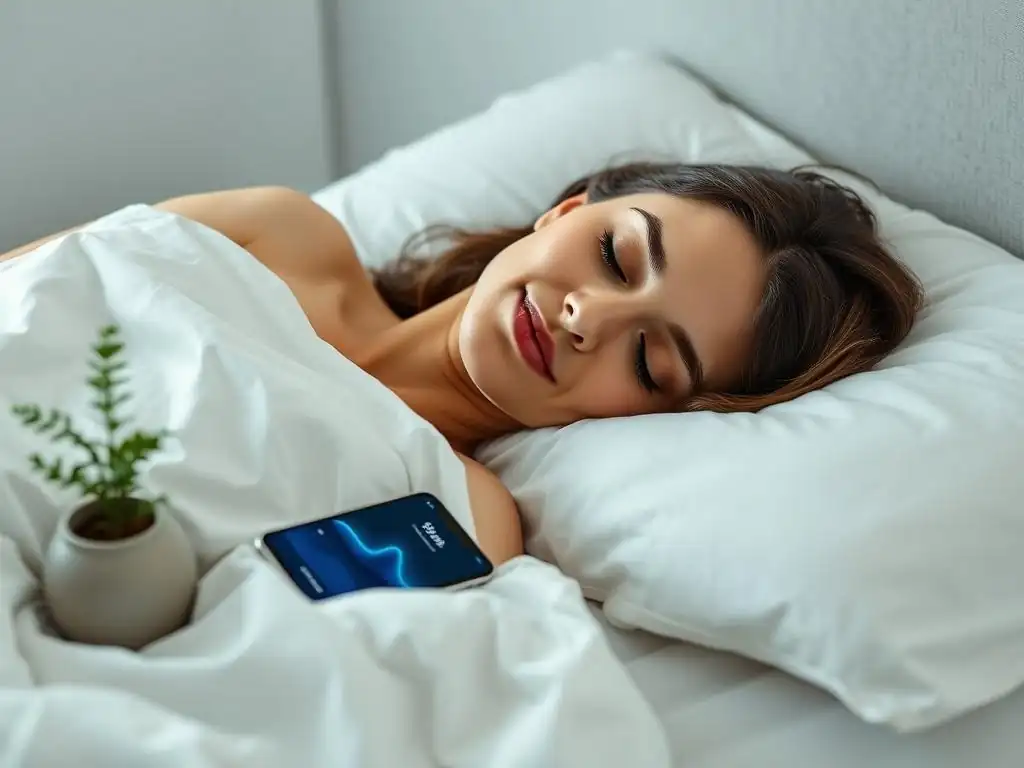
Consistency is key when using sleep apps for anxiety relief. Integrating your chosen app into a regular, calming bedtime routine signals to your body and mind that it's time to wind down and prepare for sleep. This routine should ideally start about 30-60 minutes before your target bedtime. Begin by disengaging from stimulating activities like watching TV, scrolling social media, or working. Dim the lights and create a quiet, comfortable environment.
Then, incorporate your sleep app. This might involve listening to a guided meditation to release the day's tension, playing a calming Sleep Story to distract from worries, or starting a Pzizz session as you get into bed. The specific content you choose can vary, but the act of using the app as part of this sequence should remain consistent. Over time, your mind will begin to associate launching the app with the transition to sleep, strengthening the routine and making it easier to relax and fall asleep, even on nights when anxiety is high.
Combining Sleep Apps with Other Anxiety Management Techniques (e.g., Deep Breathing, Mindfulness)
Sleep apps are powerful tools, but their effectiveness for anxiety relief is often enhanced when combined with other proven anxiety management techniques. Many apps already incorporate elements like deep breathing exercises or mindfulness practices, but you can also integrate these independently. Before or during your app session, take a few minutes to practice slow, deep diaphragmatic breathing. Inhale deeply through your nose, allowing your belly to rise, hold for a moment, and exhale slowly through your mouth. This simple technique can help activate the body's relaxation response.
Mindfulness, as taught by apps like Headspace or practiced through guided sessions in others, involves paying attention to the present moment without judgment. This can be practiced throughout the day to reduce overall anxiety levels, making it easier to quiet the mind at night. Other techniques might include gentle stretching, progressive muscle relaxation, or journaling about worries earlier in the evening to get them out of your head before bedtime. Experiment to find the combination of app use and other techniques that best supports your journey towards calmer nights.
When to Seek Professional Help for Anxiety and Sleep Problems
While sleep apps for anxiety relief can be incredibly helpful tools, it's crucial to recognize their limitations. If you are experiencing severe anxiety that significantly impacts your daily life, relationships, or work, or if your sleep problems are chronic and debilitating despite using sleep apps and practicing good sleep hygiene, it is essential to seek professional help.
A therapist or counselor specializing in anxiety disorders can provide personalized strategies, such as Cognitive Behavioral Therapy (CBT), which is highly effective for both anxiety and insomnia (CBT-I). A medical doctor can rule out underlying health conditions contributing to sleep issues and discuss potential treatment options. Sleep apps can be a valuable part of a comprehensive treatment plan, but they are not a substitute for professional diagnosis and care. Don't hesitate to reach out to a healthcare provider if your anxiety or sleep difficulties feel overwhelming or persistent.
Conclusion: Reclaim Your Sleep and Manage Anxiety with the Right Sleep App
Living with an overactive, anxious mind can make restful sleep feel like an impossible dream. The constant stream of worries and racing thoughts creates a significant barrier to winding down and achieving the restorative sleep needed for overall well-being. Fortunately, the landscape of digital tools offers effective support. Sleep apps for anxiety relief provide accessible and varied resources, from guided meditations and immersive sleep stories to intelligent tracking and dynamic soundscapes, all designed to help quiet the mental noise that keeps you awake.
Whether you find solace in the calming narratives of Calm or Slumber, build resilience through the mindfulness teachings of Headspace, gain insight from Sleep Cycle's data, or relax with Pzizz's unique audio, there is likely a sleep app that can become a valuable ally in your journey towards better sleep. By integrating the right app into a consistent bedtime routine and combining it with other anxiety management techniques, you can create a powerful strategy to reduce bedtime anxiety and improve your sleep quality.
Remember that these apps are powerful aids, but professional support is available and necessary for persistent or severe issues. Taking proactive steps using sleep apps for anxiety relief is a significant step towards reclaiming your nights and fostering a calmer mind.
Frequently Asked Questions
What are sleep apps and how can they help with anxiety?
Sleep apps are digital tools designed to improve sleep quality. They often use features like guided meditations, white noise, and sleep tracking to help manage anxiety-related insomnia.
How do "sleep apps for anxiety relief" work to reduce anxiety symptoms?
These apps work by promoting relaxation techniques and creating a calming bedtime routine. This helps quiet the mind, reduce stress hormones, and facilitate easier sleep onset, thus alleviating anxiety symptoms.
Are sleep apps a replacement for professional mental health treatment?
No, sleep apps are not a replacement for professional help. They can be a useful supplementary tool, but clinical anxiety disorders require diagnosis and treatment from qualified mental health professionals.
What features should I look for in a sleep app specifically designed for anxiety?
Look for apps offering features like cognitive behavioral therapy for insomnia (CBT-I) techniques, mindfulness exercises, and personalized sleep schedules. These features are particularly effective for managing anxiety-related sleep disturbances.
Are there any potential downsides to using sleep apps for anxiety?
Some users may experience increased anxiety if they become overly focused on their sleep data or feel pressure to fall asleep immediately. It's important to use them mindfully and avoid perfectionistic expectations.
Final Reflection: Finding Peace in the Digital Age
The relentless pace of modern life leaves many of us struggling to silence the noise in our minds, impacting our ability to achieve restful sleep. This constant mental chatter, often exacerbated by anxiety, is a pervasive issue, and the search for effective solutions is more urgent than ever. The rise of sleep apps offers a beacon of hope in this digital age, providing tools and techniques to navigate the complexities of a racing mind and find solace in the quiet embrace of sleep.
The impact of anxiety on sleep is profound, affecting not only our physical health but also our emotional well-being and overall quality of life. The journey to better sleep is deeply personal, and the apps explored in this article represent a diverse range of approaches, each catering to different needs and preferences. Sleep is the golden chain that binds health and our bodies together.
– Thomas Dekker. This quote highlights the fundamental importance of prioritizing sleep, a necessity often overlooked in our busy lives. The exploration of these apps serves as a reminder that we have the power to actively cultivate healthier sleep habits and reclaim the restorative power of rest.
Consider the tools and techniques discussed within this article. Which resonated most with your personal experience? Which app, or combination of techniques, might you incorporate into your nightly routine to cultivate a more peaceful and restorative sleep? Take the time to experiment, to find what works best for you, and remember that the journey to a quieter mind and a more restful sleep is a journey worth undertaking. Embrace the power of technology to support your well-being, and prioritize the gift of peaceful slumber.
Unlock Your Best Sleep Yet!
Thanks for taking the time to explore better sleep with us! We hope you found practical strategies to quiet your mind and prepare for restful nights. Ready to take the next step towards a more peaceful slumber?
- Download your favorite sleep app from our list and start a free trial tonight. This is the most impactful action you can take to improve your sleep immediately.
- Share this article with a friend or family member who struggles with sleep. Let's build a supportive community!
- Try incorporating a simple mindfulness exercise before bed – even 5 minutes can make a difference.
What small change will you make tonight to prioritize your sleep?