
Deep Relaxation Online: Practical Exercises for Mind and Body

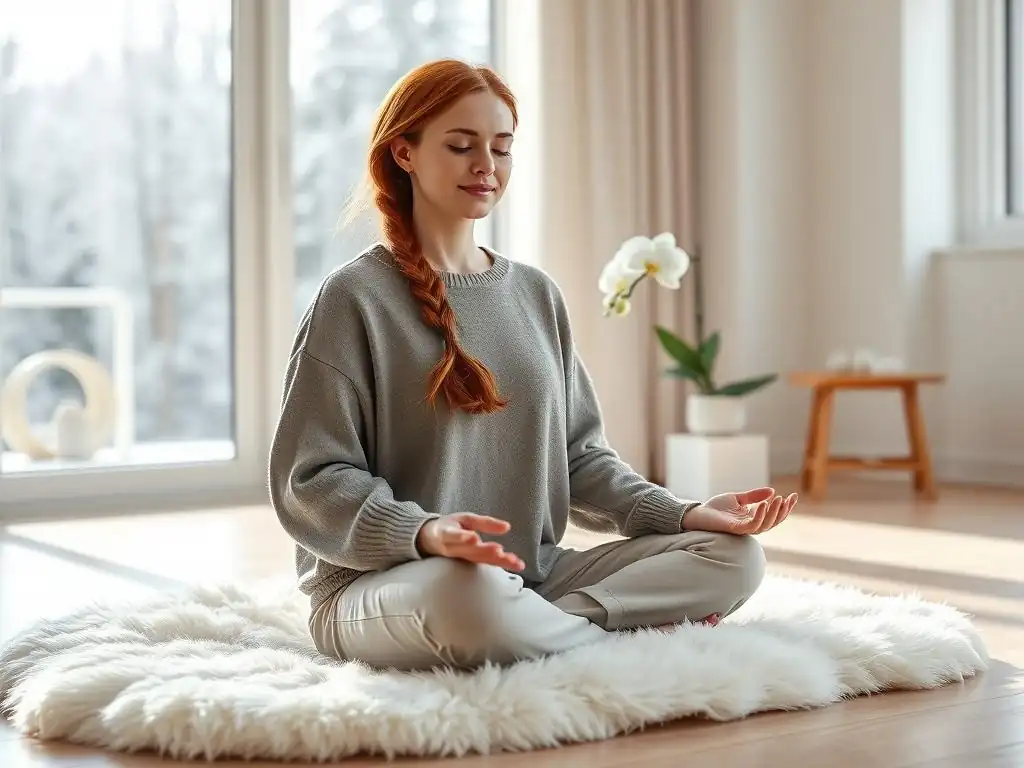
Welcome to Mind Care Guide, your compassionate companion on the journey to mental well-being.
Feeling overwhelmed by anxiety? You're not alone. Discover the power within you to find calm with our comprehensive guide to deep relaxation techniques for anxiety. We'll equip you with practical tools and insights, helping you unlock a more peaceful and balanced state of mind. Curious to learn how to quiet the storm within? Let's begin.
Deep Relaxation Techniques for Anxiety: A Mind Care Guide
- Understanding Anxiety and the Role of Deep Relaxation
- Effective Deep Relaxation Techniques for Anxiety
- Integrating Mindfulness into Deep Relaxation Practices
- Building a Personalized Deep Relaxation Routine
- Addressing Challenges in Deep Relaxation Practice
- Advanced Deep Relaxation Strategies for Persistent Anxiety
- The Future of Deep Relaxation: Innovations and Technology
-
Frequently Asked Questions
- What are deep relaxation techniques, and how can they help with anxiety?
- How often should I practice deep relaxation techniques to see benefits for my anxiety?
- Are deep relaxation techniques suitable for everyone experiencing anxiety?
- What are some examples of deep relaxation techniques I can try online?
- How can I make deep relaxation a sustainable part of my routine?
- Final Reflection: Finding Stillness in a Restless World
- Unwind and Rediscover Your Inner Peace
Understanding Anxiety and the Role of Deep Relaxation
The Prevalence of Anxiety in Modern Life
Anxiety is a pervasive challenge in contemporary society, impacting millions worldwide. Estimates suggest that roughly 18% of adults in the United States experience an anxiety disorder in any given year, making it one of the most common mental health concerns. This widespread prevalence is often linked to the fast pace of modern life, increased pressures from work and social environments, constant connectivity, and global uncertainties.
While some anxiety is a normal response to stress, chronic or excessive anxiety can significantly impair daily functioning, relationships, and overall quality of life. Symptoms can manifest physically, emotionally, and cognitively, creating a cycle that feels difficult to break without effective strategies.
The constant state of alert triggered by anxiety floods the body with stress hormones like cortisol and adrenaline, leading to physical symptoms such as muscle tension, rapid heart rate, digestive issues, and fatigue. Mentally, it can result in racing thoughts, difficulty concentrating, excessive worry, and irritability. Finding effective ways to interrupt this stress response is crucial for managing anxiety long-term.
While therapy and medication are valuable tools, many individuals seek complementary approaches that empower them to take control of their symptoms in the moment. Deep relaxation techniques for anxiety offer a powerful, accessible pathway to calming the nervous system and fostering a sense of peace amidst life's demands.
Deep Relaxation as a Natural Anxiety Remedy
Deep relaxation serves as a potent, natural antidote to the body's stress response. Unlike temporary distractions, deep relaxation techniques actively engage the parasympathetic nervous system, often referred to as the "rest and digest" system. This counteracts the "fight or flight" response activated by anxiety, leading to a reduction in heart rate, blood pressure, and muscle tension.
Regular practice of deep relaxation for anxiety helps to lower baseline stress levels and build resilience, making individuals less reactive to triggers and more able to cope when stress does arise. It's a non-pharmacological approach that can be used anytime, anywhere, providing an immediate sense of calm and control.
Moreover, integrating deep relaxation techniques into a daily routine can have cumulative benefits. Studies indicate that consistent relaxation practice can lead to measurable changes in brain activity, promoting states associated with calmness and reduced emotional reactivity. It helps to quiet the incessant chatter of anxious thoughts and allows the mind to become clearer and more focused. For many grappling with anxiety, discovering effective relaxation techniques for anxiety is a transformative step towards reclaiming their well-being, offering a sense of agency and hope.
The Mind-Body Connection in Anxiety Reduction
The intricate connection between the mind and body is never more apparent than in the experience of anxiety. Anxious thoughts can trigger physical symptoms like a racing heart or shallow breathing, while physical tension or discomfort can exacerbate feelings of worry and panic. This creates a feedback loop where mental stress fuels physical distress, and vice versa.
Deep relaxation techniques work by directly addressing both sides of this connection simultaneously. By consciously relaxing the body, we send signals to the brain that the perceived threat has passed, dampening the anxiety response. Conversely, calming the mind through focused attention or visualization can alleviate physical tension.
Techniques like progressive muscle relaxation specifically target the physical manifestations of anxiety, teaching the body to release stored tension. Breathing exercises directly influence the autonomic nervous system, shifting it from a state of hyperarousal to one of calm. Understanding and utilizing this powerful mind-body link is fundamental to effectively managing anxiety. By consistently practicing deep relaxation techniques for anxiety, individuals learn to recognize the early signs of stress in their bodies and minds and apply tools to interrupt the cycle before it escalates.
Effective Deep Relaxation Techniques for Anxiety
Diaphragmatic Breathing: The Foundation of Calm (with Insight Timer Recommendation)
Mastering Diaphragmatic Breathing for Anxiety Relief
Diaphragmatic breathing, often called belly breathing, is a fundamental deep relaxation technique for anxiety. Unlike shallow chest breathing common during stress, diaphragmatic breathing involves engaging the diaphragm muscle, located beneath the lungs, to draw air deep into the abdomen. This simple act has a profound impact on the nervous system, stimulating the vagus nerve, which plays a key role in regulating the body's relaxation response.
Learning to breathe deeply and slowly from the diaphragm can immediately lower heart rate, reduce blood pressure, and decrease the levels of stress hormones circulating in the body. It is a portable, accessible tool that can be used discreetly in any situation where anxiety strikes.
Mastering this technique involves practicing regularly, not just during moments of crisis. By making diaphragmatic breathing a habit, the body becomes more accustomed to this relaxed state, making it easier to access when needed. A simple practice involves placing one hand on your chest and the other on your belly. As you inhale, feel your belly rise while your chest remains relatively still.
As you exhale, feel your belly fall. The goal is to make the breath smooth, slow, and deep, focusing on the sensation of the breath filling and leaving your abdomen. This focused attention also serves as a mild form of mindfulness, anchoring you in the present moment and away from anxious thoughts.
Recommended App: Insight Timer - Free Guided Meditations and Breathing Exercises
Many individuals find guided practices helpful when learning new deep relaxation techniques for anxiety. Resources like the Insight Timer app offer a vast library of free guided meditations, breathing exercises, and talks from teachers around the world. Such platforms provide structured sessions that walk you through techniques like diaphragmatic breathing, making it easier to learn and integrate into your routine. Accessing guided sessions can help maintain focus and provide a sense of support during practice.
These digital resources often include various durations and styles of breathing exercises, allowing users to find practices that fit their schedule and preferences. Whether you have just five minutes or half an hour, you can find a guided breathing session tailored to promoting deep relaxation and managing anxiety. The availability of such resources makes practicing relaxation techniques for anxiety more convenient and accessible for people everywhere.
Practical Application: Diaphragmatic Breathing During Moments of Stress
The true power of diaphragmatic breathing lies in its practical application during real-life moments of stress and anxiety. When you feel anxiety beginning to build – perhaps before a public speaking engagement, during a difficult conversation, or when stuck in traffic – pausing to take several slow, deep breaths from the diaphragm can make a significant difference. For instance, before entering a stressful meeting, taking three to five conscious, deep belly breaths in a quiet space can help calm your nervous system and clear your mind, enabling you to approach the situation with greater composure.
Similarly, if you experience a sudden wave of panic or intense anxiety symptoms, focusing solely on slow, deep diaphragmatic breaths can help ground you and prevent the escalation of the panic response. Counting your breath – inhaling for a count of four, holding briefly, and exhaling for a count of six or eight – can add structure and further focus your attention. Practicing these relaxation techniques for anxiety in low-stress situations builds the muscle memory needed to deploy them effectively when you need them most.
Progressive Muscle Relaxation (PMR): Releasing Physical Tension for Mental Calm
How PMR Alleviates Physical and Psychological Stress
Progressive Muscle Relaxation (PMR) is a technique that involves systematically tensing and then releasing different muscle groups in the body. The underlying principle is that physical relaxation can induce mental calmness. Anxiety often causes unconscious muscle tension, contributing to aches, stiffness, and fatigue. By deliberately creating and then releasing tension, PMR makes you acutely aware of the difference between a tense state and a relaxed state. This heightened awareness helps you recognize and release tension more readily in daily life.
Research has shown that regular practice of PMR can lead to a significant reduction in overall muscle tension, which in turn reduces the physical symptoms associated with anxiety, such as headaches, jaw clenching, and back pain. This physical release sends calming signals to the brain, helping to break the mind-body anxiety loop. It's a tangible way to address the physical load of stress and anxiety, making it a highly effective relaxation technique for anxiety management.
PMR Exercise: A Step-by-Step Guide to Tension and Release
A typical PMR session involves moving through the body, focusing on one muscle group at a time. Here is a simplified guide:
- Find a quiet place where you can sit or lie down comfortably.
- Begin by taking a few deep breaths.
- Start with your hands: Clench your fists tightly for about 5-7 seconds. Notice the tension.
- Release the tension completely and quickly. Let your hands go limp. Spend 15-20 seconds noticing the feeling of relaxation in your hands compared to the tension.
- Move to your arms: Bend your elbows and tense your biceps. Hold for 5-7 seconds, then release.
- Continue systematically through the body: forearms, shoulders, neck, face (forehead, eyes, jaw), chest, stomach, back, buttocks, thighs, calves, and feet.
- After tensing and releasing each group, take a moment to scan your body and notice any remaining tension.
This process helps you become more attuned to where you hold stress in your body and provides a method for consciously letting it go. Consistent practice makes the recognition and release of tension almost automatic, significantly improving deep relaxation for anxiety management.
Benefit: Enhanced Sleep Quality Through Regular PMR
One significant benefit of regular Progressive Muscle Relaxation practice for individuals with anxiety is improved sleep quality. Anxiety often disrupts sleep, leading to difficulty falling asleep, staying asleep, or experiencing restless nights. This is partly due to the physical tension and racing thoughts that accompany anxiety. PMR directly addresses the physical tension that can make it hard to relax in bed. By systematically relaxing the muscles, the body enters a more restful state conducive to sleep.
Studies have demonstrated that individuals who practice PMR regularly report falling asleep faster and experiencing fewer awakenings during the night. For example, a small study involving participants with insomnia showed that those practicing PMR for 20 minutes nightly saw an average reduction of roughly 15-20 minutes in the time it took to fall asleep after just a few weeks. Incorporating PMR into a bedtime routine can therefore be a very effective deep relaxation technique for anxiety-related sleep disturbances, helping to break the cycle of anxiety and poor sleep.
Autogenic Training: Using Self-Suggestion for Profound Relaxation
The Core Principles of Autogenic Training
Autogenic Training is a relaxation technique developed by German psychiatrist Johannes Heinrich Schultz in the early 20th century. It involves a series of specific self-statements or "formulas" designed to produce sensations of heaviness and warmth in the limbs and other bodily responses associated with deep relaxation, such as a calm heart rate and cool forehead. The core principle is that by passively concentrating on these physical sensations induced by self-suggestion, one can influence the autonomic nervous system and induce a state of profound relaxation. It is a form of self-hypnosis or guided imagery focused internally on physiological states.
The standard formulas typically progress through sensations in the arms and legs (heaviness, warmth), then move to regulating heart rate ("My heart is beating calmly and regularly"), respiration ("My breathing is calm and regular"), abdominal warmth ("My solar plexus is warm"), and finally, coolness in the forehead ("My forehead is cool"). Practicing these formulas consistently over time trains the body and mind to respond more readily to the suggestions, leading to deeper states of relaxation and reduced physiological arousal associated with anxiety.
Product Integration: Cooling Eye Mask for Deeper Autogenic Relaxation
While Autogenic Training primarily relies on internal focus and self-suggestion, certain aids can enhance the practice. Using a cooling eye mask, for example, can help create a more immersive and comfortable environment for deep relaxation. By blocking out light and providing a gentle, soothing sensation around the eyes, a cooling mask can minimize external distractions and encourage deeper focus on the internal sensations being suggested during Autogenic Training. The coolness on the forehead also aligns with one of the later stages of the standard formulas, potentially reinforcing that sensation.
Such simple tools are not essential but can be beneficial for individuals who find it difficult to shut out the external world or who experience physical tension around the eyes or temples when trying to relax. They can make the process of engaging in deep relaxation techniques for anxiety more pleasant and potentially more effective by supporting the creation of a conducive environment.
Case Study: Autogenic Training for Managing Test Anxiety
Consider the case of a university student experiencing significant test anxiety. Symptoms included a racing heart, sweating, difficulty concentrating, and stomach upset before and during exams. Traditional study methods helped with content but did little for the physical and mental distress. The student began practicing Autogenic Training for 15 minutes each morning and evening. Initially, it was challenging to feel the sensations of heaviness and warmth, but after about three weeks of consistent practice, the student reported being able to induce a noticeable state of calm.
By the time of the next major exam period, the student found that practicing Autogenic Training for 10 minutes before entering the exam hall significantly reduced physical symptoms. Their heart rate remained calmer, sweating decreased, and they felt more grounded. While the anxiety wasn't eliminated entirely, its intensity was reduced by an estimated 40-50%, allowing the student to focus better and perform closer to their ability. This illustrates how consistent practice of deep relaxation techniques for anxiety like Autogenic Training can lead to tangible improvements in managing specific anxiety triggers.
Guided Imagery: Creating Your Personal Sanctuary
The Power of Visualization in Anxiety Reduction
Guided imagery is a deep relaxation technique for anxiety that involves creating calming mental images or scenarios. It harnesses the power of the mind-body connection by using imagination to induce a state of relaxation. By vividly imagining a peaceful place or experience, you can shift your focus away from anxious thoughts and trigger the body's relaxation response. The brain often responds to imagined experiences similarly to real ones; picturing a serene beach or a quiet forest can lower heart rate, slow breathing, and reduce muscle tension, much like actually being there might.
This technique allows individuals to create a personal sanctuary, a mental escape that is always accessible. It provides a sense of safety and control, which is particularly helpful when feeling overwhelmed by anxiety. Guided imagery can be structured (following a script) or spontaneous (imagining your ideal peaceful place). The key is to engage all your senses in the visualization – what you see, hear, smell, feel, and even taste – to make the experience as real and absorbing as possible.
Guided Imagery Script: A Peaceful Forest Retreat
Here is a brief example of how a guided imagery script might begin:
"Close your eyes gently... Take a slow, deep breath in, and exhale slowly... Imagine yourself standing at the edge of a beautiful, peaceful forest. The air is fresh and clean. You can smell the scent of pine needles and damp earth.
The sunlight filters softly through the leaves overhead, creating dappled patterns on the path ahead. You hear the gentle rustling of leaves in a soft breeze and perhaps the distant sound of a stream... Step onto the path, feeling the soft ground beneath your feet. As you walk deeper into the forest, notice the tall trees surrounding you, their branches reaching towards the sky... With each step, feel yourself becoming more relaxed, more at peace..."
This type of narrative guides the listener or the individual practicing through a sensory experience designed to evoke feelings of calm and safety. It serves as a mental vacation, providing a temporary but effective respite from the grip of anxiety. Practicing guided imagery regularly can make it easier to access this calm state when needed.
Service Recommendation: Online Mindfulness and Meditation Platforms
Many online platforms dedicated to mindfulness and meditation offer extensive libraries of guided imagery sessions specifically designed for relaxation, stress reduction, and anxiety. These services provide a wide variety of themes – from nature scenes to abstract feelings of peace – catering to different preferences. Accessing guided imagery through these platforms ensures you have a structured and supportive experience, which can be particularly helpful when starting out or when feeling too anxious to create imagery spontaneously.
These platforms often include different lengths of sessions, allowing you to fit a guided imagery practice into even a busy schedule. They make exploring and utilizing guided imagery as a deep relaxation technique for anxiety convenient and accessible, providing expert guidance directly through your device.
Integrating Mindfulness into Deep Relaxation Practices
Mindfulness Meditation: Cultivating Presence and Reducing Worry
How Mindfulness Reduces Overthinking and Rumination
Mindfulness meditation is a practice that involves paying attention to the present moment without judgment. For individuals struggling with anxiety, which often involves excessive worry about the future or rumination about the past, mindfulness is a powerful counter-tool. By focusing on breath, bodily sensations, sounds, or thoughts as they arise without getting carried away by them, mindfulness trains the mind to stay grounded in the here and now. This practice directly interrupts the cycle of overthinking and rumination that fuels anxiety.
Consistent mindfulness practice helps to create a space between you and your anxious thoughts. You learn to observe thoughts as temporary mental events rather than absolute truths. This detachment reduces the power thoughts have to trigger the full-blown anxiety response. Research has shown that mindfulness can decrease activity in the amygdala, the brain's fear center, and increase activity in areas associated with focus and emotional regulation. This makes mindfulness meditation a valuable addition to any set of deep relaxation techniques for anxiety.
Mindfulness Exercise: Mindful Breathing for Anxiety Relief
A simple yet effective mindfulness exercise for anxiety relief is mindful breathing. It involves directing your attention to the physical sensation of breathing.
- Find a comfortable seated or lying position.
- Gently close your eyes or soften your gaze.
- Bring your awareness to your breath wherever you feel it most strongly – perhaps in your nostrils, chest, or abdomen.
- Simply notice the sensation of the inhale and the exhale. Don't try to change your breath in any way, just observe it as it is.
- Your mind will wander; this is natural. When you notice your mind has drifted to thoughts, gently guide your attention back to the sensation of your breath.
- Continue for a few minutes, or longer if you wish.
This exercise trains your ability to focus and gently redirect your attention away from anxious thoughts back to the present moment, fostering deep relaxation and calm.
Resource Suggestion: UCLA Mindful Awareness Research Center - Guided Meditations
Reputable institutions like the UCLA Mindful Awareness Research Center offer free guided meditations and resources that can support the development of a mindfulness practice. Accessing guided sessions from such centers provides high-quality instruction and a variety of meditation lengths and styles suitable for beginners and experienced practitioners alike. These resources make it easier to learn and consistently practice mindfulness meditation as a deep relaxation technique for anxiety.
Utilizing guided meditations from established sources ensures you are learning from experienced instructors and practicing techniques backed by research. These resources are often available online, making them easily accessible for anyone looking to integrate mindfulness into their efforts to manage anxiety.
Yoga and Tai Chi: Gentle Movement for Deep Relaxation
The Benefits of Yoga for Anxiety and Stress Management
Yoga combines physical postures (asanas), breathing exercises (pranayama), and meditation or mindfulness. This holistic approach makes it an excellent practice for managing anxiety and stress. The physical movement helps release muscular tension, a common symptom of anxiety. Synchronizing movement with breath calms the nervous system and enhances focus, diverting attention from anxious thoughts. The meditative aspect cultivates present-moment awareness and emotional regulation.
Studies have consistently shown that regular yoga practice can reduce symptoms of anxiety and depression. For example, research indicates that participating in a regular yoga program can lead to a decrease in cortisol levels, the body's primary stress hormone. It also promotes the release of endorphins, which have mood-lifting effects. Yoga provides a structured way to integrate physical activity, breath control, and mindfulness – all components that contribute to deep relaxation for anxiety relief.
Beginner-Friendly Yoga Poses for Anxiety Relief (e.g., Child's Pose, Savasana)
Several yoga poses are particularly beneficial for promoting relaxation and easing anxiety, even for beginners.
- Child's Pose (Balasana): Resting with knees wide or together, torso folded over thighs, and forehead resting on the mat. This pose is grounding, calming, and helps quiet the mind.
- Savasana (Corpse Pose): Lying flat on your back with arms and legs gently splayed, palms facing up. This pose is specifically for deep relaxation and integration of the practice. It encourages complete release of physical tension.
- Cat-Cow Pose (Marjaryasana-Bitilasana): Moving between arching the back on the inhale and rounding the spine on the exhale. This gentle flow synchronized with breath helps release tension in the spine and promotes mindful movement.
Incorporating these and other gentle poses into a routine can provide physical release and mental calm, complementing other deep relaxation techniques for anxiety.
The Calming Effects of Tai Chi on Anxiety and the Nervous System
Tai Chi is an ancient Chinese practice involving slow, flowing movements, deep breathing, and meditation. Often described as "meditation in motion," Tai Chi promotes relaxation by focusing the mind on the precise execution of movements and the sensation of breath. The gentle, continuous nature of the movements helps to calm the nervous system, reduce muscle tension, and improve balance and flexibility.
Research suggests that Tai Chi can significantly reduce anxiety levels. Its emphasis on mindful movement and breath control activates the parasympathetic nervous system, promoting a state of relaxation. The meditative aspect helps quiet the mind and improve focus, reducing rumination. For example, studies have found that older adults who practice Tai Chi report lower levels of anxiety and improved mood. Tai Chi offers a unique approach to deep relaxation for anxiety, combining physical activity with profound mental calm.
Combining Deep Relaxation with Cognitive Behavioral Techniques
The Synergistic Effects of CBT and Relaxation for Anxiety
Cognitive Behavioral Therapy (CBT) is a widely effective form of psychotherapy for anxiety disorders. It focuses on identifying and challenging negative thought patterns and behaviors that contribute to anxiety. While CBT addresses the cognitive aspects of anxiety, deep relaxation techniques directly target the physiological symptoms and stress response. Combining these two approaches creates a powerful synergy. CBT helps you understand why you feel anxious and how to change your thinking, while relaxation techniques provide tools to manage the physical and emotional distress in the moment.
Using relaxation techniques alongside CBT can enhance treatment outcomes. For instance, managing the physical symptoms of anxiety through deep breathing or PMR can make it easier to engage with challenging anxious thoughts in a CBT session. Conversely, learning to identify distorted thinking patterns in CBT can reduce the frequency and intensity of triggers that might necessitate using relaxation techniques. This integrated approach provides a comprehensive strategy for tackling anxiety from both cognitive and physiological angles.
Application: Using Relaxation to Manage Anxious Thoughts
Deep relaxation techniques can be directly applied to manage anxious thoughts as they arise. When you notice a negative or catastrophic thought pattern starting (as identified in CBT), you can immediately employ a relaxation technique to ground yourself and reduce the associated physical arousal. For example, if you have a thought like "I'm going to fail this presentation," which triggers a rapid heart rate and shallow breathing, you can pause and practice diaphragmatic breathing for a minute or two.
This brief relaxation intervention doesn't eliminate the thought, but it can lower the intensity of the accompanying physical stress response. From this calmer state, it becomes easier to apply CBT strategies, such as challenging the thought ("What is the evidence I will fail?") or reframing it ("I am prepared, and I will do my best"). Using deep relaxation for anxiety in this way empowers you to interrupt the thought-symptom spiral.
Resource: Online Cognitive Behavioral Therapy (CBT) Platforms
Accessing CBT resources, whether through a therapist or an online platform, can significantly complement the use of deep relaxation techniques for anxiety. Many online CBT platforms offer interactive modules, exercises, and even virtual therapy sessions that teach you how to identify cognitive distortions and develop healthier coping strategies. Combining the cognitive restructuring learned in CBT with the physiological calming provided by deep relaxation techniques creates a robust toolkit for managing anxiety.
These online resources make CBT principles more accessible, allowing individuals to learn at their own pace and integrate cognitive strategies with their relaxation practice. Using such platforms can enhance your understanding of your anxiety and provide structured methods for addressing the mental components, while deep relaxation techniques address the physical and emotional aspects.
Building a Personalized Deep Relaxation Routine
Identifying Anxiety Triggers and Customizing Your Routine
Building an effective deep relaxation routine for anxiety begins with understanding what triggers your anxiety. Triggers can be external events (like public speaking, social situations, specific places) or internal states (like certain thoughts, physical sensations, memories). Keeping a journal of when and where you experience anxiety, and what thoughts or feelings accompany it, can help identify these triggers.
Once triggers are identified, you can customize your deep relaxation routine. For instance, if public speaking is a major trigger, practicing diaphragmatic breathing or a short guided imagery session just before a presentation might be most effective. If chronic worry is the primary issue, integrating daily mindfulness meditation might be more beneficial. Tailoring your practice ensures you are using the most relevant relaxation techniques for anxiety in the situations where you need them most, making your efforts more efficient and impactful.
Selecting Suitable Relaxation Techniques for Your Needs
With numerous deep relaxation techniques available, selecting the most suitable ones for your individual needs and preferences is key. Some people find active techniques like PMR or yoga more engaging, while others prefer passive methods like guided imagery or Autogenic Training. Consider your lifestyle, available time, and what feels most comfortable and effective to you.
- Task list:
- Try a few different techniques (e.g., diaphragmatic breathing, PMR, a short guided meditation).
- Note which techniques feel most calming during practice.
- Consider which techniques are most practical for your common anxiety triggers (e.g., portable breathing vs. needing a quiet space for PMR).
- Choose 1-3 techniques to focus on initially.
Experimentation is important. What works well for one person's anxiety relief might not be the best fit for another. Don't be discouraged if a technique doesn't immediately resonate; try another one until you find what feels right for you.
Setting Achievable Goals and Monitoring Progress
Consistency is vital for deep relaxation techniques for anxiety to be effective. Setting achievable goals helps maintain motivation. Start small – maybe just 5-10 minutes of practice per day. It's more effective to practice for a short time daily than for a long time sporadically.
Monitoring your progress can also be encouraging. You might track how often you practice and rate your anxiety levels before and after practice, or at specific times during the week. Note any changes in physical symptoms, sleep quality, or general sense of calm over time. While results vary, many people notice a gradual reduction in anxiety intensity and frequency within 2-4 weeks of consistent daily practice. Celebrate small improvements to reinforce your commitment to the routine.
Maintaining Consistency for Sustained Anxiety Relief
Maintaining consistency is perhaps the biggest challenge in making deep relaxation techniques for anxiety a lasting part of your life. Treat your relaxation practice like any other important appointment – schedule it into your day. Linking it to an existing habit (like before bed or after your morning coffee) can make it easier to remember.
Recognize that setbacks happen; some days you might miss your practice. Don't let this derail you. Simply acknowledge it and commit to resuming the next day. Remind yourself why you are practicing – the goal is sustained anxiety relief and improved well-being. Over time, consistent practice builds resilience, making deep relaxation a default response to stress rather than something you have to force yourself to do. The benefits of deep relaxation techniques for anxiety grow significantly with regular effort.
Addressing Challenges in Deep Relaxation Practice
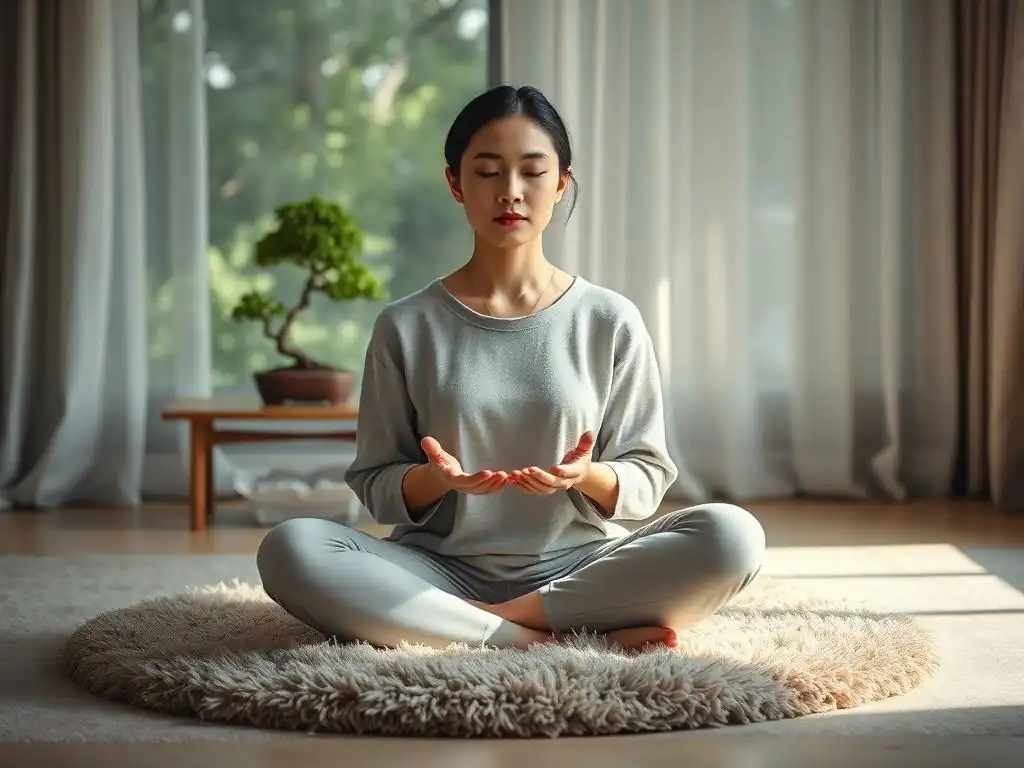
Overcoming Initial Difficulties with Relaxation Techniques
When first attempting deep relaxation techniques for anxiety, it's common to encounter difficulties. The mind might race, the body might feel restless, or it might seem impossible to "turn off" anxious thoughts. This is a normal part of the learning process, especially for individuals whose nervous systems are accustomed to being in a state of high alert. The key is patience and persistence.
Approach practice with curiosity rather than judgment. If your mind wanders during meditation, simply notice where it went without criticism and gently guide it back. If you find it hard to feel sensations during PMR or Autogenic Training, trust that this awareness will develop with practice. Don't strive for perfect relaxation; simply dedicate the time to practice the technique itself. Over time, your ability to relax deeply will improve.
Managing Distractions During Relaxation Exercises
Distractions, both external and internal, can pose challenges during deep relaxation practice. External distractions might include noise, interruptions, or uncomfortable environments. Internal distractions are typically wandering thoughts, worries, or physical sensations.
- Tips for managing distractions:
- Find a quiet space where you are unlikely to be interrupted.
- Turn off phone notifications.
- Use earplugs or noise-canceling headphones if needed.
- If thoughts arise, acknowledge them without judgment and gently return your focus to the technique (e.g., breath in mindful breathing, sensations in PMR).
- If physical discomfort is a distraction, adjust your position or choose a technique better suited to your current physical state.
Remember that the goal isn't to eliminate distractions but to learn how to work with them and maintain your focus on the chosen relaxation technique for anxiety.
Recognizing and Addressing Anxiety During Relaxation
Paradoxically, sometimes anxiety can increase when you first try to relax deeply. This can happen because slowing down and tuning into your body and mind can make you more aware of underlying tension, racing thoughts, or uncomfortable physical sensations that were previously masked by busyness. It's important to recognize this as a potential part of the process, not a sign that relaxation techniques don't work for you.
If anxiety arises during practice, try not to fight it. Instead, gently acknowledge the feeling. You can use grounding techniques, such as focusing on the feeling of your body supported by the chair or floor, or focusing intensely on the sensation of your breath.
If the anxiety feels overwhelming, it's okay to stop the practice and try again later, perhaps starting with a shorter duration or a different technique. Consider discussing this with a therapist if it is a persistent issue, as they can help you navigate these feelings and integrate deep relaxation techniques into a broader strategy for managing anxiety.
Advanced Deep Relaxation Strategies for Persistent Anxiety
Heart Rate Variability (HRV) Biofeedback: Optimizing the Relaxation Response
Product Integration: Portable HRV Monitor for Personalized Training
Heart Rate Variability (HRV) refers to the natural variation in the time intervals between consecutive heartbeats. It's a key indicator of autonomic nervous system balance. Higher HRV is generally associated with greater resilience to stress and a stronger parasympathetic ("rest and digest") tone, while lower HRV is often linked to stress, anxiety, and sympathetic ("fight or flight") dominance.
HRV biofeedback is a technique that teaches you to increase your HRV, thereby enhancing your body's ability to relax and manage stress. Using a portable HRV monitor allows individuals to track their HRV in real-time and receive feedback (often visual or auditory) on how their breathing and mental state are affecting their HRV.
By practicing specific breathing patterns, typically slow, paced breathing (around 5-7 breaths per minute), guided by the HRV monitor, individuals can learn to synchronize their heart rate and breathing rhythms, leading to a significant increase in HRV. This biofeedback process provides immediate, objective data on the effectiveness of their relaxation efforts, making the practice more engaging and accelerating the learning curve for achieving deep relaxation for anxiety reduction. Portable monitors allow for practice at home, integrating this advanced strategy into a personal routine.
Neurofeedback: Training the Brain for Anxiety Reduction
Service Recommendation: Local Neurofeedback Therapy Clinics
Neurofeedback, also known as EEG biofeedback, is a type of biofeedback that measures brainwave activity (using sensors placed on the scalp) and provides real-time feedback to the individual. The goal is to train the brain to shift from patterns associated with anxiety (such as excessive high beta waves) to patterns associated with calmness and focus (such as alpha or theta waves).
During a session, brainwave activity is displayed on a screen, and the individual learns to modify their brainwaves through various techniques, often guided by sounds or visual cues (e.g., a video game that only progresses when the desired brainwave state is achieved).
Neurofeedback is typically administered in a clinical setting by trained professionals. It is a non-invasive approach that helps individuals gain conscious control over their brain states. While it requires specialized equipment and expertise, it can be a powerful tool for individuals with persistent or severe anxiety that hasn't fully responded to other treatments. Consulting a local neurofeedback therapy clinic can provide access to this advanced technique for training the brain towards deep relaxation and reduced anxiety reactivity.
The Future of Deep Relaxation: Innovations and Technology
Virtual Reality (VR) for Immersive Relaxation
The field of deep relaxation techniques for anxiety is continually evolving, with technology playing an increasingly significant role. Virtual Reality (VR) offers a promising avenue for creating highly immersive relaxation experiences. VR environments can transport users to serene, simulated spaces, such as tranquil beaches, lush forests, or peaceful mountain landscapes, engaging multiple senses to create a powerful sense of presence and escape.
Unlike simply viewing images, VR allows users to feel like they are in the environment, which can enhance the ability to disengage from anxious thoughts and fully immerse in a calming experience. VR relaxation programs often incorporate guided meditations, soothing sounds, and gentle movements to further facilitate a state of deep relaxation. As VR technology becomes more accessible, it holds potential as an innovative tool for providing accessible and engaging deep relaxation for anxiety management.
Artificial Intelligence (AI)-Powered Relaxation Programs
Artificial Intelligence (AI) is poised to personalize and optimize deep relaxation practices. AI algorithms can analyze user data, such as stress levels reported, preferred techniques, time of day, and physiological responses (if integrated with wearables), to recommend the most effective relaxation exercises for a given moment or individual. AI could potentially create adaptive guided sessions that respond in real-time to a user's state, adjusting pacing, instructions, or content to maximize relaxation outcomes.
AI-powered programs could offer personalized feedback, track long-term progress, and even identify patterns in anxiety triggers and corresponding effective relaxation responses. This level of personalization could make deep relaxation techniques for anxiety more effective and easier to integrate into diverse lifestyles, offering tailored support based on individual needs and responses.
Wearable Technology for Stress Monitoring and Relaxation Guidance
Wearable technology, such as smartwatches and rings, is becoming increasingly sophisticated in monitoring physiological indicators related to stress and anxiety, including heart rate, HRV, sleep patterns, and even skin conductance. These devices can provide users with real-time alerts when stress levels are rising, prompting them to engage in relaxation techniques.
Furthermore, many wearables now offer built-in guided breathing exercises or short relaxation sessions accessible directly from the device. By integrating stress monitoring with immediate access to deep relaxation tools, wearable technology creates a seamless system for detecting stress and intervening proactively. This integration of technology and practice makes it easier for individuals to incorporate deep relaxation techniques for anxiety into their daily lives and receive timely support when needed.
Frequently Asked Questions
What are deep relaxation techniques, and how can they help with anxiety?
Deep relaxation techniques are practices designed to induce a state of calmness and reduce physiological arousal. They help with anxiety by counteracting the body's stress response, promoting feelings of peace and well-being.
How often should I practice deep relaxation techniques to see benefits for my anxiety?
Consistency is key. Aim for at least 15-20 minutes daily, but even shorter sessions can be beneficial. Regular practice builds resilience to stress and enhances long-term anxiety management.
Are deep relaxation techniques suitable for everyone experiencing anxiety?
While generally safe, individuals with certain pre-existing conditions (e.g., severe trauma) should consult a healthcare professional. Some techniques might initially trigger anxiety in some individuals, so start slowly and be mindful.
What are some examples of deep relaxation techniques I can try online?
Common techniques include progressive muscle relaxation, deep breathing exercises, guided imagery, and mindfulness meditation. The Mind Care Guide offers resources and online guided sessions for these practices.
How can I make deep relaxation a sustainable part of my routine?
Schedule dedicated time for practice, create a comfortable and quiet environment, and be patient with yourself. Track your progress and celebrate your successes to stay motivated and reinforce the habit.
Final Reflection: Finding Stillness in a Restless World
The pursuit of deep relaxation is no longer a luxury; it's a necessity in our increasingly frenetic lives. The overwhelming pace of modern existence, coupled with the constant barrage of information and demands, leaves many feeling perpetually stressed and anxious. This article explored practical, accessible online exercises designed to combat this pervasive feeling, offering a pathway to inner peace and improved mental well-being.
The impact of chronic stress and anxiety on our collective mental health is undeniable, profoundly shaping our social interactions and cultural landscape. We are witnessing a growing awareness of the importance of mental wellness, yet the stigma surrounding seeking help remains. This shift towards prioritizing mental health is crucial, and the accessibility of online resources like the techniques discussed here plays a vital role in democratizing access to self-care. The mind is everything. What you think you become.
– Buddha. This ancient wisdom underscores the power of our thoughts and the transformative potential of consciously cultivating inner peace.
Now, consider your own relationship with stress and anxiety. What small steps can you take today to incorporate these deep relaxation techniques into your daily routine? Perhaps it's dedicating just five minutes to mindful breathing, or exploring a guided meditation online. Remember, the journey to inner calm is a personal one, and even small acts of self-compassion can make a significant difference. Embrace the opportunity to find stillness within, and cultivate a more peaceful, resilient you.
Unwind and Rediscover Your Inner Peace
Thanks for taking the time to explore the world of deep relaxation with us! We hope you found practical techniques to nurture your mind and body. Ready to take the next step towards a calmer, more centered you?
- Prioritize one relaxation exercise from the article this week and make it a daily ritual. Even 5 minutes can make a significant difference.
- Share this article with a friend or family member who might also benefit from these techniques. Let's build a community of mindful living!
- Consider exploring guided meditation apps or online resources for additional support—discover what resonates best with your personal journey.
What small step will you take today to prioritize your mental and physical well-being?