
Simple Daily Reflections for a Calmer Life


Welcome to Mind Care Guide, a sanctuary for your well-being.
Feeling overwhelmed by the constant demands of life? You're not alone. We understand the quiet struggles that anxiety and stress can bring. That's why we're here to offer a path towards inner peace, starting with a powerful, yet simple technique: daily reflection. Discover how incorporating this practice can transform your perspective and help you reduce anxiety stress, fostering a calmer, more centered you. Curious to learn more? Let's begin your journey towards a more mindful and peaceful existence.
Cultivating Resilience: A Guide to Daily Reflections for Enhanced Well-being
- Introduction: Harnessing the Power of Daily Reflection for Emotional Strength
- Defining Daily Reflection and Its Significance for Personal Growth
- Practical Daily Reflection Techniques to Build Resilience
- Targeted Daily Reflection Prompts for Building Resilience
- Establishing a Consistent Daily Reflection Routine for Sustained Growth
- Addressing Obstacles in Your Daily Reflection Journey
- Conclusion: Embracing Daily Reflection for a More Resilient and Fulfilling Life
-
Frequently Asked Questions
- How does daily reflection actually help reduce anxiety and stress?
- What are some simple daily reflection exercises I can start with today?
- How long should a daily reflection session be to be effective in reducing anxiety and stress?
- What if I find daily reflection increases my anxiety instead of reducing it?
- Can daily reflection replace other mental health treatments, like therapy or medication?
- Final Reflection: Cultivating Inner Peace Through Daily Reflection
- Unlock Your Inner Calm: Start Reflecting Today!
Introduction: Harnessing the Power of Daily Reflection for Emotional Strength
Daily reflection is a simple yet profound practice that involves taking a few moments each day to pause, look inward, and process thoughts, feelings, and experiences. It's a conscious effort to gain perspective on the events of your day and your reactions to them. For many, this practice serves as a powerful tool for navigating the complexities of modern life, which often brings with it significant levels of stress and anxiety. By dedicating time to self-examination, individuals can begin to unravel the sources of their emotional distress and cultivate a stronger, more stable inner state.
Engaging in this regular introspection isn't just about reviewing the past; it's a proactive step towards building emotional strength for the future. It allows you to identify patterns in your reactions, recognize triggers for stress or anxiety, and develop more effective coping mechanisms. The consistent habit of daily reflection can significantly contribute to reducing the impact of anxiety and stress, fostering a sense of calm and control even amidst challenging circumstances. It's a foundational practice for anyone seeking not just to manage negative emotions, but to actively build a more resilient and fulfilling life.
Understanding the Link Between Reflection and Emotional Resilience
Emotional resilience is the ability to bounce back from adversity, adapt to change, and maintain well-being in the face of stress. Daily reflection directly supports this by providing a structured way to process challenging experiences. When you reflect on a difficult situation, you're not just rehashing it; you're analyzing it from a calmer perspective, learning from it, and integrating that learning into your emotional toolkit. This process helps to demystify overwhelming feelings and reduces their power over you.
Consider the impact of processing a stressful event through reflection versus simply letting it churn internally. Reflection allows you to identify cognitive distortions, challenge negative self-talk, and recognize strengths you employed to get through it. This conscious analysis transforms potential trauma or ongoing stress into a learning opportunity, building confidence in your ability to handle future challenges.
For example, reflecting on a challenging interaction might reveal that your anxiety stemmed from fear of judgment; acknowledging this allows you to address that fear directly, rather than simply feeling overwhelmed by the anxiety itself. This meta-cognitive awareness is crucial for building robust emotional resilience.
How Daily Reflection Can Foster Adaptability and Mental Fortitude
Adaptability is key in a constantly changing world, and daily reflection hones this skill by encouraging flexible thinking. By reviewing different scenarios and your responses, you start to see that there isn't always one "right" way to handle things. You can consider alternative approaches you might take next time, or recognize how you successfully pivoted when faced with an unexpected turn of events. This mental rehearsal and review process makes you more agile and less rigid in your thinking when new challenges arise.
Furthermore, consistent daily reflection strengthens mental fortitude by reinforcing a sense of agency. When you regularly examine how you navigated difficulties, you build confidence in your capabilities. You start to see yourself as someone who can learn, adapt, and grow, rather than someone who is simply a victim of circumstance.
This internal narrative shift is incredibly powerful. For instance, reflecting on how you managed a tight deadline under pressure, acknowledging the stress but also the steps you took to complete the task, reinforces your capability and makes the next high-pressure situation feel less daunting. This steady accumulation of self-awareness and acknowledged capability significantly helps daily reflection reduce anxiety stress over time.
Defining Daily Reflection and Its Significance for Personal Growth
Daily reflection is more than just thinking; it's a deliberate, structured process of contemplating your thoughts, emotions, experiences, and behaviors from the past day or a specific period. It involves setting aside dedicated time, even just a few minutes, to honestly assess what happened, how you felt, and why. This practice moves beyond casual introspection by adding intention and consistency, making it a cornerstone for personal growth and self-improvement.
Its significance lies in its ability to provide clarity and insight into your inner world and your interactions with the external world. Without reflection, days can blur into one another, and valuable lessons from both successes and failures can be missed. Regular reflection acts like a compass, helping you stay aligned with your values and goals, identify areas needing attention, and recognize progress made. It transforms lived experience into conscious wisdom, fostering a deeper understanding of yourself and your place in the world.
Defining Daily Reflection: A Conscious Examination of Experiences
At its core, daily reflection is a conscious process of reviewing your recent past – typically the last 24 hours – with an open and non-judgmental attitude. It involves asking yourself specific questions about your day, such as what went well, what was challenging, how you felt during different events, and what you learned. This isn't about dwelling on mistakes or criticizing yourself, but rather about observing your experiences and internal states with curiosity and a desire for understanding.
This deliberate examination helps to interrupt the automatic pilot mode many of us live in. It allows you to step back from the immediate rush of events and emotions to see the bigger picture. For instance, reflecting on a moment of irritation might reveal that it wasn't the event itself, but your lack of sleep or a prior stressor that amplified your reaction. Recognizing such patterns through consistent daily reflection is crucial for emotional intelligence and can significantly help daily reflection reduce anxiety stress by allowing for proactive management of triggers.
The Advantages of Regular Reflection on Emotional Well-being
Regular reflection offers a multitude of benefits for emotional well-being, acting as a preventative and restorative practice. It helps in processing emotions effectively, preventing them from accumulating and leading to burnout or heightened anxiety. By regularly checking in with yourself, you become more attuned to your emotional state, allowing you to address negative feelings before they become overwhelming. This consistent self-monitoring is a fundamental aspect of maintaining good mental health.
Beyond managing negative emotions, consistent reflection also cultivates positive ones. It provides an opportunity to acknowledge successes, practice gratitude, and recognize personal strengths, all of which contribute to a more positive outlook and increased self-esteem. This balanced approach, addressing both challenges and positive experiences, makes daily reflection a comprehensive tool for emotional well-being. For example, taking time to reflect on a small victory or a moment of connection can shift your perspective, reinforcing positive emotions and building a more resilient emotional foundation.
Enhancing Emotional Regulation Through Introspection
Introspection, the act of looking inward, is a core component of daily reflection and is vital for enhancing emotional regulation. By regularly examining your emotional responses to different situations, you begin to understand the triggers and patterns of your feelings. This awareness is the first step in gaining control over how you react, rather than being swept away by intense emotions.
Through consistent reflection, you can identify early warning signs of stress, frustration, or anxiety, and develop strategies to manage these feelings before they escalate. For instance, you might notice that certain interactions consistently leave you feeling drained or irritable. Reflecting on why this is the case allows you to either modify the interaction, change your perspective, or develop coping mechanisms like taking a break or practicing deep breathing before engaging in similar situations in the future. This proactive approach, cultivated through daily reflection, is highly effective in reducing anxiety and stress levels.
Improving Self-Awareness and Identifying Growth Opportunities
Daily reflection is a powerful catalyst for improving self-awareness, which is the accurate understanding of your own strengths, weaknesses, thoughts, beliefs, motivations, and emotions. By consistently asking yourself probing questions about your experiences and reactions, you uncover deeper insights into your personality and behavioral patterns. This heightened awareness allows you to see yourself more clearly, including recognizing blind spots or areas where you tend to react impulsively.
This improved self-awareness naturally leads to the identification of growth opportunities. When you understand why you react in certain ways or struggle with particular situations, you can then develop targeted strategies for improvement. For example, reflecting on a moment of frustration might reveal a tendency towards perfectionism. Recognizing this allows you to work specifically on self-compassion and accepting imperfections, leading to significant personal growth and a reduction in related stress. This ongoing cycle of reflection, self-awareness, and targeted action is fundamental to continuous personal development.
Cultivating Gratitude and a Positive Mindset
Integrating gratitude practice into your daily reflection is a remarkably effective way to cultivate a more positive mindset. By consciously identifying things you are thankful for each day, no matter how small, you train your brain to focus on the positive aspects of your life rather than dwelling on the negative. This intentional shift in focus can significantly counteract tendencies towards pessimism or worry.
Even on challenging days, there are often moments or things to be grateful for – a kind word from a stranger, a comfortable home, a warm meal, or even just the ability to breathe. Regularly acknowledging these elements during your reflection helps to build a reservoir of positive emotion. Over time, this practice can rewire your brain to more readily notice and appreciate the good, making you less susceptible to the grip of anxiety and stress. This deliberate practice of gratitude is a simple yet profound way daily reflection helps reduce anxiety stress and promotes overall well-being.
Practical Daily Reflection Techniques to Build Resilience

Implementing a daily reflection practice doesn't require hours; even a few minutes can yield significant benefits. The key is consistency and finding a method that resonates with you. Various techniques can be employed, from quiet contemplation to structured journaling, each offering unique ways to engage with your inner world and build resilience. The goal is to create a habit that fits seamlessly into your daily routine.
Experimenting with different times of day and different approaches is encouraged. Some people find morning reflection sets a positive tone, while others prefer evening reflection to process the day's events before rest. Combining reflection with other calming practices, like deep breathing or mindful walking, can also enhance its effectiveness. The flexibility of daily reflection allows it to be tailored to individual needs and preferences, making it accessible to almost anyone seeking to reduce anxiety and stress and build mental fortitude.
Morning Reflection: Setting Intentions for an Empowered Day
Beginning your day with reflection can be a powerful way to set a positive and intentional tone. Instead of immediately diving into tasks or reacting to emails, taking a few moments to pause allows you to ground yourself and focus on what truly matters for the day ahead. This practice helps to reduce anticipatory anxiety by shifting your focus from potential problems to planned actions and desired states of being.
A morning reflection might involve reviewing your goals for the day, considering how you want to show up in interactions, and setting intentions related to your emotional state, such as aiming for patience or presence. This proactive approach helps you navigate the day with greater purpose and less reactivity. For example, setting the intention to approach a challenging meeting with curiosity rather than dread can fundamentally change your experience of it, demonstrating how simple daily reflection can significantly reduce anxiety and stress throughout the day.
Focusing on Strengths and Capabilities
A crucial part of morning reflection involves acknowledging and focusing on your strengths and capabilities. Before facing the day's challenges, remind yourself of your past successes, skills, and inherent abilities. This isn't about arrogance, but about building self-efficacy – the belief in your ability to succeed in specific situations or accomplish a task. Starting the day with this positive self-assessment can significantly boost confidence.
Consider a day filled with difficult tasks. Taking a moment in the morning to recall a time you successfully navigated a similar challenge, remembering the skills you used (e.g., problem-solving, persistence, communication), prepares your mindset. This mental rehearsal, focusing on your competence, reduces the feeling of being overwhelmed and replaces it with a sense of capability. This intentional focus on strengths during daily reflection is a direct method to reduce anxiety stress associated with facing demanding situations.
Visualizing Successful Navigation of Challenges
Visualization is a powerful technique that can be integrated into morning reflection. After setting intentions and acknowledging strengths, take a few moments to mentally rehearse navigating potential challenges you might face during the day. Picture yourself handling difficult conversations calmly, overcoming obstacles effectively, and achieving your goals. Focus on the feeling of successfully managing these situations.
This practice prepares your mind for success by familiarizing it with positive outcomes. It reduces the fear of the unknown and builds confidence in your ability to cope. For instance, if you anticipate a stressful presentation, visualize yourself speaking clearly, engaging the audience, and feeling confident. This mental preparation, integrated into your daily reflection, primes your nervous system for a calmer response when the actual situation arises, proving how daily reflection can proactively reduce anxiety and stress.
Evening Reflection: Reviewing the Day and Reinforcing Resilience
Evening reflection provides an opportunity to process the day's events, release accumulated tension, and consolidate learning. It's a time to slow down, unwind, and create closure before heading into rest. This practice is particularly effective for managing stress and anxiety that might otherwise interfere with sleep or carry over into the next day.
This review process allows you to gain perspective on what happened, identify what went well, and acknowledge difficulties without judgment. It helps to create mental space and prevent rumination. For example, instead of replaying a negative interaction repeatedly in your mind, you can address it during your evening reflection, analyze it constructively, and then consciously choose to let it go before sleep. This deliberate processing makes evening daily reflection a vital tool to reduce anxiety stress built up throughout the day.
Identifying Learning Opportunities from Difficult Situations
Difficult situations are inevitable, but they are also rich sources of learning if we take the time to examine them. Evening reflection is the ideal time to revisit challenges encountered during the day and identify what can be learned from them. Ask yourself: What made this situation difficult? What was my reaction? What could I have done differently? What did I learn about myself or others?
This analytical approach transforms negative experiences into valuable lessons, building wisdom and adaptability. For instance, reflecting on a failure might reveal a need for better planning or communication. Recognizing this allows you to adjust your approach in the future, making the setback a stepping stone rather than a barrier. This process of extracting learning from difficulty through daily reflection is fundamental to building resilience and reducing future anxiety and stress related to similar situations.
Acknowledging Progress and Personal Growth
It's easy to focus on what didn't go right or what still needs to be done. Evening reflection provides a dedicated time to acknowledge progress, no matter how small, and recognize personal growth. Think about skills you used, obstacles you overcame, or moments where you acted in alignment with your values. Celebrate small wins and recognize how far you've come.
This practice reinforces a positive self-image and builds a sense of accomplishment. It counteracts the tendency to focus solely on imperfections or failures. For example, acknowledging that you chose a calm response instead of an angry one in a frustrating situation, even if the outcome wasn't perfect, highlights your progress in emotional regulation. Recognizing this growth during your daily reflection is vital for building self-esteem and reinforcing your ability to reduce anxiety stress through conscious choices.
Mindfulness Practices Integrated with Daily Reflection
Mindfulness, the practice of being present and fully engaged in the current moment, pairs beautifully with daily reflection. Mindfulness helps you observe your thoughts and feelings during reflection without getting lost in them or judging them. It creates a foundation of calm awareness from which you can conduct your reflection more effectively and compassionately.
Integrating mindfulness can take many forms, from simply taking a few deep breaths before starting your reflection to incorporating mindful walking or a body scan as part of your reflective process. The key is to bring a quality of non-judgmental attention to your inner experience. This combination enhances the benefits of both practices, making your daily reflection a more grounding and insightful experience, further helping daily reflection reduce anxiety stress by cultivating presence and acceptance.
Cultivating Present Moment Awareness During Reflection
While reflection involves looking at the past, cultivating present moment awareness during the reflection process itself is crucial. This means noticing the thoughts and feelings that arise as you reflect, observing them without getting caught up in rumination or self-criticism. It's about being aware of your current state while you are processing past experiences.
For example, as you reflect on a stressful event, you might notice feelings of tension in your body or thoughts of self-blame. Present moment awareness allows you to simply observe these reactions ("I notice tension in my shoulders," "I'm having a thought about blaming myself") without becoming overwhelmed by them. This detachment allows for clearer processing and prevents reflection from turning into unproductive worry, making the daily reflection practice itself a tool to reduce anxiety and stress in the moment.
Utilizing Body Scan Techniques for Grounding and Emotional Regulation
A body scan is a mindfulness technique that involves systematically bringing your attention to different parts of your body, noticing physical sensations without judgment. Integrating a brief body scan before or during your daily reflection can be incredibly grounding, especially if you are reflecting on difficult or emotionally charged experiences.
By bringing awareness to physical sensations, you anchor yourself in the present moment and can release physical tension that often accompanies stress and anxiety. Noticing where you hold stress in your body (e.g., tight jaw, tense shoulders) is also a form of self-awareness gained through the body scan, which can inform your reflection. This practice helps regulate the nervous system, creating a calmer state conducive to insightful reflection and directly utilizing daily reflection techniques to reduce anxiety stress held physically.
Targeted Daily Reflection Prompts for Building Resilience
Using specific prompts can provide structure and focus for your daily reflection, guiding you towards insights that build resilience. Prompts help you explore different facets of your experience – from challenges and learning to gratitude and self-awareness. They act as starting points, inviting deeper contemplation than simply thinking generally about the day.
Choosing prompts that align with your current goals, whether it's managing stress, improving relationships, or enhancing self-compassion, can make your reflection practice more effective. You don't need to use many prompts each day; selecting one or two that resonate can be sufficient. These questions serve as keys to unlock understanding and facilitate personal growth, making your daily reflection a powerful tool to reduce anxiety stress by focusing on constructive areas.
Prompts for Fostering Gratitude and Optimism
Focusing on gratitude and optimism during reflection helps counterbalance negativity and build a more positive outlook, which is essential for resilience. These prompts encourage you to actively look for the good in your day and appreciate what you have, shifting your perspective away from deficits and towards abundance.
Regularly using these prompts trains your brain to notice positive experiences, even amidst difficulties. This practice doesn't negate challenges, but it helps to create a more balanced view of life, fostering hope and a sense of contentment. Integrating gratitude into daily reflection is a well-documented method to increase overall happiness and help daily reflection reduce anxiety stress by fostering positive emotional states.
"What are three things I appreciate about today?"
This simple prompt encourages you to actively seek out positive aspects of your day. They can be small things, like a good cup of coffee, a brief moment of sunshine, or a pleasant conversation. The act of identifying and acknowledging these items, even on a difficult day, trains your mind to notice the good.
Taking a moment to list three specific things forces you to pause and look beyond the obvious challenges. For example, even after a stressful workday, you might appreciate that you had a healthy lunch, that a colleague offered a kind word, or that you finished a challenging task. This deliberate focus on positive elements during daily reflection helps to immediately reduce anxiety and stress by shifting attention away from stressors.
"What positive lessons did I learn today?"
This prompt encourages a growth mindset, focusing on learning rather than failure or setback. It reframes challenges as opportunities for growth. Even from a negative experience, there is often a lesson to be learned about yourself, others, or a particular situation.
For example, if a plan didn't work out, the positive lesson might be about the importance of flexibility, seeking feedback earlier, or managing expectations. Focusing on the learning aspect empowers you and reduces the tendency to feel defeated. This type of reflection helps daily reflection reduce anxiety stress by transforming potentially negative experiences into constructive learning opportunities.
Prompts for Managing Challenges and Building Adaptability
Reflecting on challenges is crucial for building resilience and adaptability. These prompts guide you to analyze difficulties constructively, identify coping strategies, and consider alternative approaches for the future. They turn stressful experiences into lessons in strength and flexibility.
By regularly examining how you navigate obstacles, you build confidence in your problem-solving abilities and become less intimidated by future difficulties. This proactive analysis, facilitated by targeted prompts during daily reflection, is key to developing robust mental fortitude and using daily reflection to reduce anxiety stress when faced with adversity.
"What obstacles did I encounter today, and how did I overcome them?"
This prompt directly addresses challenges and highlights your capacity to overcome them. It encourages you to identify specific difficulties and then focus on the actions, skills, or mindset you used to navigate them. This reinforces your sense of agency and competence.
Even if you didn't fully "overcome" an obstacle, reflecting on the steps you took or the effort you made is valuable. For instance, if you faced a difficult conversation, the 'overcoming' might be that you remained calm and listened, even if the issue wasn't resolved. Acknowledging your effort and approach in these situations through daily reflection builds confidence, which is essential for reducing anxiety and stress related to future challenges.
"What alternative approaches could I consider for future challenges?"
This forward-looking prompt encourages creative problem-solving and adaptability. After reflecting on a challenge, consider other ways you might have handled it or different strategies you could employ if a similar situation arises in the future. This opens your mind to new possibilities.
This practice helps you develop a repertoire of coping strategies and reduces the feeling of being stuck when faced with difficulty. For example, if a task took longer than expected, alternative approaches might include breaking it down into smaller steps, asking for help, or setting clearer boundaries around your time. Engaging in this type of strategic thinking during daily reflection enhances your ability to proactively reduce anxiety stress by feeling better prepared for future obstacles.
Prompts for Enhancing Self-Awareness and Emotional Intelligence
These prompts delve into your inner world, helping you understand your emotions, motivations, and values. Enhanced self-awareness is the foundation of emotional intelligence, enabling you to manage yourself and your relationships more effectively.
By regularly exploring these questions, you gain deeper insights into why you feel and act the way you do. This understanding is crucial for making conscious choices about your behavior and responses, rather than being driven by unconscious patterns. This focus on internal understanding through daily reflection is a powerful way to reduce anxiety stress stemming from feeling out of control of your own reactions.
"How did my emotions influence my actions today, and what did I learn?"
This prompt directly links your emotional state to your behavior, a key aspect of emotional intelligence. Reflect on specific moments and consider how your feelings (e.g., frustration, excitement, fear) impacted your words or actions. Then, reflect on what you learned from that connection.
For example, you might realize that feeling rushed led you to speak impatiently to a colleague, and you learned that taking a moment to pause before responding is crucial when you're feeling pressured. This type of reflection helps you identify patterns and develop strategies for managing your emotions more constructively in the future. Understanding this link through daily reflection is vital for reducing anxiety and stress caused by reactive behaviors.
"What are my core values, and how did I honor them today?"
Reflecting on your core values helps you stay aligned with what is most important to you, providing a strong internal compass. Consider your fundamental beliefs and principles (e.g., integrity, kindness, creativity, growth) and reflect on how your actions throughout the day either aligned with or diverged from these values.
Identifying moments where you honored your values reinforces your sense of purpose and integrity, contributing to overall well-being. Conversely, recognizing instances where you acted against your values can highlight areas for change and growth. This value-based reflection makes your daily practice more meaningful and helps daily reflection reduce anxiety stress by ensuring your actions are aligned with your deepest sense of self, reducing internal conflict.
Establishing a Consistent Daily Reflection Routine for Sustained Growth
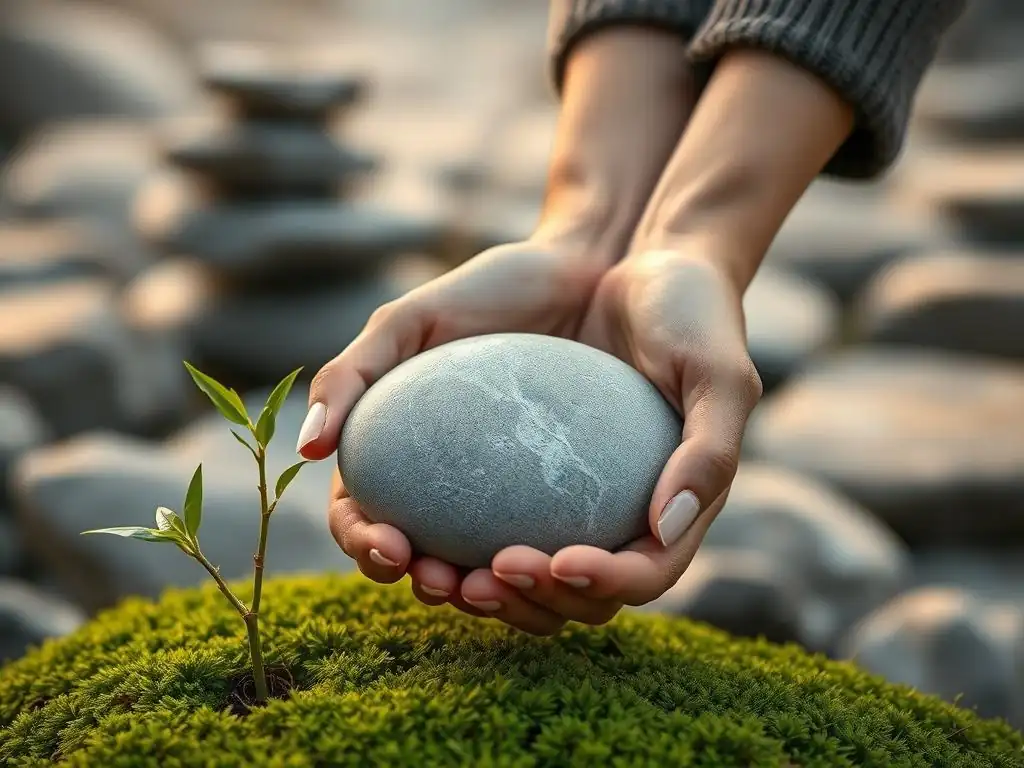
Consistency is key to reaping the full benefits of daily reflection for building resilience and reducing anxiety stress. A sporadic practice might offer fleeting moments of insight, but a consistent routine allows for deeper patterns to emerge, skills to be honed, and lasting change to take root. Establishing a regular habit requires intention and a little planning.
Think of it like any other positive habit, such as exercise or healthy eating; the benefits accumulate over time with regular practice. Even dedicating just 5-10 minutes daily can make a significant difference. The goal is to make reflection a natural and integrated part of your day, not just another task on your to-do list.
Identifying a Suitable Time and Environment for Reflection
Finding the right time and place for your daily reflection can significantly impact your ability to maintain consistency. Choose a time when you are least likely to be interrupted and when you feel most able to focus inwardly. This might be first thing in the morning, during a quiet lunch break, or in the evening before bed.
The environment matters too. Find a quiet, comfortable space where you feel relaxed and safe to be with your thoughts. This could be a corner of your home, a park bench, or even a quiet spot in your office. Creating a dedicated space and time helps signal to your brain that it's time to transition into a reflective state, making the practice easier to initiate and sustain, which in turn supports using daily reflection to reduce anxiety stress by providing a consistent calming ritual.
Setting Achievable Goals and Maintaining Realistic Expectations
When starting a daily reflection practice, it's helpful to set achievable goals and maintain realistic expectations. Don't aim for an hour of deep contemplation from day one. Start small, perhaps with just 5 minutes, and gradually increase the duration as you feel comfortable. The goal is progress, not perfection.
Understand that some days your reflection might feel insightful and profound, while on others, your mind might feel scattered. This is normal. The aim is simply to show up consistently. Don't get discouraged by "bad" reflection days; simply acknowledge them and recommit to the practice tomorrow. Maintaining realistic expectations helps prevent frustration and makes it easier to stick with daily reflection to reduce anxiety stress over the long term.
Utilizing a Journal to Document Reflections and Track Progress
Using a journal is an excellent way to enhance your daily reflection practice. Writing down your thoughts, feelings, and insights provides a tangible record of your journey. It allows you to externalize your inner world, which can provide clarity and reduce the feeling of being overwhelmed by internal chatter.
A journal also serves as a valuable tool for tracking your progress over time. By periodically reviewing past entries, you can identify patterns in your thinking or behavior, recognize how you've handled recurring challenges, and see how much you've grown. This visual evidence of progress can be incredibly motivating and reinforces the value of your daily reflection practice for reducing anxiety and stress.
Selecting a Journal that Aligns with Your Preferences
Choosing a journal that you enjoy using can make the practice more appealing. This could be a simple notebook, a dedicated reflection journal with prompts, or even a digital app. Consider what feels most comfortable and accessible for you. Some people prefer the tactile experience of writing by hand, while others find typing more convenient.
The format of the journal pages might also matter. Some prefer blank pages for freeform writing, while others like lined pages, bullet journals, or journals with pre-printed prompts. Find what suits your style and makes the act of journaling feel less like a chore and more like a personal ritual. A journal that you look forward to opening makes consistent daily reflection easier, thereby supporting your efforts to reduce anxiety stress through this practice.
Strategies for Effective and Meaningful Journaling
To make your reflection journaling effective and meaningful, try to write honestly and without self-censorship. Don't worry about grammar or punctuation; focus on getting your thoughts and feelings down on paper. Think of the journal as a safe, private space for exploration.
Consider incorporating different elements into your entries, such as listing emotions felt, noting key events, exploring insights gained from prompts, or writing about moments of gratitude. Experiment with different approaches – free writing, bullet points, mind mapping – to see what helps you process your experiences most effectively. Making your journaling practice engaging ensures you stick with daily reflection, which is crucial for its ability to reduce anxiety and stress over time.
Addressing Obstacles in Your Daily Reflection Journey
Like any new habit, establishing and maintaining a daily reflection routine can come with challenges. You might face internal resistance, external distractions, or days when it feels difficult to engage. Recognizing common obstacles and developing strategies to navigate them is part of the process of building a sustainable practice.
It's important to approach these obstacles with self-compassion rather than frustration. View setbacks as part of the learning journey, not as failures. By understanding common pitfalls and preparing for them, you increase your likelihood of sticking with daily reflection and continuing to experience its benefits for reducing anxiety and stress.
One common obstacle in reflection is encountering negative thoughts or difficult emotions. As you look inward, you might become aware of feelings like sadness, anger, or fear, or critical self-talk. It can be tempting to avoid reflection on these days, but these are often the times when it's most needed.
Approach difficult emotions with curiosity and acceptance, rather than judgment or resistance. Acknowledge the feeling ("I notice I'm feeling frustrated") without getting lost in it. Use mindfulness techniques like deep breathing or a body scan to ground yourself. Remember that reflection is about processing, not dwelling. Simply observing these thoughts and feelings in a safe space through daily reflection is a powerful step towards reducing their power to cause anxiety and stress.
Maintaining Consistency and Overcoming Resistance
Maintaining consistency is perhaps the biggest challenge for many. Life gets busy, motivation wanes, or you might simply forget. Overcoming resistance often involves lowering the barrier to entry and being flexible. If you planned for 15 minutes but only have 5, do 5. If you missed a day, don't beat yourself up; just start again tomorrow.
Tie your reflection practice to an existing habit, like brushing your teeth or having your morning coffee, to make it easier to remember. Use reminders if necessary. Understand that resistance is normal when forming new habits, especially one that involves looking inward. Be patient and persistent. Committing to daily reflection, even imperfectly, is crucial for its long-term effectiveness in reducing anxiety and stress.
Seeking Guidance When Needed [e.g., from a coach or mentor]
Sometimes, navigating complex emotions or persistent negative patterns during reflection can feel overwhelming. If you find yourself consistently struggling with difficult insights, feeling stuck, or experiencing significant emotional distress during or after reflection, seeking guidance can be incredibly beneficial.
A therapist, coach, or mentor can provide support, offer new perspectives, and teach you additional strategies for processing challenging experiences. They can help you interpret your reflections and guide you through difficult emotional terrain. Think of it as getting expert support to maximize the benefits of your practice and ensure daily reflection effectively helps reduce anxiety stress without becoming a source of distress itself.
Conclusion: Embracing Daily Reflection for a More Resilient and Fulfilling Life
Daily reflection is far more than a simple habit; it is a powerful practice for cultivating emotional resilience and fostering personal growth. By consciously dedicating time each day to examine your experiences, thoughts, and feelings, you gain invaluable insights into yourself and the world around you. This consistent introspection builds self-awareness, enhances emotional regulation, and strengthens your ability to navigate life's inevitable challenges with greater ease and confidence. The cumulative effect of this practice is a profound reduction in the grip of anxiety and stress, paving the way for a calmer, more centered existence.
Embracing daily reflection means committing to a journey of continuous self-discovery and development. It’s about creating a sacred space in your day to connect with your inner wisdom, acknowledge your progress, and learn from your experiences. As you integrate this practice into your life, you will find yourself becoming more adaptable, more grateful, and more aligned with your core values. Daily reflection becomes not just a tool for managing difficult emotions, but a core component of a proactive approach to well-being, leading to a more resilient, fulfilling, and peaceful life.
The Enduring Benefits of Consistent Reflection on Emotional Resilience
Consistent daily reflection provides a steady foundation for building and maintaining emotional resilience over the long term. Each day's reflection adds another layer of understanding and strength, much like building a muscle through regular exercise. This ongoing practice helps you develop a robust internal framework for processing adversity, preventing minor stressors from escalating into major crises and enabling faster recovery from setbacks.
Over time, you become better at identifying your emotional triggers, understanding the roots of your reactions, and choosing more constructive responses. You also build a stronger sense of self-efficacy and self-compassion, knowing that you have the capacity to learn and grow from every experience. This cultivated resilience, nurtured through consistent daily reflection, is a key factor in significantly reducing anxiety and stress and enhancing overall mental fortitude.
Integrating Daily Reflection as a Core Component of Your Self-Development Practice
To truly harness its power, integrate daily reflection not as an optional add-on, but as a core, non-negotiable part of your self-development practice. View it with the same importance as physical health or professional growth. Make it a priority, schedule it in, and protect that time for yourself.
When reflection is a fundamental element of your routine, its benefits permeate all areas of your life – improving relationships, enhancing decision-making, fostering creativity, and increasing overall life satisfaction. It becomes the compass that guides your journey, ensuring that you are not just moving through life, but consciously growing and evolving. Making daily reflection a cornerstone of your self-development is a commitment to your well-being and a powerful strategy to continuously reduce anxiety stress and cultivate a more resilient and fulfilling future.
Frequently Asked Questions
How does daily reflection actually help reduce anxiety and stress?
Daily reflection helps by allowing you to process your thoughts and emotions, leading to increased self-awareness. This awareness can reduce the intensity of negative feelings and provide perspective. It also promotes mindfulness and present moment focus.
What are some simple daily reflection exercises I can start with today?
You can start with journaling about your day, focusing on what went well and what you learned. Another method is to identify three things you're grateful for. Finally, try a brief guided meditation focused on your breathing.
How long should a daily reflection session be to be effective in reducing anxiety and stress?
Even 5-10 minutes of focused reflection can significantly reduce anxiety and stress. The key is consistency, not duration. Aim for a regular, short session rather than sporadic, long ones.
What if I find daily reflection increases my anxiety instead of reducing it?
This can happen if you're focusing too much on negative thoughts. Try to reframe your reflections to focus on solutions, gratitude, and learning. If the issue persists, consider seeking guidance from a mental health professional.
Can daily reflection replace other mental health treatments, like therapy or medication?
No, daily reflection is a valuable tool for managing stress and promoting well-being, but it's not a replacement for professional treatment. If you're struggling with a mental health condition, it's important to seek appropriate medical or therapeutic help.
Final Reflection: Cultivating Inner Peace Through Daily Reflection
The simple act of daily reflection is not merely a trend; it's a powerful antidote to the anxieties and stresses of modern life. In a world saturated with constant stimulation and relentless demands, carving out even five minutes for quiet introspection offers a profound and necessary counterbalance. The practices explored in this article – from mindful journaling to gratitude exercises – provide tangible tools to navigate the complexities of daily life with greater ease and resilience.
The impact of consistent self-reflection on our mental well-being is undeniable. It allows us to process emotions, identify patterns, and cultivate a deeper understanding of ourselves. This journey of self-discovery is not always easy; it requires honesty, vulnerability, and a willingness to confront uncomfortable truths. Yet, the rewards are immeasurable. As the poet Mary Oliver so eloquently stated: What is it you plan to do with your one wild and precious life?
Daily reflection helps us answer this question, guiding us towards a life lived with intention and purpose, reducing the anxieties that often stem from a lack of clarity and direction.
Now, consider how you can integrate these practices into your own life. Start small; even a few minutes of quiet contemplation each day can make a significant difference. Choose a method that resonates with you, whether it's journaling, meditation, or simply taking a moment to appreciate the beauty around you. Embrace the power of self-reflection, and watch as it transforms your relationship with stress and anxiety, leading you towards a calmer, more fulfilling life.
Unlock Your Inner Calm: Start Reflecting Today!
Thanks for taking the time to explore the power of daily reflection with Mind Care Guide. We hope you've gained valuable insights into creating a calmer, more mindful life. Now it's time to put your newfound knowledge into action!
- Begin your personal reflection journey: Set aside just 5 minutes each day to jot down your thoughts and feelings. Even a simple gratitude list can make a difference. This is your primary step towards a more peaceful you.
- Share your reflections: Connect with our community on social media and share your experiences. Let's inspire each other on this path to inner peace!
- Explore additional resources: Dive deeper into mindful practices by visiting our website's resource section for guided meditations and journaling prompts.
What small step will you take today to cultivate a more mindful and peaceful existence?