
Online Counseling for Depression: How to Estimate Your OutofPocket Cost

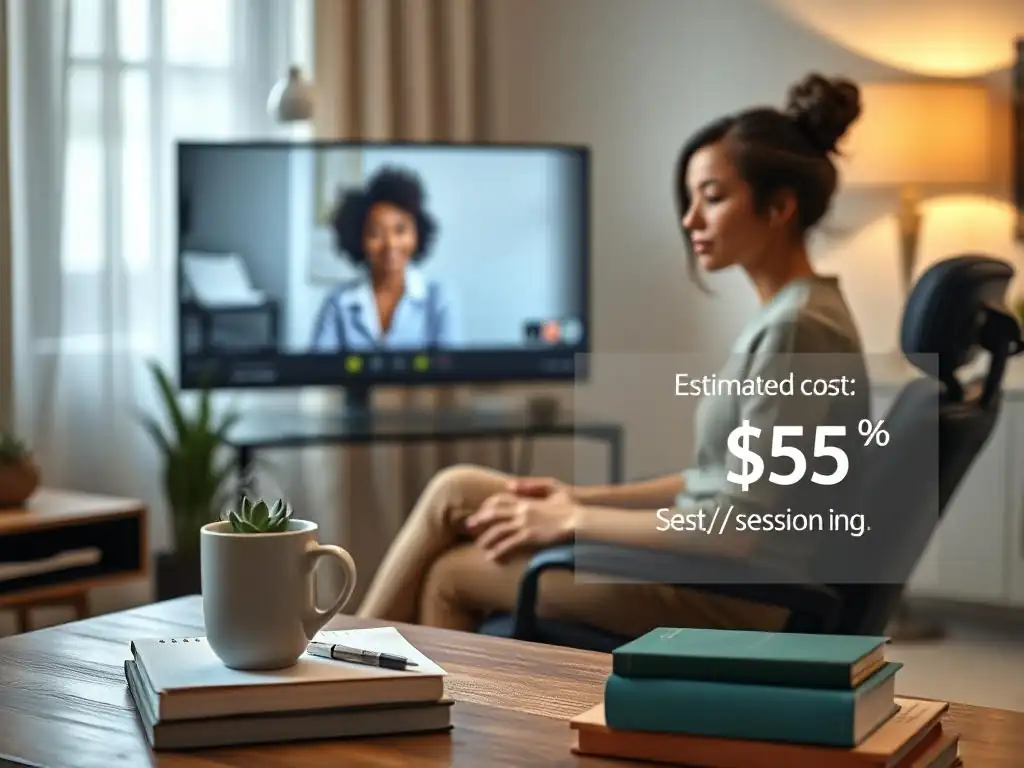
Welcome to Mind Care Guide, a space dedicated to nurturing your mental well-being. Feeling overwhelmed by the prospect of seeking help for depression? You're not alone. Many wonder about the actual cost of support. Let's explore the world of online therapy and demystify the question: What is the affordable online depression counseling cost and how can you estimate your out-of-pocket expenses? Your journey to accessible and affordable care starts here.
Online Counseling for Depression: How to Estimate Your Out-of-Pocket Cost
- Understanding the Cost Landscape of Online Depression Counseling
- Factors Influencing Your Out-of-Pocket Cost for Online Depression Therapy
- Estimating Your Actual Out-of-Pocket Cost: A Step-by-Step Guide
- Comparing Popular Online Counseling Platforms for Depression Based on Cost
- Maximizing Affordability: Tips for Reducing Your Online Counseling Costs
- Making an Informed Decision: Choosing the Right Affordable Online Depression Counseling Option for You
-
Frequently Asked Questions
- What factors influence the affordable online depression counseling cost?
- How can I find affordable online depression counseling options?
- Is online depression counseling as effective as in-person therapy?
- Will my insurance cover online depression counseling and how do I find out?
- Are there free or low-cost resources available for depression support besides online counseling?
- Final Reflection: Navigating the Path to Affordable Mental Healthcare
- Unlock Your Path to Affordable Mental Healthcare
Understanding the Cost Landscape of Online Depression Counseling
Why Consider Online Counseling for Depression? Benefits and Cost-Effectiveness
Online counseling, also known as teletherapy or virtual therapy, offers a flexible and often more accessible way to receive support for depression. For many individuals, the convenience of attending sessions from home eliminates barriers like travel time, childcare costs, and the need to take significant time off work. This ease of access can be particularly beneficial for those struggling with the low energy and motivation often associated with depression, making it easier to commit to regular therapy sessions. The potential for reaching licensed therapists regardless of geographic location also expands options, especially for those in rural or underserved areas.
Beyond convenience, online counseling for depression can be a cost-effective alternative to traditional in-office therapy. While session fees can vary, online platforms often have lower overheads, which can sometimes translate to more competitive pricing. Additionally, the reduction in associated costs like transportation, parking fees, and potential lost wages from travel can significantly lower the overall financial burden of seeking therapy. Exploring affordable online depression counseling cost options allows individuals to prioritize their mental well-being without facing prohibitive financial obstacles.
Defining "Affordable": What's Your Budget for Online Therapy?
Defining what constitutes "affordable" is a deeply personal process that depends entirely on your individual financial situation, income, expenses, and savings. What is manageable for one person might be a significant strain for another. Before exploring online therapy options, it's crucial to honestly assess your monthly budget and determine how much you can realistically allocate towards mental health support without jeopardizing other essential financial obligations. This might involve reviewing bank statements, tracking spending for a month, and identifying areas where you can potentially adjust expenses to free up funds.
Once you have a clear picture of your financial capacity, you can set a realistic budget range for affordable online depression counseling cost. This range will serve as a guide when researching different platforms and therapy options. Remember that the "sticker price" of a platform or therapist's session fee isn't always the final out-of-pocket cost, especially if you plan to use insurance or financial aid. Understanding your budget upfront allows you to filter options and focus on those that align with your financial capabilities, making the search for support less overwhelming.
Factors Influencing Your Out-of-Pocket Cost for Online Depression Therapy
Insurance Coverage for Online Mental Health Services
Understanding Your Insurance Plan's Mental Health Benefits
Your health insurance plan is one of the most significant factors determining your out-of-pocket cost for online depression counseling. Most modern health insurance plans in the United States are required to cover mental health services, including therapy, thanks to parity laws. However, the extent of coverage, including deductibles, copays, and coinsurance, can vary dramatically between plans and providers.
It's essential to understand the specifics of your plan's behavioral health or mental health benefits. This includes knowing if there is a separate deductible for mental health services, what your copay or coinsurance percentage is for therapy visits, and if there are limits on the number of sessions covered per year.
Many insurance companies have expanded coverage for telehealth services, including online therapy, in recent years, but it's not universally applied or always equivalent to in-person coverage. Some plans might have different copays for telehealth versus in-person visits, or they might only cover telehealth services provided by specific in-network providers. Thoroughly reviewing your Summary of Benefits and Coverage (SBC) document and contacting your insurance provider directly are crucial steps to avoid unexpected costs and understand how your benefits apply to affordable online depression counseling cost options.
Navigating In-Network vs. Out-of-Network Coverage for Online Therapists
Whether an online therapist or platform is "in-network" with your insurance plan significantly impacts your out-of-pocket cost. In-network providers have contracted rates with your insurance company, meaning you typically only pay a copay or coinsurance after meeting your deductible. For example, if your plan has a $30 copay for in-network mental health visits and you've met your deductible, a $150 therapy session would only cost you $30. This makes in-network options generally more affordable.
Out-of-network providers do not have a contract with your insurance. If you see an out-of-network therapist, you will likely have to pay the full session fee upfront and then submit a claim to your insurance company for potential reimbursement.
Reimbursement rates for out-of-network care are usually lower than for in-network care, and they often apply only after you've met a separate, often higher, out-of-network deductible. While some online platforms work directly with insurance, others operate on an out-of-network basis or require you to handle billing yourself, which can increase the administrative burden and the upfront cost, making it less aligned with finding truly affordable online depression counseling cost solutions unless your out-of-network benefits are robust.
Questions to Ask Your Insurance Provider About Online Counseling for Depression
To accurately estimate your costs, direct communication with your insurance provider is key. Be prepared with specific questions to ensure you get clear information regarding coverage for online mental health services.
- Does my plan cover telemental health or online therapy services?
- Is coverage for online therapy the same as for in-person therapy? If not, what are the differences in copays, coinsurance, or deductibles?
- Do I need a referral from my primary care physician to access mental health services online?
- Is there a separate deductible for mental health services, or does it fall under my general medical deductible? How much is it, and have I met it?
- What is my copay or coinsurance percentage for in-network online therapy sessions?
- What is my out-of-network deductible and coinsurance percentage for online therapy? How do I submit claims for out-of-network services?
- Are there specific online therapy platforms or providers that are in-network with my plan? Can you provide a list?
- Are there limitations on the number of online therapy sessions covered per year?
Asking these questions and carefully documenting the answers will provide a solid foundation for understanding how your insurance impacts the affordable online depression counseling cost you will personally incur.
Platform Pricing Models: Subscription vs. Per-Session
Exploring Subscription-Based Online Counseling Platforms
Many popular online counseling platforms operate on a subscription model. This typically involves paying a recurring fee (weekly or monthly) that grants you access to a certain level of service. Subscription tiers often vary based on the frequency of live sessions (e.g., one session per week, unlimited messaging, etc.).
For instance, a platform might offer a basic tier around $200-$300 per month for unlimited messaging and one live session per week, while a premium tier might cost $300-$450 per month for more frequent live sessions or access to specialized therapists. The subscription fee often covers the cost of therapy sessions, platform access, and messaging capabilities.
The benefit of a subscription model is predictable billing; you know exactly how much you will pay each period, regardless of minor variations in usage (within the tier's limits). This can make budgeting easier when seeking affordable online depression counseling cost options. However, if you don't utilize all the services included in your subscription (e.g., you skip a weekly session), you still pay the full subscription price. It's crucial to evaluate if the subscription level aligns with your expected usage and therapeutic needs for managing depression.
Understanding Per-Session Fees on Platforms
Another common pricing model, particularly for platforms that connect you directly with individual therapists, is the per-session fee. In this model, you pay for each therapy session you attend. The cost per session can vary significantly based on the therapist's credentials, experience, location (though less of a factor online), and specialization. Prices might range from $50 per session for a master's level therapist to $250 or more for a doctoral-level psychologist or psychiatrist.
The advantage of the per-session model is flexibility; you only pay for the therapy you receive. This can be beneficial if you anticipate needing less frequent sessions or prefer to pay as you go. However, the total monthly cost can fluctuate depending on how many sessions you schedule.
When evaluating affordable online depression counseling cost using a per-session model, you need to multiply the per-session fee by the number of sessions you anticipate having per month (e.g., $100/session * 4 sessions/month = $400/month). This model is often used by platforms that facilitate direct booking with therapists who manage their own rates and billing, sometimes making it easier to use out-of-network benefits.
Therapist Credentials and Experience: Impact on Cost
Licensed Clinical Social Workers (LCSWs) vs. Licensed Professional Counselors (LPCs) vs. Psychiatrists: What's the Difference in Cost?
The type of mental health professional you see online can significantly affect the session cost. Generally, professionals with more advanced degrees and specialized training command higher fees. Licensed Clinical Social Workers (LCSWs) and Licensed Professional Counselors (LPCs) typically hold Master's degrees and provide therapy. Their session rates often fall into a similar range, potentially from $80 to $150 per session, depending on experience and location. They are qualified to diagnose and treat mental health conditions like depression through various therapeutic modalities.
Psychiatrists, on the other hand, are medical doctors (MDs or DOs) who specialize in mental health. They can provide therapy but are primarily focused on diagnosing mental health conditions and prescribing and managing medication. Because of their extensive medical training, their fees are generally higher, often ranging from $200 to $500 or more for an initial consultation and $100 to $300 for follow-up medication management appointments. While a psychiatrist might be necessary if medication is part of your depression treatment plan, seeing an LCSW or LPC for therapy alone is typically a more affordable online depression counseling cost option.
The Role of Therapist Experience and Specialization in Pricing
Within each credential type, a therapist's experience level and specialization can also influence their fees. Therapists who are newly licensed may charge lower rates than those who have been practicing for many years and have developed a strong reputation or specific expertise. Furthermore, therapists who specialize in treating particular conditions, such as perinatal depression, trauma-informed therapy, or specific modalities like Cognitive Behavioral Therapy (CBT) or Dialectical Behavior Therapy (DBT), especially if they have advanced certifications in these areas, might charge more for their specialized knowledge and skills.
For example, a general LPC with 5 years of experience might charge $100 per session, while an LPC with 15 years of experience specializing in complex trauma and certified in EMDR might charge $140 per session. While finding a therapist with expertise in treating depression is important, be aware that highly specialized or experienced therapists may have higher rates. Balancing your therapeutic needs with the therapist's fees is part of estimating the overall affordable online depression counseling cost.
Geographic Location: Does It Matter for Online Counseling Costs?
While online counseling removes the need for you and your therapist to be in the same physical location, the therapist's location can still sometimes influence the cost. Therapists typically need to be licensed in the state where the client is located.
The cost of living and average therapy rates vary significantly from state to state. A therapist licensed in a state with a high cost of living (like California or New York) might have higher standard rates than a therapist licensed in a state with a lower cost of living (like Kansas or Alabama), even if both are providing therapy online.
Some online platforms may average therapist costs across locations, leading to a more consistent price structure. However, platforms that allow you to choose a therapist directly based on their profile might reflect pricing differences based on the therapist's licensed state. When researching affordable online depression counseling cost options, be mindful that while you have access to therapists licensed in your state, their individual rates might still be influenced by their physical location and the prevailing rates in that area.
Estimating Your Actual Out-of-Pocket Cost: A Step-by-Step Guide

Step 1: Determine Your Insurance Coverage (If Applicable)
Using Your Insurance Portal or Calling Your Provider
The first crucial step in estimating your out-of-pocket cost is understanding your insurance benefits for online mental health services. Log in to your insurance provider's online portal, which often contains detailed information about your plan's coverage, including deductibles, copays, and coinsurance for behavioral health. Look for sections related to mental health, behavioral health, or telehealth. You may find documents like your Summary of Benefits and Coverage (SBC).
If the online portal is unclear or you have specific questions about online therapy coverage, call the member services number on the back of your insurance card. Be prepared to provide your policy number. Ask the specific questions outlined earlier about online therapy coverage, in-network vs. out-of-network benefits, deductibles, copays, and coinsurance. Clarify if there are any specific requirements, like pre-authorization, for online mental health services.
Documenting Your Coverage Details for Future Reference
As you gather information from your insurance portal or phone call, it is vital to document everything. Create a simple record of the key details:
- Name of insurance plan and policy number.
- Effective date of coverage.
- Mental health deductible amount and how much you've met so far this year.
- In-network copay or coinsurance percentage for therapy sessions.
- Out-of-network deductible amount and how much you've met.
- Out-of-network coinsurance percentage for therapy sessions.
- Any limitations on the number of sessions per year.
- Confirmation that online therapy is covered and under what terms.
- The date and time you spoke to your insurance provider and the representative's name or ID number.
Keeping this information organized will be invaluable as you research online therapy platforms and compare costs, helping you accurately calculate your potential out-of-pocket expense for affordable online depression counseling cost options.
Step 2: Research Online Counseling Platforms and Their Pricing
Comparing Subscription Tiers and Session Fees Across Platforms
With your insurance information in hand (or if you're paying out-of-pocket), begin researching different online counseling platforms. Visit their websites and navigate to their pricing or cost sections. Note whether they use a subscription model or per-session fees. For subscription platforms, compare the different tiers offered, what is included in each (e.g., number of live sessions per month, messaging frequency), and the corresponding weekly or monthly cost.
For platforms with per-session fees, look for typical price ranges for therapists with different credentials (e.g., LCSW, LPC, Psychologist). Some platforms display therapist profiles with their individual rates. Create a comparison chart or list noting the pricing structure and costs for several platforms that seem like potential fits for your needs and budget for affordable online depression counseling cost.
Checking for Introductory Offers, Discounts, and Financial Aid Programs
Many online therapy platforms offer incentives for new users or provide options to help reduce costs. Look for introductory offers, such as discounted first month subscriptions or free initial consultations. Some platforms may offer discounts for committing to longer subscription periods (e.g., paying quarterly instead of monthly).
Furthermore, inquire about financial aid programs or sliding scale options. Some platforms have funds available to help individuals facing financial hardship, which can significantly lower the cost of therapy. While not all platforms offer this, it's worth exploring, especially if you are seeking truly affordable online depression counseling cost solutions and are uninsured or have limited coverage. Check platform FAQs or contact their support to ask about financial assistance options.
Step 3: Factor in Potential Co-pays, Deductibles, and Coinsurance
Understanding How These Costs Apply to Online Therapy
If you are using insurance, your estimated out-of-pocket cost will depend on how your plan's copay, deductible, and coinsurance apply to online therapy on your chosen platform. A deductible is the amount you must pay out-of-pocket before your insurance begins to cover costs. If you haven't met your mental health deductible for the year, you will likely pay the full negotiated rate for sessions until that deductible is met.
Once your deductible is met, you will typically pay either a copay (a fixed amount per session, e.g., $20-$50) or coinsurance (a percentage of the session cost, e.g., 10%-30%), with your insurance covering the rest. If the platform is out-of-network, you might need to meet a separate, higher out-of-network deductible before any reimbursement applies, and your coinsurance percentage for out-of-network care may also be higher.
Calculating Your Estimated Cost Per Session or Month
Based on your insurance details and the platform's pricing, calculate your estimated cost.
- If using in-network insurance:
- If deductible not met: Estimated cost = Full session rate (or platform's negotiated rate) until deductible is met.
- If deductible met: Estimated cost = Your copay amount (for copay plans) OR Estimated cost = Session rate * Your coinsurance percentage (for coinsurance plans).
- If using out-of-network insurance:
- If out-of-network deductible not met: Estimated cost = Full session rate charged by the therapist/platform until deductible is met.
- If out-of-network deductible met: Estimated cost = Full session rate * Your out-of-network coinsurance percentage (you pay this portion, and insurance may reimburse the rest of the allowed amount). Remember you might pay upfront and wait for reimbursement.
- If paying out-of-pocket (no insurance):
- Subscription model: Estimated cost = Monthly or weekly subscription fee.
- Per-session model: Estimated cost = Per-session rate * Number of sessions per month.
For example, if a platform costs $120 per session and your in-network copay is $30, your cost is $30 per session (after deductible). If your in-network coinsurance is 20% and the session is $120, your cost is $24 per session ($120 * 0.20). If you pay out-of-pocket on a subscription platform costing $320/month, your monthly cost is $320. Performing these simple calculations helps clarify the actual affordable online depression counseling cost for you.
Step 4: Consider Additional Costs (If Any)
Medication Management Fees (if applicable through the platform)
Some online mental health platforms offer medication management services provided by psychiatrists or psychiatric nurse practitioners, in addition to therapy. If your depression treatment plan includes medication, and you plan to receive this service through the platform, be aware that there will be separate fees for these appointments. Medication management appointments are typically shorter than therapy sessions and may have different pricing structures.
Initial psychiatric evaluations can be more expensive, potentially ranging from $200 to $500. Follow-up medication management appointments might cost between $100 and $300 per session. These costs are usually in addition to any therapy subscription or per-session fees. If using insurance, verify specifically how your plan covers online psychiatric visits and medication management, as coverage details might differ from therapy coverage, impacting your total affordable online depression counseling cost.
Cost of Additional Features (e.g., workshops, support groups)
Some online platforms offer supplementary resources beyond individual therapy sessions, such as group therapy, interactive workshops, educational content, or peer support communities. While some of these features might be included in a subscription tier, others may require an additional fee. For instance, access to specialized workshops or premium support groups might cost extra per session or as a separate monthly add-on.
Evaluate whether these additional features are necessary or beneficial for your depression treatment and factor their cost into your overall budget if you plan to use them. While they can enhance your mental wellness journey, they also contribute to the total expense. Focusing on core therapy services first can help keep the initial affordable online depression counseling cost manageable while you assess your needs.
Comparing Popular Online Counseling Platforms for Depression Based on Cost
Note: The pricing and features described below are illustrative examples based on common online therapy models and approximate costs. Actual costs vary based on the platform, therapist, location, insurance coverage, and specific plan details. Always check the platform's current pricing and verify your insurance benefits.
Platform 1: Pricing, Features, and Insurance Acceptance
Subscription Plans and What They Include
Platform 1 often utilizes a subscription model with tiers designed to offer varying levels of support for conditions like depression. An illustrative example might include a basic tier around $260-$300 per month offering unlimited text messaging with a therapist and one live session (30-45 minutes) per week. A higher tier, perhaps $350-$450 per month, might include more frequent live sessions or longer durations. These subscriptions typically cover communication with your assigned therapist throughout the billing period.
The structure provides a predictable monthly cost, which can be helpful for budgeting when seeking affordable online depression counseling cost options. However, the value depends on how actively you engage with the messaging feature and attend live sessions. If you are inconsistent with sessions, the per-session cost effectively increases.
Therapist Matching Process and Specialization Options
Platform 1 often matches users with a therapist based on their initial questionnaire responses regarding their needs, preferences, and reasons for seeking therapy, such as depression. Users may have the option to request a different therapist if the initial match isn't the right fit. While the platform has a large network of licensed therapists (LCSWs, LPCs, LMFTs, Psychologists), specific specialization in treating complex or severe depression might vary among therapists within the network.
The matching process aims to quickly connect individuals with a provider, streamlining access to care. However, the degree of control over selecting a therapist with very specific experience in niche areas of depression treatment might be limited compared to platforms where you browse and choose individual providers.
Estimating Your Cost with Insurance or Without
Estimating your cost on Platform 1 depends heavily on your insurance. Some subscription platforms work with insurance, but often on an out-of-network basis, providing superbills for reimbursement. If paying out-of-pocket, your cost is simply the monthly subscription fee, for example, $320 per month for the standard tier. If using out-of-network insurance, you would pay the $320 upfront and then submit a superbill. If your plan reimburses 60% of out-of-network therapy after a $1000 deductible (which you've met), you might get back approximately $192 ($320 * 0.60), making your effective cost for that month around $128.
If Platform 1 is in-network with your plan, your cost would likely be your standard therapy copay (e.g., $30) per live session, plus potentially a lower monthly fee for messaging access, or the copay covers everything within the subscription. It is critical to confirm directly with Platform 1 and your insurer how in-network benefits apply to their subscription model to accurately gauge the affordable online depression counseling cost.
Platform 2: Pricing, Features, and Financial Aid
Matching Process and Therapist Availability
Platform 2 also typically uses a matching system to connect users with licensed therapists experienced in areas like depression. The platform aims to match users quickly, often within 24-48 hours. Availability of therapists can depend on your state and the current demand, but platforms usually have a large pool of providers across various states.
The ease of matching is a key feature, removing the burden of searching for and vetting individual therapists. However, like other matching platforms, finding a therapist with a very specific therapeutic approach or a niche specialization within depression treatment might require communicating your needs clearly during the matching process or requesting a switch if the initial match isn't suitable.
Understanding Financial Aid Programs and How to Apply
A notable aspect of Platform 2 is its potential emphasis on making care accessible through financial aid. While not guaranteed for everyone, they may offer financial assistance based on income and circumstances. This could involve a reduced weekly or monthly fee. For example, based on income verification, a standard $80/week subscription might be reduced to $50/week.
Applying for financial aid usually involves filling out a form, providing income details (like pay stubs or tax returns), and explaining your situation. This process can take a few days, and the amount of aid awarded varies. Exploring these programs is essential for anyone seeking truly affordable online depression counseling cost options, as it can significantly lower the financial barrier to consistent therapy.
Estimating Your Cost Based on Your Needs
Platform 2 often uses a weekly billing cycle, which can be more flexible for some budgets than a large monthly fee. Illustrative costs might range from $60-$90 per week, billed every four weeks. If you receive financial aid, this could be reduced. For instance, a standard cost of $80/week ($320/month) might be reduced to $55/week ($220/month) with aid.
This platform may also work with insurance, sometimes including direct billing for in-network plans or providing superbills for out-of-network reimbursement. If using in-network insurance with a $25 copay, your weekly cost might be $25 (if your plan covers the weekly structure this way), totaling $100 per month. Without insurance or aid, your cost would be the standard weekly rate multiplied by four for a monthly estimate. Factoring in potential financial aid is critical when evaluating the affordable online depression counseling cost on this platform.
Platform 3: Pricing, Features, and Therapist Selection
Per-Session Pricing Model and Therapist Credentials
Platform 3 often operates on a per-session pricing model, giving users more control over how much they spend based on their usage. The cost varies widely depending on the individual therapist's credentials, experience, and location. For example, sessions might range from $75 for a master's-level intern or provisionally licensed therapist to $150-$200 for a fully licensed LCSW or LPC, and potentially $250+ for a psychologist. Initial consultations or first sessions might sometimes be offered at a reduced rate.
This model means you only pay for the therapy you receive, which can be cost-effective if you need less frequent sessions or want to try out a therapist before committing. However, the monthly cost can fluctuate if your session frequency changes.
How You Connect With a Therapist
Platform 3 typically allows users to browse therapist profiles and select a therapist themselves based on criteria like specialization (e.g., depression, anxiety), therapeutic approach, availability, location (for licensure purposes), and fee. Therapist profiles often include information about their background, experience, and session rates.
This self-selection model provides greater autonomy in choosing a therapist who feels like the best fit for your specific needs related to depression. You can review multiple profiles and potentially watch introductory videos before deciding. This contrasts with platforms that use an automated matching system.
Estimating Your Cost for Depression Counseling
Estimating your cost on Platform 3 is straightforward if paying out-of-pocket: it's the therapist's per-session rate multiplied by the number of sessions you plan to have per month. For example, if your chosen therapist charges $120 per session and you plan on weekly sessions, your estimated monthly cost is $120 * 4 = $480.
Platform 3 is often more amenable to using insurance, particularly if the therapist is in-network with your plan. If in-network, your cost per session would be your standard therapy copay (e.g., $35) after meeting your deductible. If out-of-network, you'd pay the full $120 upfront and seek reimbursement based on your plan's out-of-network benefits. The ability to use in-network benefits directly with individual therapists on this type of platform can make it a more affordable online depression counseling cost option for those with good insurance coverage.
Maximizing Affordability: Tips for Reducing Your Online Counseling Costs

Utilizing Employee Assistance Programs (EAPs)
Many employers offer Employee Assistance Programs (EAPs) as part of their benefits package. EAPs are designed to help employees deal with personal and work-related issues, including mental health challenges like depression. These programs typically provide a limited number of free counseling sessions (often 3 to 8 sessions) with licensed therapists. EAP services are confidential and can be accessed online or in person.
Checking if your employer offers an EAP and utilizing these free sessions can be an excellent way to access initial support for depression at no cost to you. Even if the limited sessions aren't enough for long-term therapy, they can provide immediate help, serve as a bridge to longer-term care, or help you determine if online therapy is a good fit before committing financially. This is a prime example of leveraging existing resources for affordable online depression counseling cost.
Seeking Out Free or Low-Cost Community Mental Health Resources
Beyond online platforms, numerous community-based organizations and non-profits offer free or low-cost mental health services, including support for depression. Community mental health centers, often funded by state or local governments, provide services on a sliding scale based on income, making therapy accessible to individuals with limited financial resources.
University psychology or counseling departments often run training clinics where graduate students provide therapy under the supervision of licensed professionals at reduced rates. Non-profit organizations focused on mental health might offer free support groups or brief counseling services. While these options might not always be online, exploring local resources can uncover very affordable online depression counseling cost alternatives or supplementary support systems. Websites like the Substance Abuse and Mental Health Services Administration (SAMHSA) often have directories of community resources.
Negotiating Fees with Therapists (Where Possible)
On platforms where you connect directly with individual therapists (often the per-session model), there might be an opportunity to inquire about a sliding scale fee based on your income. While not all therapists offer this, many private practitioners reserve a portion of their caseload for clients who need a reduced rate to make therapy more affordable.
When contacting a therapist, you can politely explain your financial situation and ask if they offer a sliding scale or reduced fee options. Be prepared to provide information about your income. This approach is less common on large subscription-based platforms with fixed pricing but can be a viable strategy when seeking affordable online depression counseling cost directly from independent online therapists.
Exploring Group Therapy Options for Lower Costs
Group therapy is another cost-effective way to receive mental health support, including for depression. In group therapy, one or two therapists lead a session with several participants who share similar experiences or challenges. The interaction and shared support among group members can be incredibly valuable.
Online platforms and independent therapists often offer group therapy sessions focused on specific topics like managing depression, building coping skills, or improving social connections. The cost per participant in a group session is significantly lower than for individual therapy, often ranging from $30 to $80 per session. Participating in an online depression support group can provide therapeutic benefits at a fraction of the cost of individual sessions, making it a more affordable online depression counseling cost option or a useful supplement to individual therapy.
Making an Informed Decision: Choosing the Right Affordable Online Depression Counseling Option for You
Considering Your Budget, Needs, and Preferences
Choosing the right online counseling option for depression requires balancing several factors: your financial budget, your specific therapeutic needs, and your personal preferences for how you want to receive support. Review the cost estimations you've made based on your insurance and the different platform pricing models. Determine which options are truly within your definition of affordable online depression counseling cost.
Consider the type of support you need. Are you looking primarily for talk therapy, or do you anticipate needing medication management as well? Do you prefer the flexibility of messaging support or the structure of scheduled live sessions? Do you want to choose your therapist or are you comfortable with a matching service? Reflecting on these needs and preferences will help narrow down the platforms and therapists that are the best fit for you, beyond just the cost.
Reading Reviews and Testimonials of Different Platforms
Once you have a shortlist of potentially affordable online depression counseling cost options, take time to read reviews and testimonials from other users. Look for feedback specifically related to the quality of therapy for depression, the responsiveness of therapists, the ease of using the platform, and any experiences with billing or insurance.
Websites like the Better Business Bureau, independent review sites, and forums can provide insights into other users' experiences. While individual experiences vary, patterns in reviews can highlight potential strengths or weaknesses of a platform. Pay attention to comments regarding the matching process, therapist turnover, or issues with billing transparency, as these can impact your overall experience and satisfaction.
Taking Advantage of Free Trials or Initial Consultations
Some online therapy platforms or individual therapists offer free trials, discounted first sessions, or initial consultations. Taking advantage of these opportunities is an excellent way to experience the platform or interact with a therapist before committing to a subscription or multiple paid sessions.
A free consultation can help you assess the therapist's approach, determine if you feel comfortable talking to them, and discuss your goals for depression treatment. A discounted first month on a subscription platform allows you to explore the features and see if the service model works for you. These low-risk entry points are valuable steps in making an informed decision and ensuring you find the most affordable online depression counseling cost solution that also meets your clinical needs.
Frequently Asked Questions
What factors influence the affordable online depression counseling cost?
The cost varies based on several factors, including the counselor's experience, the platform used, and whether your insurance covers online therapy. Some platforms offer sliding scale fees, making it more accessible.
How can I find affordable online depression counseling options?
Research platforms like BetterHelp, Talkspace, or Amwell which often provide tiered subscription models or discounted rates. Check if your insurance provider offers coverage for online mental health services.
Is online depression counseling as effective as in-person therapy?
Studies suggest that online counseling can be just as effective as in-person therapy for many individuals, especially when dealing with mild to moderate depression. Consistency and engagement are key for successful outcomes.
Will my insurance cover online depression counseling and how do I find out?
Contact your insurance company directly to inquire about coverage for teletherapy or online mental health services. Ask about specific providers or platforms that are in-network.
Are there free or low-cost resources available for depression support besides online counseling?
Yes, there are various free or low-cost options, such as support groups, crisis hotlines, and community mental health centers. Many organizations offer free educational materials and resources online.
The rising cost of mental healthcare is a significant barrier for many seeking help for depression, but accessible and affordable options are emerging. The increasing prevalence of online counseling offers a glimmer of hope, providing a pathway to vital support without the crippling financial burden often associated with traditional therapy. This accessibility is crucial, as timely intervention is key in managing depression effectively.
The impact of affordable online therapy extends far beyond individual well-being; it's reshaping the landscape of mental health support. It's dismantling the stigma surrounding seeking professional help, making it easier for individuals to prioritize their mental health without the added stress of exorbitant fees. This shift is profoundly important. The greatest barrier to mental health care is not the lack of resources, but rather the lack of access to those resources.
This quote underscores the critical role of affordability in ensuring equitable access to mental health services. My own research for this article highlighted the stark reality of cost disparities and the urgent need for transparent pricing models in online therapy.
Now, consider your own mental well-being. Are you struggling with the cost of mental healthcare? This article has hopefully equipped you with the knowledge to navigate the complexities of pricing and find an affordable option that suits your needs. Take the first step. Research available providers, explore your insurance coverage, and don't hesitate to reach out for the support you deserve. Your mental health is an investment worth making, and accessible resources are available to help you on your journey to wellness.
Unlock Your Path to Affordable Mental Healthcare
Thanks for taking the time to learn how to estimate your out-of-pocket costs for online counseling! We hope this guide equipped you with the knowledge to navigate the financial aspects of your mental health journey. Now, let's take the next step:
- Get personalized cost estimates: Use the resources mentioned in the article to contact several online therapy providers and request personalized quotes based on your insurance and needs. This is the most crucial step to finding affordable care.
- Share this vital information: Spread the word! Help others facing similar financial concerns by sharing this article with friends, family, or on social media. Many people struggle silently; your sharing could make a real difference.
- Explore additional resources: Dive deeper into the links provided for financial assistance programs and mental health support organizations. They could offer unexpected solutions to make therapy accessible.
Ready to prioritize your mental well-being without the financial burden? What's your biggest takeaway from this article, and what steps will you take to start finding affordable mental health support today?