
How to Meditate When Your Mind Won't Stop: Tips for Beginners

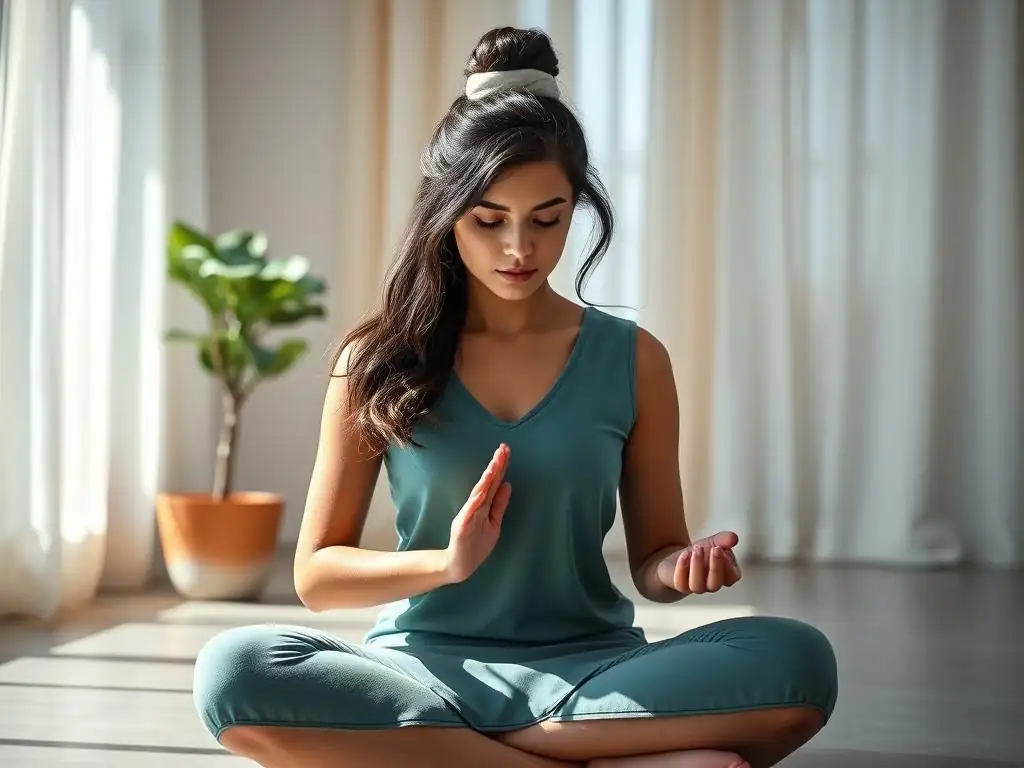
Welcome to Mind Care Guide, a space dedicated to nurturing your mental well-being.
Is your mind a relentless race track, thoughts spinning endlessly? You're not alone. In today's fast-paced world, finding inner peace can feel impossible. But what if we told you there's a way to quiet the noise? Dive into our article, " How to Meditate When Your Mind Won't Stop: Tips for Beginners," and discover practical techniques to harness the power of meditation for a racing mind. Ready to find your calm? Let's begin.
How to Meditate When Your Mind Won't Stop: Tips for Beginners
- Introduction: Finding Calm in the Chaos - Meditation for a Racing Mind
- Understanding the Challenge: Why is My Mind So Active During Meditation?
- Beginner's Guide: Simple Meditation Techniques for a Racing Mind
-
Practical Tips for Calming a Restless Mind During Meditation
- Create a Consistent Meditation Practice: Routine is Key
- Find a Quiet Space: Minimizing External Distractions
- Use Guided Meditations: Letting Someone Else Lead the Way
- Focus on Your Breath: A Simple and Powerful Anchor
- Acknowledge and Release Thoughts: The Art of Non-Judgment
- Practice Self-Compassion: Be Kind to Yourself During Meditation
- Experiment with Different Meditation Styles: Finding What Works Best for You
- Short Meditation Sessions: Start Small and Build Up
- Troubleshooting Common Meditation Challenges for Beginners
- The Benefits of Meditation for a Racing Mind: Beyond Relaxation
- Conclusion: Embrace the Journey - Meditation for a Calmer Mind
-
Frequently Asked Questions
- How can meditation help with a racing mind, especially for beginners?
- What are some beginner-friendly meditation techniques for calming a racing mind?
- How long should I meditate for if I have a racing mind and I'm just starting out?
- What should I do if my mind keeps wandering during meditation?
- Are there any specific resources or tools that can help me with meditation for a racing mind?
- Final Reflection: Finding Stillness Amidst the Storm
- Unlock Your Inner Peace: Start Your Meditation Journey Today!
Introduction: Finding Calm in the Chaos - Meditation for a Racing Mind
It's a common misconception that meditation is about emptying your mind. For many beginners, sitting down to meditate often feels like the opposite – a direct invitation for every stray thought, worry, and to-do list item to flood your awareness. You close your eyes, hoping for peace, and instead, your brain launches into a full-blown sprint.
This experience can be incredibly frustrating, leading many to conclude that meditation just isn't for them, especially when dealing with a racing mind. However, this active mind is not a sign of failure; it's simply the starting point. Learning how to manage this mental chatter is a fundamental aspect of developing a meditation practice.
This guide is designed specifically for you if your mind feels like a busy highway during meditation. We'll explore why this happens, debunk common myths, and provide practical, beginner-friendly techniques and tips to help you find moments of calm amidst the mental storm. Developing a consistent meditation for a racing mind practice is less about stopping thoughts and more about changing your relationship with them. It's a skill that takes time and patience, and every moment you spend attempting to meditate, even if your mind is active, is a step in the right direction towards greater peace.
Understanding the Challenge: Why is My Mind So Active During Meditation?
Common Reasons for a Restless Mind During Meditation
Our minds are naturally wired to think, plan, remember, and analyze. This continuous cognitive activity is the brain's default mode. When you sit down to meditate and remove external distractions and tasks, the internal stream of consciousness becomes much more apparent. It's like turning off the external noise and suddenly noticing how loud the internal dialogue is. This is particularly true in our modern world, where constant stimulation from technology and busy schedules trains our brains to jump rapidly between thoughts and tasks.
Furthermore, a racing mind during meditation can be exacerbated by stress, anxiety, or simply being unaccustomed to stillness. If you're feeling overwhelmed, worried, or have a lot on your plate, your mind's natural tendency to problem-solve and ruminate will likely surface strongly when you try to quiet it. Studies on mind-wandering suggest that the average person's mind is wandering about 47% of the time.
When you attempt to focus during meditation, you are directly confronting this deeply ingrained habit of mental movement. This isn't a personal failing; it's just how the human brain operates, and meditation is the practice of gently redirecting that natural tendency.
The Myth of Emptying Your Mind: Reframing Meditation Expectations
One of the biggest hurdles for beginners, especially those with a racing mind, is the pervasive myth that successful meditation means having a completely empty mind, devoid of all thoughts. This unattainable goal sets people up for disappointment and makes the natural occurrence of thoughts feel like a failure. The reality is that thoughts will always arise in meditation. The goal is not to eliminate thoughts but to change how you relate to them.
Instead of striving for an empty mind, view meditation as training your attention. When a thought arises, the practice is to simply notice it without judgment and gently guide your attention back to your chosen anchor, whether that's your breath, bodily sensations, or a mantra.
Think of your thoughts like clouds passing in the sky; you observe them, acknowledge their presence, and let them drift by without getting caught up in them. Embracing this realistic expectation – that thoughts will come and go – transforms the practice from a frustrating battle against your own mind into a gentle exercise in awareness and non-reactivity, making meditation for a racing mind a more accessible and rewarding journey.
Beginner's Guide: Simple Meditation Techniques for a Racing Mind
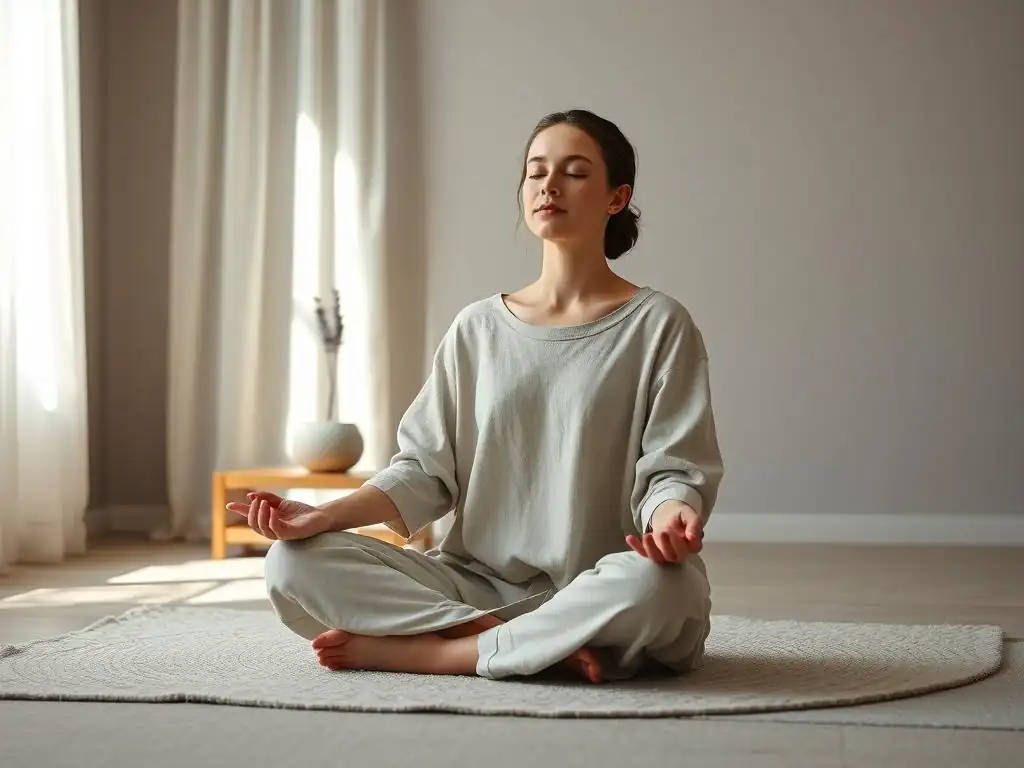
Focused Attention Meditation: Anchoring Your Awareness
Focused attention meditation is an excellent starting point for a racing mind because it provides a specific anchor for your awareness. The most common anchor is the breath. You simply choose a point to observe your breath – perhaps the sensation of air entering and leaving your nostrils, the rise and fall of your abdomen, or the feeling in your chest.
When your mind inevitably wanders (and it will! ), you notice the thought and gently bring your attention back to the breath. This isn't about forcing your mind to stay put; it's about practicing the act of returning, again and again.
This technique directly addresses the challenge of a busy mind by giving it a specific, non-judgmental task: observing the breath. Each time you notice your mind has wandered and bring it back, you are strengthening your attentional muscle. It's like doing a bicep curl for your brain. Don't get discouraged if you find yourself constantly returning to the breath; that is the practice. Even just a few seconds of focused attention between moments of mind-wandering build resilience and concentration over time.
Body Scan Meditation: Bringing Awareness to Physical Sensations
Body scan meditation involves systematically bringing your attention to different parts of your body, noticing physical sensations without judgment. You might start with your toes, then move up through your feet, ankles, legs, torso, arms, neck, and head. This technique is particularly helpful for a racing mind because it redirects your awareness from abstract thoughts and worries to the concrete, present-moment reality of your physical body.
For a mind that's constantly dwelling on the past or future, the body scan grounds you firmly in the present. It provides a structured path for your attention to follow, which can be easier than simply trying to focus on one point like the breath when thoughts are overwhelming. As you move your awareness through your body, you might notice tension, tingling, warmth, or coolness.
The goal is simply to observe these sensations with curiosity, without trying to change them or getting caught up in analyzing them. This practice cultivates a deeper connection with your physical self and can help quiet the mental noise by giving the mind a different, less abstract object of focus.
Walking Meditation: Mindful Movement for a Busy Brain
Walking meditation is an active form of mindfulness that can be very effective for people who find sitting still challenging or whose racing mind feels particularly agitated by stillness. Instead of sitting, you focus your attention on the physical sensations of walking: the lifting of one foot, the movement through the air, the placement of the foot on the ground, the shifting of weight, and the contact with the earth.
This technique channels the body's natural energy and movement into a meditative practice. For a mind that's buzzing with energy, the gentle rhythm of walking can be soothing and provide a consistent anchor. You can practice walking meditation indoors or outdoors. If your mind wanders, you simply notice the thoughts and gently bring your attention back to the sensations of walking. This mindful movement helps integrate mindfulness into your daily life and can be a refreshing alternative or addition to seated meditation for a racing mind.
Loving-Kindness Meditation: Cultivating Compassion and Reducing Mental Chatter
Loving-kindness meditation, also known as Metta meditation, involves directing well wishes towards yourself and others. It typically starts with directing kindness towards yourself, then towards loved ones, neutral individuals, difficult individuals, and finally, all beings. The practice often uses specific phrases, such as "May I be happy. May I be healthy. May I be safe. May I live with ease."
This form of meditation can be particularly powerful for a racing mind because it engages the mind in a positive, intentional way rather than trying to empty it. By focusing on cultivating feelings of warmth and compassion, you shift the mental landscape away from worry, self-criticism, or rumination.
For a mind prone to negative self-talk or anxiety about others, actively generating positive feelings can be a profound antidote. While thoughts will still arise, the focus on loving-kindness provides a different kind of anchor – an emotional and intentional one – that can effectively reduce the volume of internal chatter associated with stress and negativity.
Practical Tips for Calming a Restless Mind During Meditation
Create a Consistent Meditation Practice: Routine is Key
Consistency is often more important than duration when starting meditation for a racing mind. Aiming for a regular practice, even if it's just 5-10 minutes daily, helps train your brain to settle into the meditative state over time. Sporadic practice makes it harder for your mind to recognize the cues for meditation and fall into a familiar rhythm. Think of it like learning any new skill, whether it's playing an instrument or learning a language; regular, focused practice yields the best results.
Establishing a routine around your meditation can also help signal to your mind that it's time to shift gears. This might involve meditating at the same time each day – perhaps first thing in the morning or before bed – or incorporating it into an existing routine, like after brushing your teeth. Over time, your mind and body will begin to associate that specific time or activity with the practice of settling and focusing attention, making it easier to manage a restless mind.
Find a Quiet Space: Minimizing External Distractions
While it's possible to meditate anywhere, especially as you become more experienced, starting in a quiet environment can significantly help manage a racing mind. External stimuli like noise, movement, or interruptions can easily pull your attention away when your internal world is already active. Finding a dedicated space free from these distractions allows you to focus more easily on your internal experience and chosen meditation anchor.
This doesn't mean your space needs to be perfectly silent or elaborate. A quiet corner of a room, a time when housemates are out, or even using noise-canceling headphones can create a sufficient buffer. The goal is to reduce the effort required to stay focused, making it less of a struggle against both internal and external noise. Minimizing external distractions provides a better chance for your attention to settle and makes the practice of meditation for a racing mind more accessible in the early stages.
Use Guided Meditations: Letting Someone Else Lead the Way
For beginners struggling with a racing mind, guided meditations can be incredibly helpful. These are audio or video recordings where an instructor guides you through the meditation practice, offering instructions on where to place your attention, reminding you to return to the breath, and sometimes offering gentle reflections. This takes the pressure off you to remember what to do next and provides a voice to follow, which can occupy the part of your mind that might otherwise get lost in thought.
Guided meditations come in many forms, including body scans, loving-kindness, and simple breath awareness. Following a guide can help you stay present and focused on the instructions rather than getting swept away by your internal monologue. It's like having a gentle companion on your journey into stillness. Many people find that using guided meditation for a racing mind helps them build confidence and familiarity with the process before they feel comfortable practicing on their own.
Focus on Your Breath: A Simple and Powerful Anchor
The breath is perhaps the most common and accessible anchor in meditation, and it's particularly effective for a racing mind. It's always present, it's a natural rhythm, and focusing on it brings your attention immediately into the present moment. You don't need to control your breath or breathe in a special way; simply observe it as it is. Notice the physical sensations associated with each inhale and exhale – the feeling of the air, the movement of your body.
When your mind wanders (and it will, often within seconds! ), the breath is always there to come back to. Each time you notice you've been caught up in thought and gently return your attention to the breath, you are strengthening your ability to focus and disengage from mental narratives. The breath provides a constant, neutral point of reference that helps ground a scattered mind. It's the fundamental tool in meditation for a racing mind, offering a simple yet profound way to practice presence.
Acknowledge and Release Thoughts: The Art of Non-Judgment
A key skill in managing a racing mind during meditation is learning how to acknowledge thoughts without judgment and then release them. When a thought arises, the natural inclination is often to engage with it – to follow it, analyze it, or judge yourself for having it ("I'm thinking again, I'm bad at this!"). Instead, try simply noticing the thought as a mental event, like noticing a car drive by. You can mentally label it ("thinking") and then gently redirect your attention back to your anchor.
This practice of non-judgment is crucial. Every time you judge your thinking, you add another layer of mental activity and frustration. By simply acknowledging the thought's presence without getting involved in its content or criticizing yourself, you create space between yourself and the thought. This allows the thought to eventually dissipate on its own, much like a cloud dissolving in the sky. This skill of acknowledging and releasing is central to transforming meditation for a racing mind from a struggle into a practice of compassionate awareness.
Practice Self-Compassion: Be Kind to Yourself During Meditation
Meditation, especially when starting with a racing mind, can be challenging. It requires patience, persistence, and a willingness to face your own internal landscape, which isn't always comfortable. It's absolutely vital to approach the practice with self-compassion. There will be days when your mind feels busier than ever, days when you feel restless or distracted, and days when you might even fall asleep. These are not failures; they are simply experiences that arise during the practice.
Treat yourself with the same kindness and understanding you would offer a friend who is learning something new and difficult. If you find yourself judging your performance or feeling frustrated, notice those feelings with kindness. Remind yourself that having a busy mind is normal and that the very act of showing up and trying is a success in itself. Cultivating self-compassion makes the journey of meditation for a racing mind much more sustainable and enjoyable, fostering a positive relationship with your practice and yourself.
Experiment with Different Meditation Styles: Finding What Works Best for You
Just as different people learn in different ways, different meditation techniques resonate with different individuals. If you've tried one style, like breath focus, and found your racing mind particularly resistant, don't give up on meditation entirely. Explore other techniques like body scan, walking meditation, or loving-kindness. Sometimes, a different approach can click and feel much more accessible for your particular mental state.
For instance, someone who is very physically restless might find walking meditation more settling than sitting. Someone whose mind is filled with self-critical thoughts might benefit more from the positive focus of loving-kindness meditation initially. There's no single "right" way to meditate, especially when dealing with a busy mind. Be curious and open to trying different methods until you find one or two that feel most supportive and effective for you. This experimentation is a valuable part of developing a personalized meditation for a racing mind practice.
Short Meditation Sessions: Start Small and Build Up
Trying to force yourself to sit for 30 minutes when you're just starting and your mind is racing can feel like an impossible task and lead to unnecessary frustration. It's far better to start with short, manageable sessions, even just 5-10 minutes. A shorter duration makes the practice less intimidating and increases the likelihood that you'll actually do it consistently. Even a few minutes of mindful awareness can offer benefits.
As you become more comfortable and your ability to focus develops, you can gradually increase the duration of your sessions. Starting small allows you to build confidence and positive associations with the practice rather than feeling overwhelmed or defeated. Remember, the goal is progress, not perfection. Committing to just a few minutes of meditation for a racing mind each day is a powerful act of self-care and a solid foundation for growth.
Troubleshooting Common Meditation Challenges for Beginners

Dealing with Distracting Thoughts: Strategies for Re-Focusing
Distracting thoughts are perhaps the most common challenge in meditation, especially for beginners with a racing mind. The primary strategy, as mentioned, is gentle redirection. When you notice your mind has wandered, simply acknowledge the thought without judgment (perhaps labeling it "thinking" or "planning") and gently guide your attention back to your chosen anchor, whether it's the breath, body sensations, or a mantra. Avoid criticizing yourself; see each return as a successful moment of practice.
Another helpful strategy is to visualize your thoughts. Imagine them as clouds floating by, leaves on a stream, or cars passing on a road. This helps to create distance between you and the thought, making it easier to let go.
If a particular thought is persistent, you can briefly acknowledge its importance ("Okay, I hear you, brain, we need to think about that later") before returning to your anchor. Sometimes, mentally jotting down urgent thoughts in a notebook before you meditate can help ease the mind's need to hold onto them. The key is patience and persistence; every moment of returning to focus strengthens your ability to manage a racing mind.
Managing Physical Discomfort: Adjusting Your Posture
Physical discomfort can be a significant distraction, quickly pulling your attention away from your anchor and fueling a racing mind. While some minor discomfort is normal, persistent pain should be addressed. Ensure your posture is comfortable and sustainable for the duration of your session. This might mean sitting on a cushion to elevate your hips, using a chair with back support, or even lying down if that feels better (though be mindful of falling asleep).
Experiment with different sitting positions. If sitting cross-legged is difficult, try sitting on your knees with a cushion or using a chair with your feet flat on the floor. The goal is to find a posture that allows you to feel stable and relatively at ease, so you can focus on your internal experience rather than being constantly distracted by physical sensations. Making small adjustments to your posture can significantly improve your ability to engage in meditation for a racing mind more comfortably.
Overcoming Resistance to Meditation: Addressing Underlying Concerns
It's not uncommon to feel resistance towards starting or continuing a meditation practice, especially when your mind is active. This resistance can manifest as procrastination, feeling like you don't have time, or believing you're "bad" at it. Often, this resistance stems from underlying concerns – perhaps fear of what might arise when you sit in stillness, frustration with the perceived difficulty, or simply the inertia of habit.
Address this resistance with curiosity and compassion. Ask yourself what feelings or thoughts are coming up when you think about meditating. Is it frustration? Fear? Boredom? Acknowledge these feelings without judgment. Remind yourself why you wanted to try meditation for a racing mind in the first place – perhaps to reduce stress, improve focus, or find more peace. Committing to even a very short session (like 3-5 minutes) can help break the cycle of resistance. Sometimes, simply starting is the hardest part. Be patient with yourself and recognize that resistance is a normal part of any new, challenging endeavor.
The Benefits of Meditation for a Racing Mind: Beyond Relaxation
Reducing Stress and Anxiety: Calming the Nervous System
One of the most well-documented benefits of meditation is its ability to reduce stress and anxiety, which are often closely linked to a racing mind. Regular meditation practice helps to activate the parasympathetic nervous system, often called the "rest and digest" system, counteracting the effects of the sympathetic nervous system, the "fight or flight" response that is often heightened by stress and anxiety. By consciously focusing on the breath or other anchors, you signal to your body that it is safe to relax.
Research consistently shows that mindfulness meditation can lead to measurable reductions in stress hormones like cortisol. For example, studies have indicated that regular meditation can lead to a significant decrease in reported stress levels, sometimes by 20-30% or more, and can help manage symptoms of generalized anxiety disorder. By training your mind to observe thoughts and feelings without getting swept away by them, you build resilience against the stress and worry that fuel a racing mind. This makes meditation for a racing mind a powerful tool for emotional regulation and stress reduction.
Improving Focus and Concentration: Training Your Attention
While it might seem counterintuitive that sitting with a racing mind can improve focus, meditation is essentially a practice in training your attention. Every time you notice your mind has wandered and gently bring it back to your anchor, you are strengthening your ability to concentrate. It's like repeatedly exercising a muscle. Over time, this practice makes it easier to direct and sustain your attention not just during meditation, but in your daily life as well.
Think of your attention like a spotlight. Without training, that spotlight jumps erratically from one thing to another. Meditation helps you learn to keep that spotlight steady on your chosen object of focus. This improved attentional control is invaluable in a world full of distractions and is a direct benefit of consistent meditation for a racing mind. It helps you stay present during conversations, focus on tasks at work or school, and engage more fully in activities without your mind constantly pulling you away.
Enhancing Emotional Regulation: Managing Difficult Emotions
A racing mind often goes hand-in-hand with difficult emotions like frustration, worry, or sadness. Meditation provides a space to observe these emotions without immediately reacting to them. By practicing non-judgmental awareness during meditation, you learn to recognize emotional states as temporary experiences rather than overwhelming truths. This creates a pause between feeling an emotion and reacting impulsively.
This enhanced ability to regulate emotions comes from developing a greater understanding of your internal landscape. As you become more familiar with the patterns of your thoughts and feelings through meditation for a racing mind, you are better equipped to navigate challenging emotional states with greater ease and less reactivity. You learn that emotions, like thoughts, arise and pass away, and you don't have to be controlled by them. This leads to more thoughtful responses in difficult situations and a greater sense of emotional stability.
Promoting Overall Well-being: Cultivating Inner Peace
Beyond specific benefits like stress reduction or improved focus, regular meditation practice contributes to a profound sense of overall well-being and inner peace. By consistently returning to the present moment, cultivating self-compassion, and learning to relate to your thoughts and emotions with greater awareness, you build a foundation for a more contented and fulfilling life.
This isn't about achieving a constant state of bliss, but rather about developing a deeper acceptance of yourself and your experiences, including having a busy mind. It's about finding moments of calm amidst the natural ups and downs of life. Consistent meditation for a racing mind helps you connect with a sense of stillness and presence that is always available, regardless of external circumstances, fostering a resilient and peaceful inner state.
Conclusion: Embrace the Journey - Meditation for a Calmer Mind
If you're a beginner whose mind won't stop during meditation, know that you are not alone. This is a universal experience and a natural part of the process. The key is to approach meditation with patience, curiosity, and self-compassion, letting go of the myth of an empty mind. Embrace the reality that thoughts will arise, and view each moment you notice your mind has wandered and gently return to your anchor as a success.
By experimenting with different techniques like focused attention, body scan, walking meditation, or loving-kindness, finding a comfortable space, using guided meditations, and starting with short, consistent sessions, you can gradually train your attention and build resilience against mental chatter. Remember to be kind to yourself throughout this journey.
Developing a regular meditation for a racing mind practice is a powerful investment in your mental and emotional well-being, offering significant benefits in reducing stress, improving focus, enhancing emotional regulation, and cultivating a deeper sense of inner peace. Keep showing up, keep practicing, and trust that with time and patience, you will find moments of calm amidst the chaos.
Frequently Asked Questions
How can meditation help with a racing mind, especially for beginners?
Meditation helps by training your mind to focus on the present moment, reducing the power of intrusive thoughts. It's like a mental exercise that strengthens your ability to observe and redirect your attention.
What are some beginner-friendly meditation techniques for calming a racing mind?
Focus on your breath, try a body scan meditation, or use guided meditations. These techniques provide a simple anchor for your attention, making it easier to gently guide your mind back when it wanders.
How long should I meditate for if I have a racing mind and I'm just starting out?
Start with just 5-10 minutes a day. Consistency is more important than duration, especially when you're learning to manage a busy mind. Gradually increase the time as you become more comfortable.
What should I do if my mind keeps wandering during meditation?
Acknowledge the thought without judgment and gently redirect your attention back to your chosen focus, like your breath. It's normal for the mind to wander; the key is the gentle return.
Are there any specific resources or tools that can help me with meditation for a racing mind?
Yes, there are many meditation apps and websites that offer guided meditations specifically designed for calming the mind. Look for resources focusing on mindfulness and beginner-friendly practices.
Final Reflection: Finding Stillness Amidst the Storm
The relentless pace of modern life often leaves us feeling overwhelmed, our minds a whirlwind of thoughts and anxieties. Learning to meditate, even amidst a racing mind, is no longer a luxury but a vital skill for navigating the complexities of the 21st century. The ability to find pockets of calm amidst the chaos is crucial for our mental and physical well-being, impacting everything from our stress levels to our overall productivity.
The journey to quiet the internal chatter is deeply personal, a continuous process of self-discovery and acceptance. It's a journey I've undertaken myself, and the rewards – a greater sense of self-awareness, improved focus, and a more resilient spirit – have been immeasurable. As Thich Nhat Hanh wisely said, Breathing in, I calm body and mind. Breathing out, I smile.
This simple practice, the foundation of many meditation techniques, encapsulates the power of intentional presence and its transformative effect on our inner landscape. The techniques explored in this article, while seemingly simple, offer a powerful pathway to cultivate this inner peace, even when our minds resist.
Now, I invite you to take a moment. Reflect on the strategies discussed – the importance of gentle self-compassion, the power of focused breathing, the acceptance of wandering thoughts. Choose one technique that resonates with you and commit to practicing it for just five minutes each day. Start small, be patient with yourself, and witness the gradual unfolding of inner stillness. The journey to a calmer, more centered you begins with a single breath, a single moment of mindful awareness. Embrace the challenge, and discover the transformative power of meditation within your own life.
Unlock Your Inner Peace: Start Your Meditation Journey Today!
Thanks for taking the time to explore the world of meditation with us! We hope you gained valuable insights into quieting your mind and finding inner peace. Now it's time to put those tips into practice.
Here's what you can do next:
- Begin your first 5-minute meditation session today. Even a short practice can make a difference. Find a quiet space, focus on your breath, and let go of any distractions. This is your most important step!
- Share your experience! Tell us (or a friend!) about your first meditation attempt—what challenges did you face, and what felt rewarding?
- Try a guided meditation. Explore different styles and find what resonates with you. You might be surprised at what works best!
So, what small step will you take toward a calmer, more focused you today?