
Your Sleep Score and Your Mood: Understanding the Connection with Wearable Trackers

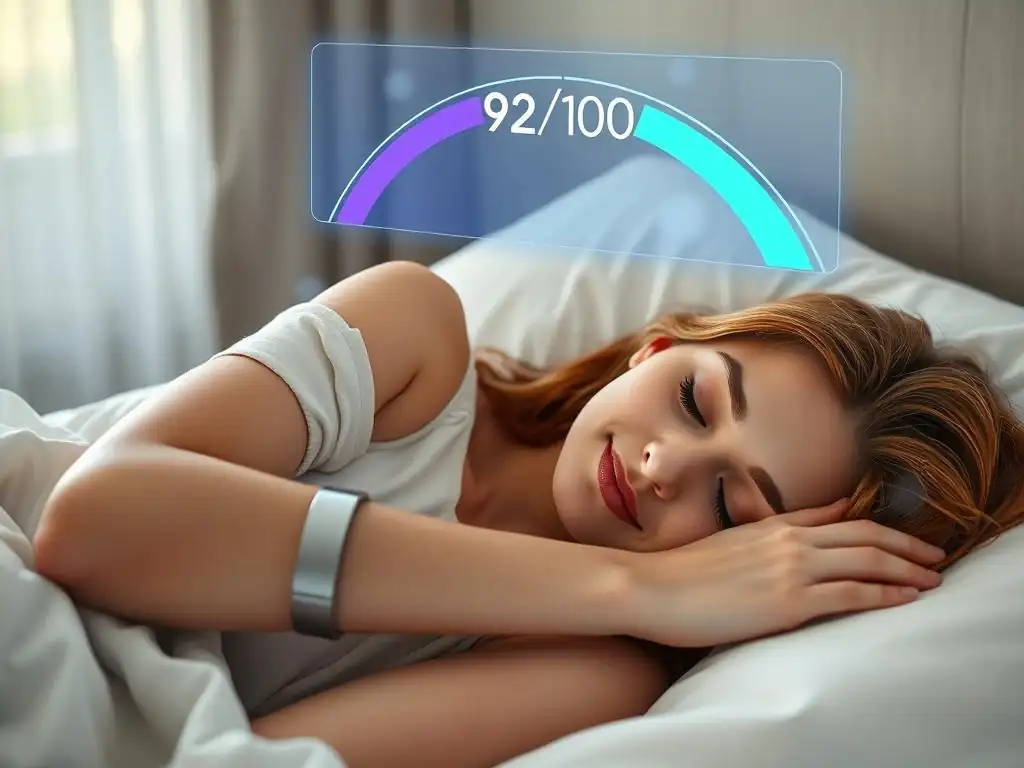
Welcome to Mind Care Guide, a place dedicated to nurturing your mental well-being. Ever wonder how those numbers on your wrist might be whispering secrets about your mood? Your journey to understanding the intricate wearable tracker sleep mood connection starts here. Discover how tracking your sleep patterns can unlock valuable insights into your emotional state and empower you to take control of your mental health. Curious to know more? Let's dive in...
Your Sleep Score and Your Mood: Understanding the Connection with Wearable Trackers
- The Impact of Poor Sleep on Mood and Mental Well-being: A Wearable Tracker Perspective
- The Role of Wearable Sleep Trackers in Monitoring Sleep Quality and Mood
- Common Problems: Sleep Disturbances and Their Impact on Mood
- Solutions: Improving Sleep Quality and Mood with Wearable Trackers and Beyond
- Wearable Tracker Sleep Mood Connection: Product Recommendations for Better Sleep
- Conclusion: Taking Control of Your Sleep and Mood with Wearable Technology and Lifestyle Changes
-
Frequently Asked Questions
- What is the relationship between sleep, mood, and wearable trackers?
- How can wearable trackers help improve my mental well-being?
- What specific sleep data do wearable trackers typically collect that's relevant to mood?
- Are wearable trackers a substitute for professional mental health care?
- What are some limitations to consider when using wearable trackers for sleep and mood monitoring?
- Final Reflection: Weaving the Threads of Sleep, Mood, and Technology
- Unlock Your Happiest Self: Actionable Steps to Better Sleep
The Impact of Poor Sleep on Mood and Mental Well-being: A Wearable Tracker Perspective
Understanding the Sleep-Mood Connection: Why It Matters for Mental Health
The intricate link between sleep and mood is fundamental to overall mental well-being. When sleep is compromised, whether in quantity or quality, it significantly impacts our emotional state and cognitive function. Lack of sufficient rest can lead to increased irritability, heightened stress sensitivity, difficulty concentrating, and even feelings of sadness or hopelessness. This connection is not merely anecdotal; extensive research consistently demonstrates a strong correlation between sleep disturbances and various mood disorders. For instance, studies show that a large percentage of individuals diagnosed with depression or anxiety report experiencing significant sleep problems.
This profound relationship highlights why prioritizing and understanding your sleep patterns is crucial for maintaining good mental health. By monitoring sleep, individuals can gain valuable insights into potential triggers or exacerbating factors for mood fluctuations. Wearable trackers offer a tangible way to observe these patterns, providing data that can help individuals connect their nightly rest (or lack thereof) with their daytime emotional experiences, thereby shedding light on their personal wearable tracker sleep mood connection.
The Vicious Cycle: How Mood Affects Sleep and Vice Versa
The relationship between sleep and mood is not a one-way street; it's a dynamic, often vicious cycle. Stress, anxiety, or worry can make it incredibly difficult to fall asleep or stay asleep, leading to fragmented or insufficient rest. For example, someone experiencing work-related stress might lie awake for hours, their mind racing, even though they are physically exhausted. This poor night's sleep then exacerbates their stress and irritability the following day, making them more susceptible to negative emotional responses and potentially setting the stage for another restless night.
Conversely, chronic poor sleep can lower a person's resilience to stress and negatively influence brain regions that regulate mood and emotional processing. This makes individuals more vulnerable to developing or worsening mood disorders. A person consistently getting only four or five hours of sleep might find themselves snapping at loved ones or feeling overwhelmed by tasks they would normally handle with ease. Wearable trackers, by documenting both sleep duration and quality metrics, can help individuals visualize this cycle, providing objective data that validates their subjective feelings and underscores the importance of breaking this negative loop.
Identifying when mood problems are linked to sleep is a critical first step towards intervention. Common symptoms include persistent fatigue, difficulty concentrating, increased irritability or anger, feeling unusually stressed or anxious, and experiencing feelings of sadness or depression that seem out of proportion to daily events. You might notice that your patience is shorter on days following poor sleep, or that you feel more overwhelmed by minor challenges. Physical symptoms like headaches or digestive issues can also sometimes accompany sleep-related mood disturbances.
Keeping a journal or using a mood-logging feature on a wearable tracker alongside your sleep data can help illuminate these connections. If you consistently report feeling low or stressed on days where your tracker shows fragmented sleep, low sleep efficiency, or significantly less deep sleep than usual, it's a strong indicator that sleep is playing a role in your mood. Paying attention to these patterns allows you to acknowledge the wearable tracker sleep mood connection in your own life and seek appropriate strategies or professional help.
The Role of Wearable Sleep Trackers in Monitoring Sleep Quality and Mood
How Wearable Trackers Measure Sleep: A Breakdown of Key Metrics
Wearable sleep trackers utilize various sensors, primarily accelerometers and heart rate monitors, to estimate sleep stages and quality. Accelerometers detect movement, which is used to differentiate between periods of wakefulness, light sleep, and potentially deeper sleep stages based on characteristic movement patterns. Heart rate sensors, particularly photoplethysmography (PPG) sensors that measure blood flow, provide data on heart rate and heart rate variability (HRV), which are crucial for estimating sleep stages and overall recovery. More advanced trackers may also include temperature sensors or pulse oximeters (SpO2) to gather additional data points relevant to sleep and health.
The data collected by these sensors is processed by algorithms to generate a "sleep score" and detailed breakdowns of your night. While not as precise as a clinical polysomnography test conducted in a lab, these devices offer valuable insights into your sleep patterns in your natural environment over extended periods. Understanding the metrics provided is key to leveraging the wearable tracker sleep mood connection for better well-being.
Deep Sleep, REM Sleep, and Light Sleep: What Do They Mean?
Sleep is composed of cycles containing different stages: Light Sleep, Deep Sleep (also known as Slow-Wave Sleep), and REM (Rapid Eye Movement) Sleep. Light sleep is the transitional stage. Deep sleep is physically restorative; during this phase, the body repairs tissues, strengthens the immune system, and builds bone and muscle. REM sleep is mentally restorative, crucial for cognitive functions like memory consolidation, learning, and emotional processing. Most dreaming occurs during REM sleep.
Wearable trackers estimate the time spent in each of these stages. While the exact percentages can vary between individuals and nights, typically adults spend about 50% in Light Sleep, 20% in Deep Sleep, and 25% in REM Sleep. Consistently low percentages of Deep or REM sleep, as indicated by your tracker, can signal poor sleep quality that may contribute to fatigue, poor concentration, and mood disturbances, reinforcing the importance of tracking the wearable tracker sleep mood connection.
Heart Rate Variability (HRV) and Sleep: A Window into Stress Levels
Heart Rate Variability (HRV) is the variation in the time interval between consecutive heartbeats. It's a non-invasive measure of the autonomic nervous system (ANS) activity, which controls involuntary functions like heart rate, digestion, and respiratory rate. A higher HRV generally indicates that the ANS is balanced and resilient, often associated with good recovery, lower stress levels, and better physical and mental health. Conversely, a lower HRV can signal that the sympathetic nervous system (the "fight or flight" response) is dominant, often due to stress, illness, overtraining, or insufficient recovery.
Many wearable trackers measure HRV, often focusing on readings taken during sleep when the body is at rest. Consistently low HRV values during sleep on your tracker could indicate that your body is under significant stress or not recovering effectively, even while you're sleeping. This data point provides a powerful insight into your physiological stress load, which is intimately linked to your mood and overall well-being, making HRV a key metric in understanding the wearable tracker sleep mood connection.
Sleep Latency and Sleep Efficiency: Indicators of Sleep Quality
Beyond the duration and stages of sleep, metrics like Sleep Latency and Sleep Efficiency offer crucial insights into the quality of your sleep. Sleep Latency is the amount of time it takes you to fall asleep after getting into bed. Ideally, this should be between 10 to 20 minutes. Taking significantly longer (e.g., over 30 minutes) can indicate difficulty initiating sleep, often linked to anxiety, stress, or poor sleep hygiene.
Sleep Efficiency is the percentage of time spent actually sleeping while you are in bed. It's calculated as (Total Sleep Time / Time in Bed) * 100. An efficiency of 85% or higher is generally considered good for adults.
Low sleep efficiency (e.g., below 80%) suggests frequent awakenings or extended periods of wakefulness during the night, even if the total time in bed is long. Both high sleep latency and low sleep efficiency, as reported by your tracker, are indicators of fragmented or disrupted sleep, which can significantly impair cognitive function and negatively impact mood, underscoring their relevance to the wearable tracker sleep mood connection.
Beyond Sleep Stages: How Trackers Can Help Monitor Mood
While primarily focused on sleep metrics, some wearable trackers are expanding their capabilities to help users monitor mood and its potential correlation with sleep patterns. This is often achieved through integrated features or compatibility with third-party applications.
Mood Logging Features on Wearable Trackers
Some advanced wearable trackers or their companion apps include features that allow users to manually log their mood throughout the day. This might involve rating their mood on a scale (e.g., 1-5) or selecting from a list of emotions (happy, sad, stressed, anxious, energetic, fatigued). By consistently logging mood alongside automatic sleep tracking, individuals can create a personal dataset that reveals correlations between their sleep quality/duration and their emotional state on subsequent days.
Analyzing this combined data allows users to see patterns like "I feel more irritable on days after my deep sleep percentage is low" or "My anxiety levels seem higher when my sleep efficiency drops below 80%." This direct visualization of the wearable tracker sleep mood connection empowers individuals to identify personal triggers and understand the tangible impact of sleep on their daily emotional experience, motivating them to make positive changes.
Body Temperature Tracking and its Potential Correlation with Mood
Certain wearable trackers, particularly those worn on the finger or wrist overnight, include sensors that measure skin temperature or core body temperature changes. While not a direct measure of mood, body temperature fluctuations can be influenced by factors like illness, stress, menstrual cycles (in women), and sleep quality, all of which can, in turn, affect mood.
Significant deviations from your baseline body temperature, especially when combined with changes in sleep patterns or other biometric data like HRV, might indicate that your body is under stress or fighting off illness. Both physical stress and illness are well-known contributors to negative mood states, including fatigue, irritability, and increased anxiety. Monitoring these temperature trends alongside sleep and mood logs can provide another layer of insight into your overall physiological state and its relationship to your emotional well-being, further enhancing the understanding of the wearable tracker sleep mood connection.
Common Problems: Sleep Disturbances and Their Impact on Mood

Insomnia and Mood Disorders: A Strong Correlation
Insomnia, characterized by difficulty falling asleep or staying asleep despite the opportunity to do so, is perhaps the most widely recognized sleep disturbance linked to mood disorders. The relationship is highly prevalent and often bidirectional. Research indicates that approximately 75% of individuals with depression experience symptoms of insomnia, and conversely, chronic insomnia significantly increases the risk of developing depression or anxiety disorders. The constant struggle to sleep is inherently stressful and can lead to feelings of frustration, helplessness, and worry, all of which negatively impact mood.
Moreover, the disrupted sleep patterns associated with insomnia can interfere with the brain's ability to regulate neurotransmitters like serotonin and norepinephrine, which play a crucial role in mood regulation. This disruption can exacerbate existing mood symptoms or contribute to their onset. Using a wearable tracker to document the frequency and severity of insomnia symptoms – such as long sleep latency, frequent awakenings, or low total sleep time – can provide objective data to discuss with a healthcare provider and highlight the profound wearable tracker sleep mood connection.
Sleep Apnea and its Link to Depression and Anxiety
Sleep apnea is a potentially serious sleep disorder where breathing repeatedly stops and starts during sleep. The most common type, Obstructive Sleep Apnea (OSA), occurs when the airway is blocked, leading to fragmented sleep and reduced oxygen levels in the blood. While often associated with snoring and daytime fatigue, sleep apnea also has a significant impact on mental health. The constant disruption to sleep prevents individuals from reaching the restorative deep and REM sleep stages essential for physical and mental recovery.
This chronic sleep deprivation and intermittent oxygen deprivation can lead to a range of psychological symptoms, including irritability, difficulty concentrating, memory problems, and a significantly increased risk of depression and anxiety. Studies have shown that treating sleep apnea can often lead to improvements in mood symptoms. Some advanced wearable trackers can monitor blood oxygen saturation (SpO2) during sleep, which can potentially flag patterns that might suggest sleep apnea, prompting individuals to seek a formal diagnosis and treatment, thus addressing a critical factor in the wearable tracker sleep mood connection.
Circadian Rhythm Disruption and Mood Swings: The Impact of Shift Work
Our circadian rhythm is the body's internal biological clock that regulates the sleep-wake cycle over approximately 24 hours. When this rhythm is significantly disrupted, such as by shift work, frequent travel across time zones (jet lag), or inconsistent sleep schedules, it can have a profound impact on mood and overall health. Working night shifts, for example, forces individuals to sleep when their body's clock is programmed to be awake, leading to chronic misalignment and insufficient sleep.
This disruption of the natural sleep-wake cycle is strongly linked to an increased risk of mood disorders, including major depression, bipolar disorder episodes, and seasonal affective disorder (SAD). Symptoms can include persistent fatigue, irritability, difficulty maintaining relationships, and significant mood swings. Wearable trackers that monitor sleep timing and consistency can clearly illustrate how irregular schedules affect sleep patterns, providing individuals with data to understand the link between their circadian rhythm disruption, sleep quality, and mood, making the wearable tracker sleep mood connection particularly evident in these cases.
Solutions: Improving Sleep Quality and Mood with Wearable Trackers and Beyond
Optimizing Sleep Hygiene: Practical Tips for Better Sleep
Improving sleep quality often starts with optimizing sleep hygiene – the habits and environmental factors that influence sleep. These are practical steps you can take daily to support healthy sleep patterns. Consistency is key; establishing a regular bedtime and wake-up time, even on weekends, helps regulate your body's internal clock.
Creating a Relaxing Bedtime Routine: The Importance of Consistency
Developing a consistent, relaxing bedtime routine signals to your body that it's time to wind down. This routine should ideally start 30 to 60 minutes before your target bedtime. Activities could include reading a physical book, taking a warm bath or shower, listening to calming music, or practicing gentle stretching or yoga. It's crucial to avoid screens (phones, tablets, TVs) during this time, as the blue light emitted can suppress melatonin production, making it harder to fall asleep. Sticking to the same sequence of activities each night reinforces the signal to your brain that sleep is approaching.
Optimizing Your Sleep Environment: Light, Temperature, and Noise Control
Your bedroom environment plays a significant role in sleep quality. Aim for a room that is dark, quiet, and cool. Darkness is essential because light interferes with melatonin production; use blackout curtains if necessary. Minimize noise distractions with earplugs or a white noise machine. The optimal temperature for sleep is generally considered to be between 60-67°F (15-19°C); a cooler environment helps your body temperature drop slightly, which is part of the process of initiating sleep. Ensuring your sleep space is conducive to rest supports better sleep efficiency and duration, positively impacting your wearable tracker sleep mood connection.
Using Wearable Trackers to Identify and Address Sleep Problems
Wearable trackers are powerful tools for gaining objective insight into your sleep patterns and identifying areas for improvement. They move beyond subjective feelings of "sleeping poorly" to provide data on specific metrics.
Tracking Your Sleep Data: Identifying Patterns and Trends
Consistent use of your wearable tracker allows you to build a history of your sleep data. Over time, you can identify recurring patterns and trends. For instance, you might notice that your sleep efficiency drops significantly on nights after you've consumed alcohol or caffeine late in the day, or that your time spent awake during the night increases when you go to bed at inconsistent times. Observing these correlations between your habits and your sleep metrics helps you understand what factors in your life are impacting your rest.
Analyzing Sleep Data and Identifying Potential Issues
Look beyond just your overall sleep score. Analyze the details: Are you getting sufficient deep and REM sleep? Is your sleep latency consistently long? Do you have frequent or prolonged awakenings? Is your HRV low during sleep? Comparing this data with how you felt the following day (your mood, energy levels, concentration) can reveal specific wearable tracker sleep mood connection points. For example, consistently low REM sleep might correlate with feeling irritable or having trouble focusing. This analysis helps pinpoint specific aspects of your sleep that need attention.
Setting Goals and Tracking Progress: Motivating Yourself to Improve Sleep
Once you've identified problem areas, you can set specific goals, such as "increase average sleep efficiency to 85%" or "reduce sleep latency to under 20 minutes." Your wearable tracker then becomes a tool for tracking your progress towards these goals. Seeing improvements in your sleep metrics as a result of implementing sleep hygiene changes or other strategies can be incredibly motivating and provide positive reinforcement. This data-driven approach helps you stay accountable and demonstrates the tangible positive impact of your efforts on your sleep and, consequently, your mood, reinforcing the benefits of addressing the wearable tracker sleep mood connection.
Beyond Wearable Tech: Additional Strategies for Improving Sleep and Mood
While wearable trackers offer valuable data, they are best used as part of a broader strategy for improving sleep and mood. Several evidence-based approaches complement the insights gained from tracking.
Cognitive Behavioral Therapy for Insomnia (CBT-I): A Proven Treatment
Cognitive Behavioral Therapy for Insomnia (CBT-I) is a structured, short-term therapy program that addresses the thoughts, feelings, and behaviors that contribute to sleep problems. It typically involves identifying and challenging negative beliefs about sleep, learning relaxation techniques, and implementing strategies like stimulus control and sleep restriction (under guidance) to improve sleep efficiency. CBT-I is highly effective and often considered the first-line treatment for chronic insomnia, frequently yielding better long-term results than sleep medications. Combining the objective data from a wearable tracker with the targeted strategies of CBT-I can be particularly powerful.
Mindfulness and Meditation: Reducing Stress and Promoting Relaxation
Mindfulness and meditation practices can significantly benefit both sleep and mood by reducing stress and calming the nervous system. Techniques like guided meditation, body scans, or simple deep breathing exercises practiced regularly can lower baseline anxiety levels and make it easier to quiet a racing mind at bedtime. Many people find that incorporating a short meditation session into their evening routine helps improve sleep onset and reduces nighttime awakenings. Reduced stress and improved sleep quality directly contribute to better mood, illustrating another facet of the wearable tracker sleep mood connection, even if the tracker doesn't directly measure mindfulness.
The Role of Diet and Exercise in Sleep and Mood Regulation
Lifestyle factors like diet and exercise also play a critical role in sleep quality and mood regulation. Regular physical activity can reduce stress and anxiety, improve mood, and promote deeper sleep, though intense exercise close to bedtime should generally be avoided. A balanced diet, avoiding heavy meals, excessive caffeine, or alcohol, especially in the hours before sleep, is also important.
Caffeine is a stimulant that can disrupt sleep even hours after consumption, and while alcohol might initially cause drowsiness, it fragments sleep later in the night. Optimizing these lifestyle factors creates a foundation for better sleep and emotional resilience, working in synergy with insights gained from your wearable tracker sleep mood connection data.
Wearable Tracker Sleep Mood Connection: Product Recommendations for Better Sleep
When considering wearable trackers to help understand your sleep and mood, look for devices that offer comprehensive sleep analysis and features that provide insights into your stress levels and recovery. Here are examples of the types of features found in trackers that can be beneficial for the wearable tracker sleep mood connection:
Product Review: [Tracker Name A] - Advanced Sleep Tracking and Stress Management
This type of tracker often focuses on providing detailed insights into your night's rest. Users frequently report that the data helps them see clear patterns in their sleep quality.
Features: Sleep Score, Sleep Stages, HRV, [Other Feature - e.g., Respiratory Rate]
A high-end tracker in this category typically provides a daily Sleep Score that summarizes your night based on duration, quality, and recovery. It offers detailed breakdowns of time spent in Light, Deep, and REM sleep. Crucially, it measures Heart Rate Variability (HRV) during sleep, offering a daily readiness or recovery score that reflects your body's stress load. Some may also track respiratory rate, another metric sensitive to stress and sleep quality.
Benefits: Comprehensive Sleep Analysis, Stress Tracking, Personalized Insights, [Other Benefit - e.g., Actionable Guidance]
The primary benefit is gaining a comprehensive understanding of your sleep architecture and physiological stress levels. The stress tracking via HRV can provide objective data supporting how you feel emotionally. Personalized insights and guidance, often presented in the companion app, can help you interpret the data and make informed decisions about improving your sleep and managing stress, directly supporting the wearable tracker sleep mood connection.
Product Review: [Tracker Name B] - Holistic Health Monitoring and Sleep Optimization
Trackers in this category often aim to provide a broader picture of your health, integrating sleep tracking with other vital signs. Users appreciate the way it connects different aspects of their well-being.
Features: Sleep Stages, HRV, Body Temperature, Activity Tracking, [Other Feature - e.g., Blood Oxygen (SpO2)]
Beyond standard sleep stage tracking and HRV, this type of device may include continuous body temperature sensing, which can help identify potential illness or stress impacting sleep. Robust activity tracking ensures you see the link between your daytime movement and your nightly rest. Some models add SpO2 monitoring, useful for flagging potential breathing irregularities during sleep.
Benefits: Personalized Sleep Recommendations, Early Illness Detection, Long Battery Life, [Other Benefit - e.g., Seamless Data Integration]
These trackers often provide personalized recommendations based on your combined sleep, activity, and temperature data, helping you optimize your routine. The inclusion of temperature and SpO2 can offer early warning signs of illness, which is known to impact both sleep and mood. A long battery life means less interruption for charging, ensuring continuous data collection crucial for identifying long-term trends in the wearable tracker sleep mood connection.
Product Review: [Tracker Name C] - Fitness Tracking and Sleep Monitoring
Many fitness-focused trackers also offer strong sleep monitoring capabilities, appealing to users who want to track activity and recovery together. Users find the integration of fitness and sleep data helpful.
Features: Sleep Score, Sleep Stages, Pulse Ox, Body Battery, [Other Feature - e.g., Advanced Performance Metrics]
This type of tracker will give you a Sleep Score and breakdown of sleep stages. Pulse Oximetry (Pulse Ox or SpO2) is often included, giving insight into blood oxygen levels during the night. A "Body Battery" or similar metric combines HRV, stress, and activity data to estimate your energy reserves, providing a tangible link between sleep/recovery and your readiness for the day's challenges.
Benefits: Detailed Sleep Insights, All-Day Health Monitoring, Music Storage, [Other Benefit - e.g., GPS for Activities]
You get detailed insights into your sleep alongside comprehensive fitness tracking. The Body Battery feature is particularly useful for understanding how sleep impacts your daily energy and mood. While focused on fitness, these trackers still provide key metrics that contribute to understanding the wearable tracker sleep mood connection within the context of your overall activity and recovery.
Conclusion: Taking Control of Your Sleep and Mood with Wearable Technology and Lifestyle Changes
The Power of Data: Using Wearable Trackers to Understand Your Sleep-Mood Connection
Wearable trackers provide an unprecedented opportunity to collect objective data about your sleep patterns and physiological state outside of a clinical setting. This data moves beyond subjective feelings, offering concrete metrics like sleep duration, time in different sleep stages, sleep efficiency, and HRV.
By consistently tracking and analyzing this information, you can gain valuable insights into how different factors—from your bedtime routine and diet to stress levels and activity—impact your sleep quality. More importantly, by correlating this sleep data with how you feel each day, you can clearly see the tangible impact of your sleep on your mood, energy levels, and overall mental well-being, solidifying your understanding of the wearable tracker sleep mood connection in your personal life.
A Holistic Approach: Combining Technology with Healthy Habits for Optimal Mental Well-being
While the data from wearable trackers is powerful, it's essential to view these devices as tools to support a holistic approach to mental well-being, not as standalone solutions. The insights gained from your tracker are most impactful when combined with proactive lifestyle changes and, when necessary, professional support. Optimizing sleep hygiene, managing stress through techniques like mindfulness or meditation, maintaining a balanced diet, and engaging in regular exercise all contribute significantly to improving both sleep and mood.
For persistent issues like insomnia or suspected sleep apnea, seeking diagnosis and treatment from a healthcare professional is crucial. By leveraging the data from your wearable tracker to inform and motivate healthy habits, you can take meaningful steps towards improving your sleep quality and fostering greater emotional resilience, ultimately strengthening your wearable tracker sleep mood connection for a healthier, happier life.
Frequently Asked Questions
What is the relationship between sleep, mood, and wearable trackers?
Wearable trackers can help you understand the sleep-mood connection by providing data on your sleep patterns. This data can reveal how poor sleep impacts your mood and overall well-being. This allows you to make informed decisions towards better sleep.
How can wearable trackers help improve my mental well-being?
Wearable trackers offer insights into your sleep quality and duration. By tracking these metrics, you can identify patterns and make lifestyle adjustments to improve your sleep, which can positively impact your mood and reduce symptoms of mental health challenges.
What specific sleep data do wearable trackers typically collect that's relevant to mood?
Trackers generally monitor sleep duration, sleep stages (light, deep, REM), sleep efficiency, and nighttime awakenings. This data helps identify sleep disruptions that might be contributing to mood fluctuations and daytime fatigue.
Are wearable trackers a substitute for professional mental health care?
No, wearable trackers are not a substitute. They are tools to monitor sleep patterns and identify potential issues. If you are experiencing significant mental health challenges, it's crucial to seek professional guidance from a qualified therapist or psychiatrist.
What are some limitations to consider when using wearable trackers for sleep and mood monitoring?
Wearable trackers aren't always 100% accurate, and the data can be influenced by factors like device placement and individual physiology. It's important to interpret the data cautiously and consider it alongside other factors like stress levels and overall health, consulting a professional if necessary.
Final Reflection: Weaving the Threads of Sleep, Mood, and Technology
The data is clear: our sleep profoundly impacts our mood, and wearable trackers are offering unprecedented insight into this crucial connection. This isn't just about anecdotal evidence anymore; the quantifiable data collected by these devices is painting a vivid picture of the intricate relationship between rest and emotional well-being, a relationship that directly impacts our daily lives and productivity. We're moving beyond simple guesswork and into a new era of personalized self-care, empowered by technology.
The accessibility of sleep tracking technology has democratized access to understanding this vital aspect of our health. It's no longer a luxury to know how well you're sleeping; it's becoming increasingly commonplace, and this shift has far-reaching implications. We're seeing a growing awareness of the importance of sleep hygiene, fueled by the readily available data. This increased awareness is leading to more open conversations about mental health and the role sleep plays in its maintenance. Sleep is the golden chain that ties health and our bodies together.
– Thomas Dekker. This quote, while written long before the advent of wearable technology, speaks to the timeless truth of sleep's importance, a truth now amplified and clarified by the data we can collect.
Now, consider your own sleep patterns. What story does your wearable tracker tell? Are you surprised by the connection between your sleep score and your mood? I encourage you to use this information not just as data points, but as a springboard for positive change. Take a moment to reflect on your sleep habits, identify areas for improvement, and actively work towards prioritizing better sleep. Remember, understanding the connection between your sleep and mood is the first step towards a happier, healthier, and more productive you.
Unlock Your Happiest Self: Actionable Steps to Better Sleep
Thanks for diving into the fascinating world of sleep and mood! You've now gained valuable insights into how your sleep score directly impacts your well-being. Let's put this knowledge into action!
- Prioritize your sleep hygiene: Identify one small change you can make tonight to improve your sleep—whether it's dimming the lights earlier, creating a relaxing bedtime routine, or adjusting your caffeine intake. This is your first step towards a happier, healthier you.
- Share your insights: Discuss what you've learned with a friend or family member – sparking a conversation about sleep health can be surprisingly powerful!
- Explore advanced sleep tracking: Consider experimenting with different sleep tracking features on your wearable to identify patterns and personalize your sleep optimization strategy.
Ready to take control of your sleep and unlock a happier, more energetic you? What's that one small change you'll implement tonight to improve your sleep score and mood?