
Decoding Your Sleep Data: How Trackers Boost Mental Wellbeing Insights


Welcome to Mind Care Guide, a sanctuary for your mental well-being. Feeling lost in the complexities of your mind? You're not alone. Ever wondered if those tiny gadgets on your wrist could actually hold the key to a calmer, more balanced you? Dive into 'Decoding Your Sleep Data: How Trackers Boost Mental Wellbeing Insights' and discover how sleep trackers boost mental health, unlocking a deeper understanding of your sleep patterns and their profound impact on your emotional state. Let's explore together how wearable tech can become a powerful tool on your journey to inner peace.
- Step 4: Advanced Techniques and Tools for Deeper Sleep Analysis
-
Frequently Asked Questions
- How can sleep trackers specifically contribute to improved mental wellbeing?
- What types of data do sleep trackers collect that are relevant to mental health?
- Are there any potential downsides to relying on sleep trackers for mental health insights?
- What are some practical steps to take after identifying sleep issues through a tracker?
- How can I effectively integrate sleep tracker data into my overall mental health management plan?
- Final Reflection: Unlocking the Mind Through Sleep
- Unlock Your Mind's Potential: Sleep Smarter, Live Better
Step 4: Advanced Techniques and Tools for Deeper Sleep Analysis
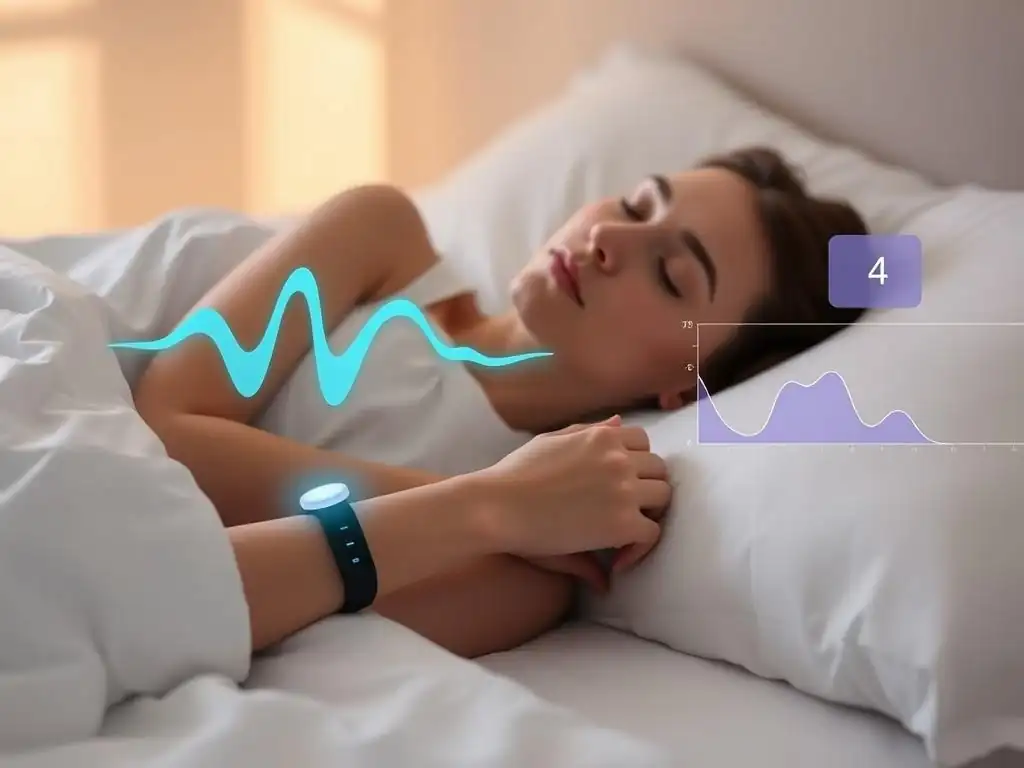
Sleep Tracking Apps and Software
Moving beyond the basic app provided with a sleep tracker, many users turn to more sophisticated third-party applications and software platforms to gain deeper insights into their sleep patterns. These advanced tools often offer more granular data analysis, customizable dashboards, trend identification over longer periods, and features specifically designed to help users understand the connection between their sleep habits and their overall mental well-being. They can take the raw data from a wearable device and transform it into actionable intelligence, making it easier to see how lifestyle choices influence sleep quality and, consequently, mood and cognitive function.
These specialized applications frequently provide detailed reports that go beyond simple duration and stages. For instance, some apps track micro-awakenings, sleep efficiency percentages compared to personalized baselines, and even correlation analyses between sleep metrics and user-logged mood entries.
A user might see a clear pattern emerge: on nights following high-stress days (as indicated by a stress score logged in the app), their deep sleep percentage consistently drops by 15-20%, directly preceding days where they report feeling more irritable or anxious. This level of detail helps individuals pinpoint specific triggers and understand how sleep trackers boost mental health by providing this concrete, data-driven feedback loop.
Integrating with Other Health Data
The true power of sleep tracking for enhancing mental well-being insights often lies in integrating sleep data with other health and lifestyle metrics. Wearable devices and accompanying apps are increasingly designed to pull in information about physical activity levels, heart rate variability (HRV), resting heart rate, body temperature, and even stress scores derived from physiological signals. Combining this data with self-reported inputs like mood, diet, caffeine intake, alcohol consumption, and medication schedules creates a comprehensive picture of an individual's health ecosystem.
For example, analyzing sleep data alongside daily step counts might reveal that moderate activity improves sleep onset latency, while intense evening workouts disrupt REM sleep. Similarly, correlating low HRV (often an indicator of stress or poor recovery) with fragmented sleep patterns provides strong evidence that stress is significantly impacting sleep quality.
By integrating sleep data with mental health tracking – perhaps logging anxiety levels or depressive symptoms daily – individuals can observe how changes in sleep architecture (like reduced deep sleep or increased wakefulness) often precede or coincide with shifts in their psychological state. This holistic approach allows users to see undeniable connections, reinforcing how effectively sleep trackers boost mental health monitoring by providing a multi-dimensional view of well-being.
The Future of Sleep Tracking and Mental Health
The field of sleep tracking is rapidly evolving, with future advancements promising even more sophisticated tools for monitoring and improving mental well-being. Beyond current wearable technology, researchers are developing non-contact sensors that can track sleep patterns from a distance, integrated into mattresses or bedside devices, offering less intrusive monitoring. Artificial intelligence and machine learning are set to play a significant role, moving beyond simple data presentation to offering predictive insights and personalized interventions based on observed patterns.
Imagine a future where your sleep tracker not only tells you you had poor sleep but predicts, based on subtle changes in your sleep metrics and historical data, that you might experience increased stress or difficulty concentrating the next day. These future systems could offer real-time, personalized recommendations, such as suggesting a guided meditation based on elevated overnight heart rate or prompting a reminder to wind down earlier based on a trend of increasing sleep onset time.
This predictive and proactive capability represents the next frontier in how sleep trackers boost mental health, moving from passive data collection to active, personalized support for psychological well-being.
Frequently Asked Questions
How can sleep trackers specifically contribute to improved mental wellbeing?
Sleep trackers provide objective data about your sleep patterns. This data can reveal sleep disturbances impacting mood and cognitive function, allowing for targeted interventions.
What types of data do sleep trackers collect that are relevant to mental health?
They typically monitor sleep duration, sleep stages (REM, deep sleep), and sleep quality (e.g., restlessness, awakenings). These insights can be linked to anxiety, depression, and overall stress levels.
Are there any potential downsides to relying on sleep trackers for mental health insights?
Over-reliance can lead to increased anxiety about sleep, known as orthosomnia. It's crucial to interpret data with a balanced perspective and avoid fixating on perfect scores.
What are some practical steps to take after identifying sleep issues through a tracker?
Consult a healthcare professional or sleep specialist for proper diagnosis and treatment. Implementing good sleep hygiene practices, like a consistent sleep schedule, is also helpful.
How can I effectively integrate sleep tracker data into my overall mental health management plan?
Share your sleep data with your therapist or doctor to discuss its potential impact on your mental health symptoms. Use the data to make informed lifestyle changes that support better sleep.
Final Reflection: Unlocking the Mind Through Sleep
Understanding our sleep patterns is no longer a luxury; it's a crucial step towards optimizing mental wellbeing. The data revealed by sleep trackers isn't just a collection of numbers; it's a window into our inner world, offering invaluable insights into our mental and emotional landscape. This information empowers us to make proactive changes, fostering a healthier and more balanced life.
The impact of sleep on our mental health is undeniable, a truth increasingly recognized in our fast-paced, always-on society. Sleep deprivation fuels anxiety, impairs cognitive function, and exacerbates existing mental health conditions. By leveraging the data provided by sleep trackers, we can identify patterns and triggers that contribute to poor sleep, allowing us to address these issues directly. Sleep is the golden chain that ties health and our bodies together.
– Thomas Dekker. This quote highlights the fundamental connection between restorative sleep and overall well-being, a connection made clearer and more actionable through the use of modern technology.
Now, consider your own sleep patterns. What story does your data tell? Are there recurring issues you can address? Perhaps it's time to adjust your bedtime routine, create a more conducive sleep environment, or seek professional help if needed. Take control of your sleep, and in doing so, take control of your mental wellbeing. The journey to better mental health begins with understanding the foundation upon which it rests: a good night's sleep.
Unlock Your Mind's Potential: Sleep Smarter, Live Better
Thanks for diving into the world of sleep data and its impact on mental wellbeing! We hope you gained valuable insights into how tracking your sleep can improve your overall wellness. Now, let's put that knowledge into action.
- Prioritize your sleep hygiene: Start by identifying one small change you can implement tonight—whether it's setting a consistent bedtime, creating a relaxing pre-sleep routine, or optimizing your sleep environment. This single step can make a significant difference.
- Share your sleep journey: Tell us (or your friends!) about your experience with sleep tracking and what changes you’re making. Your insights might inspire others to embark on their own path toward better sleep.
- Explore advanced sleep analysis: Consider delving deeper into the data provided by your tracker. Uncover hidden patterns and correlations that could offer even more profound insights into your sleep quality and overall mental state.
Ready to transform your sleep and unlock a more mindful you? What small change will you make tonight to prioritize better sleep?