
Sleep Tech for Stress: A Deep Dive into How Trackers Really Work to Improve Sleep

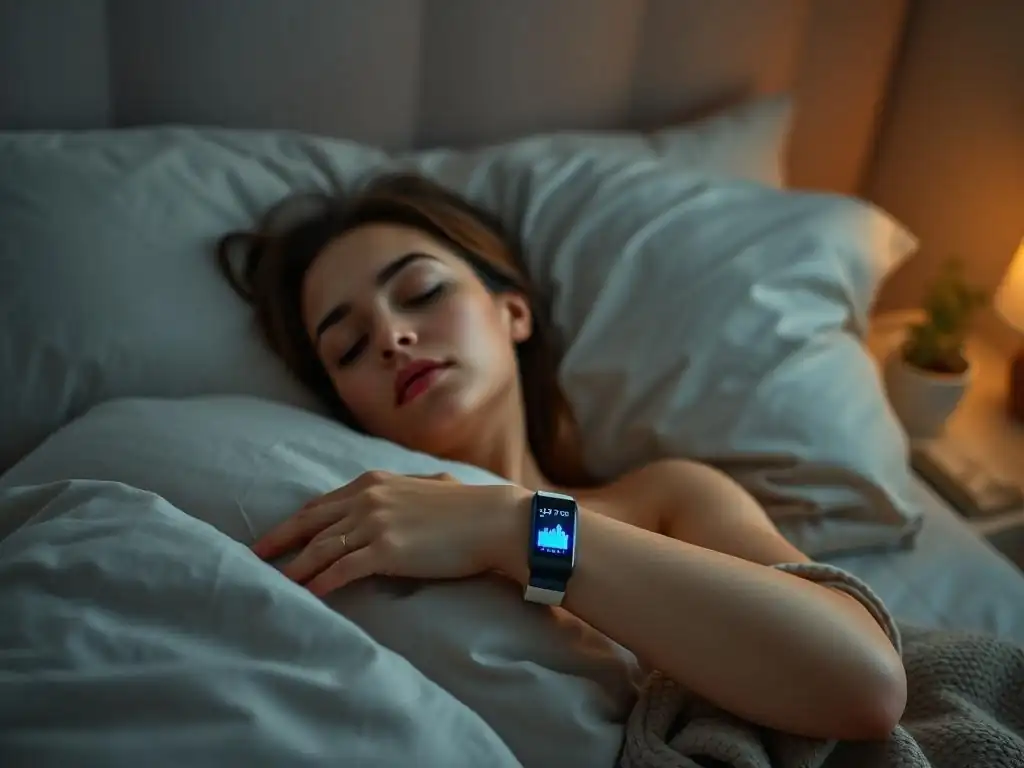
Welcome to Mind Care Guide, your sanctuary for navigating the complexities of mental well-being. Are you tossing and turning, yearning for a peaceful night's rest? We understand. This article delves into how Sleep trackers reduce stress anxiety, exploring the potential of wearable technology to unlock deeper, more restorative sleep. Curious to learn if these devices can truly quiet the storm within? Let's explore the science and practical applications together.
Sleep Tech for Stress: A Deep Dive into How Trackers Improve Sleep
- The Stress-Sleep Connection: Why Anxiety Disrupts Your Rest
- Can Sleep Trackers Reduce Stress and Anxiety?
- Choosing a Sleep Tracker for Stress Relief: A Buyer's Guide
- Top Sleep Trackers for Anxiety and Stress: Reviews & Comparisons
- Beyond the Tracker: Improving Sleep for Stress Reduction
- Limitations: When Sleep Trackers Aren't Enough
- Optimizing Your Sleep Environment for Reduced Stress
- Conclusion: Sleep Tech as a Tool for Stress Management
-
Frequently Asked Questions
- How can sleep trackers potentially reduce stress and anxiety?
- What specific sleep metrics are most relevant for managing stress and anxiety?
- Are sleep trackers accurate enough to rely on for making significant lifestyle changes related to stress management?
- Can over-reliance on sleep trackers actually increase stress and anxiety?
- What are some alternative or complementary approaches to using sleep trackers for stress and anxiety management?
- Final Reflection: Unplugging to Recharge: The Unexpected Power of Sleep Tech
- Unlock Your Best Sleep Yet: Practical Steps to Deeper Rest
The Stress-Sleep Connection: Why Anxiety Disrupts Your Rest
Understanding the Cycle of Stress and Poor Sleep
Stress and sleep share a complex, bidirectional relationship. When you experience stress, your body releases hormones like cortisol, often referred to as the "stress hormone." Elevated cortisol levels can interfere with your body's natural sleep-wake cycle, making it harder to fall asleep and stay asleep.
This disruption can lead to fragmented sleep or insomnia. Imagine a scenario where deadline pressure at work causes you to lie awake, your mind racing through tasks and worries. This sleeplessness then makes you feel more irritable and less equipped to handle stress the next day, perpetuating a negative feedback loop where poor sleep exacerbates stress, and stress worsens sleep.
Furthermore, chronic stress can alter the timing and duration of sleep stages, particularly reducing the amount of deep, restorative sleep and REM sleep you get. These stages are crucial for cognitive function, emotional regulation, and physical restoration. A study published in Sleep Medicine in 2020 highlighted that individuals with higher levels of perceived stress reported significantly poorer sleep quality and shorter sleep duration.
This scientific evidence underscores the profound impact stress has on the physiological mechanisms that govern healthy sleep, making it clear why managing stress is vital for restful nights. Sleep trackers reduce stress anxiety by helping individuals understand this cycle.
How Anxiety Keeps You Awake: Common Sleep Problems
Anxiety is a primary culprit behind various sleep disturbances. The constant state of worry and heightened arousal associated with anxiety makes it difficult for the mind and body to relax sufficiently for sleep. Common sleep problems linked to anxiety include difficulty falling asleep (sleep onset insomnia), waking up frequently during the night (sleep maintenance insomnia), and experiencing unrefreshing sleep. For example, someone with generalized anxiety disorder might spend hours tossing and turning, replaying stressful events or anticipating future problems, preventing them from drifting off. This internal turmoil keeps the brain active when it should be preparing for rest.
Beyond insomnia, anxiety can also contribute to restless legs syndrome or bruxism (teeth grinding), which further disrupt sleep quality. Panic attacks, which can occur during the night, are another severe manifestation of anxiety that shatters sleep. The fear of not sleeping can itself become a source of anxiety, creating a vicious cycle known as sleep performance anxiety.
An individual might start dreading bedtime, associating their bed with wakefulness and worry rather than rest. Understanding these specific ways anxiety manifests in sleep problems is the first step toward finding effective solutions, and this is where tools like sleep trackers can offer valuable insights into how your anxiety is impacting your sleep patterns.
Can Sleep Trackers Reduce Stress and Anxiety?
Do Sleep Trackers Work for Anxiety?
Sleep trackers can be a valuable tool in managing anxiety by providing objective data about sleep patterns. While they don't directly treat anxiety, they empower users with information that can help identify sleep issues contributing to stress and anxiety and track the effectiveness of interventions. For someone experiencing sleep-related anxiety, seeing data that confirms they are indeed sleeping, even if it feels like they aren't, can be reassuring.
Conversely, data revealing poor sleep quality can motivate individuals to make lifestyle changes or seek professional help. Consider someone who constantly worries they aren't getting enough deep sleep; a tracker might show they get a reasonable amount, easing that specific worry, or it might show a deficit, prompting them to explore why.
The utility of sleep trackers lies in their ability to make the invisible visible. Many people underestimate or overestimate the amount of sleep they get, or are unaware of how often they wake up during the night. A tracker provides a quantitative measure, offering a clearer picture than subjective perception alone.
By correlating sleep data with daily stress levels (some trackers offer stress tracking features), individuals can begin to see patterns, such as how a particularly stressful day impacts sleep quality that night. This awareness is crucial for developing targeted strategies to improve sleep and, consequently, reduce anxiety. Sleep trackers reduce stress anxiety by fostering self-awareness and data-driven decision-making.
Data's Role: Monitoring and Analyzing Sleep Patterns
The core function of a sleep tracker is to collect data. This data typically includes metrics like total sleep duration, time spent in different sleep stages (light, deep, REM), times you woke up during the night, sleep onset latency (how long it took to fall asleep), and sleep efficiency (the percentage of time in bed actually spent asleep). More advanced trackers also measure heart rate, heart rate variability (HRV), respiratory rate, and even skin temperature, which can provide additional context about recovery and stress levels.
Analyzing this data over time allows individuals to identify trends and anomalies in their sleep patterns. For instance, consistently low sleep efficiency might point to spending too much time in bed awake, while fragmented sleep could indicate underlying issues.
The power of this data comes from its analysis and visualization, often presented through companion apps. These apps typically show graphs and summaries of your sleep each night and over longer periods (weekly, monthly). Some provide a "sleep score" that aggregates various metrics into a single, easy-to-understand number.
This analysis helps users see when their sleep is poor and how it deviates from healthy patterns. For example, someone might notice their sleep score consistently drops on nights after they consume caffeine late in the day, or that their deep sleep is significantly reduced during periods of high work stress. Armed with this objective information, individuals are better equipped to understand the specific ways stress impacts their sleep and make informed adjustments to their routines or environment.
Choosing a Sleep Tracker for Stress Relief: A Buyer's Guide
Key Features for Stress-Reducing Sleep Trackers
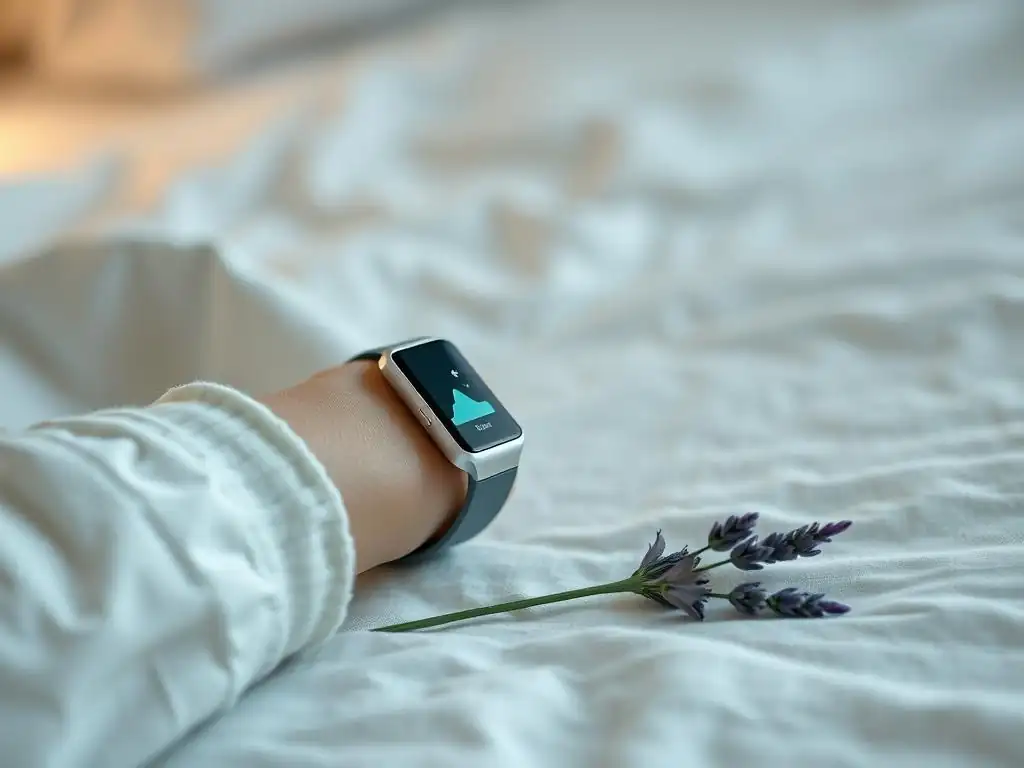
When selecting a sleep tracker primarily for stress and anxiety management, certain features are more beneficial than others. Accurate sleep stage tracking (distinguishing between light, deep, and REM sleep) is crucial, as the proportion and quality of these stages significantly impact mental restoration and resilience to stress. Look for trackers that utilize a combination of accelerometer data (to detect movement) and heart rate data for more precise staging.
Another key feature is tracking sleep duration and consistency. Erratic sleep schedules can exacerbate anxiety, and monitoring this can help establish healthier routines. Furthermore, the ability to log factors that might affect sleep, such as caffeine intake, alcohol consumption, or stressful events, can help users identify correlations between their daily habits/stressors and their sleep quality.
Beyond basic sleep metrics, consider trackers that offer features specifically related to stress physiology. Heart Rate Variability (HRV) is a particularly valuable metric. HRV measures the variation in time between heartbeats and is a strong indicator of the autonomic nervous system's balance.
Low HRV is often associated with stress, anxiety, and poor recovery, while higher HRV indicates better resilience. Monitoring HRV trends can provide insight into your body's stress load and recovery status, helping you understand how stress is physically impacting you, even during sleep. Some devices also offer guided breathing exercises or mindfulness prompts within their apps, which can be used during the day or before bed to actively reduce stress and prepare for sleep.
Smart Features: Heart Rate Variability (HRV) and Stress Detection
Smart features like Heart Rate Variability (HRV) and dedicated stress detection metrics are increasingly common in modern sleep trackers and wearables, offering deeper insights into the physiological impact of stress on the body, including during sleep. As mentioned, HRV is a key indicator of autonomic nervous system function. Tracking HRV trends over time can reveal patterns related to stress, recovery, and overall resilience.
For instance, a sustained drop in your baseline HRV might correlate with a period of high stress or inadequate recovery, prompting you to prioritize rest or stress-reducing activities. Many devices measure HRV primarily during sleep when the body is at rest, providing a less variable reading than during the day.
Some advanced trackers and wearables offer proprietary "stress scores" or "body battery" metrics. These metrics often combine HRV data with other physiological signals like resting heart rate, sleep quality, and activity levels to provide an overall assessment of your body's current stress level and recovery status. For example, a high stress score or a depleted "body battery" might indicate that your system is under strain, suggesting the need for rest or stress management techniques.
These features provide a more holistic view than sleep data alone, helping users connect their daily stress experiences and recovery capacity directly to their sleep quality. Understanding these connections through data can be a powerful motivator for making changes that ultimately help sleep trackers reduce stress anxiety more effectively.
Data Visualization and Insights: Understanding Sleep
Effective data visualization and actionable insights are critical for a sleep tracker to be truly helpful in managing stress and anxiety. Raw data points are less useful than clear, intuitive charts and graphs that show trends over time. Look for apps that present your sleep data in an easily digestible format, such as daily sleep scores, weekly summaries of sleep stages, and trends in metrics like sleep duration or sleep efficiency.
Visualizing how your sleep changes day-to-day or week-to-week can help you identify patterns related to stress, lifestyle choices, or sleep environment factors. For example, a simple bar chart showing your sleep duration each night alongside a line chart showing your perceived stress level that day might reveal a clear inverse relationship.
Beyond just displaying data, the best sleep tracker apps offer insights and personalized recommendations based on your patterns. Some apps might highlight correlations, such as "Your sleep efficiency was lower on nights you had late meals" or "Your HRV dropped significantly during this stressful week." Others offer tips for improving sleep hygiene based on your data, like suggesting a consistent bedtime if your sleep times are erratic.
Some integrate with mindfulness or relaxation content. The goal is to translate complex physiological data into understandable information that empowers you to make informed decisions about managing your stress and improving your sleep. This translation of data into actionable understanding is key to how sleep trackers reduce stress anxiety by enabling positive behavioral change.
Top Sleep Trackers for Anxiety and Stress: Reviews & Comparisons
Fitbit Sense 2: Comprehensive Health Tracking
The Fitbit Sense 2 is positioned as a health-focused smartwatch with robust features for stress management and sleep tracking, making it a strong contender for those looking to use wearable tech to help manage anxiety related to sleep. It offers a comprehensive suite of sensors designed to provide a holistic view of your well-being.
Its continuous EDA (electrodermal activity) sensor is a standout feature for stress tracking, measuring small electrical changes in your skin that can be correlated with stress responses. Combined with heart rate, HRV, and skin temperature data, the Sense 2 aims to give users a detailed picture of their body's physiological state.
In terms of sleep tracking, the Sense 2 automatically detects sleep, tracks time spent in light, deep, and REM sleep stages, and provides a daily Sleep Score. It also monitors your resting heart rate and oxygen saturation (SpO2) during sleep, offering additional health insights.
The device and its companion app integrate these metrics to provide daily readiness scores and insights into how activity, sleep, and stress are impacting your body. This comprehensive approach means it's not just tracking sleep in isolation but within the broader context of your daily stress and recovery, which is particularly useful for understanding the stress-sleep cycle.
Fitbit Sense 2 Features: Stress Management Score, EDA Scan App, Sleep Stages
A core feature of the Fitbit Sense 2 relevant to stress and anxiety is its Stress Management Score. This score is calculated daily based on various physiological metrics, including heart rate responsiveness, exertion balance from activity, and sleep patterns. A higher score indicates your body is showing fewer physical signs of stress. The Sense 2 also features an on-wrist continuous EDA sensor that contributes to this score and allows for spot checks using the EDA Scan app. A significant change in EDA response can indicate stress or excitement, providing real-time feedback on your body's reactions.
The Sense 2 excels at tracking sleep stages (light, deep, REM) automatically using a combination of motion and heart rate data. The Fitbit app provides detailed graphs showing your time in each stage, comparing it to benchmarks for your age group. It also tracks your total sleep duration, sleep efficiency, and times awake.
These granular details allow users to see how their sleep structure is being affected, which is vital for understanding sleep quality beyond just quantity. The combination of stress-specific metrics and detailed sleep stage analysis provides a powerful toolset for identifying the physical manifestations of anxiety and sleep disruption.
Fitbit Sense 2: Real-Time Data and Insights for Anxiety Reduction
The Fitbit Sense 2 provides real-time data and insights that can directly aid in anxiety reduction by increasing self-awareness. The continuous EDA sensor alerts you to potential stress responses as they happen, prompting you to reflect on what might be triggering them or to engage in calming activities. The on-wrist EDA Scan app allows you to perform a two-minute scan at any time to measure your body's response, which can be helpful during moments of heightened anxiety. The app then provides reflections on how you were feeling during the scan, helping you connect physical responses to emotional states.
Furthermore, the daily Stress Management Score and detailed sleep metrics in the Fitbit app offer insights into how your lifestyle choices, daily stressors, and sleep quality are interconnected. For example, you might notice your Stress Management Score is consistently lower on days following poor sleep, or that your deep sleep is significantly reduced during periods when your EDA responses are high.
The app often provides personalized insights and suggestions based on your data, such as recommending mindfulness exercises if your stress metrics are high or suggesting consistent bedtimes based on your sleep patterns. This data-driven feedback loop empowers users to make informed decisions and take proactive steps to manage both stress and sleep, helping sleep trackers reduce stress anxiety over time.
Garmin Venu 3: Advanced Sleep Monitoring and Body Battery Insights
The Garmin Venu 3 is a health and fitness smartwatch known for its detailed physiological tracking, including advanced sleep monitoring and Garmin's proprietary Body Battery energy monitoring feature. This makes it particularly useful for individuals seeking to understand how stress and recovery impact their overall energy levels and sleep quality.
The Venu 3 automatically tracks sleep duration, sleep stages (light, deep, REM), and periods of wakefulness using a combination of accelerometer and heart rate data. It also incorporates Pulse Ox (SpO2) data during sleep to measure blood oxygen saturation, which can be relevant for identifying potential sleep disturbances like sleep apnea, although it's not a medical device.
The Body Battery feature is a key differentiator for stress management. It uses HRV, stress levels, sleep quality, and activity data to provide a real-time estimate of your body's energy reserves. High stress and poor sleep deplete your Body Battery, while rest and good sleep recharge it.
Monitoring your Body Battery throughout the day and correlating it with your sleep data provides tangible insight into how well you are recovering from daily stressors and activities. This feature offers a practical way to see the physical toll of stress and the restorative power of good sleep, motivating users to prioritize rest and stress reduction.
Garmin Venu 3 Features: Sleep Score, Body Battery Monitoring, Stress Tracking
The Garmin Venu 3 provides a daily Sleep Score, which is a single number summarizing the quality of your sleep based on duration, stages, restlessness, and stress levels experienced during sleep. The app breaks down the score with details on time spent in each sleep stage (light, deep, REM) and periods awake. It also provides insights into factors that may have affected your sleep quality that night, such as recent activity or stress. This score and detailed breakdown make it easier to quickly assess sleep quality and identify specific areas for improvement.
The Body Battery feature is central to the Venu 3's stress management capabilities. It uses a combination of HRV and stress data (measured throughout the day and night) along with activity and sleep data to estimate your current energy level on a scale of 0 to 100. Watching your Body Battery deplete during stressful periods and recharge during good sleep provides a powerful visual representation of your body's stress and recovery cycle.
The Venu 3 also offers continuous stress tracking throughout the day, displaying your stress level on a scale and identifying periods of rest versus stress. This allows users to see how different activities or events impact their stress levels in real-time.
Garmin Venu 3: Energy Levels and Sleep Quality for Anxiety Reduction
The Garmin Venu 3's focus on energy levels and sleep quality provides direct benefits for individuals managing anxiety. The Body Battery metric offers a clear, intuitive way to understand the physical impact of stress and inadequate sleep. If your Body Battery is consistently low, it's a strong indicator that you are not adequately recovering, which can exacerbate feelings of anxiety and overwhelm.
Seeing this data can serve as a powerful prompt to prioritize rest, reduce commitments, or engage in stress-reducing activities. For example, someone might notice their Body Battery is consistently low after nights of poor sleep, reinforcing the need to improve sleep hygiene.
By correlating your sleep score and detailed sleep stage data with your Body Battery levels, you can gain deeper insights into how your sleep quality is impacting your overall energy and recovery. For instance, you might observe that nights with a higher Sleep Score and more deep sleep lead to a significantly higher Body Battery reading the next morning.
This tangible link between good sleep and improved energy/recovery can be highly motivating for individuals struggling with sleep-related anxiety. The Venu 3's combination of detailed sleep analysis, continuous stress tracking, and the unique Body Battery metric provides a robust framework for understanding the intricate relationship between stress, recovery, and sleep, helping users make changes that enable sleep trackers reduce stress anxiety effectively.
Oura Ring Gen3: Discreet Sleep Tracking with Personalized Recommendations
The Oura Ring Gen3 is a discreet, ring-form wearable device known for its highly accurate sleep tracking and focus on recovery and readiness. Its form factor makes it comfortable to wear at night, and it collects a wealth of physiological data, including resting heart rate, HRV, respiratory rate, body temperature variation, and movement.
This comprehensive data set allows the Oura Ring to provide detailed insights into sleep quality, recovery status, and overall health. Its emphasis on personalized recommendations makes it a strong contender for those who want guidance on how to improve their sleep and manage stress based on their unique data.
The Oura Ring automatically tracks sleep duration, time spent in different sleep stages (using advanced algorithms that are often cited as highly accurate compared to other consumer devices), latency, and efficiency. It also monitors nighttime restlessness and provides a daily Sleep Score. Beyond sleep, it measures daytime activity, resting heart rate, and HRV, which are crucial indicators of stress and recovery. The data is presented in the Oura app, which focuses on providing daily scores for Sleep, Readiness, and Activity, along with personalized insights and guidance.
Oura Ring Gen3 Features: Sleep Staging, HRV Tracking, Body Temperature
The Oura Ring Gen3 excels at sleep staging, providing detailed breakdowns of time spent in light, deep, and REM sleep. Its algorithms, based on research and validation studies, are often considered among the most accurate for consumer wearables. This granular insight into sleep architecture is invaluable for understanding the quality of your sleep and how it might be affected by stress or other factors. For instance, consistently low amounts of deep or REM sleep could indicate poor recovery, which is often linked to high stress levels.
HRV tracking is a core feature of the Oura Ring, measured during the night when the body is at rest. The app tracks your average nightly HRV and shows trends over time, providing a key metric for assessing your body's stress load and recovery capacity. A dropping HRV trend can signal overtraining, illness, or significant stress.
The Oura Ring also tracks body temperature variation, which can indicate illness or hormonal changes, adding another layer of physiological context to your recovery and readiness. These detailed physiological metrics provide a robust dataset for understanding how stress and recovery are impacting your body, particularly during sleep.
Oura Ring Gen3: Proactive Health Insights for Anxiety Reduction
The Oura Ring Gen3 leverages its detailed physiological data to provide proactive health insights and personalized recommendations aimed at optimizing sleep and recovery, which indirectly helps manage anxiety. The daily Readiness Score, calculated from sleep quality, HRV, resting heart rate, body temperature, and activity levels, provides a single metric indicating how recovered your body is and how ready you are to face the day's challenges. A low Readiness Score might prompt you to take it easy, prioritize rest, or engage in stress-reducing activities, preventing you from pushing yourself too hard when your body is stressed or under-recovered.
The Oura app provides personalized insights based on your data, explaining why your Sleep or Readiness score is high or low and offering suggestions for improvement. For example, if your Readiness Score is low due to poor sleep and low HRV, the app might suggest a rest day or recommend going to bed earlier that night. It also highlights trends, such as how late meals or alcohol consumption impact your sleep and HRV.
By providing actionable insights based on your unique physiological data, the Oura Ring empowers users to make informed choices that support better sleep and recovery, thereby helping to manage the physical and mental toll of stress and anxiety. Its ability to provide tailored guidance based on detailed physiological tracking makes it a powerful tool for those seeking to understand how sleep trackers reduce stress anxiety through personalized health management.
Amazfit Band 7: Affordable Option for Basic Sleep Tracking
The Amazfit Band 7 offers a more budget-friendly entry point into the world of wearable sleep tracking. While it may not offer the same depth of advanced physiological metrics as higher-end devices, it provides essential sleep data that can still be valuable for gaining awareness of sleep patterns and how they might relate to stress and anxiety. Its affordability makes sleep tracking accessible to a wider audience. The Band 7 automatically tracks sleep duration and distinguishes between different sleep stages (light, deep, REM), although the accuracy of stage detection may vary compared to more expensive models.
In addition to sleep tracking, the Amazfit Band 7 monitors heart rate continuously, including during sleep, which contributes to its sleep analysis. It also offers basic stress level monitoring, although the methodology might be simpler than devices focusing heavily on HRV.
The device provides a sleep score and insights within the Zepp app, focusing on key metrics like duration and quality. For someone new to sleep tracking or on a tight budget, the Amazfit Band 7 provides enough foundational data to start understanding their sleep habits and how they correlate with daily stress levels, serving as a useful initial tool for exploring how sleep trackers reduce stress anxiety.
Amazfit Band 7 Features: Heart Rate Monitoring, Sleep Stage Tracking
The Amazfit Band 7's core sleep features include automatic sleep detection, tracking of total sleep duration, and the breakdown of time spent in light, deep, and REM sleep stages. It also monitors periods of wakefulness during the night. This provides a basic overview of your sleep architecture, allowing you to see if you are consistently getting enough total sleep or if your sleep is frequently interrupted. While the precision of sleep stage tracking can be debated across all consumer wearables, the Band 7 provides an estimated breakdown that can still highlight significant deviations from typical patterns.
Continuous heart rate monitoring is another key feature, active both during the day and night. Resting heart rate during sleep can be an indicator of recovery and stress levels; a consistently elevated resting heart rate might suggest insufficient recovery or high physiological stress. The Band 7 also includes a basic stress monitoring feature that provides a score based on heart rate variability (though likely a simpler calculation than dedicated HRV trackers) and activity. These features, though basic, offer a starting point for understanding the physiological impact of stress and how it might be reflected in your sleep data.
Amazfit Band 7: Entry-Level Sleep Data for Awareness and Anxiety
For individuals dealing with anxiety-related sleep issues, the Amazfit Band 7 offers entry-level data that can still foster valuable self-awareness. Simply seeing objective data on total sleep time can be helpful, especially if subjective feelings of sleeplessness are causing anxiety. Tracking sleep duration over time can reveal inconsistencies in bedtime or wake-up times, which are common contributors to poor sleep and exacerbated anxiety. The basic sleep stage data can provide a general sense of sleep quality, prompting further investigation if deep or REM sleep consistently appears low.
The availability of basic stress monitoring and resting heart rate data allows users to start drawing connections between their perceived stress levels or daily activities and their sleep outcomes. For example, someone might notice that their sleep duration or quality is worse on days when their stress score was high.
While the insights may not be as deep or personalized as with more advanced devices, the Amazfit Band 7 provides a foundational layer of data that encourages users to pay attention to their sleep habits and how they might be impacting their anxiety, making it a practical, affordable option for those beginning to explore how sleep trackers reduce stress anxiety.
Beyond the Tracker: Improving Sleep for Stress Reduction
Using Sleep Tracker Data for Better Sleep Hygiene
Sleep tracker data is most impactful when used to inform and improve sleep hygiene practices. Good sleep hygiene involves establishing healthy habits and creating an environment conducive to sleep. Your tracker's data can pinpoint specific areas where your sleep hygiene might be failing.
For example, if your tracker shows you have a long sleep onset latency (taking a long time to fall asleep), it might suggest you need to reduce screen time before bed, as the blue light from devices can suppress melatonin production. If your data indicates frequent wake-ups during the night, it could prompt you to assess factors like bedroom temperature, noise levels, or late-night fluid intake.
Analyzing trends in your data can reveal how specific behaviors impact your sleep. Did your sleep score drop after drinking alcohol in the evening? Was your deep sleep reduced after an intense late-night workout? Your tracker provides the objective evidence to confirm these connections.
Use the data to track the effectiveness of changes you implement. If you start a relaxing bedtime routine, monitor your sleep onset latency and sleep efficiency to see if they improve. If you cut back on caffeine, check if your overall sleep duration or deep sleep increases. This data-driven approach makes improving sleep hygiene less about guesswork and more about targeted, effective adjustments based on your personal patterns, reinforcing how sleep trackers reduce stress anxiety by supporting positive behavioral change.
CBT-I and Sleep Trackers: A Powerful Combination
Cognitive Behavioral Therapy for Insomnia (CBT-I) is a highly effective, evidence-based treatment for chronic insomnia, and sleep trackers can serve as a valuable adjunct to this therapy. CBT-I involves identifying and changing thoughts and behaviors that contribute to sleep problems. Key components often include stimulus control (associating the bed only with sleep), sleep restriction (temporarily limiting time in bed to improve sleep efficiency), and cognitive restructuring (challenging unhelpful beliefs about sleep). While a therapist typically guides CBT-I, tracker data can support the process.
Tracker data provides objective information crucial for several CBT-I techniques. For sleep restriction, accurately knowing your total sleep time from the tracker is essential for calculating the appropriate initial "sleep window." Monitoring sleep efficiency via the tracker allows both the therapist and the individual to track progress and determine when to gradually increase time in bed.
The data also helps validate the process; seeing objective improvement in sleep efficiency or duration as a result of following CBT-I protocols can be highly motivating. Furthermore, for individuals with sleep performance anxiety, objective data showing actual sleep can challenge anxious thoughts about not sleeping at all. Combining the structured approach of CBT-I with the objective feedback from a sleep tracker creates a powerful synergy for overcoming insomnia and the anxiety associated with it.
Consistent Sleep Schedule: Using Trackers to Establish a Routine
Establishing and maintaining a consistent sleep schedule is one of the most fundamental principles of good sleep hygiene and is particularly important for regulating the body's internal clock (circadian rhythm). An erratic sleep schedule, common during periods of stress or anxiety, disrupts this rhythm, making it harder to fall asleep and wake up naturally. Sleep trackers provide the tools to monitor your bedtime and wake-up times accurately, helping you identify inconsistencies and track progress towards establishing a more regular routine.
Use your tracker's data to analyze your sleep schedule over a week or two. Do your bedtimes and wake-up times vary significantly between weekdays and weekends? Is there a large difference between when you try to go to bed and when you actually fall asleep according to your tracker?
Identifying these variations is the first step. Then, set a goal to narrow the window of your bedtime and wake-up time, aiming for consistency even on days off. Your tracker can then be used to hold yourself accountable and see how well you are sticking to the new schedule.
Many trackers offer reminders or nudges for winding down before your target bedtime. By providing objective data on your schedule adherence and showing how consistency impacts your sleep quality metrics (like sleep efficiency or total duration), trackers empower you to build a more regular routine, which in turn helps regulate your circadian rhythm and reduce sleep-related anxiety.
Limitations: When Sleep Trackers Aren't Enough
Recognizing Signs of Underlying Mental Health Issues
While sleep trackers can be valuable tools for gaining awareness and improving sleep habits, it's crucial to recognize their limitations, especially when dealing with significant stress or anxiety. Sleep disturbances are often symptoms of underlying mental health conditions such as generalized anxiety disorder, panic disorder, depression, or PTSD.
Relying solely on a sleep tracker to fix these issues would be like using a thermometer to treat a fever without addressing the infection causing it. If poor sleep persists despite using a tracker to implement good sleep hygiene, or if anxiety is significantly impacting multiple areas of your life beyond sleep, these could be signs of a more serious underlying issue.
Symptoms that might indicate a need for professional help include persistent difficulty sleeping for several weeks or months, overwhelming feelings of worry or dread that are hard to control, panic attacks, significant changes in mood or energy levels, loss of interest in activities, or thoughts of self-harm. A sleep tracker can confirm that your sleep is disrupted, but it cannot diagnose the root cause.
Ignoring severe anxiety or depression and hoping a tracker will solve the problem can delay necessary treatment and worsen your condition. It is essential to listen to your body and mind and be aware that sometimes, the solution lies beyond wearable technology.
Seeking Professional Help for Severe Anxiety and Sleep Disorders
When stress, anxiety, and sleep problems are significant, persistent, and interfere with daily functioning, seeking professional help is necessary. A sleep tracker can provide data to share with a healthcare provider or therapist, offering objective information about your sleep patterns, but it is not a substitute for medical evaluation or mental health treatment. Conditions like chronic insomnia, sleep apnea, restless legs syndrome, or severe anxiety disorders require diagnosis and treatment from qualified professionals. A primary care physician can rule out medical causes for sleep issues and refer you to specialists.
Mental health professionals, such as therapists or psychiatrists, can help address the underlying anxiety or stress contributing to sleep problems through therapies like CBT, exposure therapy, or medication if appropriate. Sleep specialists can conduct sleep studies to diagnose specific sleep disorders. Trying to manage severe anxiety or a clinically diagnosed sleep disorder with just a tracker can be ineffective and frustrating.
Professionals can offer tailored treatment plans, coping strategies, and support that go far beyond the capabilities of any device. Using a sleep tracker as a supplementary tool alongside professional guidance is the most effective approach for severe or complex cases, ensuring that while sleep trackers reduce stress anxiety by providing data, the core issues are addressed appropriately.
Optimizing Your Sleep Environment for Reduced Stress
Comfortable Mattress and Pillow: Investing in Sleep Comfort
Creating a comfortable sleep environment is a foundational element of good sleep hygiene and a crucial step in reducing stress and anxiety related to sleep. Your mattress and pillow are key components of this environment. An uncomfortable mattress can lead to tossing and turning, aches, and pains, all of which disrupt sleep and increase physical discomfort that can exacerbate mental stress.
While subjective, finding a mattress that provides adequate support and comfort for your preferred sleeping position is an investment in your sleep quality. Similarly, the right pillow supports proper spinal alignment and prevents neck pain, contributing to overall comfort throughout the night.
Replacing an old, worn-out mattress or pillow can make a significant difference. A mattress generally has a lifespan of about 7-10 years, while pillows should be replaced more frequently, perhaps every 1-2 years, depending on the type. Consider factors like firmness, material (memory foam, innerspring, latex), and temperature regulation when choosing a mattress.
For pillows, consider loft (thickness) and fill based on whether you're a back, side, or stomach sleeper. While a sleep tracker can't tell you if your mattress is uncomfortable, it might show increased restlessness or reduced deep sleep, prompting you to consider environmental factors like your bedding. Investing in a comfortable sleep surface directly removes potential physical stressors that can impede restful sleep and contribute to nighttime anxiety.
White Noise Machines and Sleep Sounds to Reduce Environmental Stress
Environmental noise is a common disruptor of sleep and a significant source of stress, especially for those already prone to anxiety. Unexpected sounds like traffic, noisy neighbors, or household creaks can jolt you awake or prevent you from falling asleep. White noise machines or apps that play consistent, soothing sounds can help mask these disruptive noises, creating a more tranquil sleep environment. White noise, pink noise, or brown noise create a consistent sound frequency that helps to drown out sudden spikes in noise.
Alternatively, many people find relaxation through nature sounds (like rain or ocean waves) or ambient music designed for sleep. These sounds can not only mask noise but also create a calming atmosphere that promotes relaxation and reduces the mental chatter often associated with anxiety before bed. Experiment with different types of sounds and volumes to find what works best for you.
Some sleep trackers and their companion apps integrate with or recommend sound machines or sleep sound apps, helping you build a comprehensive sleep routine. By reducing the stress caused by environmental noise, these tools contribute directly to improving sleep quality, which in turn helps manage anxiety.
Relaxing Bedtime Routine: Meditation Apps and Guided Sleep Stories
Establishing a consistent, relaxing bedtime routine signals to your body and mind that it's time to wind down and prepare for sleep. This routine should ideally start 30-60 minutes before your target bedtime and involve calming activities that help reduce stress and anxiety accumulated during the day. Examples include taking a warm bath, reading a physical book (avoiding backlit screens), gentle stretching, or listening to calming music. Integrating mindfulness or meditation into your routine can be particularly effective for quieting an anxious mind.
Meditation apps like Calm or Headspace offer guided meditations specifically designed for sleep or relaxation. These often include body scans, breathwork exercises, or visualizations that help release physical tension and calm racing thoughts. Guided sleep stories, available on many apps, provide a narrative focus that can distract the mind from worries and gently lull you towards sleep.
Some sleep tracker apps integrate with these meditation and sleep content platforms or offer their own guided sessions. By incorporating these practices into your nightly ritual, you actively reduce the physiological and psychological arousal associated with stress and anxiety, creating a smoother transition into sleep. Using your sleep tracker to monitor how these routines impact your sleep onset latency or overall sleep duration can provide positive reinforcement for maintaining the practice.
Conclusion: Sleep Tech as a Tool for Stress Management
Sleep Trackers as Part of a Holistic Stress Strategy
Sleep trackers are powerful tools that can significantly contribute to a holistic strategy for managing stress and anxiety, primarily by providing objective data and fostering self-awareness about sleep patterns. They help bridge the gap between how you feel you are sleeping and how you actually are sleeping, offering tangible metrics like sleep duration, efficiency, and time in different stages.
This data can reveal how stress impacts your sleep and track the effectiveness of interventions you implement, whether they are lifestyle changes, sleep hygiene improvements, or therapeutic approaches like CBT-I. For example, seeing your sleep efficiency improve after consistently using relaxation techniques before bed provides positive reinforcement and motivation.
However, it's crucial to view sleep trackers not as a cure-all, but as one component within a broader approach. Effective stress management involves addressing the root causes of stress and anxiety through various means, including stress-reduction techniques (like mindfulness, exercise, or therapy), lifestyle adjustments (diet, social connection), and creating a supportive environment. Sleep trackers enhance this process by providing data that informs your decisions about sleep, a critical pillar of both physical and mental health. By helping you understand and improve your sleep, sleep trackers reduce stress anxiety indirectly but meaningfully, making you more resilient to daily challenges.
The Future of Sleep Tech: Personalized Solutions for Anxiety and Sleep
The field of sleep technology is rapidly evolving, and the future promises even more personalized and integrated solutions for managing anxiety and improving sleep. Future sleep trackers and wearables are likely to offer more accurate and granular physiological data, potentially including real-time neurofeedback or more sophisticated analysis of respiratory patterns and micro-movements. The algorithms used to interpret this data will become more advanced, offering even more precise insights into individual sleep needs and stress responses.
We can anticipate greater integration between sleep tech, mental wellness apps, and even healthcare platforms. Imagine a future where your sleep tracker data is seamlessly integrated with a therapy app, providing your therapist with objective insights into your sleep-anxiety cycle, or where your device provides personalized, AI-driven recommendations for stress reduction techniques based on your daily stress and recovery metrics.
The focus will shift further towards proactive health management, predicting periods of high stress or potential sleep disruption and offering tailored interventions before problems become severe. As technology advances, the potential for sleep trackers to become even more effective tools in helping individuals understand and manage the complex interplay between stress, anxiety, and sleep is immense, paving the way for more personalized and data-informed pathways to mental well-being.
Frequently Asked Questions
How can sleep trackers potentially reduce stress and anxiety?
Sleep trackers offer valuable insights into your sleep patterns, enabling you to identify potential disruptors like inconsistent bedtimes or poor sleep environments. Addressing these issues can lead to improved sleep quality and, consequently, reduced stress and anxiety.
What specific sleep metrics are most relevant for managing stress and anxiety?
Metrics like sleep duration, sleep efficiency, and heart rate variability (HRV) are particularly important. Low sleep duration can exacerbate stress, while poor sleep efficiency may indicate underlying anxiety. HRV can reflect stress levels and overall well-being.
While not medical-grade devices, modern sleep trackers are generally accurate enough to provide a good baseline understanding of your sleep habits. They can serve as a valuable tool for self-monitoring and identifying trends, but consult a healthcare professional for definitive diagnoses.
Can over-reliance on sleep trackers actually increase stress and anxiety?
Yes, becoming overly focused on sleep data can lead to "orthosomnia," an unhealthy obsession with achieving "perfect" sleep. This can paradoxically increase anxiety and disrupt natural sleep patterns. Moderation and a balanced perspective are key.
What are some alternative or complementary approaches to using sleep trackers for stress and anxiety management?
Combining sleep tracker data with other stress-reducing techniques, such as mindfulness meditation, regular exercise, and cognitive behavioral therapy (CBT), can be highly effective. Addressing underlying mental health concerns with a therapist can also improve sleep quality and reduce reliance on technology.
Final Reflection: Unplugging to Recharge: The Unexpected Power of Sleep Tech
The pervasive nature of stress and anxiety in modern life demands innovative solutions, and the rise of sleep technology offers a surprisingly effective pathway to improved well-being. While initially viewed with skepticism, the data increasingly shows that sleep trackers, when used mindfully, can be powerful tools in managing stress and anxiety by providing crucial insights into our sleep patterns and offering personalized strategies for improvement.
The journey into understanding the relationship between sleep, stress, and technology has been a revealing one. It's not simply about the gadgets themselves, but about the self-awareness they cultivate. The greatest discovery of all time is that a person can change his future by merely changing his attitude.
- Oprah Winfrey. This quote rings true in the context of sleep tech; by understanding our sleep patterns, we gain agency over our mental and physical health, fostering a more positive and proactive approach to stress management. The impact extends beyond the individual, influencing our relationships, productivity, and overall contribution to society.
Now, consider your own sleep habits. Are you consistently prioritizing rest? Do you find yourself reaching for your phone before bed? This article has explored the potential of sleep technology to help you understand and improve your sleep, but the real power lies in your hands.
Take the time to reflect on your relationship with sleep, explore the options available, and make a conscious choice to invest in your well-being. Start small, track your sleep for a week, and observe the patterns. Use this knowledge to build healthier sleep habits, and watch as the positive ripple effect transforms your stress levels and overall quality of life.
Unlock Your Best Sleep Yet: Practical Steps to Deeper Rest
Thanks for taking the time to explore the world of sleep tech with us! We hope you gained valuable insights into how these tools can truly transform your sleep quality and reduce stress. Ready to put this knowledge into action?
- Dive deeper into sleep tracking: Explore different sleep tracker options and find one that best suits your needs and budget. Consider experimenting with different features to see what resonates best with your sleep patterns.
- Share your sleep journey: Tell us about your experiences with sleep trackers – what’s worked well, what hasn't? Join the conversation in the comments below! Let's build a supportive community around better sleep.
- Try a mindful pre-sleep routine: Incorporate relaxation techniques like meditation or deep breathing exercises alongside your tracker to maximize its benefits and promote deeper relaxation.
What simple step will you take tonight to prioritize better sleep?