
Can a Gadget Really Improve Your Mood? The Truth About Sleep Trackers and Anxiety

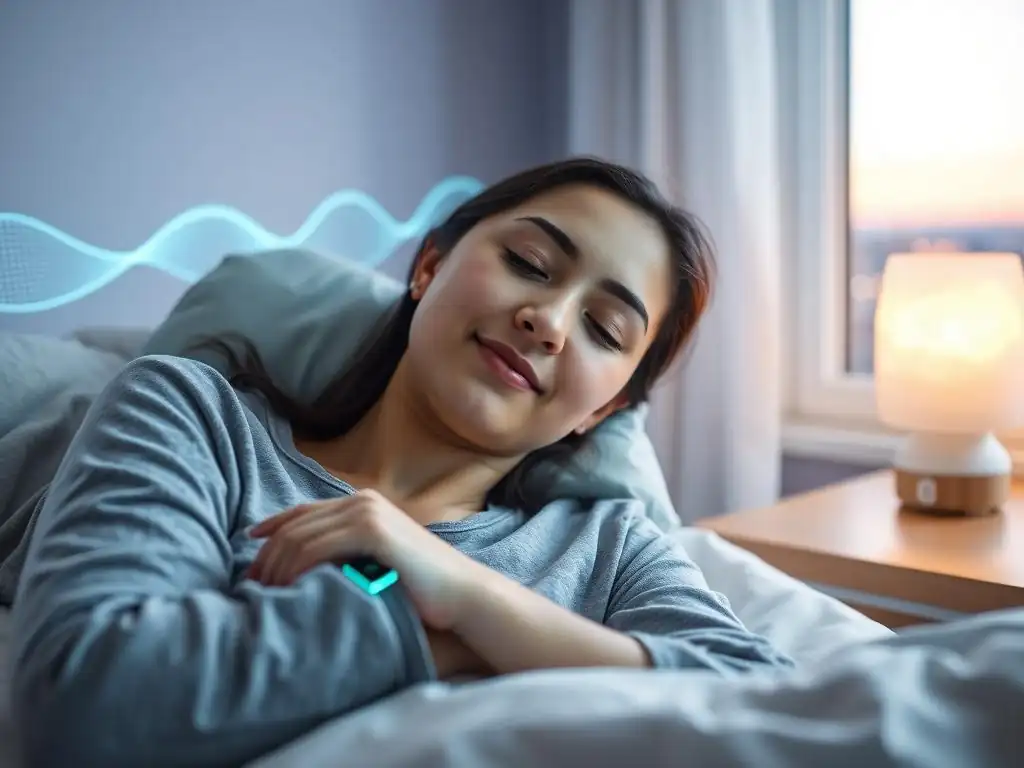
Welcome to Mind Care Guide, a safe space dedicated to your mental well-being. Feeling overwhelmed by anxiety and searching for a solution that truly works? You're not alone. Dive into our latest article, "Can a Gadget Really Improve Your Mood? The Truth About Sleep Trackers and Anxiety," and discover if sleep trackers reduce anxiety symptoms - a question we're all asking. Could this be the key to unlocking a more peaceful you? Let's explore together...
Can a Gadget Really Improve Your Mood? The Truth About Sleep Trackers and Anxiety
- Sleep Trackers and Anxiety: Separating Fact from Fiction
- Myth #1: Sleep Trackers are a Cure-All for Anxiety
- Myth #2: Any Sleep Tracker Will Effectively Reduce Anxiety
- Reality: How Sleep Trackers Can Help Manage Anxiety Symptoms
- Myth #3: Sleep Tracker Data Alone Will Solve Your Anxiety
- Reality: Beyond the Gadget - Lifestyle Changes for Anxiety Reduction
- Choosing the Right Sleep Tracker for Anxiety: A Comparative Overview
- Maximizing the Benefits of Sleep Trackers for Anxiety: A Step-by-Step Guide
- Conclusion: Sleep Trackers as a Tool, Not a Solution, for Anxiety Management
-
Frequently Asked Questions
- ### Can sleep trackers truly reduce anxiety symptoms, or is it just a placebo effect?
- ### How accurately do sleep trackers measure sleep? Are they reliable enough to base anxiety management strategies on?
- ### If sleep trackers reveal poor sleep, could that increase anxiety instead of reduce it?
- ### What specific features in sleep trackers are most helpful for managing anxiety related to sleep?
- ### Are there alternative, non-gadget approaches to improving sleep and reducing anxiety that are just as effective as using sleep trackers?
- Final Reflection: The Mindful Gadget – Rethinking Tech's Role in Mental Wellness
- Unlock Your Best Sleep & Calm: Start Your Journey Today!
Sleep Trackers and Anxiety: Separating Fact from Fiction
Understanding the Link Between Sleep Quality and Anxiety Levels
The intricate connection between sleep quality and anxiety levels is well-established in psychological and medical literature. Chronic sleep deprivation or disrupted sleep patterns can significantly exacerbate anxiety symptoms, creating a challenging cycle. Studies have shown that individuals with anxiety disorders frequently report difficulties falling asleep, staying asleep, or experiencing non-restorative sleep.
For instance, research published in the Journal of Anxiety Disorders indicated that insomnia is a common comorbidity with generalized anxiety disorder (GAD), affecting a large percentage of patients and often preceding the onset of anxiety symptoms. This suggests that poor sleep isn't just a symptom of anxiety, but can also be a contributing factor or even a trigger.
Furthermore, the physiological impact of insufficient sleep directly influences the body's stress response system. Lack of sleep can lead to increased activity in the amygdala, the brain region associated with processing fear and emotional responses, while decreasing activity in the prefrontal cortex, which is involved in regulating emotions and decision-making. This imbalance can make individuals more reactive to stressors and less able to manage anxious thoughts.
For example, a night of poor sleep can increase cortisol levels, the body's primary stress hormone, further heightening feelings of stress and anxiety throughout the day. Understanding this fundamental link is crucial when considering how tools like sleep trackers might fit into an anxiety management strategy.
Do Sleep Trackers Really Reduce Anxiety Symptoms? Examining the Evidence
The question of whether sleep trackers can directly reduce anxiety symptoms is complex and requires a nuanced answer. While sleep trackers themselves are not a medical treatment for anxiety, they can serve as valuable tools within a broader mental health strategy. Their primary function is to provide data about sleep patterns, such as duration, quality, and disruptions.
By making sleep data visible, individuals can gain insights into their habits and identify potential issues contributing to poor sleep, which in turn might be fueling their anxiety. For example, someone might notice their anxiety spikes on days following nights where their sleep duration is consistently below 6 hours, or where they experience frequent awakenings.
Empirical evidence specifically linking sleep tracker use to a direct reduction in diagnosed anxiety levels is still emerging. Most studies focus on the impact of improving sleep quality, which is associated with reduced anxiety. For instance, a study involving participants using wearable devices to improve sleep hygiene showed improvements in self-reported sleep quality, and these improvements were often correlated with a decrease in perceived stress and anxiety symptoms over a period of several weeks.
While this doesn't prove that sleep trackers cause anxiety reduction, it suggests they can facilitate behavioral changes that do contribute to feeling less anxious. The potential for sleep trackers reduce anxiety symptoms lies more in their ability to empower users with information and motivation to improve their sleep habits.
Myth #1: Sleep Trackers are a Cure-All for Anxiety
The Reality: Sleep Trackers as Part of a Holistic Anxiety Management Strategy
It is a significant misconception to view sleep trackers as a standalone cure for anxiety. Anxiety is a complex condition influenced by various factors including genetics, environment, life experiences, and physiological imbalances. While poor sleep can certainly aggravate anxiety, improving sleep alone is unlikely to eliminate a clinical anxiety disorder. The true value of sleep trackers lies in their role as one component within a comprehensive, holistic anxiety management strategy. This strategy typically involves a combination of approaches tailored to the individual's needs.
A holistic approach often includes therapy (such as Cognitive Behavioral Therapy), medication (if prescribed by a healthcare professional), lifestyle adjustments (like regular exercise, balanced nutrition, and stress reduction techniques), and sometimes complementary practices (such as mindfulness or yoga). Within this framework, a sleep tracker acts as a data-collection tool. It provides objective information about sleep patterns that can inform other interventions.
For example, sleep data showing inconsistent bedtimes might highlight the need to focus on establishing a regular sleep schedule as part of overall sleep hygiene, which is a key element in managing both sleep problems and anxiety. Using sleep trackers reduce anxiety symptoms is more about using the data they provide to support these broader efforts.
The Role of Cognitive Behavioral Therapy for Insomnia (CBT-I) Alongside Sleep Tracking
One of the most effective strategies for improving sleep quality, particularly for individuals with insomnia which often co-occurs with anxiety, is Cognitive Behavioral Therapy for Insomnia (CBT-I). CBT-I is a structured program that helps individuals identify and replace thoughts and behaviors that cause or worsen sleep problems with habits that promote sound sleep. It addresses factors like sleep scheduling, stimulus control, cognitive restructuring related to sleep, and relaxation techniques.
Integrating sleep tracker data with CBT-I can enhance the therapy's effectiveness. A therapist can use the objective data from a sleep tracker to get a clearer picture of a patient's actual sleep patterns, rather than relying solely on subjective recall, which can be unreliable, especially for those experiencing anxiety. For instance, a patient might feel like they only slept for 3 hours, but the tracker data shows 5 hours of actual sleep time, albeit fragmented.
This data can help the therapist address sleep perception issues and tailor interventions more precisely. Furthermore, as the patient implements CBT-I techniques, the sleep tracker can provide feedback on whether these changes are positively impacting sleep duration, efficiency, and consistency, helping to reinforce positive behaviors and adjust strategies as needed.
Myth #2: Any Sleep Tracker Will Effectively Reduce Anxiety
The Reality: Key Features to Look for in a Sleep Tracker for Anxiety Relief
The market is flooded with devices claiming to track sleep, but not all are created equal, especially when considering their potential utility for anxiety relief. The effectiveness of a sleep tracker in this context depends heavily on the accuracy of its sensors and the type of data it collects and presents. Basic trackers might only estimate total sleep time based on movement, which offers limited insight. For someone managing anxiety, more detailed and reliable data is often more beneficial.
Key features to prioritize include accurate measurement of total sleep duration, time spent awake during the night (wakefulness after sleep onset), and estimates of time spent in different sleep stages (light, deep, REM). While precise sleep stage detection from a wrist-worn device is challenging and often an estimation, consistent tracking can reveal patterns. Furthermore, look for devices that track physiological metrics beyond just movement, such as heart rate, heart rate variability (HRV), and potentially skin temperature or respiratory rate.
These metrics can provide deeper insights into the body's state during sleep and recovery, which are highly relevant to stress and anxiety levels. The presentation of data is also important; look for apps that provide clear, understandable summaries and trends over time, rather than just raw numbers.
Heart Rate Variability (HRV) Monitoring: A Critical Feature for Anxiety Insights
Heart Rate Variability (HRV) is a particularly important metric for individuals interested in how sleep trackers might help manage anxiety. HRV is the variation in the time interval between heartbeats. It's not how fast your heart is beating, but how much the timing between beats fluctuates. A higher HRV generally indicates that your autonomic nervous system (ANS) is balanced and adaptable, suggesting better stress resilience and recovery. A lower HRV can be a sign that the sympathetic nervous system (the "fight or flight" branch) is dominant, which is often associated with stress, anxiety, and poor recovery.
Many modern sleep trackers, especially higher-end models, include HRV monitoring, often measured during deep sleep or overnight. Tracking your HRV trends over time can provide valuable insights into how your body is responding to stress, including anxiety. For example, you might notice that your HRV drops significantly after a particularly stressful day or a night of poor sleep, and improves after implementing relaxation techniques or getting consistent rest.
This data can serve as a quantifiable indicator of your body's stress load and recovery status, helping you understand the physiological impact of your anxiety and the effectiveness of your coping strategies. Monitoring HRV via sleep trackers reduce anxiety symptoms indirectly by providing objective feedback on your body's stress state.
Fitbit Sense 2: HRV Tracking for Anxiety Management
The Fitbit Sense 2 is an example of a wearable device that incorporates advanced health metrics relevant to anxiety management, including continuous heart rate monitoring and overnight HRV tracking. The device measures your HRV while you sleep and presents this data within the Fitbit app, often alongside other sleep metrics like sleep stages and restlessness. The app typically provides a weekly or monthly average HRV and compares it to your personal baseline.
By regularly reviewing your HRV data from devices like the Fitbit Sense 2, you can start to identify patterns related to your anxiety. For instance, you might correlate periods of heightened anxiety or stress with dips in your average HRV.
Conversely, you might see your HRV improve during periods when you feel calmer or after consistently practicing stress-reducing activities like meditation or getting sufficient sleep. While the raw HRV number itself isn't a diagnosis, the trend can be a powerful indicator of how well your body is managing stress and recovering, providing actionable feedback for adjusting lifestyle choices or therapy approaches aimed at reducing anxiety.
Reality: How Sleep Trackers Can Help Manage Anxiety Symptoms

Tracking Sleep Patterns to Identify Anxiety Triggers
One of the most practical ways sleep trackers can assist in managing anxiety is by providing objective data about sleep patterns. Anxiety often manifests as racing thoughts or worries that interfere with falling or staying asleep. By tracking sleep duration, sleep onset latency (how long it takes to fall asleep), number of awakenings, and time spent awake during the night, individuals can gain a clearer picture of how their anxiety is impacting their sleep.
For example, someone might use their sleep tracker and notice that on nights following stressful workdays or social events, their sleep onset latency is significantly longer (e.g., 60+ minutes compared to a typical 15-20 minutes), or they experience multiple prolonged awakenings. By correlating these poor sleep nights with the events of the preceding day, the sleep tracker data can help identify specific anxiety triggers. This awareness is the first step in developing targeted coping strategies.
Instead of just feeling vaguely "tired and anxious," the individual has data points that link specific stressors to sleep disruption, empowering them to address those triggers directly or develop pre-sleep routines to counteract their effects. Using sleep trackers reduce anxiety symptoms is facilitated by their ability to reveal these crucial connections.
Using Sleep Data to Optimize Your Sleep Schedule and Reduce Stress
Beyond identifying triggers, sleep tracker data can be instrumental in optimizing sleep schedules, a key component of sleep hygiene that directly impacts both sleep quality and stress levels. Consistent sleep and wake times help regulate the body's internal clock (circadian rhythm), making it easier to fall asleep and wake up naturally. Sleep deprivation, even partial, is a known stressor on the body and can amplify feelings of anxiety.
By analyzing trends in sleep duration and efficiency over several weeks, a sleep tracker can highlight inconsistencies in one's sleep schedule. For instance, the data might show that weekend sleep times are drastically different from weekday times, leading to a form of "social jet lag" that disrupts the circadian rhythm. Using this data, an individual can make informed adjustments to their bedtime and wake-up time to create a more consistent schedule.
Aiming for a consistent 7-9 hours of sleep per night, as recommended by the CDC for adults, and using sleep tracker data to monitor progress towards this goal, can lead to improved sleep quality. Better sleep reduces the physiological stress response and can contribute significantly to feeling calmer and less anxious during the day.
Garmin Venu 3: Sleep Stage Analysis for Personalized Insights
The Garmin Venu 3 is another example of a sophisticated sleep tracker that offers detailed sleep stage analysis, including estimates for light, deep, and REM sleep, alongside metrics like pulse oximetry (SpO2) and respiration rate. While the accuracy of wrist-based sleep stage detection is debated compared to clinical polysomnography, the Venu 3's algorithms provide consistent estimates that can reveal individual patterns.
For someone managing anxiety, understanding their sleep architecture, even through estimation, can be insightful. For instance, consistently low amounts of deep sleep might indicate poor sleep quality despite sufficient duration, potentially linked to physiological stress or anxiety experienced during the day. Low REM sleep might impact emotional regulation.
The Garmin Connect app presents this data clearly, offering a "Sleep Score" and personalized insights based on the night's sleep and recent trends. It might suggest, for example, that your low deep sleep could be linked to late-night caffeine consumption or stress. This level of detail allows users to connect their daily habits and anxiety levels to specific aspects of their sleep, empowering them to make targeted changes, such as incorporating relaxation techniques before bed to potentially improve deep sleep or managing stress better during the day to improve overall sleep quality, thereby potentially seeing sleep trackers reduce anxiety symptoms.
Myth #3: Sleep Tracker Data Alone Will Solve Your Anxiety
The Reality: Interpreting and Acting Upon Sleep Tracker Data for Anxiety Reduction
Possessing sleep tracker data is merely the first step; the real value lies in interpreting that data and, crucially, taking action based on the insights gained. A sleep tracker provides numbers and graphs, but it doesn't explain why your sleep was poor or how to fix it. Without proper interpretation and subsequent behavioral changes, the data is just interesting information on a screen. For someone with anxiety, fixating on "bad" sleep data without understanding its context or having a plan to address it could even potentially increase anxiety.
Effective use of sleep tracker data involves looking for patterns and correlations between sleep metrics and daily experiences, stress levels, and anxiety symptoms. If your data consistently shows fragmented sleep, consider what might be causing it – is it late-night screen time, caffeine, worries about the next day, or a noisy environment? Once potential factors are identified, the next step is implementing targeted interventions.
This might involve adjusting your sleep environment, establishing a consistent wind-down routine, practicing relaxation techniques, or addressing the underlying anxiety contributing to the sleep disruption through therapy or other means. Sleep trackers reduce anxiety symptoms only when the data leads to meaningful, positive changes in behavior and lifestyle.
Connecting Sleep Tracker Data with a Mental Health Professional
For individuals managing anxiety, especially when sleep disturbances are significant, integrating sleep tracker data into discussions with a mental health professional can be highly beneficial. Therapists, particularly those specializing in sleep disorders or using modalities like CBT-I, can help interpret the data within the context of the individual's overall mental health picture. They can distinguish between normal sleep variations and patterns that indicate a more significant issue.
A mental health professional can use the objective data from the sleep tracker to validate a patient's subjective experience of poor sleep or, conversely, to provide a more realistic view if the patient's perception is distorted by anxiety. For example, a patient might feel exhausted and believe they didn't sleep at all, but the tracker shows several hours of sleep. The therapist can then address the patient's perception and anxiety around sleep itself.
The data also provides a concrete basis for setting goals and tracking progress within therapy. If a goal is to increase sleep efficiency, the therapist and patient can track this metric using the tracker data over time, making adjustments to the treatment plan as needed. This collaborative approach leverages the tracker's data as a tool for informed clinical decision-making and personalized intervention.
Teletherapy Options and Integrating Sleep Data into Therapy Sessions
The rise of teletherapy has made it even easier to integrate sleep tracker data into mental health treatment. Many teletherapy platforms allow for the secure sharing of information, and patients can often share screenshots or export data summaries from their sleep tracker apps to discuss with their therapist during virtual sessions. This seamless integration allows therapists to monitor sleep patterns remotely and provide timely guidance.
For instance, a therapist might review a patient's sleep data shared via a teletherapy portal and notice a consistent pattern of late-night awakenings following days with specific stressors. During the session, they can discuss these correlations and work with the patient on developing evening coping strategies or relaxation techniques to address the anxiety before bed. This real-time or near real-time data sharing facilitates more dynamic and responsive therapy.
It allows the therapist to see the tangible impact of implemented strategies on sleep quality, providing concrete evidence of progress and reinforcing positive changes. Ultimately, using sleep trackers reduce anxiety symptoms more effectively when their data is part of a guided therapeutic process.
Reality: Beyond the Gadget - Lifestyle Changes for Anxiety Reduction
The Importance of Sleep Hygiene Practices
While sleep trackers provide data, the most impactful changes for improving sleep quality and reducing anxiety often come from adopting solid sleep hygiene practices. Sleep hygiene refers to the set of habits and environmental factors that can be modified to promote healthy sleep. These practices are foundational, regardless of whether you use a sleep tracker.
Key sleep hygiene recommendations include maintaining a consistent sleep schedule (even on weekends), creating a relaxing bedtime routine, ensuring the bedroom is dark, quiet, and cool, avoiding caffeine and alcohol close to bedtime, and limiting exposure to screens (phones, tablets, TVs) in the hour or two before sleep. Regular physical activity during the day can also significantly improve sleep quality, though intense exercise close to bedtime should be avoided. Implementing these practices addresses many common barriers to sleep.
A sleep tracker can then be used to monitor the impact of these changes on sleep metrics, providing motivation and feedback. For example, if your tracker shows improved sleep efficiency after consistently dimming the lights and reading before bed, it reinforces the value of that new habit. Focusing on sleep hygiene is a primary way sleep trackers reduce anxiety symptoms indirectly, by improving the underlying sleep issues.
Combining Sleep Tracking with Mindfulness and Meditation Techniques
Combining sleep tracking with mindfulness and meditation techniques can create a powerful synergy for managing anxiety and improving sleep. Anxiety often involves rumination on past worries or anticipation of future problems, which can make it difficult to quiet the mind for sleep. Mindfulness involves focusing on the present moment without judgment, while meditation encompasses various techniques aimed at training attention and awareness.
Regular mindfulness or meditation practice has been shown to reduce anxiety and improve sleep quality. For example, a meta-analysis of studies on mindfulness meditation found significant improvements in insomnia symptoms and overall sleep quality. By practicing these techniques, especially as part of a pre-sleep routine, individuals can learn to calm racing thoughts and reduce the physiological arousal associated with anxiety, making it easier to fall asleep.
A sleep tracker can provide objective feedback on the effectiveness of these practices. If your tracker shows improved sleep onset latency or increased deep sleep on nights following meditation, it provides tangible evidence that these techniques are beneficial, reinforcing your motivation to continue practicing them regularly.
Guided Meditation Apps Compatible with Sleep Trackers: Calm and its Integration
Many popular guided meditation and mindfulness apps, such as Calm and Headspace, offer specific programs for sleep and anxiety. These apps provide guided sessions that can help users relax, quiet their minds, and prepare for sleep. Some of these apps even offer basic compatibility or integration features with certain sleep trackers or health platforms.
For instance, some health platforms that sync with sleep trackers (like Apple Health or Google Fit) can also receive data from mindfulness apps, allowing users to see their meditation practice alongside their sleep data. While direct, real-time integration between a meditation app and a specific sleep tracker during sleep is rare, the value lies in tracking both activities separately and observing correlations.
If you consistently use a guided sleep meditation from Calm and your sleep tracker data shows improved sleep scores or quicker sleep onset on those nights, it highlights the positive impact of the meditation practice. This allows users to leverage technology from both sides – using the app for the practice and the tracker for objective feedback – to optimize their approach to managing anxiety and improving sleep.
Choosing the Right Sleep Tracker for Anxiety: A Comparative Overview
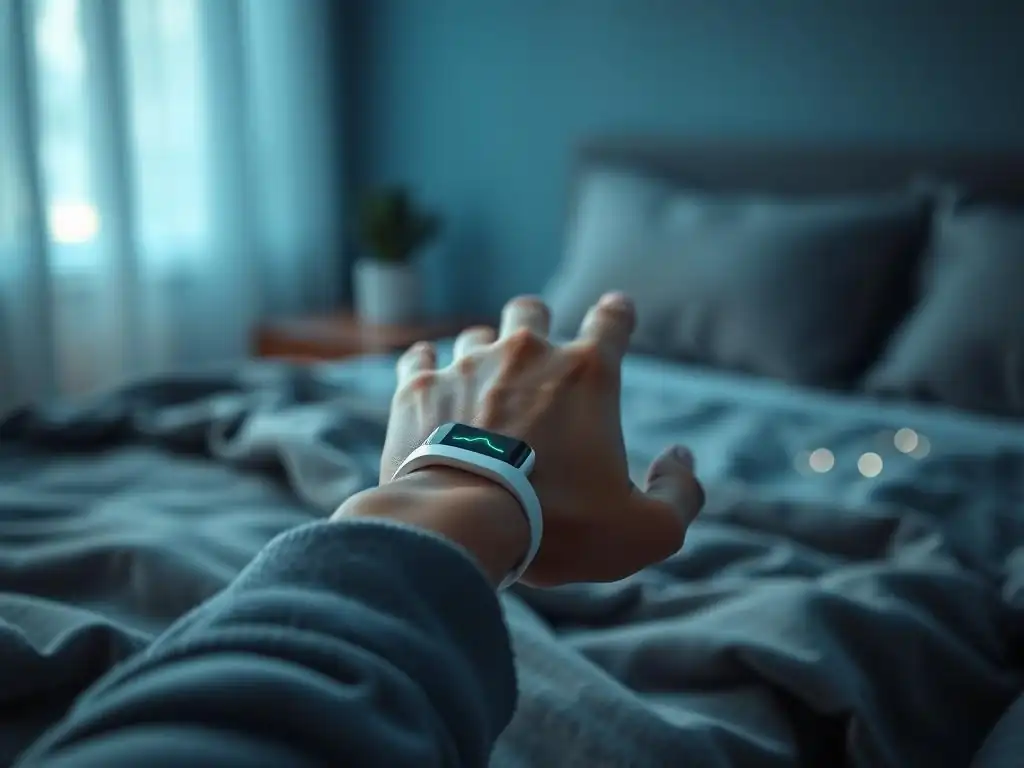
Fitbit Sense 2 - A Comprehensive Health and Sleep Tracker
The Fitbit Sense 2 is positioned as a health-focused smartwatch that offers a range of features relevant to anxiety and sleep. It provides detailed sleep tracking, including sleep stages (light, deep, REM), sleep score, and key metrics like skin temperature variation and SpO2 (blood oxygen saturation). Crucially for anxiety, it includes continuous electrodermal activity (EDA) monitoring, which measures tiny electrical changes on the skin's surface that can indicate stress responses, and overnight HRV tracking.
The device integrates with the Fitbit app, which presents sleep data clearly and offers insights based on overall health metrics. Its focus on stress management, with features like the EDA sensor and guided breathing exercises available directly on the watch, makes it a strong contender for individuals whose anxiety is closely linked to stress. The combination of detailed sleep data and stress-related physiological metrics provides a more holistic view of how stress and sleep interact, potentially empowering users to identify patterns and take action.
Garmin Venu 3 - Balancing Fitness and Sleep Metrics
The Garmin Venu 3 is a versatile smartwatch that balances fitness tracking with significant health and sleep monitoring capabilities. Its sleep tracking is robust, providing estimates of sleep stages, movement, respiration rate, and SpO2. A particularly relevant feature for anxiety is its "Body Battery" metric, which uses HRV, stress levels, and activity data to estimate your energy reserves throughout the day and night, offering a tangible representation of recovery.
The Venu 3 also tracks overnight HRV and presents it within the Garmin Connect app, often highlighting how factors like stress, activity, and sleep impacted your HRV. The app provides detailed sleep analysis and recovery insights. For someone managing anxiety, the Body Battery and HRV data, combined with detailed sleep stage analysis, can provide valuable feedback on how daily stressors and sleep quality affect their physiological recovery. This can help users make informed decisions about when to rest, when to engage in stress-reducing activities, and how well their sleep is supporting their overall well-being.
Oura Ring - A Discreet and Data-Rich Sleep Tracking Option
The Oura Ring stands out as a discreet, ring-based sleep and activity tracker known for its focus on detailed physiological data and recovery insights. Worn on the finger, it measures metrics like heart rate, HRV, respiration rate, body temperature, and movement with high reported accuracy compared to other wearables. It provides detailed sleep stage analysis, sleep duration, efficiency, and readiness scores.
The Oura app presents data with a strong emphasis on "Readiness" and "Sleep" scores, which are calculated based on various metrics including recent sleep, HRV, body temperature, and activity. The Readiness score, in particular, is heavily influenced by HRV and recovery metrics, providing a daily snapshot of how prepared your body is for the day's challenges.
For individuals managing anxiety, the Oura Ring's focus on recovery and its detailed physiological measurements, especially HRV and temperature trends, can offer deep insights into how anxiety and stress are impacting their physiological state and sleep quality. The discreet form factor might also appeal to those who prefer not to wear a watch to bed.
Maximizing the Benefits of Sleep Trackers for Anxiety: A Step-by-Step Guide
Setting Realistic Expectations and Defining Your Goals
Before relying on a sleep tracker to potentially help manage anxiety, it's crucial to set realistic expectations. A sleep tracker is a tool for data collection and insight, not a magic bullet. It won't cure anxiety on its own. Start by defining what you hope to achieve. Are you trying to understand how your anxiety impacts your sleep? Are you looking for objective feedback on the effectiveness of new sleep habits or relaxation techniques? Are you hoping to identify triggers for poor sleep?
Clearly defining your goals will help you focus on the most relevant data points from your tracker and avoid getting overwhelmed or discouraged by minor fluctuations. For example, if your goal is to improve sleep consistency, focus primarily on your sleep and wake times and total sleep duration, rather than getting fixated on minor variations in sleep stages. Understanding that variations in sleep are normal and that the tracker provides estimates, not clinical diagnoses, is also important for maintaining a healthy perspective.
Regularly Reviewing Your Sleep Data and Making Adjustments
Consistent data collection and regular review are key to deriving value from a sleep tracker for anxiety management. Wear the tracker consistently, ideally every night. Set aside time regularly – perhaps weekly – to review the data in the accompanying app. Look for trends over days and weeks, rather than focusing too much on single nights, which can be outliers.
Ask yourself questions based on the data: Did I sleep less last night? What happened yesterday? Was I more stressed? Did I have caffeine late? Was my HRV lower after that challenging meeting?
Based on these correlations, make small, actionable adjustments to your routine or habits. If the data suggests late-night screen time is delaying sleep onset, try putting your phone away an hour before bed. If stress seems to lower your HRV and disrupt sleep, schedule 15 minutes of relaxation practice in the evening. Continuously monitor the data to see if these adjustments are having a positive impact. This iterative process of tracking, reviewing, and adjusting is how sleep trackers reduce anxiety symptoms indirectly by supporting healthier habits.
Seeking Professional Guidance When Needed
While sleep trackers offer valuable personal insights, they are not a substitute for professional medical or mental health advice. If you are experiencing significant sleep problems, persistent anxiety, or believe you may have a sleep disorder or anxiety disorder, it is essential to consult a healthcare professional. This could be your primary care physician, a sleep specialist, or a mental health therapist.
You can bring your sleep tracker data to these appointments to provide your doctor or therapist with objective information about your sleep patterns. They can help interpret the data accurately within the context of your overall health and symptoms. A professional can diagnose underlying conditions, recommend appropriate treatments (such as CBT-I or medication), and help you develop a comprehensive strategy for managing both your sleep and your anxiety. They can also help you understand the limitations of your tracker's data and avoid misinterpreting information in a way that could increase anxiety.
Conclusion: Sleep Trackers as a Tool, Not a Solution, for Anxiety Management
The Power of Combining Technology with Holistic Mental Well-being Strategies
Sleep trackers hold promise as valuable tools for individuals seeking to understand and manage the interplay between sleep and anxiety. They provide objective data on sleep patterns and physiological metrics like HRV, offering insights that subjective self-reporting might miss. This data can empower users to identify anxiety triggers that disrupt sleep, monitor the impact of lifestyle changes, and track progress towards sleep improvement goals. However, it is critical to reiterate that sleep trackers are not a cure for anxiety itself.
Their true power emerges when they are used as part of a broader, holistic strategy for mental well-being. This involves combining the data provided by the technology with proven techniques such as consistent sleep hygiene, stress reduction practices like mindfulness or meditation, and professional support from therapists or doctors. The data from a sleep tracker can inform and enhance these efforts, providing tangible feedback and motivation. Using sleep trackers reduce anxiety symptoms most effectively when they facilitate positive behavioral change and are integrated into a comprehensive approach to mental health.
Investing in Your Sleep for Improved Mood and Reduced Anxiety
Ultimately, investing in the quality and consistency of your sleep is a fundamental step towards improving overall mood and reducing anxiety levels. Sleep is not a luxury but a biological necessity that profoundly impacts emotional regulation, stress resilience, and cognitive function. Chronic sleep deprivation weakens your ability to cope with stressors and can amplify anxious feelings.
By prioritizing sleep and using tools like sleep trackers to gain insights into your patterns, you are taking proactive steps towards better mental health. Whether you choose a simple tracker to monitor duration or a more advanced device that tracks HRV and sleep stages, the goal is to use the information to make informed decisions about your lifestyle and seek appropriate support when needed.
While sleep trackers reduce anxiety symptoms indirectly through sleep improvement, the most lasting benefits come from addressing both sleep challenges and anxiety through consistent, mindful effort and professional guidance. Your journey towards reduced anxiety and improved mood begins with acknowledging the vital role of restorative sleep.
Frequently Asked Questions
### Can sleep trackers truly reduce anxiety symptoms, or is it just a placebo effect?
While the exact mechanisms are still being studied, some research suggests sleep trackers can help reduce anxiety symptoms by providing concrete data about sleep patterns. This data can empower individuals to make positive lifestyle changes that improve both sleep and anxiety.
### How accurately do sleep trackers measure sleep? Are they reliable enough to base anxiety management strategies on?
Sleep tracker accuracy varies. While they're generally good at measuring sleep duration and movement, they are less accurate at detecting sleep stages. It's best to consider them as a tool for trending data, not a definitive diagnosis.
### If sleep trackers reveal poor sleep, could that increase anxiety instead of reduce it?
Yes, that's a valid concern. Focusing excessively on sleep data can create "sleep anxiety". It's important to use trackers mindfully and avoid fixating on the numbers. Seek professional guidance if anxiety worsens.
Features like sleep duration tracking, sleep schedule consistency monitoring, and heart rate variability (HRV) can offer insights. However, the most helpful feature is often the ability to identify patterns and triggers impacting sleep quality, leading to proactive adjustments.
### Are there alternative, non-gadget approaches to improving sleep and reducing anxiety that are just as effective as using sleep trackers?
Absolutely! Mindfulness meditation, regular exercise, a consistent sleep schedule, and a relaxing bedtime routine are all evidence-based strategies. These methods often address the root cause of sleep issues and anxiety, making them highly effective alternatives or complements to using sleep trackers.
Final Reflection: The Mindful Gadget – Rethinking Tech's Role in Mental Wellness
The pervasive nature of anxiety in our modern lives demands innovative solutions, but can a simple sleep tracker truly alleviate its grip? The evidence presented suggests a nuanced answer: while sleep trackers can offer valuable data and insights, they are not a panacea for anxiety. Their effectiveness hinges on mindful integration into a broader self-care strategy, rather than serving as a standalone cure.
The journey of understanding the relationship between sleep, technology, and mental health is a deeply personal one. For me, researching this topic illuminated the subtle ways technology both contributes to and alleviates stress. The greatest discovery of all time is that a person can change his future by merely changing his attitude.
– Oprah Winfrey. This quote resonates deeply, as the power of positive change, even with the aid of technology, ultimately rests in our own hands and our willingness to actively engage in self-improvement. The data a tracker provides is only useful if we use it to inform healthier habits and not simply to fuel anxieties about performance.
Consider the information presented in this article. Are you using technology mindfully, or has it become a source of additional stress? Take a moment to reflect on your own relationship with sleep and technology. Perhaps it's time to re-evaluate your usage habits, focusing on integrating data-driven insights into a holistic approach to wellness that prioritizes mindfulness, healthy routines, and professional support when needed. Don't let technology control you; instead, learn to use it as a tool to empower your journey towards a calmer, more balanced life.
Unlock Your Best Sleep & Calm: Start Your Journey Today!
Thank you for taking the time to explore the fascinating world of sleep trackers and anxiety management with us! We hope you gained valuable insights into how technology can help you prioritize your mental well-being. Now, let's turn those insights into action:
- Prioritize sleep hygiene: Start tracking your sleep tonight! Even a few days of data can reveal surprising patterns and help you identify areas for improvement. Download a sleep tracker app or use a simple notebook to begin.
- Share your experiences: Have you found helpful techniques for managing anxiety through technology? Let's build a supportive community! Share your thoughts and experiences in the comments below.
- Explore guided meditations: Many free apps offer guided meditations for relaxation and better sleep. Try a session tonight to see how it affects your rest.
What's one small change you can implement tonight to improve your sleep and reduce anxiety?