
From Poor Sleep to Inner Peace: Tracking Your Way to Rest and Resilience


Welcome to Mind Care Guide, a sanctuary dedicated to nurturing your mental well-being.
Feeling overwhelmed by sleepless nights and searching for a path to inner peace? You're not alone. Our guide, " From Poor Sleep to Inner Peace: Tracking Your Way to Rest and Resilience," delves into how wearable tech can be a powerful tool in understanding your sleep patterns and ultimately, finding calm amidst the chaos. Curious how tracking your sleep can unlock a deeper sense of inner peace? Let's explore together.
- The Link Between Poor Sleep, Mental Well-being, and the Quest for Inner Peace
- Step 1: Assess Your Sleep Patterns - Unveiling the Truth with Sleep Tracking
- Step 2: Deciphering Your Sleep Data - Identifying Problem Areas
- Step 3: Implementing Sleep Hygiene Strategies - Optimizing Your Sleep Environment
-
Step 4: Addressing Underlying Issues - Connecting Sleep to Mental Health
- Recognizing the Connection Between Anxiety, Depression, and Sleep Disorders
- Leveraging Mindfulness and Meditation for Deeper Sleep and Inner Calm
- Seeking Professional Help: When Sleep Tracking Reveals More Than You Can Handle
- Online Therapy Platforms: Connecting with a Therapist for Sleep-Related Anxiety
- Step 5: Maintaining Consistency and Tracking Progress - Sustaining Inner Peace Through Sleep
- The Path to Inner Peace Starts with a Good Night's Sleep
-
Frequently Asked Questions
- How can sleep tracking contribute to inner peace?
- What metrics should I focus on when tracking my sleep for inner peace?
- What types of sleep trackers are most effective for promoting inner peace?
- Is it possible to become too focused on sleep tracking, hindering inner peace?
- How can I use the insights from sleep tracking to build resilience and achieve inner peace?
- Final Reflection: Weaving the Threads of Sleep and Serenity
- Unlock Your Restful Potential: Start Your Sleep Journey Today!
The Link Between Poor Sleep, Mental Well-being, and the Quest for Inner Peace
Understanding the Vicious Cycle: How Sleep Deprivation Impacts Mental Health
Chronic sleep deprivation creates a detrimental cycle that significantly impacts mental health. When you consistently get insufficient or poor-quality sleep, your brain struggles to regulate emotions effectively. This can lead to increased irritability, heightened stress responses, and difficulty concentrating.
Studies have shown a strong correlation between poor sleep and conditions like anxiety and depression. For instance, research indicates that individuals with insomnia are significantly more likely to develop depression compared to those with healthy sleep patterns. This isn't just about feeling tired; it's about a fundamental disruption in neurochemical balance and cognitive function, making the path towards inner peace feel increasingly out of reach.
Furthermore, inadequate sleep impairs executive functions, such as problem-solving, decision-making, and impulse control. This diminished capacity makes it harder to cope with daily challenges, leading to a sense of overwhelm and helplessness. The body's stress hormone, cortisol, often remains elevated with poor sleep, contributing to a state of chronic stress that further erodes mental resilience. Breaking this cycle requires understanding its mechanisms and taking proactive steps, such as incorporating sleep tracking inner peace strategies to gain insight into sleep patterns and address underlying issues.
Why Inner Peace Relies on Restorative Sleep: A Foundation for Resilience
Restorative sleep is not a luxury; it is a fundamental pillar supporting mental resilience and the cultivation of inner peace. During deep sleep and REM sleep stages, the brain processes emotions, consolidates memories, and clears metabolic waste products. This neural housekeeping is crucial for maintaining emotional stability and cognitive clarity. When this process is disrupted, the ability to manage stress, regulate mood, and maintain a positive outlook diminishes. Quality sleep provides the necessary foundation for emotional recovery and prepares you to face the next day with a sense of calm and capability.
Achieving inner peace involves feeling grounded, present, and able to navigate life's challenges with equanimity. This state is profoundly influenced by how well your brain and body recover each night. Sufficient restorative sleep enhances your capacity for mindfulness, empathy, and patience – qualities essential for personal well-being and healthy relationships. Prioritizing sleep allows your mind to heal and rejuvenate, building the resilience needed to maintain a sense of peace even amidst external pressures. Effective sleep tracking inner peace techniques can illuminate the quality of your rest, guiding you toward practices that foster deeper, more restorative sleep.
Step 1: Assess Your Sleep Patterns - Unveiling the Truth with Sleep Tracking
Introducing Sleep Tracking for Inner Peace: A Data-Driven Approach
Sleep tracking provides an objective look at your nightly rest, moving beyond subjective feelings of tiredness. It involves using technology, whether wearable devices or smartphone apps, to monitor various physiological signals while you sleep. These signals can include movement, heart rate, heart rate variability, and even breathing patterns, depending on the device. The data collected offers insights into when you fall asleep, how long you sleep, the time spent in different sleep stages (light, deep, REM), and how often you wake up during the night.
This data-driven approach is crucial for identifying specific sleep issues that might be hindering your quest for inner peace. Are you getting enough total sleep? Is your deep sleep or REM sleep consistently low? Do you have frequent awakenings you weren't aware of? Sleep tracking for inner peace helps answer these questions, providing tangible information you can use to understand your unique sleep profile and pinpoint areas for improvement. It transforms the abstract concept of "poor sleep" into concrete metrics you can analyze and act upon.
Choosing the Right Sleep Tracker: Wearable Tech for Mental Health
Selecting the appropriate sleep tracker depends on your needs, budget, and desired level of detail. Wearable technology has become increasingly sophisticated, offering a range of devices designed to monitor sleep alongside other health metrics. These devices are typically worn on the wrist or finger and collect data passively throughout the night. The convenience of wearables means they can seamlessly integrate into your routine, providing consistent data collection.
When considering wearable tech for mental health and sleep tracking inner peace, look for devices that offer detailed sleep stage analysis, not just total sleep time. Heart rate variability (HRV) tracking is also valuable, as it can provide insights into recovery and stress levels, which are intrinsically linked to sleep quality and mental well-being. Reliability and comfort are also key factors, as you need to wear the device consistently to gather meaningful data.
Comparing the Oura Ring vs. Apple Watch Series 9 for Sleep Analysis
Different wearable devices offer varying levels of detail and analysis when it comes to sleep. Two popular options with robust sleep tracking capabilities are the Oura Ring and the Apple Watch Series 9. While both provide valuable insights, they approach sleep analysis with slightly different focuses and feature sets, catering to different user preferences and needs in their journey towards sleep tracking inner peace.
Understanding the strengths of each device can help you make an informed choice. Consider the factors most important to you, such as comfort, battery life, the depth of sleep metrics provided, and how the data is presented and integrated with other health information. Both offer compelling features for anyone serious about using technology to improve their sleep and, consequently, their mental well-being.
Oura Ring: Comprehensive Sleep Metrics & Personalized Insights
The Oura Ring is specifically designed with sleep and recovery as primary focuses. It offers highly detailed sleep stage tracking (including light, deep, REM, and awake time) using infrared LEDs, NTC temperature sensors, and accelerometers. Beyond basic stages, it provides metrics like sleep latency, timing, efficiency, and disturbances. Its strength lies in aggregating this data into daily "Sleep Scores" and "Readiness Scores," which offer personalized insights into how well you've recovered and your capacity for the day.
The ring form factor is often preferred by users who find wrist-based devices uncomfortable for sleep. It boasts impressive battery life, typically lasting several days. The companion app provides trend analysis over time, helping users identify patterns and the impact of daily habits on their sleep quality, making it a powerful tool for committed sleep tracking inner peace efforts.
Apple Watch Series 9: Advanced Sleep Monitoring & Health Features
The Apple Watch Series 9 offers comprehensive sleep tracking integrated within its broader health and wellness ecosystem. It tracks time in bed, estimated time asleep, and time spent in different sleep stages (Core, Deep, REM, and Awake) using data from the accelerometer and heart rate sensor. The Apple Watch also provides insights into sleep trends over the past 14 days in the Health app.
Beyond sleep stages, the Apple Watch monitors metrics like sleeping heart rate and respiratory rate, providing additional data points related to overall health during the night. While perhaps not as singularly focused on sleep as the Oura Ring, its integration with other health features like activity tracking, mindfulness apps, and notifications management makes it a versatile device for those looking for a comprehensive daily health companion that includes robust sleep tracking inner peace capabilities.
Beyond Wearables: Utilizing Sleep Tracking Apps like Pillow
While wearable devices offer passive and often more detailed tracking through physiological sensors, smartphone applications can also serve as valuable tools for sleep tracking, particularly for those who prefer not to wear a device at night. Apps like Pillow utilize the iPhone's accelerometer and microphone to monitor movement and detect sounds (like snoring or talking) during sleep. Users typically place their phone on the mattress near them.
These apps provide analysis of sleep cycles, awake periods, and overall sleep quality. They often include features like smart alarms that attempt to wake you during a light sleep stage, potentially reducing grogginess. Many apps also allow manual input of factors like caffeine intake, alcohol consumption, or exercise, helping users correlate daily habits with their sleep quality. While potentially less precise than sensor-rich wearables, sleep tracking apps offer an accessible entry point into understanding your sleep patterns and starting your journey towards sleep tracking inner peace.
Step 2: Deciphering Your Sleep Data - Identifying Problem Areas
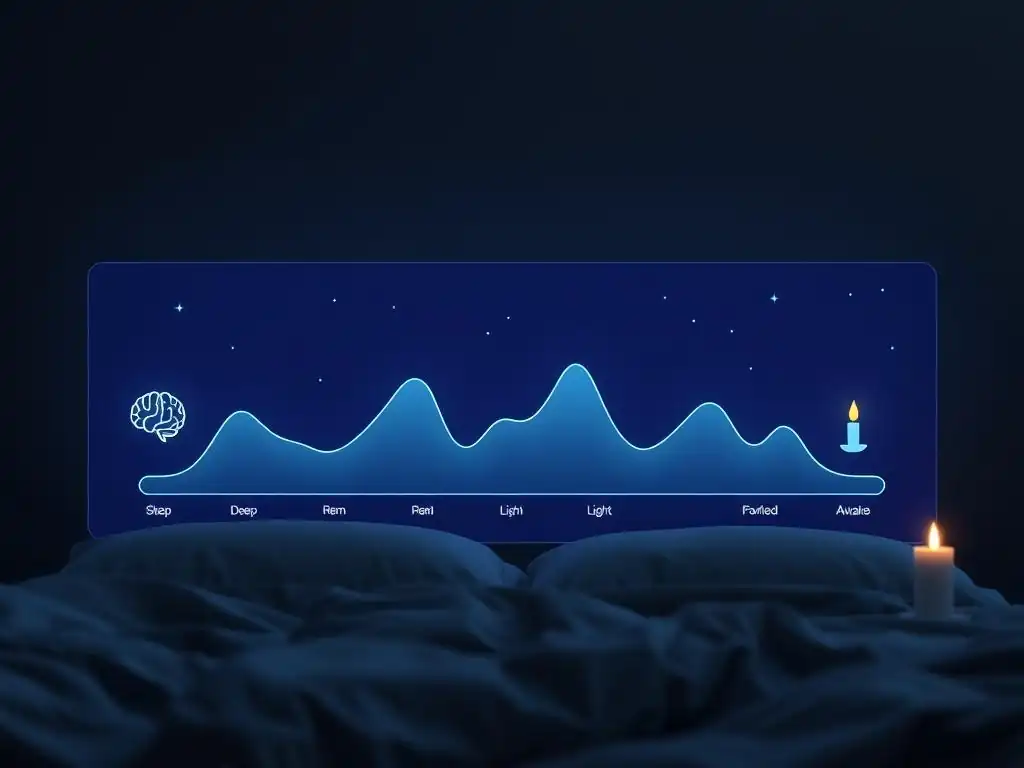
Understanding Key Sleep Metrics: Deep Sleep, REM Sleep, and Sleep Latency
Once you start tracking your sleep, you'll encounter various metrics that provide a window into your nightly rest. Understanding these metrics is essential for identifying potential issues and guiding your efforts towards sleep tracking inner peace. Deep sleep, also known as slow-wave sleep, is crucial for physical restoration, tissue repair, and strengthening the immune system. REM (Rapid Eye Movement) sleep is vital for cognitive functions, learning, memory consolidation, and emotional processing – the stage where most dreaming occurs.
Sleep latency refers to the time it takes you to fall asleep after getting into bed. A long sleep latency (e.g., consistently over 30 minutes) could indicate difficulty initiating sleep, potentially linked to anxiety or poor sleep hygiene. Tracking the duration and timing of deep and REM sleep relative to your total sleep time is also important. For example, consistently low amounts of deep sleep might leave you feeling physically unrested, while insufficient REM sleep could impact your mood and cognitive function. Analyzing these metrics together helps build a clearer picture of your sleep health.
Case Study: How [Emily] Used Sleep Data to Identify Late-Night Caffeine Sensitivity
Consider the case of Emily, who consistently felt groggy despite spending eight hours in bed. Her sleep tracker data initially showed sufficient total sleep time, but a closer look revealed she had very little deep sleep and frequent awakenings she didn't remember. She started using the tracker's journal feature to log her daily habits, including caffeine intake. After a couple of weeks, a clear pattern emerged: on days she consumed coffee after 2 PM, her deep sleep plummeted, and her awake time increased significantly.
This specific data point allowed Emily to make a targeted change: she stopped consuming caffeine after midday. Within a week, her sleep tracker showed a noticeable increase in deep sleep and a decrease in nighttime awakenings. As a result, she felt more refreshed, less anxious during the day, and experienced a greater sense of inner calm. This real-world example demonstrates how specific data from sleep tracking inner peace efforts can pinpoint the root cause of sleep issues and guide effective interventions.
Identifying Sleep Disruptors: Light, Noise, and Room Temperature
Beyond personal habits, external environmental factors play a significant role in sleep quality. Sleep trackers can indirectly help identify these disruptors by showing when your sleep is fragmented or shallow. For instance, if your tracker shows frequent "awake" periods around dawn, it might indicate that morning light is penetrating your room and disrupting your final sleep cycles. Similarly, inconsistent sleep patterns might correlate with nights where there was external noise, such as traffic or neighbors.
Room temperature is another critical factor. The ideal sleep temperature is typically between 60-67°F (15-19°C). If your tracker data shows restlessness or increased heart rate during the night, it could be due to an uncomfortable room temperature, either too hot or too cold. By observing your sleep data in conjunction with your sleep environment, you can identify specific external factors that are negatively impacting your rest and take steps to mitigate them, improving your overall sleep tracking inner peace journey.
Step 3: Implementing Sleep Hygiene Strategies - Optimizing Your Sleep Environment
Creating a Sleep-Conducive Environment for Enhanced Inner Peace
Optimizing your bedroom environment is a cornerstone of good sleep hygiene and crucial for fostering inner peace through rest. The goal is to create a space that signals to your body it's time to wind down and prepare for sleep. This involves controlling light, noise, and temperature. Ensure your bedroom is as dark as possible; use blackout curtains if necessary to block out external light, especially if your sleep tracking indicates early morning light disturbances.
Minimizing noise is also vital. Consider using earplugs or a white noise machine if you live in a noisy area or have a partner who snores. Setting your room temperature to the recommended range (60-67°F or 15-19°C) helps maintain a comfortable environment throughout the night. Keeping the bedroom tidy and free of clutter can also contribute to a sense of calm, making it easier to relax and transition into sleep, thereby enhancing your sleep tracking inner peace efforts.
Investing in Sleep Aids: White Noise Machines and Weighted Blankets
For some individuals, targeted sleep aids can significantly improve sleep quality by addressing specific environmental or physiological challenges. White noise machines, for example, create a consistent, soothing sound that can mask disruptive noises and create a peaceful auditory environment. This can be particularly helpful for those whose sleep tracking shows frequent awakenings due to external sounds.
Weighted blankets provide gentle, even pressure across the body, which some people find calming and anxiety-reducing. This deep pressure stimulation can mimic the feeling of being hugged or held, promoting relaxation and potentially helping you fall asleep faster and experience fewer awakenings. While not a magic bullet, these aids can be valuable components of a comprehensive sleep hygiene strategy, supporting your overall goal of sleep tracking inner peace.
LectroFan Classic White Noise Machine: A Customizable Sound Sleep Sanctuary
The LectroFan Classic White Noise Machine is a popular choice for creating a consistent and soothing sleep environment. It offers a variety of fan sounds and pure white noise options, unlike machines that use looping recordings. This non-looping feature ensures a seamless and non-distracting soundscape throughout the night.
Users can customize the volume and tone of the sounds to find their preferred level of comfort. By masking disruptive noises from outside or within the home, the LectroFan Classic helps create a stable auditory environment that supports continuous sleep, which is essential for the restorative processes linked to mental well-being and the pursuit of sleep tracking inner peace.
Bearaby Weighted Blanket: The Cotton Napper for Calming Rest
The Bearaby Cotton Napper is a weighted blanket known for its breathable, organic cotton knit design. Unlike traditional weighted blankets filled with beads or pellets, the Bearaby's weight comes from its dense, layered fabric construction. This allows for better airflow, which can be beneficial for those who tend to overheat during the night.
The gentle, evenly distributed weight provides a calming sensation that can help reduce anxiety and promote relaxation, making it easier to fall asleep and potentially stay asleep longer. Incorporating a weighted blanket like the Cotton Napper into your bedtime routine can be a tactile way to signal to your body that it's time to rest, supporting deeper sleep and contributing to your journey towards sleep tracking inner peace.
Optimizing Your Evening Routine: Reducing Screen Time and Caffeine Intake
Your actions in the hours leading up to bedtime have a significant impact on your ability to fall asleep and stay asleep. A critical step in optimizing your evening routine is reducing exposure to blue light emitted from electronic screens (phones, tablets, computers). Blue light suppresses the production of melatonin, the hormone that signals to your body that it's time to sleep. Aim to put away screens at least an hour, preferably two, before heading to bed.
Similarly, be mindful of your caffeine and alcohol intake in the evening. Caffeine is a stimulant that can stay in your system for several hours, disrupting sleep onset and quality. Avoid caffeine in the late afternoon and evening. While alcohol might initially make you feel sleepy, it disrupts sleep architecture later in the night, leading to fragmented and less restorative sleep. Establishing a consistent, relaxing evening routine free from these disruptors is vital for preparing your body and mind for restful sleep and supporting your sleep tracking inner peace goals.
Step 4: Addressing Underlying Issues - Connecting Sleep to Mental Health

Recognizing the Connection Between Anxiety, Depression, and Sleep Disorders
The relationship between sleep disorders and mental health conditions like anxiety and depression is complex and often bidirectional. Poor sleep can be a symptom of anxiety or depression, and conversely, chronic sleep problems can exacerbate or even contribute to the development of these conditions. For example, individuals with generalized anxiety disorder often struggle with racing thoughts that make it difficult to fall or stay asleep, while people experiencing depression may suffer from insomnia or hypersomnia (excessive sleeping).
Sleep tracking inner peace efforts can reveal sleep patterns characteristic of these conditions, such as increased sleep latency, reduced sleep efficiency, or fragmented sleep. Recognizing these patterns in your data is an important step in acknowledging that your sleep issues may be intertwined with underlying mental health challenges. Addressing the sleep problem often requires addressing the mental health condition concurrently, and vice versa, highlighting the need for an integrated approach to well-being.
Leveraging Mindfulness and Meditation for Deeper Sleep and Inner Calm
Mindfulness and meditation practices are powerful tools for calming the mind and body, making them excellent complements to sleep tracking inner peace strategies. Regular meditation can help reduce rumination and anxiety, two common culprits behind insomnia. By practicing mindfulness, you train your attention to focus on the present moment, reducing the tendency to get caught up in worries about the past or future that keep you awake.
Many guided meditations are specifically designed for sleep, using relaxation techniques and soothing narratives to help you drift off. Incorporating a 10-15 minute meditation or mindfulness exercise into your evening routine can significantly lower your heart rate and quiet mental chatter, creating a more relaxed state conducive to sleep. Over time, a consistent meditation practice can improve not just sleep onset but also the quality of your sleep, contributing to a greater sense of inner calm throughout the day.
Insight Timer: Free Guided Meditations for Sleep and Stress Reduction
Insight Timer is a widely popular meditation app offering a vast library of free guided meditations, including thousands specifically focused on sleep and stress reduction. The app features contributions from various teachers, offering different styles and lengths of meditations, catering to diverse preferences.
Users can find guided practices for falling asleep, staying asleep, body scans for relaxation, and meditations aimed at reducing anxiety and promoting calm before bed. The availability of such a large, free resource makes mindfulness and meditation accessible to anyone seeking to improve their sleep and mental well-being as part of their sleep tracking inner peace journey.
Aura: Personalized Wellness Content for a Peaceful Night
Aura is a wellness app that provides personalized content, including guided meditations, stories, and coaching, tailored to your specific needs and moods. It aims to help users reduce stress, improve focus, and enhance sleep quality through a variety of audio experiences.
The app's sleep-focused content includes sleep stories, calming music, and meditations designed to relax the mind and prepare the body for rest. By offering personalized recommendations based on user input, Aura seeks to provide targeted support for individuals struggling with sleep disturbances linked to stress or anxiety, supporting their path towards a more peaceful night and greater inner peace.
Seeking Professional Help: When Sleep Tracking Reveals More Than You Can Handle
While sleep tracking inner peace efforts can provide valuable insights and guide initial interventions, there are times when the data reveals persistent or complex issues that require professional expertise. If your sleep tracking consistently shows severe sleep deprivation, significant sleep fragmentation, or patterns suggestive of specific sleep disorders like sleep apnea or restless legs syndrome, it's crucial to consult a healthcare professional.
Furthermore, if your sleep problems are significantly impacting your daily functioning, mood, or relationships, or if your tracking suggests a strong link between poor sleep and worsening anxiety or depression, seeking help from a doctor or a mental health professional is essential. They can conduct a proper evaluation, diagnose underlying conditions, and recommend appropriate treatments, which may include behavioral therapies like CBT-I (Cognitive Behavioral Therapy for Insomnia), medication, or addressing co-occurring mental health conditions.
For individuals whose sleep issues are closely tied to anxiety, stress, or other mental health concerns, connecting with a therapist can be incredibly beneficial. Online therapy platforms offer a convenient and accessible way to receive support from licensed mental health professionals. These platforms allow you to connect with therapists via video calls, phone calls, or text messaging, providing flexibility for scheduling sessions.
A therapist can help you explore the root causes of your sleep-related anxiety, teach coping mechanisms, and develop strategies for managing stress that interferes with sleep. They can also provide guidance on behavioral changes, such as challenging negative thought patterns about sleep. Utilizing an online therapy platform can be a proactive step in addressing the mental health component of your sleep problems, complementing your sleep tracking inner peace efforts with professional psychological support.
Step 5: Maintaining Consistency and Tracking Progress - Sustaining Inner Peace Through Sleep
The Importance of a Regular Sleep Schedule for Long-Term Mental Well-being
One of the most powerful strategies for sustaining improved sleep and long-term mental well-being is maintaining a consistent sleep schedule. This means going to bed and waking up around the same time every day, even on weekends. A regular schedule helps regulate your body's internal clock, or circadian rhythm, which governs sleep-wake cycles. Consistency strengthens this rhythm, making it easier to fall asleep when it's time and wake up feeling refreshed.
Disrupting your schedule, such as sleeping in significantly on weekends (often called "social jetlag"), can throw off your circadian rhythm, leading to sleep problems during the week and negatively impacting mood and cognitive function. By prioritizing a consistent sleep schedule, you provide your body with the stability it needs to achieve restorative sleep night after night, which is foundational for maintaining inner peace and resilience.
Reviewing Your Sleep Data Regularly: Making Adjustments for Optimal Results
Sleep tracking is not a one-time activity; it's an ongoing process of monitoring, analyzing, and adjusting. Regularly reviewing your sleep data allows you to see trends over time and understand the impact of different habits and interventions. Perhaps you tried a new evening routine or incorporated meditation; reviewing your data will show whether these changes are positively affecting your sleep metrics like deep sleep or sleep latency.
Based on your data, you can make informed adjustments to your sleep hygiene strategies or daily habits. If your data shows increased disturbances after a stressful day, you might prioritize relaxation techniques that evening. If deep sleep is consistently low, you might focus on optimizing your bedroom temperature or incorporating more daytime physical activity. Continuous review and adaptation based on your sleep tracking inner peace data are key to achieving and maintaining optimal sleep quality.
Celebrating Small Victories: Acknowledging Progress on Your Journey to Inner Peace
The path to improved sleep and inner peace is a journey, not a destination, and it's important to acknowledge and celebrate progress along the way. Sleep patterns don't change overnight, and setbacks can happen. By reviewing your sleep tracking data, you can identify positive changes, no matter how small. Perhaps your sleep latency decreased by 10 minutes, or you had a night with significantly more deep sleep than usual.
Recognizing these small victories provides motivation and reinforces the positive changes you are making. It shifts the focus from perfection to progress, fostering a more compassionate and patient approach to your well-being. Celebrating these improvements in your sleep tracking inner peace journey reinforces positive habits and encourages continued effort, strengthening your commitment to prioritizing rest and mental health.
The Path to Inner Peace Starts with a Good Night's Sleep
Embracing Sleep Tracking as a Tool for Self-Discovery and Mental Wellness
Ultimately, embracing sleep tracking is about more than just numbers; it's about self-discovery and taking an active role in your mental wellness. By providing objective data about your sleep, tracking helps you understand your body's needs and responses in a way that subjective feelings alone cannot. It empowers you to identify specific issues, test different strategies, and see the tangible impact of your efforts.
Viewing sleep tracking inner peace efforts as a tool for self-improvement shifts the perspective from a chore to an opportunity. It's a way to listen to your body, understand its signals, and make informed choices that support not just better sleep, but also improved mood, reduced stress, enhanced cognitive function, and ultimately, a greater sense of inner peace and resilience in your daily life.
Frequently Asked Questions
How can sleep tracking contribute to inner peace?
Sleep tracking provides valuable insights into your sleep patterns, allowing you to identify and address factors disrupting your rest. This leads to improved sleep quality, reducing stress and anxiety, ultimately fostering inner peace by promoting a sense of control and well-being.
What metrics should I focus on when tracking my sleep for inner peace?
Beyond just hours slept, pay attention to sleep stages (deep, light, REM), sleep latency (time to fall asleep), and awakenings during the night. Identifying patterns in these metrics can reveal correlations with stress levels or daily activities, helping you create a more peaceful sleep environment.
What types of sleep trackers are most effective for promoting inner peace?
Consider trackers that offer features like heart rate variability (HRV) monitoring, which can indicate stress levels, and guided meditations or relaxation techniques integrated into the app. The goal is to find a tracker that provides actionable insights and supports mindfulness practices.
Is it possible to become too focused on sleep tracking, hindering inner peace?
Yes, obsessing over sleep data can paradoxically increase anxiety and hinder sleep. Focus on using the data as a tool for understanding patterns and making gradual improvements, rather than striving for perfect numbers every night.
How can I use the insights from sleep tracking to build resilience and achieve inner peace?
By understanding the impact of lifestyle factors (diet, exercise, stress) on your sleep, you can make informed choices to cultivate a more balanced and resilient lifestyle. This proactive approach to well-being contributes to a lasting sense of inner peace and control over your mental state.
Final Reflection: Weaving the Threads of Sleep and Serenity
The pursuit of inner peace often begins with the seemingly mundane—a good night's sleep. Ignoring the vital role of restorative rest in our overall well-being is a disservice to ourselves, a fact increasingly recognized in our fast-paced, always-on world. The connection between sleep quality and mental clarity, emotional regulation, and even physical health is undeniable, making the journey towards better sleep a crucial step towards a more peaceful existence.
Tracking our sleep, as explored throughout this article, isn't just about numbers on a screen; it's about cultivating a deeper understanding of our own rhythms and needs. This process of self-discovery can be profoundly transformative, revealing patterns and triggers that previously went unnoticed. It's about reclaiming agency over our own well-being, a journey that resonates deeply with the human desire for control and calm in an often chaotic world. The greatest discovery of all time is that a person can change his future by merely changing his attitude.
– Oprah Winfrey. This quote perfectly encapsulates the power of self-awareness and intentional action that sleep tracking facilitates.
You now hold the key to unlocking a more peaceful and resilient you. Consider the insights gained from this article—the importance of consistent sleep hygiene, the power of mindful practices before bed, and the value of understanding your own sleep patterns. Begin tracking your sleep tonight. Observe, reflect, and adjust your habits accordingly. The journey to inner peace is a personal one, but the first step—a commitment to prioritizing your sleep—is within your reach. Embrace this opportunity to cultivate a deeper connection with yourself and unlock the transformative power of restful sleep.
Unlock Your Restful Potential: Start Your Sleep Journey Today!
Thanks for taking the time to explore the path to better sleep and increased resilience! We hope you gained valuable insights into tracking your sleep and understanding its impact on your well-being. Now, let's turn those insights into action:
- Begin your personalized sleep journal today. Track your sleep patterns for just one week and notice the trends. This is your first step towards understanding and improving your sleep hygiene.
- Share your sleep tracking tips and challenges! Join our community forum and connect with others on their sleep journeys. Let's learn and grow together.
- Consider incorporating a short mindfulness meditation before bed. This simple practice can significantly improve sleep quality.
Ready to unlock the power of restful sleep and experience the transformative benefits? What small step will you take towards a more peaceful night's sleep tonight?