
Personalizing Your Path to Better Sleep and Mental Clarity with Tracker Insights

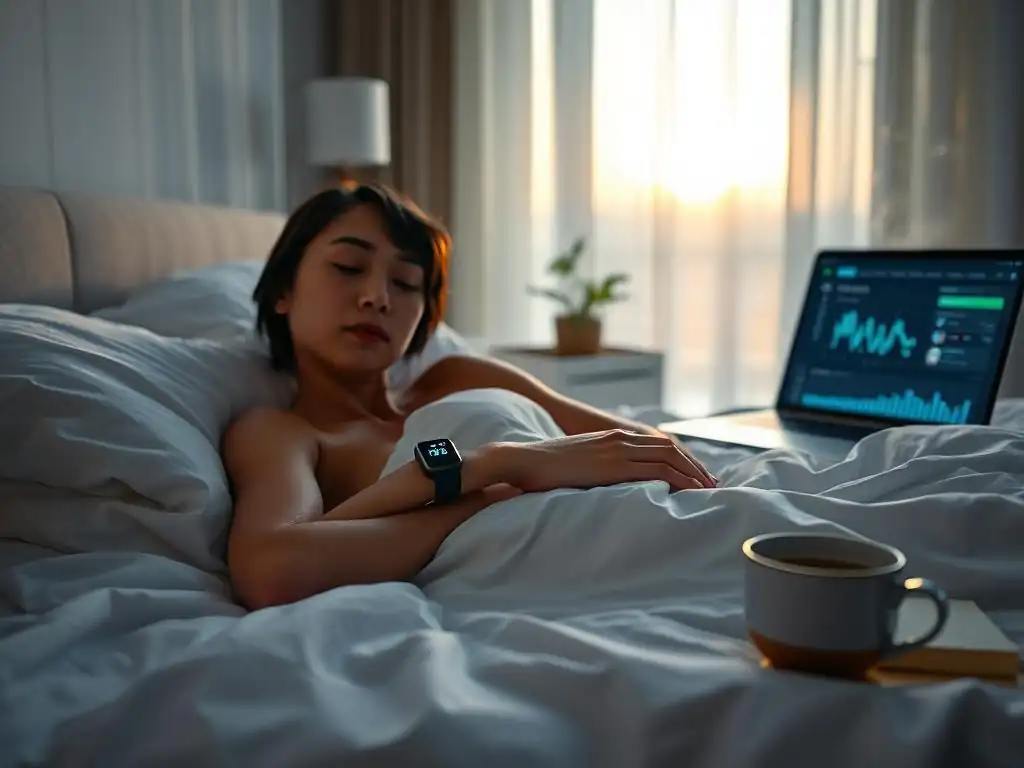
Welcome to Mind Care Guide, a sanctuary for your mental well-being.
Feeling overwhelmed by the complexities of modern life? We understand. In this space, we offer support and resources to navigate your mental health journey. Dive into our comprehensive guide to understanding and improving your mental clarity, starting with a crucial element: sleep. Discover how using a sleep tracker can unlock deeper insights into your sleep patterns and, ultimately, pave the way for enhanced mental clarity. Curious to learn how wearable tech can transform your sleep and, in turn, your mind? Let's explore this transformative connection together.
Personalizing Your Path to Better Sleep and Mental Clarity with Tracker Insights
- Understanding the Link Between Sleep, Mental Clarity, and Sleep Trackers
-
Step-by-Step Guide: Using Sleep Trackers for Improved Mental Clarity
- Step 1: Choosing the Right Sleep Tracker for Your Needs
- Step 2: Setting Up Your Sleep Tracker and Establishing Baseline Data
- Step 3: Analyzing Your Sleep Data for Mental Clarity Clues
- Step 4: Implementing Strategies to Improve Sleep and Mental Clarity
- Step 5: Tracking Progress and Refining Your Sleep Strategy
- Maximizing the Benefits of Sleep Tracking for Long-Term Mental Well-being
- Conclusion: Taking Control of Your Sleep and Mental Clarity with Tracker Insights
-
Frequently Asked Questions
- How can a sleep tracker improve my mental clarity?
- What types of data do sleep trackers typically collect, and how is it relevant to mental well-being?
- How do I choose the right sleep tracker for improving mental clarity?
- Is it possible to become too reliant on sleep tracker data, and how can I avoid that?
- What are some practical steps I can take based on the insights from my sleep tracker to improve both sleep and mental clarity?
- Final Reflection: Embracing Personalized Insights for Sleep and Clarity
- Unlock Your Best Sleep: Take Charge of Your Mental Well-being!
Understanding the Link Between Sleep, Mental Clarity, and Sleep Trackers
How Sleep Deprivation Impacts Cognitive Function and Mental Well-being
Sleep deprivation is a significant challenge in modern life, and its effects on cognitive function and mental well-being are profound and well-documented. When sleep is inadequate, the brain's ability to perform executive functions – such as decision-making, problem-solving, and concentration – is severely compromised.
Studies, including research findings often cited by organizations like the CDC, suggest that even a single night of sleeping less than five or six hours can impair performance on cognitive tasks by as much as 20-30%. This impairment isn't just about feeling tired; it directly impacts memory consolidation, learning new information, and maintaining focus throughout the day, making it harder to achieve mental clarity.
Furthermore, chronic sleep deprivation is strongly linked to increased risks of mental health conditions, including anxiety disorders and depression. Research indicates that individuals who consistently sleep poorly are significantly more likely to experience symptoms of these conditions. For instance, a large-scale study might show that people reporting chronic insomnia have double or triple the risk of developing depression compared to good sleepers.
The emotional regulation centers in the brain, particularly the amygdala and prefrontal cortex, become dysregulated without sufficient sleep, leading to heightened emotional reactivity, difficulty managing stress, and a general decline in overall mental well-being. This underscores the critical importance of prioritizing sleep for maintaining robust mental clarity and emotional resilience.
The Role of Sleep Trackers in Unveiling Your Sleep Patterns
Sleep trackers, particularly wearable devices, offer a non-intrusive way to monitor sleep patterns and gain insights into the often-invisible aspects of our nightly rest. These devices typically use accelerometers, heart rate sensors, and sometimes temperature sensors to estimate various sleep metrics. By wearing a tracker consistently, individuals can move beyond simply guessing how they slept and start collecting objective data on their sleep duration, timing, and estimated sleep stages (light, deep, REM). This data provides a baseline understanding of one's typical sleep architecture, highlighting inconsistencies or potential issues that might be impacting daily functioning and mental clarity.
The true power of a sleep tracker lies in its ability to reveal patterns over time. While one night of poor sleep might be an anomaly, consistent data showing fragmented sleep, insufficient deep sleep, or late bedtimes can point to underlying habits or environmental factors that need addressing. For example, a tracker might consistently show a user gets only 45 minutes of deep sleep per night when the recommended amount for adults is typically 1.5 to 2 hours.
Identifying such specific deficiencies is the first step toward making targeted changes. Without this data, someone experiencing afternoon fatigue and difficulty concentrating might attribute it to diet or stress, overlooking the crucial role of their specific sleep patterns revealed by the tracker. This is where a sleep tracker mental clarity connection becomes tangible.
Introduction to Oura Ring and its Mental Health Features
The Oura Ring stands out in the wearable tech market not just as a sleep tracker but as a comprehensive wellness device that offers features particularly relevant to mental health and achieving better sleep tracker mental clarity. Worn on the finger, it measures sleep stages, duration, efficiency, and timing, but it also provides insights into recovery metrics like Heart Rate Variability (HRV), resting heart rate, and body temperature deviation.
These physiological signals are highly sensitive to stress, illness, and recovery status, offering a more holistic view of one's overall readiness and resilience, which directly impacts mental state and cognitive function.
Beyond raw data, the Oura app interprets these metrics to provide personalized scores for Sleep, Readiness, and Activity. The Readiness Score, in particular, is valuable for mental well-being, as it considers how well the body recovered overnight based on metrics like HRV and resting heart rate.
A low Readiness Score might indicate the body is under stress or hasn't fully recovered, suggesting a need for rest or reduced cognitive load that day to maintain mental clarity and prevent burnout. The app also offers guided sessions, including meditations and breathing exercises, directly integrating tools for stress management and relaxation alongside sleep and activity tracking, making it a powerful ally for those focused on improving sleep tracker mental clarity.
Step-by-Step Guide: Using Sleep Trackers for Improved Mental Clarity
Step 1: Choosing the Right Sleep Tracker for Your Needs
Comparing Features: Oura Ring vs. Whoop 4.0 vs. Fitbit Charge 6 for Sleep Tracking and Mental Health Analysis
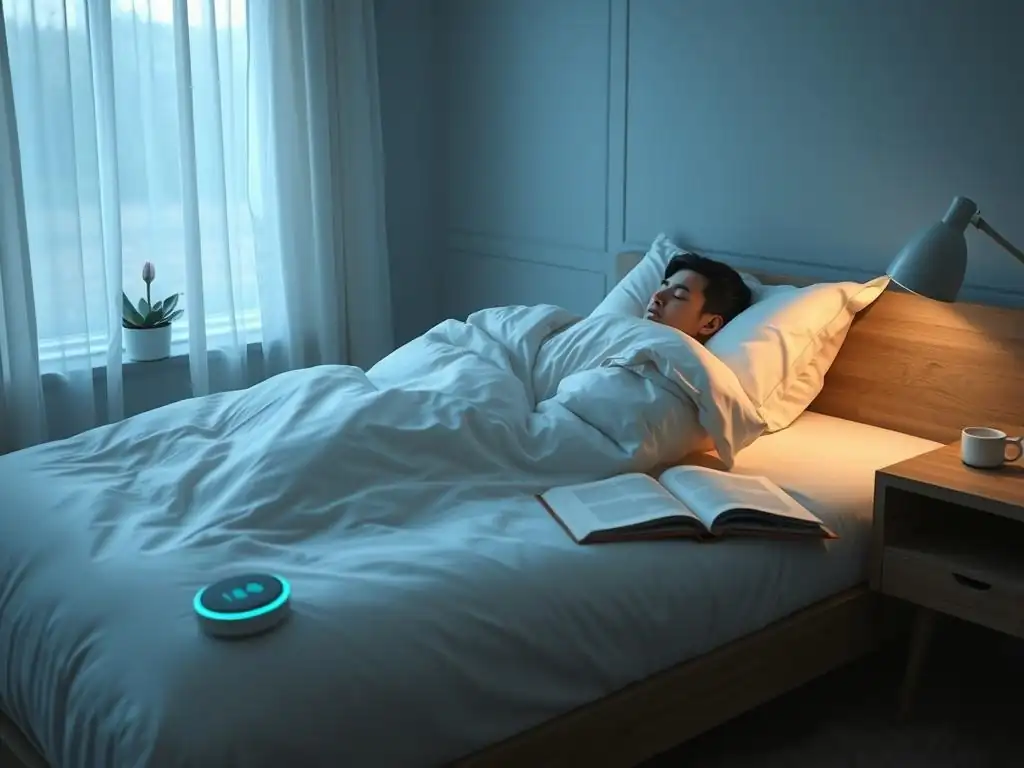
Choosing the right sleep tracker is the foundational step towards leveraging technology for improved sleep and mental clarity. Three popular contenders often considered are the Oura Ring, Whoop 4.0, and Fitbit Charge 6. The Oura Ring focuses heavily on recovery and sleep, offering detailed insights into sleep stages, HRV, resting heart rate, and temperature, integrated into daily Sleep and Readiness scores.
It's often favored by those prioritizing deep physiological data and minimal wrist-based distraction. The Whoop 4.0 is geared towards athletes and serious wellness enthusiasts, providing detailed strain and recovery metrics based on sleep, HRV, and resting heart rate, requiring a membership for full functionality. It offers granular data on sleep performance and recovery state.
The Fitbit Charge 6, a more mainstream option, provides solid sleep tracking including stages, duration, and a sleep score, alongside broader health tracking like activity, steps, and basic stress management tools like EDA (electrodermal activity) scans on some models. While Fitbit offers good general health insights, Oura and Whoop typically provide more in-depth physiological recovery data specifically relevant to stress and mental readiness.
Understanding Key Metrics: Sleep Stages, Heart Rate Variability (HRV), and Sleep Score
To effectively use a sleep tracker for mental clarity, it's crucial to understand the key metrics they provide. Sleep stages (light, deep, REM) are fundamental; deep sleep is vital for physical restoration and growth hormone release, while REM sleep is crucial for cognitive function, memory consolidation, and emotional processing. Insufficient deep or REM sleep can directly contribute to brain fog, poor memory, and emotional lability.
Heart Rate Variability (HRV), the variation in time between heartbeats, is a powerful indicator of autonomic nervous system balance and reflects your body's stress and recovery state. A higher HRV generally suggests better resilience and recovery, correlating with improved mental clarity and stress management.
A Sleep Score, often a composite metric provided by trackers, synthesizes various data points (like duration, efficiency, time in stages, latency, and wake-ups) into a single number representing overall sleep quality. Tracking how these metrics fluctuate can help identify specific sleep deficiencies impacting your cognitive function and mental state.
Recommendation: Which Tracker Offers the Best Value for Mental Clarity Insights? (Affiliate Link to Recommended Tracker)
For individuals primarily focused on leveraging sleep data for improved mental clarity and stress management, the Oura Ring often provides the most targeted and insightful data. Its emphasis on recovery metrics like HRV and resting heart rate, integrated into an easy-to-understand Readiness Score, directly correlates with one's capacity for cognitive load and emotional resilience each day. While Whoop offers similar deep data, its athletic focus might be more than necessary for the average user.
Fitbit is excellent for general health tracking, but its recovery insights are typically less granular than Oura's. Therefore, based on its specific focus on sleep quality and physiological recovery signals highly relevant to mental state, the Oura Ring is recommended for its value in providing actionable insights for sleep tracker mental clarity. (Affiliate Link to Recommended Tracker)
Step 2: Setting Up Your Sleep Tracker and Establishing Baseline Data
Optimizing Tracker Placement for Accurate Sleep Monitoring
Accurate data is paramount for effective sleep tracking, and proper placement of your device is key. For ring-style trackers like Oura, wear it on the index finger for the most consistent readings, ensuring it fits snugly but comfortably. Wrist-based trackers like Fitbit Charge 6 and Whoop 4.0 should be worn securely, about one to two finger-widths above the wrist bone, ensuring the sensors have good contact with the skin without being overly tight, which could restrict circulation and affect readings.
Avoid placing wrist trackers directly on the wrist bone. Wearing the device consistently every night, including weekends, is crucial to capture your natural sleep patterns and establish a reliable baseline. Inconsistent wear leads to gaps in data and less accurate trend analysis, hindering your ability to identify true patterns affecting sleep tracker mental clarity.
Establishing baseline data means wearing your tracker consistently for at least 7 to 14 nights without making significant changes to your sleep habits. This period allows the device and its accompanying app to learn your unique physiological signals and sleep architecture. During this time, resist the urge to react to early data points; the goal is simply to understand your typical sleep patterns – your average duration, time in each sleep stage, usual bedtime and wake-up times, and average recovery metrics like HRV and resting heart rate.
This baseline provides a crucial reference point against which you can measure the effectiveness of any interventions you implement later. Without a solid baseline, it's difficult to determine if changes you make are genuinely improving your sleep quality and subsequently, your mental clarity.
Configuring Personalized Goals for Sleep Duration and Quality
Once you have a baseline, configure personalized sleep goals within your tracker's app. Most apps allow you to set a target sleep duration, commonly around 7-9 hours for adults, though individual needs vary. Some trackers also allow setting goals for consistency in bedtime or wake-up time, which is a powerful lever for improving sleep quality and regulating circadian rhythm.
While you can't directly set goals for specific sleep stages like deep or REM sleep, understanding your baseline percentages can help you aim for overall sleep quality improvements that naturally enhance time in these crucial stages. For example, if your baseline shows only 10% REM sleep (when 20-25% is typical), your overall goal should be to improve sleep efficiency and duration, which often leads to more time spent in REM cycles towards the morning.
Many sleep tracker apps also offer the ability to set "readiness" or "recovery" goals, prompting you to listen to your body's signals. For instance, the Oura app's Readiness Score guides you on whether to push hard or take it easy based on your recovery metrics.
Tailoring these goals within the app helps align the tracker's feedback with your personal health and mental well-being objectives. Setting a goal to maintain an average Readiness Score above a certain threshold, for example, can encourage habits that support better recovery overnight, such as winding down earlier or reducing evening stress, directly contributing to improved sleep tracker mental clarity the following day.
Tip: Integrate Your Sleep Tracker with Headspace for Enhanced Insights
Many modern sleep tracker platforms offer integrations with popular mindfulness and meditation apps like Headspace or Calm. Leveraging these integrations can provide enhanced insights into how relaxation practices impact your sleep and recovery. For instance, some integrations can log when you complete a guided meditation or breathing exercise from Headspace and correlate that activity with changes in your sleep metrics that night, such as improved sleep latency (time taken to fall asleep) or increased HRV.
By connecting your sleep tracker data with your Headspace practice, you gain a more holistic view of the mind-body connection. You might observe, for example, that nights following a 10-minute evening meditation session show a higher Sleep Score or a longer duration of deep sleep compared to nights without the practice.
This concrete data can serve as powerful motivation to maintain a consistent mindfulness routine, reinforcing the understanding that calming the mind before bed is a direct pathway to better sleep quality and, consequently, improved mental clarity the next day. It personalizes the link between stress reduction techniques and tangible sleep improvements.
Step 3: Analyzing Your Sleep Data for Mental Clarity Clues
Identifying Sleep Disruptions and Their Potential Impact on Mental Focus
Sleep tracker data provides a granular view of what happens after you close your eyes, often revealing disruptions you might not consciously remember. Metrics like "wake-up times" or "sleep fragmentation" are key indicators. A person might feel like they slept through the night, but their tracker data could show multiple brief awakenings (even just for a minute or two) that disrupt the sleep cycle.
These micro-arousals, even if not recalled, fragment sleep architecture, reducing the restorative time spent in deep and REM stages. Analyzing the timing of these disruptions can be revealing; consistent wake-ups around the same time might point to environmental factors like noise, temperature changes, or even a full bladder.
The impact of fragmented sleep on mental focus is significant. Each disruption pulls you out of a sleep stage, forcing your brain to restart the process. This prevents the sustained periods needed for optimal memory consolidation, learning, and cognitive processing.
For instance, someone experiencing frequent brief awakenings might find it difficult to sustain attention during meetings or complex tasks the following day. Their sleep tracker data provides the objective evidence of this fragmented sleep, linking it directly to their subjective experience of poor focus and lack of mental clarity. Identifying these disruptions is the first step toward mitigating them and improving sleep tracker mental clarity.
Recognizing Patterns: Connecting Sleep Stage Deficiencies to Cognitive Impairment
Different sleep stages serve unique cognitive functions. Deep sleep is crucial for physical restoration and consolidating declarative memories (facts and events), while REM sleep is essential for emotional regulation, creativity, and consolidating procedural memories (skills and habits). Analyzing your tracker's data on time spent in each stage can reveal specific deficiencies correlating with particular cognitive impairments. For example, consistently low amounts of deep sleep might manifest as feeling physically unrested and having difficulty remembering new information learned during the day.
Conversely, insufficient REM sleep is strongly associated with increased emotional reactivity, difficulty processing experiences, and reduced creativity. If your tracker shows significantly less REM sleep than average (e.g., under 15% of total sleep time), you might notice you feel more stressed, irritable, or less able to think flexibly and solve problems creatively.
Recognizing these patterns in your sleep data – for instance, noticing that days following nights with less than an hour of REM sleep are marked by heightened anxiety – allows you to directly connect specific sleep stage deficiencies to specific challenges with mental clarity and emotional well-being. This objective data empowers you to target interventions more effectively.
Example: How Sarah's Sleep Data Revealed a Link Between Deep Sleep Deficiency and Afternoon Brain Fog
Sarah, a marketing professional, consistently struggled with afternoon brain fog and difficulty concentrating, impacting her productivity. She assumed it was related to her lunch choices or screen time. After getting a sleep tracker to improve sleep tracker mental clarity, she tracked her sleep for two weeks.
Her data revealed she was consistently getting around 7 hours of sleep, which she thought was sufficient. However, the detailed breakdown showed her average deep sleep was only 40-50 minutes per night, significantly lower than the typical 1.5-2 hours recommended for her age. Her REM sleep was within a normal range, but her deep sleep was consistently low.
Analyzing this pattern, Sarah realized her most challenging cognitive slumps coincided directly with nights where her deep sleep was particularly low. Deep sleep is crucial for physical restoration and feeling mentally refreshed. The tracker data provided the concrete link: her physical recovery was insufficient, leading to fatigue that manifested as brain fog in the late afternoon.
Armed with this insight, Sarah shifted her focus from diet to optimizing her sleep environment for deeper sleep – ensuring her room was cooler, darker, and quieter. Over several weeks, her tracker data showed an increase in average deep sleep to over an hour, and she reported a significant reduction in afternoon brain fog, demonstrating how specific tracker insights could illuminate and help resolve issues impacting sleep tracker mental clarity.
Step 4: Implementing Strategies to Improve Sleep and Mental Clarity
Utilizing Sleep Tracker-Guided Interventions:
Optimizing Your Sleep Environment: The Benefit of a Philips Hue Smart Bulb for Circadian Rhythm Regulation (Affiliate Link)
Your sleep environment plays a critical role in sleep quality, and smart home technology, sometimes integrated with or informed by sleep trackers, can help. Light exposure, in particular, profoundly impacts the body's circadian rhythm, which governs sleep-wake cycles. Exposure to bright light, especially blue light from screens, in the evening can suppress melatonin production, making it harder to fall asleep and disrupting sleep architecture. Conversely, dim, warm light in the evening promotes relaxation and signals the body it's time to wind down.
A Philips Hue smart bulb system, for example, allows you to program lighting to gradually dim and change color temperature to warmer tones in the hours leading up to your desired bedtime. Some sleep tracker apps or associated platforms can even integrate with smart lighting systems to suggest optimal wind-down times based on your sleep goals or readiness score. By creating a consistent, dimming, warm-light environment in the evening, you support your body's natural melatonin production, making it easier to transition into sleep and potentially increasing time spent in restorative deep sleep.
This targeted environmental adjustment, guided by an understanding of sleep science and potentially your tracker's data on sleep latency or fragmentation, is a practical step towards improving sleep tracker mental clarity. (Affiliate Link)
Practicing Relaxation Techniques: Using the Calm App Integration on Your Sleep Tracker
Stress and an overactive mind are major barriers to falling asleep and staying asleep, directly impacting sleep quality and next-day mental clarity. Many sleep trackers recognize this link and offer integrations with mindfulness and meditation apps like Calm. These integrations allow users to access guided meditations, breathing exercises, or sleep stories directly through the tracker's app or sometimes even initiated from the device itself (e.g., a guided breathing session on a wrist-based tracker).
Using the Calm app integration recommended by your sleep tracker can help you incorporate relaxation techniques into your nightly routine. For example, if your tracker data shows high resting heart rate or low HRV before sleep, indicating stress, the app might prompt you to do a guided breathing exercise.
Consistently practicing these techniques, especially in the hour before bed, can lower physiological arousal, quiet the racing thoughts, and make it easier to fall asleep and experience more consolidated sleep. Tracking the impact of these practices through your sleep data can reinforce their effectiveness, showing tangible improvements in metrics like sleep latency or sleep efficiency, thereby enhancing sleep tracker mental clarity.
Adjusting Your Sleep Schedule: Leveraging the Tracker's Smart Wake Feature
Consistency in your sleep schedule, particularly your wake-up time, is one of the most impactful factors for regulating your circadian rhythm and improving sleep quality. While it's tempting to sleep in on weekends after a week of early starts, this "social jetlag" can disrupt your internal clock, making it harder to fall asleep on Sunday night and leading to fatigue and reduced mental clarity on Monday. Sleep trackers with a "smart wake" feature can help mitigate this.
A smart wake feature aims to wake you during a period of light sleep within a set window (e.g., 30 minutes before your target wake-up time) rather than during deep or REM sleep. Waking from light sleep feels more natural and leaves you feeling less groggy and more alert, immediately improving mental clarity upon waking.
By setting a consistent target wake-up time and using the smart wake feature, you train your body's internal clock to adhere to a regular schedule. Over time, this consistency can improve overall sleep efficiency, increase time in restorative sleep stages, and lead to sustained improvements in sleep tracker mental clarity throughout the day.
Step 5: Tracking Progress and Refining Your Sleep Strategy
Regularly Reviewing Your Sleep Data to Assess the Effectiveness of Interventions
Improving sleep and mental clarity is an ongoing process, and your sleep tracker is a vital tool for monitoring progress. After implementing strategies based on your initial data analysis (like optimizing your environment, practicing relaxation, or adjusting your schedule), it's crucial to regularly review your sleep metrics to see if they are having the desired effect. Look for trends over weeks and months, not just day-to-day fluctuations. Are your average sleep duration, sleep efficiency, and time in deep and REM sleep increasing? Is your average resting heart rate decreasing and HRV increasing, indicating better recovery?
Compare your current average metrics to your baseline data. If your deep sleep has increased from 45 minutes to over an hour since you installed blackout curtains, that's positive reinforcement. If your HRV has improved since you started using a guided breathing app before bed, the data validates that intervention.
Conversely, if a strategy isn't yielding results after a few weeks, the data will show it, signaling that you may need to try a different approach. This iterative process of implementing, tracking, and refining based on objective sleep tracker data is key to making sustainable improvements in sleep quality and achieving consistent sleep tracker mental clarity.
Using the Sleep Cycle App for Advanced Sleep Analysis and Personalized Recommendations
While your primary sleep tracker's app provides valuable data, supplementing it with dedicated sleep analysis apps like Sleep Cycle can offer additional insights and personalized guidance. Sleep Cycle, often used on a smartphone placed near the bed, uses sound analysis (or sometimes integrates with wearables) to track sleep cycles and wake you during your lightest sleep phase within a customizable window, similar to a smart alarm but with potentially more granular analysis of sleep sounds like snoring or sleep talking.
Beyond its smart alarm function, Sleep Cycle provides detailed statistics and graphs on your sleep quality over time, correlations between sleep quality and factors like caffeine intake, exercise, or stress levels (which you manually log), and personalized tips based on your patterns. Combining the physiological data from your wearable tracker (HRV, resting heart rate, detailed stages) with the environmental and behavioral insights from an app like Sleep Cycle can provide an even richer picture.
For example, your wearable might show fragmented sleep, while Sleep Cycle's sound analysis reveals it's due to snoring, prompting you to investigate that specific issue. This combined approach offers a more comprehensive strategy for optimizing sleep tracker mental clarity.
Seeking Professional Guidance: When to Consult a Sleep Specialist or Mental Health Professional
While sleep trackers provide valuable insights and empower self-management, they are not diagnostic medical devices. There are instances when the data reveals persistent issues that warrant professional intervention. If your tracker consistently shows severe sleep fragmentation, extremely low deep or REM sleep, very high resting heart rate, or very low HRV despite implementing various strategies, it might indicate an underlying sleep disorder like sleep apnea, restless legs syndrome, or chronic insomnia that requires medical diagnosis and treatment.
Similarly, if poor sleep and lack of mental clarity are accompanied by persistent low mood, anxiety, difficulty functioning, or thoughts of self-harm, it's crucial to consult a mental health professional. Sleep disturbances are often symptoms of mental health conditions, and addressing the root cause is essential. Sharing your detailed sleep tracker data with a sleep specialist or therapist can be incredibly helpful. The objective patterns revealed by the tracker can provide valuable information, guiding the professional towards a more accurate diagnosis and tailored treatment plan, ultimately supporting your journey toward improved sleep and sleep tracker mental clarity.
Maximizing the Benefits of Sleep Tracking for Long-Term Mental Well-being
Beyond Sleep: Exploring Additional Features of Sleep Trackers for Stress Management
Heart Rate Variability (HRV) Monitoring: A Window into Your Stress Levels
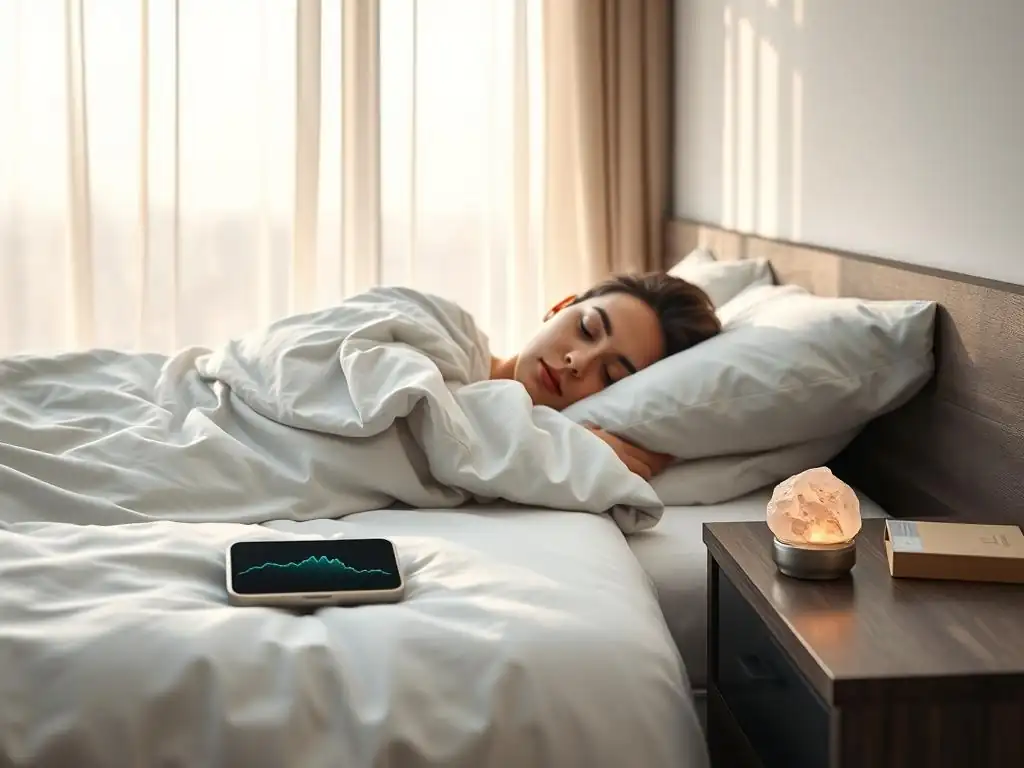
While primarily known as sleep trackers, many advanced wearables offer continuous monitoring of physiological metrics that extend beyond sleep quality, providing valuable insights into your overall stress and recovery state. Heart Rate Variability (HRV) is one of the most insightful of these metrics. It reflects the balance between the sympathetic ("fight or flight") and parasympathetic ("rest and digest") branches of your autonomic nervous system. High stress, overtraining, illness, or insufficient recovery tend to decrease HRV, while relaxation, good sleep, and mindfulness practices can increase it.
Your sleep tracker's HRV data, often measured during sleep when the body is at rest, serves as a powerful daily indicator of your body's resilience and how well it's coping with stress. A consistently low HRV might signal chronic stress or inadequate recovery, alerting you to potential burnout before you even feel overtly stressed.
Tracking trends in your HRV alongside your sleep data provides a more complete picture of your physiological state, helping you understand how lifestyle factors impact your body's ability to recover and maintain balance. Recognizing the link between HRV and your daily mental clarity is a key aspect of leveraging your sleep tracker for holistic well-being.
Guided Breathing Exercises: Utilizing Built-in Features on Oura Ring to Reduce Anxiety (Affiliate Link)
Many modern sleep trackers and wellness wearables incorporate features aimed at stress reduction and relaxation, recognizing the strong connection between stress, sleep, and mental state. The Oura Ring, for instance, includes guided breathing exercises within its app, often accessible directly from the Readiness or Home screen. These short, structured breathing sessions are designed to activate the parasympathetic nervous system, promoting relaxation and reducing physiological stress responses like elevated heart rate and muscle tension.
Utilizing these built-in guided breathing exercises, perhaps prompted by your tracker's indication of a low Readiness Score or high stress levels based on HRV, offers an immediate tool for managing anxiety and promoting calm. Practicing just a few minutes of mindful breathing can help interrupt stress cycles and improve your ability to cope with daily pressures, which in turn supports better sleep quality at night. The convenience of having these tools integrated into your sleep tracker makes it easier to incorporate stress-reducing practices throughout your day, contributing to a calmer mind and enhanced sleep tracker mental clarity. (Affiliate Link)
Integrating Sleep Tracker Data with Other Mental Wellness Practices
Combining Sleep Tracking with Mindfulness Meditation for Enhanced Mental Clarity
Integrating sleep tracker data with a consistent mindfulness meditation practice can create a powerful synergy for enhancing mental clarity. Mindfulness involves paying attention to the present moment without judgment, a practice known to reduce stress, improve focus, and regulate emotions. By regularly meditating and tracking your sleep, you can observe how your practice impacts your sleep metrics over time. For example, you might notice that on weeks where you meditate daily, your average sleep duration is longer, your sleep efficiency improves, and your HRV is higher compared to weeks when meditation is sporadic.
Conversely, your sleep data can inform your mindfulness practice. If your tracker shows fragmented sleep and high resting heart rate, indicating underlying tension, you might choose meditations specifically focused on relaxation or body scans to address this physical manifestation of stress. The objective data from the sleep tracker validates the subjective benefits of meditation, providing tangible evidence of how calming the mind directly contributes to better sleep quality and, consequently, a clearer, more focused mind during waking hours. This integrated approach underscores the holistic nature of sleep tracker mental clarity.
Using Sleep Data to Inform Therapy Sessions and Personalized Treatment Plans
Sleep disturbances are frequently intertwined with mental health challenges such as anxiety, depression, and ADHD. Bringing your sleep tracker data to therapy sessions can provide your therapist with objective, consistent information that supplements your self-report. Instead of simply saying "I'm not sleeping well," you can show charts illustrating sleep duration variability, time spent awake at night, consistent low deep sleep, or fluctuating HRV patterns.
This data can help your therapist identify specific targets for intervention. For example, persistent nighttime awakenings might lead to exploring anxiety-reduction techniques before bed, while consistently low HRV might prompt discussions about overall stress management strategies or lifestyle adjustments. The data provides a concrete starting point for discussion, allowing for more precise identification of patterns and triggers. This collaborative use of sleep tracker insights within a therapeutic context can lead to more personalized and effective treatment plans, accelerating progress towards both improved sleep and enhanced sleep tracker mental clarity.
Conclusion: Taking Control of Your Sleep and Mental Clarity with Tracker Insights
The Future of Sleep Trackers and Their Role in Mental Health Care.
The field of sleep tracking technology is rapidly evolving, promising even more sophisticated insights and personalized interventions for mental well-being. Future generations of sleep trackers are likely to incorporate more advanced sensors capable of detecting a wider range of physiological signals, potentially including brainwave activity (EEG) in more accessible forms or more accurate stress biomarkers. Integration with AI and machine learning will likely become more seamless, offering predictive analytics – for example, predicting days when you are likely to feel stressed or experience reduced mental clarity based on subtle shifts in your sleep and recovery data days in advance.
Furthermore, the integration of sleep tracker data into broader digital health platforms and even clinical settings is becoming increasingly probable. This could facilitate communication between users and healthcare providers, allowing therapists or sleep specialists to remotely monitor patient progress, identify potential issues early, and tailor interventions with greater precision.
As these devices become more accurate, comfortable, and capable of analyzing the complex interplay between sleep, stress, and cognitive function, they will move beyond simple tracking tools to become integral components of personalized mental health management strategies, empowering individuals to take proactive steps towards achieving optimal sleep tracker mental clarity and overall well-being.
Frequently Asked Questions
How can a sleep tracker improve my mental clarity?
A sleep tracker provides data-driven insights into your sleep patterns. This information helps you identify and address issues hindering your sleep quality, which directly impacts cognitive function and mental clarity.
What types of data do sleep trackers typically collect, and how is it relevant to mental well-being?
Sleep trackers usually monitor sleep duration, sleep stages, and sleep disturbances. Understanding these metrics allows you to correlate sleep patterns with mood, stress levels, and overall mental well-being.
How do I choose the right sleep tracker for improving mental clarity?
Consider trackers that offer detailed sleep stage analysis and integration with mental health apps. Look for features that allow you to track mood, activity levels, and other factors alongside your sleep data.
Is it possible to become too reliant on sleep tracker data, and how can I avoid that?
Yes, becoming overly focused on the data can cause anxiety and insomnia. Use the information as a guide, not a rigid rule, and consult a healthcare professional if you're concerned about your sleep.
What are some practical steps I can take based on the insights from my sleep tracker to improve both sleep and mental clarity?
Based on your tracker's data, you can adjust your sleep schedule, optimize your sleep environment, and modify your pre-bedtime routine. Consistent adjustments can lead to better sleep and, consequently, improved mental clarity.
Final Reflection: Embracing Personalized Insights for Sleep and Clarity
In a world where the demands of daily life often overshadow our well-being, the pursuit of better sleep and mental clarity has never been more relevant. As we navigate through the complexities of modern living, the insights gained from sleep trackers serve as a powerful tool to enhance our understanding of our own sleep patterns and mental health. By personalizing our approach to rest, we can unlock the potential for improved focus, productivity, and overall happiness.
The impact of sleep tracking on our cultural and social landscape is profound. As we become more aware of the intricate relationship between sleep and mental clarity, we foster a community that values well-being and self-care. This shift is echoed in the words of Arianna Huffington, who once said, "> Sleep is a performance enhancer. It’s a productivity tool. It’s a creativity tool." The ongoing dialogue around sleep health encourages us to prioritize our rest, recognizing that it is not merely a luxury but a necessity for thriving in our fast-paced lives.
As you reflect on your own journey toward better sleep and mental clarity, I invite you to take action. Consider how the insights from sleep tracking can empower you to make informed choices that enhance your well-being. Embrace the opportunity to personalize your path, and let the data guide you toward a more restful night and a clearer mind. Your journey to improved sleep and mental clarity starts with a single step—take it today, and unlock the transformative power of restful nights.
Unlock Your Best Sleep: Take Charge of Your Mental Well-being!
Thanks for taking the time to explore how sleep trackers can improve both your sleep and mental clarity. You’ve gained valuable insights—now it’s time to put them into action!
- Prioritize your sleep: Start tracking your sleep tonight! Use the knowledge gained to establish a consistent bedtime routine and identify patterns that may hinder your sleep.
- Share your experiences: Discuss your findings with friends or family – you might inspire them to improve their sleep, too! A shared journey toward better well-being is even more powerful.
- Dive deeper: Consider exploring advanced sleep analysis apps or seeking advice from a sleep specialist to address any persistent issues.
Ready to transform your sleep and unlock a more focused and energized you? What's the first step you'll take to prioritize your sleep tonight?