
The Neuroscience of Flow State: Dopamine's Role in Deep Focus


Welcome to Mind Care Guide, a sanctuary for exploring the intricate landscape of mental well-being. Ever wondered how some days you're effortlessly immersed in a task, achieving peak performance and feeling utterly fulfilled? Join us as we unravel the neuroscience behind this coveted experience, diving deep into the fascinating role of dopamine flow state focus in unlocking your deepest potential. Curious to learn how to cultivate this state and harness its power? Let's begin.
The Neuroscience of Flow State: Dopamine's Role in Deep Focus
- Understanding Flow State and its Cognitive Benefits
- Dopamine: The Neurotransmitter Fueling Deep Focus
- The Dopamine-Flow State Feedback Loop
- Achieving Flow State: Practical Strategies for Dopamine Optimization
- Risks of Dopamine Overstimulation and Potential Downsides of Flow
- The Future of Neuroscience: Research on Dopamine, Flow, and Cognitive Enhancement
- Optimizing Dopamine Levels for Enhanced Focus and Flow: A Summary
-
Frequently Asked Questions
- What exactly is a "flow state" and how does it relate to mental well-being?
- How does dopamine contribute to achieving a flow state?
- What are some practical strategies for increasing dopamine flow and improving focus?
- Can anyone achieve a flow state, or is it only for certain people or activities?
- Are there any potential downsides to pursuing flow states, and how can I maintain a healthy balance?
- Final Reflection: Unlocking the Power Within: Dopamine, Focus, and the Flow State
- Unlock Your Flow State: Harness the Power of Deep Focus
Understanding Flow State and its Cognitive Benefits
Defining Flow State: A State of Optimal Experience
Flow state, often described as being "in the zone," is a psychological state of optimal experience that occurs when an individual is fully immersed in an activity. During flow, people often report a sense of energized focus, full involvement, and enjoyment in the process of the activity. Time perception can become distorted, and the individual typically feels a sense of control and a loss of self-consciousness. This state is characterized by a delicate balance between the perceived challenges of a task and one's own skills to meet those challenges.
The experience of flow isn't limited to specific activities; it can be achieved in sports, artistic creation, work tasks, gaming, or even simple hobbies. Research suggests that flow is a universal phenomenon, experienced across cultures and demographics when conditions are right. It's not just about performing well; it's about the quality of the experience itself, which is inherently rewarding and motivating.
Cognitive Advantages of Achieving Flow: Enhanced Focus and Creativity
Achieving a flow state offers significant cognitive advantages, particularly in enhancing focus and creativity. When in flow, attention becomes highly concentrated on the task at hand, filtering out distractions and irrelevant stimuli. This deep focus allows for more efficient processing of information and problem-solving. Studies have shown that individuals in flow can process information up to several times faster than their typical rate.
Furthermore, the uninhibited nature of flow can unlock creative potential. With the conscious mind less critical and the focus intensely directed, novel connections and ideas can emerge more freely. Artists, writers, and scientists often report their most innovative breakthroughs occurring during periods of deep, focused immersion akin to flow. This state not only boosts productivity but also fosters a fertile ground for original thought.
The Connection Between Flow State and Mental Well-being
The regular experience of flow state is strongly linked to enhanced mental well-being. The inherent enjoyment and sense of accomplishment derived from flow contribute to increased levels of happiness and life satisfaction. By providing a sense of purpose and mastery, flow activities can act as powerful antidotes to feelings of boredom, anxiety, and depression.
Moreover, flow promotes resilience. Engaging in challenging activities that lead to flow helps individuals develop skills, overcome obstacles, and build confidence in their abilities. This process reinforces a positive self-image and the belief that one can effectively handle difficult situations, contributing to greater psychological strength and emotional stability.
Dopamine: The Neurotransmitter Fueling Deep Focus
Dopamine's Role in Motivation and Reward
Dopamine is a key neurotransmitter often associated with the brain's reward system, playing a crucial role in motivation, pleasure, and reinforcement. It's released in anticipation of a reward, driving us to seek out experiences that are beneficial or pleasurable. This anticipatory release is a powerful motivator, influencing our decisions and behaviors towards achieving goals.
Beyond simple pleasure, dopamine is deeply involved in learning and habit formation. When a behavior leads to a positive outcome, dopamine signals reinforce that behavior, making us more likely to repeat it. This mechanism is fundamental to how we learn new skills and develop routines, including those that might lead to states of deep focus and immersion.
How Dopamine Influences Attention and Concentration
While widely known for reward, dopamine also significantly influences attention and concentration, crucial components of the dopamine flow state focus. Dopaminergic pathways, particularly those projecting to the prefrontal cortex, are vital for executive functions like working memory, cognitive flexibility, and sustained attention. Optimal levels of dopamine in these areas help regulate the brain's ability to filter distractions and maintain focus on relevant information.
Too little or too much dopamine can impair focus. Conditions like ADHD are often associated with dysregulation of dopamine signaling in the prefrontal cortex, leading to difficulties with attention and impulsivity. This highlights the delicate balance required for dopamine to effectively support deep concentration.
Dopamine and the Pursuit of Flow State Experiences
The pursuit and experience of flow state are intimately connected with dopamine activity. The challenging yet achievable nature of flow-inducing tasks triggers the release of dopamine, motivating individuals to engage deeply. As one progresses through a flow activity, the continuous feedback loops of successful actions and progress further stimulate dopamine release, reinforcing the behavior and sustaining the deep focus.
This dopaminergic drive helps explain why flow experiences are so compelling and often lead to a desire for repetition. The brain learns to associate the activity with the rewarding feeling facilitated by dopamine, encouraging individuals to seek out similar challenges that can lead back to that state of optimal performance and focus. This creates a powerful internal motivation loop centered around the dopamine flow state focus.
The Dopamine-Flow State Feedback Loop

Triggering Dopamine Release Through Challenging Activities
Challenging activities, especially those where the outcome is uncertain but achievable, are powerful triggers for dopamine release. When we face a task that requires skill and effort but isn't overwhelmingly difficult, the brain anticipates the potential reward of successful completion. This anticipation alone can initiate a surge in dopamine. As we engage with the challenge and make progress, overcoming small obstacles and achieving mini-milestones, further dopamine is released.
Consider a musician mastering a complex piece or a programmer solving a difficult bug. The initial challenge sparks interest and motivation, partly driven by dopamine. As they work through the problem, each successful step or correct note provides a small, reinforcing dopamine hit. This continuous, incremental reward system motivates persistence and deep engagement, laying the groundwork for a flow state.
The Neuroscience of Reward and Motivation in Flow
Within the flow state, the brain's reward and motivation circuitry, heavily reliant on dopamine, is highly active. Unlike external rewards, the reward in flow is often intrinsic – the pleasure and satisfaction derived from the activity itself and the feeling of competence. This intrinsic reward loop is particularly potent because it doesn't rely on external validation but is self-sustaining.
As individuals navigate the skill-challenge balance within flow, the brain constantly assesses progress and adjusts effort. Successful navigation of challenges triggers dopamine release, reinforcing the behaviors that led to success and motivating continued engagement. This neurobiological process explains the addictive quality of flow experiences and their power in driving sustained effort and focus.
Maintaining Focus: The Dopaminergic Pathways at Play
Maintaining the intense, sustained focus characteristic of flow state relies significantly on dopaminergic pathways connecting the midbrain to areas like the prefrontal cortex and the basal ganglia. These pathways are crucial for regulating attention, inhibiting distractions, and coordinating complex actions. Optimal dopamine levels in these areas help keep the cognitive machinery running smoothly, allowing for effortless concentration.
During flow, the brain shows reduced activity in areas associated with self-referential thought and critical self-judgment, while activity increases in areas related to attention and task processing. Dopamine contributes to this shift by enhancing signal-to-noise ratio in relevant neural circuits, making it easier to prioritize task-related information and suppress internal or external distractions, thereby maintaining deep focus.
Achieving Flow State: Practical Strategies for Dopamine Optimization
Setting Clear Goals to Enhance Dopamine Release
Setting clear, specific goals is a fundamental strategy for cultivating dopamine flow state focus. When goals are well-defined and attainable, they create a clear target for the brain's reward system. The anticipation of achieving a clear goal triggers dopamine release, providing the initial motivation to start the task. Breaking down larger tasks into smaller, manageable goals offers multiple opportunities for these dopamine boosts as each mini-goal is accomplished.
For example, instead of a vague goal like "write a report," setting a goal like "complete the introduction section of the report by 10 AM" provides a concrete objective. Achieving this specific goal offers a tangible sense of progress, stimulating dopamine and motivating the individual to tackle the next section. This process leverages the brain's natural reward system to fuel sustained effort and focus.
Finding the Right Challenge Level: The Importance of the Skill-Challenge Balance
A critical element for inducing flow is finding the right balance between the challenge of a task and one's skills. If a task is too easy, it leads to boredom and lack of engagement. If it's too difficult, it leads to frustration and anxiety. The sweet spot, where challenge slightly exceeds current skills, is where optimal engagement and dopamine flow state focus are most likely to occur. This level of challenge is perceived as attainable with focused effort, triggering anticipatory dopamine.
Engaging in tasks just outside one's comfort zone encourages learning and skill development, which are intrinsically rewarding processes. As skills improve, the individual must seek out slightly more challenging tasks to re-enter the flow state. This continuous process of seeking appropriate challenges helps maintain motivation and keeps the dopamine system engaged in a healthy, forward-moving cycle.
Minimizing Distractions to Maximize Dopamine-Driven Focus
To maximize the potential for dopamine-driven focus and achieve flow, minimizing distractions is essential. External distractions like notifications, emails, or interruptions break concentration and pull the brain out of the focused state, disrupting the dopaminergic pathways supporting deep engagement. Creating an environment conducive to focus is a practical step towards cultivating flow.
This involves setting boundaries, turning off notifications, and dedicating specific time blocks for focused work. Internal distractions, such as worrying thoughts or multitasking impulses, also need to be managed. Mindfulness techniques or simply acknowledging the thought and returning focus to the task can help. By reducing these interruptions, the brain can maintain the sustained neural activity, including optimal dopamine signaling, required for deep flow state focus.
- Set clear goals for the next focused work session.
- Evaluate if the chosen task offers a balanced challenge level.
- Prepare the environment by minimizing potential distractions (turn off phone, close unnecessary tabs).
- Commit to a dedicated block of time for focused work.
Risks of Dopamine Overstimulation and Potential Downsides of Flow
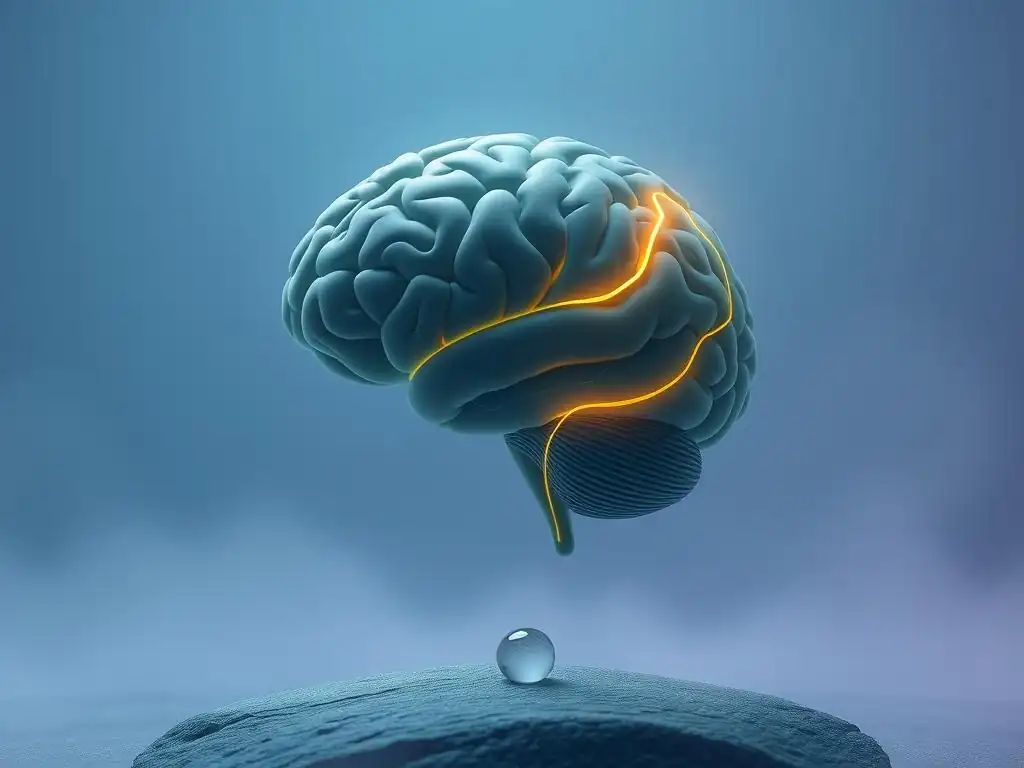
Understanding the Potential for Imbalance in Dopamine Levels
While dopamine is crucial for motivation and focus, an imbalance in dopamine levels or signaling can have negative consequences. Chronic overstimulation of dopamine pathways, often seen with addictive substances or behaviors (like excessive gaming or social media use), can lead to desensitization of dopamine receptors. This means the brain requires increasingly stronger stimuli to achieve the same level of reward or motivation, potentially leading to compulsive behaviors.
Conversely, insufficient dopamine activity is associated with conditions like depression and Parkinson's disease, impacting motivation, movement, and emotional regulation. Maintaining a healthy, balanced lifestyle that supports natural dopamine regulation through activities like exercise, healthy diet, and sufficient sleep is key to avoiding these extremes and supporting healthy dopamine flow state focus.
Recognizing Potential Negative Consequences of Excessive Flow State Engagement
While flow state is generally positive, excessive or unbalanced pursuit of flow can have potential downsides. Becoming overly focused on achieving flow in one area might lead to neglecting other important aspects of life, such as relationships, health, or other responsibilities. The intense focus can sometimes make individuals oblivious to their surroundings or physical needs, leading to burnout or exhaustion.
Furthermore, if flow is consistently sought through activities that have negative long-term consequences (e.g., excessive gambling, workaholism to the detriment of health), the powerful intrinsic motivation fueled by dopamine can reinforce harmful behaviors. It's important to cultivate flow in activities that are constructive and contribute positively to overall well-being.
Maintaining a Healthy Relationship with Dopamine and Focus
Cultivating a healthy relationship with dopamine and focus involves understanding its role without becoming solely reliant on external or excessive stimuli to feel motivated or engaged. It's about finding a balance between periods of intense focus and rest, and engaging in a variety of activities that provide different types of rewards and stimulation.
Prioritizing sleep, nutrition, physical activity, and social connection naturally supports healthy dopamine function. Setting boundaries around work or engaging activities, and being mindful of the potential for addiction or burnout, are crucial steps. The goal is to leverage dopamine for enhanced focus and well-being, not to chase continuous highs that can lead to depletion or imbalance, thereby supporting sustainable dopamine flow state focus.
The Future of Neuroscience: Research on Dopamine, Flow, and Cognitive Enhancement
Emerging Studies on Dopamine's Impact on Cognitive Performance
Neuroscience research continues to uncover the intricate ways dopamine impacts cognitive performance, particularly in areas relevant to dopamine flow state focus. Emerging studies are using advanced imaging techniques like fMRI and PET scans to observe dopamine activity and neural network connectivity in real-time during tasks that induce flow. This research is providing more precise insights into how dopamine modulates attention networks and facilitates the seamless integration of perception, cognition, and action characteristic of flow.
Future research aims to understand individual differences in dopaminergic systems and how these differences might influence a person's propensity to experience flow. This could potentially lead to personalized strategies for enhancing focus and cognitive function based on an individual's unique neurochemistry.
Exploring the Potential of Neurofeedback for Flow State Induction
Neurofeedback is an area of research exploring how individuals can learn to consciously regulate their brain activity. Studies are investigating whether neurofeedback training, particularly targeting brainwave patterns or neural activity associated with flow states (like increased alpha/theta activity), can help individuals learn to enter flow more readily. By providing real-time feedback on brain activity, individuals might learn to adjust their mental state to match patterns observed during deep focus and flow.
While still largely experimental for flow induction, this research holds promise for developing non-invasive techniques to improve focus, attention, and cognitive performance. The potential to volitionally influence brain states related to dopamine flow state focus could have significant implications for education, work, and therapeutic interventions.
Ethical Considerations in Cognitive Enhancement
As our understanding of the neuroscience of focus and flow grows, particularly concerning the role of dopamine, ethical considerations surrounding cognitive enhancement become increasingly relevant. The potential to artificially manipulate dopamine levels or brain activity to induce flow raises questions about fairness, access, potential side effects, and the very definition of human performance and achievement.
Discussions around pharmacological cognitive enhancers, neurofeedback, or other future technologies require careful ethical deliberation. Ensuring that advancements in understanding dopamine flow state focus are used responsibly and equitably to support mental well-being and human potential, rather than creating new forms of inequality or coercion, is a critical challenge for the field.
Optimizing Dopamine Levels for Enhanced Focus and Flow: A Summary
Key Takeaways on Dopamine's Role in Flow State
Dopamine is a central player in the neuroscience of flow state, serving as a critical neurotransmitter for motivation, reward, and sustained focus. It drives the initial engagement with challenging tasks, reinforces progress through intrinsic rewards, and helps maintain the deep concentration required to stay "in the zone." The delicate balance of dopamine activity is essential for optimal attention and the seamless cognitive processing characteristic of flow.
Understanding dopamine's role empowers us to create conditions conducive to flow. By setting clear goals, engaging in appropriately challenging activities, and minimizing distractions, we can leverage our brain's natural dopaminergic system to enhance focus and unlock peak performance experiences. The pursuit of dopamine flow state focus is not just about productivity but also about the quality of engagement and the intrinsic rewards derived from purposeful action.
Practical Tips for Cultivating Flow and Enhancing Mental Well-being
Cultivating flow state is a powerful way to enhance both focus and overall mental well-being. Here are some practical tips:
- Identify Your Flow Activities: Determine which activities genuinely engage you and provide that sweet spot of challenge and skill. This could be anything from playing a sport to coding, painting, or gardening.
- Set Clear Intentions and Goals: Before starting a task, define what you want to achieve. Break down large projects into smaller, actionable steps with clear objectives.
- Eliminate Distractions: Create a dedicated workspace and time where you can minimize interruptions. Turn off phone notifications, close unnecessary tabs, and inform others you need focused time.
- Match Skills to Challenges: Continuously assess if the task is too easy or too hard. Adjust the difficulty or seek out new challenges as your skills improve to stay in the optimal zone.
- Practice Mindfulness: Developing the ability to notice distracting thoughts without engaging with them can help you return your focus to the task at hand, essential for maintaining dopamine-driven focus.
- Prioritize Sleep, Exercise, and Nutrition: These foundational elements of health are crucial for maintaining healthy neurotransmitter function, including dopamine, which supports your ability to focus and engage deeply.
- Reflect on Your Experiences: After engaging in an activity, reflect on when you felt most focused and engaged. Understanding what conditions helped you achieve flow can make it easier to replicate in the future.
By consciously integrating these strategies into daily life, individuals can better harness the power of dopamine to achieve deep focus, experience the rewarding state of flow, and significantly enhance their mental well-being.
Frequently Asked Questions
What exactly is a "flow state" and how does it relate to mental well-being?
A flow state is a state of deep immersion and focus where you're completely absorbed in an activity. It's linked to mental well-being because it can reduce stress and increase feelings of satisfaction and accomplishment.
How does dopamine contribute to achieving a flow state?
Dopamine is a neurotransmitter that plays a crucial role in reward and motivation. When you're in a flow state, your brain releases dopamine, reinforcing the behavior and making you want to continue engaging in the activity.
What are some practical strategies for increasing dopamine flow and improving focus?
Strategies include setting clear goals, breaking down tasks into manageable steps, and eliminating distractions. Focusing on activities you genuinely enjoy can also boost dopamine levels naturally.
Can anyone achieve a flow state, or is it only for certain people or activities?
Yes, anyone can achieve a flow state, regardless of their background or skill level. The key is to find activities that challenge you without being overwhelming and that align with your interests and abilities.
Are there any potential downsides to pursuing flow states, and how can I maintain a healthy balance?
While beneficial, over-reliance on flow states can lead to neglecting other important aspects of life. Maintaining a healthy balance involves mindfulness, self-awareness, and ensuring you attend to your overall well-being.
Final Reflection: Unlocking the Power Within: Dopamine, Focus, and the Flow State
The pursuit of deep focus and peak performance is a universal human desire, and understanding the neuroscience behind it—specifically, dopamine's crucial role in achieving flow states—is more relevant today than ever before. In our increasingly fragmented and distraction-filled world, the ability to enter and sustain a flow state is not just a desirable skill, it's a vital asset for productivity, creativity, and overall well-being. The ability to harness the power of dopamine to achieve this state is key to unlocking our full potential.
The exploration of dopamine's influence on our ability to focus has profoundly impacted my understanding of productivity and creativity. It's not simply about willpower or discipline; it's about understanding the intricate biochemical processes within our brains that drive our capacity for deep work. This understanding allows for a more compassionate and effective approach to self-improvement. The key is not to prioritize what's on your schedule, but to schedule your priorities.
– Stephen Covey. This quote highlights the importance of consciously creating the conditions for flow, rather than simply reacting to distractions.
Now, consider your own life. How can you cultivate an environment that fosters the release of dopamine and encourages the emergence of flow states? Identify your most engaging activities—those that make you lose track of time—and consciously integrate them into your daily routine.
Experiment with techniques like mindfulness, time management strategies, and environmental adjustments to optimize your focus. Embrace the power of dopamine, not as a fleeting pleasure, but as a potent catalyst for unlocking your potential and achieving a life of purpose and fulfillment. The journey to mastering focus begins with understanding the science behind it, and then taking action.
Unlock Your Flow State: Harness the Power of Deep Focus
Thanks for diving into the fascinating world of flow state and dopamine! We hope you gained valuable insights into unlocking your peak performance. Ready to put this new knowledge into action?
- Prioritize a "flow-inducing" activity: Identify one task that typically puts you in a flow state and dedicate focused time to it today. Notice the difference!
- Share your flow-state secrets: What techniques help you get into the zone? Share your tips in the comments below — let's build a community of focus!
- Experiment with a new focus technique: Try a mindfulness exercise or a short Pomodoro session to enhance your concentration. This could be your gateway to more frequent flow states.
What small step will you take today to cultivate more flow in your life?