
Beyond the Couch: Discovering the World of Online Counseling


Welcome to Mind Care Guide, a safe space to explore your mental well-being.
Feeling overwhelmed by anxiety? You're not alone, and finding support is easier than you think. In this article, we delve into the promising world of online counseling for anxiety relief, uncovering how technology can connect you with the resources and guidance you need, right from the comfort of your own space. Could this be the key to unlocking a calmer, more balanced you? Let's find out...
- Beyond the Couch: Discovering the World of Online Counseling for Anxiety Relief
- What is Online Counseling and How Does it Work?
- Is Online Counseling Effective for Anxiety Relief?
- Finding the Right Online Counselor for Your Needs
- Overcoming Barriers to Accessing Online Counseling
- Types of Online Counseling Available for Anxiety
- Benefits of Choosing Online Counseling for Anxiety
- Potential Drawbacks of Online Counseling
- Maximizing Your Online Counseling Experience for Anxiety Relief
- The Future of Online Counseling and Mental Health Care
- Taking the First Step Towards Online Anxiety Relief
-
Frequently Asked Questions
- What is online counseling, and how does it differ from traditional therapy?
- How can online counseling specifically help with anxiety relief?
- Is online counseling as effective as in-person therapy for managing anxiety?
- What are the benefits of choosing online counseling for anxiety relief?
- How do I find a qualified therapist for online counseling specializing in anxiety relief?
- Final Reflection: The Expanding Horizons of Online Anxiety Relief
- Unlock Your Potential: Start Your Journey to Wellbeing Today!
Beyond the Couch: Discovering the World of Online Counseling for Anxiety Relief
Mind Care Guide: Your Path to Digital Mental Well-being
Navigating the complexities of mental health can feel overwhelming, especially when dealing with anxiety. The traditional image of therapy often involves sitting in an office, which isn't always feasible or comfortable for everyone. Fortunately, the digital age has ushered in new avenues for support, making mental health care more accessible than ever before. Online counseling for anxiety relief is emerging as a powerful tool, connecting individuals with licensed professionals from the comfort and privacy of their own space.
Mind Care Guide is dedicated to exploring these innovative paths to wellness. We understand that seeking help is a significant step, and finding the right approach is crucial. This guide delves into the world of virtual therapy, specifically focusing on how online counseling can provide effective strategies and support for managing anxiety symptoms. Whether you're new to therapy or considering a different format, understanding the landscape of digital mental well-being is the first step towards finding your personal path to relief.
What is Online Counseling and How Does it Work?
Understanding the Basics of Virtual Therapy
Online counseling, also known as teletherapy, e-therapy, or virtual counseling, provides mental health services remotely through the internet. It allows individuals to connect with licensed therapists, counselors, or psychologists using various digital communication methods, such as video conferencing, phone calls, instant messaging, or email exchanges. This format removes geographical barriers and can offer greater flexibility compared to traditional in-person sessions. The core principles remain the same as traditional therapy: building a therapeutic relationship, exploring challenges, developing coping mechanisms, and working towards mental wellness goals.
The process typically begins with selecting a platform or a therapist who offers online services. After an initial consultation, sessions are scheduled at mutually convenient times. Depending on the chosen method, you might log into a secure video platform, receive a call, or exchange messages. The therapist guides the session, employing evidence-based techniques like Cognitive Behavioral Therapy (CBT), Dialectical Behavior Therapy (DBT), or Acceptance and Commitment Therapy (ACT), adapted for the virtual environment. This seamless integration of technology into the therapeutic process makes online counseling for anxiety relief a viable and often preferred option for many.
Online Counseling vs. Traditional Therapy: Key Differences
The most apparent difference between online and traditional therapy lies in the mode of delivery. Traditional therapy involves face-to-face interaction in a physical office, providing a structured and consistent environment. Online counseling, conversely, takes place remotely, offering flexibility in location and scheduling. This can be particularly beneficial for individuals with mobility issues, busy schedules, or those living in remote areas with limited access to local mental health professionals. A study published in the Journal of Affective Disorders in 2018, for instance, noted that internet-delivered interventions, including therapy, showed comparable outcomes to face-to-face treatment for depression and anxiety.
Another key difference is the potential impact on the therapeutic alliance. While some may find building rapport easier in person, many clients report feeling more comfortable and open discussing sensitive topics from the security of their own home during online sessions. Technical factors, such as internet connectivity or device issues, are unique challenges to the online format, which are absent in traditional settings. However, online platforms often offer a wider selection of therapists, potentially allowing clients to find a better match for their specific needs and preferences, which is crucial when seeking online counseling for anxiety relief.
Exploring Different Platforms for Online Counseling Services
The market for online counseling services has expanded significantly, with numerous platforms offering diverse models and pricing structures. Some platforms operate on a subscription basis, providing access to unlimited messaging and weekly live sessions (video, phone, or chat) for a fixed monthly fee, often ranging from $200 to $400 per month. Examples include platforms like BetterHelp or Talkspace. Others operate more like a directory or marketplace, connecting clients with independent licensed therapists who set their own rates, which might range from $50 to $250 per session, similar to private practice fees but without the need for travel.
Choosing the right platform depends on individual needs, budget, and preferred communication style. Some platforms specialize in specific areas like anxiety, depression, or relationship issues, offering curated lists of therapists with relevant expertise. It's important to research the platform's reputation, therapist credentials, privacy policies, and pricing model before committing. Many offer free initial consultations or trials, allowing prospective clients to get a feel for the service. Exploring these options is a vital step in leveraging online counseling for anxiety relief effectively.
Is Online Counseling Effective for Anxiety Relief?
The Benefits of Online Therapy for Managing Anxiety Symptoms
Online therapy offers several distinct advantages that contribute to its effectiveness in managing anxiety symptoms. For individuals with social anxiety or agoraphobia, the ability to attend sessions from a safe, familiar environment can significantly reduce the initial barrier to seeking help. This comfort can facilitate quicker engagement in the therapeutic process. Furthermore, online platforms often provide asynchronous communication options, like messaging, allowing individuals to reach out to their therapist and receive support between scheduled sessions, which can be particularly helpful during moments of heightened anxiety or panic.
The convenience factor also plays a major role. Reduced commute time, flexible scheduling, and the ability to fit sessions into busy lives mean greater consistency in attendance. Regular engagement with therapy is strongly linked to positive outcomes in anxiety treatment. For someone experiencing daily worry or panic attacks, knowing that support is readily accessible, often with just a few clicks, provides a sense of security and empowerment. This accessibility is a cornerstone of why online counseling for anxiety relief has gained such traction.
Research-Backed Evidence for Online Counseling in Anxiety Treatment
Numerous studies have investigated the efficacy of online counseling for various mental health conditions, including anxiety disorders. Research consistently suggests that online therapy can be as effective as traditional in-person therapy for treating conditions like generalized anxiety disorder (GAD), panic disorder, social anxiety disorder, and specific phobias. A meta-analysis published in World Psychiatry in 2017, reviewing dozens of studies, concluded that internet-based cognitive behavioral therapy (iCBT) was effective in reducing symptoms of various anxiety disorders, with effect sizes comparable to face-to-face CBT.
Further studies have supported these findings. A 2014 study published in Behaviour Research and Therapy specifically looked at panic disorder and found that internet-delivered CBT was highly effective, with significant reductions in panic attack frequency and severity maintained at follow-up. While research is ongoing, particularly regarding the long-term effects across all online modalities (video, text, audio), the current body of evidence strongly supports the use of online counseling for anxiety relief, indicating it's a valid and effective treatment option for many individuals.
Cognitive Behavioral Therapy (CBT) and Acceptance and Commitment Therapy (ACT) in Online Settings
Cognitive Behavioral Therapy (CBT) is one of the most widely used and effective treatments for anxiety disorders, and it adapts particularly well to the online format. CBT focuses on identifying and challenging negative thought patterns and behaviors that contribute to anxiety. Online platforms facilitate the delivery of CBT techniques through video sessions, interactive modules, digital worksheets, and between-session exercises that clients can complete on their own time. Therapists can guide clients through cognitive restructuring, exposure therapy (often using imagination or virtual reality elements in advanced platforms), and behavioral experiments remotely.
Acceptance and Commitment Therapy (ACT) is another evidence-based approach effective for anxiety that translates well to online delivery. ACT encourages individuals to accept difficult thoughts and feelings rather than fighting them, while committing to actions aligned with their values. Online counseling for anxiety relief using ACT might involve mindfulness exercises guided via video or audio, value exploration activities through shared documents, and behavioral commitment planning. Both CBT and ACT rely heavily on communication, skill-building, and practice outside of sessions, which digital tools can effectively support, making them highly suitable for virtual therapy environments.
Finding the Right Online Counselor for Your Needs
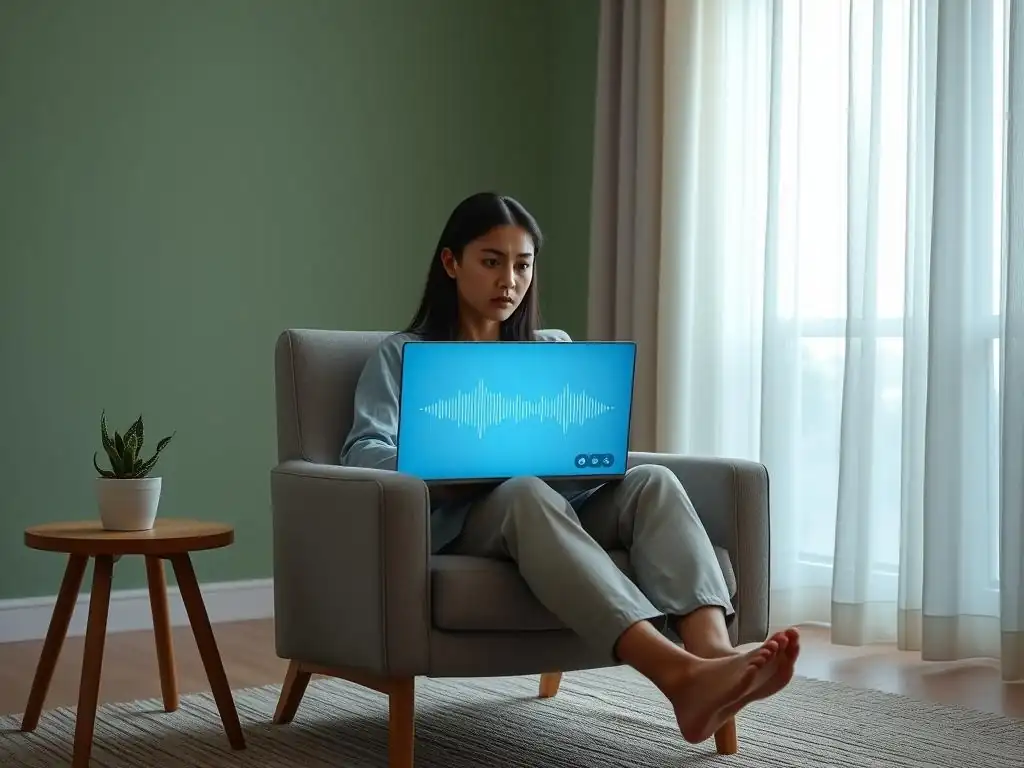
Identifying Your Specific Anxiety Triggers and Concerns
Before searching for an online counselor, taking time to understand the specific nature of your anxiety is crucial. Is your anxiety generalized worry that affects many areas of your life? Do you experience panic attacks? Is your anxiety primarily linked to social situations, specific phobias (like flying or spiders), or health concerns? Recognizing your primary triggers, symptoms (e.g., racing heart, difficulty breathing, avoidance behaviors), and how anxiety impacts your daily life will help you articulate your needs to potential therapists and find someone with relevant expertise.
Consider what you hope to achieve through online counseling for anxiety relief. Are you looking to develop coping mechanisms for panic, challenge negative thought patterns, reduce avoidance behaviors, or simply gain a better understanding of your anxiety? Having clear goals, even if they evolve during therapy, provides direction for both you and your counselor. Platforms often allow you to filter therapists by specialization, making this initial self-assessment a critical step in finding a good therapeutic match.
Matching Your Needs with the Right Therapist's Specialization
Once you have a clearer picture of your anxiety and goals, you can actively seek a therapist whose specialization aligns with your needs. Many online platforms allow you to search for therapists based on their areas of expertise, such as GAD, panic disorder, social anxiety, OCD, or trauma. Look for therapists who list anxiety treatment as a primary focus and are experienced in modalities like CBT, ACT, or Exposure Therapy, as these are well-supported for anxiety relief.
Reading therapist profiles can provide insight into their approach, philosophy, and experience level. Some therapists may have specific experience working with certain demographics or life stages, which might also be relevant to your situation. Don't hesitate to utilize introductory calls or messaging features offered by platforms to ask potential therapists about their experience treating your specific type of anxiety and how they approach online counseling for anxiety relief. Finding a therapist whose approach resonates with you is key to building a strong therapeutic alliance.
Checking Credentials and Licensing of Online Counselors
Ensuring that your online counselor is properly credentialed and licensed is paramount for receiving safe and effective care. Reputable online counseling platforms require their therapists to be fully licensed mental health professionals in the state or country where they practice and where the client is located (though licensing laws for teletherapy across state lines can be complex and are evolving). Look for credentials such as Licensed Professional Counselor (LPC), Licensed Clinical Social Worker (LCSW), Licensed Marriage and Family Therapist (LMFT), or Psychologist (PsyD or PhD).
Platforms should clearly display therapist credentials and licensing information on their profiles. You can often verify a therapist's license through their state's licensing board website. Be wary of platforms or individuals who do not readily provide this information. A licensed professional is bound by ethical guidelines and standards of care, ensuring you receive treatment from a qualified and accountable provider. Prioritizing credential verification is a non-negotiable step when seeking online counseling for anxiety relief.
Overcoming Barriers to Accessing Online Counseling
Addressing Concerns About Privacy and Security in Virtual Therapy
One significant concern for individuals considering online counseling is the privacy and security of their sensitive information. Reputable online platforms utilize HIPAA-compliant (in the United States) or equivalent secure, encrypted video conferencing and messaging systems to protect client confidentiality. These platforms employ robust security measures, including data encryption, secure servers, and strict access controls, similar to those used in telehealth for medical appointments.
While platforms take significant steps, clients also play a role in maintaining privacy. Using a secure, private internet connection (avoiding public Wi-Fi), ensuring your device is password-protected, and conducting sessions in a private space where you cannot be overheard are essential practices. Discussing any privacy concerns with your therapist or the platform's support team can provide reassurance and clarify their specific security protocols. Understanding and mitigating these potential risks helps create a safe environment for effective online counseling for anxiety relief.
The cost of online counseling can vary widely, presenting a potential barrier for some. As mentioned, subscription models offer unlimited communication and weekly sessions for a flat monthly fee, which might be more cost-effective for those who anticipate frequent contact or longer-term therapy. Pay-per-session models offer flexibility but can accumulate costs quickly. Session rates can range from $50 to $250, influenced by the therapist's experience, location, and the platform used.
Many online platforms do not directly accept health insurance, operating on a self-pay basis. However, some may provide superbills or invoices that clients can submit to their insurance provider for potential out-of-network reimbursement. It's crucial to check with your insurance company about their coverage for "telehealth" or "telemedicine" mental health services. Some platforms are also starting to partner with insurance plans. Exploring these financial aspects upfront is vital when budgeting for online counseling for anxiety relief. Additionally, some platforms offer sliding scale fees or financial assistance based on income.
Creating a Designated and Confidential Space for Online Sessions
To maximize the effectiveness and confidentiality of online counseling for anxiety relief, establishing a private and quiet space for your sessions is essential. This space should be free from interruptions from family members, pets, or roommates. Using headphones can further enhance privacy and minimize distractions, ensuring that your conversation with your therapist remains confidential and you can fully focus on the session.
Before your session begins, test your internet connection and device to avoid technical disruptions. Inform others in your household about your session time so they know not to disturb you. Creating this dedicated environment helps replicate the contained and confidential nature of a traditional therapy office, allowing you to feel safe and comfortable opening up and engaging fully in the therapeutic process. A calm and private setting contributes significantly to a positive virtual therapy experience.
Types of Online Counseling Available for Anxiety
Text-Based Therapy: Instant Messaging and Asynchronous Support
Text-based therapy involves communicating with a therapist primarily through instant messaging or asynchronous text exchanges within a secure platform. This format offers a high degree of flexibility, allowing clients to send messages whenever thoughts or feelings arise, without needing to wait for a scheduled appointment. The therapist typically responds within a certain timeframe each day (e.g., once or twice daily), providing support, guidance, and exercises via text.
This method can be particularly appealing for individuals who find it difficult to talk openly in real-time or who prefer to process their thoughts before articulating them. It also provides ongoing support between live sessions if used in conjunction with video or audio calls. While it may lack the non-verbal cues present in video or in-person sessions, text-based online counseling for anxiety relief offers a convenient and less intimidating entry point into therapy for some, providing support for managing daily stressors and practicing coping skills via written communication.
Video Counseling: Face-to-Face Interaction from Home
Video counseling is the most common and arguably the closest equivalent to traditional in-person therapy in the online world. It involves scheduled sessions conducted via secure video conferencing software. This allows for real-time, face-to-face interaction, enabling both the client and therapist to observe non-verbal cues, facial expressions, and body language, which are crucial components of communication and building a therapeutic alliance.
This format is suitable for most types of therapy, including individual, couples, and group sessions. Therapists can effectively utilize techniques like guided meditations, visualization exercises, and even some forms of exposure therapy during video sessions. For many, video counseling offers the benefits of therapy from home – convenience, reduced travel time, comfort – while retaining the personal connection and dynamic interaction of a live session. It is a highly effective mode for delivering online counseling for anxiety relief, allowing for deep exploration and skill-building.
Audio-Only Therapy: Phone Calls for Convenient Support
Audio-only therapy, typically conducted via phone calls, offers another flexible option for online counseling. This format removes the visual element, which some clients may find less intimidating than video. It can be particularly convenient for individuals who have limited internet bandwidth, prefer to take walks or be in different locations during their session, or simply feel more comfortable speaking over the phone.
While it lacks visual cues, audio therapy still allows for real-time conversation and immediate feedback from the therapist. It can be a good option for check-ins, processing thoughts, or practicing verbal coping strategies. The ease of access via a standard phone call makes it incredibly convenient. For those seeking online counseling for anxiety relief but are hesitant about video technology or prefer the simplicity of a phone call, audio-only sessions provide a practical and effective alternative for receiving support and guidance.
Benefits of Choosing Online Counseling for Anxiety
Convenience and Accessibility: Therapy on Your Schedule
One of the primary advantages of online counseling for anxiety relief is its unparalleled convenience and accessibility. You can attend sessions from virtually anywhere with a stable internet connection – your home, office, or even during travel (while ensuring privacy). This eliminates the need for commuting, saving time and transportation costs. For individuals with mobility challenges, chronic illnesses, or those living in rural areas far from mental health services, online therapy removes significant barriers to accessing care.
The flexibility in scheduling is also a major benefit. Many online platforms offer sessions outside of traditional 9-to-5 hours, including evenings and weekends, making it easier to fit therapy into a busy life. This ease of access means you can maintain consistency with your treatment, which is crucial for making progress in managing anxiety symptoms. The ability to receive support without the logistical hurdles of in-person appointments makes online counseling a highly practical solution.
Affordability: Often Lower Costs Compared to Traditional Therapy
While costs vary, online counseling can often be more affordable than traditional in-person therapy. Therapists providing online services may have lower overhead costs (no office rent, utilities, etc. ), which can translate into lower session fees. Subscription models offered by many platforms can also provide significant value for the monthly cost, especially if you utilize the messaging features frequently alongside live sessions.
Comparing the cost of a single session online versus in-person, the online rate is often competitive or lower. Furthermore, when factoring in the hidden costs of traditional therapy – travel time, gas, parking fees, or lost wages from taking time off work – online counseling can present a more budget-friendly option overall. Exploring the pricing structures of various online platforms and understanding potential insurance coverage is key to leveraging the potential affordability of online counseling for anxiety relief.
Increased Comfort and Reduced Stigma
For many individuals, the thought of walking into a therapist's office can be daunting, carrying a sense of stigma or vulnerability. Online counseling allows individuals to receive therapy from the comfort and security of their own home, a familiar and safe environment. This can significantly reduce feelings of self-consciousness or anxiety associated with seeking help, making it easier to open up and engage honestly with the therapist from the very first session.
The perceived anonymity of connecting online, even via video, can also lower the barrier for those who feel embarrassed or judged about their mental health struggles. While therapy is confidential regardless of format, the physical distance provided by online counseling can make it feel less intimidating for some. This increased comfort and reduced perceived stigma contribute to making online counseling for anxiety relief a more accessible and appealing option for a wider range of people.
Potential Drawbacks of Online Counseling

Technical Difficulties and Internet Connectivity Issues
Despite the many benefits, online counseling is not without its potential drawbacks. Technical issues are perhaps the most common challenge. Poor internet connection, outdated equipment, or problems with the platform's software can interrupt sessions, causing frustration and disrupting the flow of therapy. A session freezing or dropping mid-discussion, especially during a sensitive moment, can be jarring and impact the therapeutic process.
While therapists and platforms strive for smooth technical experiences, these issues are often beyond their direct control and rely on the client's setup. It's important to have a reliable internet connection and a functional device. Having a backup plan, like switching to a phone call if the video fails, can help mitigate these problems. Recognizing that technical hiccups are a possibility is part of preparing for online counseling for anxiety relief.
The Importance of a Strong Therapeutic Alliance Online
A strong therapeutic alliance – the collaborative relationship between client and therapist built on trust, empathy, and shared goals – is consistently cited as a key predictor of successful therapy outcomes, regardless of the modality. While many clients and therapists successfully build strong alliances online, some individuals may find it more challenging to establish rapport through a screen compared to in-person interaction. Non-verbal cues can sometimes be misinterpreted or missed online.
It may take a few sessions to feel truly comfortable with an online therapist and format. Factors like camera angle, lighting, and background can subtly influence the interaction. Clients should actively participate, maintain eye contact with the camera (as much as possible), and communicate any discomfort or challenges they are experiencing with the online format. Therapists are also trained to adapt their approach to foster connection in the virtual space. Building that crucial bond is just as important in online counseling for anxiety relief as it is in traditional therapy.
Suitability for Individuals with Severe Anxiety Disorders or Suicidal Ideation
While online counseling is highly effective for many individuals with anxiety, it may not be the most suitable option for everyone, particularly those with severe or complex mental health conditions. Individuals experiencing severe panic attacks that significantly impair daily functioning, those with severe obsessive-compulsive disorder (OCD) requiring intensive exposure and response prevention (ERP) that may benefit from in-person guidance, or those with co-occurring severe substance abuse issues might require a higher level of care.
Crucially, online counseling is generally not appropriate for individuals experiencing active suicidal ideation with intent or plan, or those in acute crisis requiring immediate intervention. Most online platforms have protocols for handling crises and will direct individuals to emergency services (like calling 911 or a crisis hotline). It is essential for individuals with severe symptoms or safety concerns to consult with a mental health professional to determine the most appropriate level and format of care. While online counseling for anxiety relief is powerful, understanding its limitations for severe cases is important.
Maximizing Your Online Counseling Experience for Anxiety Relief
Setting Clear Goals for Your Therapy Sessions
To get the most out of online counseling for anxiety relief, it's beneficial to set clear, achievable goals for your therapy sessions. What specific changes do you hope to see in your anxiety symptoms or how you cope with them? Examples might include reducing the frequency of panic attacks, being able to attend social events with less fear, challenging specific anxious thoughts, or learning mindfulness techniques to manage worry.
Discuss these goals openly with your therapist during your initial sessions. This helps your therapist tailor their approach and choose the most relevant techniques. Regularly reviewing your progress towards these goals with your therapist can also be motivating and help ensure that your sessions remain focused and productive. Having a clear direction enhances the effectiveness of the therapeutic process in addressing your anxiety.
Actively Participating in Your Online Counseling Sessions
Passive attendance is rarely effective in therapy, regardless of format. To maximize your online counseling experience, active participation is key. This means being present and engaged during your sessions, speaking openly and honestly about your thoughts and feelings, and asking questions when you don't understand something. Don't be afraid to share feedback with your therapist about what feels helpful or unhelpful in the online setting.
Active participation also extends beyond the session itself. Therapy is often most effective when you practice the skills and strategies discussed with your therapist in your daily life. This might involve completing homework assignments like tracking anxious thoughts, practicing relaxation techniques, or engaging in behavioral exercises. The more you actively apply what you learn in online counseling for anxiety relief, the greater the potential for meaningful change.
Practicing Self-Care and Mindfulness Techniques Between Sessions
Anxiety management is an ongoing process, and the work doesn't stop when your online session ends. Incorporating self-care practices and mindfulness techniques into your daily routine is crucial for supporting the progress you make in therapy. This could involve engaging in regular physical activity, ensuring adequate sleep, maintaining a balanced diet, and making time for hobbies and social connections.
Mindfulness techniques, often taught in online counseling for anxiety relief, such as deep breathing exercises, meditation, or mindful walking, can help you stay present, manage racing thoughts, and reduce physical tension associated with anxiety. Consistently practicing these skills between sessions reinforces what you learn and builds resilience, empowering you to manage anxiety more effectively in your everyday life.
The Future of Online Counseling and Mental Health Care
Emerging Technologies and Innovations in Virtual Therapy
The field of online counseling is continuously evolving with the integration of emerging technologies. Virtual Reality (VR) is beginning to be used, particularly for exposure therapy in treating phobias and PTSD, allowing clients to experience controlled simulations of anxiety-provoking situations in a safe, virtual environment guided by their online therapist. Augmented Reality (AR) is also being explored for in-session exercises or between-session practice.
Artificial Intelligence (AI) is playing an increasing role, not necessarily replacing therapists, but supporting them and clients. AI-powered chatbots can provide initial support, psychoeducation, or guide clients through basic mindfulness exercises. AI analytics can help therapists identify patterns in client communication or predict potential challenges. These innovations promise to make online counseling for anxiety relief even more personalized, accessible, and potentially more effective in the coming years.
Expanding Access to Mental Health Services Through Online Platforms
One of the most significant impacts of online counseling is its potential to dramatically expand access to mental health services. For the estimated millions of people globally who lack access to local mental health professionals due to geography, cost, or stigma, online platforms provide a vital connection. This is particularly true in underserved rural areas or regions with a shortage of mental health providers.
Online platforms can also connect clients with specialists who might not be available locally, such as therapists with extensive experience in specific anxiety disorders or specialized treatment modalities. As licensing laws evolve and technology becomes more ubiquitous, online counseling for anxiety relief is poised to become a standard, widely accepted, and easily accessible form of care, reaching individuals who previously had limited or no options for support.
Integration of AI and Personalized Mental Health Support
The integration of AI is paving the way for more personalized mental health support within online counseling frameworks. AI algorithms can analyze data from client interactions (with appropriate privacy safeguards) to help therapists gain deeper insights into client progress, identify potential roadblocks, or suggest tailored resources and exercises. For example, an AI might detect patterns in messaging that indicate increasing distress and flag this for the therapist.
Beyond supporting the therapist, AI is also enabling personalized tools for clients. This could include AI-powered apps that offer personalized mood tracking, guided exercises based on reported symptoms, or even conversational AI companions that provide immediate, though limited, support between therapy sessions. This personalized approach, supported by technology, promises to enhance the effectiveness and reach of online counseling for anxiety relief, making mental health support more responsive and tailored to individual needs.
Taking the First Step Towards Online Anxiety Relief
Resources for Finding Reputable Online Counseling Platforms
Taking the first step towards finding online counseling for anxiety relief involves identifying reputable platforms. Look for platforms that are well-established, have positive reviews, and prioritize therapist credentials and data security (like HIPAA compliance). Websites like the Anxiety & Depression Association of America (ADAA) or the National Alliance on Mental Illness (NAMI) may offer directories or resources related to finding online support options.
Major online counseling platforms such as BetterHelp, Talkspace, Amwell, or Doctor On Demand are widely used, but it's important to research each one to see which best fits your needs regarding cost, therapist availability, and communication methods offered. Many professional organizations for therapists also offer directories where you can find licensed practitioners who provide teletherapy services independently. Doing your homework ensures you connect with a legitimate and qualified provider.
Online Anxiety Support Groups and Mental Health Resources
Online counseling is a powerful tool, but it's not the only source of digital support for anxiety. Online support groups, forums, and communities dedicated to anxiety relief can provide peer support, shared experiences, and a sense of connection. Organizations like ADAA or Mental Health America often host or recommend online support forums. These groups are not a substitute for professional therapy but can offer valuable supplementary emotional support.
Furthermore, numerous reputable websites, blogs (like Mind Care Guide! ), podcasts, and apps offer free or low-cost mental health resources, psychoeducation about anxiety, coping strategies, guided meditations, and mindfulness exercises. Utilizing these resources in conjunction with online counseling for anxiety relief can enhance your understanding of anxiety and provide additional tools for managing symptoms in your daily life.
Empowering Yourself to Prioritize Your Mental Well-being
Deciding to seek online counseling for anxiety relief is an empowering act. It signifies a commitment to prioritizing your mental well-being and taking proactive steps to address the challenges anxiety presents. Remember that seeking help is a sign of strength, not weakness. The journey towards managing anxiety is personal, and online counseling offers a flexible, accessible, and effective path for many.
By exploring your options, finding the right therapist and platform, and actively engaging in the therapeutic process, you are investing in yourself and building the skills needed to navigate life with greater ease and confidence. Embrace the possibilities that online counseling offers and take that crucial first step towards finding relief and improving your overall mental health.
Frequently Asked Questions
What is online counseling, and how does it differ from traditional therapy?
Online counseling, also known as teletherapy, uses digital platforms to provide mental health services. It differs from traditional therapy primarily in its location flexibility and accessibility, allowing sessions from anywhere with an internet connection.
How can online counseling specifically help with anxiety relief?
Online counseling offers various techniques, such as Cognitive Behavioral Therapy (CBT), tailored to address anxiety. Convenient access to these methods can reduce stress and promote relaxation techniques, ultimately alleviating anxiety symptoms.
Is online counseling as effective as in-person therapy for managing anxiety?
Studies suggest that online counseling can be equally effective as in-person therapy for many individuals with anxiety. The key factor is finding a qualified and licensed therapist specializing in anxiety disorders.
What are the benefits of choosing online counseling for anxiety relief?
Benefits include increased accessibility, convenience, and often lower costs compared to traditional therapy. It also reduces the stigma associated with seeking mental health support, encouraging more people to get help.
How do I find a qualified therapist for online counseling specializing in anxiety relief?
Look for platforms that verify therapist credentials and offer detailed profiles. Search for therapists specifically trained in anxiety disorders and consider factors like their experience and therapeutic approach to ensure a good fit.
Final Reflection: The Expanding Horizons of Online Anxiety Relief
The accessibility of online counseling has revolutionized mental healthcare, offering a lifeline to countless individuals struggling with anxiety. This digital transformation isn't just a trend; it's a vital development that's democratizing access to vital support and reshaping how we understand and address mental well-being. The convenience and personalized approaches offered by online platforms are proving increasingly crucial in a world grappling with rising anxiety levels.
The shift towards online therapy has profoundly impacted the cultural landscape, breaking down stigmas surrounding mental health and fostering a more open dialogue about anxiety. It's allowed individuals to seek help discreetly and on their own terms, a crucial factor for many who might otherwise hesitate to reach out. This increased accessibility has, in turn, led to a greater understanding of anxiety's diverse manifestations and the effectiveness of various therapeutic interventions. The greatest barrier to seeking help is often the first step.
This simple truth underscores the significance of online platforms in lowering that barrier and empowering individuals to take control of their mental health.
Consider the potential within your reach. You now have the tools to actively manage your anxiety, to explore different therapeutic approaches, and to find a counselor who truly understands your unique needs. Don't let anxiety define you; let it be a catalyst for self-discovery and growth. Take that first step, explore the world of online counseling, and embark on a journey towards a more peaceful and fulfilling life. Your well-being is worth it.
Unlock Your Potential: Start Your Journey to Wellbeing Today!
Thanks for taking the time to explore the world of online counseling with us! We hope you gained valuable insights into how this accessible and effective approach can benefit your mental health. Now, it's time to take the next step.
- Schedule a free consultation: Many online platforms offer introductory calls to discuss your needs and find the right therapist for you. This is the crucial first step toward feeling better.
- Explore different therapy styles and approaches: Research resonates with you—cognitive behavioral therapy (CBT), mindfulness, or something else entirely. Understanding your options empowers you to make an informed decision.
- Share this article with someone who might benefit: Help spread awareness about the transformative power of online counseling. You never know whose life you might impact.
Ready to prioritize your mental wellbeing? What's the first step you'll take to explore the possibilities of online therapy?