
Your Action Plan: Easy Steps to Start Cultivating Gratitude Today


Welcome to Mind Care Guide, your trusted companion on the journey to mental well-being. Here, we believe that every step towards a healthier mind matters, and today, we're diving deep into the transformative power of cultivating gratitude daily habits. Imagine a life where gratitude shapes your perspective, enhances your resilience, and nurtures your soul. Are you ready to discover easy steps to begin this rewarding practice? Join us as we explore actionable insights that can turn gratitude into a daily ritual, fostering a brighter mindset and a more fulfilling life. Let’s embark on this journey together!
Cultivating Gratitude: A Practical Guide
- Introduction: The Importance of Gratitude for Mental Well-being
- Step 1: Gratitude Journaling: A Daily Practice
- Step 2: Gratitude Meditation: Finding Calm
- Step 3: Expressing Gratitude to Others: Strengthening Bonds
- Step 4: Finding Gratitude in Everyday Moments
- Step 5: Integrating Gratitude into Your Daily Routine
- Overcoming Obstacles to Gratitude
- Conclusion: Embracing Gratitude for Lasting Well-being
-
Frequently Asked Questions
- How does cultivating gratitude through daily habits improve mental well-being?
- What are some easy steps to start cultivating gratitude daily habits?
- How can I overcome challenges in cultivating gratitude, especially during difficult times?
- Is there scientific evidence supporting the benefits of cultivating gratitude?
- How often should I practice gratitude to experience its benefits?
- Final Reflection: The Ripple Effect of Gratitude
- Unlock Your Joy: Cultivate Gratitude Now!
Introduction: The Importance of Gratitude for Mental Well-being
Gratitude is more than just a fleeting feeling of thankfulness; it's a powerful practice that can profoundly impact your mental and emotional health. In a world often focused on what we lack, intentionally shifting our focus to what we have can be a transformative experience. Cultivating gratitude daily habits can build resilience, increase happiness, and foster stronger connections with others. This guide provides actionable steps to help you integrate gratitude into your life, starting today.
Embracing gratitude isn't about ignoring life's challenges or pretending everything is perfect. It's about acknowledging the good, no matter how small, even amidst difficulty. This deliberate act of recognition can change your perspective, reduce stress, and enhance overall life satisfaction. Developing gratitude habits is a journey, and each small step you take contributes to a more positive and fulfilling outlook.
The Psychological Benefits of Gratitude
Research has consistently shown the significant psychological benefits associated with a regular gratitude practice. Individuals who practice gratitude tend to report higher levels of positive emotions and lower levels of depression and anxiety. For instance, studies by researchers like Emmons and McCullough have found that keeping a weekly gratitude journal can lead to increased optimism and life satisfaction over just 10 weeks. Participants in these studies often reported feeling more connected to others and even experiencing fewer physical symptoms.
Furthermore, cultivating gratitude daily habits can rewire your brain over time, making you more attuned to positive experiences. This cognitive shift can enhance your ability to cope with stress and adversity. When faced with challenges, a foundation of gratitude can help you see potential lessons or silver linings, rather than being solely consumed by the negative. This resilient mindset is a key component of robust mental well-being.
Gratitude and its Impact on Mental Health
The link between gratitude and improved mental health is well-established. Practicing gratitude can act as a buffer against the effects of stress and trauma. It helps shift focus away from ruminating on negative thoughts and towards appreciating the present moment and past blessings. For someone struggling with persistent worry, intentionally listing things they are grateful for can interrupt negative thought loops and create space for more positive emotions.
Moreover, gratitude has been linked to better sleep quality, reduced feelings of envy, and a decreased focus on material possessions. By appreciating what you have, you naturally reduce the tendency to compare yourself unfavorably to others. This fosters a sense of contentment and peace. Integrating gratitude practices into your daily routine is a proactive step towards nurturing a healthier mind and fostering emotional stability.
Step 1: Gratitude Journaling: A Daily Practice
One of the most popular and effective ways to begin cultivating gratitude daily habits is through journaling. This simple act involves regularly writing down things you are thankful for. It doesn't require much time or effort, but its impact can be profound. Dedicating even just five minutes each day to this practice can help solidify your focus on the positive aspects of your life.
Starting a gratitude journal creates a tangible record of the good things you experience. On days when you feel low, you can look back at your entries and remind yourself of the blessings you have received. This serves as a powerful counterpoint to negative self-talk or feelings of hopelessness, reinforcing the positive effects of cultivating gratitude daily habits.
Choosing a Journaling Method
There's no single "right" way to keep a gratitude journal. You can use a dedicated notebook, a simple notepad, a digital document on your computer, or even a mobile app. The key is to choose a method that is convenient and accessible for you, increasing the likelihood that you'll stick with it. Some people prefer writing by hand, finding the physical act calming, while others prefer the speed and searchability of digital formats.
Consider when and where you will journal. Will it be first thing in the morning to set a positive tone for the day, or before bed to reflect on the day's blessings? Some people find it helpful to keep their journal by their bedside or near their coffee maker as a visual reminder. Experiment with different times and tools to find what fits best into your existing routine for cultivating gratitude daily habits.
Prompts for Gratitude Journaling
Sometimes, facing a blank page can be daunting. Using prompts can help spark ideas and deepen your reflection. Instead of just listing "sunshine," try writing about why you're grateful for it (e.g., "grateful for the sunshine today because it lifted my mood and allowed me to take a pleasant walk"). This adds depth to your practice.
Here are some example prompts to get you started:
- Three things that went well today.
- A person who helped you or made you smile.
- Something simple you enjoyed using your senses (sight, sound, smell, taste, touch).
- A skill or talent you are grateful to possess.
- Something challenging that taught you a valuable lesson.
- A comfort or convenience you often take for granted.
Aim to list at least 3-5 distinct things each time you journal. Varying your entries each day keeps the practice fresh and helps you notice different aspects of your life worthy of appreciation, making cultivating gratitude daily habits a richer experience.
Step 2: Gratitude Meditation: Finding Calm
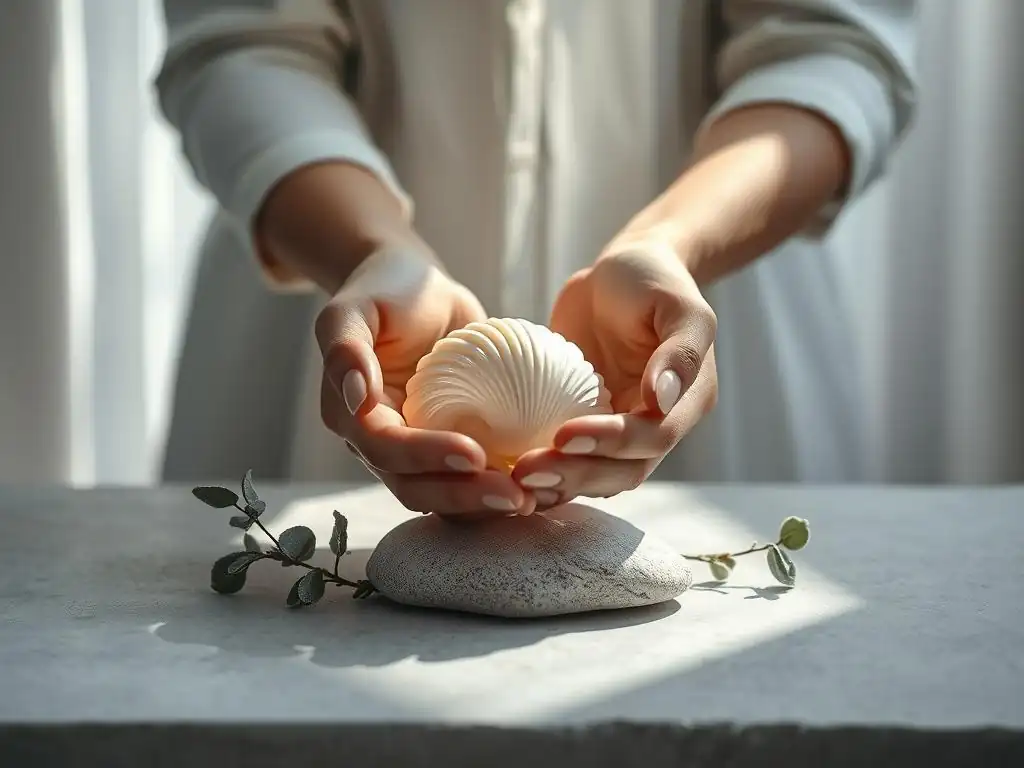
Meditation is a powerful tool for focusing the mind and increasing self-awareness. Combining meditation with gratitude can amplify its benefits, helping you cultivate a deeper sense of peace and appreciation. Gratitude meditation involves focusing your attention on feelings of thankfulness, allowing these emotions to permeate your being and calm your nervous system.
This practice can be done anywhere you can find a quiet space for a few minutes. You don't need special equipment, just the willingness to sit, breathe, and focus your mind on the good things in your life. Integrating gratitude meditation into your routine is another excellent way of cultivating gratitude daily habits.
Practicing Gratitude Through Meditation
To practice gratitude meditation, find a comfortable seated position. Close your eyes and take a few deep breaths to center yourself. Bring to mind things you are grateful for – people, experiences, possessions, or even simple moments. As you focus on each item, try to truly feel the sense of gratitude in your body. Notice where you feel it – maybe warmth in your chest, a lightness in your shoulders, or a sense of peace.
Spend a few moments with each item of gratitude, allowing the feeling to deepen. If your mind wanders, gently guide it back to your chosen focus of appreciation. You can silently repeat phrases like "I am grateful for..." or simply hold the image or thought of what you are thankful for in your mind. Even five minutes of this practice can shift your emotional state.
Mindfulness and Gratitude
Mindfulness, the practice of being fully present and aware of the current moment without judgment, is intrinsically linked with gratitude. By paying attention to the present, you become more aware of the small joys and blessings that are often overlooked in the rush of daily life. Noticing the taste of your morning coffee, the warmth of a shower, or the comfort of a cozy blanket are acts of mindfulness that naturally lead to feelings of gratitude.
Cultivating a mindful awareness throughout your day can help you spot opportunities for gratitude that you might otherwise miss. This isn't about adding another task to your list, but about approaching your existing experiences with a more open and appreciative perspective. Combining mindfulness with intentional gratitude practices strengthens your ability to recognize and savor the positive, reinforcing your efforts in cultivating gratitude daily habits.
Step 3: Expressing Gratitude to Others: Strengthening Bonds
Gratitude is not just an internal feeling; it's also a powerful force for connection and community. Expressing your thankfulness to others strengthens your relationships and boosts the well-being of both the giver and the receiver. Making the effort to acknowledge someone's kindness or contribution can have a ripple effect, fostering a more positive and supportive environment.
Studies have shown that expressing gratitude in relationships leads to increased feelings of satisfaction and closeness. It signals that you value the other person and their actions, reinforcing the positive interactions that form the foundation of strong bonds. Incorporating expressions of gratitude is a vital part of cultivating gratitude daily habits that extend beyond personal reflection.
Verbal Expressions of Gratitude
Simply saying "thank you" seems basic, but its impact should not be underestimated. Be specific when expressing your gratitude verbally. Instead of a generic "Thanks for your help," try saying, "Thank you so much for helping me move that heavy box; I really appreciate your strength and willingness to jump in." Specificity shows you've truly noticed and valued their particular action.
Make it a point to express gratitude to people you interact with regularly – family members, friends, colleagues, and even service providers. A genuine thank you to a barista for your coffee, a bus driver, or a store clerk can brighten their day and yours. These small, frequent acts of verbal gratitude contribute significantly to cultivating gratitude daily habits in your interactions.
The Impact of Gratitude Letters
Writing a gratitude letter is a more formal and incredibly powerful way to express deep appreciation. Choose someone who has made a significant positive impact on your life but whom you may have never fully thanked. Write a detailed letter explaining what they did, how it affected you, and why you are grateful. The act of writing itself can be therapeutic, allowing you to process and articulate your feelings.
Delivering or reading the letter to the person, if possible, can be a profoundly moving experience for both of you. Research has demonstrated that this exercise can significantly boost happiness levels for several weeks afterward, both for the writer and the recipient. This practice is a potent example of how cultivating gratitude daily habits, even in larger gestures, can create lasting positive change.
Step 4: Finding Gratitude in Everyday Moments
Life is full of small, seemingly insignificant moments that are actually opportunities for gratitude. Often, our focus is on major events or big achievements, causing us to overlook the simple blessings that make up the fabric of our daily lives. Learning to pause and appreciate these moments is a key aspect of cultivating gratitude daily habits.
This step is about shifting your attention from a broad, abstract sense of thankfulness to a concrete appreciation of the here and now. It involves training yourself to notice the details and find moments of grace in the ordinary.
Noticing the Small Things
Consciously paying attention to the small pleasures throughout your day can dramatically increase your overall sense of well-being. This could be the taste of a good meal, the warmth of the sun on your skin, the sound of laughter, the comfort of your bed, or the beauty of a flower blooming. These moments are fleeting, but taking a second to acknowledge and appreciate them anchors you in the present positively.
Try setting informal reminders throughout your day to pause and notice. You could use traffic lights, waiting in line, or transitioning between tasks as prompts. Ask yourself, "What is one small thing I can be grateful for right now?" This simple question encourages you to look for the good and reinforces the practice of cultivating gratitude daily habits in real-time.
Reframing Challenges Through Gratitude
It can be difficult to feel grateful when facing hardship or challenges. However, viewing challenges through a lens of potential gratitude doesn't mean being thankful for the difficulty itself, but rather for what it teaches you, the resilience it builds, or the support systems it highlights. For example, being grateful for the lessons learned from a professional setback or appreciating the support of friends during a health issue.
This reframing exercise helps you find meaning in adversity and recognize your own strength. Instead of dwelling on the pain, you can acknowledge the growth or the unexpected kindness you received. This perspective doesn't diminish the difficulty of the challenge but adds layers of understanding and appreciation, making cultivating gratitude daily habits a tool for resilience.
Step 5: Integrating Gratitude into Your Daily Routine

For gratitude to become a consistent source of well-being, it needs to be intentionally woven into the structure of your day. Treating gratitude as a non-negotiable part of your routine, much like brushing your teeth or eating breakfast, increases the likelihood that you will stick with it. This is where cultivating gratitude daily habits truly takes root.
Finding ways to make gratitude a natural extension of your existing activities makes the practice sustainable. It doesn't have to feel like a chore; it can be a brief, mindful pause or a simple addition to something you already do.
Setting Reminders
In our busy lives, it's easy for new habits to fall by the wayside. Setting reminders can be incredibly helpful in consistently cultivating gratitude daily habits. This could be a simple alarm on your phone set for the same time each day, prompting you to journal or think of three things you're grateful for.
Alternatively, you could tie your gratitude practice to an existing habit. For instance, decide that every time you drink your morning coffee, you will think of one thing you appreciate. Or, before you open your email in the morning, take one minute to mentally list five things you are thankful for. These cues make the practice automatic and less likely to be forgotten.
Combining Gratitude with Self-Care
Gratitude is a form of self-care. By focusing on the positive, you nurture your emotional and mental health. You can enhance your self-care routine by intentionally incorporating gratitude. For example, during a relaxing bath, reflect on the comfort and safety of your home. While exercising, be grateful for the ability of your body to move.
Pairing gratitude with activities you already enjoy makes the practice feel less like an obligation and more like an enhancement of your well-being. Whether it's a few moments of reflection during your skincare routine or a silent list of thanks during your commute, finding these natural intersections helps solidify cultivating gratitude daily habits as a fundamental part of caring for yourself.
Overcoming Obstacles to Gratitude
While the benefits of gratitude are clear, maintaining a consistent practice isn't always easy. Life throws curveballs, and negative emotions, stress, or simply forgetfulness can derail even the best intentions. Recognizing potential obstacles and developing strategies to navigate them is crucial for long-term success in cultivating gratitude daily habits.
It's important to approach this journey with self-compassion. There will be days when you don't feel grateful, or when you forget your practice. This is normal. The goal is progress, not perfection.
Managing Negative Thoughts
Negative thoughts and difficult emotions are perhaps the biggest barrier to feeling and expressing gratitude. When you're feeling stressed, sad, or angry, it can feel impossible to find anything to be thankful for. In these moments, forcing gratitude can feel inauthentic or even dismissive of your pain.
Instead of trying to suppress negative feelings, acknowledge them first. Allow yourself to feel upset, then gently try to shift your focus, even slightly. Can you be grateful for the ability to feel deeply? Can you be grateful for the resilience you've shown in the past? Can you be grateful for a simple comfort, like a warm blanket or a cup of tea, even amidst distress? This isn't about ignoring the negative but finding small pockets of light, which gradually strengthens your ability to cultivate gratitude daily habits even during tough times.
Maintaining Consistency
Consistency is key to making gratitude a habit that truly impacts your well-being. However, consistency is often the hardest part. Busy schedules, lack of motivation, or simply falling out of the routine can disrupt the practice. It helps to have a plan for when things get challenging.
If you miss a day (or a week), don't view it as a failure. Simply start again the next day. Consider setting realistic expectations; perhaps start with just listing one thing you're grateful for if five feels overwhelming. Track your progress using a habit tracker or your journal itself. Sharing your intention to practice gratitude with a friend or family member can also provide accountability and support, helping you stay on track with cultivating gratitude daily habits.
Conclusion: Embracing Gratitude for Lasting Well-being
Embarking on the journey of cultivating gratitude daily habits is a powerful investment in your mental and emotional health. It's a practice that shifts your perspective, enhances your relationships, and builds resilience against life's inevitable challenges. By taking small, consistent steps – through journaling, meditation, expressing thanks, and finding gratitude in the everyday – you can weave this transformative practice into the fabric of your life.
Remember that gratitude is a skill that improves with practice. Be patient and compassionate with yourself as you develop these new habits. The effort you put in will yield significant rewards, leading to a richer, more fulfilling life.
Long-Term Benefits
The long-term benefits of consistently cultivating gratitude daily habits are extensive and well-documented. Beyond the immediate boost in positive emotions, regular gratitude practice is associated with improved physical health, including stronger immune systems and lower blood pressure. It contributes to better sleep and increased energy levels.
Psychologically, it fosters greater resilience to trauma and adversity, reduces materialism and envy, and increases generosity and compassion. Socially, it strengthens relationships and increases feelings of belonging. Over time, a deep-seated practice of gratitude fundamentally changes how you interact with the world and yourself, leading to sustained well-being and a more positive outlook on life.
Resources for Further Exploration
For those interested in deepening their understanding and practice of gratitude, there are many resources available. Books by researchers like Robert Emmons or Sonja Lyubomirsky offer scientific insights and practical exercises. Many websites and apps provide guided meditations and journaling prompts specifically focused on gratitude. Exploring these resources can offer new perspectives and techniques to support your journey in cultivating gratitude daily habits.
Consider joining a workshop or group focused on mindfulness or positive psychology, where gratitude is often a core component. Engaging with others on a similar path can provide inspiration and support. Remember, the path to cultivating gratitude is ongoing, and there are always new ways to explore and deepen your practice.
Frequently Asked Questions
How does cultivating gratitude through daily habits improve mental well-being?
Practicing gratitude shifts your focus away from negativity and towards positive aspects of your life, leading to increased positive emotions and a greater sense of overall happiness. It also helps reduce feelings of stress and anxiety.
What are some easy steps to start cultivating gratitude daily habits?
Begin with simple actions like keeping a gratitude journal, expressing thanks to others, or taking time to appreciate small moments throughout the day. Consistency is key; even a few minutes can make a difference.
How can I overcome challenges in cultivating gratitude, especially during difficult times?
Acknowledge and validate your negative feelings, but intentionally search for small things to appreciate, even amidst hardship. Focus on what you do have, rather than what you lack.
Is there scientific evidence supporting the benefits of cultivating gratitude?
Yes, research has shown that gratitude practices are associated with improved mental health outcomes, including reduced symptoms of depression and anxiety, and increased feelings of optimism and well-being.
How often should I practice gratitude to experience its benefits?
Aim for daily practice, even if it's just for a few minutes. Regularity is more important than duration; consistent effort yields the most significant and lasting positive impact on your mental health.
Final Reflection: The Ripple Effect of Gratitude
The simple act of cultivating gratitude is not merely a feel-good practice; it's a powerful catalyst for positive change, profoundly impacting our mental well-being and shaping our interactions with the world. In a society often consumed by striving and comparison, consciously choosing gratitude offers a potent antidote, fostering resilience and enhancing our overall quality of life. The steps outlined in this article – from journaling to expressing appreciation – are not just suggestions; they are tools to actively reshape our perspectives and build a more fulfilling existence.
The ongoing influence of gratitude on our cultural landscape is undeniable, slowly but surely shifting the focus from material acquisition to intrinsic well-being. We see this reflected in the growing popularity of mindfulness practices and the increasing emphasis on mental health. Gratitude unlocks the fullness of life. It turns what we have into enough, and more. It turns denial into acceptance, chaos to order, confusion to clarity.
– Melody Beattie. This quote perfectly encapsulates the transformative power of gratitude, highlighting its ability to not only enhance our appreciation for what we have but also to navigate life's complexities with greater ease and understanding.
Now, consider your own life. What small shifts can you make today to incorporate more gratitude into your daily routine? Perhaps it's a simple thank-you note, a moment of reflection before bed, or a conscious effort to notice the beauty in everyday moments. Don't underestimate the ripple effect of this practice. By cultivating gratitude, you are not only enriching your own life but also contributing to a more compassionate and appreciative world. Start small, be consistent, and watch as gratitude transforms your perspective and empowers you to live a more meaningful and joyful life.
Unlock Your Joy: Cultivate Gratitude Now!
Thanks for taking the time to explore the power of gratitude with us! We hope you've gained valuable insights into how appreciating the little things can transform your everyday life. Ready to put your newfound knowledge into practice?
- Start a Gratitude Journal: Write down three things you're thankful for each day. This simple act can significantly shift your perspective.
- Share the Love: Tell someone you appreciate them – a friend, family member, or even a stranger. A simple "thank you" can brighten someone's day and boost your own happiness.
- Explore a Gratitude Meditation: Try a short guided meditation focused on gratitude. This can deepen your practice and help you connect with your feelings of thankfulness on a deeper level.
So, what small act of gratitude will you embrace today? Let's share our experiences in the comments below!