
Practicing Gratitude When You Feel Nothing: Finding Hope in Darkness


Welcome to Mind Care Guide, your sanctuary for navigating the complexities of mental well-being.
Feeling overwhelmed by darkness? It can be incredibly difficult, if not impossible, to feel thankful when battling depression. But what if practicing gratitude, even in small ways, could be a beacon of light? Explore our guide on gratitude exercises during depression and discover practical techniques to cultivate hope and resilience, one step at a time. Let's embark on this journey towards healing together.
Practicing Gratitude When You Feel Nothing: Finding Hope in Darkness
- Understanding the Challenge: Gratitude and Depression
- Reclaiming Gratitude: Practical Exercises for Depressed Individuals
- Cultivating Hope: Long-Term Strategies for Gratitude and Recovery
- Overcoming Obstacles: Addressing Common Challenges in Gratitude Practice
- Gratitude Exercises During Depression: A Summary and Action Plan
-
Frequently Asked Questions
- What exactly are gratitude exercises and how can they help with depression?
- How can I start practicing gratitude when I'm feeling deeply depressed and struggling to find anything to be grateful for?
- Are there specific gratitude exercises that are particularly effective for individuals experiencing depression?
- How often should I practice gratitude exercises to see a noticeable improvement in my depressive symptoms?
- Is practicing gratitude a cure for depression, or is it more of a supplementary tool?
- Final Reflection: Cultivating Gratitude's Quiet Strength
- Rediscover Your Inner Strength: Cultivate Gratitude Today
Understanding the Challenge: Gratitude and Depression
When navigating the depths of depression, the concept of gratitude can feel utterly foreign, even mocking. It's often difficult to grasp onto positive emotions or acknowledge anything "good" when a pervasive sense of emptiness or despair dominates your internal landscape. The idea of engaging in gratitude exercises during depression might seem like an insurmountable task, requiring energy and emotional capacity that simply isn't available. This disconnect between the perceived expectation of gratitude and the reality of depressive symptoms is a significant hurdle for many individuals seeking mental wellbeing.
This section delves into why gratitude feels so challenging during depressive episodes, exploring the underlying neurological factors and how to differentiate the profound state of depression from temporary sadness. Understanding the roots of this difficulty is the first step towards finding pathways to reconnect with even the smallest glimmers of positivity, making the prospect of incorporating gratitude exercises during depression feel less overwhelming and more achievable. It's crucial to approach this topic with immense self-compassion and patience, recognizing that recovery is a journey, not a destination, and that even tiny steps forward are significant victories.
Why Gratitude Feels Impossible During Depressive Episodes
Depression is characterized by a persistent low mood, loss of interest or pleasure, and a range of physical and emotional symptoms that impair daily functioning. When you are experiencing a depressive episode, your emotional range can feel severely constricted, often dominated by feelings of sadness, apathy, irritability, or numbness. This state makes it incredibly challenging to access emotions typically associated with gratitude, such as joy, appreciation, or contentment. The sheer effort required to simply get through the day can leave no room for cultivating positive thoughts or feelings.
Furthermore, depression often distorts perception, leading individuals to focus on negative aspects of their lives, magnify perceived failures, and minimize successes or positive experiences. This cognitive bias makes it difficult to notice or acknowledge things to be grateful for, even if they objectively exist. The mental energy is consumed by rumination, worry, and self-criticism, leaving little capacity for outward-looking appreciation. Attempting complex gratitude exercises during depression when in this state can feel like trying to run a marathon with broken legs – painful, frustrating, and seemingly impossible.
The Neuroscience Behind Depression and Its Impact on Gratitude
The difficulty in feeling gratitude during depression is not just a matter of willpower; it has roots in the brain's altered functioning. Research suggests that depression affects areas of the brain involved in processing rewards, emotions, and social cognition, including the prefrontal cortex, hippocampus, and amygdala.
These regions play a role in our ability to experience pleasure, regulate mood, and connect with others – all of which are linked to the capacity for gratitude. For instance, the medial prefrontal cortex, involved in self-referential thinking and emotional processing, can show altered activity in depressed individuals, potentially contributing to negative self-focus and difficulty shifting perspective towards appreciation.
Neurotransmitters like serotonin, dopamine, and norepinephrine, which are often dysregulated in depression, also influence mood, motivation, and the ability to experience pleasure (anhedonia). Dopamine pathways, crucial for the brain's reward system, may be less active, making it harder to find enjoyment or satisfaction in activities that might typically evoke feelings of gratitude.
This neurobiological basis underscores that the inability to feel grateful is a symptom of the illness, not a personal failing. Understanding this can help reduce self-blame and validate the struggle, making the idea of starting simple gratitude exercises during depression less about achieving a feeling and more about engaging in a helpful practice.
Recognizing the Signs: Differentiating Sadness from Depression
It's important to distinguish between temporary sadness, which is a normal human emotion in response to difficult life events, and clinical depression, which is a persistent and often debilitating mental illness. Sadness is usually tied to a specific cause, its intensity fluctuates, and it doesn't significantly impair daily functioning over a prolonged period. You can typically still find moments of joy or interest even when feeling sad, and the capacity for gratitude, while perhaps diminished, is not entirely absent.
Depression, conversely, involves a constellation of symptoms lasting for at least two weeks, including persistent low mood or loss of interest/pleasure (anhedonia) in most activities. Other symptoms can include significant changes in appetite or weight, sleep disturbances, fatigue, feelings of worthlessness or guilt, difficulty concentrating, indecisiveness, and recurrent thoughts of death or suicide.
If you are experiencing several of these symptoms, particularly the core ones of low mood and anhedonia, it's likely more than just sadness. Recognizing that you may be experiencing clinical depression is vital because it signals the need for professional help and frames the challenge of practicing gratitude exercises during depression within the context of managing a medical condition.
Reclaiming Gratitude: Practical Exercises for Depressed Individuals
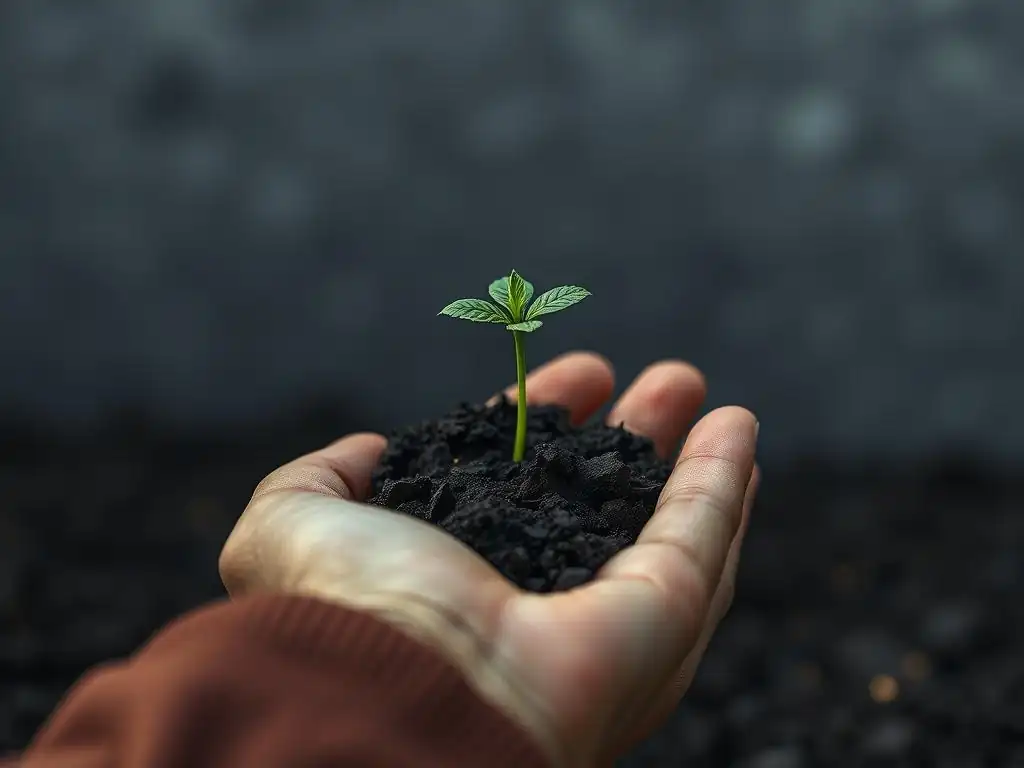
Embarking on gratitude practices when feeling depressed requires a shift in perspective. It's not about magically feeling overwhelmingly grateful overnight, but rather about gently nudging your attention towards the present moment and acknowledging simple realities without judgment. The goal of these gratitude exercises during depression is to build small, manageable habits that can gradually shift your focus and potentially impact your mood over time, even when the emotional response feels muted or absent. Patience and self-compassion are paramount throughout this process.
These practical exercises are designed to be accessible even on difficult days. They start small, focusing on tangible experiences, and gradually introduce more complex cognitive techniques. Remember, the aim is consistency and gentle effort, not achieving a specific emotional state. Think of these as tools to help navigate the darkness, not instant cures. Engaging with these gratitude exercises during depression can be a form of self-care, a small act of kindness towards yourself when you need it most.
Starting Small: Micro-Gratitude for Mental Wellbeing
When the idea of listing ten things you're grateful for feels like climbing Mount Everest, starting with "micro-gratitude" is a more realistic approach. This involves focusing on tiny, immediate sensory experiences or basic needs that are met. It's about acknowledging simple facts without the pressure to feel intensely grateful. For someone struggling with severe depression, simply noticing the texture of a blanket or the fact that they have shelter can be a profound starting point.
Micro-gratitude shifts the focus from abstract concepts or major life events to the concrete reality of the present moment. It lowers the barrier to entry significantly, making gratitude exercises during depression less intimidating. Instead of searching for big things, you're simply observing small things. This practice helps ground you in the here and now, pulling your attention away from rumination about the past or worries about the future, which are common in depression. It builds the muscle of noticing, which is often weakened when your attention is consumed by internal distress.
Focusing on Sensory Experiences: A Gratitude Exercise for Depression
This exercise involves intentionally bringing your attention to one or more of your five senses. It's about noticing, not evaluating or judging. For example, you might take a moment to:
- Notice the feeling of warm water on your skin during a shower.
- Listen to the sound of rain outside or the quiet hum of a refrigerator.
- Observe the color of the sky or a leaf on a plant.
- Taste the flavor of a simple piece of food or a drink.
- Feel the texture of the clothes you are wearing or the chair you are sitting on.
Choose just one sense and one simple experience. Spend a few seconds truly noticing it. There's no requirement to feel happy or grateful, just to acknowledge the sensory input. This simple act of present moment awareness is a foundational step in many mindfulness and gratitude exercises during depression, helping to anchor you when your mind is racing or feeling numb. It's a gentle way to connect with the physical world when emotional connection feels impossible.
Acknowledging Basic Needs: A Foundation for Gratitude
For someone struggling with depression, basic survival can feel like a monumental effort. Acknowledging that fundamental needs are met, without minimizing the struggle, can be a form of radical acceptance and micro-gratitude. This isn't about ignoring the pain, but about noticing the presence of basic supports.
Consider acknowledging:
- Having a roof over your head.
- Having access to clean water.
- Having something to eat, no matter how simple.
- Having clothes to wear.
- Having a safe place to rest.
Again, the goal is simply acknowledgment. "I have a place to sleep tonight." "I drank some water." These are facts. There's no pressure to feel overwhelming joy or gratitude. This exercise is about recognizing the fundamental elements of survival that are present, which can be a small but significant anchor when feeling overwhelmed by the weight of depression. It's one of the most basic gratitude exercises during depression, focusing on the essential rather than the elaborate.
Reframing Negative Thoughts: Cognitive Techniques for Gratitude
Depression often comes with a relentless stream of negative thoughts and cognitive distortions – biased ways of thinking that don't align with reality. Learning to identify and gently challenge these thought patterns is a crucial component of managing depression and can pave the way for integrating gratitude exercises during depression more effectively. This isn't about forcing yourself to think positively, but about examining the validity of negative thoughts and finding a more balanced perspective.
Cognitive Behavioral Therapy (CBT) techniques are often used to help individuals recognize and modify these unhelpful thinking patterns. By understanding common distortions, you can begin to question the absolute truth of your negative self-talk and open up space for acknowledging alternative perspectives, including the possibility of subtle positives or neutral facts that can serve as seeds for gratitude.
Identifying Cognitive Distortions: Catastrophizing
Catastrophizing is a common cognitive distortion where you assume the worst possible outcome will occur or that a minor setback is a complete disaster. For example, if you make a small mistake at home, you might think, "I'm completely useless, everything I touch fails, my life is a disaster." This extreme thinking pattern makes it virtually impossible to feel grateful for anything, as every situation is viewed through a lens of impending doom or total failure.
Recognizing when you are catastrophizing is the first step. You can ask yourself: "Is this really the worst possible outcome? What is a more realistic outcome? Am I focusing only on the negative?" Simply labeling the thought as "catastrophizing" can create a little distance from it. While this isn't a direct gratitude exercise during depression, it's a necessary preliminary step to clear some of the mental fog that prevents gratitude from taking root. By reducing the intensity of negative thoughts, you create a slightly more fertile ground.
Challenging Negative Self-Talk: Finding Evidence-Based Gratitude
Negative self-talk often involves harsh judgments about yourself and the world. Challenging it involves acting like a detective and looking for evidence that contradicts the negative thought. For example, if you think, "Nothing good ever happens to me," try to recall any instance, no matter how small or seemingly insignificant, where something neutral or even slightly positive occurred.
- "The sun came out today." (Evidence against "nothing good ever happens")
- "I managed to make a cup of tea." (Evidence against "I'm completely useless")
- "My pet seemed happy to see me." (Evidence against "Nobody cares about me")
This isn't about arguing with your feelings or forcing positivity. It's about introducing factual evidence to counter distorted thoughts. These small, factual observations can serve as the basis for basic gratitude exercises during depression. You're not saying "I'm so grateful for the sun!" but rather "I noticed the sun today." This factual acknowledgment can be a gentle way to begin shifting focus without triggering feelings of inauthenticity or failure.
Journaling for Gratitude: A Powerful Tool for Mental Health
Journaling can be a structured way to incorporate gratitude exercises during depression, providing a private space to explore thoughts and feelings without judgment. While the idea of writing might feel daunting, even writing down one simple observation can be beneficial. The act of writing can help externalize thoughts, making them feel less overwhelming, and provides a tangible record of your attempts to notice positive or neutral aspects of your experience.
A gratitude journal doesn't need to be filled with effusive declarations of thankfulness. For someone with depression, it can be a place to simply list factual observations, micro-gratitudes, or moments of neutral existence. The physical act of writing or typing can be grounding. It's a practice that can be adapted to your energy levels, ranging from a single bullet point to a few sentences. Using journaling for gratitude exercises during depression allows for flexibility and can be a consistent touchstone in an unpredictable emotional landscape.
Prompt Ideas for Gratitude Journaling During Depression
When starting a gratitude journal during depression, open-ended prompts like "What are you grateful for?" can feel too broad and intimidating. More specific, concrete prompts can make the task feel less daunting. Here are some ideas:
- List one thing you noticed today using your senses (sight, sound, smell, taste, touch).
- Write down one basic need that was met today (e.g., I ate something, I drank water, I was warm).
- Acknowledge one small comfort you experienced (e.g., a soft blanket, a comfortable chair).
- Note one moment of neutral existence (e.g., watching a cloud, the quiet of the morning).
- Describe one small interaction that wasn't negative (e.g., the cashier smiled, my pet looked at me).
- Identify one thing that went according to plan, no matter how small (e.g., I remembered to take my medication).
These prompts are designed to be low-pressure and focus on objective observation or simple acknowledgment rather than requiring a feeling of gratitude. They make the task of engaging in gratitude exercises during depression more manageable by breaking it down into concrete steps.
Maintaining Consistency: Building a Gratitude Journaling Habit
Building any habit, including journaling, can be difficult when struggling with depression due to low motivation and fatigue. Aim for consistency over quantity. Even writing one word or one bullet point is better than writing nothing. Try to link the journaling to an existing habit, such as doing it right after brushing your teeth in the morning or before going to bed.
Set a realistic goal, perhaps just 60 seconds of writing. Don't judge what you write; there's no right or wrong way to do it. If some days you can only write "I exist," that is enough. Use a simple notebook or a digital note on your phone – whatever is easiest to access. Consider setting a gentle reminder on your phone. The aim is to create a small, consistent practice that doesn't add to your burden but offers a potential moment of gentle reflection. Consistency in simple gratitude exercises during depression is key to gradually building momentum.
Cultivating Hope: Long-Term Strategies for Gratitude and Recovery
Integrating gratitude into your life when managing depression is a long-term endeavor, intertwined with the broader journey of recovery. While daily gratitude exercises during depression provide immediate tools, sustainable progress involves addressing the underlying condition through professional support, building social connections, and practicing radical self-compassion. These strategies work together to create a more stable foundation upon which gratitude can grow more naturally over time.
Recovery from depression is not linear, and there will be good days and bad days. Long-term strategies focus on building resilience, developing coping mechanisms, and fostering an environment where mental wellbeing can flourish. By addressing the illness itself and strengthening your internal and external resources, you increase your capacity to experience and express gratitude, even when faced with ongoing challenges. This holistic approach supports the sustained practice of gratitude exercises during depression and beyond.
Seeking Professional Support: Therapy and Medication for Depression
Depression is a complex illness that often requires professional intervention. Therapy, such as Cognitive Behavioral Therapy (CBT), Interpersonal Therapy (IPT), or Acceptance and Commitment Therapy (ACT), can provide essential tools for understanding and managing depressive symptoms, including challenging negative thought patterns that impede gratitude. A therapist can help you identify the roots of your depression, develop coping strategies, and work through difficult emotions in a safe and supportive environment.
Medication, such as antidepressants, may also be a crucial part of treatment for many individuals with depression. These medications can help regulate the neurochemical imbalances that contribute to symptoms like persistent low mood, fatigue, and anhedonia, making it easier to engage in daily activities and therapeutic practices. For many, the combination of therapy and medication is the most effective path to recovery, providing the stability needed to even consider and benefit from practices like gratitude exercises during depression. Consulting with a doctor or mental health professional is a vital step in developing an effective treatment plan.
Building a Support System: Connecting with Others for Gratitude and Hope
Isolation is a common symptom of depression, and it can severely hinder feelings of connection and gratitude. Building and nurturing a support system of friends, family, or support groups is incredibly important. Sharing your experiences with trusted individuals can reduce feelings of shame and loneliness, and hearing from others who understand can provide validation and hope. Even small interactions can counteract the isolating effects of depression.
Connecting with others can also create opportunities to experience moments of shared humanity or receive acts of kindness, which can naturally foster feelings akin to gratitude. Simply being in the presence of supportive people, even if you don't feel like talking much, can be comforting. Participate in social activities that feel manageable, even if just for a short time. Support groups for depression or other mental health challenges can provide a space to connect with peers who are also navigating difficult emotions and integrating practices like gratitude exercises during depression into their lives.
Self-Compassion: The Key to Practicing Gratitude When Depressed
Perhaps the most critical element when attempting gratitude exercises during depression is self-compassion. Depression often comes with intense self-criticism and feelings of worthlessness. Trying to force yourself to feel grateful or judging yourself for not being "good enough" at gratitude will only exacerbate these feelings. Self-compassion involves treating yourself with the same kindness, understanding, and acceptance you would offer a dear friend who is suffering.
This means acknowledging that depression is an illness, that it makes many things difficult, including feeling positive emotions, and that it's okay to struggle. It means accepting that some days you might not manage any gratitude practice at all, and that is not a failure. Practicing self-compassion involves gentle self-talk, allowing yourself to feel difficult emotions without judgment, and recognizing your shared humanity – that suffering is a part of the human experience. Without self-compassion, attempts at gratitude exercises during depression can easily turn into another stick to beat yourself with.
Treating Yourself with Kindness: Gentle Breathing Exercise
When feeling overwhelmed, a simple act of self-compassion can be a gentle breathing exercise. This isn't about deep meditation, but simply pausing to offer yourself a moment of calm and kindness.
- Find a comfortable position.
- Gently close your eyes if comfortable, or soften your gaze.
- Bring your attention to your breath, noticing the gentle rise and fall of your chest or abdomen. Don't try to change your breath, just observe it.
- As you breathe in, perhaps silently say to yourself, "May I be kind to myself."
- As you breathe out, perhaps silently say, "May I accept this moment."
- Continue for a few breaths.
This exercise is a direct application of self-compassion, offering comfort and acceptance. It creates a small pocket of peace and can be a foundation before or after attempting gratitude exercises during depression, reminding you that your worth isn't tied to your ability to feel grateful.
Accepting Imperfection: Letting Go of the Pressure to Be "Grateful"
A significant obstacle to practicing gratitude during depression is the pressure to feel intensely grateful or to perfectly perform gratitude exercises. Let go of this expectation. Gratitude is not a performance or a competition. When you are depressed, simply noticing a neutral fact ("The sky is blue") or acknowledging a basic need ("I am warm") is a form of gratitude practice. The intention to notice, however small, is what matters.
Accept that your practice will be imperfect. Some days will be easier than others. Some days you might not feel anything positive, even when listing facts. That is okay. The goal is not to feel a specific emotion, but to gently shift your attention and engage in a potentially helpful behavior. Releasing the pressure to "be grateful" allows you to simply practice noticing, which is a much more manageable and compassionate approach to incorporating gratitude exercises during depression.
Overcoming Obstacles: Addressing Common Challenges in Gratitude Practice
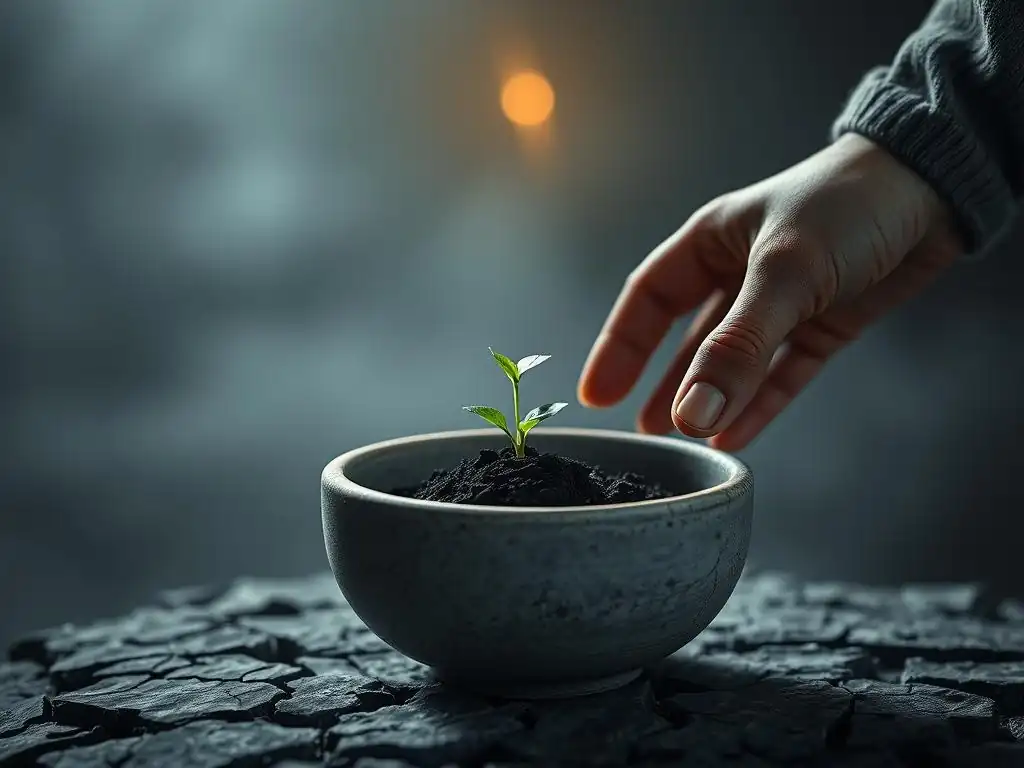
Even with the best intentions and strategies, practicing gratitude when depressed is challenging. Common obstacles include profound apathy, feelings of guilt related to the inability to feel "enough" gratitude, and the risk of burnout from trying too hard. Recognizing these hurdles and developing strategies to navigate them is essential for sustaining any form of gratitude practice during recovery.
Addressing these challenges requires patience, flexibility, and a continued commitment to self-compassion. It involves adjusting expectations, reframing negative self-talk specifically related to the practice itself, and finding a balance that supports, rather than hinders, your overall mental health journey. Overcoming these obstacles makes it possible to integrate gratitude exercises during depression in a way that is helpful and sustainable.
Dealing with Apathy: Finding Motivation for Gratitude Exercises
Apathy, the lack of interest or enthusiasm, is a hallmark symptom of depression and a major barrier to starting or continuing gratitude exercises. When you feel numb or completely unmotivated, the idea of making an effort to notice anything positive feels exhausting and pointless. The key to dealing with apathy is to lower the bar significantly and rely on discipline rather than motivation.
- Start incredibly small: Instead of thinking "I need to do my gratitude journal," think "I will open the notebook." Then, "I will pick up the pen." Then, "I will write one word."
- Link to existing habits: As mentioned, tie the practice to something you already do automatically, like brushing your teeth or turning off your morning alarm.
- Use external prompts: Keep a list of the micro-gratitude prompts handy so you don't have to think of something yourself.
- Accept minimal effort: Some days, simply thinking one micro-gratitude is enough. The action itself, however minimal, is the goal when motivation is absent. Relying on structure and tiny, non-negotiable steps helps bypass the need for feeling motivated to engage in gratitude exercises during depression.
Managing Guilt: Releasing the Burden of Not Feeling "Good Enough"
Depression often fosters intense feelings of guilt and inadequacy. When you try gratitude exercises and don't feel the expected rush of positivity, it's easy to fall into a spiral of self-criticism: "I'm doing it wrong," "I'm not grateful enough," "I'm a terrible person for not appreciating what I have." This guilt is a significant obstacle.
Recognize that these guilt-inducing thoughts are symptoms of depression, not reflections of your character or your true capacity for gratitude. Challenge the thought by reminding yourself: "This is the depression talking. It's okay not to feel intensely grateful right now. I am doing my best, and that is enough." Reframe the practice not as a test of your emotional capacity, but as a gentle skill-building exercise. The goal of gratitude exercises during depression is progress, not perfection. Releasing the pressure to feel a certain way is crucial for making the practice sustainable and helpful.
Preventing Burnout: Balancing Gratitude with Realistic Expectations
Trying to force gratitude or doing too many exercises when you have limited energy can lead to burnout, making you want to abandon the practice entirely. It's essential to balance your efforts with realistic expectations about what is achievable while depressed.
- Set realistic goals: Start with one small exercise per day, maybe just for a minute or two. Don't aim for daily journaling if that feels like too much; try every other day or a few times a week.
- Listen to your body and mind: If you are having a particularly difficult day, it's okay to skip the formal practice. Acknowledge this with self-compassion, not judgment.
- Focus on consistency, not intensity: A small, consistent practice is more beneficial than sporadic, intense efforts that leave you exhausted.
- Integrate informally: Look for organic moments to practice micro-gratitude (e.g., while eating a meal, before getting out of bed) rather than adding a separate, rigid task to your day. Balancing your energy levels and expectations is key to making gratitude exercises during depression a supportive tool rather than another source of stress.
Gratitude Exercises During Depression: A Summary and Action Plan
Navigating depression while attempting to cultivate gratitude is a journey that requires patience, self-compassion, and a willingness to start small. It's about finding tiny pockets of light in the darkness, not about instantly feeling overwhelmed with joy. The understanding that depression impacts the brain and makes gratitude difficult is fundamental to approaching this practice without self-blame. Gratitude exercises during depression are tools to help gently shift perspective and build resilience over time.
Remember that recovery is a process, and integrating gratitude is just one piece of the puzzle, often working best in conjunction with professional support and a strong support system. Be kind to yourself on this path. Celebrate the small steps, acknowledge the challenges, and remember that simply showing up for yourself is a profound act of courage.
Key Takeaways: Remembering the Power of Small Steps
- Depression makes feeling gratitude genuinely difficult due to its impact on mood, motivation, and cognitive processing. This is a symptom, not a personal failure.
- Start with "micro-gratitude" – focusing on tiny sensory details or basic needs met.
- Challenge negative thought patterns that block the ability to notice positives.
- Journaling can be a helpful tool, focusing on simple observations rather than forced feelings.
- Self-compassion is essential throughout the process; be kind to yourself when you struggle.
- Consistency in small actions is more important than intensity or achieving a specific emotional state.
- Gratitude practice is a complement to, not a replacement for, professional treatment for depression.
Creating Your Personal Gratitude Plan: 3-2-1 Gratitude Log
Here is a simple, low-pressure framework you can adapt for your daily gratitude exercises during depression: the 3-2-1 Log. Aim to complete this once a day, or as often as you can manage.
- 3 things you noticed using your senses today (e.g., the smell of coffee, the feel of warm water, the sight of a bird).
- 2 basic needs that were met today (e.g., I had food, I had shelter).
- 1 small, neutral, or positive event or interaction (e.g., I completed a small task, someone smiled at me, the sun came out).
You can write these down, say them aloud, or just think them. The format is flexible. This structure makes the task concrete and manageable, focusing on objective reality rather than subjective feelings of gratitude. It's a practical way to incorporate gratitude exercises during depression without feeling overwhelmed.
- [ ] Attempt 3-2-1 Log today.
- [ ] Be kind to myself if I miss a day.
- [ ] Remember that noticing is enough.
Resources for Further Support: MentalHealth.gov
If you are struggling with depression, please know you are not alone and help is available. Speaking with a mental health professional is a critical step towards recovery. Resources like MentalHealth.gov provide information on mental health conditions and how to find help. Support groups and helplines can also offer valuable support and connection. Reaching out is a sign of strength, and it is the most important step in finding hope and healing.
Frequently Asked Questions
What exactly are gratitude exercises and how can they help with depression?
Gratitude exercises involve actively focusing on and appreciating the positive aspects of your life, even when facing challenges. They can help shift your focus away from negative thoughts and promote a sense of hope and well-being, counteracting the effects of depression.
How can I start practicing gratitude when I'm feeling deeply depressed and struggling to find anything to be grateful for?
Start small. Begin by acknowledging the very basics like having a roof over your head or food to eat. You can also focus on the small joys, such as a warm shower or a comforting cup of tea.
Are there specific gratitude exercises that are particularly effective for individuals experiencing depression?
Yes, some effective exercises include gratitude journaling, where you write down things you appreciate. Others are gratitude meditations, focusing on positive thoughts, or simply expressing gratitude to others, which can boost mood.
How often should I practice gratitude exercises to see a noticeable improvement in my depressive symptoms?
Consistency is key. Aim for daily practice, even if it's just for a few minutes. Over time, regular gratitude exercises can contribute to a positive shift in mindset and reduced depressive symptoms.
Is practicing gratitude a cure for depression, or is it more of a supplementary tool?
Practicing gratitude is not a cure for depression. It's a valuable supplementary tool that can work alongside therapy, medication, and other treatments to improve overall mental well-being and manage depressive symptoms.
Final Reflection: Cultivating Gratitude's Quiet Strength
The pervasive shadow of depression often obscures the smallest glimmers of light, making the practice of gratitude feel impossible. Yet, even in the deepest darkness, the seeds of appreciation can take root, quietly nurturing hope and resilience. This article explored practical techniques to cultivate gratitude even when emotions feel muted, highlighting the importance of small acts of recognition and the power of mindful awareness.
The journey of practicing gratitude during depression is not a linear one; it's a winding path marked by setbacks and small victories. It's a testament to the human spirit's inherent capacity for growth and adaptation, even in the face of immense adversity. As Viktor Frankl so poignantly stated, >“Between stimulus and response there is a space.
In that space is our power to choose our response. In our response lies our growth and our freedom.” This quote underscores the active role we play in shaping our emotional landscape, even when feeling overwhelmed by negative emotions. The consistent effort to find moments of gratitude, however fleeting, is a powerful act of self-compassion and a crucial step towards healing.
You, the reader, are now equipped with tools to navigate the challenging terrain of depression. Remember that the practice of gratitude is not about forcing positivity, but about gently acknowledging the presence of both light and shadow. Start small, be patient with yourself, and allow the quiet strength of gratitude to slowly illuminate your path. Embrace the journey, celebrate the small wins, and know that even in the darkest moments, hope persists. Begin today, and watch as the seeds of appreciation blossom into a more vibrant and fulfilling life.
Rediscover Your Inner Strength: Cultivate Gratitude Today
Thank you for taking the time to explore the power of gratitude, even amidst challenging emotions. We hope this article helped you find a glimmer of hope. Now, it's time to put this newfound understanding into practice. Let's begin your journey towards a more grateful mindset:
- Start a daily gratitude journal: Write down three things you are thankful for, no matter how small. This simple act can significantly shift your perspective.
- Share your gratitude with someone: Tell a friend, family member, or colleague something specific you appreciate about them. This act of kindness will uplift both of you!
- Challenge yourself to find the good: Consciously look for moments of beauty and positivity in your day, even in unexpected places. Consider capturing these moments with photos or quick notes.
What small act of gratitude will you embrace today to illuminate your path forward?