
Beyond Breathing: Unexpected Coping Secrets for Anxious Adults


Welcome to Mind Care Guide, a supportive space dedicated to nurturing your mental well-being. Feeling overwhelmed by anxiety is a common experience, and you're not alone. Are you tired of the same old breathing exercises that just don't cut it? In "Beyond Breathing: Unexpected Coping Secrets for Anxious Adults," we delve into practical, often overlooked strategies that can help you navigate daily anxieties and reclaim your inner peace. Curious to learn more than just breathing? Let's explore together.
- Beyond Breathing: Unexpected Coping Secrets for Anxious Adults - Mind Care Guide
-
Unexpected Coping Strategies for Anxious Adults: More Than Just Breathing
- 1. The Power of Grounding: Anchoring Yourself in the Present Moment
- 2. The "5-4-3-2-1" Method: A Sensory Reset for Anxious Minds
- 3. Body Scan Meditation: Reconnecting with Physical Sensations
- 4. Mindful Movement: Shifting Focus Through Physical Activity
- 5. Creative Expression: Unleashing Emotions Through Art and Writing
- 6. Cognitive Reframing: Challenging Negative Thought Patterns
- 7. The Importance of Social Connection and Support
- Creating a Personalized Anxiety Coping Toolkit
- Long-Term Strategies for Managing Anxiety in Adults
- Embracing Resilience: Living Well with Anxiety
-
Frequently Asked Questions
- What are some unexpected coping strategies for anxious adults, beyond just breathing exercises?
- How can I identify which anxious adults coping strategies are most effective for me?
- What role does lifestyle play in managing anxiety as an adult?
- Is it normal for adults to experience anxiety, and when should I seek professional help?
- Where can I find additional resources and support for anxious adults coping strategies?
- Final Reflection: Breathing Beyond the Surface: Finding Calm in the Chaos
- Unlock Your Calm: Start Practicing These Coping Strategies Today!
Beyond Breathing: Unexpected Coping Secrets for Anxious Adults - Mind Care Guide
Recognizing the Signs of Anxiety in Adult Life
Anxiety manifests in numerous ways, extending far beyond simple worry. For many anxious adults, the signs can be subtle yet persistent, impacting daily functioning. These might include physical symptoms such as chronic fatigue, muscle tension, headaches, or digestive issues like irritable bowel syndrome. Psychologically, individuals might experience excessive worry about everyday events, difficulty concentrating, irritability, or a pervasive sense of dread. These symptoms aren't just fleeting moments of stress; they represent a persistent state of heightened alert that can significantly diminish quality of life.
Consider the impact on sleep. Many anxious adults report significant sleep disturbances, such as difficulty falling asleep, staying asleep, or experiencing restless sleep filled with anxious thoughts. This lack of restorative rest then exacerbates other symptoms, creating a difficult cycle. According to some estimates, up to 70% of adults with anxiety disorders also report sleep problems. Recognizing these varied and often intertwined physical and mental signs is the first step toward finding effective anxious adults coping strategies that address the root cause and diverse manifestations of anxiety.
Common Triggers for Anxiety in Adults
Anxiety triggers vary widely among individuals but often fall into recognizable categories. Common culprits include work-related stress, such as deadlines, performance pressure, or job insecurity. Financial concerns, like debt, unexpected expenses, or worrying about future security, are also significant triggers for many anxious adults. Relationship issues, whether with partners, family, or friends, can create intense emotional states that fuel anxiety. Even seemingly positive life changes, like a new job or moving, can be sources of significant stress and trigger anxious feelings.
Beyond these specific external events, internal triggers can also play a crucial role. These include negative self-talk, perfectionistic tendencies, fear of failure, or a constant need for reassurance. For example, an adult with social anxiety might be triggered by the thought of attending a social gathering, leading to intense fear and avoidance. Understanding these personal triggers is vital for developing targeted anxious adults coping strategies. By identifying what sets off their anxiety, individuals can begin to implement preventative measures or specific techniques when faced with these situations, improving their ability to navigate challenging moments.
Why Traditional Coping Mechanisms Sometimes Fall Short
While deep breathing, meditation, and positive affirmations are valuable tools endorsed by many mental health professionals, they don't work for everyone, or they may not be sufficient on their own. For some anxious adults, being told to "just breathe" during an intense panic attack can feel dismissive or even increase frustration if the technique doesn't immediately alleviate the overwhelming physical and mental distress. Traditional methods often require a certain level of calm or focus that can be incredibly difficult to access when anxiety is at its peak.
Furthermore, relying solely on a few common techniques can lead to a feeling of failure if they don't provide consistent relief. Anxiety is complex and multifaceted; therefore, effective anxious adults coping strategies need to be equally diverse. What works one day might not work the next, or a technique effective for mild worry might be useless during a full-blown panic episode. Exploring a wider range of "unexpected" strategies provides anxious adults with a broader toolkit, increasing the likelihood of finding methods that resonate personally and offer reliable support in various situations.
Unexpected Coping Strategies for Anxious Adults: More Than Just Breathing

1. The Power of Grounding: Anchoring Yourself in the Present Moment
Grounding techniques are powerful anxious adults coping strategies that help pull your mind out of anxious thought spirals and anchor you firmly in the present moment. When anxiety takes hold, your thoughts might race uncontrollably, jumping between past regrets and future worries. Grounding interrupts this cycle by shifting your focus to tangible, real-time sensations or facts. It doesn't make the anxiety disappear, but it provides a mental anchor, preventing you from being swept away by overwhelming feelings and thoughts.
These techniques are particularly useful when you feel disconnected from reality, dissociating, or experiencing intense depersonalization during high anxiety. By deliberately engaging your senses or focusing on simple, immediate facts about your surroundings, you remind your brain and body that you are here, now, and relatively safe, even if your internal state feels chaotic. This shift in focus can create just enough space to regain a sense of control and begin to process the anxiety more constructively.
Engaging Your Senses: A Practical Grounding Exercise
One of the most accessible grounding exercises for anxious adults involves systematically engaging your five senses. This can be done anywhere, anytime. Start by noticing five things you can see around you – perhaps the color of the wall, a pattern on the floor, or the way light hits an object. Then, identify four things you can feel – the texture of your clothes, the chair beneath you, the temperature of the air, or your feet on the ground. Next, listen for three things you can hear – distant traffic, your own breathing, the hum of electronics.
Follow this by noting two things you can smell – maybe a coffee nearby, a scent on your clothing, or simply the air itself. Finally, acknowledge one thing you can taste – perhaps lingering taste from a drink or the general taste in your mouth. This deliberate, step-by-step process forces your attention away from internal anxious chatter and onto external reality, providing immediate relief for many anxious adults seeking practical coping strategies.
Using Grounding Techniques During Panic Attacks
Panic attacks are intense, often terrifying experiences characterized by sudden, overwhelming fear and severe physical symptoms like racing heart, shortness of breath, dizziness, and trembling. During a panic attack, traditional coping mechanisms like deep breathing can feel impossible. Grounding techniques offer a lifeline by providing something concrete to focus on when your mind feels under siege. Instead of trying to control the uncontrollable physical sensations, you shift your focus outward.
Simple grounding actions, like firmly pressing your feet into the ground, holding onto a solid object like a chair or table, or splashing cold water on your face, can help anchor you during a panic attack. The 5-4-3-2-1 method described below is also a powerful grounding technique specifically useful in these moments. By focusing on these external anchors, you interrupt the escalating cycle of fear and physical symptoms, helping the panic peak and subside more quickly. These are essential anxious adults coping strategies for acute episodes.
2. The "5-4-3-2-1" Method: A Sensory Reset for Anxious Minds
The 5-4-3-2-1 method is a structured sensory grounding technique widely recommended for managing anxiety and panic. It's a systematic way to bring your attention back to the present moment by focusing on your five senses in a specific order. This method is straightforward, requires no special equipment, and can be used discreetly in almost any situation, making it an incredibly practical tool for anxious adults seeking immediate coping strategies.
The simplicity of the 5-4-3-2-1 method is its strength. By providing a clear, step-by-step process, it gives your anxious mind a task to complete, diverting its energy away from fearful thoughts and overwhelming sensations. It creates a mental anchor in the present reality, helping to interrupt the cycle of escalating anxiety. Many individuals find that practicing this technique regularly, even when not anxious, makes it more effective during moments of distress.
How the 5-4-3-2-1 Technique Works
The technique follows a simple countdown using your senses:
- 5: Acknowledge five things you can see. Look around and notice objects, colors, shapes, or details.
- 4: Acknowledge four things you can feel. This could be the texture of your clothes, the chair beneath you, the floor under your feet, or the temperature of the air.
- 3: Acknowledge three things you can hear. Listen for sounds both near and far – traffic, birds, your own breathing, the hum of appliances.
- 2: Acknowledge two things you can smell. Notice any scents around you, even subtle ones like perfume, food, or the air itself.
- 1: Acknowledge one thing you can taste. This might be a lingering taste from food or drink, or simply the general taste in your mouth.
This sequential process forces you to actively engage with your immediate environment, pulling your awareness away from internal anxious thoughts and anchoring it in external reality. It's a concrete series of steps that provides structure when anxiety feels chaotic, serving as an effective tool among various anxious adults coping strategies.
Adapting the 5-4-3-2-1 Method for Different Anxiety Levels
The 5-4-3-2-1 method is versatile and can be adapted based on the intensity of your anxiety. For mild to moderate anxiety, you might take your time with each step, truly focusing on the details of what you see, feel, hear, smell, and taste. This can be a mindful practice to gently redirect anxious energy. For instance, instead of just "chair," you might notice "the rough texture of the blue fabric on the chair."
During high anxiety or a panic attack, the focus should be on speed and completion rather than deep mindfulness. The goal is simply to run through the steps quickly to interrupt the escalating fear. In these moments, naming anything for each category is sufficient – "See: wall, desk, hand, light, door. Feel: shirt, pants, chair, floor. Hear: car, clock, breath..." The rapid engagement of senses provides a necessary distraction and anchor when intense anxious adults coping strategies are needed.
3. Body Scan Meditation: Reconnecting with Physical Sensations
Body scan meditation is a mindfulness technique that involves systematically bringing your attention to different parts of your body, noticing any sensations without judgment. Unlike other forms of meditation that focus on breath or thoughts, the body scan specifically targets physical awareness. For anxious adults who often experience anxiety as physical symptoms (tension, racing heart, knots in the stomach), this practice can be incredibly helpful in building a more mindful relationship with their bodily sensations.
The goal is not to eliminate sensations, but to become aware of them and accept them as they are in the moment. This non-judgmental observation can reduce the fear and reactivity often associated with physical anxiety symptoms. By regularly practicing the body scan, anxious adults can learn to differentiate between actual physical threats and the often exaggerated signals sent by an anxious nervous system, improving their overall ability to use effective coping strategies.
Performing a Body Scan Meditation for Anxiety Relief
To perform a body scan meditation, find a quiet place where you won't be disturbed. You can sit comfortably in a chair or lie down. Close your eyes if you feel comfortable doing so. Begin by taking a few deep breaths, noticing the sensation of the breath entering and leaving your body. Then, bring your attention to your feet. Notice any sensations there – warmth, coolness, tingling, pressure. Simply observe without trying to change anything.
Slowly, move your attention up through your body: ankles, calves, knees, thighs, hips, abdomen, lower back, upper back, chest, shoulders, arms, hands, neck, face, and finally the top of your head. As you focus on each area, simply notice the physical sensations present. If your mind wanders, gently guide it back to the area of the body you were focusing on. This systematic process helps anxious adults practice present-moment awareness and non-reactivity, strengthening their repertoire of coping strategies.
The Benefits of Regular Body Scan Practice
Regular body scan practice offers numerous benefits for anxious adults. Firstly, it increases interoceptive awareness – the ability to notice and interpret internal bodily signals. This can help individuals recognize the early signs of anxiety in their body before it becomes overwhelming, allowing them to implement coping strategies sooner. For example, someone might learn to recognize a specific tension in their shoulders as an early warning sign of rising anxiety.
Secondly, by practicing non-judgmental observation of physical sensations, the body scan helps to reduce the fear of the symptoms themselves. Instead of thinking, "My heart is racing, I must be having a heart attack," the thought might become, "My heart is racing; I notice that sensation." This shift in perspective can significantly reduce the intensity and duration of anxious episodes. Studies suggest that regular mindfulness practices like body scanning can lead to measurable reductions in perceived stress and anxiety levels over time.
4. Mindful Movement: Shifting Focus Through Physical Activity
Mindful movement involves engaging in physical activity with conscious awareness of your body's sensations, the environment, and the movement itself. It's not about intense workouts or achieving fitness goals (though those have benefits too), but about using movement as a form of active meditation and grounding. For anxious adults, especially those who find sitting still challenging, mindful movement can be a more accessible and effective coping strategy than traditional seated meditation.
Activities like walking, gentle yoga, tai chi, or even stretching can become mindful practices. The key is to pay attention to the physical sensations involved – the feeling of your feet on the ground, the stretch in your muscles, the rhythm of your breath, or the warmth of the sun on your skin. This focus on the physical present moment helps to interrupt anxious thought loops and release pent-up physical tension often held by anxious adults.
Gentle Exercises for Anxiety Reduction
Gentle, rhythmic exercises are particularly effective for anxiety reduction. Walking is an excellent example; as you walk, notice the sensation of your feet hitting the ground, the swing of your arms, and the rhythm of your steps. Pay attention to the sights and sounds around you. The repetitive nature of walking can be soothing and help clear the mind. Yoga, especially gentle or restorative styles, combines movement with breathwork and mindful awareness of bodily sensations, directly addressing physical tension and mental chatter.
Tai Chi and Qigong, ancient Chinese practices involving slow, flowing movements, are also highly beneficial. They promote relaxation, improve balance, and cultivate present-moment awareness through deliberate, coordinated motion. Even simple activities like mindful stretching or gentle swaying can help release physical tension and ground anxious adults in their bodies, offering valuable coping strategies beyond traditional stillness.
The Connection Between Physical Activity and Mental Well-being
The link between physical activity and mental well-being, particularly for anxious adults, is well-established in research. Exercise releases endorphins, natural mood boosters, which can help alleviate symptoms of anxiety and depression. Regular physical activity also helps regulate stress hormones like cortisol and adrenaline, which are often elevated in individuals with chronic anxiety. Furthermore, exercise can improve sleep quality, which, as mentioned earlier, is often poor in anxious adults.
Beyond the biochemical effects, the process of engaging in physical activity provides a constructive outlet for nervous energy. It offers a focus point outside of anxious thoughts and can instill a sense of accomplishment and control. Studies have shown that even moderate levels of regular exercise can significantly reduce anxiety symptoms, sometimes comparable to the effects of medication or therapy for mild to moderate cases. Incorporating mindful movement into a routine is a powerful addition to any anxious adults coping strategies toolkit.
5. Creative Expression: Unleashing Emotions Through Art and Writing
Engaging in creative activities can be a profound and often unexpected coping strategy for anxious adults. Art and writing provide non-verbal or alternative channels for processing difficult emotions, thoughts, and experiences that might be hard to articulate directly. They offer a safe space to explore feelings without judgment and can lead to insights about the underlying causes of anxiety. The act of creating itself can be meditative and absorbing, providing a welcome distraction from anxious rumination.
Whether it's journaling, painting, drawing, sculpting, playing music, or even doodling, creative expression allows anxious adults to externalize their internal world. This process can make overwhelming feelings feel more manageable and less intimidating. It shifts the focus from intellectual analysis of anxiety to a more intuitive, emotional release. For many, it's a way to give form to the formless nature of anxious dread, making it feel less abstract and more approachable.
Journaling Prompts for Anxious Thoughts
Journaling is a highly accessible form of creative expression that can be particularly beneficial for anxious adults. Simply writing down your thoughts and feelings can help externalize them, providing distance and clarity. Using prompts can be helpful when you feel stuck or overwhelmed by where to start. Here are a few examples of journaling prompts focused on anxiety:
- What specific thoughts are causing me anxiety right now?
- Describe your anxiety as a character or an object. What does it look like? What does it do?
- Write a letter to your anxiety. What would you say to it?
- What are three things I can do right now to soothe myself?
- List five things I am grateful for in this moment.
- What evidence do I have that my anxious thought is not 100% true?
Regular journaling, even just for 5-10 minutes a day, can help anxious adults identify patterns in their thinking, track triggers, and process emotions more effectively, strengthening their overall coping strategies.
Exploring Art Therapy Techniques for Stress Relief
You don't need to be an artist to benefit from art therapy techniques. The focus is on the process of creation, not the final product. Simple activities can provide significant stress and anxiety relief. For example, mandala coloring is a popular technique; the repetitive motion and focus on intricate patterns can be incredibly calming and meditative, similar to mindfulness. Scribbling freely on a page without any goal other than releasing energy can be surprisingly cathartic.
Creating an "anxiety monster" or "worry box" visually can help externalize the anxiety, making it feel separate from you. Using different colors and textures to represent feelings can also be insightful. For instance, using harsh, dark colors to represent intense fear and then incorporating softer, lighter colors as you feel calmer. These techniques offer non-verbal anxious adults coping strategies, particularly useful when words feel inadequate to describe internal distress.
6. Cognitive Reframing: Challenging Negative Thought Patterns
Cognitive reframing is a core technique in cognitive behavioral therapy (CBT) and a powerful coping strategy for anxious adults. It involves identifying negative or irrational thought patterns that fuel anxiety and learning to challenge and replace them with more realistic and balanced perspectives. Anxiety often thrives on distorted thinking, such as catastrophizing (assuming the worst-case scenario) or black-and-white thinking. Reframing helps you see situations from a different, less threatening angle.
This process requires practice and conscious effort, but it can significantly reduce the power of anxious thoughts over time. It's not about denying negative feelings or forcing yourself to be positive, but about evaluating the evidence for your thoughts and considering alternative interpretations. By learning to challenge automatic negative thoughts, anxious adults can reduce the intensity and frequency of their anxious responses, building more resilient coping strategies.
Identifying Cognitive Distortions in Anxious Thinking
Anxious thinking is often characterized by specific cognitive distortions. Recognizing these patterns is the first step in reframing. Common distortions include:
- Catastrophizing: Believing that the worst possible outcome will definitely happen (e.g., "If I fail this presentation, I'll lose my job and never find another one").
- Overgeneralization: Drawing a broad conclusion from a single event (e.g., "I messed up that one task, so I'm terrible at everything").
- Mind Reading: Assuming you know what others are thinking, usually negatively (e.g., "Everyone in the room thinks I'm an idiot").
- Fortune Telling: Predicting the future negatively without evidence (e.g., "I know I'm going to fail this exam").
- Filtering: Focusing only on the negative aspects of a situation and ignoring the positive (e.g., Dwelling on one criticism while ignoring ten compliments).
Learning to spot these distortions in your own thoughts is crucial for anxious adults seeking effective coping strategies. It allows you to label the thought as potentially irrational rather than accepting it as absolute truth.
Techniques for Reframing Negative Thoughts into Positive Ones
Once you've identified a cognitive distortion, the next step is to challenge it and reframe the thought. Ask yourself:
- What is the evidence for this thought? What is the evidence against it?
- Is there another way to look at this situation?
- What would I tell a friend who had this thought?
- What is the most likely outcome, not the worst possible one?
- Is this thought helpful or hurtful?
For example, if your thought is "I know I'm going to fail this exam" (Fortune Telling), you could reframe it by considering the evidence: "I've studied for X hours, I've passed exams before, failing is a possibility, but it's not guaranteed. A more realistic thought might be: 'This exam will be challenging, but I am prepared, and I will do my best.'" Practicing this questioning process helps anxious adults build more balanced perspectives, weakening the hold of anxiety and strengthening their coping strategies.
While anxiety can often make you want to isolate yourself, maintaining social connection is a vital, though sometimes challenging, coping strategy for anxious adults. Feeling understood, supported, and connected to others can significantly buffer the effects of stress and anxiety. Sharing your feelings with a trusted friend, family member, or support group can reduce the burden of carrying anxiety alone and provide different perspectives on your struggles.
Human connection provides a sense of belonging and validation, counteracting the feelings of isolation that anxiety can induce. It offers opportunities for distraction, laughter, and shared experiences that can lift your mood and provide respite from anxious thoughts. While social interactions might sometimes trigger anxiety, especially for those with social anxiety, finding safe and supportive connections is crucial for long-term well-being and effective anxious adults coping strategies.
Building a Supportive Network for Anxious Adults
Building a supportive network doesn't necessarily mean having hundreds of friends. It's about cultivating a few meaningful connections with people you trust and who understand or are willing to learn about your anxiety. This might include a close friend, a family member, a partner, or colleagues who are empathetic. Consider joining a support group specifically for anxiety; connecting with others who share similar experiences can be incredibly validating and provide practical insights into coping strategies.
Be intentional about nurturing these relationships. Schedule regular time to connect, even if it's just a phone call or a coffee chat. Be open about your experiences to the extent you feel comfortable; vulnerability can foster deeper connections. Remember that asking for help is a sign of strength, not weakness. A strong support system acts as a safety net, providing comfort and encouragement when anxiety is overwhelming, making it an indispensable part of anxious adults coping strategies.
Overcoming Social Anxiety to Connect with Others
For anxious adults with social anxiety, the idea of building a social network can itself be a source of significant fear. It's a challenging paradox: you need connection, but connecting feels terrifying. Start small and gradually. Instead of aiming for large gatherings, try one-on-one interactions or small groups. Choose activities that you genuinely enjoy, as this can reduce the pressure to make conversation solely about yourself or your anxiety.
Practice exposure therapy principles by gradually exposing yourself to social situations that trigger mild anxiety, rather than avoiding them entirely. This could be as simple as making eye contact with a stranger, initiating a brief conversation with a cashier, or attending a short, low-stakes event. Celebrate small victories, like successfully navigating a phone call or attending a short meeting. Therapies like CBT can be highly effective in developing specific anxious adults coping strategies for social anxiety, helping you build confidence and connect with others over time.
Creating a Personalized Anxiety Coping Toolkit
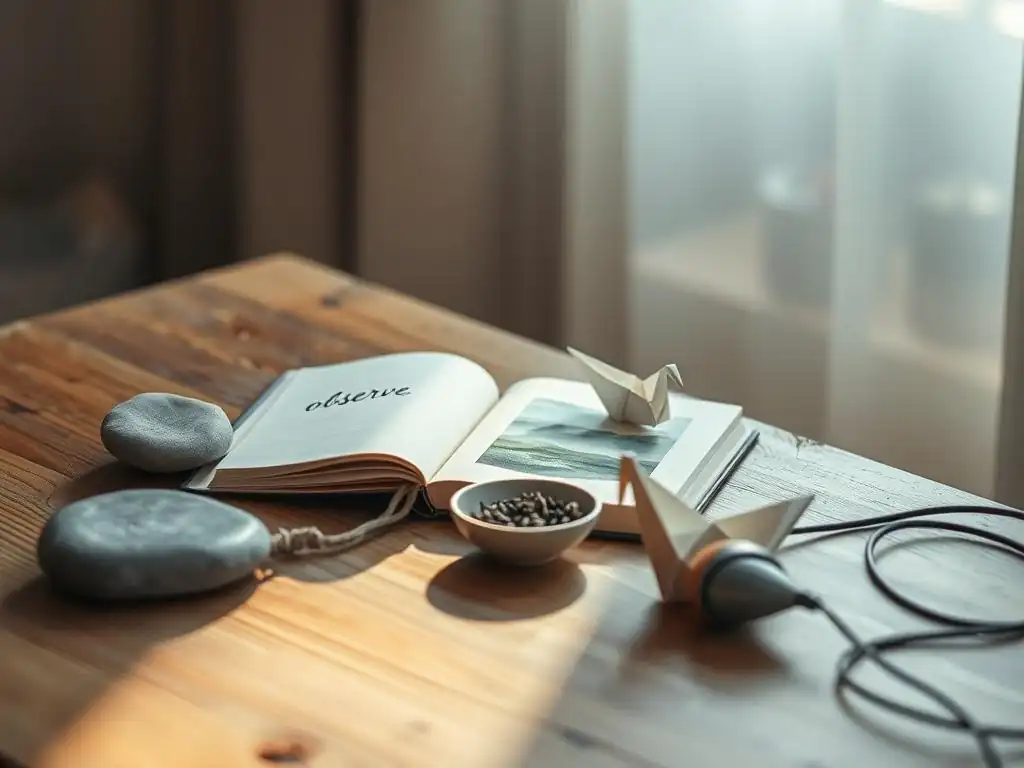
Identifying Your Individual Anxiety Triggers
Understanding what specifically triggers your anxiety is the cornerstone of building an effective personalized coping toolkit. While common triggers exist (work, finances, relationships), your unique history, personality, and experiences shape what causes your anxiety to spike. Is it public speaking? Specific social situations? Uncertainty about the future? Physical sensations? Certain places or people? Keeping an anxiety journal can be incredibly helpful here. Note down when you feel anxious, what was happening, who you were with, where you were, and what thoughts were running through your mind.
Over time, patterns will emerge, revealing your personal triggers. For example, you might notice that your anxiety consistently increases on Sunday evenings anticipating the work week, or that specific interactions with a certain family member reliably trigger feelings of dread. This detailed self-awareness allows you to anticipate challenging situations and proactively deploy specific anxious adults coping strategies tailored to those triggers, rather than waiting until you're already overwhelmed.
Experimenting with Different Coping Strategies
Once you have a better understanding of your triggers and how anxiety manifests for you (physically, mentally, emotionally), it's time to experiment with different coping strategies. The "unexpected" methods discussed earlier – grounding, 5-4-3-2-1, body scan, mindful movement, creative expression, cognitive reframing, and social connection – offer a diverse range of approaches. Don't feel pressured to try everything at once. Pick one or two that sound interesting or feel most relevant to your type of anxiety.
Try each technique multiple times in different situations – when anxiety is low, moderate, and high. Pay attention to how your body and mind respond. Does mindful walking calm you down? Does journaling help you process thoughts? Does the 5-4-3-2-1 method anchor you during intense moments? Keep track of what works and what doesn't. What feels awkward or ineffective initially might become easier with practice. Building your toolkit involves trial and error, discovering which anxious adults coping strategies resonate most deeply and provide the most reliable relief for your specific needs.
Building a Sustainable Anxiety Management Plan
Creating a sustainable anxiety management plan involves integrating the coping strategies that work best for you into your daily or weekly routine, not just using them during crises. This proactive approach helps build resilience and can reduce the overall frequency and intensity of anxious episodes. Your plan should be flexible and realistic. It might include daily practices like a 10-minute body scan or journaling, weekly activities like attending a support group or engaging in mindful movement, and specific techniques reserved for moments of high anxiety or panic.
Consider scheduling time for these practices, just as you would for appointments or work tasks. Consistency is key. Your plan should also include strategies for trigger management – how will you prepare for or navigate situations you know are likely to cause anxiety? A sustainable plan evolves over time as you learn more about yourself and as your life circumstances change. Regularly reviewing and adjusting your anxious adults coping strategies ensures they remain effective and relevant to your ongoing journey.
Long-Term Strategies for Managing Anxiety in Adults
The Role of Professional Help: Therapy and Counseling
While self-help techniques and coping strategies are invaluable, for many anxious adults, professional help is a crucial component of long-term anxiety management. Therapists and counselors, particularly those specializing in anxiety disorders, can provide evidence-based treatments like Cognitive Behavioral Therapy (CBT), Exposure Therapy, or Acceptance and Commitment Therapy (ACT). These therapies help individuals understand the root causes of their anxiety, challenge underlying beliefs, develop advanced coping mechanisms, and gradually confront feared situations in a safe environment.
A therapist can also help you identify complex triggers, process past experiences that contribute to anxiety, and develop a personalized treatment plan. They offer a non-judgmental space to explore your feelings and provide objective guidance. Research consistently shows that therapy is highly effective in reducing anxiety symptoms and improving overall functioning for a significant percentage of anxious adults. It's an investment in your mental health that can lead to lasting change.
Medication Options for Anxiety Management
For some anxious adults, medication may be a necessary part of a comprehensive anxiety management plan, especially when symptoms are severe or significantly impairing daily life. Various types of medications are prescribed for anxiety, including Selective Serotonin Reuptake Inhibitors (SSRIs), Serotonin-Norepinephrine Reuptake Inhibitors (SNRIs), benzodiazepines (typically for short-term or acute use due to potential for dependence), and buspirone. The choice of medication depends on the specific type of anxiety disorder, severity of symptoms, other health conditions, and potential side effects.
Medication doesn't "cure" anxiety, but it can help manage symptoms, making it easier to engage in therapy and practice coping strategies. It's crucial to discuss medication options thoroughly with a qualified healthcare provider (like a psychiatrist or primary care physician) to understand the potential benefits, risks, and side effects. Medication is often most effective when used in conjunction with therapy and lifestyle changes as part of a holistic approach to managing anxiety in adults.
Lifestyle Changes to Support Anxiety Relief
Beyond specific coping techniques and professional interventions, significant lifestyle changes can profoundly impact anxiety levels in adults. Prioritizing sufficient sleep (aiming for 7-9 hours per night) is critical, as sleep deprivation exacerbates anxiety. Adopting a balanced diet, rich in whole foods and limiting caffeine, alcohol, and sugar, can help stabilize mood and energy levels. Regular physical activity, as discussed, is a powerful anxiety reducer.
Incorporating stress-reduction practices into your routine, such as regular breaks during the day, spending time in nature, or setting boundaries around work and personal life, is also vital. Reducing exposure to negative news or social media that triggers anxiety can be helpful. These lifestyle adjustments create a foundation of physical and mental well-being that supports the effectiveness of other anxious adults coping strategies and contributes to a more resilient nervous system over time.
Embracing Resilience: Living Well with Anxiety
Viewing Anxiety as a Manageable Condition
Living with anxiety can feel overwhelming, but it's important to shift the perspective from viewing it as an insurmountable illness to a manageable condition. Like many chronic health issues, anxiety can be effectively managed with the right tools, support, and strategies. It may require ongoing effort, self-compassion, and flexibility, but it doesn't have to define you or prevent you from living a full and meaningful life.
Embracing this perspective empowers you to take an active role in your well-being. It encourages experimentation with different anxious adults coping strategies and persistence when one approach doesn't yield immediate results. Recognizing that fluctuations in anxiety are normal and don't indicate failure is also key. By viewing anxiety as something you manage, rather than something that controls you, you cultivate a sense of agency and hope.
Celebrating Small Victories in Your Anxiety Journey
Managing anxiety is a journey, not a destination, and it's filled with ups and downs. It's crucial to acknowledge and celebrate the small victories along the way. Did you successfully use a grounding technique during a moment of panic? Did you challenge a negative thought instead of accepting it? Did you attend a social event that made you anxious? Did you stick to your journaling routine for a week? These seemingly small achievements are significant steps forward in building resilience and mastering anxious adults coping strategies.
Celebrating these moments, no matter how minor they seem, reinforces positive behaviors and builds confidence. It helps counteract the tendency to focus only on setbacks or moments when anxiety felt overwhelming. Acknowledging progress, no matter how slow, fuels motivation and reminds you of your strength and capacity for change.
Resources for Anxious Adults Seeking Support
Navigating anxiety can be challenging, and seeking support is a sign of courage. Numerous resources are available for anxious adults looking for help. Mental health professionals (therapists, psychiatrists) are invaluable for diagnosis, treatment, and personalized guidance. Support groups, both in-person and online, offer a sense of community and shared experience. Organizations dedicated to mental health often provide educational materials, helplines, and directories of resources.
Books, podcasts, and reputable websites (like Mind Care Guide) offer information about anxiety, coping strategies, and personal stories. Don't hesitate to reach out to trusted friends or family members. Building a network of support, both professional and personal, is a vital component of living well with anxiety. Remember, you don't have to manage anxiety alone; effective anxious adults coping strategies often involve leaning on the support systems available to you.
Frequently Asked Questions
What are some unexpected coping strategies for anxious adults, beyond just breathing exercises?
Many anxious adults find relief in sensory techniques, like engaging with textures or scents, or in cognitive reframing, which involves challenging negative thought patterns. Others benefit from mindfulness practices that go beyond formal meditation.
How can I identify which anxious adults coping strategies are most effective for me?
Experimentation is key. Keep a journal to track which strategies reduce your anxiety levels and in what situations. Consider consulting with a therapist for personalized guidance and support.
What role does lifestyle play in managing anxiety as an adult?
Lifestyle factors like sleep, diet, and exercise significantly impact anxiety. Prioritizing these areas can create a stronger foundation for coping with anxious feelings.
Is it normal for adults to experience anxiety, and when should I seek professional help?
Yes, anxiety is a common experience. Seek professional help if your anxiety interferes with your daily life, causes significant distress, or if you experience persistent panic attacks.
Where can I find additional resources and support for anxious adults coping strategies?
Websites like Mind Care Guide offer valuable information. Mental health organizations and support groups provide additional resources and a sense of community.
Final Reflection: Breathing Beyond the Surface: Finding Calm in the Chaos
The pervasive anxiety gripping our modern world demands more than just breathing exercises; it requires a holistic approach to self-care. We've explored strategies beyond the commonly touted techniques, delving into the surprising power of mindfulness, creative expression, and community connection in managing anxious thoughts and feelings. This isn't just about managing symptoms; it's about reclaiming a sense of agency and peace in the face of overwhelming pressures.
The journey toward emotional well-being is a deeply personal one, and the strategies discussed here are merely starting points. The impact of anxiety on our individual lives, and on society as a whole, is undeniable. It shapes our relationships, our work, and our overall sense of self. Anxiety is like a rocking chair: it gives you something to do, but it doesn't get you anywhere.
This quote highlights the cyclical nature of anxiety, and the importance of breaking free from its grip through proactive self-care. The exploration of these coping mechanisms is not just about individual healing; it's about fostering a culture of understanding and support for those struggling with anxiety.
Now, consider your own journey. What resonates most deeply with you from the strategies discussed? What small step can you take today to incorporate a new coping mechanism into your daily life? Perhaps it's setting aside five minutes for mindful breathing, engaging in a creative hobby, or reaching out to a trusted friend. Remember, the path to managing anxiety is a marathon, not a sprint. Be kind to yourself, celebrate small victories, and know that you are not alone in this journey. Embrace the unexpected secrets to finding calm, and begin building a more resilient and peaceful you.
Unlock Your Calm: Start Practicing These Coping Strategies Today!
Thanks for taking the time to explore unexpected ways to manage anxiety. We hope you discovered some valuable new tools for navigating those challenging moments. Now it's time to put them into action!
- Prioritize one new coping technique from the article this week. Start small – even five minutes a day dedicated to mindful breathing or a calming activity can make a huge difference.
- Share this article with a friend or family member who might also benefit from these strategies. Supporting each other is a powerful way to build resilience.
- Consider journaling about your experiences with these techniques. Reflecting on your progress can help you identify what works best and adjust your approach accordingly.
What small step will you take today to cultivate more calm in your life?