
Driving Without Fear: Overcoming Panic Attacks Behind the Wheel.


Welcome!
Are panic attacks driving anxiety into your life, especially when you're behind the wheel? You're not alone. At Mind Care Guide, we understand the overwhelming fear and isolation that can accompany these experiences. This is your safe space to explore effective strategies and compassionate support. Keep reading to discover how to take back control and rediscover the joy of driving, free from the grip of panic. Let's begin your journey towards a calmer, more confident you.
- Understanding Panic Attacks and Driving Anxiety
- Causes and Triggers of Driving-Related Panic
- Practical Strategies for Managing Panic Attacks While Driving
- Building Confidence Behind the Wheel
- Seeking Professional Help for Panic Attacks and Driving
- Preventing Future Panic Attacks While Driving
- Resources and Support for Overcoming Driving Anxiety
-
Frequently Asked Questions
- What are the common symptoms of a panic attack while driving?
- How can I identify if my driving anxiety is actually caused by panic attacks?
- What are some immediate coping strategies I can use during a panic attack while driving?
- What long-term strategies can help me overcome panic attacks and driving anxiety?
- Where can I find resources and support for driving anxiety related to panic attacks?
- Final Reflection: Reclaiming the Open Road
- Rediscover Your Road Confidence!
Understanding Panic Attacks and Driving Anxiety
What is a Panic Attack? Defining the Experience
A panic attack is a sudden episode of intense fear that triggers severe physical reactions when there is no real danger or apparent cause. These attacks can be terrifying, often leaving individuals feeling like they are losing control, having a heart attack, or even dying.
The onset is typically abrupt, peaking within minutes, and can include a range of somatic and cognitive symptoms that are overwhelming and distressing. Understanding the core nature of a panic attack – that it is a false alarm triggered by the body's fight-or-flight response in a non-threatening situation – is a crucial first step in addressing panic attacks driving anxiety.
The experience of a panic attack is highly personal but commonly involves a constellation of symptoms. Physically, one might experience a racing heart (palpitations), sweating, trembling or shaking, shortness of breath, chest pain or discomfort, nausea, dizziness, or lightheadedness. Cognitively, symptoms can include feelings of unreality or detachment from oneself (depersonalization), fear of losing control or going crazy, and a profound fear of dying. While the peak intensity usually subsides within 10-20 minutes, the residual effects of fear and exhaustion can linger, making the anticipation of future attacks a significant source of anxiety.
The Link Between Panic Disorder and Driving Phobia
Panic disorder is characterized by recurrent, unexpected panic attacks and persistent worry about having another attack or about the implications of the attack (e.g., losing control, having a heart attack). For many individuals diagnosed with panic disorder, certain situations or places become associated with past attacks, leading to avoidance behaviors.
Driving is a very common trigger situation for this avoidance, often evolving into a specific driving phobia or driving anxiety, sometimes referred to as vehophobia or amaxophobia. The enclosed space of a car, the feeling of being trapped, and the perceived lack of immediate escape routes can heighten the fear for someone prone to panic attacks.
This connection creates a vicious cycle: experiencing a panic attack while driving makes the individual fearful of driving again, which increases anxiety about driving, making a future attack more likely. This fear isn't just about the act of driving itself, but the fear of having a panic attack while driving, specifically the loss of control or inability to stop safely.
Research indicates that a significant percentage of individuals with panic disorder report driving as a situation they avoid or find highly anxiety-provoking. For example, some studies suggest that up to a third or more of people with panic disorder struggle with driving-related fears or phobias.
Identifying the Symptoms of Panic Attacks While Driving
Recognizing the specific symptoms that manifest during a panic attack behind the wheel is vital for gaining a sense of control. These symptoms are largely the same as panic attacks occurring in other settings but can feel particularly intense and dangerous when driving, given the need for focus and control of a vehicle. Common physical signs include a sudden onset of rapid heartbeat or pounding in the chest, often accompanied by sweating or chills. Many people report feeling dizzy or lightheaded, which can be particularly alarming when navigating traffic.
Beyond the physical, the cognitive and emotional symptoms are equally disruptive. A strong sense of impending doom or danger is typical, even when the driving conditions are perfectly safe. Feelings of derealization (the environment feels unreal) or depersonalization (feeling detached from one's body) can occur, making it difficult to concentrate on the road. The overwhelming fear of losing control of the car or crashing is a hallmark of panic attacks driving anxiety. Identifying these specific sensations and thoughts as symptoms of a panic attack, rather than evidence of actual danger or incapacity, is a critical step in managing them.
Common Triggers for Panic Attacks While Driving
Heavy Traffic
Driving in heavy traffic is a frequent trigger for panic attacks and heightened driving anxiety. The feeling of being stuck, surrounded by other vehicles with limited ability to maneuver or pull over, can create a sense of claustrophobia and lack of control. The stop-and-go nature of traffic is unpredictable, and the constant need for vigilance can heighten stress levels. This environment often amplifies the physical sensations associated with anxiety, such as increased heart rate or feeling overheated, which can then be misinterpreted as the start of a panic attack.
The lack of an easy escape route in dense traffic is a primary factor contributing to panic. If a person feels trapped and experiences initial anxiety symptoms, the inability to simply pull over and collect themselves can escalate the fear rapidly. This perceived lack of control over one's immediate environment feeds directly into the core fears often underlying panic disorder, making congested roadways a predictable scenario for the onset of panic attacks driving anxiety.
Highway Driving
Highway driving, particularly at high speeds or on multi-lane roads, presents a different set of challenges that can trigger panic. The speed itself can be disorienting, and the constant flow of vehicles requires sustained attention and quick reactions. For someone prone to panic, the vastness of the highway, combined with the inability to stop quickly or easily (especially in the left lanes), can induce feelings of vulnerability and being overwhelmed. Exits may seem too far away, enhancing the feeling of being trapped at speed.
Furthermore, the monotony of long stretches of highway can sometimes lead to a heightened awareness of internal physical sensations, which a person with anxiety might misinterpret as signs of danger. The presence of large trucks, merging traffic, and the sheer speed of other vehicles can all contribute to a sense of risk, even if the driving is objectively safe. This combination of high speed, limited exit options, and external stimuli makes highway driving a significant trigger for those experiencing panic attacks driving anxiety.
Driving Over Bridges
Driving over bridges is a particularly potent trigger for many individuals with driving phobia and panic attacks. The height, the feeling of being suspended over water or land, and the often narrow confines of bridge lanes can induce significant anxiety. The structure of a bridge inherently limits escape routes; once on the bridge, there is typically no option to pull over or turn around until the other side is reached. This feeling of being committed to a situation with no immediate exit is a major factor.
Adding to the anxiety is the visual stimulus of height and often water below, which can trigger acrophobia (fear of heights) or other specific phobias that intertwine with the driving experience. The movement of the bridge, the sounds of traffic echoing, and sometimes strong winds can also contribute to a sense of instability and danger. For someone struggling with panic attacks driving anxiety, bridges represent a concentration of multiple potential triggers: height, confinement, lack of escape, and often, high traffic volume.
Driving in Unfamiliar Areas
Navigating unfamiliar areas introduces uncertainty and the potential for getting lost, which can be significant triggers for panic attacks while driving. When driving in known locations, autopilot takes over for much of the journey, requiring less conscious effort and decision-making. In contrast, unfamiliar routes demand constant attention to navigation, road signs, and surroundings. This heightened cognitive load can be stressful.
The fear of making a wrong turn, ending up in an undesirable or confusing location, or simply the stress of not knowing what to expect around the next corner can escalate anxiety. For someone already predisposed to panic, this uncertainty can feel overwhelming and lead to a loss of perceived control over the journey. This loss of control, coupled with the stress of navigation, makes driving in unfamiliar areas a common scenario for experiencing panic attacks driving anxiety.
Psychological Factors Contributing to Driving Anxiety
Several psychological factors underpin driving anxiety and the propensity for panic attacks behind the wheel. A core element is often an underlying anxiety disorder, such as generalized anxiety disorder or, most commonly, panic disorder. These conditions prime the individual to be hyper-aware of bodily sensations and prone to interpreting them catastrophically. The intrusive thoughts and worries characteristic of these disorders can easily attach themselves to the act of driving, anticipating worst-case scenarios like losing control or having an attack.
Another significant factor is a general intolerance of uncertainty or ambiguity. Driving, by its nature, involves some degree of unpredictability (other drivers, road conditions, traffic). For someone with low tolerance for uncertainty, these inherent aspects of driving can feel threatening.
Furthermore, a history of trauma, even if not directly related to driving (though it often is, such as a past accident), can contribute to a heightened state of alert and a perception of the world, including driving, as dangerous or unsafe. This constant vigilance can exhaust the nervous system, making one more susceptible to the sudden surge of fear characteristic of a panic attack.
Past Trauma and Its Impact on Driving Confidence
Past traumatic experiences, particularly those involving vehicles or feeling trapped or helpless, can profoundly impact driving confidence and contribute to the development of panic attacks driving anxiety. Surviving a car accident, witnessing one, or even experiencing other forms of trauma (like assault) can create a deep-seated association between driving (or similar situations) and danger. Even if the trauma wasn't directly related to driving, the feeling of being out of control or in imminent danger experienced during the trauma can be reactivated by the perceived risks or confined space of a car.
This can manifest as flashbacks, intrusive thoughts, hypervigilance while driving, or a pervasive sense of dread whenever getting into a car. The nervous system remains on high alert, interpreting normal driving sensations or minor external events as signs of impending disaster, triggering the fight-or-flight response that culminates in a panic attack. Addressing the underlying trauma through therapeutic approaches is often a critical component in fully resolving severe driving anxiety and the associated panic attacks.
Practical Strategies for Managing Panic Attacks While Driving
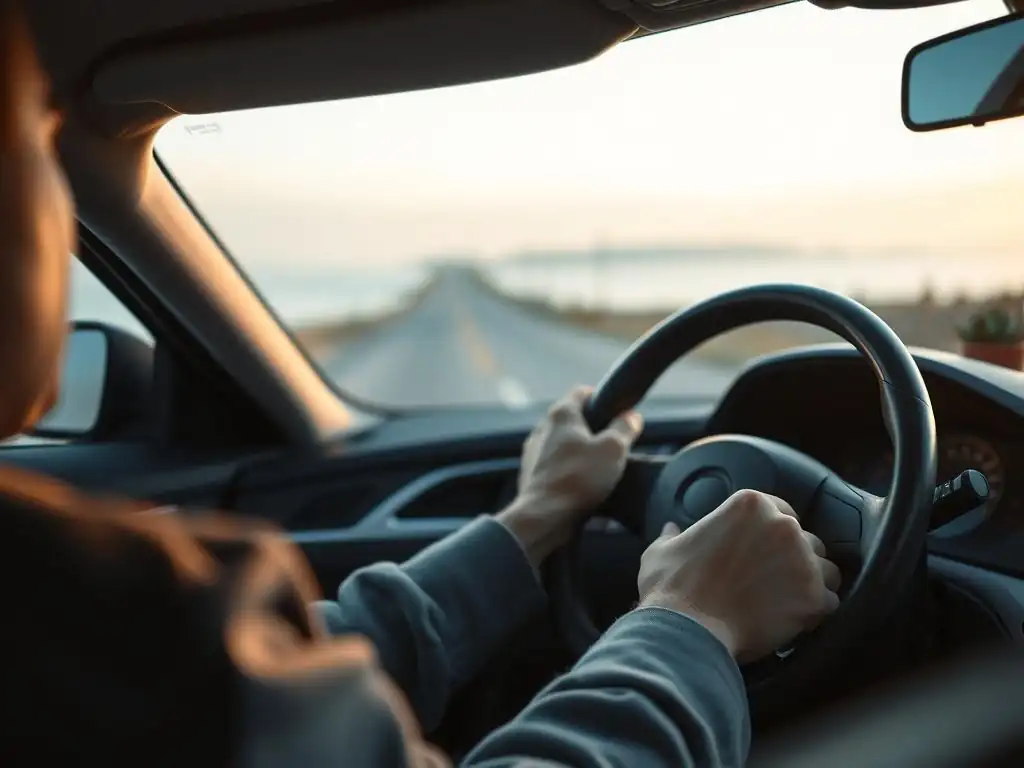
Immediate Actions During a Panic Attack While Driving
Pulling Over Safely and Calming Techniques
If you feel a panic attack starting while driving, the absolute priority is safety. If possible and safe to do so, pull over to the side of the road immediately. Use your turn signal, check your mirrors, and pull completely off the road onto the shoulder or into a parking lot. Do not attempt to continue driving if you feel you are losing control or cannot concentrate. Once safely stopped, engage your parking brake and turn off the engine.
Once safely stopped, focus on calming yourself. Remind yourself that while the feelings are intense and frightening, they are temporary and are symptoms of panic, not actual danger. Acknowledge the feelings without judgment. You are in a safe place now. Techniques like progressive muscle relaxation (tensing and releasing different muscle groups) can help discharge some of the physical tension. Having a cold drink or a cool cloth for your face can also help ground you in the present moment and regulate your physical sensations.
Breathing Exercises for Panic Relief
Controlled breathing is one of the most effective immediate techniques for managing a panic attack, whether driving or not. When panicking, breathing often becomes shallow and rapid, exacerbating symptoms like dizziness and chest tightness. Focusing on slow, deep breaths helps regulate the nervous system. A simple technique is 4-7-8 breathing: inhale slowly through your nose for a count of four, hold your breath for a count of seven, and exhale slowly through your mouth for a count of eight. Repeat this cycle several times.
Alternatively, box breathing (inhale for four, hold for four, exhale for four, hold for four) can also be helpful. The key is to make the exhale longer than the inhale, which signals the parasympathetic nervous system to calm down. Practice these techniques regularly when you are not anxious, so they become automatic responses when you are. This practice makes them more effective during a moment of intense panic attacks driving anxiety.
Mindfulness and Grounding Techniques in the Car
Mindfulness and grounding techniques help bring your focus back to the present moment and away from fearful thoughts or overwhelming physical sensations. Grounding is particularly useful during a panic attack. A common technique is the "5-4-3-2-1" method: acknowledge 5 things you can see, 4 things you can touch, 3 things you can hear, 2 things you can smell, and 1 thing you can taste. This anchors you to your immediate environment.
Another grounding technique is to focus on the sensations in your body that are not associated with panic – perhaps the feeling of your feet on the floor, the texture of the steering wheel, or the temperature of the air. Describe your surroundings in detail, either internally or quietly aloud: "I see a blue car, the road is asphalt, the sky is cloudy." These simple acts interrupt the cycle of fearful thoughts and help you regain a sense of reality and control, which is crucial when dealing with panic attacks driving anxiety.
Long-Term Solutions for Overcoming Driving Anxiety
Cognitive Behavioral Therapy (CBT) for Panic Disorder
Cognitive Behavioral Therapy (CBT) is a highly effective evidence-based treatment for panic disorder and specific phobias like driving anxiety. CBT works by helping individuals identify and challenge the negative thought patterns and beliefs that contribute to their panic and anxiety. Therapists guide patients in recognizing catastrophic thinking (e.g., "If I feel dizzy, I'm going to faint and crash") and replacing these irrational thoughts with more realistic and balanced perspectives (e.g., "This dizziness is just anxiety; I am still capable of driving safely or pulling over").
Beyond changing thoughts, CBT also focuses on behavioral techniques. This includes learning coping strategies like breathing exercises and relaxation techniques, as well as gradually facing feared situations (exposure). A typical course of CBT might involve 8-20 sessions, though this varies. Studies consistently show significant reductions in panic attack frequency and severity, often with lasting effects, making it a cornerstone treatment for those struggling with panic attacks driving anxiety.
Exposure Therapy for Driving Phobia
Exposure therapy is a specific type of CBT that is particularly effective for phobias, including driving phobia. It involves gradually and systematically exposing the individual to the feared situation (driving) in a controlled and safe manner, starting with situations that provoke minimal anxiety and slowly progressing to more challenging ones. The goal is to learn that you can tolerate the anxiety and that the feared outcome (having a debilitating panic attack and losing control) does not actually happen. This process helps to extinguish the fear response.
Exposure might begin with simply sitting in a parked car, then starting the engine, driving around the block, driving on quiet streets, and eventually progressing to highways or bridges, depending on the specific triggers. This is often done with a therapist initially, or with a trusted friend or family member who understands the process. The key is repeated exposure without avoidance, allowing the brain to learn that the situation is not inherently dangerous. Success rates for exposure therapy for specific phobias are often very high, with many individuals regaining their ability to drive comfortably.
Relaxation Techniques and Stress Management for Anxious Drivers
Incorporating regular relaxation techniques and stress management into your routine can significantly reduce overall anxiety levels, making you less susceptible to panic attacks while driving. Techniques such as progressive muscle relaxation, guided imagery, and deep breathing exercises practiced daily can lower your baseline stress. Mindfulness meditation, even for just 10-15 minutes a day, can improve your ability to stay present and less reactive to anxious thoughts or physical sensations.
Beyond formal techniques, general stress management is crucial. This includes ensuring adequate sleep (aiming for 7-9 hours per night), maintaining a balanced diet, and engaging in regular physical activity, which is a powerful anxiety reducer. Limiting caffeine and alcohol, which can exacerbate anxiety symptoms, is also advisable. By lowering overall stress and anxiety, these practices build resilience and reduce the frequency and intensity of panic attacks driving anxiety.
Building Confidence Behind the Wheel
Gradual Exposure to Driving Situations
Overcoming severe driving anxiety and the associated panic attacks requires building confidence incrementally. This is where the principles of gradual exposure, often part of therapy like CBT, become a practical strategy. The process is about taking small, manageable steps that you can tolerate, gradually increasing the challenge as your comfort level grows. This isn't about "toughing it out" through intense fear, but about controlled, repeated positive experiences.
Start with Short Drives on Familiar Roads
Begin by driving very short distances on roads you know extremely well, perhaps just around your neighborhood or to a nearby store. Choose times when traffic is light, like early mornings or late evenings. The goal is simply to experience being in the driver's seat and completing a short journey without experiencing overwhelming panic. Focus on the mechanics of driving and staying present.
Use this initial phase to practice your coping techniques, like deep breathing, while the anxiety is still low. Celebrate these small successes. Each successful short drive reinforces that you can drive and that the feared outcome did not occur, chipping away at the core fear associated with panic attacks driving anxiety.
Gradually Increase Distance and Difficulty
Once you feel comfortable with short drives on familiar, easy roads, slowly increase the distance and introduce slightly more challenging elements. This might mean driving a few miles further, venturing onto a slightly busier road, or driving during a slightly busier time of day. Add one small challenge at a time. For instance, if you're comfortable with 10-minute drives, try 15 minutes. If you're comfortable on quiet streets, try a street with a few more intersections.
The key is to stay in the situation long enough for your anxiety to peak and then naturally begin to decrease (habituation), which typically happens if you don't escape immediately. This teaches your brain that you can tolerate the anxiety and that the situation is not dangerous. If you experience a surge of panic, use your immediate coping skills, and if necessary, pull over safely. The goal is progress, not perfection.
Practice During Off-Peak Hours
Initially practicing driving during off-peak hours minimizes potential triggers like heavy traffic or rush-hour congestion. This allows you to focus on the act of driving itself and managing your internal state without the added stress of external variables. Early mornings, mid-day weekdays, or late evenings are often good times.
As your confidence grows, you can gradually introduce driving during slightly busier times or on slightly busier roads. This phased approach ensures that you are building skills and confidence in a controlled manner, making the process less overwhelming and more sustainable in the long run. Consistent practice, even if just a few times a week, is more effective than infrequent, long drives.
Practicing Safe Driving Habits to Reduce Anxiety
Maintaining excellent safe driving habits can paradoxically help reduce anxiety. Being a careful, predictable driver means you are less likely to encounter unexpected situations caused by your own actions, such as sudden braking or swerving. This sense of competence and control over your vehicle can be reassuring. Follow speed limits, maintain appropriate distance from other cars, and always signal your intentions clearly.
Ensure your vehicle is well-maintained. Knowing that your car is in good working order can eliminate potential worries about breakdowns or mechanical failures. Plan your routes in advance, especially for longer or unfamiliar journeys, using GPS or maps. This reduces the stress of potential wrong turns. Being prepared and driving defensively contributes to a sense of safety and control, which directly counteracts the feelings of vulnerability often associated with panic attacks driving anxiety.
The Importance of Self-Care and Positive Self-Talk
Integrating robust self-care practices into your daily life is fundamental for managing anxiety disorders and improving driving confidence. This goes beyond just occasional relaxation; it involves consistent habits that support your mental and physical well-being. Prioritize sufficient sleep, eat nutritious meals regularly, and engage in physical activity you enjoy. These lifestyle factors significantly impact your nervous system's regulation and overall resilience to stress.
Equally important is cultivating positive self-talk. Challenge negative, fearful internal dialogue (e.g., "I can't do this," "I'm going to have a panic attack"). Replace these thoughts with compassionate and realistic affirmations (e.g., "I am capable," "I can handle challenging feelings," "I am safe in this moment"). Acknowledge your progress, no matter how small. Be patient and kind to yourself throughout this process. Overcoming panic attacks driving anxiety is a journey, and self-compassion is essential.
Seeking Professional Help for Panic Attacks and Driving
When to Consult a Mental Health Professional
It's time to seek professional help if panic attacks driving anxiety are significantly impacting your life. This includes if you are avoiding driving altogether, if your anxiety about driving is constant and distressing, or if panic attacks are occurring frequently while driving or even just thinking about driving. If your fear is causing you to miss work, social events, or feel isolated, a mental health professional can provide targeted support and effective treatment strategies.
Don't wait until the anxiety feels insurmountable. Early intervention can prevent the phobia from becoming more entrenched. A professional can accurately diagnose panic disorder or specific phobias and rule out other potential medical conditions that might mimic anxiety symptoms. They can offer evidence-based treatments tailored to your specific needs and help you develop a clear plan for recovery.
Types of Therapy for Driving Phobia and Panic
As mentioned, Cognitive Behavioral Therapy (CBT) and its component, Exposure Therapy, are considered gold standards for treating driving phobia and panic disorder. However, other therapeutic approaches can also be beneficial, often used in conjunction with CBT or as alternatives depending on individual needs and preferences. Acceptance and Commitment Therapy (ACT) helps individuals learn to accept anxious thoughts and feelings without letting them control behavior, focusing instead on values-driven actions (like driving to see family).
Psychodynamic therapy might explore underlying unconscious conflicts or past experiences contributing to the anxiety, particularly if trauma is a factor. Eye Movement Desensitization and Reprocessing (EMDR) is another therapy often used for trauma-related anxiety, which can be very relevant if past accidents or traumatic events are linked to the driving phobia. A qualified therapist can discuss these options with you and recommend the most appropriate course of treatment for your specific experience with panic attacks driving anxiety.
Medication Options for Panic Disorder and Anxiety
In some cases, medication may be recommended as part of a comprehensive treatment plan for panic disorder and severe driving anxiety, often used in conjunction with therapy. Antidepressants, particularly Selective Serotonin Reuptake Inhibitors (SSRIs) and Serotonin-Norepinephrine Reuptake Inhibitors (SNRIs), are commonly prescribed for panic disorder. These medications work by affecting neurotransmitters in the brain and can help reduce the frequency and severity of panic attacks and general anxiety over time. They are typically taken daily.
Benzodiazepines are another class of medication that can provide rapid relief from acute anxiety symptoms during a panic attack. However, they are generally prescribed for short-term use or on an as-needed basis due to the potential for dependence and other side effects. Beta-blockers, typically used for heart conditions, can sometimes be prescribed off-label to manage physical symptoms like rapid heartbeat and trembling. Any medication decision should be made in consultation with a prescribing physician or psychiatrist, who can discuss the potential benefits, risks, and side effects relative to your specific situation and history of panic attacks driving anxiety.
Preventing Future Panic Attacks While Driving
Identifying and Managing Personal Triggers
Preventing future panic attacks while driving begins with a deep understanding of your personal triggers. While common triggers exist (traffic, highways, bridges), individual sensitivities vary. Keep a journal to track when and where you experience anxiety or panic symptoms while driving. Note the circumstances: time of day, type of road, presence of passengers, your stress level beforehand, specific thoughts you were having.
Once you've identified patterns, you can develop specific strategies to manage these triggers. If heavy traffic is a major trigger, plan routes that avoid peak hours or notoriously congested areas when possible. If highway driving is difficult, start with short stints during quiet times and gradually increase exposure. Knowing your triggers allows you to anticipate challenging situations and employ coping mechanisms before anxiety escalates, proactive steps crucial for managing panic attacks driving anxiety.
Maintaining a Healthy Lifestyle to Reduce Anxiety
A cornerstone of preventing panic attacks, both while driving and in general, is consistently maintaining a healthy lifestyle. Chronic stress, poor sleep, inadequate nutrition, and lack of physical activity all make the nervous system more reactive and prone to anxiety and panic. Aim for 7-9 hours of quality sleep per night; irregular sleep patterns disrupt mood and anxiety regulation.
Incorporate regular physical activity into your week – guidelines often suggest at least 150 minutes of moderate aerobic activity or 75 minutes of vigorous activity per week. Exercise is a powerful stress reliever and mood booster. Ensure your diet is balanced, limiting processed foods, excessive sugar, and caffeine, which can mimic or worsen anxiety symptoms. Hydration is also key. A healthy body is better equipped to manage stress and prevent the physiological cascade that leads to panic attacks driving anxiety.
Creating a Personalized Anxiety Management Plan for Driving
Develop a personalized plan specifically for managing anxiety related to driving. This plan should be a tangible document or mental checklist you can refer to. It might include:
- Pre-drive rituals: Listening to calming music, practicing deep breathing for 5 minutes before starting the car, ensuring you have water.
- During-drive strategies: Your go-to coping techniques (e.g., 4-7-8 breathing, 5-4-3-2-1 grounding), positive affirmations to repeat, specific focus points (e.g., the road ahead, the feeling of the steering wheel).
- Post-drive reflection: Acknowledging success, noting what was challenging (without judgment), and planning the next practice drive.
[ ] Define specific pre-drive ritual.
[ ] Identify 2-3 core coping techniques to use while driving.
[ ] Write down 1-2 positive affirmations for driving.
[ ] Plan next gradual exposure drive (date, time, route).
[ ] Schedule regular self-care activities (exercise, relaxation).
Having a structured plan provides a sense of control and preparedness, reducing the fear of the unknown and equipping you with tools to actively manage anxiety and prevent panic attacks driving anxiety.
Resources and Support for Overcoming Driving Anxiety
Online Support Groups and Communities for Panic Disorder
Connecting with others who understand the challenges of panic disorder and driving anxiety can be incredibly validating and supportive. Online support groups and communities provide a platform to share experiences, exchange coping tips, and receive encouragement from peers. Websites like Reddit have active communities focused on anxiety and panic disorder (e.g., r/Anxiety, r/PanicAttack).
Other mental health organizations often host forums or connect individuals with local support groups. While not a substitute for professional help, these communities can offer practical advice born from lived experience and reduce feelings of isolation often associated with anxiety disorders. Engaging with others facing similar struggles can provide hope and reinforce that recovery from panic attacks driving anxiety is possible.
Recommended Resources on Driving Anxiety
"The Panic Attack Workbook" by David Burns
"The Panic Attack Workbook: A Guided Program for Beating the Panic Trick" by David D. Burns is a widely recommended resource for individuals struggling with panic disorder and anxiety. While not exclusively focused on driving, its comprehensive approach to understanding and challenging the cognitive distortions that fuel panic is highly applicable. The book provides step-by-step exercises based on cognitive behavioral principles, including identifying negative thoughts, using cognitive restructuring techniques, and implementing exposure strategies.
Working through this workbook can provide a structured, self-paced way to apply therapeutic techniques learned in therapy or to gain a deeper understanding of panic mechanisms. Many find its practical exercises helpful in developing the skills needed to manage anxiety in various situations, including the specific challenge of panic attacks driving anxiety.
Anxiety & Depression Association of America (ADAA)
The Anxiety & Depression Association of America (ADAA) is a leading non-profit organization dedicated to the prevention, treatment, and cure of anxiety, depression, OCD, PTSD, and co-occurring disorders. Their website (adaa.org) is a valuable resource offering extensive information on panic disorder, specific phobias like driving anxiety, and various treatment options.
The ADAA provides articles, webinars, personal stories, and tools for finding treatment. They also have a "Find a Therapist" directory that allows users to search for mental health professionals specializing in anxiety disorders in their area. Their resources are grounded in scientific research and clinical experience, making them a trustworthy source of information and support for anyone grappling with panic attacks driving anxiety.
Local Mental Health Services and Professionals
Accessing local mental health services is often the most direct path to effective treatment for severe driving anxiety and panic attacks. Start by contacting your primary care physician, who can perform a basic health check to rule out physical causes for your symptoms and provide a referral to a mental health specialist. Your insurance provider's website or member services line can also help you find in-network therapists, psychologists, or psychiatrists in your area.
Community mental health centers often offer services on a sliding scale based on income, making treatment more accessible. University psychology or psychiatry departments may also have clinics that provide treatment at reduced costs, often staffed by students under supervision. Don't hesitate to reach out; finding the right professional is a crucial step in developing a personalized strategy to overcome panic attacks driving anxiety and regain your freedom on the road.
Frequently Asked Questions
What are the common symptoms of a panic attack while driving?
Panic attacks behind the wheel can manifest as intense fear, a racing heart, difficulty breathing, dizziness, and a feeling of unreality or detachment. These symptoms can be incredibly frightening and debilitating.
How can I identify if my driving anxiety is actually caused by panic attacks?
If your driving anxiety involves sudden, intense episodes of fear accompanied by physical symptoms like chest pain, sweating, and a sense of impending doom, it's likely related to panic attacks. Consider consulting a mental health professional for a proper diagnosis.
What are some immediate coping strategies I can use during a panic attack while driving?
Pull over to a safe location if possible. Focus on deep breathing exercises, such as inhaling slowly through your nose and exhaling slowly through your mouth, to calm your nervous system. Try to focus on your senses to ground you.
What long-term strategies can help me overcome panic attacks and driving anxiety?
Cognitive Behavioral Therapy (CBT) is highly effective in addressing panic attacks and anxiety. Exposure therapy, where you gradually face your fears in a controlled environment, can also be beneficial.
Mind Care Guide offers information and resources. Seek guidance from a therapist specializing in anxiety disorders or join a support group for individuals experiencing similar challenges to find support.
Final Reflection: Reclaiming the Open Road
The fear of driving during a panic attack is a debilitating experience, but it's one that millions share and, crucially, one that can be overcome. This article has explored various techniques and strategies to help navigate this anxiety, from understanding the physiological responses of a panic attack to implementing practical coping mechanisms and seeking professional support. The journey back to confident driving isn't always easy, but it is undeniably possible.
The impact of driving anxiety extends far beyond the individual; it limits independence, restricts social opportunities, and can significantly impact quality of life. The greatest glory in living lies not in never falling, but in rising every time we fall.
This quote, often attributed to Nelson Mandela, perfectly encapsulates the spirit of overcoming driving anxiety. It's a testament to the resilience of the human spirit and the power of perseverance in the face of adversity. My own experiences, and the stories shared by others, underscore the importance of seeking help, practicing self-compassion, and celebrating every small victory along the way.
You hold the power to reclaim your freedom on the road. Don't let the fear of a panic attack dictate your life. Take the time to reflect on the strategies discussed in this article – breathing techniques, exposure therapy, professional guidance – and identify which resonate most with you. Begin small, build your confidence gradually, and remember that progress, not perfection, is the key. The open road awaits; it's time to drive without fear.
Rediscover Your Road Confidence!
Thanks for taking the time to explore strategies for overcoming driving anxiety. We hope you found practical tips to regain control and enjoy the freedom of the open road. Now, let's put this knowledge into action!
- Schedule a short practice drive: Even 15 minutes in a low-stress environment can make a difference. Focus on your breathing and the techniques discussed in the article. This is your primary step towards reclaiming your confidence.
- Share your progress: Connect with others overcoming similar challenges. Tell us about your experience—what worked best for you?
- Explore relaxation techniques: Consider experimenting with mindfulness or progressive muscle relaxation to enhance your coping mechanisms.
Ready to take the wheel with renewed confidence? What's one small step you'll take today to conquer driving anxiety?