
Hydration for a Calmer Mind: The WaterAnxiety Connection.

Welcome to Mind Care Guide.
Feeling overwhelmed by anxiety? You're not alone. We understand the invisible struggles you face, and we're here to offer support and understanding. Did you know that something as simple as dehydration could be exacerbating your anxiety symptoms? Explore our comprehensive guide to understanding the surprising connection between dehydration causes anxiety symptoms and discover practical strategies to nurture a calmer, more resilient you. Let's unlock the secrets to a healthier mind, together.
Hydration for a Calmer Mind: The Water-Anxiety Connection
- Understanding the Link Between Dehydration and Anxiety
- Dehydration Causes Anxiety Symptoms: Exploring the Evidence
- Recognizing Dehydration: Identifying the Signs
- Staying Hydrated: Practical Tips for Anxiety Management
- Beyond Water: Other Hydrating Beverages for Mental Well-being
- The Role of Hydration in Overall Mental Health
- Addressing Underlying Health Conditions That Impact Hydration and Anxiety
-
Frequently Asked Questions
- ### Does dehydration really cause anxiety symptoms?
- ### How much water should I drink daily to potentially reduce anxiety?
- ### What are some early warning signs of dehydration that might indicate increased anxiety risk?
- ### Besides drinking water, are there other ways to stay hydrated to manage anxiety?
- ### If I'm already experiencing anxiety, will drinking more water immediately alleviate my symptoms?
- Final Reflection: The Ripple Effect of Hydration on Mental Well-being
- Unlock Your Calm: Dive Deeper into Hydration's Power
Understanding the Link Between Dehydration and Anxiety
Exploring the intricate relationship between our body's fluid levels and our mental state reveals a significant connection. While often overlooked, proper hydration is fundamental to overall health, including the health of our brain and nervous system. Disruptions in this delicate balance can have profound effects, contributing to feelings of unease, stress, and even triggering or worsening anxiety symptoms.
This section delves into the physiological mechanisms by which dehydration impacts the body and, consequently, the mind. We will examine how even mild fluid deficits can initiate a cascade of responses that may manifest as psychological distress, shedding light on why maintaining adequate hydration is a simple yet powerful strategy in managing anxiety.
The Body's Response to Fluid Imbalance
When the body experiences a fluid imbalance, even a slight one, it initiates a series of physiological responses aimed at conserving water. The kidneys reduce urine output, and the body signals thirst. However, beyond these obvious signs, dehydration triggers a stress response. The body perceives the lack of adequate fluid as a threat, activating the hypothalamic-pituitary-adrenal (HPA) axis, which is the body's central stress-response system.
This activation leads to the release of stress hormones like cortisol. Elevated cortisol levels, even from mild dehydration, can contribute to feelings of stress and agitation. Furthermore, dehydration can affect electrolyte balance, which is crucial for nerve function. Imbalances in sodium, potassium, and other electrolytes can disrupt the normal signaling processes in the brain and nervous system, potentially leading to symptoms such as dizziness, fatigue, and irritability, which can easily overlap with or exacerbate anxiety.
Dehydration's Impact on Brain Function and Anxiety
The brain is highly dependent on adequate hydration to function optimally, consisting of roughly 75% water. When fluid levels drop, brain volume can actually decrease slightly, affecting cognitive performance. Studies have shown that even mild dehydration, defined as a 1-2% loss of body weight due to fluid loss, can impair concentration, memory, and mood. Research published in journals like the British Journal of Nutrition has highlighted how such mild dehydration can lead to increased tension, anxiety, and fatigue in young women.
Furthermore, dehydration affects blood flow to the brain. Reduced blood volume means less oxygen and nutrients are delivered to brain cells, impairing their function. This can particularly impact areas of the brain involved in regulating mood and stress responses, such as the amygdala and prefrontal cortex. The resulting cognitive fog, irritability, and reduced ability to cope with stress can significantly contribute to or intensify feelings of anxiety, demonstrating how dehydration causes anxiety symptoms or makes them worse.
Dehydration Causes Anxiety Symptoms: Exploring the Evidence
The direct link between dehydration and anxiety symptoms is increasingly recognized in both clinical observations and scientific research. It's not merely about feeling thirsty; it's about how fluid depletion disrupts fundamental biological processes that govern our emotional state and stress reactivity. Understanding these mechanisms provides a clearer picture of why staying hydrated is a foundational element of mental wellness.
This section will delve deeper into the specific physiological pathways through which a lack of water can manifest as anxiety. We will explore its effects on crucial brain chemicals, stress hormones, and the physical sensations that can be misinterpreted as anxiety or indeed be triggered by dehydration itself.
How Lack of Water Affects Neurotransmitters
Neurotransmitters are chemical messengers in the brain that regulate everything from mood and sleep to stress response and anxiety. Serotonin, dopamine, and norepinephrine are examples of neurotransmitters heavily involved in mood regulation. Adequate hydration is essential for the synthesis, transport, and function of these vital chemicals.
When you are dehydrated, the production and function of neurotransmitters can be impaired. For instance, serotonin, often dubbed the "feel-good" neurotransmitter, requires sufficient fluid levels for its proper synthesis and activity. Reduced serotonin levels can contribute to feelings of depression and anxiety. Similarly, norepinephrine, involved in the body's fight-or-flight response, can become dysregulated, potentially leading to heightened vigilance and nervousness. This disruption in chemical signaling underscores a key way that dehydration causes anxiety symptoms by directly impacting the brain's communication network.
The Dehydration-Stress Hormone Connection
As mentioned earlier, dehydration activates the body's stress response system, leading to the release of stress hormones, primarily cortisol. Cortisol is beneficial in short bursts, helping us respond to acute threats. However, chronic or elevated levels of cortisol can have detrimental effects on both physical and mental health.
Studies have shown that even mild dehydration can significantly increase cortisol levels. This elevated cortisol can exacerbate the physiological symptoms of stress and anxiety, such as increased heart rate, rapid breathing, and a general feeling of being on edge. Furthermore, prolonged exposure to high cortisol levels can disrupt the delicate balance of the HPA axis, potentially making an individual more susceptible to anxiety and stress over time. The sustained activation of this stress pathway due to fluid deficiency is a critical component in how dehydration causes anxiety symptoms to emerge or intensify.
Physiological Anxiety Symptoms Triggered by Dehydration
Many physical symptoms associated with dehydration overlap significantly with the physical manifestations of anxiety. These include dizziness or lightheadedness, headaches, fatigue, muscle weakness, rapid heart rate (palpitations), and dry mouth. When a person experiences these symptoms, they might interpret them as signs of an impending panic attack or generalized anxiety, creating a feedback loop where the physical discomfort fuels psychological distress.
For example, heart palpitations caused by dehydration can easily be mistaken for anxiety-induced panic symptoms. Similarly, the fatigue and brain fog resulting from inadequate hydration can increase feelings of worry and overwhelm. Recognizing that dehydration causes anxiety symptoms like these is crucial for effective self-care and management. Addressing the underlying fluid deficit can sometimes alleviate these physical sensations, thereby reducing the trigger for anxiety.
Recognizing Dehydration: Identifying the Signs

Identifying dehydration early is vital, especially since its symptoms can be subtle and easily confused with other conditions, including anxiety. Paying attention to your body's signals is the first step in ensuring you are adequately hydrated and potentially mitigating anxiety symptoms linked to fluid imbalance. It's about becoming attuned to the difference between physical sensations caused by lack of water and those stemming purely from psychological stress.
This section provides practical guidance on recognizing the common signs of dehydration, distinguishing them from anxiety, and simple methods for assessing your hydration status throughout the day.
Common Symptoms of Dehydration That Mimic Anxiety
Several common signs of dehydration can be strikingly similar to anxiety symptoms. These include:
- Headaches: Often described as a dull ache or throbbing sensation, similar to tension headaches sometimes accompanying anxiety.
- Fatigue: Feeling unusually tired or lacking energy, a hallmark symptom of both dehydration and anxiety.
- Dizziness or Lightheadedness: A sensation of feeling unsteady or faint, which can trigger panic in anxious individuals.
- Rapid Heart Rate (Palpitations): The heart beating faster or harder than usual, a classic symptom of anxiety attacks and also caused by the body's response to low blood volume from dehydration.
- Dry Mouth: While a direct sign of thirst, a persistently dry mouth can be uncomfortable and contribute to a general feeling of unease.
- Difficulty Concentrating: Feeling foggy-headed or unable to focus, impacting cognitive function similar to how anxiety can impair concentration.
Recognizing these overlaps is key to understanding how dehydration causes anxiety symptoms or contributes to their severity. If you frequently experience these sensations, consider your fluid intake before assuming they are solely anxiety-related.
Distinguishing between physical sensations caused by thirst/dehydration and those caused by anxiety can be challenging, as they often overlap. However, there are subtle differences and contexts to consider. Thirst is the body's primary signal for dehydration, but it's not always reliable, especially in older adults or during intense physical activity. Dehydration symptoms like headaches or fatigue might appear before you feel overtly thirsty.
Anxiety symptoms, while having physical manifestations, are often accompanied by specific cognitive elements like excessive worry, catastrophic thinking, or a sense of impending doom. While dehydration can exacerbate these thoughts by making you feel physically unwell, the root cause of the intrusive thoughts is typically different. Keeping a simple log of when symptoms appear, what you've eaten or drunk, and your current emotional state can help identify patterns. If symptoms consistently improve shortly after drinking water, it strongly suggests dehydration was a contributing factor.
Assessing Your Hydration Levels: A Simple Checklist
Beyond feeling thirsty, there are simple ways to gauge your hydration status. One of the most reliable indicators is the color of your urine.
- Pale yellow or straw-colored urine: Indicates good hydration.
- Dark yellow or amber urine: Suggests mild to moderate dehydration.
- Darker than amber urine: Can indicate significant dehydration and warrants immediate fluid intake.
Note: Certain vitamins, like B vitamins, can turn urine bright yellow, so consider recent supplement intake.
Other checks include:
- Skin Elasticity (Turgor): Gently pinch the skin on the back of your hand. If you are well-hydrated, it should spring back quickly. If it takes a few seconds to return to normal, you may be dehydrated.
- Frequency of Urination: If you are urinating infrequently (e.g., less than 3-4 times a day) or in small amounts, it could indicate dehydration.
- Presence of Other Symptoms: Combine the urine color check with symptoms like headaches, fatigue, or dizziness. If several are present, dehydration is likely playing a role.
Using this simple checklist regularly can help you stay ahead of dehydration and potentially prevent the onset or worsening of anxiety symptoms.
Staying Hydrated: Practical Tips for Anxiety Management
Knowing that dehydration causes anxiety symptoms or makes them worse is one thing; actively ensuring you stay hydrated is another. Integrating sufficient fluid intake into your daily routine is a practical and accessible step towards managing anxiety. It doesn't require expensive equipment or complex techniques, just mindful attention to your body's needs.
This section provides actionable strategies to help you determine your individual hydration needs and incorporate adequate fluid intake into your daily life, using simple and effective methods.
Calculate Your Optimal Daily Water Intake
The common advice to drink eight glasses of water a day is a good starting point, but individual needs vary greatly based on factors like age, sex, weight, activity level, climate, and overall health. A more personalized approach is recommended. A general guideline from health authorities like the U.S. National Academies of Sciences, Engineering, and Medicine suggests that adequate daily fluid intake is about 15.5 cups (3.7 liters) for men and 11.5 cups (2.7 liters) for women. This includes fluids from all beverages and foods.
A practical method is to take your weight in pounds, divide it by two, and aim for that number in ounces of water per day. For example, a 150-pound person would aim for about 75 ounces (approx. 2.2 liters) of water. You'll need to increase this amount if you exercise, live in a hot climate, or are ill. Pay attention to your body and urine color as primary indicators, adjusting your intake based on these signs.
Incorporating Hydrating Foods into Your Diet
Not all your fluid intake needs to come from drinking water. Many fruits and vegetables have a high water content and contribute significantly to your daily hydration. Including these in your diet is a delicious way to boost your fluid levels and gain essential nutrients.
Examples of highly hydrating foods include:
- Cucumber (approx. 95% water)
- Watermelon (approx. 92% water)
- Strawberries (approx. 91% water)
- Cantaloupe (approx. 90% water)
- Celery (approx. 95% water)
- Spinach (approx. 91% water)
- Oranges (approx. 88% water)
Adding a side of cucumber to your sandwich, snacking on watermelon, or including spinach in your smoothie are simple ways to increase your fluid intake through diet. This diversified approach helps ensure you are getting both fluids and valuable vitamins and minerals that support overall health, including mental well-being.
Making Water More Appealing: Infusions and Alternatives
For some, the taste of plain water can be uninspiring, making it difficult to drink enough throughout the day. Fortunately, there are easy ways to make water more appealing without resorting to sugary drinks that can have negative health impacts.
Infusing water with fruits, vegetables, or herbs adds flavor and nutrients. Popular combinations include:
- Lemon or lime slices
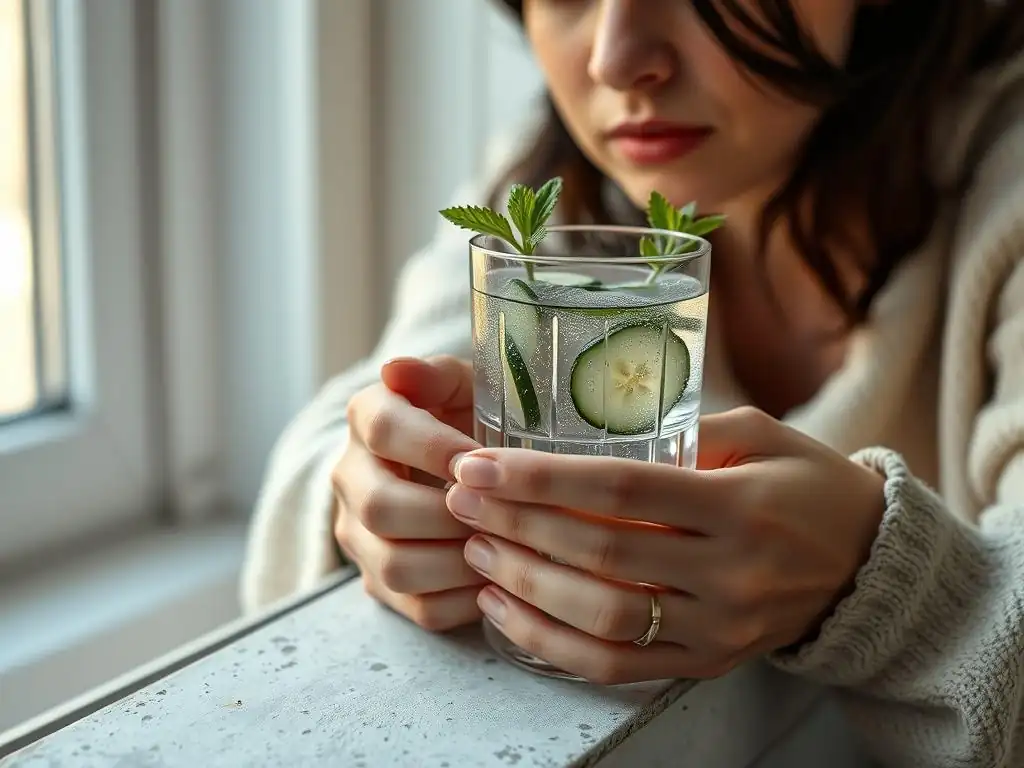
- Cucumber and mint
- Berries (strawberries, blueberries, raspberries)
- Ginger and lemon
- Orange and basil
Prepare a pitcher of infused water in the morning and keep it in the fridge. Using reusable water bottles or jugs and tracking your intake can also be helpful tools. Setting reminders on your phone or using hydration apps can provide gentle nudges throughout the day. Making hydration a conscious and enjoyable habit is crucial for consistent intake and leveraging water's potential to soothe the nervous system where dehydration causes anxiety symptoms.
Beyond Water: Other Hydrating Beverages for Mental Well-being

While plain water is the cornerstone of hydration, other beverages can contribute to your fluid intake and offer additional benefits, particularly for those managing anxiety. Choosing the right drinks can support hydration while providing calming effects or essential electrolytes that aid nerve function.
This section explores beneficial alternatives to plain water, focusing on options that can support both hydration and mental well-being, while also highlighting beverages to limit due to their potential dehydrating effects.
Herbal Teas for Anxiety Relief and Hydration
Many herbal teas are caffeine-free and offer hydrating properties along with therapeutic benefits that can help calm the mind. Drinking warm herbal tea can be a soothing ritual in itself, promoting relaxation.
Specific herbal teas known for their potential anxiety-reducing properties include:
- Chamomile: Contains apigenin, an antioxidant that may bind to certain receptors in the brain, reducing anxiety and promoting sleep.
- Peppermint: Can aid digestion, which is sometimes disrupted by anxiety, and has a refreshing, calming effect.
- Lemon Balm: Research suggests it may improve mood and cognitive performance and reduce stress and anxiety.
- Passionflower: May help alleviate insomnia and anxiety symptoms.
These teas contribute to your daily fluid intake while providing gentle support for the nervous system. Opt for pure herbal infusions without added sugars or artificial flavors. Making a habit of sipping on a calming herbal tea throughout the day can be a simple yet effective strategy for both hydration and anxiety management.
The Benefits of Electrolyte-Rich Drinks
Electrolytes are minerals like sodium, potassium, calcium, and magnesium that are crucial for maintaining fluid balance, nerve signaling, muscle function, and overall hydration. When you become dehydrated, especially through sweating or illness, you lose electrolytes along with water. Replenishing these is important for optimal function.
While most people get enough electrolytes from a balanced diet, certain situations, like intense exercise, prolonged heat exposure, or periods of increased stress/anxiety (which can sometimes increase sweating), might warrant electrolyte replenishment. Coconut water is a natural source of potassium and other electrolytes. Oral rehydration solutions or electrolyte-enhanced waters can also be considered, particularly if you experience significant fluid loss.
However, be wary of sugary sports drinks, which often contain excessive sugar and artificial ingredients. Focus on natural sources or products with minimal added sugar. Maintaining electrolyte balance supports proper nerve and muscle function, which can be disrupted by dehydration and contribute to physical anxiety symptoms.
Avoiding Dehydrating Beverages: Caffeine and Alcohol
Conversely, certain beverages can contribute to dehydration and should be consumed in moderation, especially if you are prone to anxiety or recognizing that dehydration causes anxiety symptoms in your case. Both caffeine and alcohol are diuretics, meaning they increase urine production and can lead to fluid loss.
- Caffeine: Found in coffee, tea (non-herbal), soda, and energy drinks. While a small amount might be fine for some, excessive caffeine intake can cause nervousness, jitters, increased heart rate, and disrupt sleep – all of which can mimic or worsen anxiety. For every caffeinated beverage consumed, it's a good practice to drink an equal amount of water to counteract the diuretic effect.
- Alcohol: Is a significant diuretic and also interferes with the body's ability to regulate fluid balance. The dehydration caused by alcohol is a major contributor to hangover symptoms, including headaches, fatigue, and nausea. For individuals with anxiety, alcohol can provide temporary relief but often leads to increased anxiety (sometimes called "hangxiety") as its effects wear off, partly due to its dehydrating impact and disruption of neurotransmitters.
Limiting or avoiding these beverages, particularly when feeling anxious or dehydrated, is an important step in supporting both hydration and mental well-being.
The Role of Hydration in Overall Mental Health
Beyond its direct link to anxiety symptoms, maintaining optimal hydration plays a broader role in supporting overall mental health and cognitive function. The brain, being largely composed of water and highly dependent on proper fluid balance, benefits significantly from consistent hydration. This section explores the wider impacts of hydration on mood, cognitive abilities, and its place within a comprehensive approach to managing mental health challenges.
Improved Mood and Cognitive Function Through Adequate Hydration
Research consistently shows that even mild dehydration can negatively impact mood and cognitive performance. Studies involving tasks assessing concentration, memory, and reaction time demonstrate impaired performance when individuals are even slightly dehydrated. Participants often report increased feelings of tension, fatigue, and confusion.
Conversely, ensuring adequate hydration is associated with improved mood states, enhanced focus, and better cognitive function. When the brain receives sufficient blood flow, oxygen, and nutrients – all facilitated by proper hydration – it can operate more efficiently. This means better executive function, improved decision-making, and a greater ability to regulate emotions and manage stress. Staying well-hydrated provides a stable foundation for optimal brain performance, which is crucial for navigating daily challenges and maintaining emotional resilience.
Reducing Physical Symptoms That Contribute to Anxiety
Many physical sensations commonly experienced during anxiety, such as headaches, dizziness, fatigue, and heart palpitations, can also be triggered or exacerbated by dehydration. By addressing dehydration through adequate fluid intake, individuals may find that the frequency or intensity of these physical symptoms decreases.
For example, a headache that feels like an anxiety symptom might actually be a dehydration headache. Drinking water can often alleviate this discomfort. Similarly, fatigue that makes coping with daily stressors harder could be partly due to insufficient fluid intake. Reducing these uncomfortable physical sensations removes potential triggers for anxiety and can help break the cycle where physical discomfort fuels anxious thoughts. Understanding that dehydration causes anxiety symptoms often involves recognizing and addressing these overlapping physical signs.
Hydration as Part of a Holistic Anxiety Management Plan
Hydration is not a standalone cure for anxiety disorders, but it is a fundamental component of a holistic approach to mental well-being. Just as adequate sleep, balanced nutrition, regular exercise, and stress-reduction techniques are vital, maintaining proper hydration supports the body and brain's ability to function optimally and manage stress.
Integrating consistent hydration into your daily routine complements other therapeutic strategies like therapy (e.g., CBT), mindfulness practices, or medication (if prescribed). It provides a physiological foundation that can enhance the effectiveness of these other interventions. Viewing hydration as a key pillar of self-care alongside other healthy habits empowers individuals to take proactive steps in managing their anxiety and improving their overall quality of life.
Addressing Underlying Health Conditions That Impact Hydration and Anxiety
While simple lack of fluid intake is a common cause of dehydration, certain underlying health conditions can affect fluid balance or mimic anxiety symptoms. For individuals managing these conditions, the interplay between their health, hydration status, and anxiety can be particularly complex. It is important to be aware of how chronic illnesses might influence hydration needs and how this, in turn, could impact mental health.
This section briefly touches upon how specific health conditions can influence hydration levels and potentially contribute to or exacerbate anxiety, emphasizing the importance of medical guidance.
Kidney Function and Fluid Balance
The kidneys play a vital role in regulating the body's fluid and electrolyte balance. They filter waste from the blood and produce urine, adjusting the amount of water excreted based on the body's needs. Impaired kidney function, whether due to chronic kidney disease or acute issues, can disrupt this delicate balance, leading to either fluid retention or excessive fluid and electrolyte loss (dehydration).
Individuals with kidney conditions need to carefully manage their fluid intake, often requiring specific guidelines from their doctor or a dietitian. Dehydration or electrolyte imbalances related to kidney dysfunction can cause symptoms like fatigue, confusion, and muscle cramps, which can overlap with or worsen anxiety. It's crucial for individuals with kidney issues to follow their medical provider's advice regarding fluid intake to prevent complications that could impact both physical and mental health.
Diabetes, particularly when blood sugar levels are not well-controlled, significantly impacts hydration. High blood sugar levels cause the kidneys to work harder to remove excess glucose. As glucose is filtered out, it pulls water with it, leading to increased urination and potentially rapid dehydration. This is known as osmotic diuresis.
Symptoms of high blood sugar and dehydration in diabetes can include increased thirst, frequent urination, fatigue, and dizziness – symptoms that can easily be mistaken for or trigger anxiety. Managing blood sugar effectively is the primary way to prevent dehydration in diabetes. However, individuals must also ensure adequate fluid intake, guided by their healthcare team, as fluid needs can fluctuate based on glucose control, activity, and other factors. The physical stress of poorly controlled diabetes and related dehydration can certainly be a factor in how dehydration causes anxiety symptoms in this population.
When to Consult a Doctor About Persistent Dehydration and Anxiety
While incorporating good hydration habits is beneficial for most people, there are times when persistent dehydration or anxiety symptoms warrant medical attention. If you are consistently experiencing symptoms of dehydration despite increasing your fluid intake, such as severe thirst, lack of urination, dizziness, or confusion, it could indicate an underlying medical issue requiring diagnosis and treatment.
Similarly, if your anxiety is severe, persistent, interfering with your daily life, or if you suspect your anxiety symptoms are linked to a medical condition or medication, it is essential to consult a healthcare professional. A doctor can help determine if your symptoms are primarily due to dehydration, anxiety, or an underlying health issue. They can provide appropriate treatment, offer personalized advice on fluid intake based on your health status, and develop a comprehensive plan to manage both your physical and mental health concerns. Don't hesitate to seek professional help if you are struggling.
Frequently Asked Questions
### Does dehydration really cause anxiety symptoms?
Yes, studies suggest a link. Dehydration can disrupt the body's natural processes and lead to increased cortisol levels, which in turn may trigger or worsen anxiety.
### How much water should I drink daily to potentially reduce anxiety?
General recommendations suggest aiming for around eight glasses of water a day. However, individual needs vary based on activity level, climate, and overall health, so adjust accordingly.
### What are some early warning signs of dehydration that might indicate increased anxiety risk?
Look out for symptoms like headaches, dizziness, fatigue, and dry mouth. These can be early indicators that dehydration is impacting your body and potentially exacerbating anxiety.
### Besides drinking water, are there other ways to stay hydrated to manage anxiety?
Yes, you can consume water-rich fruits and vegetables, like watermelon and cucumbers. Also, consider limiting caffeine and alcohol intake, as these can contribute to dehydration.
### If I'm already experiencing anxiety, will drinking more water immediately alleviate my symptoms?
While proper hydration can contribute to overall well-being, it's not a cure-all for anxiety. It is best used as a preventative measure or as part of a holistic approach to managing anxiety.
Final Reflection: The Ripple Effect of Hydration on Mental Well-being
The connection between dehydration and anxiety is not merely a correlation; it's a crucial link in understanding and managing our mental health. Ignoring this fundamental physiological need can have profound consequences, impacting not only our emotional stability but also our cognitive function and overall well-being. The pervasive nature of stress in modern life makes understanding this connection more vital than ever.
The more I researched the impact of proper hydration on mental clarity and emotional regulation, the more I realized how often we overlook this simple yet powerful tool. We are constantly bombarded with messages about complex solutions to anxiety, yet the answer, in part, might lie in something as basic as a glass of water. The body is a temple, but what good is a temple if the plumbing is clogged?
– This unsourced quote perfectly encapsulates the importance of attending to our basic physiological needs before tackling more complex mental health challenges.
You now have the knowledge; the power to make a change rests with you. Start today by consciously increasing your water intake. Pay attention to your body's signals – thirst, fatigue, irritability – and respond proactively. By prioritizing hydration, you are not just quenching thirst; you are investing in a calmer, clearer, and more resilient mind. Make this small shift, and witness the ripple effect of improved mental well-being in your life.
Unlock Your Calm: Dive Deeper into Hydration's Power
Thanks for taking the time to explore the fascinating connection between hydration and a calmer mind! You've just discovered a powerful tool for managing anxiety – and that's something to celebrate. Now, let's put this knowledge into action:
- Prioritize your water intake today. Start by setting a reminder on your phone or placing a water bottle strategically to ensure you're consistently sipping throughout the day. This is the key takeaway from our exploration.
- Track your progress and notice the difference. Keep a simple journal noting your water intake and how you feel mentally and physically. You might be surprised by the results!
- Share this article with someone who might benefit from learning about this powerful connection between hydration and mental well-being. Let's spread the word about this simple yet effective self-care practice.
Ready to experience the calming benefits of consistent hydration? What small change will you make today to prioritize your water intake?