
Gratitude Practices for Anxiety Relief: Calm Your Mind with Thanks


Welcome to Mind Care Guide, a safe space dedicated to nurturing your mental well-being. Feeling overwhelmed by anxiety? You're not alone. Discover how the simple act of gratitude journaling can be a powerful tool in reducing anxiety and fostering inner peace. Curious to learn more? Let's explore the science and practice of gratitude together, starting right here.
- Gratitude Practices for Anxiety Relief: Calm Your Mind with Thanks
- Understanding the Link Between Gratitude and Anxiety Reduction
- Effective Gratitude Practices to Minimize Anxiety
- Incorporating Gratitude into Your Daily Routine for Long-Term Anxiety Management
- Beyond Journaling: Alternative Gratitude Exercises for Anxiety Relief
- The Benefits of Consistent Gratitude Practice for Anxiety
- Seeking Professional Support for Anxiety: When Gratitude Isn't Enough
-
Frequently Asked Questions
- How does gratitude journaling specifically help reduce anxiety?
- How often should I practice gratitude journaling to see a noticeable reduction in anxiety?
- What are some effective prompts to use in a gratitude journal if I'm struggling to find things to be thankful for?
- Is gratitude journaling a replacement for professional mental health treatment for anxiety?
- Can gratitude practices other than journaling also help with anxiety?
- Final Reflection: Cultivating Calm Through Gratitude
- Unlock Your Inner Calm: Start Practicing Gratitude Today!
Gratitude Practices for Anxiety Relief: Calm Your Mind with Thanks
Anxiety is a pervasive challenge for many, often manifesting as excessive worry, restlessness, and physical symptoms. While various strategies exist to manage anxiety, cultivating gratitude has emerged as a powerful, accessible tool. This practice involves intentionally focusing on the good things in your life, no matter how small, and acknowledging them with thankfulness. Engaging in gratitude can shift your perspective, interrupting the cycle of anxious thoughts and fostering a greater sense of peace and well-being. It's not about ignoring difficulties, but rather about creating balance by acknowledging the positive alongside the negative.
Integrating gratitude into your daily life offers a pathway to soothe an overactive mind. By consciously directing your attention towards what you appreciate, you train your brain to notice and value positive experiences. This mental shift can help to counteract the brain's natural negativity bias, which often magnifies worries and threats. Consistent gratitude practice can build emotional resilience, equipping you better to navigate stressful situations and reduce the intensity and frequency of anxious feelings. Exploring different gratitude techniques allows you to find methods that resonate most deeply with you, creating a sustainable path toward a calmer mind.
Understanding the Link Between Gratitude and Anxiety Reduction
How Gratitude Impacts Mental Well-being: A Scientific Perspective
Research into the psychological and neurological effects of gratitude offers compelling evidence of its benefits for mental health. Studies suggest that regularly practicing gratitude can lead to measurable changes in brain activity. For example, neuroimaging studies have shown that feeling grateful activates areas of the brain associated with reward, social bonding, and stress reduction, such as the medial prefrontal cortex. This activation pattern is distinct from the brain states often observed during periods of anxiety or depression, suggesting a potential counter-effect.
Furthermore, the practice of gratitude is linked to the regulation of stress hormones like cortisol. High levels of cortisol are often associated with chronic stress and anxiety. By promoting a sense of calm and positive emotion, gratitude may help lower cortisol levels, contributing to a more relaxed physiological state. This biochemical effect, coupled with the psychological shift in perspective, underscores why cultivating thankfulness is often recommended as a complementary strategy for managing anxiety symptoms. It's a practice that engages both mind and body in the pursuit of greater well-being.
Anxiety's Grip: Recognizing the Symptoms and Triggers
Anxiety can manifest in a multitude of ways, affecting individuals differently. Common psychological symptoms include persistent worrying, feeling restless or on edge, difficulty concentrating, and irritability. Physically, anxiety might present as a racing heart, sweating, trembling, shortness of breath, muscle tension, or digestive issues. These symptoms can range from mild to severe and significantly impact daily functioning, work, relationships, and overall quality of life.
Triggers for anxiety are highly personal and varied. They can include specific situations like public speaking or social events, environmental factors like noise or crowds, personal stressors such as financial difficulties or relationship problems, or even internal factors like negative self-talk or perfectionism. Identifying your specific anxiety triggers is a crucial first step in managing the condition. Understanding what sparks your anxiety allows you to develop targeted coping strategies, including integrating practices like gratitude to build resilience against these triggers.
The Power of Positive Thinking: Reframing Anxious Thoughts with Gratitude
Anxiety often involves a cycle of negative and catastrophic thinking. The mind tends to focus on potential threats, worst-case scenarios, and perceived failures. Gratitude acts as a powerful antidote by intentionally redirecting attention towards the positive aspects of life, effectively reframing these anxious thought patterns. Instead of dwelling on worries, you consciously choose to acknowledge moments of joy, support received, or personal strengths.
This reframing isn't about ignoring problems, but about creating a more balanced perspective. For instance, if you're anxious about a presentation, gratitude might involve appreciating the opportunity to share your ideas, the support from a colleague, or the skills you've developed. This shift helps to dilute the intensity of negative thoughts and replace them with more constructive and calming ones. Over time, this practice trains the brain to more readily identify and focus on the positive, weakening the grip of anxiety.
Effective Gratitude Practices to Minimize Anxiety
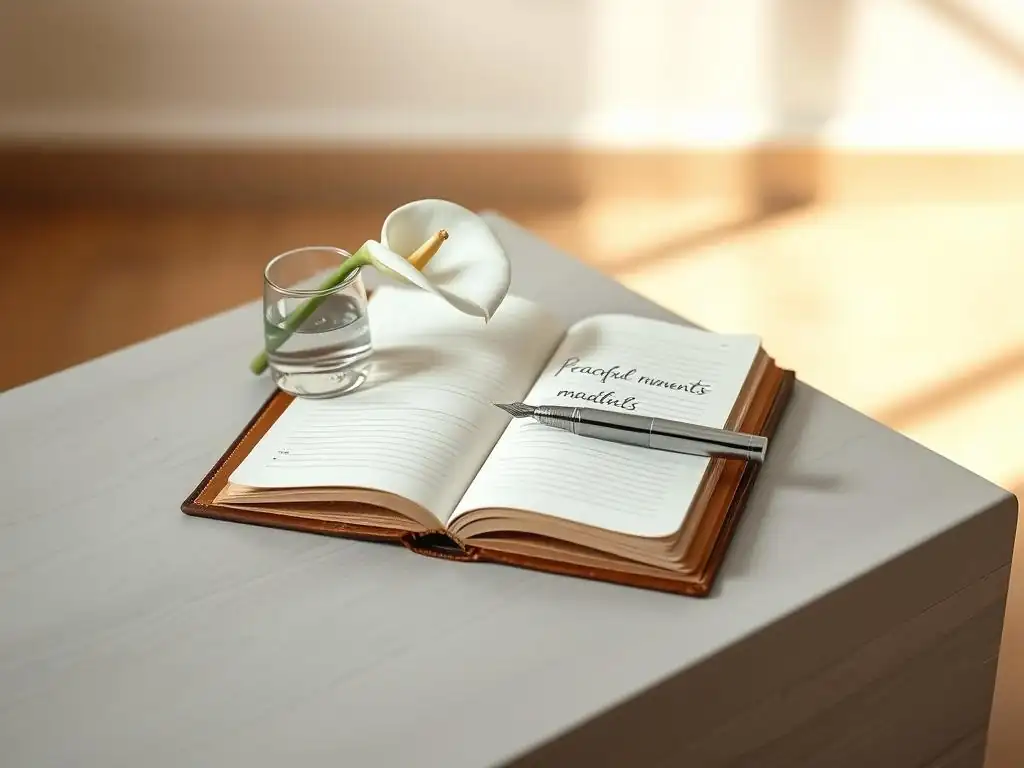
Gratitude Journaling Reduces Anxiety: A Step-by-Step Guide
One of the most widely recommended and effective methods for cultivating thankfulness is gratitude journaling. The act of writing down things you are grateful for provides a tangible record of the positives in your life, reinforcing the practice and making it a mindful activity. Numerous personal accounts and some research suggest that consistent gratitude journaling reduces anxiety by providing a structured way to focus on positive experiences and shift perspective away from worries.
To begin gratitude journaling for anxiety relief, find a quiet time each day – perhaps in the morning to set a positive tone or before bed to reflect on the day. Start by simply listing a few things you are genuinely thankful for. These can be significant events or small, simple pleasures. The key is consistency. Even dedicating just five minutes a day to this practice can yield noticeable benefits in reducing anxious feelings over time. Using a gratitude journal helps reduce anxiety by creating a dedicated space for positive reflection.
Choosing the Right Journal for Anxiety Relief
Selecting the right journal is a personal choice, but consider what might make the practice most appealing and sustainable for you. It doesn't need to be fancy; a simple notebook or even a digital document works perfectly. Some people prefer a physical journal as the act of writing by hand can be more tactile and mindful. Look for a journal that feels comfortable to write in and perhaps has a design that you find calming or inspiring.
Consider the format as well. Some journals are blank, allowing complete freedom, while others have prompts or sections for different types of gratitude. For anxiety relief, a journal specifically designed with prompts or space for reflection on feelings might be helpful. The goal is to create a tool you look forward to using, making the process of using a gratitude journal for anxiety a positive and consistent habit.
Daily Gratitude Prompts for Anxiety Management
Using prompts can be incredibly helpful, especially when starting out or when feeling stuck. They can guide your reflection and encourage you to look for gratitude in different areas of your life. Here are a few examples of daily gratitude prompts suitable for anxiety management:
- What is one small moment of peace or joy you experienced today?
- Who is someone you are grateful for and why?
- What is something beautiful you noticed today?
- What is one skill or strength you are thankful to possess?
- What is something challenging that you learned from today?
- What is one simple pleasure you enjoyed today (e.g., a warm drink, comfortable clothes)?
These prompts help to broaden your perspective and find gratitude beyond the obvious, reinforcing how gratitude journaling reduces anxiety by shifting focus from potential threats to present blessings.
Overcoming Writer's Block: Finding Things to Be Thankful For
Sometimes, especially when feeling anxious or stressed, it can be difficult to think of things to write in your gratitude journal. This is normal. Don't pressure yourself to find profound or groundbreaking things to be grateful for. Start small. Are you grateful for the roof over your head, a warm blanket, a pet's affection, the taste of your morning coffee, or simply having clean water?
If you're truly struggling, look for the absence of negative things. Are you grateful you didn't catch a cold? Grateful for a moment of quiet? Grateful that a difficult task is over? You can also think about people who have helped you, lessons you've learned, or even just the ability to breathe. The key is to keep the practice going, even when it feels challenging. Remember, using a gratitude journal helps reduce anxiety most effectively when done consistently, even on difficult days.
Gratitude Meditations for Calmness: A Guided Approach
Gratitude meditation combines the principles of mindfulness and thankfulness to cultivate a state of calm and appreciation. This practice involves focusing your attention on feelings of gratitude during meditation, allowing these feelings to wash over you. It can be a powerful way to interrupt the anxious chatter of the mind and ground yourself in the present moment with a sense of peace.
A simple gratitude meditation can start with finding a comfortable seated position. Close your eyes and take a few deep breaths to relax. Then, bring to mind something or someone you are genuinely grateful for. Allow the feeling of gratitude to arise. Notice where you feel it in your body. Gently hold this feeling in your awareness for several minutes, returning your focus to the feeling of gratitude whenever your mind wanders. This guided approach helps direct your attention away from anxious thoughts and towards positive emotions.
Breathing Techniques to Enhance Gratitude Meditation
Incorporating specific breathing techniques can deepen your gratitude meditation and enhance its anxiety-reducing effects. Slow, deliberate breathing helps to calm the nervous system, creating a more receptive state for cultivating feelings of thankfulness. Techniques like diaphragmatic breathing (belly breathing) or box breathing (inhaling, holding, exhaling, holding, each for a count of four) are particularly useful.
Before beginning your gratitude focus, spend a few minutes practicing one of these calming breathing techniques. As you breathe, imagine releasing tension and worry with each exhale and bringing in a sense of peace and gratitude with each inhale. Integrating breathwork prepares your mind and body, making the gratitude meditation more effective in promoting calmness and reducing anxiety.
Visualizing Gratitude: A Powerful Anxiety Relief Tool
Visualization is a potent tool within gratitude meditation. Once you have identified something or someone you are grateful for, spend time vividly visualizing it. If you are grateful for a person, picture their face, remember a specific positive interaction, and imagine expressing your thanks to them. If you are grateful for a place, visualize being there, noticing the details, and feeling the sense of peace it brings.
Engaging your senses in the visualization makes the feeling of gratitude more real and impactful. This practice actively redirects your mental energy away from anxious preoccupations and towards positive, calming imagery and feelings. Visualizing gratitude can serve as a mini-escape from worry, offering immediate relief and reinforcing a positive mindset.
Expressing Gratitude to Others: Strengthening Connections and Reducing Anxiety
Gratitude doesn't have to be a solitary practice. Expressing your thankfulness to others not only strengthens your relationships but also provides a significant boost to your own mental well-being, contributing to reduced anxiety. Sharing appreciation creates a positive feedback loop, making both the giver and the receiver feel better.
This can be done in various ways, from a simple verbal "thank you" to a thoughtful written note. Acknowledging the positive impact others have had on your life fosters a sense of connection and belonging, which are protective factors against anxiety and isolation. Actively looking for opportunities to express gratitude encourages you to notice the good in your interactions and environment.
The Ripple Effect of Gratitude: Improving Relationships and Well-being
Expressing gratitude creates a positive ripple effect. When you thank someone, they feel valued and appreciated, which can improve their mood and strengthen the bond between you. This positive interaction can then inspire them to express gratitude to others, spreading positivity. For the person expressing gratitude, the act itself reinforces their focus on positive aspects of their relationships, leading to increased feelings of happiness and reduced stress.
Consider a workplace example: a simple email thanking a colleague for their help on a project can improve collaboration and morale. In personal relationships, expressing gratitude for a partner's support or a friend's listening ear deepens intimacy and trust. These strengthened connections provide a support system that is invaluable when navigating feelings of anxiety.
Writing Thank You Notes: A Simple Yet Effective Gratitude Practice
In a world of quick digital communication, the act of writing a physical thank you note stands out as a particularly meaningful way to express gratitude. It shows effort and thoughtfulness. The process of writing itself can be a mindful activity, allowing you to reflect on why you are thankful for that specific person or action.
Choose a nice card or piece of paper. Take a moment to think specifically about what you are grateful for. Write clearly and sincerely. This practice serves a dual purpose: it makes the recipient feel appreciated, and the act of writing and focusing on the positive reinforces feelings of gratitude within yourself, contributing to a calmer state of mind. Even if you don't send it, the act of writing can be beneficial.
Incorporating Gratitude into Your Daily Routine for Long-Term Anxiety Management
Making gratitude a consistent part of your daily life is key to unlocking its full potential for long-term anxiety management. Sporadic practice offers temporary relief, but weaving thankfulness into the fabric of your routine builds resilience and fosters a more enduring sense of calm. It requires intentionality and commitment, much like any other form of self-care.
Think about how you can integrate small moments of gratitude throughout your day. This could be a simple mental note as you sip your morning coffee, a brief reflection during your commute, or a family practice at dinner. The goal is to make gratitude a natural response, not just a scheduled task, allowing its benefits to consistently counteract anxious tendencies.
Creating a Gratitude Ritual: Setting Intentions Each Morning
Starting your day with a gratitude ritual can set a positive tone and help you approach potential stressors with a more grounded perspective. This doesn't need to be elaborate. It could be as simple as spending two minutes listing three things you are grateful for before getting out of bed, or combining it with your morning coffee or tea.
For example, you might sit quietly for a few moments, breathe deeply, and bring to mind three things you appreciate about the coming day or the life you have. This intentional focus can help shift your mindset from potential worries to present opportunities and blessings. Establishing this small ritual can significantly influence how you perceive and react to challenges throughout the day, subtly reducing the impact of anxiety.
Gratitude and Mindfulness: Living in the Present Moment to Reduce Anxiety
Gratitude and mindfulness are deeply interconnected practices that mutually enhance their anxiety-reducing effects. Mindfulness involves paying attention to the present moment without judgment, while gratitude involves appreciating the positive aspects of that present moment (or past experiences). Both practices draw your focus away from worrying about the future or dwelling on the past, common sources of anxiety.
When you mindfully engage with your surroundings – noticing the warmth of the sun, the taste of food, the sound of rain – you create opportunities to find gratitude in these simple sensory experiences. Combining mindfulness with gratitude allows you to fully appreciate the small, positive details of your daily life, anchoring you in the present and reducing the mental space available for anxious thoughts to take root.
Overcoming Challenges: Maintaining a Gratitude Practice During Difficult Times
It can be particularly challenging to feel grateful when you are facing significant difficulties or heightened anxiety. During these times, it's important to adjust your expectations and be gentle with yourself. Your gratitude practice might look different than it does when things are going smoothly.
Focus on finding gratitude in the smallest things – a moment of relief, an act of kindness from someone else, your own resilience, or simply the fact that you are getting through it. It's okay if you can only think of one thing, or if your list feels trivial. The act of trying to find something positive, even amidst struggle, is itself a powerful way to build resilience and prevent anxiety from becoming overwhelming. Remember, the goal isn't to ignore pain, but to find pockets of light.
Beyond Journaling: Alternative Gratitude Exercises for Anxiety Relief
While gratitude journaling reduces anxiety effectively for many, it's just one method. Exploring alternative gratitude exercises can keep the practice fresh and help you find what resonates best with your personality and lifestyle. Different approaches can engage different senses or social aspects, offering varied pathways to cultivating thankfulness and calming an anxious mind.
These alternative practices can be integrated into different parts of your day and require minimal resources. They emphasize experiencing gratitude in the moment or reflecting on it in a less structured way than traditional writing. Finding the right mix of practices can create a robust gratitude toolkit for managing anxiety.
Gratitude Walks: Connecting with Nature and Appreciating the Small Things
A gratitude walk combines physical movement, mindfulness, and thankfulness. As you walk, intentionally focus on the things around you that you can appreciate. This could be the beauty of nature – the colors of leaves, the shape of clouds, the scent of flowers – or aspects of your environment – the architecture of buildings, the sound of distant laughter, the feeling of pavement under your feet.
This practice encourages you to slow down, observe your surroundings with curiosity, and find moments of beauty or interest that might otherwise go unnoticed. By actively looking for things to appreciate during your walk, you distract your mind from anxious thoughts and connect with the present moment and the world around you in a positive way.
Gratitude Jar: Collecting Moments of Joy and Thankfulness
A gratitude jar is a simple, visual way to collect and revisit moments of thankfulness. Find a jar or container and some small slips of paper. Whenever something happens, big or small, that you are grateful for, write it down on a slip of paper and put it in the jar.
Over time, the jar will fill up with positive memories and experiences. On days when you are feeling particularly anxious or down, you can reach into the jar and pull out a few slips to remind yourself of the good things in your life. This tangible collection serves as a powerful reminder that even amidst challenges, there are always things to be thankful for, offering perspective and comfort.
The "Three Good Things" Exercise: Identifying Daily Positives
The "Three Good Things" exercise is a popular and scientifically supported gratitude practice. At the end of each day, take a few minutes to write down or mentally note three things that went well or that you felt grateful for. Crucially, for each item, also write down why it happened or what it means to you.
For example, instead of just writing "Had coffee with a friend," you might write, "Had coffee with my friend Sarah today (Good Thing). This happened because we scheduled it last week, and it means I have supportive people in my life who make time for me (Why it happened/What it means)." This added reflection deepens the impact of the practice, helping you to savor positive experiences and understand their significance, which can effectively reduce anxiety by counteracting negative rumination.
The Benefits of Consistent Gratitude Practice for Anxiety
Engaging in gratitude practices, including using a gratitude journal to reduce anxiety, offers a wide array of benefits that extend beyond simply feeling momentarily better. Consistency is the key that unlocks these deeper, more enduring positive changes. Over time, regular thankfulness reshapes your perspective, enhances your emotional regulation, and strengthens your resilience against the stresses that contribute to anxiety.
These benefits build upon each other, creating a positive cycle. As you feel less anxious, you may find it easier to notice things to be grateful for, which in turn further reduces anxiety. This cumulative effect underscores the power of making gratitude a cornerstone of your mental wellness routine.
Long-Term Anxiety Reduction Through Gratitude
Numerous studies and personal accounts highlight the long-term impact of consistent gratitude practice on anxiety levels. While the effects may not be immediate, individuals who regularly engage in gratitude journaling, meditation, or other exercises often report a significant decrease in the frequency and intensity of their anxious feelings over months. Some research indicates that consistent practice over several weeks can lead to measurable reductions in generalized anxiety symptoms.
This long-term reduction is attributed to the cumulative effect of rewiring the brain towards a more positive and resilient outlook. By consistently focusing on the good, you train your mind to be less reactive to potential threats and worries, gradually diminishing the grip of anxiety. The practice helps build a mental reservoir of positivity to draw upon during challenging times.
Improved Mood and Increased Resilience with Gratitude
Beyond directly reducing anxiety, consistent gratitude practice is strongly linked to an overall improvement in mood and increased emotional resilience. Regularly acknowledging positive aspects of life can combat feelings of sadness, frustration, and negativity, fostering a more optimistic outlook. This improved mood acts as a buffer against stressors that might otherwise trigger anxiety.
Resilience, the ability to bounce back from adversity, is also significantly enhanced by gratitude. When you appreciate the strengths you possess, the support you receive, and the lessons you've learned, you are better equipped to face challenges without being overwhelmed by anxiety. Gratitude helps you recognize your capacity to cope and find positive aspects even in difficult situations, making you more robust against life's inevitable stresses.
Better Sleep and Reduced Stress Levels Through Gratitude Exercises
Anxiety and stress often disrupt sleep patterns, creating a vicious cycle where lack of sleep exacerbates anxious feelings. Gratitude practices can help break this cycle. Taking time before bed to reflect on things you are grateful for can calm the mind, reduce rumination, and prepare your body for rest. Using a gratitude journal reduces anxiety before sleep, making it easier to drift off.
Studies have shown that individuals who practice gratitude report better sleep quality and duration. Furthermore, the stress-reducing effects of gratitude, as mentioned earlier regarding cortisol levels, directly contribute to a calmer state conducive to sleep. By lowering overall stress and anxiety, gratitude helps create a more relaxed physiological and psychological state, paving the way for more restful sleep.
Seeking Professional Support for Anxiety: When Gratitude Isn't Enough
While gratitude practices are powerful tools for managing anxiety and promoting well-being, it's crucial to recognize that they are complementary strategies, not a substitute for professional mental health care when needed. For many individuals, anxiety is a complex condition that requires the guidance and support of trained professionals.
Understanding the signs that indicate a need for professional help is vital. Combining therapeutic interventions with self-care practices like gratitude often provides the most comprehensive and effective approach to managing anxiety, particularly for moderate to severe cases.
Recognizing the Signs of Severe Anxiety
It's important to be able to distinguish between everyday worries and anxiety that warrants professional attention. Signs of severe anxiety might include:
- Anxiety that is persistent, excessive, and difficult to control.
- Anxiety that significantly interferes with daily life, work, or relationships.
- Physical symptoms that are intense and debilitating (e.g., panic attacks).
- Avoidance behaviors that limit your activities or social interactions.
- Thoughts of self-harm or hopelessness.
If you experience these or other distressing symptoms that feel overwhelming or unmanageable despite self-help efforts, it is a clear indication that seeking professional help is necessary.
Therapies and Treatments for Anxiety Disorders
A range of effective therapies and treatments are available for anxiety disorders. Cognitive Behavioral Therapy (CBT) is widely recognized as a highly effective approach, helping individuals identify and challenge negative thought patterns and develop coping mechanisms. Exposure therapy is another evidence-based treatment for specific phobias and social anxiety.
Other therapeutic modalities like Acceptance and Commitment Therapy (ACT) or Dialectical Behavior Therapy (DBT) can also be beneficial. In some cases, medication may be prescribed by a psychiatrist or doctor to help manage severe symptoms, often in conjunction with therapy. A mental health professional can assess your specific needs and recommend the most appropriate course of treatment.
Combining Gratitude Practices with Professional Mental Health Care
For individuals receiving professional treatment for anxiety, incorporating gratitude practices can be a valuable adjunct. Therapy provides the foundational strategies and support needed to address the root causes and severe manifestations of anxiety, while practices like using a gratitude journal reduces anxiety symptoms and enhances overall emotional resilience on a daily basis.
Your therapist might even suggest integrating gratitude into your treatment plan, perhaps recommending journaling or mindful appreciation as homework exercises. This combined approach leverages the power of both clinical expertise and personal self-care, offering a more holistic and potentially more effective path towards managing anxiety and cultivating lasting mental well-being.
Frequently Asked Questions
How does gratitude journaling specifically help reduce anxiety?
Gratitude journaling helps reduce anxiety by shifting your focus away from negative thoughts and worries and towards positive aspects of your life. This shift can lead to increased feelings of happiness and contentment.
How often should I practice gratitude journaling to see a noticeable reduction in anxiety?
While individual results may vary, a consistent practice of at least 3 times a week is often recommended to experience the anxiety-reducing benefits of gratitude journaling. Regularity is key to retraining your brain.
What are some effective prompts to use in a gratitude journal if I'm struggling to find things to be thankful for?
Try prompts like "What am I grateful for today?", "Who are the people in my life I appreciate?", or "What is a small victory I experienced recently?". Focusing on specific details can help you identify more things to be grateful for.
Is gratitude journaling a replacement for professional mental health treatment for anxiety?
No, gratitude journaling is a complementary practice, not a replacement. It can be a valuable tool for managing anxiety, but professional help is crucial for more severe or persistent anxiety disorders.
Can gratitude practices other than journaling also help with anxiety?
Yes, other gratitude practices, such as expressing gratitude verbally, writing thank-you notes, or simply reflecting on positive moments, can also contribute to reduced anxiety levels and improved overall well-being.
Final Reflection: Cultivating Calm Through Gratitude
The practice of gratitude journaling isn't just a fleeting trend; it's a powerful tool readily available to combat the pervasive anxiety of modern life. In a world saturated with negativity and uncertainty, consciously focusing on what we appreciate offers a tangible pathway to a calmer, more resilient self. The research presented clearly demonstrates the tangible link between expressing gratitude and experiencing reduced anxiety levels, offering a practical and accessible solution to a widespread problem.
The impact of gratitude extends far beyond individual well-being; it ripples outwards, influencing our relationships and shaping our perception of the world. By shifting our focus from what's lacking to what we possess, we cultivate a more positive and compassionate outlook. This resonates deeply with my own experience; incorporating gratitude into my daily routine has not only lessened my personal anxiety but also fostered stronger connections with those around me. Gratitude unlocks the fullness of life. It turns what we have into enough, and more. It turns denial into acceptance, chaos to order, confusion to clarity.
- Melody Beattie. This quote perfectly encapsulates the transformative power of a gratitude practice.
Now, I invite you to consider how you can integrate gratitude into your own life. Start small – perhaps with a single sentence each night before bed, detailing something you are thankful for. As you consistently nurture this practice, you'll witness its profound impact on your mental and emotional well-being. Don't underestimate the power of this simple yet potent tool; it's a journey of self-discovery and a path towards a more peaceful and fulfilling existence. Begin your journey towards calmer mind today.
Unlock Your Inner Calm: Start Practicing Gratitude Today!
Thanks for taking the time to explore the power of gratitude in managing anxiety! We hope you found valuable insights into how appreciating the little things can significantly impact your well-being. Now, let's put that knowledge into action.
Here are a few ways to weave gratitude into your daily life:
- Start a Gratitude Journal: This is your key to unlocking inner peace. Write down three things you're grateful for each day, no matter how small.
- Share the Thanks: Tell someone you appreciate them. A simple "thank you" can brighten both your day and theirs.
- Create a Gratitude Jar: Throughout the week, write down things you're thankful for on small pieces of paper and add them to a jar. On the weekend, read through them to experience a powerful boost of positivity.
What small act of gratitude will you prioritize today to cultivate more calm in your life?