
The Healing Touch: Bodywork and Massage in Holistic Mental Care


Welcome to Mind Care Guide, a sanctuary for your mental well-being.
Feeling overwhelmed or disconnected? You're not alone. Discover the profound connection between your mind and body as we delve into the powerful potential of bodywork massage mental health support. Could a simple touch truly unlock emotional healing and lasting relief? Let's explore this fascinating path together and uncover how integrating bodywork can revolutionize your self-care journey.
The Healing Touch: Bodywork and Massage in Holistic Mental Care
- Introduction: Bodywork and Mental Well-being - A Mind-Body Connection
- Understanding Bodywork and Massage Therapies for Mental Health
- The Science Behind Bodywork and Mental Health: How It Works
-
Benefits of Bodywork and Massage for Specific Mental Health Challenges
- Bodywork for Anxiety: Calming the Nervous System
- Massage Therapy for Depression: Boosting Mood and Energy Levels
- Bodywork as Support for Trauma Recovery: Releasing Held Trauma in the Body
- Bodywork for Stress Management: Promoting Relaxation and Resilience
- Bodywork for PTSD: Facilitating Grounding and Body Awareness
- Integrating Bodywork and Massage into a Holistic Mental Health Plan
- Bodywork and Self-Care: Techniques to Practice at Home
- Real-Life Examples: Bodywork and Massage Success Stories in Mental Health
- Conclusion: Embracing the Power of Touch for Mental Wellness
-
Frequently Asked Questions
- What is the connection between bodywork massage and mental health support?
- How does bodywork massage differ from typical relaxation massages when used for mental health?
- What types of bodywork massage are most commonly used to support mental well-being?
- Where can I find qualified bodywork massage therapists specializing in mental health support?
- Are there any risks or contraindications associated with bodywork massage for mental health?
- Final Reflection: The Untapped Potential of Touch in Mental Wellness
- Unleash Your Inner Calm: Take the Next Step Towards Wellbeing
Introduction: Bodywork and Mental Well-being - A Mind-Body Connection
Exploring the Link Between Physical Touch and Emotional Health
The connection between our physical body and our emotional state is profound and undeniable. From the comforting embrace of a loved one to the tension we hold in our shoulders during stress, our physical form is intimately involved in our emotional experience. This mind-body connection is fundamental to understanding how physical interventions, particularly therapeutic touch like bodywork and massage, can offer significant mental health support. Physical sensations directly influence brain activity and neurochemical release, impacting mood, stress levels, and even how we process emotions and memories.
Research spanning decades has consistently shown that touch receptors in the skin send signals to the brain that can influence mood and reduce stress responses. For instance, studies involving gentle touch have demonstrated activation in areas of the brain associated with reward and emotion regulation. This biological pathway provides a compelling reason why physical therapies like bodywork and massage can be more than just physically relaxing; they can be powerful tools for emotional and mental well-being, providing a tangible form of bodywork massage mental health support.
Why Consider Bodywork and Massage for Mental Health Support?
Many traditional approaches to mental health focus primarily on cognitive and pharmaceutical interventions. While invaluable, these methods often overlook the body's role in storing and expressing emotional and psychological states. Bodywork and massage therapies offer a complementary pathway, addressing physical manifestations of distress such as chronic tension, pain, and restricted movement, which are frequently linked to conditions like anxiety, depression, and trauma. By working directly with the body, these practices can help release physical holding patterns associated with emotional burdens.
Considering bodywork massage for mental health support provides an avenue for individuals to connect with their physical selves in a safe and therapeutic environment. This can be particularly beneficial for those who feel disconnected from their bodies due to trauma or chronic stress. Unlike purely verbal therapies, bodywork engages the somatic experience, offering a non-verbal way to process feelings and build body awareness. It provides a holistic layer of care that acknowledges the integrated nature of human experience, offering a unique form of support for mental well-being.
Understanding Bodywork and Massage Therapies for Mental Health
Defining Bodywork: More Than Just Relaxation
Bodywork is an umbrella term encompassing various therapeutic techniques that involve manipulating the body's soft tissues, including muscles, connective tissue, tendons, and ligaments. While often associated with relaxation, bodywork goes deeper, aiming to improve posture, flexibility, range of motion, and address chronic pain. Crucially, many bodywork modalities also focus on the energetic and emotional aspects held within the physical structure, recognizing that physical tension can be a manifestation of psychological stress or trauma.
Unlike a simple spa massage focused solely on superficial relaxation, therapeutic bodywork often involves assessment and targeted techniques to address specific physical imbalances or areas of chronic holding. Practitioners use a range of methods, from sustained pressure and stretching to subtle energetic work. The goal is not just temporary relief but often a lasting change in physical function and a release of underlying physical and emotional patterns, making it a potent form of bodywork massage mental health support.
Types of Bodywork and Massage Relevant to Mental Health
There are numerous types of bodywork and massage that can offer valuable mental health support. Each modality has a slightly different focus and technique, making it important to consider which might be most beneficial for an individual's specific needs and preferences. Exploring these options is key to integrating bodywork massage into a comprehensive mental health strategy.
Swedish Massage for Stress Reduction and Anxiety Relief
Swedish massage is perhaps the most widely known type of massage therapy and is excellent for general relaxation and reducing stress and anxiety. It typically involves long, flowing strokes, kneading, circular movements, vibration, and tapping. The primary goal is to promote relaxation throughout the body, improve circulation, and ease muscle tension.
This gentle approach helps activate the parasympathetic nervous system, often referred to as the "rest and digest" system, counteracting the "fight or flight" response associated with stress and anxiety. Many individuals report feeling significantly calmer and less anxious after a Swedish massage session, finding it a straightforward yet effective way to receive bodywork massage mental health support. The rhythmic strokes and focused attention can also create a sense of safety and grounding.
Deep Tissue Massage for Releasing Tension and Trauma
Deep tissue massage targets the deeper layers of muscle and connective tissue. It uses slower, more forceful strokes or friction applied across the grain of the muscle. This type of massage is often used for chronic aches and pain, stiff necks, tight shoulders, and lower back pain, which can all be exacerbated by or contribute to mental stress and emotional holding.
By releasing chronic muscle tension and adhesions (knots), deep tissue massage can help alleviate physical discomfort that contributes to irritability, fatigue, and poor mood. Furthermore, the body often stores emotional or trauma-related tension in deep tissue layers. Releasing this physical holding through deep tissue work can sometimes facilitate the release of associated emotional energy, offering a powerful, albeit sometimes intense, form of bodywork massage mental health support.
Shiatsu and Acupressure: Energy Flow and Emotional Balance
Shiatsu, a Japanese form of bodywork, and Acupressure, rooted in Traditional Chinese Medicine, both work along the body's energy pathways, known as meridians. Practitioners use fingers, thumbs, and palms to apply pressure to specific points on the body, similar to acupuncture but without needles. The theory is that blockages or imbalances in energy flow (Qi) can lead to physical and emotional distress.
By stimulating these points, Shiatsu and Acupressure aim to restore the smooth flow of energy, promoting balance and harmony within the body. Many people find these modalities helpful for reducing stress, improving sleep, and alleviating symptoms associated with anxiety and depression. The focus on energy flow and specific pressure points offers a unique energetic approach to bodywork massage mental health support.
Craniosacral Therapy: Addressing the Nervous System and Emotional Regulation
Craniosacral Therapy (CST) is a gentle, hands-on method of evaluating and enhancing the functioning of the craniosacral system – comprised of the membranes and cerebrospinal fluid that surround and protect the brain and spinal cord. Practitioners use a very light touch to release restrictions in the craniosacral system, which can affect the central nervous system.
Because the central nervous system plays a crucial role in regulating mood, stress responses, and emotional processing, CST can be particularly beneficial for mental health. Releasing tensions in this system can help calm the nervous system, reduce the physiological effects of stress, and support the body's natural ability to heal and regulate itself. Many individuals report feeling a deep sense of calm, improved emotional regulation, and even the release of stored trauma during and after CST sessions, highlighting its potential as bodywork massage mental health support.
Myofascial Release: Addressing Chronic Pain and Emotional Holding Patterns
Myofascial Release is a manual therapy technique used to treat chronic pain and restricted movement by releasing tightness and stiffness in the myofascial tissues. Myofascia are the tough membranes that wrap, connect, and support muscles. Trauma, injury, or chronic poor posture can cause restrictions in the fascia, leading to pain, limited mobility, and a sense of being "stuck" physically and sometimes emotionally.
By applying sustained pressure and gentle stretching to the fascia, practitioners aim to release these restrictions. Since emotional tension and trauma can also be stored in the fascial system, releasing these physical restrictions can sometimes lead to emotional releases as well. This modality offers a way to address the physical discomfort that often accompanies mental health challenges while also potentially unlocking deeper emotional holding patterns, providing a powerful form of bodywork massage mental health support.
The Science Behind Bodywork and Mental Health: How It Works
Neurobiological Effects: The Role of Endorphins, Oxytocin, and Cortisol
The positive effects of bodywork and massage on mental health are supported by observable changes in neurochemistry. Therapeutic touch stimulates the release of endorphins, the body's natural painkillers and mood elevators, which can induce feelings of euphoria and well-being, similar to the effects of exercise. A 2005 study, for instance, found that massage therapy increased dopamine and serotonin levels by approximately 30%, neurotransmitters crucial for regulating mood, sleep, and appetite, which are often dysregulated in depression.
Furthermore, bodywork can significantly impact stress hormones. Studies have shown that regular massage can lead to a reduction in cortisol levels, sometimes by 20-50%. Cortisol is a primary stress hormone, and chronically elevated levels are linked to anxiety, depression, and other health problems. Simultaneously, massage can increase levels of oxytocin, often called the "bonding hormone," which promotes feelings of trust, connection, and relaxation, further contributing to its efficacy as bodywork massage mental health support.
Vagus Nerve Stimulation: Connecting the Body and Brain for Mental Health
The vagus nerve is the longest cranial nerve, extending from the brainstem down through the neck, chest, and abdomen, connecting the brain to many major organs. It plays a critical role in regulating the body's involuntary functions, including heart rate, digestion, and respiration, and is a key component of the parasympathetic nervous system. Vagal tone, or the activity of the vagus nerve, is often lower in individuals experiencing anxiety, depression, and PTSD.
Bodywork and massage, particularly techniques that work along the neck, shoulders, and abdomen, can stimulate the vagus nerve. This stimulation helps shift the body out of a sympathetic "fight or flight" state into a parasympathetic "rest and digest" state. Increased vagal tone is associated with greater resilience to stress, improved mood, and better emotional regulation. By directly influencing this crucial nerve pathway, bodywork offers a direct physiological mechanism for providing bodywork massage mental health support.
Somatic Experiencing and Trauma Release Through Bodywork
Trauma is not just a psychological event; it is deeply imprinted in the body. The body's response to trauma often involves freezing or bracing, leading to chronic tension and dysregulation of the nervous system. Somatic Experiencing, a therapeutic approach developed by Peter Levine, focuses on helping individuals process trauma by paying attention to bodily sensations (soma). Bodywork can be a powerful adjunct to this process.
Certain bodywork techniques can help gently release the physical holding patterns associated with trauma. By creating a safe space and using mindful touch, a skilled therapist can help an individual become more aware of sensations in their body without becoming overwhelmed.
This increased body awareness, combined with the release of physical tension, can facilitate the completion of the body's natural trauma response cycle that was interrupted during the traumatic event. This process can lead to a reduction in PTSD symptoms, anxiety, and a greater sense of safety within one's own body, illustrating the profound potential of bodywork massage mental health support in trauma recovery.
Reducing Muscle Tension and Its Impact on Mental State
Chronic muscle tension is a common symptom of stress, anxiety, and depression. Tight muscles can lead to physical discomfort, pain, fatigue, and restricted movement, all of which can negatively impact mood and mental clarity. For example, chronic tension headaches or lower back pain can make daily life feel more challenging and contribute to feelings of irritability or hopelessness.
Bodywork and massage directly address this physical tension. By applying pressure, kneading, and stretching, therapists can help muscles relax and release built-up tightness. Alleviating physical pain and discomfort can have a significant positive effect on mental state, reducing irritability, improving sleep quality, and increasing energy levels. The simple act of reducing physical discomfort removes a significant barrier to feeling better mentally, highlighting the fundamental role of addressing the physical body in providing comprehensive bodywork massage mental health support.
Benefits of Bodywork and Massage for Specific Mental Health Challenges

Bodywork for Anxiety: Calming the Nervous System
Anxiety is characterized by excessive worry, nervousness, and physiological symptoms like rapid heartbeat, muscle tension, and restlessness, all driven by an overactive sympathetic nervous system. Bodywork and massage therapies are highly effective at activating the parasympathetic nervous system, counteracting these effects.
Regular massage sessions can significantly reduce the physical symptoms of anxiety, such as muscle tightness in the neck and shoulders or chest constriction. By promoting relaxation and reducing cortisol levels, bodywork helps quiet the physiological alarm system that fuels anxiety.
Many individuals report feeling a profound sense of calm and reduced racing thoughts during and after a session, finding bodywork massage mental health support to be a tangible way to manage their symptoms. For instance, a study involving anxious patients found a notable decrease in reported anxiety levels after a series of massage sessions, sometimes by as much as 40-50% on self-report scales.
Massage Therapy for Depression: Boosting Mood and Energy Levels
Depression often manifests physically as low energy, fatigue, body aches, and sleep disturbances, in addition to persistent sadness and loss of interest. Massage therapy can help address some of these physical symptoms while also positively impacting mood through neurochemical changes.
As mentioned earlier, massage can increase the levels of serotonin and dopamine, neurotransmitters associated with mood regulation. For individuals experiencing the lethargy and lack of motivation common in depression, the physical invigoration from improved circulation and reduced muscle tension can also contribute to feeling more energetic and less physically burdened.
While not a standalone cure, integrating massage therapy can be a valuable component of a depression treatment plan, offering a form of bodywork massage mental health support that addresses both physical and emotional aspects. Some studies have indicated that massage therapy can lead to moderate improvements in depressive symptoms, sometimes comparable to the effects of light exercise.
Bodywork as Support for Trauma Recovery: Releasing Held Trauma in the Body
Trauma is often "stored" in the body as chronic tension, bracing, or dissociation. Individuals with a history of trauma may feel disconnected from their bodies or experience physical symptoms like chronic pain, digestive issues, or hypervigilance. Bodywork, particularly modalities like Somatic Experiencing-informed massage, Craniosacral Therapy, or Myofascial Release, can be instrumental in helping individuals safely reconnect with their bodies and release held trauma.
Working with a trauma-informed bodywork therapist is crucial. These practitioners understand the importance of consent, pacing, and creating a sense of safety. They can help individuals become more aware of bodily sensations associated with past experiences and gently facilitate the release of physical tension that has been held for years.
This process is often gradual but can lead to significant reductions in hyperarousal, flashbacks, and dissociation, offering a powerful pathway for bodywork massage mental health support in the context of trauma. Many trauma survivors report feeling more grounded, present, and less overwhelmed by physical sensations after incorporating trauma-informed bodywork into their healing journey.
Bodywork for Stress Management: Promoting Relaxation and Resilience
Chronic stress is a major contributor to various mental and physical health problems. It keeps the body in a state of alert, leading to chronic muscle tension, elevated heart rate, poor sleep, and impaired cognitive function. Bodywork and massage are widely recognized as effective tools for stress reduction.
By promoting deep relaxation, reducing cortisol levels, and activating the parasympathetic nervous system, bodywork helps interrupt the stress response cycle. Regular sessions can help individuals become more aware of how they hold stress in their bodies, enabling them to identify and address tension before it becomes overwhelming. This increased body awareness and the physiological benefits of relaxation contribute to greater resilience, allowing individuals to better cope with daily stressors. Integrating bodywork massage into a regular self-care routine is a proactive strategy for managing stress and promoting long-term mental well-being.
Bodywork for PTSD: Facilitating Grounding and Body Awareness
Post-Traumatic Stress Disorder (PTSD) involves persistent symptoms like flashbacks, avoidance, negative changes in mood and cognition, and hyperarousal. Individuals with PTSD often struggle with feeling safe in their bodies and may experience dissociation or a sense of being constantly on edge. Bodywork can offer valuable support by promoting grounding and increasing body awareness in a safe, controlled environment.
Trauma-informed bodywork therapists use gentle techniques to help individuals tolerate physical sensations and feel more present in their bodies. By focusing on the here-and-now sensations of touch and pressure, bodywork can help anchor individuals to the present moment, counteracting the pull of traumatic memories or hypervigilant scanning of the environment. This process builds a sense of internal safety and helps individuals reclaim their bodies as a place of refuge rather than a source of distress, providing essential bodywork massage mental health support specifically tailored to the needs of those with PTSD.
Integrating Bodywork and Massage into a Holistic Mental Health Plan
Finding a Qualified Bodywork or Massage Therapist
Choosing the right practitioner is essential when seeking bodywork massage for mental health support. Look for licensed or certified therapists with relevant training and experience. Professional organizations often list practitioners in your area. Consider their background, specializations (e.g., trauma-informed, specific modalities like CST or Myofascial Release), and years of practice.
It's also helpful to read reviews or ask for recommendations. A qualified therapist will conduct a thorough intake, discuss your health history and mental health goals, and explain their approach. They should also be willing to work collaboratively with your other healthcare providers, such as therapists or doctors.
Considerations When Choosing a Therapist Specializing in Mental Health
When seeking bodywork specifically for mental health support, look for a therapist who has experience working with clients experiencing similar challenges (anxiety, depression, trauma, etc.). Many therapists are now receiving specialized training in trauma-informed touch or integrating somatic principles into their practice.
Ask about their training in mental health contexts or trauma. A therapist who understands the mind-body connection and is sensitive to the potential for emotional release during bodywork is vital. They should prioritize creating a safe, consensual space and be attuned to your comfort level throughout the session. Open communication about your needs and boundaries is paramount.
Communicating Your Needs and Setting Realistic Expectations
Effective communication with your bodywork therapist is key to a positive experience. Be open about your mental health goals, any specific symptoms you are experiencing (e.g., chronic tension from anxiety, difficulty relaxing), and any history of trauma that might affect your comfort with touch. Discuss your preferences regarding pressure, areas to avoid, and what makes you feel safe.
It's also important to set realistic expectations. Bodywork is a complementary therapy and typically requires multiple sessions to see lasting effects, especially for chronic conditions or trauma. It's not a magic cure but a powerful tool that works best as part of a broader mental health strategy. View it as a process of gradual release and integration.
Combining Bodywork with Other Mental Health Treatments (Therapy, Medication)
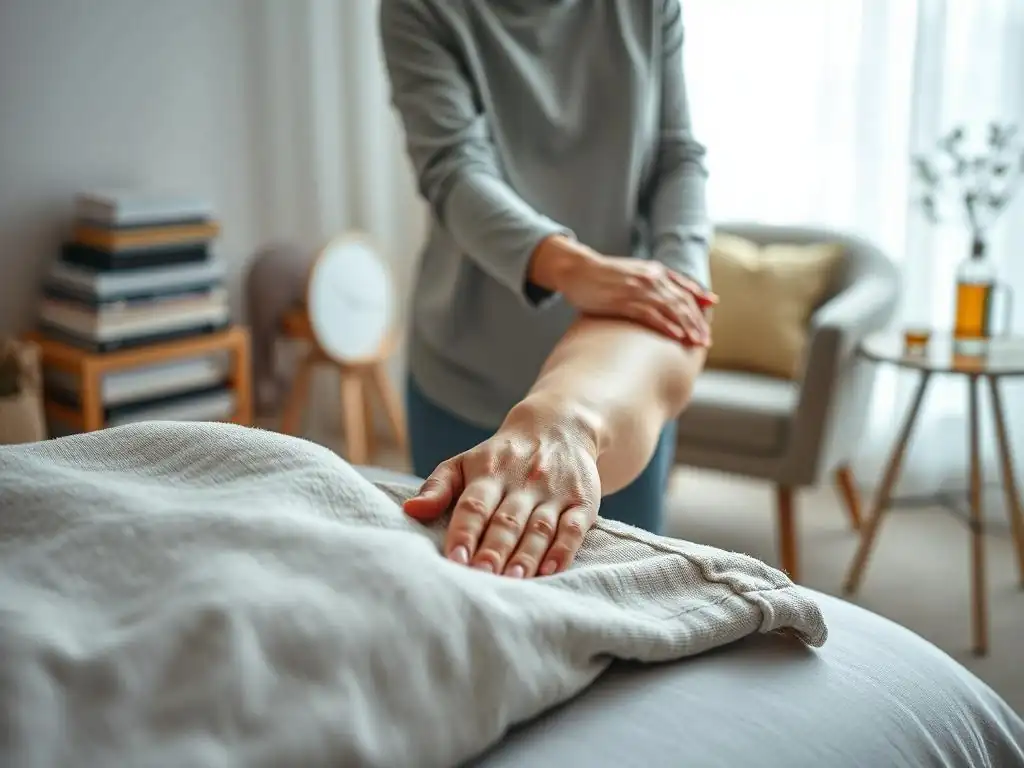
Bodywork and massage therapies are highly compatible with other mental health treatments like psychotherapy (talk therapy) and medication. In fact, combining these approaches often yields the best results. Therapy provides tools for cognitive processing and emotional regulation, while medication can help manage severe symptoms. Bodywork complements these by addressing the physical and somatic aspects of mental health challenges.
For example, someone in therapy for trauma might find that bodywork helps them access and release physical tension related to memories discussed in therapy, making the therapeutic process more effective. Similarly, reducing physical symptoms through bodywork can make it easier to engage fully in therapy or experience the benefits of medication. Discussing your bodywork practice with your therapist or doctor can help ensure a coordinated approach to your care and maximize the benefits of bodywork massage mental health support.
Contraindications and Safety Precautions
While generally safe, bodywork and massage do have some contraindications. These include certain medical conditions like blood clots, severe bruising, open wounds, fever, infectious diseases, and some heart conditions. It is crucial to provide your therapist with a complete and accurate medical history during the intake process.
If you are pregnant, have a serious medical condition, or are undergoing medical treatment, it is advisable to consult with your doctor before starting bodywork or massage therapy. A qualified therapist will also be trained to recognize potential contraindications and adapt their techniques accordingly or refer you back to your doctor if necessary. Prioritizing safety ensures that you can receive effective bodywork massage mental health support without risking your physical health.
Bodywork and Self-Care: Techniques to Practice at Home
Simple Self-Massage Techniques for Stress Relief
You don't always need a professional session to benefit from therapeutic touch. Simple self-massage techniques can be easily incorporated into your daily routine for quick stress relief. For instance, massaging your temples in small circles can help alleviate tension headaches often associated with stress. Gently kneading the muscles in your shoulders and neck can release some of the tightness you might hold there.
Using your thumbs to apply pressure to the palms of your hands or the soles of your feet can also be surprisingly grounding and relaxing. Even a few minutes of focused self-massage can interrupt the stress response and bring a sense of calm. Experiment with different techniques to find what feels most soothing for you and make it a regular practice for ongoing bodywork massage mental health support.
Incorporating Mindfulness and Breathing Exercises into Bodywork Practices
Enhancing the benefits of bodywork, whether professional or self-administered, by incorporating mindfulness and breathing exercises is highly effective. During a massage or self-massage, try to bring your awareness to the sensations in your body. Notice the pressure, the release of tension, and how your body feels.
Deep, slow breathing can also amplify the relaxation response. As you receive or perform bodywork, focus on breathing deeply into your belly, exhaling slowly. This combination of mindful touch and conscious breathing helps calm the nervous system and deepen the therapeutic effect, making your bodywork experience a more integrated practice of bodywork massage mental health support.
Foam Rolling and Gentle Stretching for Tension Release
Beyond direct massage, tools like foam rollers and simple stretching can be valuable for releasing muscle tension at home. Foam rolling involves using your body weight to apply pressure to specific muscles against a cylindrical foam roller. This can help release tight spots and improve flexibility.
Gentle stretching, held for 30 seconds or more, also helps lengthen muscles and reduce stiffness. Incorporating a brief routine of foam rolling or stretching can complement the benefits of professional bodywork sessions, helping you maintain flexibility and reduce tension between appointments. These self-care practices empower you to actively participate in your physical and mental well-being journey, providing continuous bodywork massage mental health support.
Real-Life Examples: Bodywork and Massage Success Stories in Mental Health
Case Study: Reduced Anxiety Symptoms with Regular Massage Therapy
Consider the case of "Sarah," a 35-year-old graphic designer who experienced chronic generalized anxiety, manifesting as persistent worry, difficulty sleeping, and significant muscle tension, particularly in her shoulders and jaw. Despite practicing mindfulness and engaging in cognitive behavioral therapy, she felt a constant physical unease. She decided to try incorporating regular Swedish massage into her routine, initially going for sessions every two weeks.
After just a few sessions, Sarah noticed a significant reduction in her physical tension. She reported sleeping more soundly and felt less restless throughout the day. Over three months, she found that the massage sessions provided a tangible break from her anxious thoughts and helped her feel more grounded.
While her worry didn't disappear entirely, her ability to manage it improved, and her overall anxiety scores on a self-assessment scale decreased by roughly 30-40%, illustrating the direct impact of bodywork massage mental health support on her symptoms. She continued with monthly sessions, finding they helped maintain her reduced tension and improved sleep.
Testimonial: Trauma Recovery Supported by Craniosacral Therapy
"David," a 48-year-old veteran, struggled with complex PTSD symptoms, including hypervigilance, dissociation, and a pervasive feeling of unsafety in his body. Talk therapy had helped him process some memories, but he felt disconnected from his physical self and easily overwhelmed by physical sensations. He began working with a trauma-informed Craniosacral Therapist.
During the gentle CST sessions, David initially found it challenging to stay present, often feeling numb or wanting to flee. His therapist patiently guided him to notice subtle sensations without judgment, creating a sense of safety. Over several months, David began to feel more connected to his body.
He noticed a gradual decrease in his hypervigilance and found that the dissociation episodes became less frequent and intense. He described feeling "more solid" and "less like I'm floating outside myself." While his journey is ongoing, he credits CST as a crucial part of his trauma recovery, providing a pathway to feeling safe within his own skin and offering profound bodywork massage mental health support.
Conclusion: Embracing the Power of Touch for Mental Wellness
Bodywork and Massage: A Valuable Tool in Your Mental Health Toolkit
As we've explored, bodywork and massage therapies offer a powerful, evidence-informed approach to supporting mental well-being. They go beyond simple relaxation to address the intricate connection between our physical bodies and our emotional and psychological states. By reducing stress hormones, increasing feel-good neurotransmitters, calming the nervous system, and releasing physical tension and stored trauma, these practices provide tangible benefits for a range of mental health challenges, from anxiety and depression to trauma and PTSD.
Integrating bodywork massage into your mental health support plan acknowledges the holistic nature of human experience. It provides a non-verbal, somatic pathway to healing and resilience, complementing the benefits of talk therapy, medication, and other self-care practices. It is a proactive way to care for both your mind and your body, recognizing that true wellness arises from attending to both.
The Future of Integrative Mental Health Care: Expanding the Role of Bodywork
The field of mental health is increasingly recognizing the value of integrative and holistic approaches. As our understanding of the mind-body connection deepens, the role of therapies like bodywork and massage is likely to expand within mainstream mental health care. Collaboration between mental health professionals and bodywork practitioners is growing, leading to more comprehensive and effective treatment plans.
The focus is shifting towards treating the whole person, acknowledging that physical health and mental health are inextricably linked. This evolution promises more accessible and widely accepted forms of bodywork massage mental health support, offering hope and healing to individuals seeking diverse pathways to recovery and well-being.
Explore Bodywork and Massage for Enhanced Mental Well-being
If you are navigating mental health challenges or simply seeking ways to enhance your overall well-being, consider exploring the benefits of bodywork and massage. Find a qualified therapist, communicate your needs, and experience the healing power of touch. Whether through a professional session or simple self-massage, incorporating body-focused practices can be a profound step towards feeling more grounded, relaxed, and resilient. Embrace bodywork massage mental health support as a vital component of your journey towards holistic wellness.
Frequently Asked Questions
What is the connection between bodywork massage and mental health support?
Bodywork massage can significantly impact mental well-being by reducing stress hormones and promoting relaxation. This, in turn, can complement traditional mental health support by addressing the physical manifestations of mental health challenges.
How does bodywork massage differ from typical relaxation massages when used for mental health?
While relaxation massages offer general stress relief, bodywork massage tailored for mental health often focuses on specific areas of tension linked to emotional distress. Therapists may also incorporate techniques like mindfulness and trauma-informed care.
What types of bodywork massage are most commonly used to support mental well-being?
Several types are used, including Swedish massage, deep tissue massage, and myofascial release, all of which can help relieve tension. Additionally, Craniosacral therapy and Trauma-informed massage are gaining popularity for addressing underlying emotional trauma and promoting nervous system regulation.
Where can I find qualified bodywork massage therapists specializing in mental health support?
Look for therapists with specific training in mental health awareness, trauma-informed care, or related modalities. Resources like the Mind Care Guide can help you find certified practitioners and local listings specializing in "Bodywork massage mental health support".
Are there any risks or contraindications associated with bodywork massage for mental health?
While generally safe, individuals with certain medical conditions should consult their doctor before starting bodywork massage. It's also crucial to find a therapist who understands psychological boundaries and provides a safe and supportive environment.
Final Reflection: The Untapped Potential of Touch in Mental Wellness
The integration of bodywork and massage into holistic mental healthcare is no longer a fringe concept; it's a vital, emerging pathway towards comprehensive well-being. The evidence presented throughout this article strongly suggests that the therapeutic touch offers a powerful complement to traditional mental health treatments, addressing the mind-body connection often overlooked in conventional approaches. This isn't simply about relaxation; it's about unlocking deeper levels of healing and resilience.
The profound impact of touch on our emotional and psychological states has been underestimated for far too long. We are inherently social creatures, wired for connection, and the absence of nurturing touch can have devastating consequences. Bodywork provides a safe and controlled environment to re-establish this vital connection, fostering a sense of security and self-acceptance. The body keeps the score,
as Bessel van der Kolk so eloquently puts it, and addressing the somatic manifestations of trauma and stress is crucial for lasting mental health improvement. This understanding is slowly but surely shifting the paradigm of mental healthcare, leading to more holistic and effective interventions.
Consider the power of touch in your own life. Think about the last time a comforting hug or a gentle hand on your shoulder offered solace. Now, imagine the potential of harnessing that power professionally, to help others navigate the complexities of mental health challenges.
This article is not just an exploration of a treatment modality; it's a call to action. Seek out qualified practitioners, advocate for the inclusion of bodywork in mental health services, and embrace the healing potential of touch – for yourself and for those you care about. The journey towards comprehensive mental wellness begins with acknowledging the interconnectedness of mind, body, and spirit.
Unleash Your Inner Calm: Take the Next Step Towards Wellbeing
Thanks for taking the time to explore the powerful connection between bodywork and mental wellness! We hope you found insights that resonate with your journey. Now, it's time to turn those insights into action. Here's how:
- Schedule a massage or bodywork session: This is the most direct way to experience the benefits we've discussed. Explore different modalities to find what feels right for you.
- Explore guided meditation or self-massage techniques: Even small acts of self-care can make a big difference. Look for online resources or consider a class.
- Share your experience: Tell a friend or family member about the impact of bodywork on your mental well-being. Starting a conversation can inspire others to prioritize their own mental health.
What small step will you take today to nurture your mind and body?