
Aromatherapy for Anxiety and Stress: A Holistic Tool Guide

Welcome to Mind Care Guide.
Feeling overwhelmed? You're not alone. We understand the weight anxiety and stress can carry. This article explores a gentle, yet powerful approach to finding relief: Aromatherapy. Discover how specific scents can soothe your mind and body, offering a natural pathway to a calmer, more centered you. Ready to unlock the potential of aromatherapy to reduce anxiety and stress? Let's begin...
Aromatherapy for Anxiety and Stress: A Holistic Guide
- Understanding Aromatherapy for Stress and Anxiety Relief
-
Best Essential Oils for Anxiety and Stress Management
- Lavender Essential Oil: Properties and Benefits for Anxiety
- Roman Chamomile Essential Oil: A Gentle Soother for Stress
- Bergamot Essential Oil: Uplifting Mood and Reducing Tension
- Frankincense Essential Oil: Grounding and Promoting Relaxation
- Ylang Ylang Essential Oil: Calming Anxiousness and Nervousness
- Sweet Orange Essential Oil: Promoting Optimism and Reducing Worry
-
How to Use Aromatherapy to Reduce Anxiety and Stress
- Aromatherapy Diffusers: Creating a Calming Atmosphere
- Topical Application: Using Essential Oils on the Skin Safely
- Aromatherapy Massage: Combining Touch and Scent for Relaxation
- Aromatherapy Inhalers: Portable Stress Relief On-the-Go
- Aromatherapy Baths: A Soothing Ritual for Stress Reduction
- Aromatherapy Recipes for General Anxiety, Panic Attacks, and Social Anxiety
- Safety Precautions and Guidelines for Aromatherapy Use
- Integrating Aromatherapy into Your Daily Routine for Stress Management
- Beyond Aromatherapy: Holistic Approaches to Complement Anxiety Relief
- Conclusion: Harnessing the Power of Aromatherapy for a Calmer Mind
-
Frequently Asked Questions
- What is aromatherapy and how can it potentially help with anxiety and stress?
- Which essential oils are commonly recommended for anxiety and stress relief?
- How can I use aromatherapy to reduce anxiety and stress?
- Are there any potential side effects or precautions I should be aware of when using aromatherapy?
- Where can I find more information and resources about using aromatherapy for anxiety and stress from Mind Care Guide?
- Final Reflection: Breathing Easy: The Enduring Power of Aromatherapy
- Unlock Your Inner Calm: Start Your Aromatherapy Journey Today!
Understanding Aromatherapy for Stress and Anxiety Relief
What is Aromatherapy and How Does it Work?
Aromatherapy is a holistic healing treatment that uses natural plant extracts, known as essential oils, to promote health and well-being. This practice harnesses the power of aromatic compounds from plants, which are typically extracted through distillation or cold pressing. The term "aromatherapy" was coined in 1937 by French chemist René-Maurice Gattefossé, who discovered the healing properties of lavender oil after burning his hand in a laboratory accident. Unlike synthetic fragrances, essential oils are highly concentrated and contain complex mixtures of volatile organic compounds that interact with the body and mind through inhalation or topical application.
When essential oils are inhaled, their aromatic molecules travel through the nasal passages to the olfactory system, which is directly connected to the limbic system in the brain. The limbic system plays a crucial role in regulating emotions, memory, and behavior. Specific scents can trigger responses in this area, influencing mood, stress levels, and even physiological functions like heart rate and blood pressure.
For example, inhaling lavender oil has been shown in some studies to decrease cortisol levels, the body's primary stress hormone. This interaction is the fundamental mechanism through which aromatherapy reduce anxiety stress, offering a natural pathway to calming the nervous system.
The Science Behind Aromatherapy's Calming Effects
The calming effects of aromatherapy are supported by a growing body of scientific research. Studies have investigated how the chemical components of essential oils interact with neuroreceptors and neurotransmitters in the brain. For instance, compounds found in lavender, such as linalool and linalyl acetate, are believed to interact with GABA receptors, similar to how some anti-anxiety medications work, promoting relaxation and reducing neuronal excitability. This can contribute significantly to how aromatherapy for anxiety provides relief.
Research published in journals like the Journal of Alternative and Complementary Medicine has explored the impact of inhalation aromatherapy on subjective stress levels and physiological markers. One study involving university students found that inhaling lavender essential oil significantly reduced self-reported stress and anxiety compared to a placebo group.
Another study, focusing on patients undergoing medical procedures, indicated that aromatherapy could help lower blood pressure and heart rate, both of which are often elevated during periods of stress. While research is ongoing and more large-scale studies are needed, the evidence suggests that the volatile compounds in essential oils possess properties that can modulate the body's stress response, making aromatherapy for stress a promising complementary approach.
Aromatherapy vs. Cognitive Behavioral Therapy for Stress Reduction
Aromatherapy and Cognitive Behavioral Therapy (CBT) are two distinct approaches to stress reduction, each with its unique mechanisms and applications. CBT is a psychotherapy technique that helps individuals identify and challenge negative thought patterns and behaviors contributing to stress and anxiety. It focuses on changing cognitive distortions and developing coping strategies through structured sessions with a therapist. CBT is considered a highly effective, evidence-based treatment for various mental health conditions, including generalized anxiety disorder, panic disorder, and social anxiety.
In contrast, aromatherapy is a complementary or alternative therapy that uses the sensory experience of scent to influence mood and physiological responses. It does not involve cognitive restructuring or behavioral modification in the same way as CBT. While aromatherapy can provide immediate relaxation and help manage acute stress symptoms, it typically does not address the root causes of anxiety or teach long-term coping skills in the way CBT does.
Therefore, aromatherapy reduce anxiety stress primarily through physiological and emotional pathways related to the olfactory system and limbic brain, whereas CBT works through cognitive and behavioral changes. Often, the most effective approach involves integrating therapies, using aromatherapy for symptom relief alongside evidence-based psychological treatments like CBT.
Best Essential Oils for Anxiety and Stress Management
Lavender Essential Oil: Properties and Benefits for Anxiety
Lavender essential oil ( Lavandula angustifolia) is perhaps the most widely recognized and studied essential oil for its calming and relaxing properties. Its primary chemical constituents, linalool and linalyl acetate, are believed to be responsible for its sedative effects. These compounds are thought to interact with neurotransmitter systems, including GABA, which plays a key role in inhibiting nervous system activity. This interaction can help to slow down brain activity, reduce feelings of agitation, and promote a sense of calm, making lavender a staple in aromatherapy for anxiety.
Numerous studies have demonstrated lavender's efficacy in reducing anxiety. A 2010 study published in Phytomedicine found that an oral lavender oil preparation was as effective as lorazepam (a common anxiety medication) in treating generalized anxiety disorder, without causing sedation or withdrawal symptoms. While oral use should only be under strict medical supervision, inhalation and topical application are common and beneficial methods.
Inhaling lavender before sleep has been shown to improve sleep quality, which is often disrupted by stress and anxiety. Its versatile use in diffusers, baths, and topical blends makes it an accessible tool for anyone looking to use aromatherapy reduce anxiety stress in daily life.
Roman Chamomile Essential Oil: A Gentle Soother for Stress
Roman Chamomile essential oil ( Anthemis nobilis or Chamaemelum nobile) is another popular choice for its gentle, soothing properties, particularly effective for stress and restlessness. It has been used for centuries in traditional medicine as a calming agent. The main components, such as esters like isobutyl angelate and isoamyl angelate, are thought to contribute to its relaxant effects. Roman Chamomile is often recommended for individuals experiencing nervous tension, irritability, and difficulty sleeping due to stress. Its mild nature makes it suitable for sensitive individuals and often included in blends for children (with appropriate dilution).
Research on Roman Chamomile specifically for anxiety via aromatherapy is less extensive than for lavender, but its traditional use and chemical profile support its calming reputation. Studies on chamomile extract (often used as a tea or supplement) have shown potential anxiolytic effects, and the essential oil shares some similar compounds.
When used in aromatherapy, its sweet, apple-like scent is generally perceived as comforting and peaceful. Diffusing Roman Chamomile in the evening or adding a few drops (properly diluted) to a warm bath can help unwind after a stressful day and promote a sense of tranquility, supporting the goal of using aromatherapy reduce anxiety stress.
Bergamot Essential Oil: Uplifting Mood and Reducing Tension
Bergamot essential oil ( Citrus bergamia) is a citrus oil derived from the peel of the bergamot orange fruit. Unlike other citrus oils which are primarily energizing, Bergamot possesses unique properties that make it both uplifting and calming, making it excellent for managing stress and tension, especially when anxiety leads to low mood. Its fresh, slightly floral, and citrusy aroma is instantly refreshing. Key components include limonene, linalool, and linalyl acetate, which contribute to its mood-modulating effects.
Studies have explored Bergamot's impact on stress physiology. Research published in Complementary Therapies in Medicine found that inhaling Bergamot essential oil reduced heart rate and blood pressure and lowered subjective feelings of stress and fatigue in participants compared to a control group. Another study indicated that diffusing Bergamot oil in a mental health treatment center helped improve the positive feelings and reduce the negative feelings and fatigue of patients. Its ability to lift spirits while simultaneously easing tension makes it a valuable tool in aromatherapy for stress, particularly for individuals who experience anxiety alongside feelings of depression or overwhelm.
Frankincense Essential Oil: Grounding and Promoting Relaxation
Frankincense essential oil is derived from the resin of trees in the Boswellia genus, most commonly Boswellia carterii or Boswellia serrata. Known for its rich, woody, and balsamic aroma, Frankincense has been used for thousands of years in spiritual and medicinal practices. In aromatherapy, it is highly valued for its grounding and centering properties, which can be particularly helpful during moments of panic or overwhelm. Its primary components include monoterpenes like alpha-pinene, which are thought to contribute to its calming and anti-inflammatory effects.
While research on Frankincense's direct impact on anxiety via inhalation is less extensive than for oils like lavender, its traditional use and anecdotal evidence highlight its ability to deepen breathing and promote a sense of peace. Inhaling Frankincense can help to slow down rapid thoughts and promote a feeling of stability, making it useful during meditation or when feeling disconnected.
Some studies on animals have suggested potential antidepressant-like effects. For individuals seeking to use aromatherapy reduce anxiety stress by fostering inner calm and focus, Frankincense is a powerful ally, often used in blends for meditation or diffused in quiet spaces.
Ylang Ylang Essential Oil: Calming Anxiousness and Nervousness
Ylang Ylang essential oil ( Cananga odorata) comes from the flowers of the tropical Ylang Ylang tree. It has a rich, sweet, and exotic floral scent that is often used in perfumery and aromatherapy alike. Ylang Ylang is particularly noted for its ability to calm the nervous system, reduce high blood pressure, and alleviate feelings of anxiousness, nervousness, and even anger. Its main constituents include linalool, germacrene, and beta-caryophyllene.
Research has shown Ylang Ylang's potential as a sedative and hypotensive agent. A study published in the Journal of Alternative and Complementary Medicine found that inhaling Ylang Ylang oil significantly reduced blood pressure and heart rate and increased feelings of calmness in participants. It is often recommended for individuals who experience anxiety accompanied by palpitations, rapid breathing, or feelings of being overwhelmed. Due to its potent aroma, Ylang Ylang is typically used sparingly in blends. Its powerful calming effect makes it a valuable addition to the toolkit for using aromatherapy for anxiety relief.
Sweet Orange Essential Oil: Promoting Optimism and Reducing Worry
Sweet Orange essential oil ( Citrus sinensis) is cold-pressed from the peel of the common orange. It has a bright, cheerful, and uplifting citrus aroma that is widely loved. While many citrus oils are energizing, Sweet Orange also possesses calming qualities, particularly effective at reducing worry and promoting a sense of optimism and well-being. Its primary component is limonene, which is also found in other citrus oils and is associated with mood elevation.
Studies have indicated that inhaling Sweet Orange oil can have an immediate positive effect on mood. Research published in the Journal of Health Psychology found that inhaling the scent of Sweet Orange oil helped reduce anxiety in female dental patients. Another study demonstrated that diffusing Sweet Orange oil in a waiting room reduced tension and improved mood among individuals present.
Its accessible and pleasant aroma makes it an easy oil to incorporate into daily routines to combat low mood and worry. Using Sweet Orange is a simple yet effective way to use aromatherapy reduce anxiety stress and bring a sense of brightness to the day.
How to Use Aromatherapy to Reduce Anxiety and Stress
Aromatherapy Diffusers: Creating a Calming Atmosphere
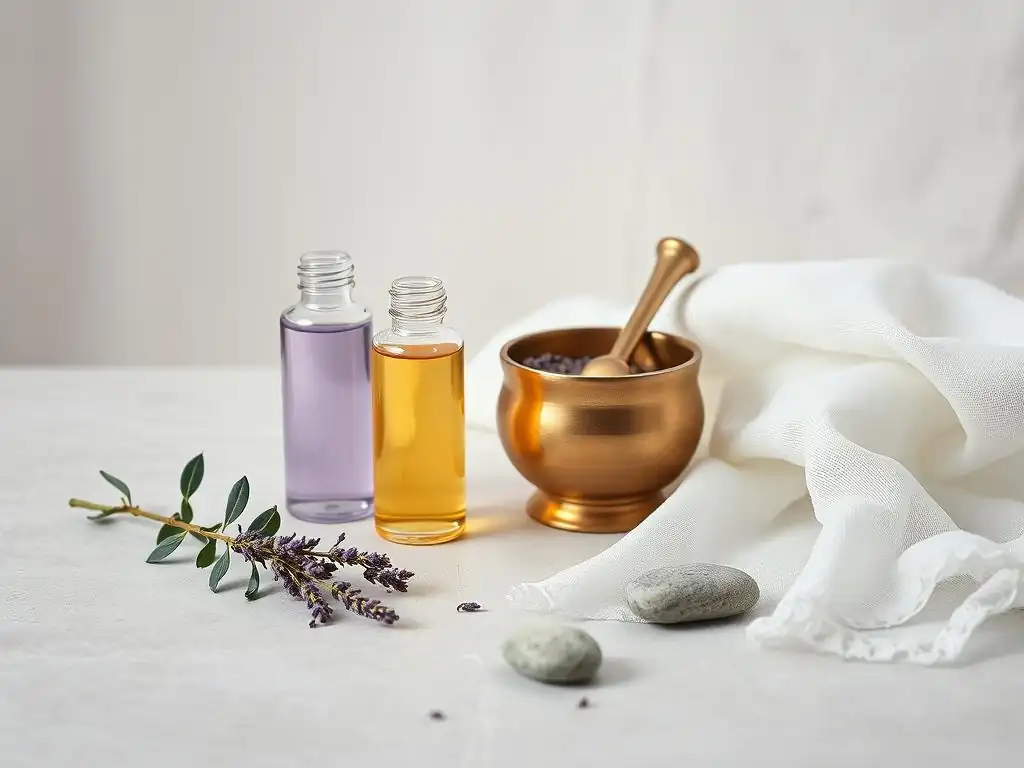
Aromatherapy diffusers are one of the most popular and effective ways to disperse essential oils into the air, creating a therapeutic atmosphere that can help aromatherapy reduce anxiety stress throughout a room or space. There are several types of diffusers, including ultrasonic, nebulizing, evaporative, and heat diffusers. Ultrasonic diffusers are common; they use water and electronic frequencies to create a fine mist that carries the essential oil molecules into the air. Nebulizing diffusers use pressurized air to atomize the oil, producing a more concentrated diffusion without water.
Using a diffuser is simple: add water (for ultrasonic types) and a few drops of your chosen essential oil(s) to the device, turn it on, and the aroma will fill the space. This method allows for continuous inhalation of the therapeutic compounds, which can help maintain a calm state over time.
For example, diffusing 5-10 drops of lavender or Roman chamomile in a bedroom before sleep can promote relaxation, or using 3-5 drops of bergamot or sweet orange in a living area can help uplift mood and reduce general tension during the day. Diffusers are excellent for creating a consistent environment conducive to reducing stress with aromatherapy.
Topical Application: Using Essential Oils on the Skin Safely
Applying essential oils topically allows the compounds to be absorbed through the skin and enter the bloodstream, where they can exert systemic effects. However, essential oils are highly concentrated and must always be diluted with a carrier oil before being applied to the skin to prevent irritation or sensitization. Common carrier oils include fractionated coconut oil, jojoba oil, almond oil, and grapeseed oil.
A typical dilution ratio for adults for general use is 1-3% essential oil (about 6-18 drops per ounce of carrier oil). Higher concentrations may be used for specific issues, but lower dilutions are generally recommended for sensitive skin, children, or elderly individuals (0.5-1%).
Areas often recommended for topical application include the wrists, temples, back of the neck, or soles of the feet. For anxiety and stress relief, applying a diluted blend to pulse points or massaging it into the shoulders and neck can be particularly effective. For instance, a blend of 2 drops lavender, 1 drop frankincense, and 1 drop bergamot in 1 teaspoon of carrier oil can be gently massaged into the temples and neck during moments of stress.
Always perform a patch test on a small area of skin before applying a new blend liberally. This method provides a direct way to use aromatherapy for anxiety relief, offering both the aromatic benefit through proximity and absorption through the skin.
Aromatherapy Massage: Combining Touch and Scent for Relaxation
Aromatherapy massage combines the therapeutic benefits of touch with the calming properties of essential oils, offering a powerful method for reducing stress and anxiety. Massage itself helps to relax muscles, improve circulation, and stimulate the release of endorphins, the body's natural mood boosters. When combined with essential oils known for their calming effects, the experience is significantly enhanced. Professional aromatherapy massages often use pre-blended oils designed for relaxation, typically at a 1-3% dilution rate for full-body application.
For self-massage or massage with a partner, a diluted essential oil blend can be used to target areas of tension, such as the shoulders, neck, back, or even a gentle foot massage. Using a blend like lavender and Roman chamomile (at a safe dilution, e.g., 12 drops total essential oil per ounce of carrier oil) can deepen relaxation and promote a sense of well-being.
The physical act of massage combined with the inhalation of the essential oils provides a multi-sensory approach to stress reduction. This method is particularly effective for individuals who hold physical tension as a result of stress, making aromatherapy reduce anxiety stress through both physical and aromatic pathways.
Aromatherapy Inhalers: Portable Stress Relief On-the-Go
Aromatherapy inhalers, also known as nasal inhalers or aroma sticks, are small, portable devices that allow for direct inhalation of essential oils. They consist of a cotton wick soaked in essential oil and placed inside a plastic tube with a cap. This method is incredibly convenient for targeted, on-the-go stress relief, as it can be used discreetly anytime, anywhere. Unlike diffusers, inhalers primarily benefit the user directly without affecting others nearby.
To use an inhaler, simply remove the cap, bring the inhaler close to one nostril while holding the other nostril closed, and inhale deeply. Repeat with the other nostril. The concentrated aroma provides an immediate olfactory stimulus, which can quickly impact the limbic system to help calm nerves or uplift mood.
For a quick anxiety intervention, an inhaler with 5-10 drops of lavender, frankincense, or a blend of calming oils can be invaluable during stressful situations like public speaking, before an exam, or during a panic attack. This portable solution makes it easy to access aromatherapy for anxiety whenever needed.
Aromatherapy Baths: A Soothing Ritual for Stress Reduction
An aromatherapy bath is a classic method for unwinding and reducing stress, combining the therapeutic effects of warm water with the aromatic benefits of essential oils. Warm water helps relax muscles, improve circulation, and promote a sense of calm. Adding essential oils enhances this experience through both inhalation of the steam carrying the oil molecules and limited absorption through the skin. It's crucial to disperse essential oils in a bath safely, as oil and water do not mix, and undiluted oil can cause skin irritation.
Essential oils should first be mixed with a dispersant before adding them to the bathwater. Suitable dispersants include a tablespoon of a carrier oil (like jojoba or fractionated coconut oil), Epsom salts (mixed with the oil first), or a specialized bath dispersant. A safe amount of essential oil for a full bath is typically 5-10 drops total. Calming oils like lavender, Roman chamomile, or ylang-ylang are excellent choices. Soak for 15-30 minutes, inhaling the steam and allowing the warmth to soothe your body. This ritualistic approach makes using aromatherapy for stress a dedicated act of self-care.
Creating specific aromatherapy blends can target different types of anxiety. Recipes typically involve combining several essential oils to leverage their synergistic effects.
- For General Anxiety (Diffuser Blend): Combine 3 drops Lavender, 2 drops Bergamot, and 1 drop Frankincense. Diffuse in your living space or office. Lavender provides overall calm, Bergamot uplifts mood, and Frankincense grounds.
- For Panic Attacks (Inhaler Blend): Add 5 drops Frankincense, 3 drops Lavender, and 2 drops Ylang Ylang to a cotton wick for a personal inhaler. Inhale deeply during moments of panic. Frankincense helps ground and deepen breath, Lavender calms, and Ylang Ylang reduces palpitations and nervousness.
- For Social Anxiety (Topical Roll-on Blend): In a 10ml roller bottle, add 10 drops Sweet Orange, 5 drops Bergamot, and 5 drops Roman Chamomile. Fill the rest with a carrier oil like fractionated coconut oil. Apply to wrists or neck before social situations. Sweet Orange promotes optimism, Bergamot uplifts and reduces tension, and Roman Chamomile soothes nervousness.
These are examples, and individual preferences for scents vary. Always ensure proper dilution for topical use (typically 1-3% for general use blends). Experiment with small quantities to find the blends that work best for your specific needs to use aromatherapy reduce anxiety stress effectively.
Safety Precautions and Guidelines for Aromatherapy Use
Potential Risks and Side Effects of Essential Oils
While generally safe when used correctly, essential oils are potent substances and carry potential risks. The most common side effects involve skin reactions, such as irritation, redness, itching, or allergic contact dermatitis, especially if oils are applied undiluted or at too high a concentration. Some oils, particularly citrus oils like Bergamot (unless specified as furocoumarin-free), are phototoxic, meaning they can cause severe sunburn or skin damage if applied topically before exposure to sunlight or UV light.
Other risks include respiratory irritation, particularly for individuals with asthma or other respiratory conditions, if oils are diffused in poorly ventilated areas or used at high concentrations. Ingesting essential oils is generally not recommended unless under the strict guidance of a qualified healthcare professional or certified aromatherapist, as it can cause internal damage, liver toxicity, or drug interactions. It is crucial to be aware of these potential issues to ensure that using aromatherapy for anxiety is a safe and beneficial practice.
Dilution Ratios and Safe Application Practices
Proper dilution is paramount when applying essential oils to the skin. Using carrier oils like jojoba, fractionated coconut, sweet almond, or grapeseed oil helps to disperse the essential oil and reduce its concentration, minimizing the risk of skin irritation and sensitization. Standard dilution rates vary depending on the intended use and the individual's age and sensitivity:
- 0.5-1% dilution: Suitable for children (over 6 months), elderly individuals, or those with sensitive skin (approx. 3-6 drops total essential oil per 1 ounce of carrier oil).
- 1-3% dilution: Common for most adult topical applications, including massage and general skincare (approx. 6-18 drops total essential oil per 1 ounce of carrier oil).
- 5-10% dilution: Used for specific, localized issues like muscle aches, but generally not recommended for large areas or daily use (approx. 30-60 drops total essential oil per 1 ounce of carrier oil).
Always perform a patch test on a small, inconspicuous area of skin at least 24 hours before applying a new blend more widely. Avoid applying essential oils to broken or irritated skin, or near the eyes or mucous membranes. Following these guidelines ensures that topical application remains a safe way to use aromatherapy reduce anxiety stress.
Essential Oils to Avoid During Pregnancy and Breastfeeding
During pregnancy and breastfeeding, caution is advised when using essential oils. While many oils are considered safe when used appropriately (e.g., inhalation), some should be avoided entirely due to potential risks to the mother or baby. Oils to generally avoid include pennyroyal, mugwort, tansy, rosemary (chemotype camphor), sage (Spanish and Common), and possibly others depending on the source and specific situation. Some oils like peppermint and eucalyptus should be used with extreme caution or avoided, especially in the first trimester or when breastfeeding (due to potential impact on milk supply).
It is essential for pregnant or breastfeeding individuals to consult with a qualified healthcare provider or a certified aromatherapist with expertise in perinatal aromatherapy before using any essential oils. They can provide personalized guidance based on the individual's health history and the specific stage of pregnancy or breastfeeding. While aromatherapy for anxiety can be beneficial during this time, safety must be the absolute priority.
Choosing High-Quality Essential Oils: What to Look For
The quality of essential oils significantly impacts their therapeutic effectiveness and safety. Low-quality or adulterated oils may lack the beneficial compounds or contain synthetic additives that could cause harm. When purchasing essential oils, look for reputable suppliers who provide detailed information about their sourcing, extraction methods, and testing procedures.
Key indicators of high quality include:
- Botanical Name: The label should clearly state the essential oil's common name and its full botanical name (e.g., Lavandula angustifolia for true lavender).
- Source/Origin: Information about where the plant was grown can indicate quality and purity.
- Extraction Method: Distillation (steam or hydro) or cold-pressing (for citrus peels) are standard therapeutic methods.
- Purity/Testing: Reputable companies often provide GC/MS (Gas Chromatography/Mass Spectrometry) reports for their oils, which verify the chemical composition and purity.
- Packaging: Essential oils should be sold in dark glass bottles (usually amber or cobalt blue) to protect them from light degradation.
- Price: Extremely cheap oils may be adulterated or synthetic. While price isn't the only indicator, therapeutic-grade oils require significant plant material and careful processing, which is reflected in the cost.
Choosing pure, high-quality oils is fundamental to safely and effectively using aromatherapy reduce anxiety stress.
When to Consult a Qualified Aromatherapist or Healthcare Professional
While aromatherapy can be a wonderful self-care tool, there are times when professional guidance is necessary. Consult a qualified aromatherapist if you have specific health conditions, are taking medications, are pregnant or breastfeeding, or are unsure about safe dilution or application methods. A certified aromatherapist has undergone extensive training in the therapeutic use of essential oils and can create personalized blends and usage plans tailored to your needs and health status.
Furthermore, aromatherapy is a complementary therapy and should not replace conventional medical or psychological treatment for anxiety disorders. If you are experiencing severe or persistent anxiety, panic attacks, or if your anxiety is significantly impacting your daily life, it is essential to consult a healthcare professional, such as a doctor or licensed therapist. They can diagnose your condition and recommend appropriate treatments, which may include therapy (like CBT), medication, or a combination of approaches. Aromatherapy reduce anxiety stress best when integrated thoughtfully into a broader wellness plan, potentially alongside professional care.
Integrating Aromatherapy into Your Daily Routine for Stress Management
Creating a Personalized Aromatherapy Plan
Integrating aromatherapy effectively into your daily life requires a bit of planning and personalization. Start by identifying the times or situations when you typically experience the most stress or anxiety. Is it in the morning before work? During your commute? Before bed? Once you know your triggers, you can choose the most appropriate essential oils and application methods. For instance, if mornings are stressful, a quick inhale of an uplifting citrus blend might be helpful. If evenings are anxious, diffusing lavender or chamomile might promote relaxation before sleep.
Consider what methods fit easily into your routine. A diffuser can create a calming home environment, a roller bottle blend is discreet for on-the-go use, and a bath can be a dedicated evening ritual. Experiment with different oils and blends to find what scents resonate most with you and provide the desired effect.
Keep your chosen oils and tools readily accessible in the places where you are most likely to need them, such as on your nightstand, in your work bag, or on your desk. A personalized plan ensures that using aromatherapy reduce anxiety stress becomes a consistent and effective habit.
Aromatherapy for Sleep: Improving Sleep Quality and Reducing Nighttime Anxiety
Sleep disturbances are a common symptom of anxiety and stress. Aromatherapy can be a powerful tool for promoting relaxation and improving sleep quality. Certain essential oils have sedative properties that can help calm the mind and prepare the body for rest. Lavender is perhaps the most well-known for this purpose, with studies showing its ability to increase slow-wave sleep and improve sleep duration.
To use aromatherapy for better sleep and reduced nighttime anxiety:
- Bedside Diffuser: Diffuse 5-8 drops of lavender, Roman chamomile, vetiver, or frankincense in your bedroom for 30 minutes before bed.
- Pillow Spray: Mix 10-15 drops of lavender or chamomile essential oil with 2 ounces of distilled water in a spray bottle. Mist lightly onto your pillowcase before sleep (ensure it's well mixed).
- Topical Application: Apply a diluted blend (1-2% dilution) of calming oils to your wrists, temples, or the soles of your feet as part of your bedtime routine.
Incorporating these simple steps can signal to your body that it's time to wind down, helping to quiet anxious thoughts and facilitate a smoother transition into sleep, thereby using aromatherapy for anxiety that manifests at night.
Aromatherapy for Mindfulness and Meditation Practices
Aromatherapy can significantly enhance mindfulness and meditation practices by helping to anchor attention and create a focused, peaceful environment. Certain aromas can help quiet the mental chatter and deepen the connection to the present moment. Oils like Frankincense, Sandalwood (ethically sourced), Cedarwood, and Vetiver are traditionally used for their grounding and centering properties, while Bergamot or Sweet Orange can add an uplifting element to encourage a positive mindset.
During meditation, you can diffuse a chosen oil blend in your space, use a personal inhaler for focused breathing exercises, or apply a diluted blend to your pulse points. Focusing on the scent as you inhale can be a powerful way to bring your attention back to your breath and away from distracting thoughts. A simple practice could involve taking three deep breaths with an inhaler filled with Frankincense before starting your meditation. This sensory anchor makes aromatherapy reduce anxiety stress by facilitating a deeper state of calm and focus during contemplative practices.
Aromatherapy for Workplace Stress Reduction
The workplace is a significant source of stress for many individuals. Integrating aromatherapy into your work environment can help manage tension, improve focus, and promote a more positive atmosphere, provided workplace policies allow. Portable and discreet methods are often best suited for this setting.
Consider these options:
- Personal Inhaler: Keep a stress-relief blend (e.g., Bergamot and Sweet Orange for uplifting, or Lavender and Frankincense for calming) handy for quick use during stressful meetings or tasks.
- Roll-on Blend: Apply a diluted blend to your wrists or neck periodically throughout the day.
- Desk Diffuser: If permitted, a small USB-powered diffuser can be used with a few drops of essential oil to scent your immediate workspace. Choose oils that promote focus and calm, such as Lemon, Peppermint (use sparingly), or Rosemary combined with Lavender or Bergamot.
Using aromatherapy throughout the workday can provide small moments of calm and help you navigate challenges with greater ease, demonstrating how aromatherapy for stress can be integrated even in demanding environments.
Long-Term Benefits of Using Aromatherapy for Anxiety
Regular and consistent use of aromatherapy as part of a holistic wellness routine can offer long-term benefits for managing anxiety and stress. Beyond immediate symptom relief, incorporating aromatherapy can contribute to developing healthier coping mechanisms and promoting a greater sense of control over one's emotional state. By regularly engaging in practices like diffusing calming oils in the evening or using a personal inhaler during moments of tension, individuals create positive associations with these scents and rituals.
Over time, these practices can help retrain the brain's response to stress. The consistent use of aromatherapy reduce anxiety stress can become a conditioned response, where simply encountering a specific aroma triggers a relaxation response. Furthermore, integrating aromatherapy into self-care routines like baths, massage, or meditation encourages dedication to personal well-being, which is crucial for long-term stress management. While not a cure, it serves as a valuable, accessible tool supporting emotional resilience and overall mental health.
Beyond Aromatherapy: Holistic Approaches to Complement Anxiety Relief
Combining Aromatherapy with Yoga and Deep Breathing Exercises
Aromatherapy can be beautifully combined with practices like yoga and deep breathing exercises to amplify their stress-reducing effects. Both yoga and deep breathing techniques focus on regulating the nervous system, reducing muscle tension, and promoting present-moment awareness, all of which are beneficial for managing anxiety. Integrating aromatherapy adds an additional sensory dimension that can deepen the practice and enhance relaxation.
Before starting a yoga session or deep breathing exercise, you might diffuse a calming or grounding essential oil blend (like Frankincense, Cedarwood, or Lavender) in the space. Alternatively, apply a diluted blend to your wrists or temples so you can inhale the aroma throughout your practice. During deep breathing, you can hold a personal inhaler to your nose, focusing on inhaling the therapeutic scent with each breath.
This synergy allows the physical movement and breathwork to combine with the aromatic input, creating a more profound sense of calm and focus. Using aromatherapy for anxiety in conjunction with these practices leverages multiple pathways to relaxation.
The Role of Diet and Exercise in Managing Stress and Anxiety
Diet and exercise are foundational pillars of mental well-being and play a significant role in managing stress and anxiety. A balanced diet rich in whole foods, fruits, vegetables, lean proteins, and healthy fats provides the body with the nutrients it needs to function optimally, including supporting neurotransmitter production and regulating blood sugar levels. Conversely, diets high in processed foods, sugar, and caffeine can exacerbate anxiety symptoms. For example, studies show that diets high in refined sugars can contribute to inflammation and mood swings, negatively impacting anxiety levels.
Regular physical activity is a potent stress reliever. Exercise releases endorphins, which have mood-boosting effects, and helps reduce the levels of stress hormones like cortisol and adrenaline. Even moderate exercise, like a 30-minute brisk walk most days of the week, has been shown to significantly reduce anxiety symptoms. Engaging in activities you enjoy, whether it's running, swimming, dancing, or gardening, provides a healthy outlet for tension. While aromatherapy reduce anxiety stress symptomatically, diet and exercise address the body's physiological response to stress at a fundamental level, offering sustainable, long-term benefits.
Mindfulness and Meditation for Anxiety Reduction
Mindfulness and meditation are powerful mental training practices that can significantly reduce anxiety by teaching you to observe your thoughts and feelings without judgment and to stay grounded in the present moment. Anxiety often involves excessive worry about the future or rumination about the past. Mindfulness helps interrupt these cycles by bringing awareness to what is happening now.
Regular meditation practice, even for just 5-10 minutes daily, has been shown in numerous studies to decrease activity in the amygdala, the brain's fear center, and increase activity in the prefrontal cortex, associated with executive functions like decision-making and emotional regulation. For example, research using fMRI scans has demonstrated structural changes in the brain regions related to stress and anxiety after just 8 weeks of consistent meditation practice. Combining mindfulness with aromatherapy for anxiety, perhaps using a grounding oil during meditation, can enhance the practice by providing a sensory anchor and promoting deeper relaxation.
Seeking Professional Help for Persistent Anxiety
While holistic approaches like aromatherapy, diet, exercise, and mindfulness are incredibly valuable tools for managing stress and mild to moderate anxiety, they are not always sufficient for more severe or persistent conditions. If your anxiety is overwhelming, interfering with your daily life, causing significant distress, or if you experience panic attacks regularly, it is crucial to seek professional help.
Licensed therapists, psychologists, psychiatrists, and counselors are trained to diagnose and treat anxiety disorders. They can offer evidence-based therapies such as Cognitive Behavioral Therapy (CBT), Exposure Therapy, or Acceptance and Commitment Therapy (ACT), which address the underlying cognitive and behavioral patterns contributing to anxiety. Medication may also be an option for some individuals, prescribed and monitored by a medical doctor or psychiatrist.
Professional support provides tailored strategies and interventions that go beyond self-help, ensuring you receive the comprehensive care needed to effectively manage your anxiety. Using aromatherapy reduce anxiety stress can complement, but not replace, professional medical and psychological treatment when needed.
Conclusion: Harnessing the Power of Aromatherapy for a Calmer Mind
Key Takeaways for Using Aromatherapy to Reduce Anxiety and Stress
Aromatherapy offers a natural and accessible approach to complementing traditional methods for managing anxiety and stress. By harnessing the therapeutic power of essential oils derived from plants, individuals can positively influence their mood, reduce physiological stress responses, and promote a sense of calm. Key takeaways include understanding that certain essential oils like Lavender, Bergamot, Roman Chamomile, Frankincense, Ylang Ylang, and Sweet Orange have properties specifically beneficial for reducing nervous tension and uplifting spirits.
Effective methods for using aromatherapy include diffusion to create a calming environment, safe topical application using carrier oils, incorporating oils into baths or massages for enhanced relaxation, and using portable inhalers for on-the-go relief. Safety is paramount; always dilute essential oils properly for skin application, be aware of potential risks, and choose high-quality oils from reputable sources. While aromatherapy reduce anxiety stress symptoms and enhances well-being, it is best used as part of a broader holistic strategy that may include diet, exercise, mindfulness, and professional support when necessary.
Future Research in Aromatherapy for Mental Well-being
While historical use and a growing body of studies support the benefits of aromatherapy for anxiety and stress, the field is ripe for further scientific exploration. Future research is needed to conduct larger-scale, randomized controlled trials to more definitively establish the efficacy of specific essential oils and application methods for various anxiety disorders. Understanding the precise mechanisms of action at a neurological and physiological level remains an active area of investigation.
Research could also explore the long-term effects of consistent aromatherapy use, optimal dosing and duration for different conditions, and potential interactions with medications or other therapies. Studies focusing on specific populations, such as individuals with PTSD, chronic illness-related anxiety, or children, could provide valuable insights. As interest in holistic and integrative mental health approaches grows, continued rigorous research will help solidify the role of aromatherapy reduce anxiety stress and contribute to its acceptance and integration within mainstream wellness practices.
Frequently Asked Questions
What is aromatherapy and how can it potentially help with anxiety and stress?
Aromatherapy involves using essential oils derived from plants to promote physical and psychological well-being. It may help reduce anxiety and stress by influencing the limbic system, the part of the brain involved in emotions. The Mind Care Guide highlights it as a holistic tool.
Which essential oils are commonly recommended for anxiety and stress relief?
Popular choices include lavender, chamomile, and frankincense. These oils are often used for their calming and relaxing properties, helping to ease symptoms of anxiety and stress.
How can I use aromatherapy to reduce anxiety and stress?
You can use aromatherapy through various methods, such as diffusion, topical application (diluted in a carrier oil), or aromatherapy baths. Choose the method that best suits your preferences and needs for optimal relaxation.
Are there any potential side effects or precautions I should be aware of when using aromatherapy?
Some individuals may experience skin irritation or allergic reactions to certain essential oils. It's crucial to dilute essential oils properly and perform a patch test before widespread use. Pregnant or breastfeeding women should consult a healthcare professional before using aromatherapy.
Where can I find more information and resources about using aromatherapy for anxiety and stress from Mind Care Guide?
You can explore the Mind Care Guide website for detailed articles, expert advice, and additional resources related to aromatherapy and mental well-being. Search for "Aromatherapy reduce anxiety stress" for more information.
Final Reflection: Breathing Easy: The Enduring Power of Aromatherapy
The calming scents of aromatherapy are not just fleeting fragrances; they represent a powerful, accessible tool in our ongoing battle against anxiety and stress. In a world increasingly characterized by relentless pressure and uncertainty, the simple act of inhaling a carefully chosen essential oil offers a tangible pathway to inner peace and emotional resilience. This holistic approach, explored throughout this guide, provides a vital counterpoint to the often overwhelming reliance on pharmaceutical solutions.
The impact of aromatherapy extends far beyond individual well-being; it represents a growing shift towards natural and mindful approaches to mental health. This movement, embracing the interconnectedness of mind, body, and spirit, resonates deeply with my own personal journey towards stress management. The body benefits from movement, and so does the mind.
– This simple truth underscores the holistic nature of aromatherapy, acknowledging the profound link between physical and mental states. As we increasingly recognize the limitations of purely pharmaceutical interventions, the gentle yet potent power of aromatherapy gains even greater significance.
Consider the potential within your reach. You don't need expensive equipment or extensive training to harness the benefits of aromatherapy. Start small, experiment with different scents, and pay attention to how your body and mind respond. Embrace the opportunity to cultivate a personal sanctuary of calm amidst the chaos of daily life. Choose the scents that resonate with you, create a ritual of self-care, and discover the transformative power of aromatherapy in your own journey towards a more peaceful and balanced existence.
Unlock Your Inner Calm: Start Your Aromatherapy Journey Today!
Thanks for taking the time to explore the power of aromatherapy for managing anxiety and stress! We hope you gained valuable insights into this holistic approach to well-being. Now it's time to put your newfound knowledge into practice.
- Begin your personalized aromatherapy blend: Experiment with the essential oils discussed, creating a calming scent that resonates with you. Don't be afraid to try unexpected combinations!
- Share your aromatherapy experiences: Connect with others on our social media channels and share your favorite blends and techniques. Let's build a supportive community around natural well-being!
- Consider adding a daily aromatherapy practice to your self-care routine: Even just 5 minutes of mindful breathing with your chosen blend can make a significant difference.
What calming scent will you create to enhance your relaxation routine this week?