
The Power of Rituals: Creating Calming Daily Practices for Mental Health


Welcome to Mind Care Guide, your sanctuary for navigating the complexities of mental well-being.
Feeling overwhelmed? You're not alone. We understand the daily struggles, and we're here to help you discover practical strategies for a calmer, more balanced life. In this article, we'll explore how simple rituals improve mental wellbeing daily, offering actionable steps you can integrate into your routine to cultivate inner peace. Curious to learn how small acts can make a big difference? Let's begin your journey towards a more mindful and fulfilling life.
- Introduction: Understanding How Rituals Improve Mental Wellbeing Daily
- The Science Behind Rituals and Mental Health Benefits
- Creating Your Own Calming Daily Rituals: A Step-by-Step Guide
- Examples of Calming Daily Rituals for Improved Mental Health
- Maintaining Your Rituals for Long-Term Mental Wellbeing
- The Role of Rituals in Managing Anxiety and Depression
- Beyond Daily Rituals: Exploring Seasonal and Special Occasion Rituals
- Seeking Professional Guidance: When Rituals Aren't Enough
- Conclusion: Embracing the Transformative Power of Rituals for Daily Mental Wellbeing
-
Frequently Asked Questions
- What are rituals, and how do they differ from routines in the context of mental wellbeing?
- How can daily rituals specifically contribute to improved mental wellbeing?
- What are some examples of simple daily rituals that are easy to incorporate into one's life?
- How consistently do I need to perform rituals to experience noticeable benefits for my mental health?
- What if I find it difficult to stick to a ritualistic practice? What strategies can help?
- Final Reflection: Weaving Calm into the Fabric of Daily Life
- Unlock Your Inner Calm: Start Your Ritual Journey Today!
Introduction: Understanding How Rituals Improve Mental Wellbeing Daily
In the fast-paced world we inhabit, finding moments of calm and stability can feel like a luxury. Yet, cultivating these moments is crucial for maintaining robust mental health. Daily rituals, often overlooked as simple habits, hold profound power in grounding us, reducing stress, and enhancing our overall sense of wellbeing. These intentional practices offer a predictable anchor in the unpredictable currents of life.
Exploring how rituals improve mental wellbeing daily reveals their potential to transform our emotional landscape. They provide structure, foster mindfulness, and create a sense of continuity and purpose. Understanding the distinction between a mere routine and a meaningful ritual is the first step in harnessing this transformative power for our mental health journey.
The Importance of Daily Routines for Mental Health
Establishing daily routines provides a foundational structure that significantly benefits mental health. Predictability reduces the cognitive load associated with constant decision-making and uncertainty, which are known triggers for anxiety and stress. A consistent routine, even a simple one, signals to the brain that certain events will occur at expected times, fostering a sense of safety and stability.
Furthermore, daily routines ensure that essential self-care activities are not neglected. Getting adequate sleep, eating regular meals, and incorporating physical activity are cornerstones of mental wellness, and routines help solidify these habits. Research consistently shows that disruptions to circadian rhythms and inconsistent self-care practices can exacerbate symptoms of mood disorders. Thus, maintaining a predictable daily structure is a practical way how rituals improve mental wellbeing daily by supporting these fundamental needs.
What Defines a Ritual? Beyond Routine to Meaningful Practice
While a routine is a sequence of actions performed regularly, a ritual elevates these actions by imbuing them with intention, meaning, and presence. It's the difference between mindlessly brushing your teeth and mindfully engaging in an evening self-care practice that includes dental hygiene, quiet reflection, or a calming activity like reading. Rituals engage our senses, emotions, and even spiritual aspects, making them more than just tasks to check off a list.
A ritual involves conscious engagement and often symbolic significance. It might be a morning coffee enjoyed in silence while observing the sunrise, a walk taken specifically to connect with nature, or an evening journaling session to process the day's events. These practices are performed not just out of habit, but with a deliberate purpose – perhaps to cultivate gratitude, find peace, or prepare for the day ahead. This intentionality is key to how rituals improve mental wellbeing daily, turning simple acts into powerful anchors.
The Science Behind Rituals and Mental Health Benefits
The positive impact of rituals on mental health is not merely anecdotal; it is supported by psychological and neurological research. Engaging in repetitive, intentional actions can influence brain chemistry and structure, leading to tangible benefits such as reduced stress, enhanced emotional regulation, and improved cognitive function. Understanding these mechanisms helps validate the importance of incorporating calming daily practices into our lives.
Scientific studies on the effects of practices like mindfulness and meditation, often incorporated into personal rituals, demonstrate measurable changes in brain activity and hormone levels. These findings provide a compelling rationale for why dedicating time to meaningful daily practices is a powerful strategy for supporting mental health and resilience.
Rituals and the Brain: Reducing Stress and Anxiety
Engaging in rituals can significantly impact the body's stress response system. Repetitive, calming actions can activate the parasympathetic nervous system, often referred to as the "rest and digest" system, counteracting the "fight or flight" response triggered by stress. This activation helps lower heart rate, blood pressure, and the levels of stress hormones like cortisol in the bloodstream.
Studies on the psychological effects of rituals, even simple ones, indicate they can create a sense of calm and control, which is particularly beneficial for individuals experiencing anxiety. The predictable nature of a ritual provides a mental anchor, reducing rumination and worry about uncertain outcomes. By providing a reliable structure, these daily practices offer a consistent opportunity for the nervous system to find a state of equilibrium, illustrating a key way how rituals improve mental wellbeing daily by acting as stress buffers.
How Rituals Foster a Sense of Control and Predictability
Uncertainty is a major contributor to anxiety and stress. Life is inherently unpredictable, but rituals introduce pockets of certainty into our day. Knowing what to expect and having actions we can reliably perform provides a powerful sense of control, even when external circumstances feel chaotic. This feeling of agency is crucial for maintaining mental resilience.
For someone struggling with overwhelming feelings or a lack of direction, a simple morning ritual – like making tea in a specific way, watering plants, or reading a few pages of a book – can provide a stable starting point for the day. This small act of predictable control can build confidence and reduce feelings of helplessness. This aspect of predictability is a fundamental mechanism through which rituals improve mental wellbeing daily, offering a steady hand amidst life's turbulence.
The Psychological Benefits of Repetitive Actions
Repetitive actions, when performed mindfully as part of a ritual, can have a calming and almost meditative effect. The focus required for the action can redirect attention away from anxious thoughts or worries, anchoring the mind in the present moment. This is similar to the effect of counting breaths in meditation or focusing on physical sensations in yoga.
Beyond simple distraction, the repetition inherent in rituals can create a sense of flow and mastery. Successfully completing a ritual, no matter how small, provides a minor sense of accomplishment. Over time, the consistent practice of these actions reinforces positive neural pathways associated with calm and stability. This highlights the deep psychological impact of repetitive, intentional practices and how rituals improve mental wellbeing daily by fostering presence and accomplishment.
Creating Your Own Calming Daily Rituals: A Step-by-Step Guide
Creating rituals is a personal journey, not a one-size-fits-all prescription. The most effective rituals are those that resonate deeply with you and fit seamlessly into your life. This process involves self-reflection, experimentation, and patience. The goal is to build practices that genuinely support your mental health and bring a sense of peace and purpose to your day.
Approaching the creation of rituals thoughtfully ensures they become sustainable and beneficial habits. By following a structured process, you can design practices that are meaningful, achievable, and truly contribute to how rituals improve mental wellbeing daily in your unique life.
Step 1: Identifying Areas Where You Need More Calm and Structure
Begin by observing your daily life and identifying moments or transitions that feel particularly stressful, chaotic, or overwhelming. Is it the rush of the morning? The midday slump? The transition from work to evening? Or perhaps moments when you feel disconnected or anxious? Pinpointing these areas is crucial for designing rituals that directly address your needs.
Consider what emotions you frequently experience in these moments. Do you feel rushed, worried, drained, or restless? Thinking about the opposite of these feelings – calm, peace, energy, groundedness – can help guide you toward the types of rituals that might be most beneficial. For example, if mornings are stressful, a calming morning ritual could be the target area.
Step 2: Choosing Rituals That Align with Your Values and Goals
Once you've identified areas needing support, think about activities or practices that genuinely appeal to you and align with what you value. If you value creativity, a writing or drawing ritual might be perfect. If you value nature, a short walk outside could be ideal. The ritual should feel nourishing, not like another chore.
Consider your goals for mental health. Are you trying to reduce anxiety, cultivate gratitude, increase mindfulness, or find more joy? Choose rituals that actively support these goals. For instance, if reducing anxiety is key, a breathing exercise ritual before a challenging task might be more effective than a purely leisure-based activity. This alignment ensures the ritual is personally meaningful and contributes directly to how rituals improve mental wellbeing daily for you.
Step 3: Defining Specific Times and Places for Your Rituals
Consistency is vital for rituals to become established and effective. Decide on specific times or triggers for your rituals. Will it be the first thing in the morning? After lunch? Before bed? Linking a new ritual to an existing habit (habit stacking) can make it easier to remember and implement. For example, "After I finish my first cup of coffee, I will write in my gratitude journal."
Designate a specific place for your ritual if possible. This could be a comfortable chair, a quiet corner, a spot in your garden, or even just a cleared space on your desk. Having a dedicated physical space can help create a mental boundary for the ritual, making it feel more distinct and intentional than just another part of your routine.
Step 4: Making Your Rituals Sensory-Rich and Engaging
Engaging multiple senses can deepen the experience of a ritual and make it more grounding and enjoyable. Think about how you can incorporate sight, sound, smell, touch, and even taste. For a morning tea ritual, this might involve choosing a special mug, noticing the aroma of the tea, feeling the warmth of the cup, and savoring the taste.
Adding sensory elements helps pull you into the present moment and makes the ritual a more immersive experience. This could involve lighting a candle, playing calming music, using essential oils, holding a smooth stone, or focusing on the visual details of your surroundings. Making rituals engaging through the senses enhances their ability to soothe the nervous system and reinforces how rituals improve mental wellbeing daily through mindful presence.
[ ] Identify one area needing more calm.
[ ] Choose one potential ritual activity.
[ ] Decide on a specific time or trigger for the ritual.
[ ] Think about one sensory element to add.
Examples of Calming Daily Rituals for Improved Mental Health
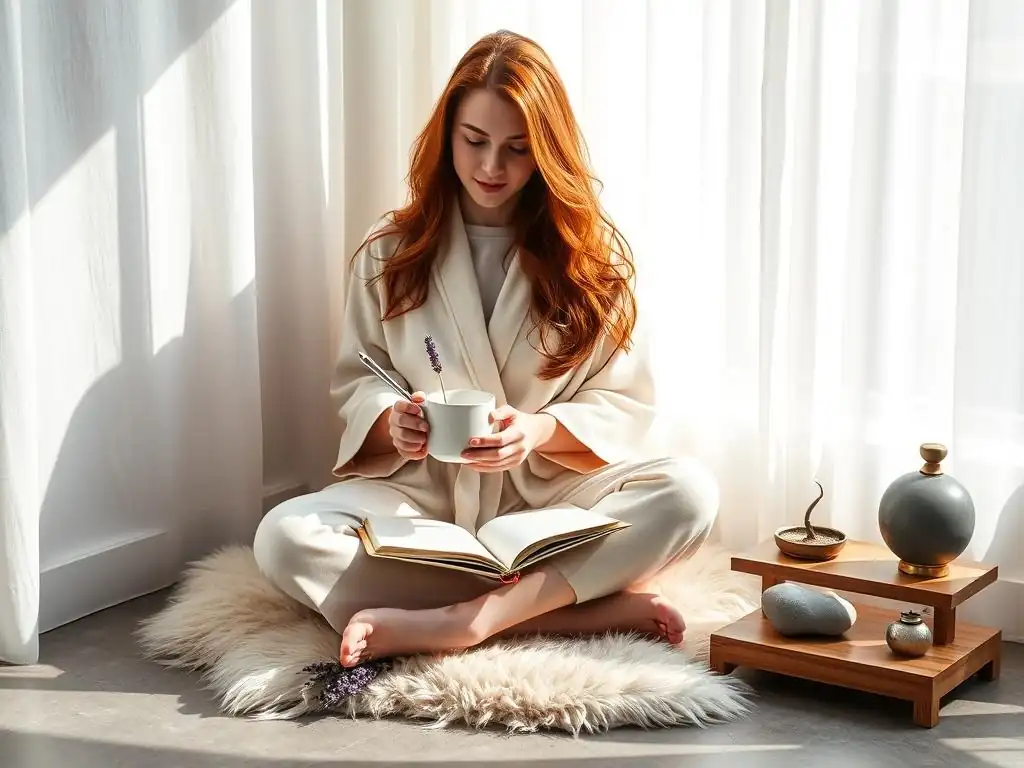
Many types of activities can be transformed into powerful daily rituals. The key is to approach them with intention and consistency, allowing them to become anchors in your day. Here are a few examples that have proven beneficial for countless individuals seeking to improve their mental wellbeing.
These examples are versatile and can be adapted to fit different lifestyles and preferences. They illustrate various approaches to finding peace, presence, and positive perspective through intentional daily practices, showcasing practical ways how rituals improve mental wellbeing daily.
Mindfulness Meditation for Daily Stress Reduction
Mindfulness meditation involves focusing your attention on the present moment without judgment. Even five to ten minutes of daily practice can significantly reduce stress and anxiety levels. It can be as simple as sitting quietly and focusing on your breath, noticing thoughts and feelings as they arise without getting carried away by them.
Making mindfulness a ritual involves dedicating a specific time and space for the practice each day. This consistency reinforces the brain's ability to enter a calmer state more readily over time. Regular mindfulness practice has been shown in numerous studies to decrease activity in the amygdala, the brain's fear center, demonstrating a direct neurological pathway through which rituals improve mental wellbeing daily by training the mind to be less reactive to stressors.
Gratitude Journaling: Cultivating a Positive Mindset
Taking a few minutes each day to write down things you are grateful for can shift your perspective from focusing on problems to appreciating the positive aspects of your life. This simple ritual trains your brain to notice the good, which can counteract negative thought patterns common in depression and anxiety.
A gratitude journaling ritual might involve writing three to five things you are thankful for each morning or evening. They can be small things, like a good cup of coffee or a sunny day, or larger things, like supportive relationships. Consistent practice, perhaps daily for several weeks, is often where people report noticeable shifts in their overall mood and outlook, highlighting a simple yet effective way how rituals improve mental wellbeing daily.
Mindful Movement: Yoga, Tai Chi, or Simple Stretching
Incorporating mindful movement into your day combines physical activity with present moment awareness. Practices like yoga, tai chi, or even just a few minutes of stretching can release physical tension, improve circulation, and calm the nervous system. The focus on bodily sensations and breath during movement makes it a powerful ritual.
Whether it's a full yoga session, a short tai chi form, or a series of stretches performed with intention, mindful movement rituals offer a way to connect with your body and release pent-up energy or stress. Regular engagement with such practices has been linked to reduced symptoms of depression and anxiety, showing how physical rituals contribute to mental wellbeing daily.
Nature Connection: Spending Time Outdoors
Spending time in nature has well-documented benefits for mental health, including reduced stress, improved mood, and increased feelings of peace. Making nature connection a daily ritual can be as simple as taking a walk in a park, sitting under a tree, or even just spending a few minutes observing the plants and sky from your window.
A nature connection ritual involves engaging your senses with the natural world – noticing the sights, sounds, smells, and textures. This practice provides a break from indoor environments and screens, offering a refreshing perspective. Even brief exposure to nature, perhaps 15-20 minutes daily, can significantly impact stress levels, illustrating how simple environmental rituals improve mental wellbeing daily.
Creative Expression: Art, Music, or Writing
Engaging in creative activities can be a powerful outlet for emotions and a way to access a state of flow. Whether it's sketching, playing an instrument, writing poetry, or crafting, dedicating time to creative expression can reduce stress and boost mood.
Turning creative expression into a ritual involves setting aside a specific time and space to engage in your chosen activity without judgment or pressure to produce something perfect. The focus is on the process itself, allowing for self-discovery and emotional release. This regular practice fosters self-compassion and resilience, serving as a fulfilling way how rituals improve mental wellbeing daily.
Maintaining Your Rituals for Long-Term Mental Wellbeing
Starting a new ritual is one step; consistently maintaining it over time is another. Life happens, and challenges will inevitably arise that threaten to disrupt your practices. Developing strategies to overcome obstacles and adapt your rituals is key to ensuring they provide long-term support for your mental health.
Building sustainable rituals requires flexibility and self-compassion. It's about progress, not perfection. Learning to navigate setbacks and integrate rituals into the flow of life is essential for harnessing their full power in how rituals improve mental wellbeing daily over the long haul.
Overcoming Obstacles and Challenges to Consistency
Lack of time, fatigue, boredom, or unexpected events can all derail a ritual. When faced with obstacles, it's helpful to first acknowledge the challenge without self-criticism. Then, problem-solve. Can the ritual be shortened? Can it be moved to a different time? Can you identify the specific barrier and brainstorm solutions?
Sometimes, the obstacle is internal, like resistance or feeling like the ritual isn't "working." In these moments, returning to the why – remembering the intention and the benefits you seek – can be motivating. It can also be helpful to break down the ritual into smaller, more manageable steps on days when motivation is low. Consistency doesn't mean rigidity; it means finding ways to keep showing up for yourself.
Adapting Your Rituals to Changing Needs and Circumstances
Life circumstances change, and so too should your rituals. What worked during one phase of life might not be feasible or beneficial in another. Be open to modifying your practices as your needs evolve, or as external factors like work schedules or family responsibilities shift.
For example, a morning ritual might need to change if your work start time changes. A long meditation might become a shorter breathing exercise. The key is to remain flexible and creative in finding ways to incorporate intentional practices, even in modified forms. Regularly reviewing and adjusting your rituals ensures they remain relevant and continue to support how rituals improve mental wellbeing daily in your current situation.
The Power of Habit Stacking to Integrate New Rituals
Habit stacking is a technique where you pair a new habit (your ritual) with an existing habit you already perform consistently. This leverages the established neural pathways of the existing habit to cue the new one, making it easier to remember and implement. The structure is typically "After [existing habit], I will [new ritual]."
Examples include "After I brush my teeth in the morning, I will do three minutes of deep breathing" or "After I close my laptop at the end of the workday, I will take a 10-minute walk." This simple strategy provides a clear trigger for your ritual, reducing the need for conscious effort to remember to do it. It's a highly effective way to weave new practices into the fabric of your day, strengthening how rituals improve mental wellbeing daily by making them automatic.
The Role of Rituals in Managing Anxiety and Depression
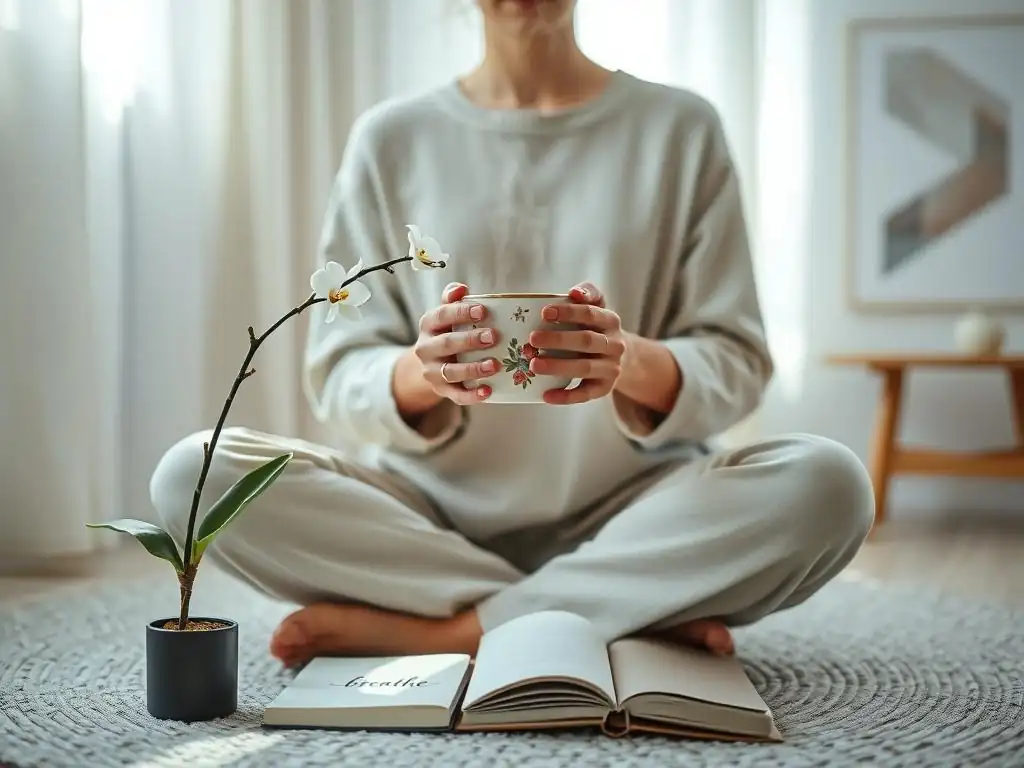
Rituals can be particularly powerful tools for individuals managing symptoms of anxiety and depression. These conditions often involve feelings of being overwhelmed, disconnected, or lacking control. Rituals provide structure, predictability, and a sense of agency that can counteract these challenging states.
By offering reliable anchors in the day, rituals can help ground individuals experiencing racing thoughts or feelings of hopelessness. They provide opportunities for positive engagement and self-care, which are often difficult to prioritize during episodes of anxiety or depression.
Rituals as a Grounding Technique for Anxiety Relief
Anxiety often involves future-oriented worry and a feeling of being disconnected from the present moment. Rituals, with their emphasis on intentional action and sensory engagement, serve as powerful grounding techniques. Focusing on the steps of a familiar ritual pulls attention away from anxious thoughts and into the physical reality of the present.
For example, a ritual of washing your face and applying lotion before bed can involve focusing on the temperature of the water, the scent of the product, and the sensation on your skin. This sensory focus interrupts the cycle of worry. Similarly, a breathing ritual performed during a moment of rising anxiety can help regulate the nervous system. These practices offer immediate, tangible ways how rituals improve mental wellbeing daily by providing a safe harbor in moments of distress.
Rituals for Combating Feelings of Isolation and Hopelessness in Depression
Depression can lead to withdrawal, lack of motivation, and feelings of hopelessness. Engaging in simple, achievable rituals provides structure and a sense of accomplishment, which can be crucial when motivation is low. Even a small ritual, like making your bed or watering a plant, can provide a sense of purpose and control.
Rituals that involve connection, even if solitary, can also combat isolation. A ritual of calling a friend, writing a letter, or even just spending time in a public park observing others can foster a sense of belonging. By providing predictable points of positive engagement or small accomplishments, rituals offer a gentle push against the inertia of depression, demonstrating how rituals improve mental wellbeing daily by providing structure and small wins.
Beyond Daily Rituals: Exploring Seasonal and Special Occasion Rituals
While daily rituals form the backbone of consistent mental wellbeing support, incorporating rituals for specific occasions – like seasonal changes, holidays, or significant life events – can add richness, meaning, and opportunities for reflection and connection. These rituals help us mark time, process emotions, and celebrate transitions.
These less frequent rituals can provide deeper layers of meaning and connection, complementing the stability offered by daily practices. They offer ways to acknowledge the cyclical nature of life and navigate its significant milestones with intention.
Celebrating Seasonal Changes with Meaningful Rituals
Acknowledging the changing seasons can connect us to the natural world and the passage of time. Seasonal rituals might involve decorating your space, preparing specific foods, spending time outdoors in a way that honors the season (e.g., a spring walk to notice new growth, an autumn walk to see leaves change), or engaging in seasonal crafts.
These rituals provide a sense of rhythm and continuity, helping us appreciate the present moment while also looking forward or back. They can be a gentle way to manage seasonal mood changes by actively engaging with the unique qualities of each time of year.
Creating Rituals for Grief and Loss
Rituals are historically significant in helping individuals and communities process grief and loss. Personal rituals can provide a structured way to honor memories, express emotions, and find comfort. This might involve lighting a candle for a loved one, visiting a special place, looking through photographs, or writing letters.
These rituals offer a dedicated space and time for grieving, which can be crucial for healthy processing. They provide a sense of continuity and connection to the person or situation that has been lost, helping to integrate the experience into one's life in a meaningful way.
Using Rituals to Mark Important Life Transitions
Major life transitions – starting a new job, moving to a new city, getting married, becoming a parent, retiring – can be both exciting and challenging. Creating rituals to mark these transitions can help acknowledge the significance of the change, process associated emotions, and step into the new phase with intention.
This could involve a symbolic act of letting go of the past, setting intentions for the future, or gathering with loved ones to acknowledge the milestone. Such rituals provide closure, validation, and a sense of empowerment during times of significant change, demonstrating the versatile power of rituals in supporting mental wellbeing at pivotal life moments.
Seeking Professional Guidance: When Rituals Aren't Enough
While rituals are powerful tools for supporting mental wellbeing and managing mild to moderate stress or low mood, it's crucial to recognize their limitations. Rituals are complementary practices, not substitutes for professional mental health care when it is needed. Understanding when to seek help is a vital part of responsible self-care.
Integrating rituals into your life can be a wonderful support system, but they function best as part of a broader strategy for mental health, which may include therapy, medication, or other professional interventions.
Recognizing the Signs That You Need Professional Mental Health Support
If you find that despite consistent effort with rituals and self-care, your symptoms of anxiety, depression, or other mental health challenges are persistent, worsening, or significantly interfering with your daily life, it's a strong indicator that professional support is needed. Signs might include:
- Difficulty functioning at work, school, or home.
- Significant changes in sleep or appetite.
- Loss of interest in activities you once enjoyed.
- Persistent feelings of hopelessness, worthlessness, or excessive worry.
- Thoughts of self-harm or suicide.
If you experience any of these, reaching out to a doctor or mental health professional is a necessary and brave step. They can provide diagnosis, treatment options, and support tailored to your specific needs.
Integrating Rituals into a Broader Mental Health Treatment Plan
For individuals receiving professional treatment for mental health conditions, rituals can serve as valuable complementary practices. A therapist or counselor might even suggest specific rituals or routines as part of your treatment plan, such as incorporating a mindfulness practice to manage anxiety or a structured morning routine to combat depression.
Discussing your rituals with your mental health provider can help integrate them effectively into your overall care strategy. They can offer guidance on how rituals might support your therapeutic goals and ensure these practices are helpful and not inadvertently causing stress or becoming rigid compulsions. Used in conjunction with professional care, intentional daily practices further strengthen how rituals improve mental wellbeing daily as part of a comprehensive approach.
Conclusion: Embracing the Transformative Power of Rituals for Daily Mental Wellbeing
Rituals are more than just habits; they are intentional acts woven into the fabric of our lives that provide structure, meaning, and peace. From simple morning practices to significant seasonal celebrations, they offer powerful ways to ground ourselves, manage stress, and cultivate a positive mindset. By consciously creating and maintaining rituals, we build resilience and enhance our emotional landscape.
Embracing the power of rituals is an ongoing journey of self-discovery and commitment. It's about finding what resonates with you and consistently showing up for these moments of intentional presence. As you integrate these calming daily practices, you will likely discover profound shifts in your ability to navigate life's challenges and find greater joy and peace.
Key Takeaways: How Rituals Support a Healthy Mind
Rituals provide predictability and control in an unpredictable world, reducing anxiety. They engage the senses and anchor us in the present moment, acting as powerful grounding techniques. Consistent practice helps regulate the nervous system and build resilience to stress.
Furthermore, rituals foster a sense of purpose and accomplishment, combating feelings of hopelessness. They offer dedicated time for self-care, reflection, and positive engagement, all crucial components of mental wellness. These intentional practices are fundamental in understanding how rituals improve mental wellbeing daily by building a stable inner environment.
The Long-Term Benefits of Cultivating Meaningful Daily Practices
Consistently engaging in meaningful daily practices yields cumulative benefits over time. The structure and predictability they provide become deeply ingrained, creating a stable foundation for emotional regulation. The repeated act of choosing calm and presence strengthens the neural pathways associated with these states.
Over the long term, integrating rituals helps build mental resilience, making you better equipped to handle stress and setbacks. They contribute to a greater sense of life satisfaction, purpose, and connection. The sustained commitment to intentional daily practices is a powerful investment in your enduring mental health, truly embodying how rituals improve mental wellbeing daily and sustainably.
Frequently Asked Questions
What are rituals, and how do they differ from routines in the context of mental wellbeing?
Rituals are intentional actions performed with meaning and purpose, while routines are often habitual and task-oriented. Rituals focus on emotional connection and mindfulness, fostering a sense of calm and control.
How can daily rituals specifically contribute to improved mental wellbeing?
Daily rituals provide structure and predictability, reducing anxiety and promoting a sense of groundedness. They offer opportunities for self-care and reflection, boosting mood and overall mental health.
What are some examples of simple daily rituals that are easy to incorporate into one's life?
Examples include mindful meditation, journaling, practicing gratitude, or enjoying a calming cup of tea in a quiet space. The key is to choose practices that resonate personally and bring a sense of peace.
How consistently do I need to perform rituals to experience noticeable benefits for my mental health?
While individual experiences vary, aiming for daily practice will yield the most significant and sustained benefits. Even short, consistent rituals can have a positive impact over time.
What if I find it difficult to stick to a ritualistic practice? What strategies can help?
Start small and focus on one or two manageable rituals. Link them to existing routines, and be patient with yourself. Don't aim for perfection; the goal is to cultivate consistency over time.
Final Reflection: Weaving Calm into the Fabric of Daily Life
The intentional practice of daily rituals is not merely a trend; it's a vital tool for navigating the complexities of modern life and cultivating lasting mental wellbeing. In a world saturated with constant stimulation and relentless demands, carving out moments of mindful routine offers a powerful antidote to stress and anxiety, fostering a sense of peace and control amidst the chaos. This is more crucial now than ever before, as the pressures of modern society continue to escalate.
The impact of incorporating calming rituals into our daily lives extends far beyond personal benefit; it ripples outwards, shaping our relationships, our productivity, and even the overall cultural landscape. We are increasingly recognizing the importance of self-care, a shift that reflects a growing awareness of the interconnectedness between mental and physical health. The greatest weapon against stress is our ability to choose one thought over another.
– William James. This quote highlights the power we possess to consciously shape our experiences through the intentional choices we make, including the rituals we cultivate. The normalization of mindfulness practices and the growing acceptance of mental health concerns are testaments to this evolving cultural understanding.
Now, consider your own life. What small, consistent rituals could you introduce to bring more calm and intentionality into your day? Perhaps it's a five-minute meditation each morning, a mindful walk in nature during your lunch break, or a relaxing evening routine involving a warm bath and a good book. Don't underestimate the power of these seemingly small acts; they are the threads that weave together a tapestry of wellbeing. Begin today. Choose one small ritual, commit to it, and experience the transformative power of intentional living. Let the journey towards a calmer, more fulfilling life begin.
Unlock Your Inner Calm: Start Your Ritual Journey Today!
Thank you for taking the time to explore the power of rituals for improved mental well-being. We hope you gained valuable insights into creating calming daily practices that work for you. Now it's time to put that knowledge into action!
- Design your perfect calming ritual: Take a few minutes today to brainstorm a simple, enjoyable ritual that incorporates elements from the article – maybe it's a mindful morning walk, a relaxing evening bath, or even just 5 minutes of quiet reflection. This is your most important step!
- Share your ritual inspiration: Tell us (or a friend!) about the ritual you’ve chosen. Sharing your ideas can help inspire others and reinforce your commitment.
- Join our growing community: Explore MindCareGuide.org for more resources and articles on mindfulness and self-care. We're building a supportive space to help everyone find their path to inner peace.
What small step will you take today to cultivate more calm in your life?