
The AntiInflammatory Diet: Its Link to Reduced Anxiety Scientific Insights


Welcome to Mind Care Guide, a sanctuary for your mental well-being.
Are you feeling overwhelmed by anxiety and searching for holistic solutions? Could your diet be a key piece of the puzzle? Explore our comprehensive article on the antiinflammatory diet anxiety relief connection and discover how nourishing your body can profoundly impact your mental state. Let's embark on this journey to calmer, healthier minds, together.
The Anti-Inflammatory Diet: Its Link to Reduced Anxiety - Scientific Insights
- Introduction: Understanding Anxiety and the Potential of Anti-Inflammatory Eating
- Anxiety and Inflammation: Exploring the Connection
- The Anti-Inflammatory Diet for Anxiety Relief: A Comprehensive Guide
- Scientific Evidence: Anti-Inflammatory Diet and Anxiety Outcomes
- Implementing the Anti-Inflammatory Diet: Practical Tips for Anxiety Management
- Potential Challenges and Considerations
- Conclusion: Embracing the Anti-Inflammatory Diet for Long-Term Anxiety Management and Improved Mental Well-being
-
Frequently Asked Questions
- How does an anti-inflammatory diet potentially reduce anxiety?
- What are some key foods to include in an anti-inflammatory diet for anxiety relief?
- Are there specific foods that I should avoid on an anti-inflammatory diet to reduce anxiety?
- How long does it typically take to see results from adopting an anti-inflammatory diet for anxiety?
- Is an anti-inflammatory diet alone sufficient to treat anxiety, or are other interventions necessary?
- Final Reflection: Nourishing the Mind, Calming the Body
- Unleash Your Inner Calm: Take Control of Anxiety Today!
Introduction: Understanding Anxiety and the Potential of Anti-Inflammatory Eating
Anxiety is a pervasive mental health challenge affecting millions globally, characterized by feelings of worry, nervousness, and fear that can interfere with daily activities. While traditional treatments often involve therapy and medication, research increasingly points to the significant role of lifestyle factors, including diet, in managing symptoms. Exploring complementary approaches like the anti-inflammatory diet offers a promising avenue for individuals seeking holistic strategies for mental well-being.
This article delves into the scientific connection between inflammation and anxiety, examining how dietary choices can influence this relationship. We will explore the principles of an anti-inflammatory diet, identify foods that can help reduce anxiety symptoms, and discuss those that may exacerbate them. By understanding the evidence-based insights, individuals can make informed choices to potentially achieve antiinflammatory diet anxiety relief and support their journey towards improved mental health.
Anxiety and Inflammation: Exploring the Connection
The Role of Inflammation in Mental Health Disorders
Inflammation, traditionally understood as the body's response to injury or infection, is now recognized for its complex role in chronic diseases, including those affecting the brain. While acute inflammation is a necessary healing process, chronic low-grade inflammation can contribute to various health issues. Emerging research highlights a strong link between chronic inflammation and the development and severity of mental health conditions such as depression and anxiety disorders.
Studies have shown that individuals experiencing anxiety often exhibit elevated levels of inflammatory markers in their blood, such as C-reactive protein (CRP) and pro-inflammatory cytokines like IL-6 and TNF-alpha. These markers indicate systemic inflammation that can impact brain function. The brain itself can also experience neuroinflammation, affecting areas crucial for mood regulation, stress response, and cognitive function. This complex interplay suggests that addressing inflammation could be a vital component in achieving antiinflammatory diet anxiety relief.
How Chronic Inflammation Impacts Anxiety Levels
Chronic inflammation can disrupt the delicate balance of neurotransmitters in the brain, which are chemical messengers vital for regulating mood and anxiety. For example, inflammation can interfere with the production and function of serotonin, a neurotransmitter often associated with feelings of well-being. It can also affect dopamine pathways and the stress hormone system (the HPA axis), potentially leading to increased feelings of stress, worry, and anxiety.
Furthermore, chronic inflammation can impair the integrity of the blood-brain barrier, a protective filter that controls what enters the brain. When this barrier is compromised, inflammatory molecules and other harmful substances can gain entry, contributing to neuroinflammation and disrupting normal brain signaling. This disruption can manifest as heightened anxiety responses, difficulty managing stress, and overall reduced resilience to emotional challenges, underscoring the potential for an anti-inflammatory diet to offer anxiety relief.
The Gut-Brain Axis: A Key Player in Anxiety and Inflammation
The gut-brain axis is a bidirectional communication system linking the central nervous system (brain) and the enteric nervous system (gut). This connection involves neural pathways, hormones, and immune signals, and it is profoundly influenced by the gut microbiome – the trillions of microorganisms residing in our digestive tract. The composition and health of the gut microbiome play a critical role in both inflammation and mental health.
An imbalanced gut microbiome, often referred to as dysbiosis, can lead to increased gut permeability (leaky gut), allowing inflammatory substances to enter the bloodstream and contribute to systemic inflammation. This inflammation can then signal the brain via the gut-brain axis, influencing neurotransmitter activity and stress responses. Research suggests that maintaining a diverse and healthy gut microbiome through diet can help reduce inflammation and positively impact mood and anxiety levels, providing a pathway for antiinflammatory diet anxiety relief.
The Anti-Inflammatory Diet for Anxiety Relief: A Comprehensive Guide
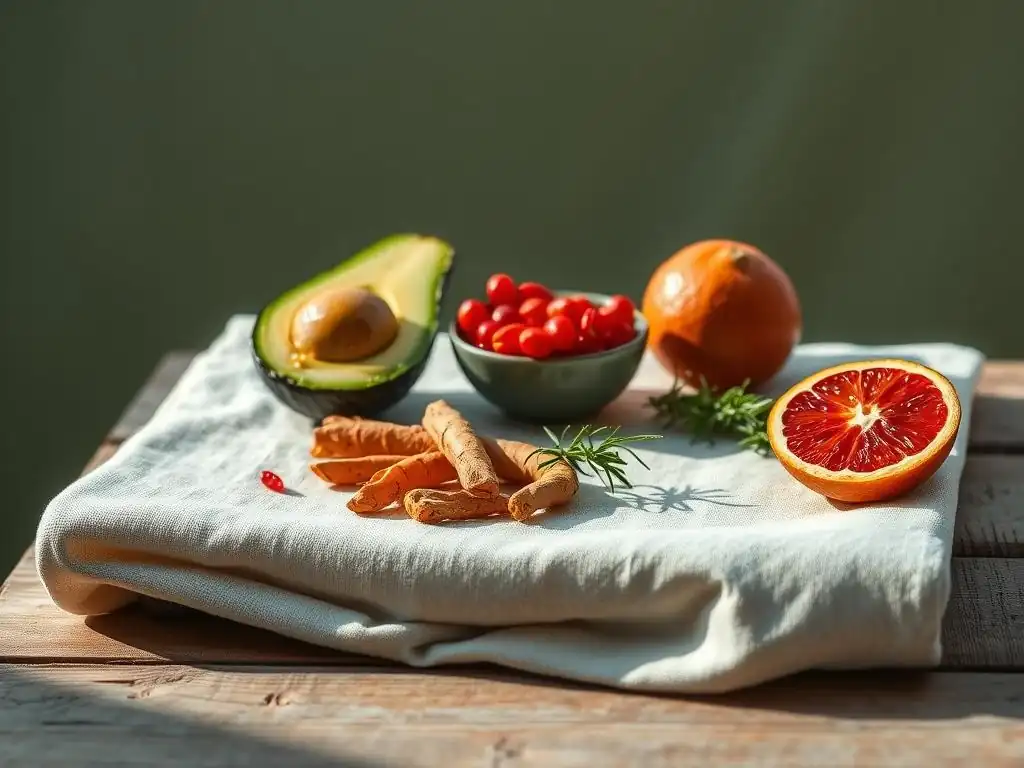
What is an Anti-Inflammatory Diet? Defining Key Principles
An anti-inflammatory diet is not a strict regimen but rather an eating pattern focused on consuming foods rich in antioxidants, omega-3 fatty acids, and fiber, while limiting foods known to promote inflammation. The core principle is to reduce the body's inflammatory load through nutrition. This dietary approach emphasizes whole, unprocessed foods and aims to provide the body with the nutrients it needs to combat inflammation and support overall health, including mental well-being.
Key characteristics of this diet include a high intake of fruits, vegetables, whole grains, lean proteins, and healthy fats. It also involves minimizing consumption of refined sugars, processed foods, unhealthy fats (like trans fats and excessive saturated fats), and excessive alcohol. By making these shifts, individuals can create a dietary environment that supports reduced inflammation and potentially offers significant antiinflammatory diet anxiety relief.
Foods to Include for Anxiety Reduction: Powering Your Plate
Incorporating specific foods known for their anti-inflammatory and mood-boosting properties is central to using this diet for anxiety relief. Focusing on nutrient-dense options provides the building blocks for healthy brain function and helps modulate inflammatory pathways. Filling your plate with these beneficial foods is a proactive step towards managing anxiety symptoms naturally.
Prioritizing variety ensures a broad spectrum of vitamins, minerals, antioxidants, and fiber, all of which contribute to reduced inflammation and improved mental health. Making conscious choices about what you eat can have a tangible impact on how you feel, supporting the goal of achieving antiinflammatory diet anxiety relief.
Fruits and Vegetables: Nutrient-Rich Allies for Mental Well-being
Fruits and vegetables are cornerstones of an anti-inflammatory diet, packed with antioxidants, vitamins, minerals, and fiber. Antioxidants like Vitamin C, Vitamin E, and carotenoids help neutralize harmful free radicals that can contribute to inflammation. The high fiber content supports a healthy gut microbiome, which, as discussed, is crucial for the gut-brain axis and reducing inflammation.
Examples of particularly beneficial options include leafy greens (spinach, kale), berries (blueberries, strawberries), cruciferous vegetables (broccoli, cauliflower), and vibrant colored produce (bell peppers, sweet potatoes). Studies often link higher consumption of these foods to lower levels of inflammatory markers and improved mood states, reinforcing their importance in an antiinflammatory diet for anxiety relief.
Healthy Fats: The Brain's Preferred Fuel for Calming Effects
Healthy fats, particularly omega-3 fatty acids, are essential for brain structure and function and possess potent anti-inflammatory properties. Omega-3s, found abundantly in fatty fish, flaxseeds, chia seeds, and walnuts, are incorporated into brain cell membranes and help regulate inflammatory signaling pathways. They are crucial for neurotransmitter production and overall brain health.
Monounsaturated fats found in olive oil and avocados are also beneficial, contributing to reduced inflammation and supporting cardiovascular health, which is interconnected with mental well-being. Including adequate amounts of these fats in your diet can help calm the nervous system and support the brain's ability to cope with stress, contributing significantly to antiinflammatory diet anxiety relief.
Lean Proteins: Supporting Neurotransmitter Function and Mood Regulation
Protein is vital for synthesizing neurotransmitters, the chemical messengers that regulate mood, stress, and anxiety. Lean protein sources provide the necessary amino acids, the building blocks for these crucial brain chemicals. Choosing lean options helps ensure you get the required protein without excessive saturated fat, which can be pro-inflammatory for some individuals.
Good sources include poultry (chicken, turkey), fish (especially fatty fish rich in omega-3s), legumes (beans, lentils), and tofu. Adequate protein intake throughout the day helps stabilize blood sugar levels, preventing crashes that can exacerbate anxiety and irritability. Prioritizing lean protein supports not only muscle health but also the intricate brain chemistry involved in mood regulation and achieving antiinflammatory diet anxiety relief.
Fermented Foods: Nurturing Gut Health and Reducing Anxiety Symptoms
Fermented foods are rich in probiotics, beneficial bacteria that can help restore and maintain a healthy balance in the gut microbiome. A diverse and thriving gut flora is associated with reduced inflammation and improved signaling along the gut-brain axis. By introducing beneficial bacteria, fermented foods can help strengthen the gut barrier and reduce the passage of inflammatory substances into the bloodstream.
Examples include yogurt with live and active cultures, kefir, sauerkraut, kimchi, and kombucha. Regular consumption of these foods can contribute to a healthier gut environment, which in turn can positively influence mood and potentially help reduce anxiety symptoms, supporting the overall goal of antiinflammatory diet anxiety relief.
Spices and Herbs: Natural Anti-Inflammatory Agents for Anxiety
Many common spices and herbs are potent sources of antioxidants and compounds with significant anti-inflammatory properties. Incorporating them into your cooking adds flavor and provides therapeutic benefits. These natural ingredients have been used for centuries in traditional medicine for their health-promoting qualities.
Turmeric, containing the active compound curcumin, is particularly well-known for its powerful anti-inflammatory effects. Ginger, garlic, cinnamon, rosemary, and oregano are also excellent choices. Regularly using these spices and herbs can help lower systemic inflammation and contribute to a calmer state, making them valuable additions to an antiinflammatory diet for anxiety relief.
Foods to Avoid or Limit: Inflammatory Triggers and Anxiety Aggravators
Just as some foods support reduced inflammation and anxiety, others can actively promote inflammation and potentially worsen symptoms. Limiting or avoiding these items is a crucial step in adopting an anti-inflammatory diet for anxiety relief. These foods often contribute to gut dysbiosis, increased blood sugar fluctuations, and higher levels of inflammatory markers in the body.
Making mindful choices to reduce the intake of these inflammatory triggers can significantly impact your body's overall inflammatory state and your mental well-being. Understanding which foods to avoid is just as important as knowing which foods to include when pursuing antiinflammatory diet anxiety relief.
Processed Foods: The Hidden Dangers for Mental Health
Processed foods are often high in unhealthy fats (like trans and hydrogenated oils), refined sugars, excessive sodium, and artificial additives. These ingredients can trigger inflammation throughout the body, including in the brain. The lack of fiber and essential nutrients in many processed foods also negatively impacts gut health, further disrupting the gut-brain axis.
Regular consumption of processed snacks, fast food, and pre-packaged meals is strongly associated with higher levels of systemic inflammation and an increased risk of various health issues, including mental health challenges. Minimizing reliance on these convenient but nutrient-poor options is essential for anyone seeking antiinflammatory diet anxiety relief.
Sugary Drinks and Refined Carbohydrates: Fueling Inflammation and Anxiety
Sugary drinks and refined carbohydrates (like white bread, pasta, and pastries) cause rapid spikes in blood sugar levels. These spikes trigger an inflammatory response in the body and can lead to energy crashes and mood swings, exacerbating anxiety and irritability. High sugar intake is also linked to changes in the gut microbiome that promote inflammation.
Fructose, particularly from high-fructose corn syrup commonly found in sugary drinks and processed foods, has been shown in studies to contribute significantly to inflammation. Opting for complex carbohydrates like whole grains, legumes, and vegetables helps stabilize blood sugar and provides fiber, supporting both gut health and stable mood, which is key for antiinflammatory diet anxiety relief.
Excessive Alcohol Consumption: Disrupting Brain Chemistry and Increasing Anxiety
While a small amount of alcohol might seem relaxing in the short term, excessive or chronic alcohol consumption is pro-inflammatory and can significantly worsen anxiety symptoms. Alcohol disrupts neurotransmitter balance, impairs sleep quality, and negatively impacts gut health, all of which contribute to increased anxiety.
Alcohol metabolism produces inflammatory byproducts, and chronic use can lead to systemic inflammation. It also interferes with the body's ability to absorb essential nutrients needed for brain health. Limiting alcohol intake is a critical component of an anti-inflammatory lifestyle aimed at improving mental well-being and achieving antiinflammatory diet anxiety relief.
Artificial Sweeteners: Potential Negative Impacts on Gut Health and Mental Well-being
Research on artificial sweeteners and their impact on health is ongoing, but some studies suggest they may negatively affect the gut microbiome composition. Changes in gut bacteria induced by certain artificial sweeteners could potentially contribute to inflammation and metabolic issues. While they don't contain sugar, their impact on gut health warrants consideration.
An altered gut microbiome can disrupt the gut-brain axis, potentially influencing mood and anxiety levels. While more research is needed, many health professionals recommend minimizing artificial sweeteners as part of a clean, anti-inflammatory eating pattern focused on whole foods. This approach supports overall well-being and the pursuit of antiinflammatory diet anxiety relief.
Scientific Evidence: Anti-Inflammatory Diet and Anxiety Outcomes
Research Studies Linking Diet to Anxiety Reduction
A growing body of scientific literature explores the relationship between dietary patterns and mental health outcomes, including anxiety. Observational studies consistently find that individuals who follow diets rich in fruits, vegetables, whole grains, and lean proteins tend to report lower levels of anxiety compared to those consuming diets high in processed foods, refined sugars, and unhealthy fats. For instance, some large-scale studies tracking dietary habits and mental health symptoms over time have noted a correlation between adherence to a "prudent" or Mediterranean-style diet and reduced incidence or severity of anxiety.
While correlation doesn't equal causation, these studies provide strong evidence supporting the idea that dietary quality is linked to emotional well-being. They suggest that the cumulative effect of consuming anti-inflammatory foods and avoiding pro-inflammatory ones creates a physiological environment less conducive to anxiety. This foundational research underpins the potential for an antiinflammatory diet to provide anxiety relief as part of a broader mental health strategy.
Clinical Trials Exploring the Impact of Specific Foods on Anxiety Symptoms
Beyond observational data, clinical trials are beginning to investigate the direct impact of dietary interventions on anxiety. Some studies have focused on specific nutrients or food groups. For example, trials supplementing with omega-3 fatty acids have shown promising results in reducing anxiety symptoms in certain populations, likely due to their potent anti-inflammatory effects and role in brain function.
Other trials have examined the effect of probiotics or fermented foods on mood and anxiety, with some reporting reductions in anxiety scores, thought to be mediated through the gut-brain axis. While the body of clinical trials specifically on a full anti-inflammatory dietary pattern for anxiety is still developing, the evidence from studies on key components of this diet strongly supports its potential benefits for achieving antiinflammatory diet anxiety relief. These trials provide more direct evidence of causality compared to observational research.
The Importance of Personalized Nutrition: Tailoring the Diet to Individual Needs
While the general principles of an anti-inflammatory diet are broadly applicable, the optimal approach for anxiety relief can vary from person to person. Individual responses to specific foods differ based on genetics, gut microbiome composition, allergies or sensitivities, and metabolic health. What is inflammatory for one person might not be for another. Therefore, a personalized approach to nutrition is crucial for maximizing the benefits.
Working with a registered dietitian or healthcare professional can help identify individual dietary triggers and tailor an anti-inflammatory plan that meets specific nutritional needs and preferences. This personalized guidance ensures the diet is sustainable and effective, addressing unique physiological factors that may contribute to anxiety. Customizing the anti-inflammatory diet offers the best chance for achieving targeted anxiety relief.
Implementing the Anti-Inflammatory Diet: Practical Tips for Anxiety Management
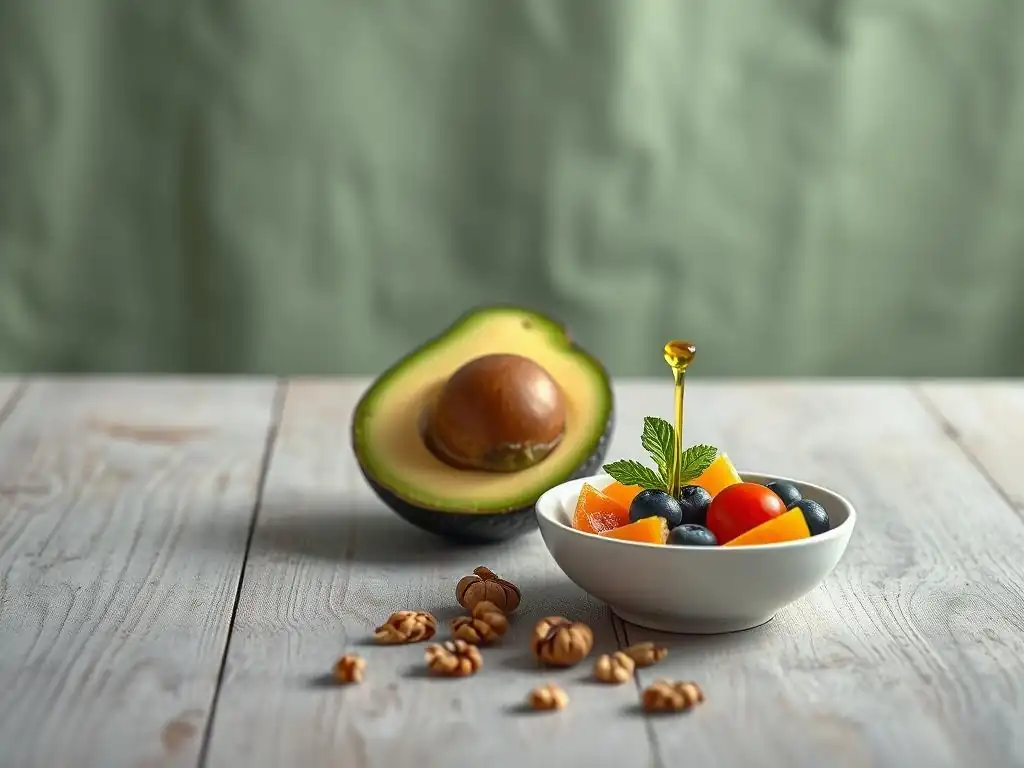
Creating a Weekly Meal Plan for Anxiety Relief
Planning is key to successfully adopting and sticking to any new dietary pattern, including an anti-inflammatory one for anxiety relief. Creating a weekly meal plan helps ensure you consistently incorporate anti-inflammatory foods and avoid inflammatory triggers. Start by identifying meals and snacks for each day, focusing on variety and incorporating the food groups discussed earlier.
A sample day might include oatmeal with berries and nuts for breakfast, a large salad with lean protein and olive oil dressing for lunch, and baked salmon with roasted vegetables and quinoa for dinner. Snacks could be fruit, a handful of nuts, or Greek yogurt. Planning ahead reduces impulsive choices that might involve processed or sugary foods, making it easier to maintain consistency and support your goal of antiinflammatory diet anxiety relief.
Delicious and Anti-Inflammatory Recipes for Anxiety
Incorporating anti-inflammatory foods doesn't mean sacrificing flavor. Many delicious recipes align perfectly with this dietary approach. Experimenting with new recipes can make the transition enjoyable and sustainable. Focus on using fresh ingredients, healthy fats, and plenty of herbs and spices for flavor.
Here are two simple recipes that fit the anti-inflammatory profile and can be helpful for anxiety relief:
Turmeric Latte for Anxiety Relief
This warm beverage combines the power of turmeric with soothing ingredients.
- Mix 1 cup of unsweetened plant-based milk (like almond or coconut milk) with 1 teaspoon of ground turmeric, 1/2 teaspoon of ground ginger, a pinch of black pepper (to enhance curcumin absorption), and a small amount of cinnamon.
- Gently heat on the stove, stirring continuously. You can add a tiny bit of natural sweetener like maple syrup if desired, but keep it minimal.
- This drink is perfect before bed or during a stressful moment.
Baked Salmon with Asparagus and Quinoa
A complete meal packed with omega-3s, fiber, and antioxidants.
- Preheat oven to approximately 400°F (200°C).
- Place a salmon fillet on a baking sheet lined with parchment paper. Drizzle with olive oil, lemon juice, salt, pepper, and herbs like dill or rosemary.
- Toss asparagus spears with a little olive oil, salt, and pepper and place them on the same baking sheet.
- Bake for roughly 12-15 minutes, or until salmon is cooked through and asparagus is tender-crisp.
- Serve with a side of cooked quinoa, a complete protein and good source of fiber.
Mindful Eating: Enhancing the Benefits of the Anti-Inflammatory Diet
Mindful eating is the practice of paying attention to your food and the eating experience without judgment. It involves being aware of hunger and fullness cues, savoring flavors, and noticing the physical and emotional sensations associated with eating. Practicing mindful eating can enhance the benefits of an anti-inflammatory diet for anxiety relief in several ways.
It can help reduce stress around food choices, prevent overeating (which can sometimes lead to digestive discomfort and inflammation), and increase awareness of how different foods make you feel both physically and mentally. By eating mindfully, you become more attuned to your body's responses to food, reinforcing the positive effects of anti-inflammatory eating on your mood and anxiety levels.
Lifestyle Factors: Complementing Diet for Optimal Anxiety Control (Exercise, Sleep, Stress Management)
While diet is a powerful tool, addressing anxiety effectively often requires a multi-faceted approach that includes other lifestyle factors. Regular physical activity is a proven anxiety reducer, releasing endorphins and helping to regulate stress hormones. Aim for consistent movement, whether it's walking, yoga, or more vigorous exercise.
Adequate, quality sleep is also crucial for mental health. Poor sleep can increase inflammation and exacerbate anxiety. Establishing a regular sleep schedule and creating a relaxing bedtime routine can make a significant difference. Finally, incorporating stress management techniques such as meditation, deep breathing exercises, or spending time in nature can complement the anti-inflammatory diet and contribute to comprehensive antiinflammatory diet anxiety relief.
Potential Challenges and Considerations
Addressing Nutrient Deficiencies: Supplementation Strategies
While an anti-inflammatory diet is nutrient-dense, it's possible for individuals to have specific nutrient deficiencies depending on their individual needs or dietary restrictions. Nutrients like Vitamin D, magnesium, and certain B vitamins are crucial for both mood regulation and reducing inflammation, and deficiencies in these can potentially impact anxiety levels. For example, studies have shown that magnesium supplementation may help reduce anxiety symptoms in some individuals.
If dietary intake is insufficient or absorption is poor, supplementation may be considered. However, it's vital to identify any potential deficiencies through blood tests and discuss supplementation strategies with a healthcare professional or registered dietitian. They can recommend appropriate dosages and forms of supplements to complement your anti-inflammatory diet and support your goal of antiinflammatory diet anxiety relief.
Working with a Healthcare Professional: Personalized Guidance and Support
Embarking on a significant dietary change, especially when managing a health condition like anxiety, is best done in consultation with healthcare providers. A doctor can help rule out other potential causes for anxiety symptoms and discuss how dietary changes fit into your overall treatment plan. They can monitor your progress and address any concerns.
A registered dietitian or nutritionist specializing in mental health or inflammatory conditions can provide personalized guidance on implementing the anti-inflammatory diet. They can help create meal plans, offer practical tips, and ensure you are meeting all your nutritional needs. This professional support is invaluable for navigating the process effectively and safely pursuing antiinflammatory diet anxiety relief.
Potential Interactions with Medications: Consulting Your Doctor
If you are currently taking medication for anxiety or any other health condition, it is absolutely essential to discuss any significant dietary changes, including starting an anti-inflammatory diet or taking supplements, with your prescribing doctor. Certain foods or supplements can interact with medications, affecting their absorption, metabolism, or effectiveness.
For instance, some supplements like omega-3 fatty acids can have blood-thinning effects, which could be a concern if you are on anticoagulant medication. Turmeric can also interact with certain drugs. Your doctor can advise you on potential interactions and help you safely integrate an anti-inflammatory diet into your existing treatment plan, ensuring that you pursue antiinflammatory diet anxiety relief without compromising your current medical care.
Conclusion: Embracing the Anti-Inflammatory Diet for Long-Term Anxiety Management and Improved Mental Well-being
The scientific evidence increasingly supports a powerful link between chronic inflammation and anxiety. By adopting an anti-inflammatory diet focused on whole, nutrient-dense foods and limiting inflammatory triggers, individuals have a promising, evidence-based strategy to potentially reduce anxiety symptoms and improve their overall mental well-being. This dietary approach not only addresses potential physiological contributors to anxiety but also nourishes the body and brain.
Embracing an anti-inflammatory lifestyle is a commitment to long-term health. While dietary changes can offer significant antiinflammatory diet anxiety relief, remember that it's often most effective when combined with other healthy habits like regular exercise, sufficient sleep, and stress management techniques. Consulting with healthcare professionals ensures a safe and personalized approach, empowering you to take proactive steps towards a calmer, healthier life.
Frequently Asked Questions
How does an anti-inflammatory diet potentially reduce anxiety?
An anti-inflammatory diet focuses on reducing inflammation in the body. Research suggests that inflammation can contribute to anxiety symptoms, so reducing it through diet can lead to relief.
What are some key foods to include in an anti-inflammatory diet for anxiety relief?
Focus on incorporating foods rich in omega-3 fatty acids, such as fatty fish, along with antioxidant-rich fruits and vegetables. Also, include whole grains for sustained energy and fiber.
Are there specific foods that I should avoid on an anti-inflammatory diet to reduce anxiety?
Yes, you should limit or avoid processed foods, refined sugars, and excessive alcohol consumption. These are known to promote inflammation in the body, potentially worsening anxiety.
How long does it typically take to see results from adopting an anti-inflammatory diet for anxiety?
The timeframe varies from person to person, but some individuals may notice improvements in their anxiety levels within a few weeks. Consistent adherence to the diet is crucial for long-term benefits.
Is an anti-inflammatory diet alone sufficient to treat anxiety, or are other interventions necessary?
While an anti-inflammatory diet can be a helpful tool, it's often most effective when combined with other interventions, such as therapy, exercise, and mindfulness practices. It's important to consider a holistic approach to mental well-being.
Final Reflection: Nourishing the Mind, Calming the Body
The connection between inflammation and anxiety is no longer a fringe theory; it's a burgeoning field of research with profound implications for our mental and physical well-being. Understanding this link empowers us to take proactive steps towards managing anxiety, not just through medication or therapy, but through the simple, yet powerful, act of nourishing our bodies with an anti-inflammatory diet. This isn't about restrictive dieting; it's about cultivating a mindful relationship with food that supports both our physical and mental health.
The impact of diet on mental health is a topic that resonates deeply with me, personally. Witnessing the transformative power of food choices on anxiety levels, both in research and anecdotal evidence, underscores the importance of this holistic approach. The food you eat can be either the safest and most powerful form of medicine or the slowest form of poison.
- Ann Wigmore. This quote perfectly encapsulates the profound influence our dietary choices have on our overall health, including our mental state. The shift towards recognizing the gut-brain connection and the role of inflammation in anxiety is a cultural paradigm shift, moving away from solely pharmaceutical solutions towards a more integrated and personalized approach to wellness.
You now hold the knowledge to make informed choices about your diet and its impact on your anxiety. Consider the foods you consume daily. Are they fueling inflammation or fighting it? This isn't about perfection; it's about progress. Start small, incorporate more anti-inflammatory foods gradually, and observe the subtle shifts in your mood and energy levels. Embrace this journey of self-discovery and empower yourself to take control of your mental and physical health through the mindful choices you make every day. Your journey to a calmer, healthier you begins with the food you choose.
Unleash Your Inner Calm: Take Control of Anxiety Today!
Thanks for exploring the powerful connection between diet and anxiety relief! You've now gained valuable insights into how the anti-inflammatory diet can help you manage stress and improve your well-being. Ready to put this knowledge into action?
- Prioritize Anti-Inflammatory Foods: Start incorporating more fruits, vegetables, and healthy fats into your meals this week. Even small changes can make a big difference! Try swapping one processed snack for a handful of berries.
- Track Your Progress: Keep a food diary to monitor your intake and identify potential triggers. This will help you personalize your diet for optimal results.
- Share Your Journey: Connect with others on their path to better mental health! Share your experiences and encourage others to try an anti-inflammatory approach. This could lead to unexpected support.
What’s one anti-inflammatory food you're excited to add to your diet this week, and how will you track your progress?