
The Caregiver's Guide: Supporting an Older Adult with Anxiety

Welcome to Mind Care Guide.
Are you feeling overwhelmed navigating the complexities of elderly anxiety while also providing care? You're not alone. It's often a challenging journey, and understanding how to effectively support your loved one is crucial. Dive into our "Supporting Elderly Anxiety Caregiver Guide" to discover practical strategies, valuable resources, and empathetic insights that can make a real difference in both your and your loved one's well-being. Ready to find relief and build a stronger connection? Let's begin.
The Caregiver's Guide: Supporting an Older Adult with Anxiety - Mind Care Guide
- Understanding Anxiety in Elderly Adults: A Caregiver's Introduction
- The Unique Challenges of Caregiving for Elderly Anxiety
- Practical Strategies for Supporting Elderly Anxiety: A Caregiver's Toolkit
- Managing Specific Anxiety Triggers in Elderly Individuals
- When to Seek Professional Help for Elderly Anxiety
- Self-Care for Caregivers: Prioritizing Your Well-being
- Resources for Caregivers Supporting Elderly Anxiety
- The Long-Term Journey: Providing Consistent Support for Elderly Anxiety
-
Frequently Asked Questions
- How can I recognize anxiety in an elderly person I'm caring for?
- What are some practical strategies for managing an elderly person's anxiety as a caregiver?
- Where can I find professional help and resources specifically tailored for elderly anxiety and caregiver support?
- What role does communication play in supporting an elderly person experiencing anxiety?
- How can I, as a caregiver, maintain my own mental well-being while supporting an elderly person with anxiety?
- Final Reflection: The Enduring Power of Compassionate Care
- Unwind Their Worries: Take Action for Your Loved One
Understanding Anxiety in Elderly Adults: A Caregiver's Introduction
Why Anxiety in Older Adults Requires Special Attention
Anxiety in older adults often presents differently than in younger populations and is frequently overlooked or misdiagnosed. While conditions like depression and dementia receive significant attention, anxiety disorders in seniors are surprisingly prevalent. Estimates suggest that a substantial percentage of older adults, possibly around 10-20% depending on the study and definition, experience clinically significant anxiety symptoms.
This makes understanding and supporting elderly anxiety a critical area for caregivers. Unlike younger individuals who might express anxiety openly, seniors may manifest it through physical complaints, increased irritability, social withdrawal, or excessive worry about health, finances, or family. The unique physiological changes, life transitions (like retirement, loss of loved ones, declining health), and potential cognitive changes that come with aging can significantly impact how anxiety is experienced and expressed, demanding a specialized approach to care.
Furthermore, untreated anxiety in older adults can have serious consequences for their overall well-being and health. It can exacerbate existing physical conditions such as heart disease or respiratory problems, impair cognitive function, lead to sleep disturbances, and significantly reduce quality of life. Seniors with anxiety are also at a higher risk of falls and increased reliance on healthcare services.
For caregivers, recognizing these unique presentations and understanding the potential impact is the first step in effectively supporting elderly anxiety. It requires looking beyond typical anxiety symptoms and considering the broader context of aging and the individual's specific circumstances. This caregiver's guide aims to provide the knowledge and tools necessary for this vital support role.
Recognizing the Signs: Identifying Anxiety Symptoms in Seniors
Identifying anxiety in older adults can be challenging because symptoms can overlap with those of other medical or age-related conditions. While some seniors may report feeling worried or nervous, others might not label their feelings as "anxiety" at all. Instead, they might exhibit physical symptoms such as unexplained aches and pains, gastrointestinal issues, or shortness of breath.
Behavioral changes are also common indicators when supporting elderly anxiety. These can include increased restlessness, pacing, difficulty concentrating, irritability, avoidance of social situations, or repetitive behaviors like checking locks or faucets excessively. A sudden change in routine or an unwillingness to participate in previously enjoyed activities could also signal underlying anxiety.
Beyond physical and behavioral signs, caregivers should also look for cognitive and emotional indicators. These might include excessive worry about relatively minor issues, fear of losing control, rumination on past events, or persistent feelings of dread or impending doom. Some seniors might express disproportionate fears about their health, even after medical reassurance, or become fixated on potential dangers in their environment.
For example, an older adult might refuse to leave the house due to an intense fear of falling or becoming lost. A key aspect of supporting elderly anxiety involves observing these subtle cues and changes over time, as they can be more telling than a direct verbal report of feeling anxious. Maintaining a detailed log of observed behaviors can be incredibly helpful when discussing concerns with healthcare professionals.
Common Anxiety Disorders Affecting Older Adults
Several specific anxiety disorders are prevalent among the older adult population, each presenting unique challenges for caregivers supporting elderly anxiety. Generalized Anxiety Disorder (GAD) is particularly common, characterized by persistent and excessive worry about various everyday issues, such as finances, health, safety, or family, for at least six months. This worry is often difficult to control and is accompanied by physical symptoms like fatigue, restlessness, difficulty concentrating, muscle tension, or sleep problems. Statistics suggest GAD might affect around 2-7% of older adults.
Another significant disorder is Specific Phobia, which involves an intense, irrational fear of a particular object or situation, such as heights, flying, or certain animals. While often developed earlier in life, phobias can persist or even worsen with age, severely limiting an older adult's independence and quality of life. Social Anxiety Disorder, characterized by a fear of social situations where one might be judged or embarrassed, can also impact seniors, particularly those experiencing increased isolation.
Panic Disorder, involving recurrent unexpected panic attacks, is less common in older adults than in younger groups, but can still occur and be frightening and debilitating. Supporting elderly anxiety often requires identifying which specific type of anxiety is present to tailor interventions effectively.
The Unique Challenges of Caregiving for Elderly Anxiety
Increased Caregiver Stress and Burnout: The Emotional Toll
Caregiving for an older adult with anxiety can place a significant emotional and physical burden on the caregiver. The constant worry about the senior's well-being, the need to manage challenging behaviors like repetitive questioning or avoidance, and the difficulty in providing reassurance that truly alleviates their fears can be emotionally draining. Unlike caring for physical ailments which often have clear treatment paths, managing chronic anxiety involves navigating complex emotional landscapes and unpredictable episodes.
Studies have indicated that caregivers of individuals with mental health conditions, including anxiety, report higher rates of stress, depression, and burnout compared to those caring for individuals with only physical health issues. For example, some research suggests caregiver stress levels can be up to 30-50% higher in these situations. This highlights the critical need for resources focused on supporting elderly anxiety and the well-being of those providing care.
The relentless nature of anxiety means caregivers may feel they are "always on call." An older adult's anxiety can flare up at any time, requiring immediate attention and support, disrupting the caregiver's own schedule, sleep, and social life. This constant state of readiness, coupled with the emotional empathy involved in witnessing a loved one's distress, can lead to chronic stress.
Symptoms of caregiver burnout might include exhaustion, irritability, feelings of hopelessness, withdrawal from friends and family, and even physical health problems. Recognizing these signs in oneself is just as important as recognizing anxiety in the senior being cared for, as burnout compromises the caregiver's ability to provide effective support. This section of the caregiver's guide emphasizes that supporting elderly anxiety effectively begins with acknowledging and addressing the caregiver's own needs.
Caregiving becomes more complex when anxiety coexists with age-related cognitive changes, such as mild cognitive impairment or dementia. Cognitive decline can make it harder for older adults to understand explanations, remember coping strategies, or communicate their feelings clearly. A senior with anxiety and cognitive challenges might express their fear through increased confusion, agitation, or resistance to care, making it difficult for caregivers to determine the root cause of the distress.
For instance, an individual with early dementia might become anxious and agitated during the late afternoon ("sundowning"), and this anxiety might manifest as repetitive questions or attempts to "go home" even when they are already there. Supporting elderly anxiety in this context requires patience and adapting communication strategies.
Furthermore, cognitive impairment can affect an older adult's ability to distinguish between real and perceived threats, heightening their anxiety response. They might become disproportionately fearful of minor changes or interpret neutral situations as dangerous. For caregivers, this means traditional reassurance might be ineffective or quickly forgotten.
Instead, they must rely on creating a stable, predictable environment and using simple, direct communication. It's estimated that a significant overlap exists, with perhaps 20-30% of individuals with dementia also experiencing significant anxiety symptoms. This complex interplay underscores the need for a comprehensive approach to supporting elderly anxiety when cognitive factors are involved, focusing on behavioral interventions and environmental adjustments rather than relying solely on verbal reassurance or complex explanations.
Addressing Physical Health Issues Contributing to Anxiety
Physical health problems are common in older adults and can significantly contribute to or exacerbate anxiety. Chronic pain, respiratory conditions (like COPD), cardiovascular issues, thyroid imbalances, or neurological conditions can all trigger or worsen anxiety symptoms. For example, shortness of breath due to a lung condition can induce panic-like feelings, or chronic pain can lead to constant worry and fear.
Medications prescribed for physical ailments can also have side effects that include anxiety or restlessness. A study might show that older adults with multiple chronic conditions are significantly more likely to report anxiety symptoms compared to those with fewer health issues, perhaps by a factor of two or three. Therefore, a critical part of supporting elderly anxiety involves a thorough medical evaluation to identify and manage any underlying physical causes or contributing factors.
Caregivers play a vital role in monitoring the senior's physical health and communicating observations to healthcare providers. This includes tracking symptoms, noting any correlation between physical discomfort and anxiety levels, and ensuring adherence to medication regimens. It's also important to be aware of potential medication interactions or side effects that could be contributing to anxiety.
For instance, certain asthma medications or even over-the-counter cold remedies can sometimes cause jitteriness or anxiety. By working closely with doctors and understanding the connection between physical and mental health, caregivers can help address the root causes of anxiety rather than just managing the symptoms. This holistic approach is fundamental to effectively supporting elderly anxiety and improving the older adult's overall well-being.
Practical Strategies for Supporting Elderly Anxiety: A Caregiver's Toolkit
Creating a Calm and Supportive Environment for the Senior
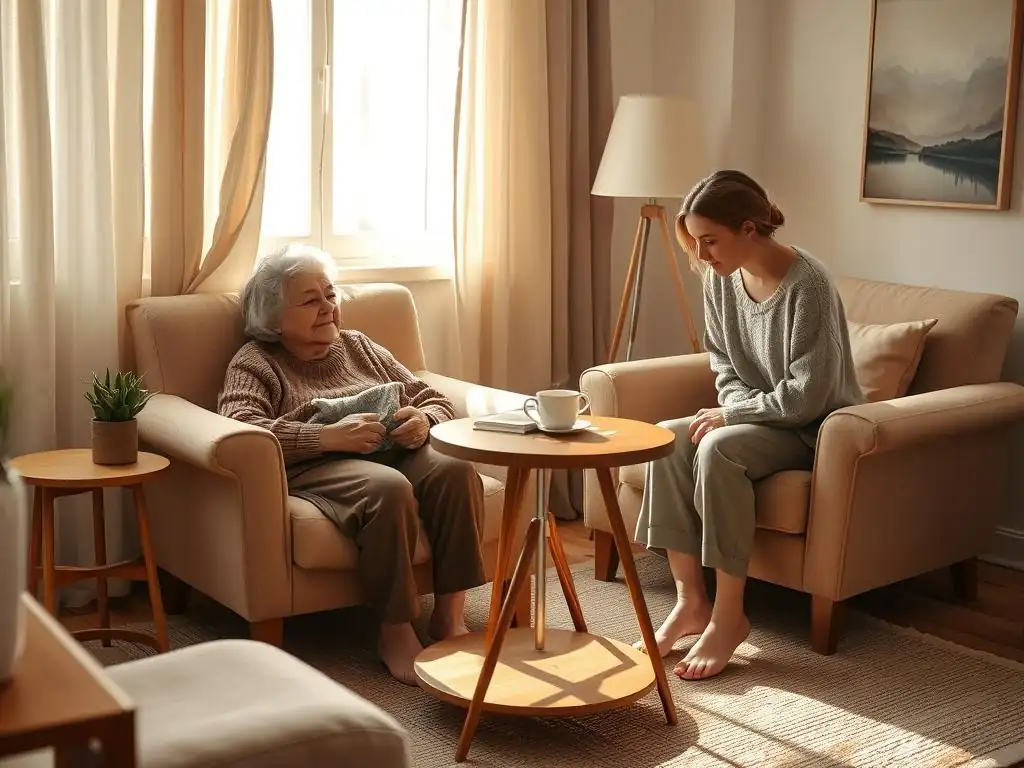
Creating a peaceful and predictable living environment is a cornerstone of supporting elderly anxiety. Older adults often thrive on routine and familiarity, and sudden changes or chaotic surroundings can be significant anxiety triggers. This involves ensuring the home is safe, comfortable, and free from excessive clutter or noise.
Simple adjustments, such as ensuring adequate lighting to prevent falls or having important items easily accessible, can reduce worries about safety and independence. For an older adult who worries about security, reinforcing locks or installing a simple home alarm system might provide significant reassurance. The goal is to minimize external stressors that could heighten their baseline anxiety levels.
Beyond physical space, the emotional atmosphere of the home is equally important. Maintaining a calm and patient demeanor as a caregiver sets a positive tone. Avoiding arguments or stressful discussions in the senior's presence can help prevent vicarious anxiety. If possible, designate a "safe space" within the home where the older adult feels most comfortable and can retreat when feeling overwhelmed. This strategy is a key component in any effective guide on supporting elderly anxiety, focusing on proactive measures to prevent anxiety spikes by controlling environmental factors.
Minimizing Environmental Stressors for Anxiety Relief
Environmental stressors can significantly impact an older adult's anxiety levels. Loud noises, excessive stimulation (like a constantly blaring TV or too many visitors at once), or even strong odors can be overwhelming. Caregivers should actively work to reduce these potential triggers. This might involve turning down the volume on electronic devices, ensuring quiet periods throughout the day, or controlling the number of people present at any given time. For example, instead of a large family gathering, perhaps schedule shorter, one-on-one visits spaced out over time.
Changes in the home environment, such as rearranging furniture or undertaking renovations, should be approached with caution and discussed with the senior beforehand if possible. Even seemingly minor changes can disrupt their sense of security and familiarity. If moving is necessary, involving the older adult in the process as much as possible and recreating elements of their previous environment in the new home can help ease the transition. By being mindful of these environmental factors, caregivers can create a sanctuary that actively supports elderly anxiety management.
Establishing a Predictable Daily Routine for Stability
A predictable daily routine provides a sense of structure, security, and control, which can be incredibly calming for older adults experiencing anxiety. Knowing what to expect throughout the day reduces uncertainty and the potential for worry about upcoming events. This routine should include consistent times for waking up, meals, activities, appointments, and bedtime. For instance, having breakfast at 8:00 AM, a walk at 10:00 AM, lunch at 1:00 PM, and a quiet activity in the afternoon provides anchors throughout the day.
While flexibility is sometimes necessary, maintaining the core elements of the routine as much as possible is beneficial. If a change is unavoidable, preparing the older adult in advance can help minimize anxiety. Using visual aids, like a simple calendar or schedule board, can also help orient them and reduce worry about forgetting appointments or activities. This practical step is fundamental when supporting elderly anxiety, offering a tangible framework that reduces ambiguity and promotes a sense of order in their lives.
Communication Techniques for Anxious Older Adults
Effective communication is paramount when supporting elderly anxiety. An anxious older adult may struggle to articulate their fears or may become fixated on specific worries. Caregivers need to communicate in a way that is both reassuring and validating, without dismissing their feelings. Speaking in a calm, clear, and gentle tone can help de-escalate rising anxiety. Avoid rushing the conversation or showing impatience, as this can exacerbate their distress. Sometimes, simply being present and offering a comforting silence is more helpful than trying to fill the space with words.
When discussing worries, try to focus on the emotion behind the words rather than getting caught up in the specific details of the fear, especially if the fear is irrational. For example, if an older adult is excessively worried about a minor health issue, acknowledge their fear ("I understand you're feeling very worried about this cough") before gently offering reassurance or suggesting a practical step ("We can call the doctor tomorrow to discuss it"). This approach, detailed in many resources on supporting elderly anxiety, validates their experience while guiding them towards a solution or coping mechanism.
Active Listening and Empathetic Responses
Active listening is a crucial skill for any caregiver, but it is particularly important when supporting elderly anxiety. This involves paying full attention to what the older adult is saying, both verbally and non-verbally, and reflecting back your understanding to show you are truly hearing them. For example, you might say, "It sounds like you're feeling very scared about being alone tonight," or "So, if I understand correctly, you're worried about the appointment next week?" This validates their feelings and encourages them to share more.
Empathy means putting yourself in their shoes and trying to understand their perspective, even if their fears seem unfounded to you. Respond with compassion and understanding, rather than trying to logic them out of their anxiety. Phrases like "That sounds very difficult," or "I can see why that would make you feel worried," can be incredibly powerful in building trust and making the older adult feel understood. This empathetic approach is a cornerstone of effective communication when supporting elderly anxiety, fostering a safe space for them to express their fears without judgment.
Avoiding Triggering Language and Conversations
Caregivers should be mindful of language and topics that might trigger or worsen an older adult's anxiety. This includes avoiding overly catastrophic language when discussing news or events, refraining from dwelling on negative possibilities, and being cautious about discussing sensitive topics like illness, death, or financial difficulties if these are known triggers. While honesty is important, the timing and framing of such conversations are critical. For instance, instead of focusing on the worst-case scenario of a health issue, discuss the practical steps being taken for diagnosis or treatment.
Similarly, avoid making dismissive statements like "Don't worry so much" or "There's nothing to be afraid of." These phrases invalidate the older adult's feelings and can make them feel misunderstood or foolish, potentially increasing their anxiety or causing them to withdraw. When supporting elderly anxiety, the focus should be on acknowledging their feelings and offering practical support or reassurance, rather than minimizing their distress. Being aware of individual triggers and sensitive topics is key to navigating conversations safely.
Promoting Healthy Lifestyle Habits to Manage Anxiety
Encouraging healthy lifestyle habits is a powerful, non-pharmacological strategy for supporting elderly anxiety. Diet, exercise, and sleep all play significant roles in mental well-being. While these might seem like basic recommendations, consistency is key for older adults. Helping them incorporate these habits into their daily routine can have a profound impact on reducing anxiety symptoms and improving overall resilience. This approach is often highlighted in comprehensive guides on supporting elderly anxiety as a foundational element of care.
It's important to approach these lifestyle changes gradually and with the older adult's capabilities and preferences in mind. Small, consistent efforts are more effective than trying to implement drastic changes all at once. Celebrate small successes to encourage motivation and adherence. Caregivers can act as facilitators and motivators, participating in activities with the senior or helping them access resources that support these healthy habits.
Encouraging Regular Physical Activity and Exercise
Regular physical activity is a well-documented stress and anxiety reducer for people of all ages, including older adults. Exercise releases endorphins, which have mood-boosting effects, and can help dissipate nervous energy. It also improves physical health, which can reduce anxiety related to health concerns. Even moderate activity, such as a daily 30-minute walk, chair exercises, or gentle stretching, can be beneficial. For an older adult who is mobile, joining a senior fitness class or simply walking outdoors can provide both physical and social benefits.
Caregivers can encourage activity by suggesting walks together, ensuring a safe environment for exercise, or helping the senior find suitable exercise programs. It's crucial to consult with a healthcare provider before starting any new exercise regimen to ensure it's appropriate for the older adult's health condition. Tailoring the activity to their interests and abilities is essential for long-term adherence. Consistent physical movement is a vital tool when supporting elderly anxiety.
Ensuring Adequate Sleep and Restful Nights
Sleep disturbances are common in older adults and can significantly worsen anxiety symptoms. Anxiety itself can make it difficult to fall asleep or stay asleep, creating a vicious cycle. Caregivers can help by promoting good sleep hygiene. This includes maintaining a consistent sleep schedule, ensuring the bedroom is dark, quiet, and cool, and limiting caffeine and alcohol intake, especially in the evening. Encouraging relaxation techniques before bed, such as reading, listening to calming music, or taking a warm bath, can also be helpful.
Avoiding heavy meals or excessive fluids close to bedtime can reduce nighttime awakenings. If the older adult is napping excessively during the day, this might interfere with nighttime sleep; encouraging more activity during the day can help consolidate sleep at night. If sleep problems persist, it's important to discuss this with a healthcare provider, as there might be underlying medical causes or effective treatments available. Addressing sleep issues is a key part of supporting elderly anxiety and improving overall well-being.
Nutritional Considerations for Anxiety Management
While diet alone cannot cure anxiety, certain nutritional factors can influence mood and anxiety levels in older adults. Ensuring a balanced diet rich in whole foods, fruits, vegetables, lean proteins, and healthy fats provides the body with the nutrients needed for optimal brain function. Avoiding excessive sugar and processed foods, which can cause energy crashes and mood swings, is generally recommended. Some studies suggest that deficiencies in certain nutrients, such as B vitamins, magnesium, or omega-3 fatty acids, might be linked to increased anxiety symptoms.
Maintaining stable blood sugar levels by eating regular meals and snacks can prevent irritability and anxiety caused by hypoglycemia. Staying well-hydrated by drinking plenty of water throughout the day is also important. While individual nutritional needs vary, caregivers can support healthy eating habits by planning and preparing nutritious meals and ensuring the older adult has access to healthy food options. Discussing diet with a healthcare provider or a registered dietitian can provide tailored recommendations for supporting elderly anxiety through nutrition.
Managing Specific Anxiety Triggers in Elderly Individuals
Social isolation and loneliness are significant risk factors for anxiety and depression in older adults. As individuals age, they may experience loss of spouses, friends, or family members, mobility issues that make it difficult to leave the house, or sensory impairments that hinder communication.
These factors can lead to decreased social interaction and feelings of loneliness, which can fuel anxiety about being alone, safety, or purpose. Research consistently shows a strong correlation between social connection and mental well-being in seniors; for instance, one study might indicate that older adults with strong social ties have a significantly lower risk of anxiety and depression, perhaps by 30-40%.
Caregivers can actively work to combat isolation by facilitating social connections. This might involve arranging regular visits from family and friends, helping the senior participate in social activities they enjoy (such as clubs, religious services, or community centers), or utilizing technology like video calls to connect with distant loved ones. Even brief, regular check-ins from the caregiver or other support network members can make a difference. Supporting elderly anxiety often involves rebuilding or maintaining these vital social links.
Worry about health is common in older adults, but for those with anxiety, these fears can become excessive and debilitating, sometimes manifesting as health anxiety or hypochondriasis. They may become preoccupied with minor physical symptoms, constantly seek reassurance from doctors, or avoid medical care altogether out of fear of receiving bad news. The reality of declining health and mortality can be significant triggers. Caregivers can support by acknowledging these fears empathetically while also gently encouraging a balanced perspective.
It's important to validate their feelings ("I know you're worried about this pain") but also provide calm, factual information from healthcare providers. Encourage open communication with doctors about their health concerns. Helping them focus on maintaining their current health through positive lifestyle choices and appropriate medical management can provide a sense of control. Facilitating discussions about end-of-life wishes, if appropriate and desired by the senior, can sometimes alleviate anxiety about the unknown by promoting a sense of preparedness. Supporting elderly anxiety related to health involves patience, medical collaboration, and emotional support.
Handling Financial Concerns and Security Issues
Financial worries and concerns about personal security are common sources of anxiety for older adults, particularly those on fixed incomes or who live alone. Fears about running out of money, being unable to afford healthcare costs, or becoming a victim of fraud or crime can be intense. These anxieties are often rooted in real vulnerabilities, making them particularly challenging to address solely with reassurance. Caregivers can help by addressing these concerns practically and providing a sense of security.
This might involve helping the senior organize their finances, reviewing bills and budgets together, or connecting them with resources like financial advisors who specialize in elder care or government assistance programs they may be eligible for. Discussing security measures for their home, such as better locks or neighborhood watch programs, can also provide peace of mind. For those susceptible to scams, education on identifying and avoiding fraud is crucial. By taking concrete steps to address financial and security vulnerabilities, caregivers provide tangible support, which is a vital part of supporting elderly anxiety related to these practical concerns.
When to Seek Professional Help for Elderly Anxiety
Recognizing the Need for Professional Intervention
While caregiver support and lifestyle adjustments can significantly help in supporting elderly anxiety, there are times when professional intervention is necessary. It is crucial to seek professional help when the anxiety symptoms are severe, significantly impairing the older adult's daily functioning, causing significant distress, or when the caregiver feels overwhelmed and unable to manage the situation alone.
Signs that warrant professional evaluation include persistent and intense worry that is difficult to control, panic attacks, phobias that severely restrict daily activities, significant social withdrawal, sleep disturbances that don't respond to lifestyle changes, or physical symptoms that have been medically cleared but continue to cause distress.
Furthermore, if anxiety is co-occurring with symptoms of depression (such as persistent sadness, loss of interest, changes in appetite or weight) or if there are any thoughts of self-harm, immediate professional help is required. A healthcare provider can rule out underlying medical conditions contributing to anxiety and recommend appropriate treatment options. Don't hesitate to reach out; seeking professional guidance is a sign of responsible caregiving and is often essential for effective supporting elderly anxiety.
Finding Geriatric Mental Health Professionals
Finding mental health professionals who specialize in working with older adults is ideal, as they have a deeper understanding of the unique challenges and presentations of mental health conditions in this population, including anxiety. Geriatric psychiatrists, geriatric psychologists, or licensed clinical social workers with experience in geriatrics are excellent resources. They are familiar with age-related physiological changes, potential interactions with existing medical conditions and medications, and the specific life transitions that can impact senior mental health.
Caregivers can start by contacting the older adult's primary care physician for a referral. Local Area Agencies on Aging, senior centers, or mental health associations may also have lists of providers specializing in geriatric care. Online directories for mental health professionals often allow filtering by specialization and age group. When contacting a potential therapist or psychiatrist, ask about their experience working with older adults and their approach to treating anxiety in this age group. Finding the right professional is a critical step in effectively supporting elderly anxiety.
Understanding Medication and Therapy Options for Older Adults
Treatment for anxiety in older adults typically involves a combination of psychotherapy (talk therapy) and, in some cases, medication. Cognitive Behavioral Therapy (CBT) is often recommended and has proven effective. CBT helps individuals identify and challenge negative thought patterns that contribute to anxiety and develop coping strategies. It can be adapted for older adults, sometimes incorporating memory aids or focusing on present-day concerns. Exposure therapy, a type of CBT, can be helpful for specific phobias. Therapy provides older adults with tools to manage their anxiety long-term, empowering them in their journey of supporting elderly anxiety.
Medication may be prescribed, particularly for more severe anxiety or when therapy alone is not sufficient. However, prescribing for older adults requires careful consideration due to potential interactions with other medications, slower metabolism, and increased sensitivity to side effects. Low doses are typically started, and carefully titrated. Selective Serotonin Reuptake Inhibitors (SSRIs) are often the first-line medication for anxiety disorders in older adults due to their safety profile, though other medications like SNRIs or buspirone may also be used.
Benzodiazepines are generally used cautiously and for short periods, if at all, due to risks of sedation, cognitive impairment, falls, and dependence in older adults. A geriatric psychiatrist or physician experienced in geriatric pharmacology is best equipped to manage these medications safely. The decision to use medication should always be made in consultation with a qualified healthcare professional, weighing the potential benefits against the risks.
Self-Care for Caregivers: Prioritizing Your Well-being

Managing Stress and Preventing Burnout as a Caregiver
Supporting elderly anxiety is a demanding role that can lead to significant stress and burnout if caregivers do not prioritize their own well-being. Chronic stress can impact your physical and mental health, reducing your capacity to provide effective care. Recognizing the signs of burnout – such as exhaustion, irritability, feelings of resentment, loss of interest in caregiving, or withdrawal from personal life – is the first step. Proactive stress management is essential. This includes incorporating stress-reducing activities into your routine, such as mindfulness meditation, deep breathing exercises, yoga, or spending time in nature.
Setting realistic expectations for yourself and understanding that you cannot solve all of the older adult's anxiety or be available 24/7 is crucial. Learn to say no to additional demands on your time and energy when necessary. Prioritizing adequate sleep, maintaining a healthy diet, and engaging in regular physical activity are just as important for caregivers as they are for those they care for. Remember, taking care of yourself is not selfish; it is a necessary component of sustainable and effective caregiving when supporting elderly anxiety.
Building a Support System for Caregivers of Anxious Seniors
Having a strong support system is vital for caregivers. This network can provide emotional support, practical assistance, and a sense of not being alone in the challenges of supporting elderly anxiety. Reach out to family members, friends, or other trusted individuals who can offer a listening ear or help with caregiving tasks. Sharing your experiences and feelings with someone who understands can significantly reduce feelings of isolation and burden.
Consider joining a caregiver support group, either online or in person. Connecting with other caregivers who are facing similar challenges provides a unique form of validation and allows for the sharing of practical tips and coping strategies. Organizations focused on aging or specific conditions like anxiety often host such groups.
For example, a local chapter of an Alzheimer's Association (even if the senior doesn't have Alzheimer's, they may have groups for caregivers of individuals with dementia and co-occurring issues) or a mental health support group might be valuable resources. Building this network is a proactive step in safeguarding your own mental health while supporting elderly anxiety in your loved one.
Respite Care Options: Taking Breaks and Recharging
Respite care provides temporary relief for caregivers, allowing them to take a break, attend to personal needs, or simply rest and recharge. Utilizing respite care is not a sign of failure but a necessary strategy for preventing burnout and maintaining the caregiver's ability to provide long-term support. Options for respite care vary and can include in-home respite services (where a trained professional comes to the home), adult day centers (where the older adult attends a program during the day), or short-term stays in assisted living facilities or nursing homes.
Planning for respite care in advance is advisable, rather than waiting until you are in crisis. Research available options in your area and understand the costs and services provided. Even a few hours of respite can make a significant difference in a caregiver's stress levels. Regularly scheduled breaks are essential for maintaining physical and emotional stamina when supporting elderly anxiety, ensuring that you can continue to provide compassionate and effective care without sacrificing your own well-being.
Resources for Caregivers Supporting Elderly Anxiety
Online Support Groups and Communities
The internet offers a wealth of resources for caregivers, including online support groups and forums dedicated to supporting elderly anxiety and other related challenges. These online communities provide a platform for connecting with other caregivers from around the world, sharing experiences, asking questions, and finding emotional support at any time of day or night. They can be particularly helpful for caregivers who are geographically isolated or have difficulty leaving the home to attend in-person meetings.
Examples might include forums on websites focused on aging, mental health, or specific conditions. While online groups can be incredibly supportive, it's important to be mindful of privacy and the accuracy of information shared. Look for moderated groups associated with reputable organizations. Participating in these communities can provide valuable insights and a sense of solidarity when navigating the complexities of supporting elderly anxiety.
Local Organizations Offering Assistance and Guidance
Many local and national organizations offer resources, support, and guidance for caregivers of older adults. These can include Area Agencies on Aging, state and local departments of health or aging, non-profit organizations focused on mental health or specific conditions, and senior centers. These organizations often provide services such as caregiver support programs, educational workshops, information and referral services, and sometimes even direct assistance like transportation or help with navigating benefits.
Contacting your local Area Agency on Aging is a good starting point, as they can typically connect you with a wide range of services available in your community. Hospitals and healthcare systems may also offer caregiver support programs or social work services. Exploring these local resources can provide invaluable practical help and expert guidance specific to supporting elderly anxiety in your area.
Recommended Reading and Educational Materials
Educating yourself about anxiety in older adults is a powerful tool for effective caregiving. Numerous books, articles, and websites provide detailed information on understanding anxiety, recognizing symptoms, and implementing strategies for supporting elderly anxiety. Look for resources authored by mental health professionals or reputable organizations in the field of geriatrics or mental health.
Reading personal accounts from other caregivers or individuals who have experienced anxiety can also offer valuable perspectives and a sense of connection. Many organizations dedicated to mental health publish free brochures, fact sheets, or guides specifically tailored to older adults and their caregivers. Continuously learning and seeking out reliable information empowers caregivers to provide the best possible support and adapt their strategies as needed.
The Long-Term Journey: Providing Consistent Support for Elderly Anxiety
Adapting Care Strategies as Needs Evolve
Supporting elderly anxiety is often a long-term journey, and the older adult's needs and challenges may evolve over time. Anxiety symptoms can fluctuate in intensity, new triggers may emerge, or co-occurring physical or cognitive conditions may progress. This requires caregivers to be flexible and willing to adapt their care strategies. A strategy that was effective last year might need to be modified or replaced as the individual's circumstances change. Regular reassessment of the older adult's anxiety levels, triggers, and overall well-being is crucial.
Maintaining open communication with healthcare providers is essential to ensure that treatment plans, including therapy or medication, are adjusted as needed. Similarly, revisiting communication techniques, daily routines, and environmental adjustments periodically can help ensure they remain appropriate and effective. This ongoing process of evaluation and adaptation is key to providing consistent and effective support for elderly anxiety over the long haul.
Celebrating Small Victories and Progress
In the face of chronic anxiety, progress can sometimes feel slow or hard to see. It is important for both the older adult and the caregiver to acknowledge and celebrate small victories along the way. Perhaps the senior was able to attend a social event they had been avoiding, used a coping technique successfully during a moment of worry, or simply had a day with fewer anxious episodes. Recognizing these small steps forward is vital for maintaining morale and motivation.
Celebrating progress reinforces positive behaviors and provides a sense of accomplishment for the older adult. For caregivers, acknowledging these victories can combat feelings of discouragement and highlight the positive impact of their efforts. Focusing on progress, no matter how incremental, helps maintain a hopeful outlook and reinforces the value of consistent effort in supporting elderly anxiety.
Maintaining Hope and Positivity in the Face of Challenges
Caregiving for an older adult with anxiety can be emotionally challenging, and there will undoubtedly be difficult days. Maintaining hope and a positive outlook is crucial for both the caregiver and the senior. While it's important to acknowledge the reality of the challenges, dwelling solely on the difficulties can be detrimental. Focus on the strengths of the older adult and the positive aspects of their life. Encourage engagement in activities that bring them joy and provide a sense of purpose, even if anxiety sometimes interferes.
For caregivers, this involves practicing self-compassion and recognizing your own resilience. Lean on your support system, utilize respite care, and remember the value you bring to the older adult's life by providing compassionate support. While anxiety may be a chronic condition, effective strategies and consistent support can significantly improve an older adult's quality of life and well-being. This guide on supporting elderly anxiety is a tool to empower caregivers on this journey, fostering hope and resilience for everyone involved.
Frequently Asked Questions
How can I recognize anxiety in an elderly person I'm caring for?
Anxiety in older adults can manifest differently. Look for signs like excessive worry, restlessness, and physical symptoms such as headaches or stomach problems.
What are some practical strategies for managing an elderly person's anxiety as a caregiver?
Focus on creating a calm and predictable environment. Encourage regular exercise and healthy eating habits. Limit exposure to stressful triggers if possible.
Where can I find professional help and resources specifically tailored for elderly anxiety and caregiver support?
Consult with a geriatric psychiatrist or therapist. Organizations like the Alzheimer's Association and National Council on Aging offer valuable resources and support groups.
What role does communication play in supporting an elderly person experiencing anxiety?
Open and honest communication is crucial. Actively listen to their concerns and validate their feelings. Avoid dismissing their anxieties or offering unsolicited advice.
How can I, as a caregiver, maintain my own mental well-being while supporting an elderly person with anxiety?
Prioritize self-care by engaging in activities you enjoy. Seek support from friends, family, or a therapist. Remember that caregiver burnout is a real concern, and seeking help is essential.
Final Reflection: The Enduring Power of Compassionate Care
The emotional toll of caring for an older adult with anxiety is undeniable, yet the rewards of providing compassionate support are equally profound. This guide has explored practical strategies and emotional resources, aiming to equip caregivers with the tools they need to navigate this challenging journey. But beyond the checklists and techniques, it's the human connection that truly makes the difference.
Witnessing the resilience and strength of older adults facing anxiety, alongside the unwavering dedication of their caregivers, has deeply impacted my understanding of the human spirit. The best things in life are not things.
This simple quote resonates deeply, reminding us that true value lies in the relationships we nurture and the love we share, especially during times of vulnerability. The emotional labor involved in caregiving is often unseen, yet its impact on families and communities is immeasurable. It shapes our understanding of empathy, patience, and the enduring power of human connection.
Now, I invite you to reflect on your own experiences. Consider the ways in which you can cultivate patience, empathy, and self-care in your own life, whether you are a caregiver or not. Remember that seeking support is a sign of strength, not weakness. Embrace the opportunity to learn, grow, and connect with others in this journey. The path of caregiving may be challenging, but it is also incredibly rewarding, filled with moments of profound connection and shared humanity. Let's continue to build a world where compassionate care is not only valued but actively supported.
Unwind Their Worries: Take Action for Your Loved One
Thanks for taking the time to learn about supporting your loved one through anxiety. You've gained valuable insights into understanding and addressing this challenge. Now, let's put that knowledge into action!
- Prioritize one practical tip from the article: Choose one strategy discussed—whether it's implementing a calming routine, practicing mindful breathing exercises, or seeking professional guidance—and try it this week. Even small changes can make a big difference.
- Share this article with a fellow caregiver: Helping someone else often helps ourselves. Sharing this guide might connect you with others facing similar experiences.
- Explore relaxation techniques together: Find a guided meditation or relaxation exercise online and experience the benefits as a team. This shared activity can strengthen your bond and help manage anxiety together.
What small step will you take today to ease your loved one's anxiety and strengthen your connection?