
From Darkness to Dawn: Real Journeys of Healing from PPD


Welcome to Mind Care Guide, a safe space where understanding blossoms and healing begins. Feeling lost in the shadows? You're not alone.
We understand that the journey through mental health challenges can feel isolating, especially when navigating something as profound as postpartum depression. This article, "From Darkness to Dawn: Real Journeys of Healing from PPD," delves into the Postpartum depression recovery journey with empathy and actionable insights. Ready to discover pathways to light and reclaim your well-being? Let's begin.
- From Darkness to Dawn: Real Journeys of Healing from PPD
- Real-Life Postpartum Depression Recovery Journey Stories: Finding Hope and Healing
-
Key Strategies for Postpartum Depression Recovery
- Building a Strong Support Network: Connecting with Others Who Understand
- Therapy and Counseling: Finding the Right Therapist for Your Needs
- Medication for PPD: Understanding the Options and Benefits
- Self-Care Practices: Prioritizing Your Mental and Physical Well-being
- Lifestyle Changes: Creating a Supportive Environment for Recovery
- Overcoming Challenges in the Postpartum Depression Recovery Journey
- Resources for Postpartum Depression Support and Treatment
- Long-Term Well-being After Postpartum Depression: Maintaining a Healthy Mindset
- Conclusion: You Are Not Alone - Postpartum Depression Recovery is Possible
- Frequently Asked Questions
- Final Reflection: Embracing the Dawn After Postpartum Depression
- Unveil Your Path to Postpartum Healing
From Darkness to Dawn: Real Journeys of Healing from PPD
Defining Postpartum Depression: Beyond the "Baby Blues"
Postpartum depression (PPD) is a complex mood disorder that can affect women after childbirth. Unlike the common "baby blues," which typically involve mild mood swings and anxiety lasting a week or two, PPD is more intense and persistent. It can manifest days, weeks, or even months after the baby is born, significantly impacting a mother's ability to care for herself and her child.
While baby blues affect a large percentage of new mothers, perhaps up to 80%, PPD is a clinical condition requiring professional attention, affecting an estimated 1 in 7 women in the United States, according to various studies and organizations like the CDC. This distinction is crucial because PPD does not resolve on its own and can worsen without treatment.
The symptoms of PPD are varied and can range from mild to severe. They differ significantly from the transient sadness or irritability of the baby blues. PPD involves profound feelings of sadness, hopelessness, and emptiness that interfere with daily functioning.
It is a serious mental health condition that requires compassionate understanding and effective intervention. Recognizing PPD for what it is—a treatable medical condition, not a personal failing—is the first critical step on the postpartum depression recovery journey. It's important to remember that experiencing PPD does not mean you don't love your baby or are a bad mother; it means you are facing a health challenge that many women encounter.
Recognizing the Symptoms of PPD: A Guide for New Mothers and Families
Identifying the signs of PPD is vital for seeking timely help. Symptoms can include persistent sadness, crying spells, and intense irritability or anger. Many mothers with PPD experience overwhelming fatigue that doesn't improve with rest, significant changes in appetite (either eating too much or too little), and sleep disturbances unrelated to the baby's schedule, such as insomnia even when the baby is sleeping.
A hallmark symptom is a loss of interest or pleasure in activities previously enjoyed, including spending time with the baby. Some mothers may feel detached from their infant, experiencing difficulty bonding or feeling anxious about their ability to care for the baby.
Beyond emotional and physical symptoms, PPD can also manifest as feelings of worthlessness, guilt, or shame. Some women experience restlessness, anxiety, or panic attacks. More severe cases can involve thoughts of harming oneself or the baby, although this is less common.
It's important for partners, family members, and friends to be aware of these signs as new mothers may not recognize them in themselves or may be afraid to speak up due to stigma. For instance, a mother who previously enjoyed reading might stop entirely, or one who was excited about breastfeeding might feel overwhelming dread or indifference towards it. Recognizing these shifts is a key part of identifying the need for support on the postpartum depression recovery journey.
The Importance of Early Intervention in Postpartum Depression Treatment
Early intervention is paramount in improving outcomes for mothers experiencing PPD. The sooner a mother receives professional help, the more effectively her symptoms can be managed, potentially shortening the duration and severity of the episode. Research indicates that treatment initiated within the first few months of symptom onset is often more effective than delayed treatment.
Waiting can allow symptoms to become more entrenched, impacting the mother-infant bond, family dynamics, and the mother's overall well-being for a longer period. Access to care, whether through a primary care physician, a mental health professional, or a specialized perinatal mental health program, is a critical factor in enabling early intervention.
Accessing support early can also help prevent the development of more severe conditions or complications. For example, untreated PPD can sometimes lead to chronic depression or other mental health issues. It can also have potential long-term effects on the child's development and the family unit. Healthcare providers are increasingly screening for PPD during postpartum checkups, often using validated questionnaires like the Edinburgh Postnatal Depression Scale (EPDS). Scoring above a certain threshold on such a tool prompts further assessment and discussion about treatment options. This proactive approach is a vital component of facilitating a smoother postpartum depression recovery journey.
Real-Life Postpartum Depression Recovery Journey Stories: Finding Hope and Healing
Journey 1: Sarah's Experience with Overcoming Postpartum Anxiety and Depression
Sarah, a first-time mother, expected joy after her daughter was born, but instead, she was overwhelmed by intense anxiety and despair. She constantly worried about her baby's health and safety, often checking on her throughout the night even when she was sleeping soundly. This anxiety was coupled with a deep sadness and a feeling of being completely inadequate as a mother.
She felt guilty for not feeling the overwhelming love she expected and struggled to connect with her baby. Simple tasks like changing a diaper or preparing a bottle felt monumental, and she often isolated herself, avoiding friends and family because she felt like a failure.
Her husband noticed her withdrawal and constant worry, encouraging her to talk to her doctor. During a follow-up appointment, Sarah tearfully described her symptoms, and her doctor administered a PPD screening questionnaire, confirming the likelihood of postpartum anxiety and depression. This marked the beginning of her postpartum depression recovery journey. Sarah initially felt scared and ashamed but also relieved to have a name for what she was experiencing. Her doctor referred her to a therapist specializing in perinatal mental health and discussed potential medication options.
Initial Struggles and Seeking Help for PPD
Sarah's initial struggles were compounded by sleep deprivation and the physical recovery from childbirth. She found it hard to even make the phone calls to schedule appointments. Her anxiety made leaving the house difficult. It took her husband's persistent encouragement and practical help – like scheduling appointments for her and driving her there – to overcome these initial hurdles. She remembers one particularly difficult day when she couldn't stop crying and felt utterly hopeless; that was the day she finally agreed to call her doctor.
Seeking help felt like admitting defeat, but it was the most crucial step. Her doctor was empathetic and validated her feelings, explaining that PPD is common and treatable. This initial conversation helped lift some of the shame she felt. The referral to a specialist felt less daunting knowing it was a professional who understood her specific challenges. This initial step, though difficult, was the turning point in her postpartum depression recovery journey.
Therapy and Medication: A Combination for Healing
Sarah began attending weekly therapy sessions focusing on cognitive behavioral therapy (CBT) and mindfulness techniques. Her therapist helped her challenge negative thought patterns ("I'm a bad mother," "My baby would be better off without me") and develop coping strategies for her anxiety. She learned relaxation exercises and techniques to be more present with her baby. Alongside therapy, her doctor prescribed an antidepressant, explaining that it could help regulate the chemical imbalances contributing to her mood and anxiety symptoms.
The combination of therapy and medication was not an overnight fix, but Sarah started noticing gradual improvements after several weeks. The medication helped take the edge off the intense anxiety and sadness, making it easier for her to engage in therapy and daily life. Therapy provided her with tools to manage difficult moments and build resilience. She learned that it was okay to have bad days and that healing was a process, not a destination. This dual approach proved highly effective in supporting her postpartum depression recovery journey.
Building a Support System: The Role of Family and Friends
Crucially, Sarah's husband became her strongest advocate and support. He took on more household responsibilities, ensured she got breaks, and encouraged her to talk about her feelings. Sarah also slowly started opening up to a few trusted friends and her mother. Sharing her struggles helped alleviate the isolation and shame she had been feeling. Her mother came over regularly to help with the baby, allowing Sarah time for herself or for appointments.
She also joined a local support group for new mothers experiencing PPD. Connecting with other women who understood exactly what she was going through was incredibly validating and empowering. They shared experiences, tips, and encouragement. This network of support, from her immediate family to her peer group, was indispensable in navigating her postpartum depression recovery journey. She learned she wasn't alone and that her feelings were shared by many others.
Thriving After PPD: Sarah's Advice for Other Mothers
Today, several years later, Sarah is thriving. Her bond with her daughter is strong, and she feels confident in her abilities as a mother. She continues to practice the self-care and mindfulness techniques she learned in therapy and maintains connections with her support group friends. Her advice to other mothers struggling with PPD is clear:
- Acknowledge your feelings: Don't minimize what you're going through. It's okay not to be okay.
- Seek professional help: Talk to your doctor or a mental health professional. They have the expertise to guide your recovery.
- Lean on your support system: Let your partner, family, and friends help. You don't have to do this alone.
- Be patient and kind to yourself: Healing takes time. Celebrate small victories and remember you are doing your best.
Sarah's journey highlights that while PPD is challenging, a full and joyful postpartum depression recovery journey is absolutely possible with the right support and treatment.
Journey 2: Maria's Story of Healing from Severe Postpartum Depression
Maria's experience with PPD was particularly severe. After the birth of her second child, she was hit with a wave of overwhelming sadness and lethargy that left her unable to care for her newborn or her older child. She felt a profound sense of detachment from her baby, struggling to feel any emotional connection.
The guilt over this lack of bonding was immense, plunging her deeper into despair. She lost interest in everything, including eating, and spent most days in bed, unable to find the motivation to even shower. Her family was deeply concerned, witnessing a dramatic shift from her usual energetic self.
Her husband, recognizing the severity of her symptoms, took her to the emergency room, where she was evaluated and referred to an intensive outpatient program for perinatal mental health. This was a critical turning point, as her symptoms were too severe for standard weekly therapy alone. The program provided daily structure, therapy, and psychiatric evaluation. This level of care was necessary to stabilize her condition and begin her long postpartum depression recovery journey. It was a difficult decision to enter the program, but her family's insistence and the clear severity of her state made it unavoidable.
The Impact of PPD on Motherhood and Family Life
Severe PPD profoundly impacted Maria's ability to function as a mother and partner. She couldn't engage with her children; feeding and changing the baby felt like insurmountable tasks. Her older child was confused and scared by her mother's withdrawal. The strain on her marriage was significant, as her husband had to take on all caregiving responsibilities for both children and manage the household, all while worrying about Maria. The emotional toll on the entire family was immense.
Maria felt like a complete failure, believing her children deserved a better mother. This self-condemnation was a constant internal battle. The lack of connection with her baby was particularly agonizing, feeding her guilt and sense of inadequacy. Her experience underscores how PPD is not just an individual struggle but a family crisis that requires comprehensive support and intervention for all involved. Her journey highlights the deep impact PPD can have on the core of family life before the postpartum depression recovery journey can truly begin.
Finding the Right Treatment: A Process of Trial and Error
Finding the right treatment for Maria's severe PPD involved some trial and error. Initially, she was prescribed medication, but it took a few adjustments to find the right type and dosage that provided relief without significant side effects. The intensive outpatient program offered a mix of individual therapy, group therapy, and psychiatric consultation. Group therapy, in particular, was powerful for her; hearing other mothers share similar struggles helped break through her isolation and shame.
She also explored other therapeutic modalities, including interpersonal therapy (IPT), which focused on her relationships and how PPD was affecting them. This helped her navigate the strain on her marriage and her difficulty bonding with the baby. The process wasn't linear; there were days when she felt hopeful and others where she felt she was backsliding. However, with consistent professional support and open communication with her treatment team, they were able to tailor her treatment plan as needed, guiding her through her postpartum depression recovery journey.
Self-Care Strategies for Managing PPD Symptoms
As Maria's condition stabilized, she began incorporating self-care strategies into her routine, initially with significant prompting and support from her treatment team and family. Simple tasks like taking a shower, getting dressed, and eating regular meals became small victories. She learned the importance of prioritizing sleep, even if it meant her husband or a family member took over nighttime feedings. Gentle exercise, like short walks outdoors, was introduced gradually and helped improve her mood.
Mindfulness and meditation exercises helped her manage intrusive negative thoughts and anxiety. She also started journaling, which provided an outlet for processing her emotions. These self-care practices weren't a cure but essential tools that complemented her therapy and medication. They helped her build a sense of agency and control over her own well-being, becoming integral parts of her ongoing postpartum depression recovery journey.
Reclaiming Joy: Maria's Perspective on Postpartum Wellness
Today, Maria is a passionate advocate for perinatal mental health awareness. She has fully recovered from the severe PPD and has built a deep, loving bond with both her children. She emphasizes that recovery is possible, even from the darkest places. Her perspective on postpartum wellness includes recognizing the importance of ongoing self-care, maintaining connections with her support network, and being vigilant for any signs of relapse.
She encourages mothers to speak up early and loudly about their struggles and for families to listen and offer non-judgmental support. Maria's journey from severe depression to thriving motherhood is a powerful testament to the effectiveness of comprehensive treatment and the resilience of the human spirit. Her story offers profound hope to others embarking on their own postpartum depression recovery journey.
Journey 3: Jessica's Path to Postpartum Recovery After a Traumatic Birth
Jessica's PPD was closely intertwined with a traumatic birth experience. Her labor was long and complicated, resulting in an emergency C-section that left her feeling violated and powerless. The physical recovery was difficult, but the emotional and psychological impact was even more profound. She experienced flashbacks of the birth, had difficulty sleeping, and felt constantly on edge. These symptoms of trauma quickly morphed into overwhelming sadness, anxiety, and a deep sense of failure related to her birth experience and her inability to feel joy about her baby.
She struggled to bond with her son, associating him with the pain and trauma of his birth. The guilt and shame were immense. She felt like she had failed at childbirth and was now failing at motherhood. Her physical pain made it hard to care for her baby, and her emotional pain made it hard to connect. This complex interplay of trauma and depression made her postpartum depression recovery journey particularly challenging, requiring a specialized approach.
Addressing Birth Trauma and its Connection to PPD
Jessica learned that birth trauma is a significant risk factor for PPD and postpartum anxiety. Her therapist explained how the overwhelming stress and fear experienced during a traumatic birth can trigger a range of psychological responses, including symptoms that overlap with or exacerbate depression and anxiety. For Jessica, the physical healing from the C-section was just one part of the equation; she also needed to heal from the psychological wounds of the birth itself.
Addressing the trauma was essential for her to move forward. Ignoring the birth experience would have left a significant barrier to her PPD recovery. Her therapist helped her understand that her feelings were a normal response to an abnormal event and that her struggles were not a reflection of her love for her child but a consequence of the trauma she endured. This validation was a crucial first step in separating the trauma from her identity as a mother and beginning her postpartum depression recovery journey.
Seeking Specialized Therapy for Postpartum Trauma
Finding a therapist specializing in both perinatal mental health and trauma was key for Jessica. She engaged in trauma-informed therapy, including techniques like Eye Movement Desensitization and Reprocessing (EMDR), which is often used to process traumatic memories. This therapy helped her reprocess the distressing memories of her birth in a safe and controlled environment, reducing their emotional intensity and frequency.
Alongside trauma therapy, she also received support for her depressive and anxious symptoms. The combination of addressing the root trauma while managing the current mood disorder was highly effective. It allowed her to process the past while building resilience and coping skills for the present. This specialized therapeutic approach was instrumental in navigating her complex postpartum depression recovery journey.
Finding Empowerment Through Support Groups and Advocacy
Jessica found immense strength and validation in joining a support group specifically for mothers who had experienced traumatic births. Sharing her story with women who understood the unique pain and challenges of birth trauma and its link to PPD was incredibly healing. They shared strategies for coping with flashbacks, managing anxiety, and navigating the healthcare system.
Inspired by her own journey, Jessica also became involved in advocacy for better perinatal mental healthcare and trauma-informed birth practices. Speaking out and working to help other mothers find the support she needed became a source of empowerment. This advocacy work transformed her experience from something that felt shameful and isolating into a powerful force for positive change, further solidifying her progress on her postpartum depression recovery journey.
A Brighter Future: Jessica's Message of Hope and Resilience
Jessica's path highlights the interconnectedness of physical and emotional recovery after childbirth, especially following trauma. She is now a strong advocate for integrating mental health support into standard postpartum care. Her bond with her son grew stronger as she healed, and she learned to appreciate her strength and resilience.
Her message to other mothers who have experienced birth trauma and PPD is one of hope:
- Your feelings are valid: Trauma is real, and its impact is significant.
- Seek specialized help: Find professionals who understand both trauma and PPD.
- Connect with others: Support groups can provide invaluable understanding and solidarity.
- Healing is possible: You can process the trauma and build a strong connection with your baby.
Jessica's journey demonstrates that even when PPD is complicated by other factors like trauma, a comprehensive and tailored approach can lead to a profound and empowering postpartum depression recovery journey.
Key Strategies for Postpartum Depression Recovery

Building a Strong Support Network: Connecting with Others Who Understand
A robust support network is a cornerstone of the postpartum depression recovery journey. Isolation often exacerbates PPD symptoms, while connection provides comfort, practical help, and emotional validation. This network can include your partner, family members, close friends, and other new mothers. Sharing your feelings with trusted individuals can help reduce feelings of shame and loneliness. People in your network can offer practical support like childcare, meal preparation, or helping with household chores, freeing up your energy for healing and self-care.
Beyond personal connections, connecting with others who have experienced PPD can be incredibly powerful. Support groups, whether in person or online, provide a safe space to share experiences without judgment. Hearing from others who understand the unique challenges of PPD can normalize your feelings and offer hope that recovery is possible. Many mothers find that these connections are vital for feeling understood and less alone on their postpartum depression recovery journey.
Therapy and Counseling: Finding the Right Therapist for Your Needs
Therapy is a highly effective treatment for PPD. Different types of therapy can be beneficial, including Cognitive Behavioral Therapy (CBT), which helps identify and change negative thought patterns, and Interpersonal Therapy (IPT), which focuses on relationship issues and their impact on mood. Finding a therapist who specializes in perinatal mental health is crucial, as they have specific knowledge of the challenges unique to the postpartum period.
The relationship with your therapist is important; finding someone you feel comfortable and safe talking to is key. It might take meeting with a couple of therapists to find the right fit. Consistency in attending sessions is also vital for progress. Therapy provides a structured environment to explore your feelings, develop coping strategies, and work through the underlying issues contributing to your PPD, significantly aiding your postpartum depression recovery journey.
Medication for PPD: Understanding the Options and Benefits
For many women, medication, specifically antidepressants, is an essential part of the postpartum depression recovery journey, particularly for moderate to severe PPD. Selective Serotonin Reuptake Inhibitors (SSRIs) are commonly prescribed and are generally considered safe for breastfeeding mothers, although it's important to discuss the risks and benefits with your doctor. Medication works by helping to regulate the brain chemistry that can be disrupted by hormonal changes and stress after childbirth.
Medication is often used in conjunction with therapy, as they address different aspects of the condition. While medication can help alleviate the severity of symptoms like pervasive sadness or anxiety, therapy provides tools to manage thoughts, behaviors, and stressors. It's important to take medication as prescribed and communicate any side effects or concerns with your healthcare provider. Finding the right medication and dosage may take time and adjustment, but it can provide significant relief, making it easier to engage in other aspects of your postpartum depression recovery journey.
Self-Care Practices: Prioritizing Your Mental and Physical Well-being
Prioritizing self-care is not selfish; it is a fundamental component of healing from PPD. This involves making conscious efforts to meet your own physical and emotional needs amidst the demands of motherhood. Simple acts of self-care can have a significant impact on your mood and energy levels. Creating a routine that includes dedicated time for yourself, even in short bursts, is crucial for building resilience and supporting your recovery.
Self-care practices can range from ensuring adequate rest and nutrition to engaging in activities that bring you joy or relaxation. It's about nurturing yourself so you have the capacity to care for your baby. Think of it as refueling your own tank so you don't run on empty. Incorporating self-care into your daily or weekly routine is an active step in taking charge of your postpartum depression recovery journey.
The Importance of Sleep and Nutrition in PPD Recovery
Sleep deprivation is a significant trigger and exacerbating factor for PPD symptoms. While uninterrupted sleep can be challenging with a newborn, prioritizing rest is essential. This might involve asking your partner or a family member to take on a night feeding or two, napping when the baby naps, or going to bed early. Even small increases in sleep can positively impact your mood and cognitive function. Aiming for restorative sleep, even if broken, is a key goal.
Proper nutrition also plays a vital role. Eating regular, balanced meals provides your body and brain with the energy and nutrients needed to function well. Avoiding excessive sugar, caffeine, and processed foods can help stabilize mood and energy levels. Staying hydrated is also important. Fueling your body properly supports your physical health, which in turn supports your mental well-being and contributes significantly to your postpartum depression recovery journey.
Exercise and Mindfulness Techniques for Managing Stress and Anxiety
Engaging in physical activity can be a powerful mood booster. Even gentle exercise, like a daily walk outdoors with your baby, can help reduce stress, anxiety, and depressive symptoms. Exercise releases endorphins, which have natural mood-lifting effects. Finding an activity you enjoy and can realistically incorporate into your routine is key. Start small and gradually increase duration or intensity as you feel able.
Mindfulness techniques, such as meditation, deep breathing exercises, or simply focusing on your senses during a simple task, can help anchor you in the present moment and reduce rumination on negative thoughts. These practices train your mind to be less reactive to stress and anxiety. Incorporating mindfulness into your day, even for just a few minutes, can provide moments of calm and clarity, supporting your emotional regulation during your postpartum depression recovery journey.
Lifestyle Changes: Creating a Supportive Environment for Recovery
Making conscious lifestyle changes can create an environment that supports your healing. This might involve setting realistic expectations for yourself as a new mother – letting go of the need for a perfectly clean house or gourmet meals every night. Learning to say no to non-essential commitments and delegating tasks can help reduce overwhelm. Simplify your life wherever possible to conserve energy for yourself and your baby.
Creating a calming home environment, perhaps by reducing clutter or incorporating elements that promote relaxation, can also be beneficial. Limiting exposure to negative influences, whether people or social media comparisons, is also important. Establishing a predictable daily routine for both you and the baby can provide a sense of structure and control, which can be grounding when feeling overwhelmed. These adjustments contribute to a more nurturing setting for your postpartum depression recovery journey.
Overcoming Challenges in the Postpartum Depression Recovery Journey
Addressing Stigma and Shame Associated with PPD
One of the most significant hurdles in the postpartum depression recovery journey is overcoming the stigma and shame associated with mental health conditions, particularly PPD. Many mothers feel immense pressure to be joyful and effortlessly capable after childbirth, leading them to hide their struggles. This fear of judgment can prevent them from seeking help. Addressing this requires open conversations about PPD as a real and treatable medical condition, not a personal failing.
Challenging internal beliefs about motherhood and mental illness is also necessary. Understanding that PPD is caused by a combination of biological, psychological, and social factors, rather than something you did wrong, can help alleviate guilt. Sharing your story with trusted individuals or in support groups can be incredibly empowering, helping to break down the internal walls built by shame and facilitating a more open postpartum depression recovery journey.
Managing Relationship Strain Caused by Postpartum Depression
PPD can put a significant strain on relationships, particularly with a partner. Communication often suffers, and partners may feel helpless, confused, or resentful. The mother may withdraw emotionally or struggle with intimacy, leading to conflict and distance. Addressing this strain is a crucial part of the postpartum depression recovery journey for both the mother and the couple.
Couples counseling can be very beneficial in helping partners understand PPD, improve communication, and navigate the challenges together. Educating your partner about your symptoms and needs is essential. Finding ways to connect as a couple, even briefly, and reaffirming your bond can help strengthen the relationship during this difficult time. Remember that healing the family unit is part of the overall recovery process.
Dealing with Setbacks and Maintaining Motivation
The postpartum depression recovery journey is rarely linear. There will likely be good days and bad days, and sometimes periods of setback where symptoms feel worse. It's important to view setbacks not as failures but as temporary bumps in the road. They are a normal part of the healing process. Knowing what triggered a setback can also provide valuable information for future coping strategies.
Maintaining motivation during recovery can be challenging, especially when feeling low on energy and hope. Celebrating small victories, no matter how minor they seem (like taking a shower or eating a full meal), can help build momentum. Reminding yourself of your progress and focusing on the long-term goal of feeling well again is important. Leaning on your support system and therapist during difficult periods can provide the encouragement needed to keep moving forward on your postpartum depression recovery journey.
Resources for Postpartum Depression Support and Treatment
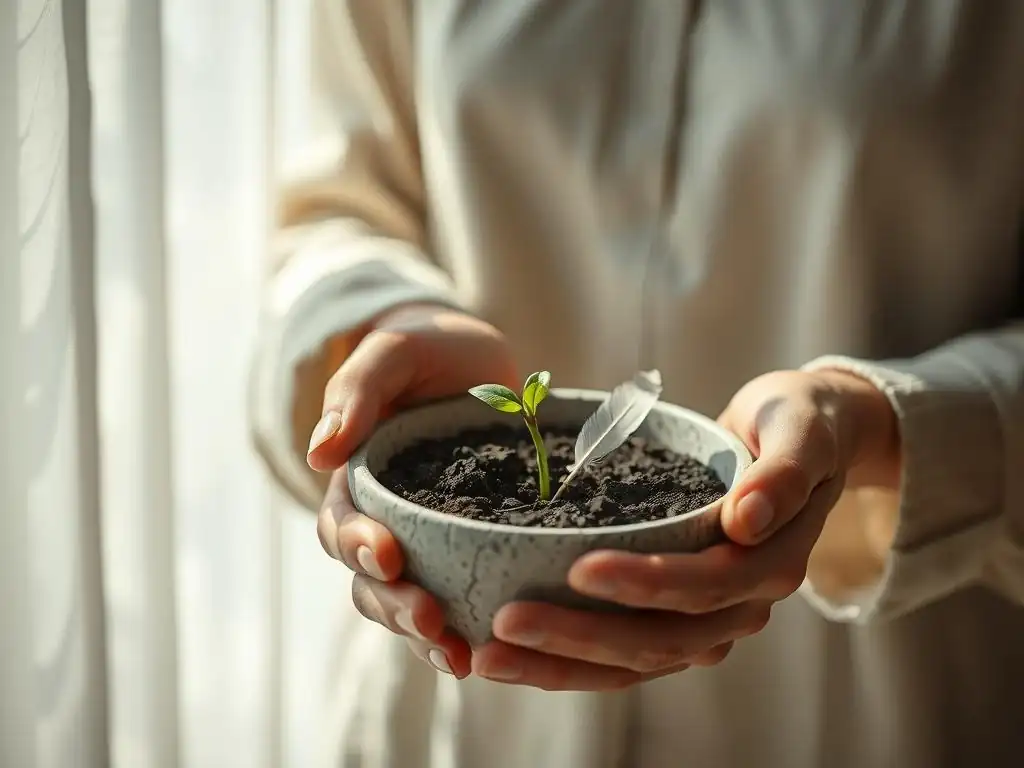
Finding Local Mental Health Professionals Specializing in PPD
Accessing professional help is a critical step. You can start by talking to your primary care physician or OB/GYN, who can screen you for PPD and provide referrals. Mental health directories, often available through insurance providers or national mental health organizations, can help you find therapists, counselors, or psychiatrists in your area who specialize in perinatal mental health. Some hospitals and community health centers also offer specialized maternal mental health programs. Don't hesitate to ask potential providers about their experience treating PPD when you contact them.
Online Support Groups and Communities for New Mothers
For mothers who find it difficult to attend in-person groups or prefer the anonymity of online platforms, numerous online support groups and communities exist. Organizations dedicated to maternal mental health often host moderated forums or social media groups where mothers can connect, share experiences, and offer mutual support. These online spaces can provide a sense of community and understanding at any time of day or night, offering a flexible source of connection during your postpartum depression recovery journey.
Books and Articles on Postpartum Depression and Recovery
Educating yourself about PPD can be empowering. Many helpful books and articles are available that explain the condition, discuss treatment options, and share personal stories of recovery. Reading about the experiences of others can help you feel less alone and provide practical insights into coping strategies and the recovery process. Look for resources from reputable authors, mental health professionals, or established organizations in the field of perinatal mental health.
Crisis Hotlines and Emergency Resources for Immediate Help
If you are experiencing severe symptoms, such as thoughts of harming yourself or your baby, it is crucial to seek immediate help. Do not wait. You can call a crisis hotline, go to the nearest emergency room, or call emergency services like 911. Having these numbers readily available can provide a lifeline during moments of acute distress. Reaching out in a crisis is a sign of strength and a critical step in ensuring safety and getting the urgent care needed to stabilize before continuing the postpartum depression recovery journey.
Long-Term Well-being After Postpartum Depression: Maintaining a Healthy Mindset
Developing Coping Mechanisms for Managing Stress and Preventing Relapse
Recovery from PPD is not just about alleviating symptoms; it's also about building resilience for the future. Developing effective coping mechanisms for managing stress and challenges is key to maintaining long-term well-being and preventing relapse. This might involve continuing practices learned in therapy, such as mindfulness, journaling, or cognitive restructuring. Identifying your personal stress triggers and having a plan for how to deal with them is crucial.
Maintaining a healthy lifestyle, including consistent sleep, nutrition, and exercise, continues to be important. Having a "wellness plan" that outlines strategies for managing stress, seeking support when needed, and recognizing early warning signs of potential relapse can be highly beneficial. This proactive approach helps you stay ahead of potential challenges and maintain progress on your postpartum depression recovery journey.
Continuing Therapy and Support as Needed
While symptoms may resolve, some individuals benefit from continuing therapy or support on an ongoing basis, perhaps less frequently than during acute treatment. This might involve periodic check-ins with a therapist or psychiatrist, or continued participation in a support group. Having a professional or peer support system in place can provide a safety net and help you navigate future life transitions or stressors without experiencing a full relapse. Think of it as maintenance for your mental health.
Some mothers find that continuing therapy helps them process other aspects of the motherhood experience or address co-occurring conditions like anxiety or past trauma. There is no shame in needing ongoing support; it is a smart strategy for maintaining mental wellness and solidifying the gains made during your postpartum depression recovery journey.
Embracing Motherhood and Building a Strong Bond with Your Child
One of the most rewarding aspects of the postpartum depression recovery journey is the ability to fully embrace motherhood and build a strong, joyful bond with your child. As symptoms subside, the emotional fog lifts, allowing you to connect with your baby on a deeper level. Engaging in positive interactions, such as cuddling, playing, singing, and simply being present, helps strengthen this bond.
It's important to be patient with yourself and the bonding process; it may take time, especially if you felt detached during your illness. Celebrate the moments of connection and trust that the bond will continue to grow. Finding joy in the small moments of motherhood becomes increasingly possible as you heal. Embracing this new chapter with a healthy mindset is the beautiful culmination of the postpartum depression recovery journey.
Conclusion: You Are Not Alone - Postpartum Depression Recovery is Possible
Postpartum depression is a challenging but treatable condition. The journeys of mothers like Sarah, Maria, and Jessica illustrate that healing is possible, even from the depths of despair. While each postpartum depression recovery journey is unique, they share common threads of seeking help, building support, engaging in treatment, and prioritizing self-care.
If you are struggling with symptoms of PPD, please know that you are not alone. Many mothers experience this, and help is available. Reaching out is a sign of strength, not weakness. With the right support and treatment, you can navigate the darkness and emerge into the dawn, finding hope, healing, and the ability to fully embrace the joys of motherhood. Your postpartum depression recovery journey is waiting, and a brighter future is within reach.
Frequently Asked Questions
How long does postpartum depression (PPD) typically last?
PPD duration varies, but it often persists for several months if left untreated. With appropriate intervention and support, recovery can be significantly shortened and improved. The recovery journey is unique to each individual.
What are some common signs and symptoms of PPD?
Common symptoms include persistent sadness, overwhelming anxiety, difficulty bonding with the baby, and feelings of hopelessness. Other indicators are sleep disturbances, appetite changes, and intrusive thoughts. Seeking professional help is crucial for accurate diagnosis.
What types of treatment are available for PPD?
Treatment options include therapy (like CBT or IPT), medication (antidepressants), and lifestyle changes. Therapy helps process emotions, while medication can regulate mood. Combining treatments often yields the best results for PPD recovery.
What support systems are helpful during PPD recovery?
Strong support networks are essential, including partners, family, friends, and support groups. Connecting with other mothers who have experienced PPD can be incredibly validating. Professional support from therapists and psychiatrists is also vital.
How can I proactively support a loved one going through PPD?
Offer practical help with childcare and household tasks, listen without judgment, and encourage them to seek professional help. Recognizing the signs of PPD early and providing unwavering support are crucial. Remind them that recovery is possible.
Final Reflection: Embracing the Dawn After Postpartum Depression
The journeys shared in this article highlight a stark reality: postpartum depression (PPD) is not a solitary struggle, but a widespread experience demanding greater understanding and support. The silence surrounding PPD often leaves mothers feeling isolated and ashamed, hindering their recovery. Breaking this silence, as these brave women have done, is the crucial first step towards fostering a more compassionate and supportive environment for all new mothers.
The impact of PPD extends far beyond the individual, rippling outwards to affect families, communities, and society as a whole. The emotional and psychological toll on mothers can have lasting consequences, impacting their relationships, careers, and overall well-being. The most common way people give up their power is by thinking they don't have any.
– Alice Walker. This quote resonates deeply, as many women experiencing PPD feel powerless in the face of their symptoms. Recognizing this powerlessness and actively seeking help is a powerful act of self-care and a crucial step towards reclaiming one's life.
You, the reader, hold the power to make a difference. Whether you are a new mother navigating the complexities of postpartum, a loved one supporting a new mother, or simply someone seeking to understand this pervasive issue, take a moment to reflect on the stories shared within these pages. Reach out, connect, and advocate for better support systems for mothers experiencing PPD. Your empathy, understanding, and action can illuminate the path towards healing and help countless others find their way from darkness to dawn.
Unveil Your Path to Postpartum Healing
Thank you for taking this journey with us. We hope sharing these powerful stories of recovery from postpartum depression (PPD) has offered you comfort, understanding, and hope. Now, it's time to take the next step on your own path.
- Join our supportive online community: Connect with other mothers navigating PPD. Share your experiences, find encouragement, and build a network of understanding. This is a safe space for you to be vulnerable and find strength.
- Explore personalized resources: Discover additional tools and information tailored to your unique needs, whether it's finding a therapist, joining a support group, or learning coping mechanisms.
- Share this article with someone who might need it: Let's spread awareness and break the stigma surrounding postpartum depression. One act of sharing can make a world of difference.
What small step will you take today to prioritize your mental well-being and begin your journey towards healing?